Attractions and Places To See around La Muela - Top 20
Best attractions and places to see around La Muela include a mix of natural and historical sites. This town, situated on a plateau 23 kilometers from Zaragoza, Spain, offers a variety of attractions that highlight its history, culture, and natural surroundings. The area features wetlands, ancient hydraulic engineering, and viewpoints offering expansive vistas.
Best attractions and places to see around La Muela
- The most popular attractions is Mirador de las Planas, a viewpoint that offers views of Zaragoza and…
Last updated: July 26, 2026
Roman Dam of Muel
Highlight • Monument
Translated by Google •
Tip by

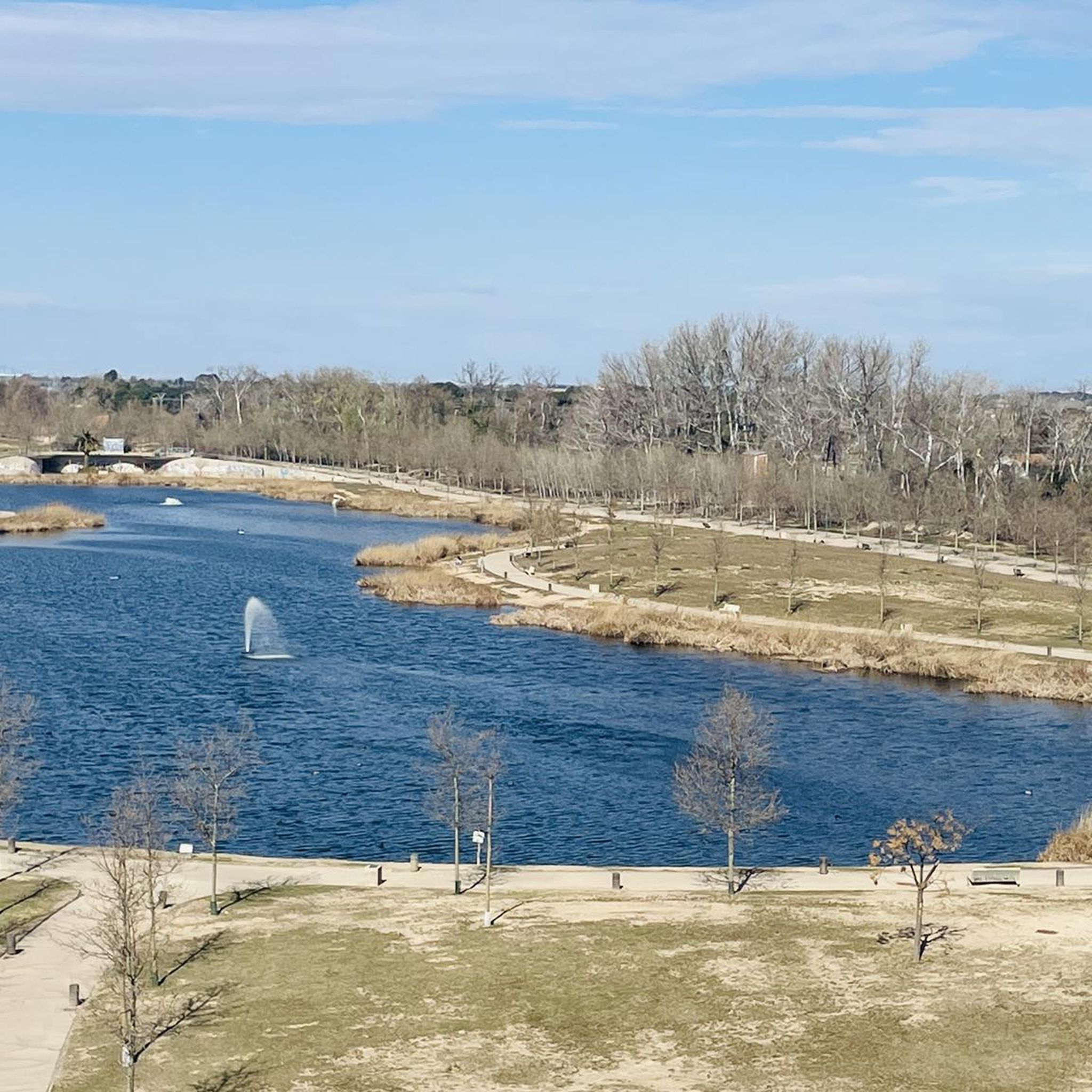
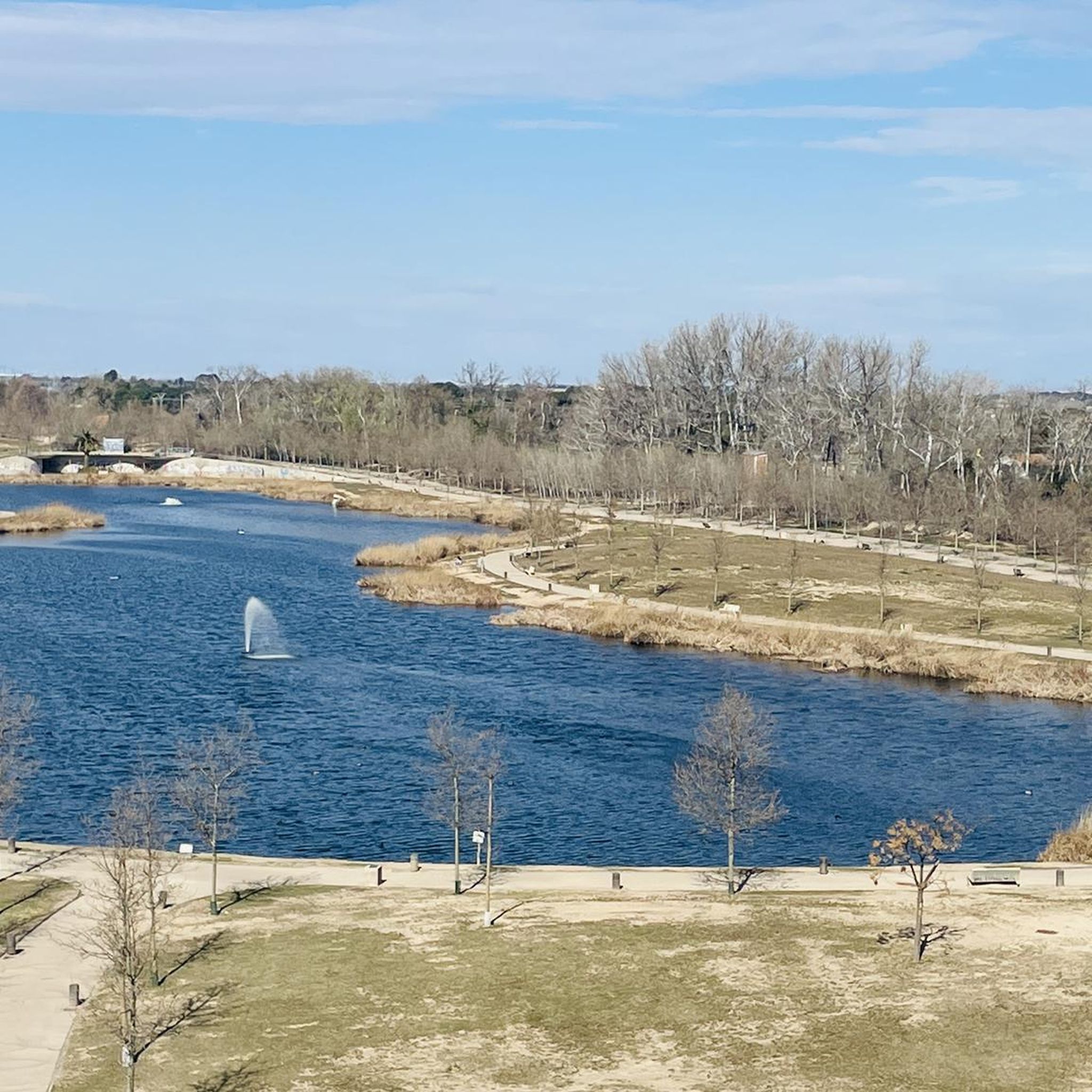
Balsa de Larralde
Highlight • Lake
Translated by Google •
Tip by

Sign up now to discover places like this
Get recommendations on the best single tracks, peaks, & plenty of other exciting outdoor places.
Sign up for free
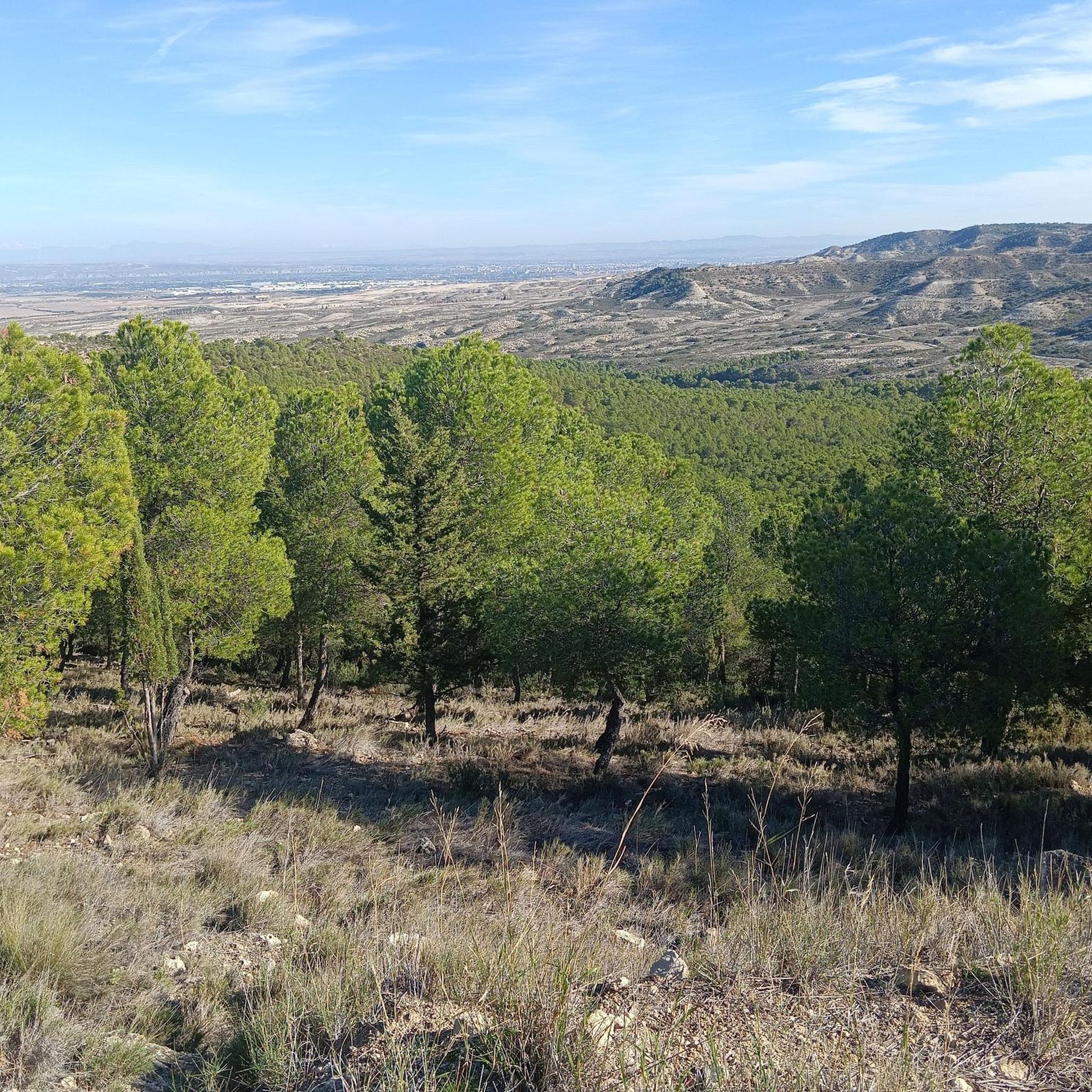
Cabezo de San Borombón
Highlight • Summit
Translated by Google •
Tip by
Mirador de las Planas
Highlight • Viewpoint
Translated by Google •
Tip by

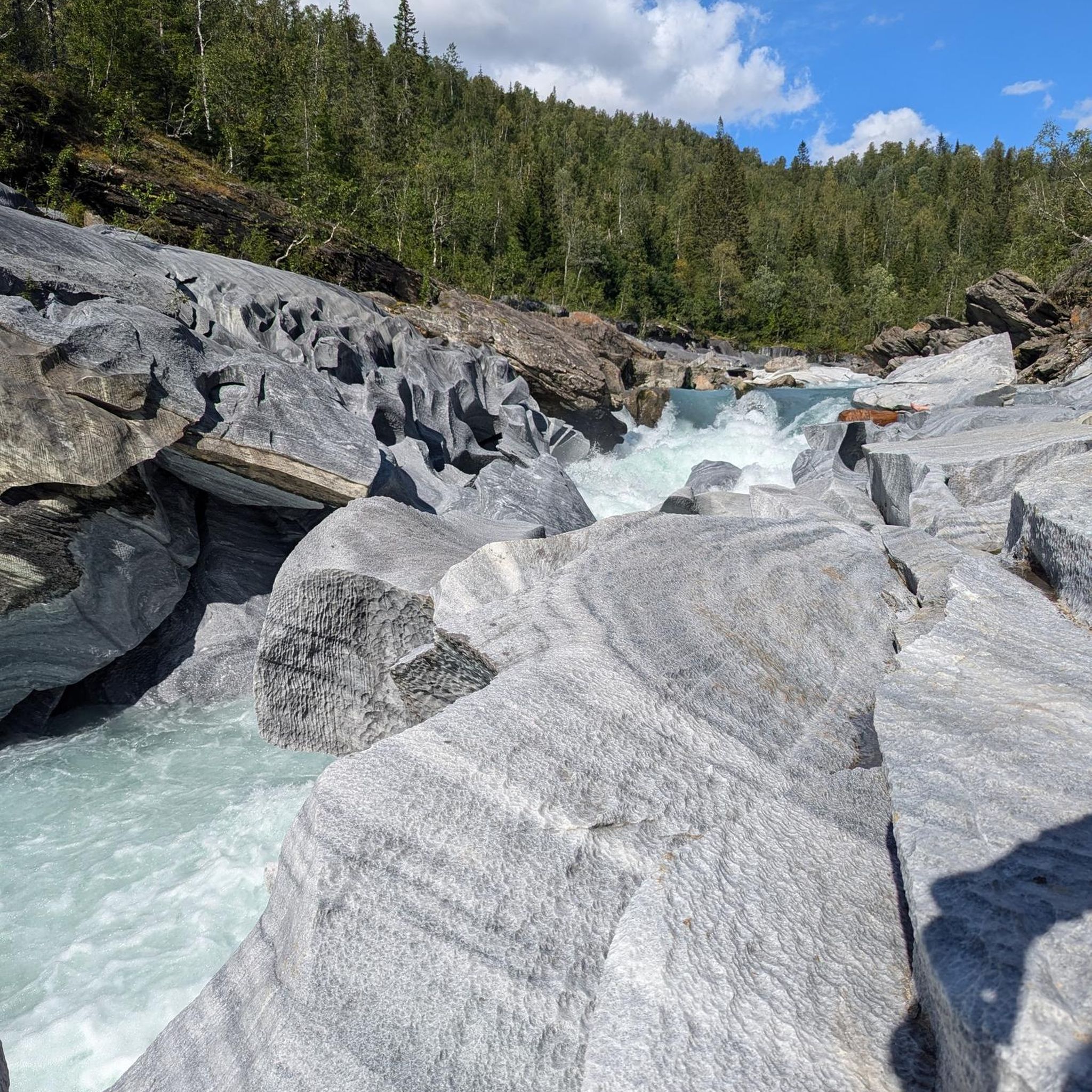
Muel Waterfalls
Highlight • Waterfall
Translated by Google •
Tip by
Sign up for free to discover even more attractions around La Muela.
Sign up for free
Already have an account?
Start today with a free account
Your next adventure awaits.
Login or Signup
Tips from the Community

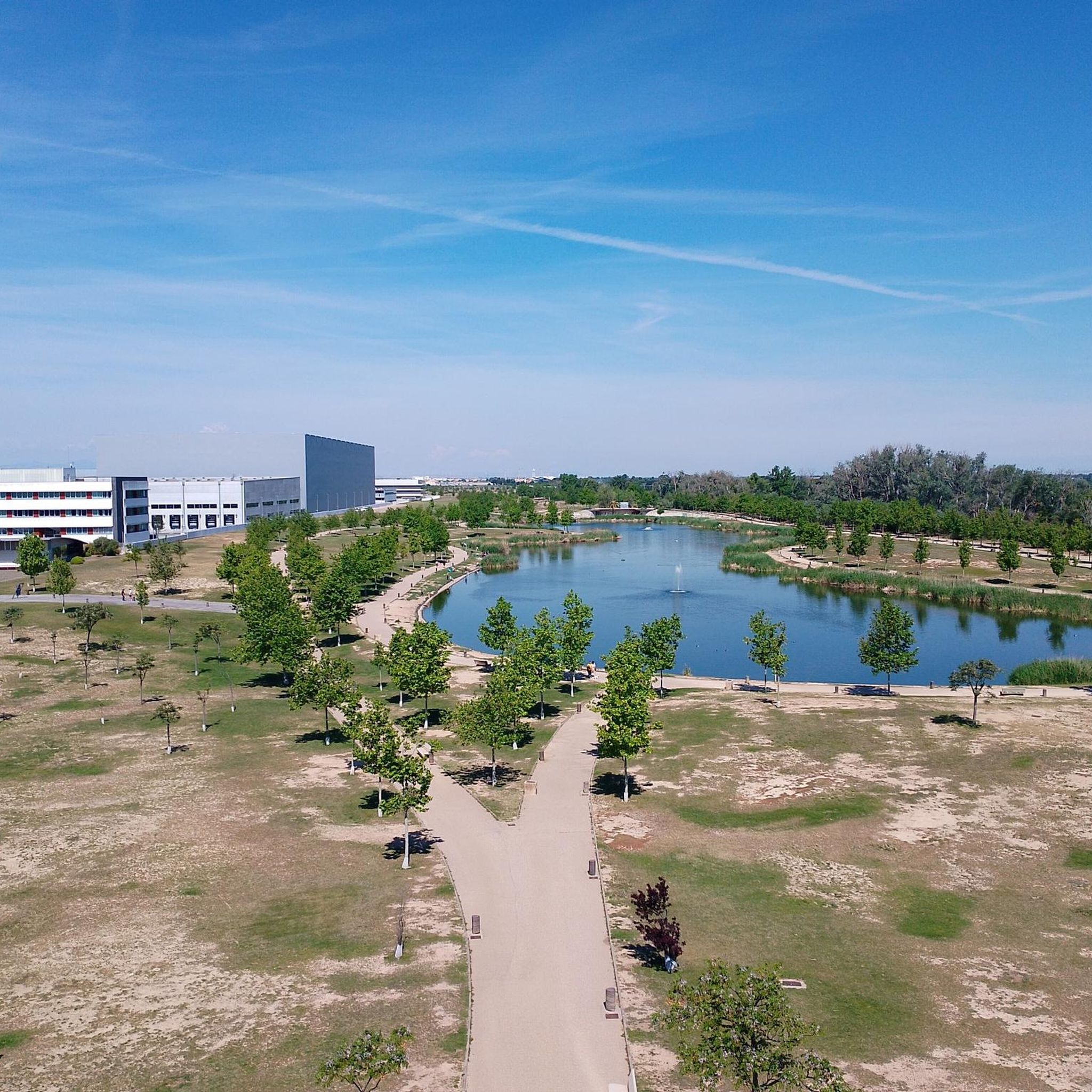
La Balsa de Larralde (also called balsa de Torre Medina) is an artificial wetland of high ecological value protected as a "Singular Wetland" by the Government of Aragon. It is located next to the Torre Medina neighborhood, in the rural district of Garrapinillos, within the municipality of Zaragoza, 🛠️ Origin and history Old quarry: It originated more than 200 years ago as a clay extraction site for building the nearby Imperial Canal of Aragon. Humidal birth: When the subsoil was perforated, the water table was reached and the excavation was permanently flooded with water. Environmental recovery: After decades of abandonment serving as an uncontrolled landfill, it was recovered from 1995 thanks to the Hydrographic Confederation of the Ebro (CHE) and the Naturalist Association of Aragon (ANSAR). 🌿 Ecological characteristics Extension: It has a protected area of about 4 hectares. Inverted water cycle: Being mainly fed by groundwater influenced by the irrigation of the Imperial Canal, it has more water in summer and spring than in winter, unlike most Mediterranean wetlands. Biodiversity refuge: It is surrounded by abundant riparian vegetation (reeds, cattails, poplars, and elms) that serves as a habitat and breeding ground for about 100 species of aquatic birds such as coots, moorhens, and ducks. 🚶 Visit and equipment It is a space open to the public, ideal for hiking and environmental education. The surroundings have: A perimeter path with wooden planks and walkways. A covered viewpoint-observatory for spotting birds without disturbing them. Interpretive panels explaining the local fauna and flora. (Note: As a local curiosity, it stands out for being the only protected wetland in Zaragoza that can be reached directly by public bus)
0
0

The Larralde raft is worth seeing, but not the rest.
0
0

Incredible, depending on the season the flow can vary greatly. We were lucky enough to pass through when there was a lot of water, it's impressive!
1
0

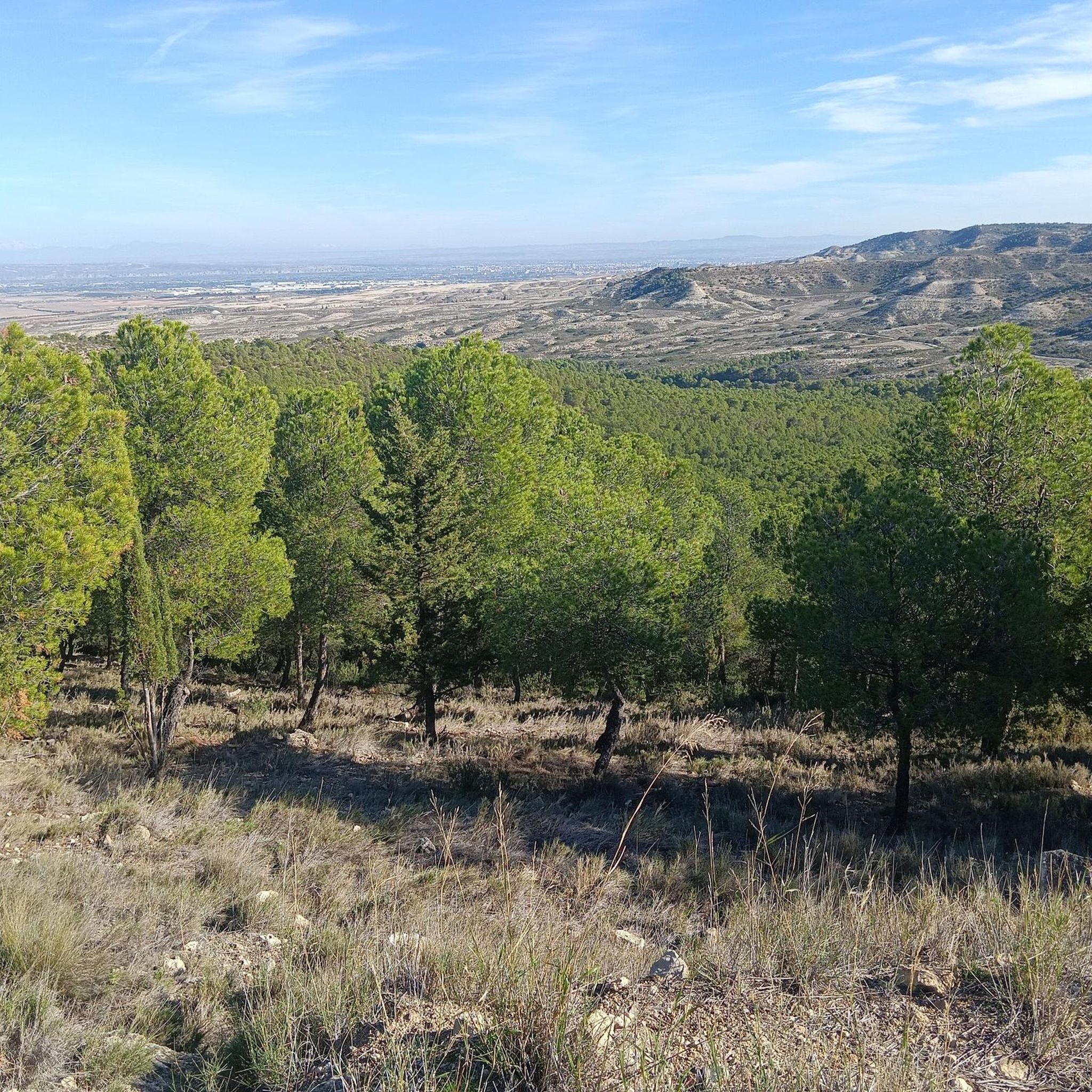
A popular spot for mountain bikers. From the viewpoint, you can see the city of Zaragoza and, on clear days, Mount Moncayo and the Pyrenees.
0
0

The highest mountain bike route from Zaragoza, once very nice without windmills, now destroyed to bring electricity to the Basque Country and Catalonia
1
0

The Cabezo San Borombón is a place of great interest in the town of Muel. Next Sunday, July 14, 2024, the 12th edition of the Trail Muel: Cabezo de San Borombón will be held in Muel. In summary, Cabezo San Borombón and its surroundings offer a unique combination of nature, history and sport. An experience worth living! 🏃♂️🏞️🌟
3
0
The Muel Roman dam is one of the most relevant hydraulic civil engineering works in the Hispano-Roman world, due to its monumentality and good state of conservation.
11
0
Frequently Asked Questions
What historical sites can I explore around La Muela?
La Muela and its surroundings offer a rich history. You can visit the Roman Dam of Muel, a remarkable 1st-century hydraulic engineering work. In La Muela itself, explore the 16th-century Gothic Church of San Clemente with its Mudejar tower, the 1701 Ermita de San Antonio, and the late 15th-century Palacio y Casa de los Torres, now the Town Hall. Don't miss the restored Nevero, a historical snow house over 300 years old.
Are there any natural attractions or viewpoints near La Muela?
Yes, the area boasts several natural highlights and scenic viewpoints. The Mirador de las Planas offers expansive views of Zaragoza and, on clear days, even Moncayo and the Pyrenees. You can also visit Balsa de Larralde, a 4-hectare wetland rich in flora and fauna. The Muel Waterfalls are another popular natural spot, often combined with a visit to the Roman Dam. For panoramic views, ascend Cabezo de San Borombón.
What museums are available in La Muela?
La Muela offers a couple of specialized museums. You can delve into local heritage at the Museo de la Vida (Museum of Life) and learn about the region's olive oil production history at the Museo del Aceite (Oil Museum).
Are there family-friendly activities or attractions in the La Muela area?
Absolutely. Many attractions are suitable for families. The Balsa de Larralde wetland is a great place for nature observation. The Roman Dam of Muel and Muel Waterfalls are also considered family-friendly, offering a mix of history and natural beauty. Additionally, Aviapark, an aviation-themed park, provides a unique experience for children and adults alike.
What outdoor activities can I do near La Muela's attractions?
The area around La Muela is excellent for outdoor enthusiasts. You can find numerous routes for running, gravel biking, and road cycling. For running, explore trails like the 'Cabezo San Borombón loop from Arañales de Muel'. Gravel biking offers routes such as 'Mirador de las Planas – Planas de María de Huerva loop'. Road cyclists can enjoy scenic rides like 'Pinesque and Balsa de Larralde - round trip from Parque Lineal de Plaza'. You can find more details on these activities in the dedicated guides for Running Trails around La Muela, Gravel biking around La Muela, and Road Cycling Routes around La Muela.
What is the significance of the La Muela II hydroelectric plant?
The La Muela II pumped-storage hydroelectric power plant, which began operating in 2014, is a significant landmark. Combined with La Muela I, it forms the largest complex of its kind in Europe, with a capacity of almost 1,500 MW, showcasing impressive modern engineering in the region.
Are there any unique natural landscapes or features to see?
Beyond specific highlights, the landscape around La Muela is characterized by old almond and olive groves, 18th-century wells, and large windmills that harness wind energy. These elements contribute to the unique rural charm and natural beauty of the plateau.
What do visitors enjoy most about the attractions around La Muela?
Visitors particularly appreciate the blend of natural beauty and historical significance. The panoramic views from spots like Mirador de las Planas are highly rated, as is the well-preserved ancient engineering of the Roman Dam of Muel. The tranquility and diverse wildlife at wetlands like Balsa de Larralde also receive positive feedback, offering a peaceful escape.
How can I access the interior of the Nevero (historical snow house)?
The Nevero, a historical snow house over 300 years old, was restored and reopened in March 2019. To access its interior and descend 6 meters to its deepest part, you need to arrange a visit with the municipal offices in La Muela.
What kind of terrain can I expect on walks and hikes near La Muela?
The terrain around La Muela varies. You'll find paths through old almond and olive groves, as well as routes leading to viewpoints on plateaus. Some trails, like those around Cabezo de San Borombón, involve ascending summits, offering 360º views. The area also features wetlands, so some paths might be near water bodies like Balsa de Larralde.
Are there any specific historical facts about the Roman Dam of Muel?
The Roman Dam of Muel is one of the largest known dams in the Roman world and a highly relevant example of hydraulic civil architecture in Roman Hispania. It was constructed between the end of the 1st century BC and the beginning of the 1st century AD by Legio IIII, highlighting the Roman legions' active role in territorial planning and public works beyond warfare.
Most popular routes around La Muela
Most popular attractions around La Muela

Get inspired with the komoot mobile app


Explore more
Still not found the Highlight you’re looking for? See guides of the top attractions in other regions:
