Attractions and Places To See around La Guardia - Top 20
Best attractions and places to see around La Guardia, a small town in Toledo, Spain, offers a rich heritage and distinctive character. Situated on a hilltop, it provides panoramic views and streets steeped in history. The area is also part of a renowned wine-producing region, featuring the Pago Campo de La Guardia vineyard. Natural surroundings include the Cedrón Stream and the La Guardia Lagoon.
Best attractions and places to see around La Guardia
- The most popular attractions is Almonacid Castle…
Last updated: May 17, 2026
Almonacid Castle
Highlight • Castle
Translated by Google •
Tip by

Church of Nuestra Señora de la Asunción (Tembleque)
Highlight • Religious Site
Translated by Google •
Tip by
Sign up now to discover places like this
Get recommendations on the best single tracks, peaks, & plenty of other exciting outdoor places.
Sign up for free
Finisterre Reservoir
Highlight • Lake
Translated by Google •
Tip by
La Guardia
Highlight • Settlement
Translated by Google •
Tip by
Casa de las Torres
Highlight • Historical Site
Translated by Google •
Tip by
Sign up for free to discover even more attractions around La Guardia.
Sign up for free
Already have an account?
Start today with a free account
Your next adventure awaits.
Login or Signup

Tips from the Community

Currently, it is not possible to climb to the castle because a tower has collapsed.
0
1

What to see in La Guardia (Toledo) Palace-House of the Jaenes (Ethnological Museum) Church of Our Lady of the Assumption Hermitage of the Holy Child Historic town center and castle ruins Cave houses and dwellings carved into the rock Natural surroundings of the Cedrón Stream and the La Guardia Lagoon Wineries and wine from the Campo de La Guardia region Main Square
11
0
La Guardia is considered a small town, but surprisingly rich in heritage, ideal for a peaceful getaway from Madrid or Toledo. Its hilltop location affords panoramic views, streets steeped in history, and a distinctive character. Although it seems like a town you could visit in a morning, it holds more history, architecture, and scenery than meets the eye. Furthermore, it's part of a renowned wine-producing region: within its boundaries lies the Pago Campo de La Guardia vineyard, a wine with a protected designation of origin, adding value for wine tourism enthusiasts.
11
0
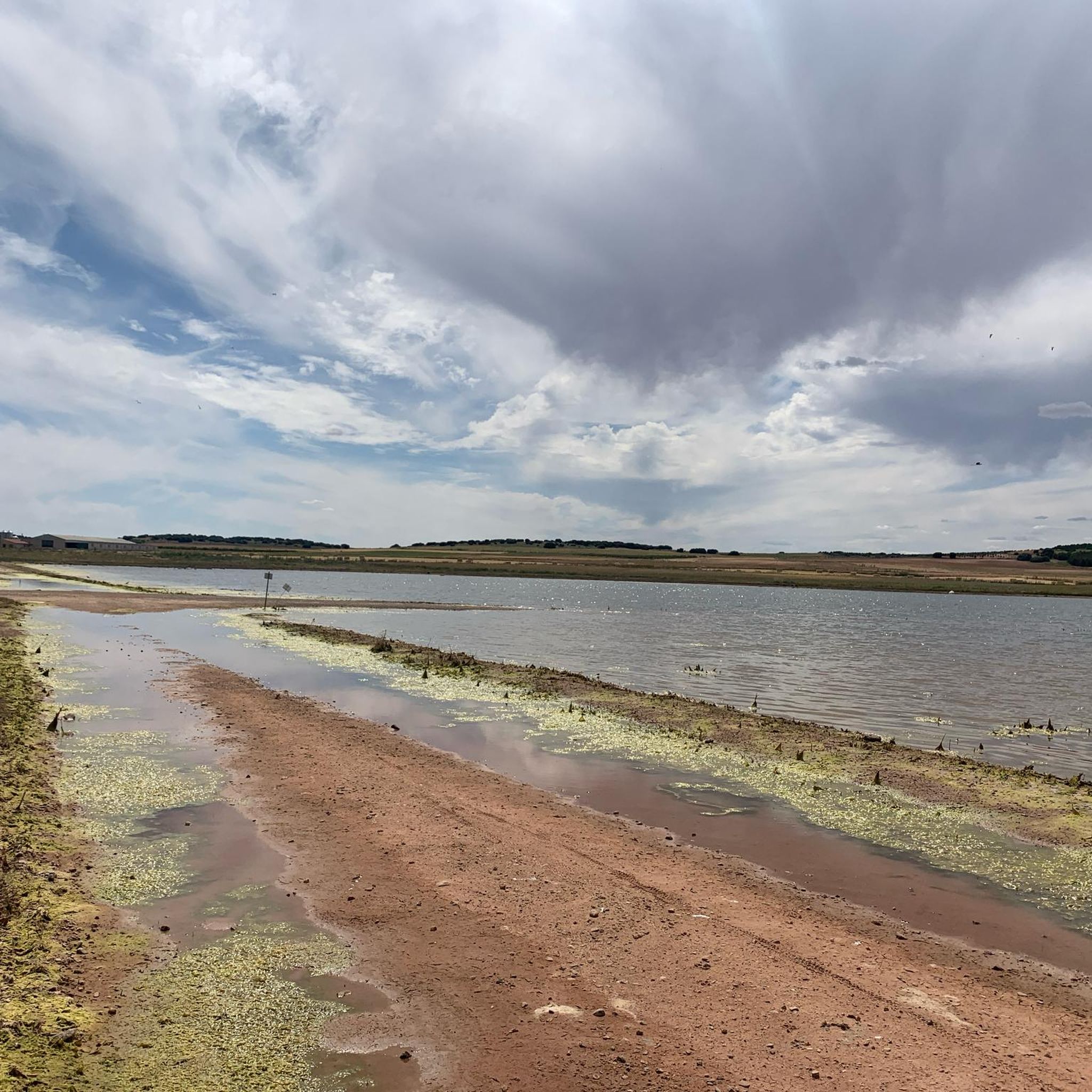
Numerous hiking and cycling routes border the reservoir: A circular route from Tembleque, crossing the Sierra de Algodor (~15 mi / 24 km), moderate difficulty, panoramic views, and picnic spots. A mountain bike route from Mora or Turleque to the shore, approximately 13–14 mi (~22 km), ideal for mountain bikes. The shoreline offers viewpoints, peninsular islands accessible in summer, and areas of Mediterranean woodland contrasting with the surrounding cereal fields.
2
0
It is located in the municipalities of Tembleque, Mora, Villanueva de Bogas, and Turleque (Toledo), about 5 km from Villanueva de Bogas, on the Algodor River, a tributary of the Tagus. Declared a Wildlife Refuge in September 2020, it boasts high biodiversity, especially of waterfowl and birds of prey.
2
0

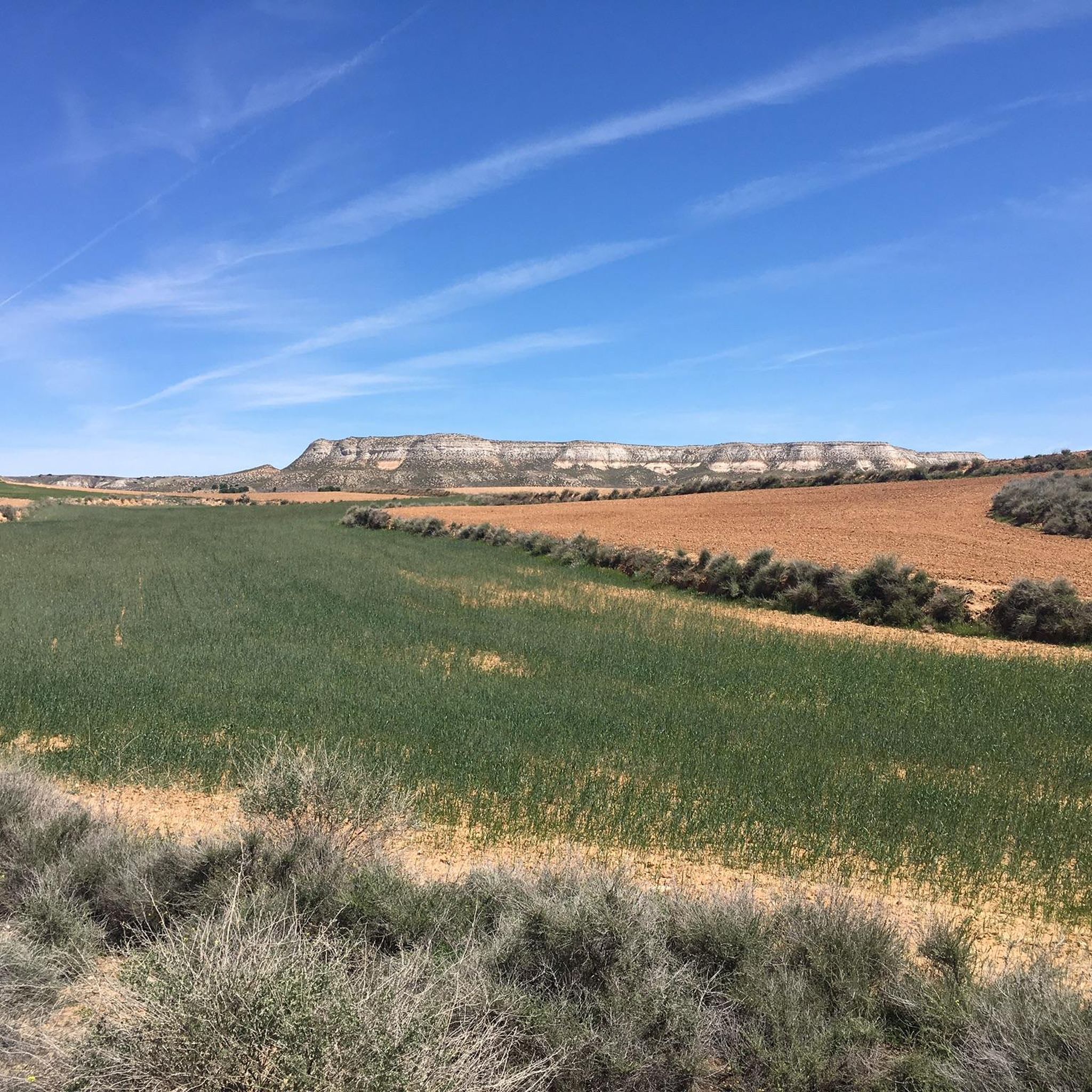
The Almonacid Castle in Toledo is a Muslim building that was donated by Alfonso VI to the Toledo Cathedral. Its current configuration is due to the reforms carried out by Archbishop D. Pedro Tenorio in the 14th century and later it served as a prison for D. Alfonso de Gijón y Noreña, bastard son of Enrique II. In the 16th century, D. Pedro Gumiel commented that the fortress needed urgent repairs. In the 18th century it passed into the hands of the counts of Mora and during the War of Independence, in the 19th century (1809), it was a refuge for the troops of General Venegas, with the Battle of Almonacid taking place at its feet, which ended with the capture of the castle by the French. In 1839 the mayor of Almonacid allowed the residents of the town to use the material from which it was made for private use, further accentuating its ruin. Today the castle is property of the City Council and access is free.
1
0
At the same entrance is the Cross of the Fallen of Tembleque.
28
0
The church of Our Lady of the Assumption of Tembleque owes its construction to the expedition to Oran in 1509, commanded by Cardinal Cisneros. Indeed, in gratitude for the million maravedíes and the company of soldiers supplied by the town of Tembleque, Cisneros made large donations for the construction of the temple, to which were added the contributions of the Priors of San Juan and those of the residents of San Juan. Wobbly. It is a transitional building between Gothic and Renaissance. Essentially built in the first half of the 16th century, the modifications carried out between 1582 and 1596 were supervised by Nicolás Vergara el Mozo. It has a Latin cross plan, a single nave of considerable height and a polygonal head. The factory is made of ashlar with powerful buttresses on the outside.
39
0
Frequently Asked Questions
What historical sites can I explore in and around La Guardia?
La Guardia itself is a town rich in history, featuring a historic town center, castle ruins, and cave houses. Nearby, you can visit the impressive Almonacid Castle, a 14th-century fortress believed to be of Muslim origin, offering panoramic views. Another significant historical site is the Plaza Mayor of Tembleque, a prime example of 17th-century Castilian Baroque architecture.
Are there any religious buildings or cultural monuments to see?
Yes, the Church of Nuestra Señora de la Asunción (Tembleque) is a notable religious building, showcasing a blend of Gothic and Renaissance styles from the 16th century. In La Guardia, you can also find the Church of Our Lady of the Assumption and the Hermitage of the Holy Child, along with the Palace-House of the Jaenes, which houses an Ethnological Museum.
What natural features or outdoor areas are there to visit near La Guardia?
The region offers several natural spots. The Finisterre Reservoir, built on the Algodor River, is a declared Wildlife Refuge known for its high biodiversity, especially waterfowl. The town of La Guardia is also situated near the Cedrón Stream and the La Guardia Lagoon, providing serene natural surroundings.
What kind of outdoor activities can I do around La Guardia?
The area around La Guardia is excellent for various outdoor activities. You can find numerous routes for jogging, hiking, and mountain biking. For instance, there are moderate running loops like 'Laguna La Guardia – running circular via the North Path of the Laguna', and hiking trails such as 'Castillo de Almonacid de Toledo – circular by the Virgen de la Oliva trail (PR-TO 22)'. Mountain bikers can explore routes like 'Laguna La Guardia – circular por Las Navas y el arroyo Cedrón'. You can find more details on these activities in the Running Trails around La Guardia, Hiking around La Guardia, and MTB Trails around La Guardia guides.
Are there family-friendly attractions in the area?
Yes, several attractions are suitable for families. The town of La Guardia itself is considered family-friendly, with its historic charm and easy exploration. The Plaza Mayor of Tembleque is also a great spot for families to experience local culture. Additionally, the Finisterre Reservoir offers opportunities for walks and enjoying nature, which can be pleasant for families.
What do visitors enjoy most about the attractions around La Guardia?
Visitors particularly appreciate the panoramic views from the hilltop location of La Guardia and from Almonacid Castle. The rich historical heritage, including ancient castles and architecturally significant plazas like the Plaza Mayor of Tembleque, is also highly valued. The serene natural landscapes, such as those around the Finisterre Reservoir, offer a peaceful escape.
Can I find good viewpoints in the La Guardia area?
Absolutely. The town of La Guardia, being situated on a hilltop, provides excellent panoramic views of the surrounding area. The Almonacid Castle, perched on a promontory, is another prime location for breathtaking vistas of the Toledo region.
Is La Guardia known for any local products or industries?
Yes, La Guardia is part of a renowned wine-producing region. Within its boundaries lies the Pago Campo de La Guardia vineyard, which produces wine with a protected designation of origin. This makes the area interesting for wine tourism enthusiasts.
How long should I plan to spend visiting attractions around La Guardia?
While La Guardia might seem like a town you could visit in a morning, its rich history, architecture, and scenery, combined with nearby attractions, warrant more time. To fully explore the town, its castle ruins, and the Ethnological Museum, plus visit the Plaza Mayor of Tembleque and the Finisterre Reservoir, a full day or even a weekend would allow for a more relaxed and comprehensive experience.
Are there opportunities for hiking near the Finisterre Reservoir?
Yes, the Finisterre Reservoir is surrounded by many roads and paths, making it ideal for hiking. You can find routes that go around the reservoir, offering a quiet and remote experience away from cities, allowing you to enjoy the landscape of this area of La Mancha. Several hiking and cycling routes border the reservoir, including a circular route from Tembleque crossing the Sierra de Algodor.
What is the significance of the Plaza Mayor of Tembleque?
The Plaza Mayor of Tembleque is a significant historical site and a prime example of Castilian popular Baroque architecture from the 17th century. It was designed with a unique double-level corridor structure to serve both as a center for urban life and as a bullring, making it an architectural gem of La Mancha.

Get inspired with the komoot mobile app


Explore more
Still not found the Highlight you’re looking for? See guides of the top attractions in other regions:
