Attractions and Places To See around Val De San Vicente - Top 20
Best attractions and places to see around Val De San Vicente, a municipality on the western Cantabrian coast, include a rich array of historical landmarks and natural features. The area is situated where the Picos de Europa meet the Cantabrian Sea, offering diverse coastal landscapes. It encompasses estuaries, marshes, cliffs, and beaches, and is known for its cultural sites and scenic beauty. The region forms part of the historic Ruta Lebaniega of the Camino de Santiago.
Best attractions and places…
Last updated: August 2, 2026
San Vicente de la Barquera
Highlight • Settlement
Translated by Google •
Tip by

San Vicente de la Barquera Old Town and La Maza Bridge
Highlight • Historical Site
Translated by Google •
Tip by

Sign up now to discover places like this
Get recommendations on the best single tracks, peaks, & plenty of other exciting outdoor places.
Sign up for free
Viewpoint and Church of Santa María de los Ángeles
Highlight • Religious Site
Translated by Google •
Tip by
Fuentes Beach
Highlight • Beach
Translated by Google •
Tip by

Puente de la Maza – Entrance to San Vicente de la Barquera
Highlight • Bridge
Translated by Google •
Tip by

Sign up for free to discover even more attractions around Val De San Vicente.
Sign up for free
Already have an account?
Start today with a free account
Your next adventure awaits.
Login or Signup
Popular around Val De San Vicente
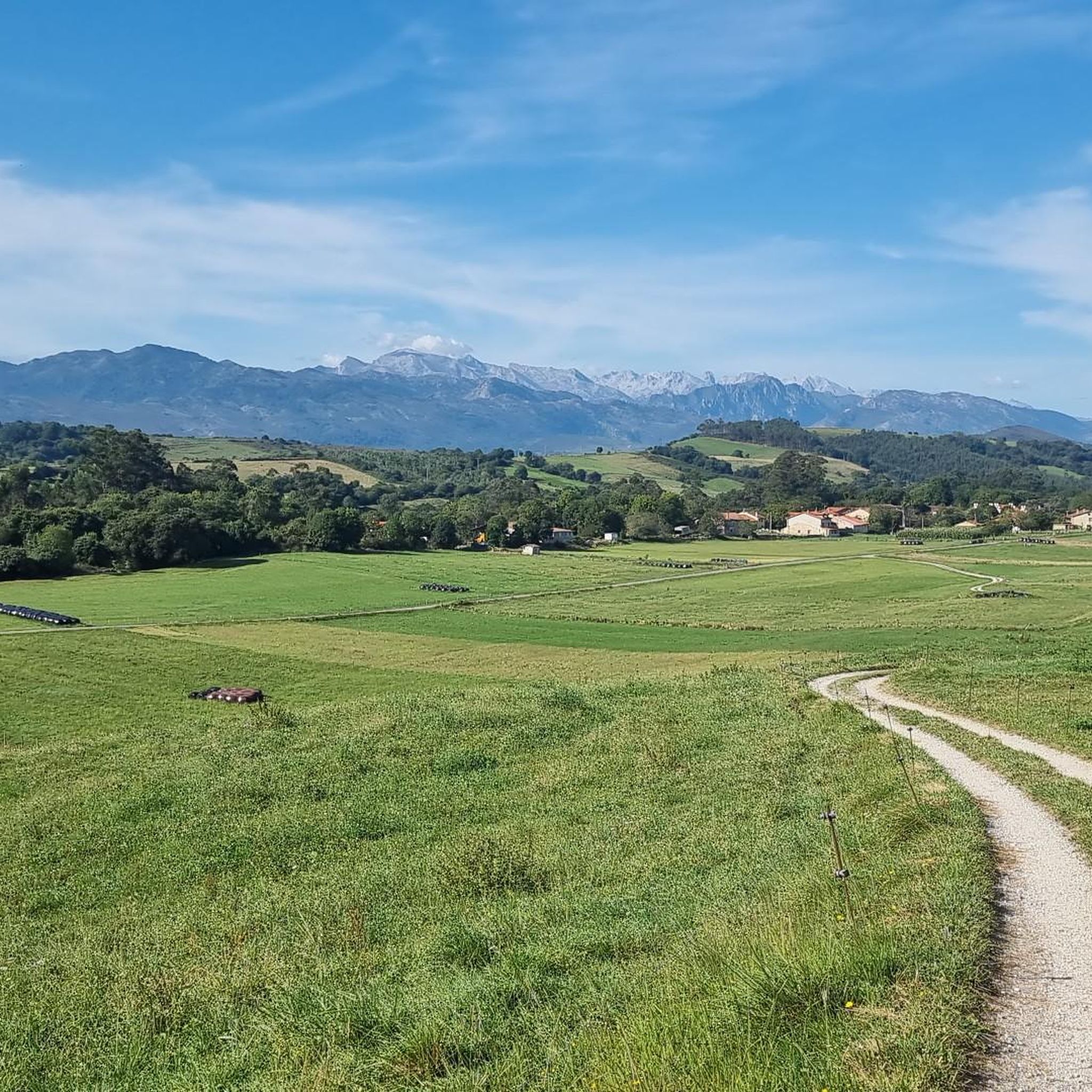
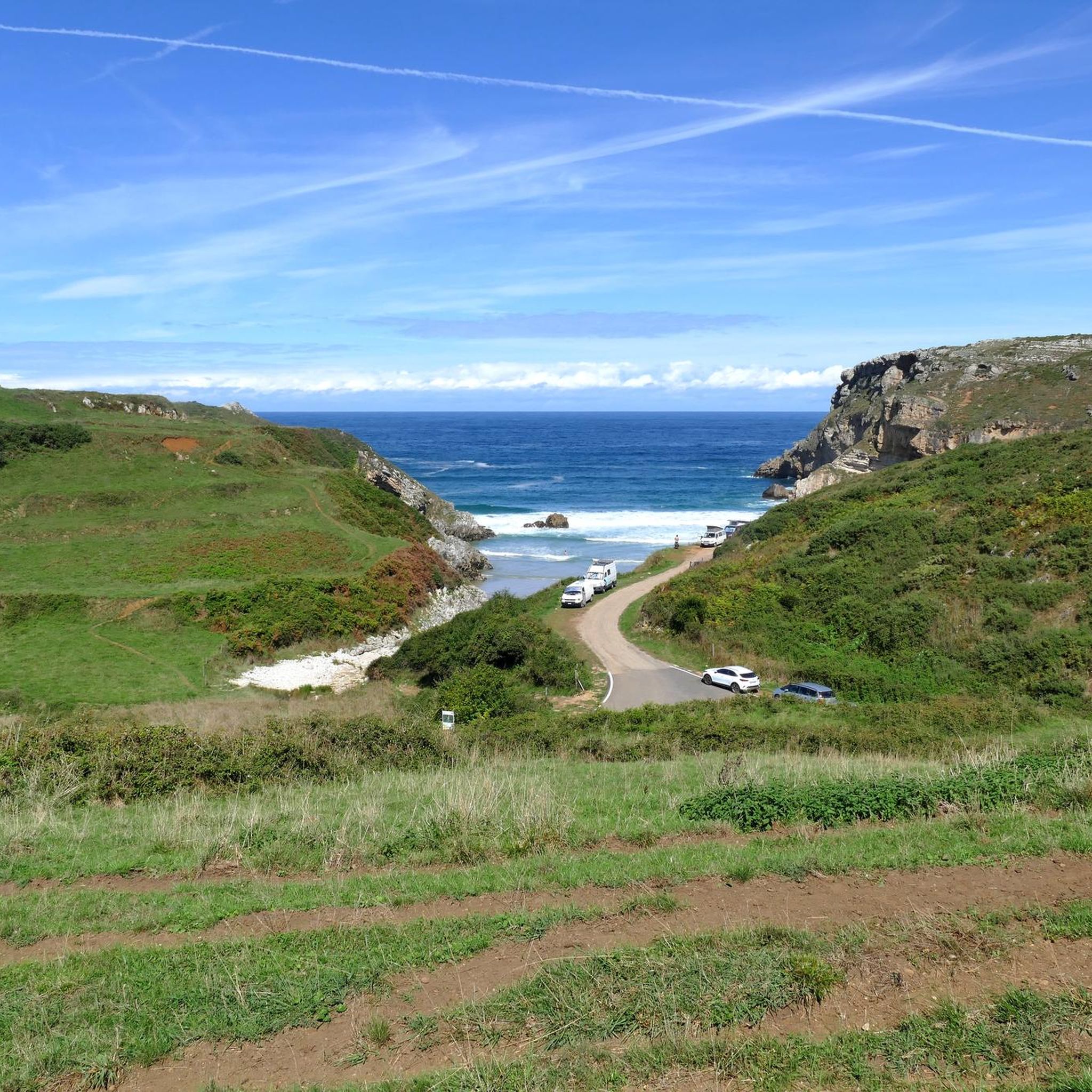

Other adventures around Val De San Vicente

Tips from the Community

The old town of San Vicente de la Barquera and the Maza Bridge are two of the main tourist attractions of this picturesque fishing village in Cantabria. This historic center dates back to medieval times and is located in a privileged natural setting within the Oyambre Natural Park.
1
0

Whenever I'm in this town, I come to this corner.
1
0
It looked like the beach of a lost island.
1
1


The Puente de la Maza (15th century), with 28 eyes and more than half a kilometer in length, allows us to cross the San Vicente estuary to the entrance of San Vicente de la Barquera, a beautiful Cantabrian town full of treasures, with an environment magnificent natural environment and an enviable artistic heritage. Its port was and still is the heart of its activity and the most important in the region. It has a really impressive medieval set.
2
0

Place with a pleasant, friendly flair. Recommended for a break stop, lots of bars and restaurants.
1
0

San Vicente de la Barquera is an impressive fishing village located in the heart of the Oyambre natural park. Located between two estuaries, San Vicente faces the sea. The landscape changes constantly with the tides and the sight of the boats perched on the sand at low tide is very particular. In Roman times, San Vicente was already an important port. In the Middle Ages, notable buildings such as the church of Santa María de los Ángeles were built and today the remains of the wall and the castle remain. However, the most appreciated monument is the stone bridge of La Maza, with its 28 eyes, built by order of the Catholic kings in the 16th century. From this bridge you can appreciate one of the most characteristic views of San Vicente, the contrast of the snow-capped peaks of Europe and the mouth of the estuary to the Cantabrian Sea.
2
0

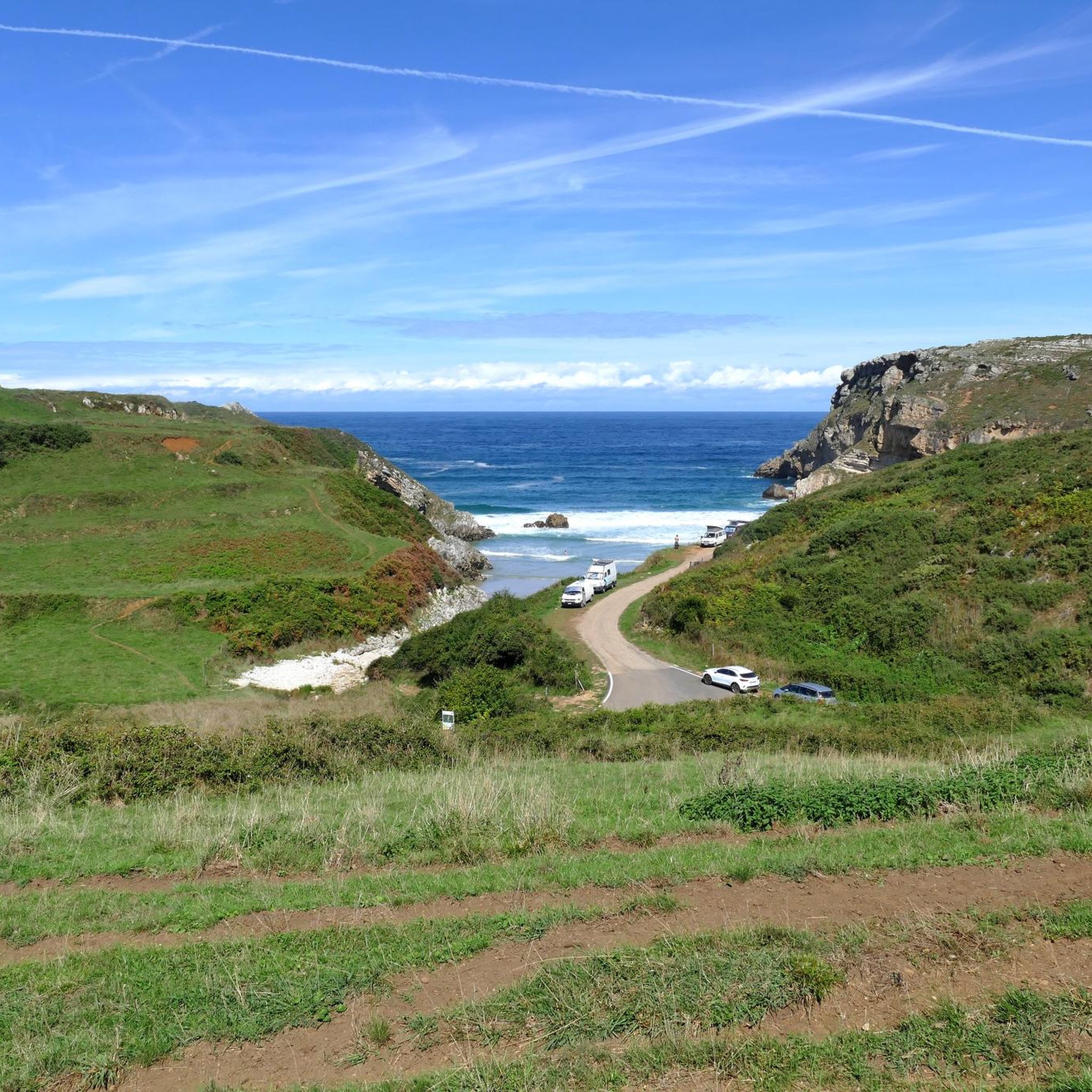
Playa de Fuentes is a beautiful little bathing bay that is well protected from the wind by the cliffs and is therefore also ideal for bathing when it gets uncomfortable on wider, unprotected beaches. The bay can be reached on foot or by car, and there is also space for a few mobile homes on the pitches above the bay.
0
1
Frequently Asked Questions
What historical and cultural sites can I explore in Val de San Vicente?
Val de San Vicente and its surroundings are rich in history. You can visit the medieval monumental complex in San Vicente de la Barquera, which includes the Gothic-style Viewpoint and Church of Santa María de los Ángeles, dating from the 13th to 16th centuries. Don't miss the 16th-century Puente de la Maza, a stone bridge with 28 arches, or the ancient Castillo del Rey. The region also forms part of the historic Ruta Lebaniega of the Camino de Santiago.
Are there any natural parks or significant natural features to visit?
Yes, the area is nestled within the impressive Oyambre Natural Park, which features diverse coastal landscapes including estuaries, marshes, cliffs, beaches, and dunes. The beautiful Estuaries of Tina Mayor and Tina Menor, formed by the Deva and Nansa rivers, are also significant natural enclaves where the landscape changes dramatically with the tides.
What kind of beaches can I find around Val de San Vicente?
The region boasts numerous beaches, many of which are semi-deserted. You can enjoy Fuentes Beach, known for its fine white sand and cove-like setting surrounded by green cliffs. Another option is Buelna Beach, a beautiful cove where tidal pools form at low tide, perfect for safe bathing.
What outdoor activities are available near the attractions?
The diverse landscape offers many outdoor activities. You can explore road cycling routes like the 'Oyambre Natural Park – San Vicente de la Barquera loop' or mountain biking trails such as the 'Fuentes Beach – Viewpoint of Sable Beach loop'. For runners, there are options like 'Running along the Nansa River river trail' or loops around Oyambre Natural Park. Find more details on these activities in the dedicated guides for Road Cycling, MTB, and Running.
Are there family-friendly attractions in Val de San Vicente?
Many attractions in the area are suitable for families. The fishing village of San Vicente de la Barquera offers a charming environment to explore, including its medieval complex and the historic Puente de la Maza. Beaches like Fuentes Beach and Buelna Beach are also great for family outings.
Where can I find the best panoramic views of the sea and mountains?
For breathtaking panoramic views, head to the viewpoint next to the Church of Santa María de los Ángeles in San Vicente de la Barquera. From here, you can see the Cantabrian Sea meeting the Picos de Europa. The Puente de la Maza also offers characteristic views of San Vicente, showcasing the contrast between the snow-capped peaks and the estuary's mouth.
What is the significance of San Vicente de la Barquera in the region?
San Vicente de la Barquera is a central hub and an impressive fishing village located within the Oyambre Natural Park. It has a rich monumental heritage, including a medieval complex, and its port has historically been, and remains, vital to the region's activity. It's also known for its beautiful beaches and as a resting place for pilgrims on the Camino de Santiago.
Are there any prehistoric sites in the area?
Yes, the Cueva del Salín, located in Muñorrodero, is a notable prehistoric archaeological site. Discovered in the 1980s, it features interesting red pictorial representations of human hands and arms and has been designated a Cultural Heritage Site since 1985.
What makes the coastal landscape of Val de San Vicente unique?
The coastal landscape is unique due to its blend of sweet and wild passages, well-preserved native woodlands, and its importance as a habitat for various bird species, including herons and migrating waders. The marshes, in particular, are known for their high biological productivity and diverse species, constantly changing with the tides.
What do visitors particularly enjoy about the attractions around Val de San Vicente?
Visitors frequently praise the historical charm of the old town of San Vicente de la Barquera, often noting the majestic old buildings and the unique atmosphere. The panoramic views from the Viewpoint and Church of Santa María de los Ángeles are also highly appreciated, offering stunning vistas of the sea and mountains. The tranquil setting of beaches like Fuentes Beach is also a favorite.
Is Val de San Vicente part of any pilgrimage routes?
Yes, the region is an integral part of the Ruta Lebaniega of the Camino de Santiago. This historic pilgrimage route connects the coastal Camino de Santiago with the Camino Francés, offering a unique cultural and spiritual experience for walkers.
What kind of local gastronomy can I expect in Val de San Vicente?
Val de San Vicente is known for its local gastronomy, which includes traditional dishes like 'angulas' (baby eels). You should also try the famous 'corbatas' puff pastry, especially popular in the nearby town of Unquera.
Most popular routes around Val De San Vicente
Most popular attractions around Val De San Vicente

Get inspired with the komoot mobile app


Explore more
Still not found the Highlight you’re looking for? See guides of the top attractions in other regions:
