The best road cycling routes around Santibáñez El Alto
283
riders
40
rides
Road cycling around Santibáñez El Alto offers a diverse landscape characterized by rolling hills, rural roads, and views of the surrounding reservoirs and agricultural areas. The region provides a mix of terrain suitable for various road cycling preferences, from gentle ascents to more challenging climbs. Cyclists can expect routes that traverse through small villages and natural settings, providing a tranquil experience.
Best road cycling routes around Santibáñez El Alto
- The most popular road cycling route is Santibáñez el Alto and…
Last updated: May 11, 2026
1
riders
61.3km
02:53
690m
690m
This moderate 38.1-mile road cycling route takes you through charming villages and offers scenic views of the Embalse de Borbollón.
41
riders
88.4km
04:43
1,730m
1,730m
Hard road ride. Very good fitness required. Mostly well-paved surfaces and easy to ride.

Sign up for free
27
riders
93.4km
04:37
1,380m
1,380m
Hard road ride. Very good fitness required. Some segments of this route may be unpaved and difficult to ride.
10
riders
31.0km
01:32
460m
460m
Moderate road ride. Good fitness required. Mostly well-paved surfaces and easy to ride.
10
riders
Hard road ride. Very good fitness required. Some segments of this route may be unpaved and difficult to ride.
Get access to more routes and recommendations from other explorers.
Sign up for free
Already have an account?
Our route recommendations are based on thousands of hikes, rides, and runs completed by other people on komoot.
Start today with a free account
Your next adventure awaits.
Login or Signup
Tips from the Community

What to see in Hoyos: Church of Our Lady of the Good Man A Romanesque-Gothic church with portals in different styles and a remarkable Romanesque carving. It is one of the town's most emblematic buildings. Parish Church of Saint John the Baptist An example of the 16th-century Gothic-Mudéjar style, with a Baroque altarpiece and frescoes on its vaults. Ruins of the Convent of the Holy Spirit A 16th-century Franciscan convent located on the outskirts of town, surrounded by nature.
3
0
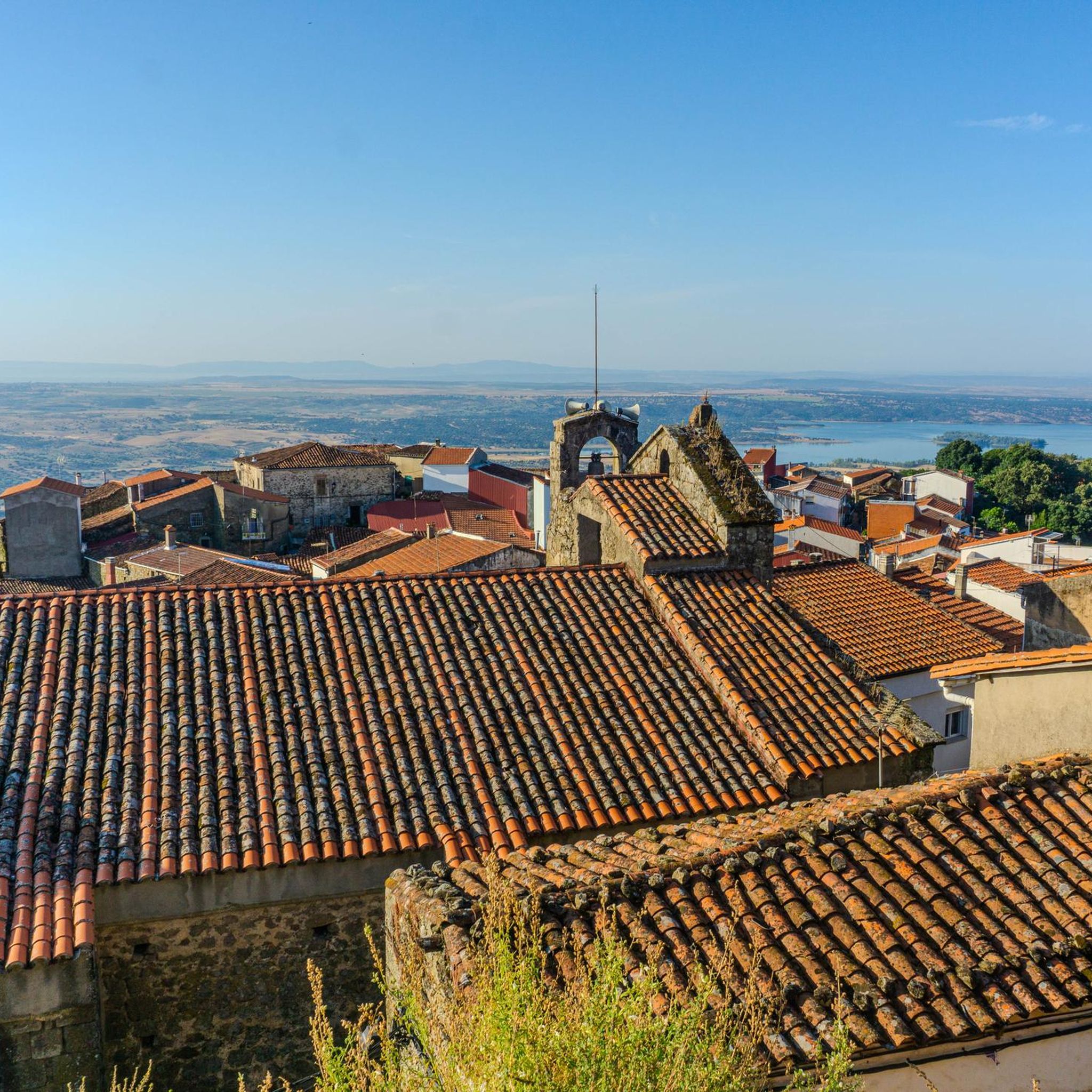
Hoyos is a highly regarded village in the Sierra de Gata mountains, renowned for its stately atmosphere, traditional architecture, and natural surroundings. It stands out for its tranquility, historical heritage, and mild microclimate, which for centuries attracted bishops and nobles to spend time there. It's a perfect destination if you're looking for peace, nature, hiking, history, and authentic Extremaduran cuisine. It's also considered a village with a rich cultural legacy, reflected in its cobbled streets, palaces, and ancestral homes.
3
0
The town's main square is known as Plaza del Palacio (Palace Square), and it serves as the administrative center and one of the town's most iconic landmarks. It is where the Villasbuenas de Gata Town Hall is located. Situated in the heart of the town center, it is a popular meeting place for locals.
3
0
The town's main square is known as Plaza del Palacio (Palace Square), and it serves as the administrative center and one of the town's most iconic landmarks. It is where the Villasbuenas de Gata Town Hall is located. Situated in the heart of the town center, it is a popular meeting place for locals.
4
0
The Alcázar Gate in Ciudad Rodrigo is one of the historic entrances to the city walls and has great heritage and scenic value. It was opened in 1507 by Antonio del Águila, warden of the Alcázar, when he built the defensive barrier in that area. It is located next to the Castle of Henry II of Trastámara, in the section of the wall facing the Águeda River, known as the Battery, due to the cannons that were once installed there.
4
0
The Plaza Mayor of Ciudad Rodrigo is the historical and social heart of the city, with a rich history that reflects its importance as an urban center: Since the Middle Ages, the Plaza Mayor has been the hub of public life: markets, proclamations, and council meetings were held there in the cloister of the former Church of San Juan. In the 16th century, public butcher shops were built, and it became a consolidated space for commercial and festive activities. Until then, the square was home to the Three Roman Columns, a vestige of the ancient Miróbriga, which had been a symbol of the city since the 13th century. In 1580, the square was expanded, incorporating the space that once housed the old prison and the Audiencia (Courthouse). It even had corridors for watching bullfights, a tradition that continues during carnivals.
7
0
Ciudad Rodrigo's Town Hall is located in the Plaza Mayor and is one of the city's most emblematic buildings. Its history is linked to the urban and political development of Ciudad Rodrigo since the Middle Ages. Medieval Origins: Ciudad Rodrigo was founded in Roman times, but its consolidation as a fortified urban center occurred in the Middle Ages. Municipal government was organized around the council, which initially met in council houses until the current building was built.
1
0
The Puerta del Alcázar is one of the ancient access gates to the walled enclosure of Ciudad Rodrigo. This gate, along with others such as the Puerta del Sol and the Puerta de Santiago, was part of the city's defensive system.
4
0
Frequently Asked Questions
How many road cycling routes are available around Santibáñez El Alto?
There are over 40 road cycling routes documented on komoot for the Santibáñez El Alto region. These routes cater to various skill levels, including easy, moderate, and challenging options, allowing cyclists to explore the diverse landscape.
What kind of terrain can I expect when road cycling in Santibáñez El Alto?
The region is characterized by rolling hills, rural roads, and scenic views of reservoirs and agricultural areas. Cyclists will encounter a mix of terrain, from gentle ascents to more demanding climbs, providing a tranquil experience through small villages and natural settings.
Are there any beginner-friendly road cycling routes in Santibáñez El Alto?
Yes, there are a few routes suitable for beginners. The region offers 2 easy-rated routes, perfect for those looking for a less strenuous ride. These routes typically feature gentler gradients and shorter distances.
Can I find challenging long-distance road cycling routes in this area?
Absolutely. Santibáñez El Alto offers several challenging long-distance routes. For instance, the Viewpoint of Hoyos – Cruz de Piedra de Villamiel loop from Rivera de Gata is a difficult 70 km route with significant elevation gain, ideal for experienced cyclists seeking a demanding ride.
Are there any circular road cycling routes around Santibáñez El Alto?
Many of the routes in the area are designed as loops, offering a convenient circular experience. An example is the Roman Stone Cross – Torre de Don Miguel loop from Torre de Don Miguel, a moderate 31 km route that starts and ends in the same location.
What are some scenic viewpoints or landmarks I can visit along the road cycling routes?
The region boasts several scenic spots and historical landmarks. You can cycle past the impressive Borbollón Dam, or visit the Torre de Almenara. For breathtaking vistas, consider routes that pass by the Chorro de los Ángeles Viewpoint.
Are there any natural pools or waterfalls accessible from the road cycling routes?
Yes, you can find natural pools and even a waterfall. The Chorrituelo Waterfall is a notable natural attraction. Additionally, you might encounter natural pools like the Riofrío Natural Pool or the Natural Pool of Descargamaría, perfect for a refreshing stop.
What is the best time of year for road cycling in Santibáñez El Alto?
The region generally offers pleasant conditions for road cycling during spring and autumn, when temperatures are milder. Summer can be warm, but early mornings or late afternoons can still be enjoyable. Winters are typically cooler, but clear days can still provide good riding opportunities.
Are there any less crowded or 'hidden gem' routes for road cyclists?
While popular routes like 'Santibáñez el Alto and Embalse' are well-loved, the region has 40 routes in total, many of which offer a quieter experience away from the main trails. Exploring some of the moderate or difficult routes, especially on weekdays, can lead to a more secluded ride through the rural landscapes.
What do other road cyclists enjoy most about the routes in Santibáñez El Alto?
Road cyclists frequently praise the diverse landscape, characterized by rolling hills and tranquil rural roads. The scenic views of the reservoirs and the opportunity to pass through charming small villages are often highlighted as key attractions, providing a peaceful and immersive cycling experience.
Can I find places to eat or rest along the road cycling routes?
Many routes traverse through or near small villages and town centers, such as the Villasbuenas de Gata Village Square. These locations often provide opportunities for refreshments, cafes, or places to rest, allowing cyclists to refuel and take a break during their ride.
Most popular attractions around Santibáñez El Alto

Get inspired with the komoot mobile app


Explore more
Browse the best Road cycling routes in other regions.
