Top 10 Castles around Vilanova I La Geltrú
Best castles around Vilanova I La Geltrú are situated in a region known for its historical depth and diverse landscapes. The area features a coastal setting complemented by the Foix River and its reservoir, providing scenic backdrops to ancient structures. This part of Catalonia offers a blend of medieval architecture and strategic defensive sites. The cultural significance of these locations is evident in their long history, with origins dating back to the 10th century.
Best castles around Vilanova I La…
Last updated: June 1, 2026
Castellet Castle and the Foix Reservoir
Highlight (Segment) • Castle
Translated by Google •
Tip by

Castellet Castle
Highlight • Castle
Translated by Google •
Tip by
Sign up now to discover places like this
Get recommendations on the best single tracks, peaks, & plenty of other exciting outdoor places.
Sign up for free
Olèrdola Castle and Archaeological Site
Highlight • Castle
Translated by Google •
Tip by
Torre del Veguer
Highlight • Castle
Its history begins in 1318, when Guillem de Cortei bought …
Translated by Google •
Tip by
Iron sculptures
Highlight • Structure
Translated by Google •
Tip by

Sign up for free to discover even more castles around Vilanova I La Geltrú.
Sign up for free
Already have an account?
Start today with a free account
Your next adventure awaits.
Login or Signup
Popular around Vilanova I La Geltrú
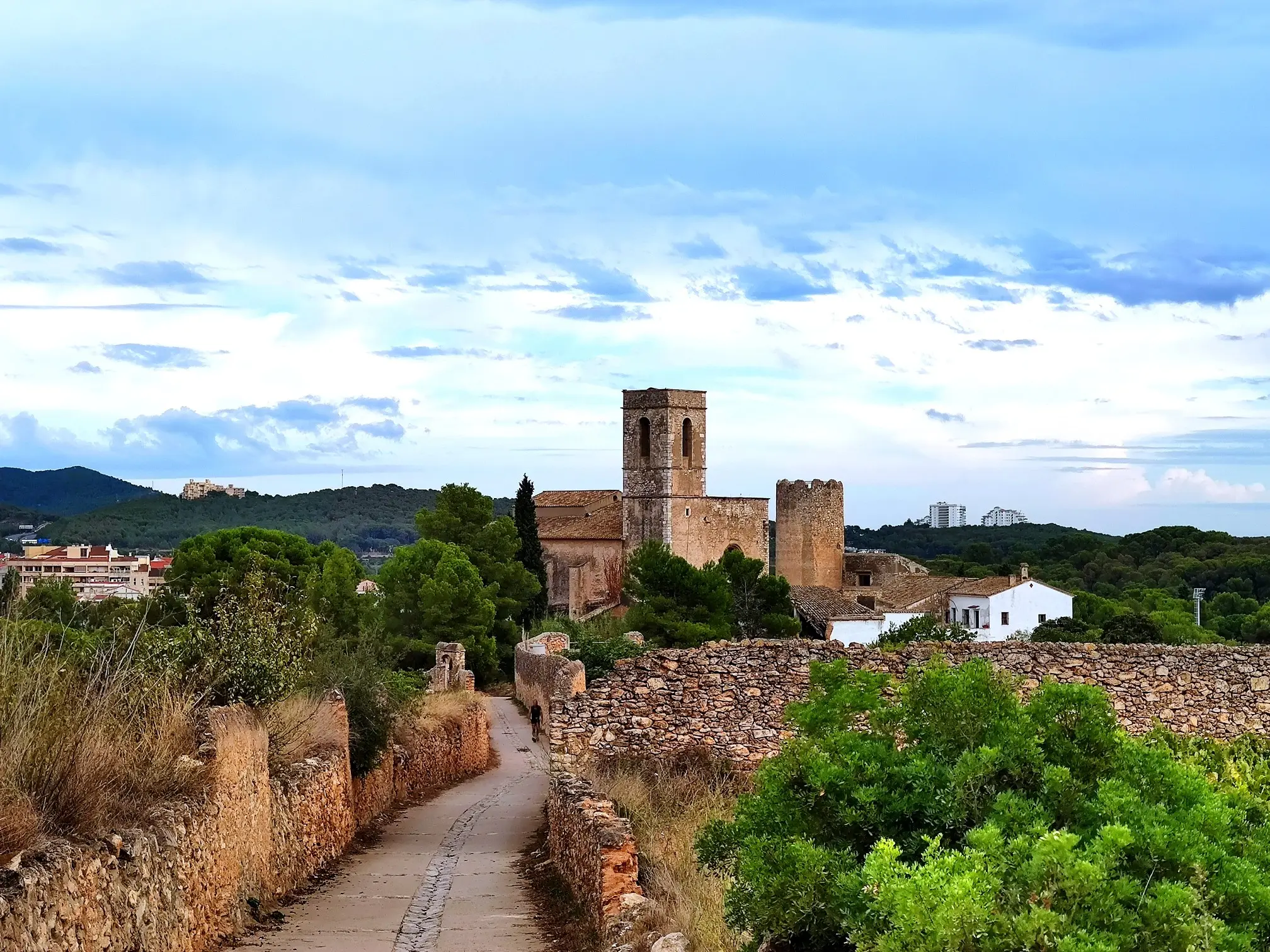
Mediterranean contrasts – gravel in the Garraf region
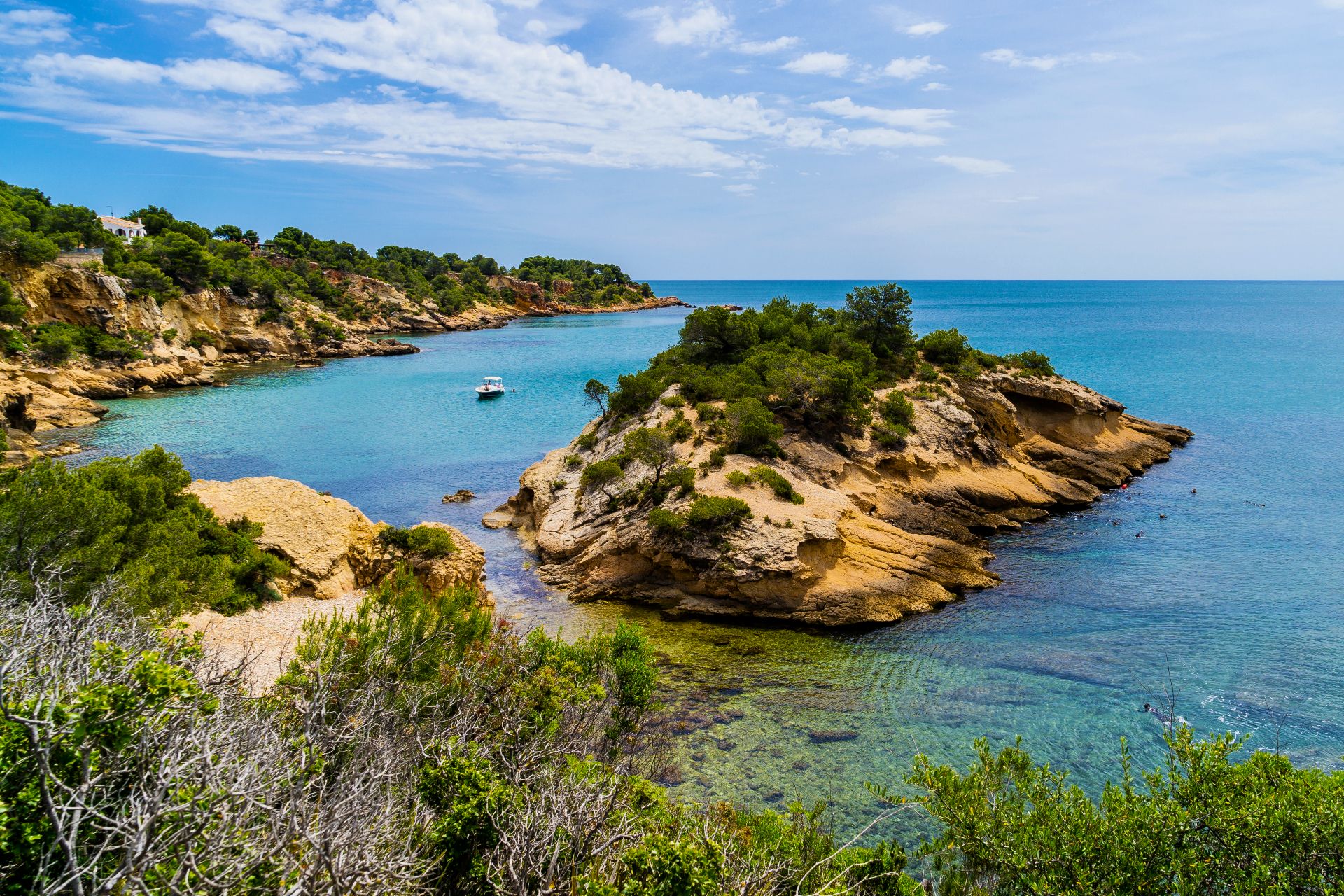
The Catalan coast on foot – Mediterranean Path (GR 92)
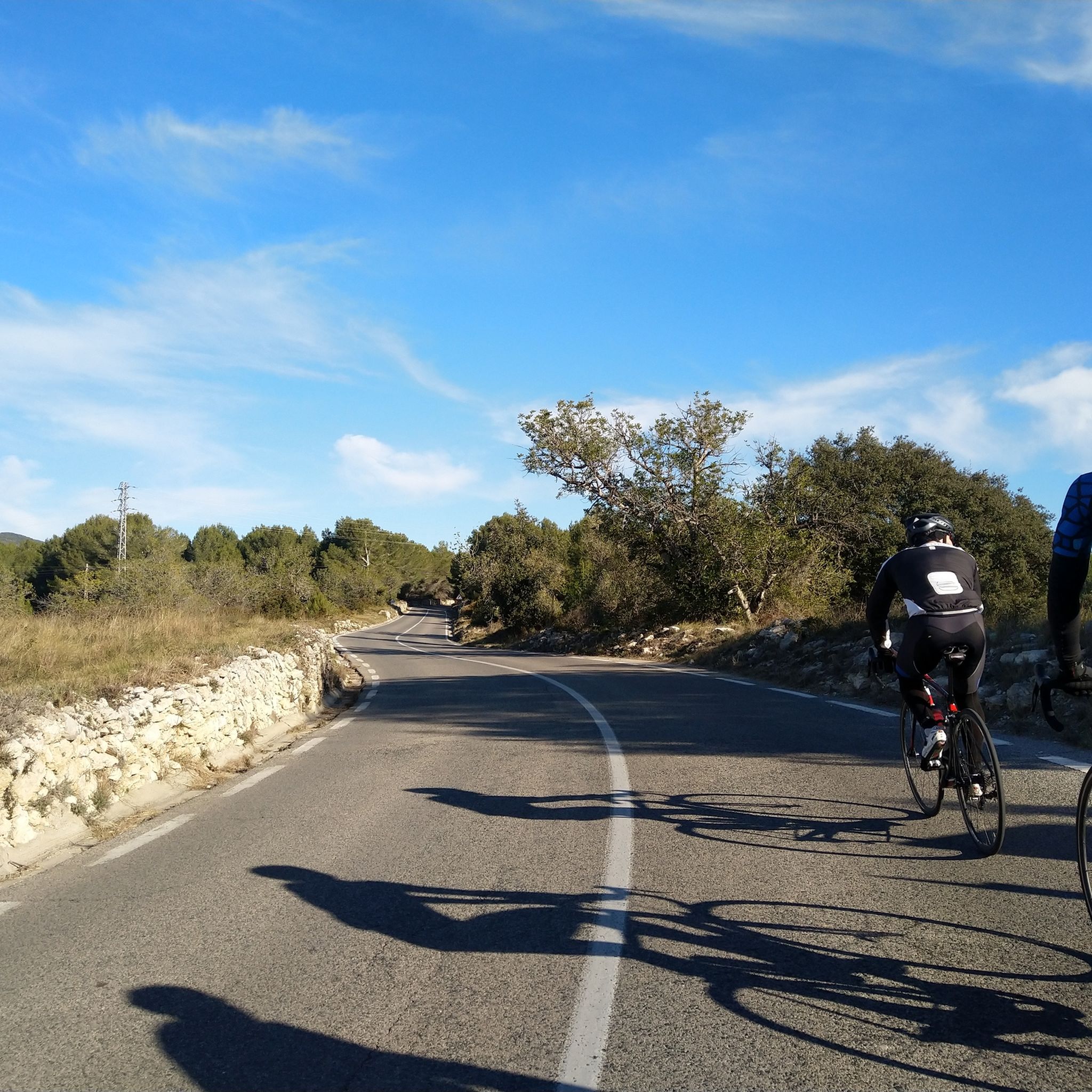
Road Cycling Routes around Vilanova I La Geltrú
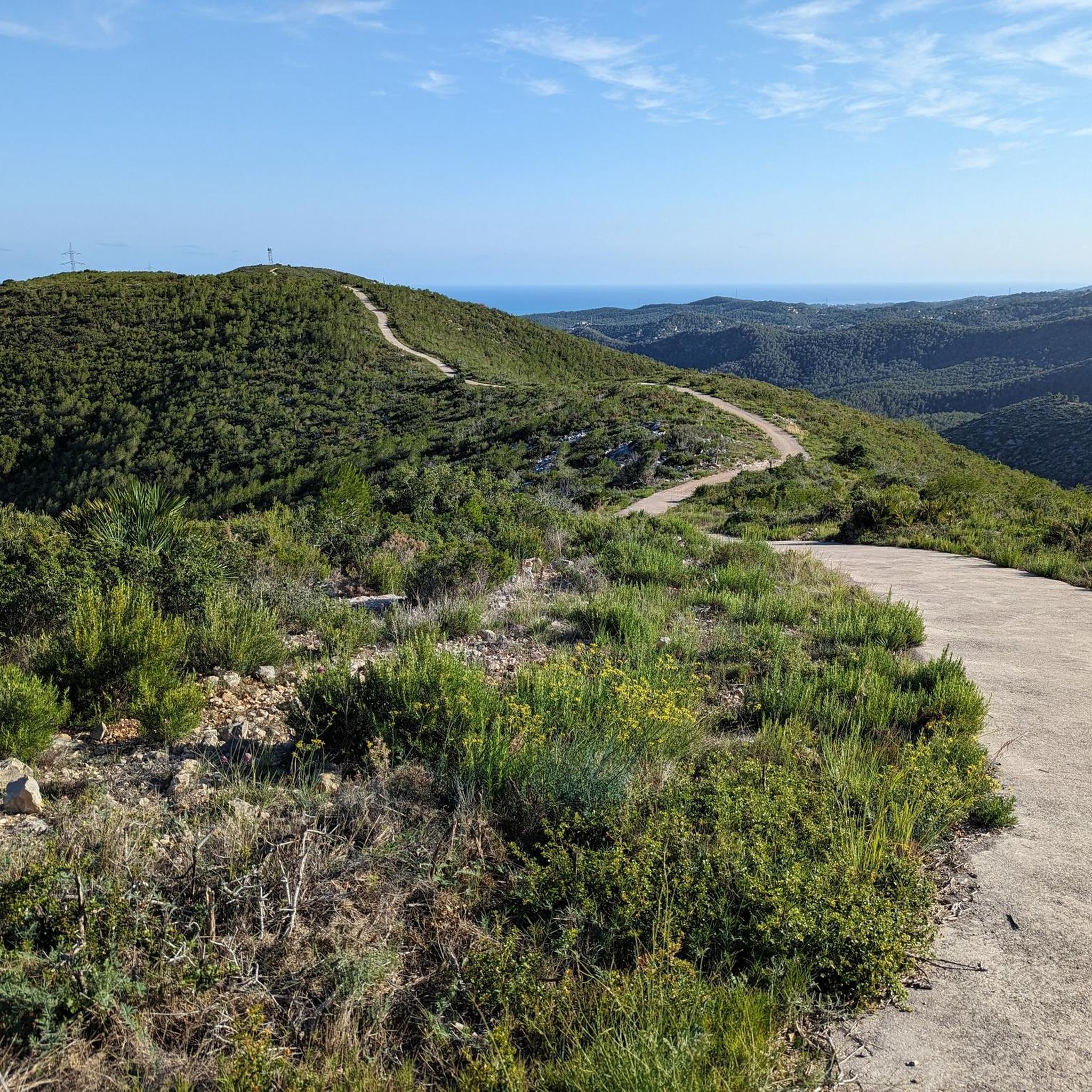
MTB Trails around Vilanova I La Geltrú
Cycling around Vilanova I La Geltrú
Running Trails around Vilanova I La Geltrú
Hiking around Vilanova I La Geltrú
Gravel biking around Vilanova I La Geltrú
Other adventures around Vilanova I La Geltrú


Tips from the Community

From the Canyellas road it is a two kilometer climb to the castle.
0
0

Beautiful town and spectacular surroundings. Dangerous road for cycling, heavy traffic.
2
0

Castellet is the most beautiful area of the Foix Reservoir, where it is worth taking good photos for the memory.
0
0
A classic stretch for cyclists in the area. Following the edge of the swamp, with ups and downs, it is a very pleasant area to ride a bike and ride with force and changes of pace.
0
0

The Torre del Veguer is a fortified house of medieval origin, located in the municipality of Sant Pere de Ribes. Its history begins in 1318, when Guillem de Cortei bought the estate, which would become known as Quadra d'Escortei. In the year 1400, the monastery of Sant Jeroni de Montoliver was founded in this place, but years later the monks abandoned it and the house passed into the hands of Gaspar d'Avinyó. In 1601, a descendant of Gaspar d'Avinyó bequeathed the property to his daughter, who married a native of Vilafranca del Penedès, and from this moment on it was called Torre del Veguer, probably because the man from Vilafranca held the position of "veguer." "(representative of the Count of Barcelona in Penedès). In 1883 the property was acquired by Josep Ferrer i Vidal, who carried out important renovations, following aesthetic guidelines inspired by medieval architecture, preserving original elements such as the semicircular arch access door and the exterior buttresses, as well as semicircular arches. point and ogivals inside.
0
0
The Foix marsh, along with Castellet castle, are the two main attractions of this area, border between Alt Penedès and Garraf. The road runs along one side of the marsh and if you come from Vilanova i la Geltrú, you will enjoy the spectacular views of the castle dominating the marsh.
1
0

Castle at the top of Olèrdola Park. This is one of the 12 natural spaces that try to be protected and at the same time that people can pass through giving life to the area. The old castle is an example, and passing by and seeing its walls is always beautiful!
0
0

The history of the place tells of the settlement of several tribes during the Bronze Age (2000-1800 BC), the construction of a primitive wall during the Iron Age (8th-7th centuries BC) and the arrival of the Cossetans (5th-4th centuries BC), an Iberian tribe that built an entire town there, later replaced by a Roman military camp that controlled the Via Augusta. At the time of the Christian conquest (929), Count Sunyer I built the first castle on the ruins of a Roman watchtower, as well as the church of Sant Miquel. The Muslim incursions of the 10th century seriously damaged the place, which had to be rebuilt during the following two centuries, after it belonged to Mir Geribert, self-proclaimed prince of Olèrdola. The visit to the complex is worth taking it easy and dedicating at least an hour to it. Before you go, you should consult their website: http://www.macolerdola.cat/Visita-ns/Informacio-per-a-la-visita
1
0
Frequently Asked Questions
What historical castles can I visit directly in Vilanova i la Geltrú?
Within Vilanova i la Geltrú itself, you can explore the Castell de la Geltrú. This ancient fortress, dating back to the Gothic period with records from 999, was originally a defensive stronghold. While significantly reconstructed in the early 20th century, it retains authentic medieval elements like a 12th-century square tower base and Romanesque and Gothic features. Today, it houses the Comarcal Archive of Garraf, and its surrounding streets offer a glimpse into the medieval town structure.
Are there other notable castles near Vilanova i la Geltrú?
Yes, just outside Vilanova i la Geltrú, you'll find Castellet Castle. This 10th-century castle is strategically positioned on a meander of the Foix River, offering picturesque views of the Foix reservoir. It's a prominent historical attraction in the surrounding area, known for its strategic location between Garraf and Penedès.
Which castles offer the best historical insights into the region?
For deep historical insights, the Olèrdola Castle and Archaeological Site is highly recommended. This monumental complex spans from the Early Bronze Age to the medieval period, featuring a Roman wall, a large Roman cistern, and the 10th-century Sant Miquel church. It provides a comprehensive look at the history of Penedès, from ancient times through the High Middle Ages.
What kind of views can I expect when visiting castles in this area?
Many castles in the region offer stunning views. For instance, Castellet Castle and the Foix Reservoir provides spectacular vistas of the castle dominating the landscape, especially when driving along the Foix marsh. The strategic locations of these castles often mean they overlook rivers, reservoirs, or expansive plains, offering excellent photo opportunities.
Are there any castles with unique architectural features?
The Torre del Veguer, a fortified house of medieval origin, stands out for its architectural blend. While its history dates back to 1318, it underwent significant renovations in the 19th century, inspired by medieval aesthetics. It preserves original elements like a semicircular arch access door and exterior buttresses, alongside semicircular and ogival arches inside, making it a fascinating example of historical adaptation.
What outdoor activities can I do near these castles?
The area around Vilanova i la Geltrú's castles is excellent for outdoor activities. You can find numerous road cycling, gravel biking, and mountain biking routes. For example, there's the 'Foix Reservoir – Castellet Castle loop' for road cycling, or the 'Castellet Castle – Fondo del Blai Trail loop' for mountain biking. You can explore more options on the Road Cycling Routes around Vilanova I La Geltrú, Gravel biking around Vilanova I La Geltrú, and MTB Trails around Vilanova I La Geltrú guides.
Are there hiking trails near the castles?
Yes, several routes offer opportunities for walking and hiking near the castles. While specific hiking trails directly linked to individual castles aren't detailed, the general area provides scenic walks. For instance, the road along the Foix marsh near Castellet Castle is popular for its views. The MTB Trails around Vilanova I La Geltrú guide also lists routes that can be adapted for walking, often passing by natural and historical points of interest.
What do visitors enjoy most about the castles around Vilanova i la Geltrú?
Visitors particularly appreciate the blend of history and natural beauty. Many highlight the spectacular views, especially around Castellet Castle and the Foix Reservoir, noting the scenic drives and the castle's dominance over the landscape. The historical significance and well-preserved elements of sites like Olèrdola Castle also receive high praise for their educational value.
Is there a good time of year to visit these castles?
The region generally enjoys a Mediterranean climate. Spring and autumn offer pleasant temperatures, ideal for exploring the castles and their surroundings without the intense heat of summer. These seasons also provide lush landscapes and comfortable conditions for outdoor activities like cycling or walking near the castle sites.
Are there any archaeological sites alongside the castles?
Absolutely. The Olèrdola Castle and Archaeological Site is a prime example. It's not just a castle but a vast monumental complex that includes Roman walls, ancient cisterns, and a necropolis, showcasing continuous human presence from the Bronze Age through the medieval period. It also houses a branch of the Museum of Archeology of Catalonia.
Can I find places to eat or drink near the castles?
Yes, for example, near Castellet Castle, there is a terrace bar that is popular with bikers and cyclists, offering a convenient spot for refreshments after exploring the castle and its scenic surroundings. Other castles may have facilities nearby or in the closest villages.
Are there any castles that are particularly good for photography?
The Castell de la Geltrú, with its striking rectangular façade, round-arched portal, and elegant windows, offers excellent photo opportunities, especially when combined with the nearby Santa María de la Geltrú Parish Church and the medieval street structure. Castellet Castle, dominating the Foix reservoir, also provides dramatic landscape shots.
Most popular routes around Vilanova I La Geltrú
Most popular attractions around Vilanova I La Geltrú

Get inspired with the komoot mobile app


Explore more
Looking for the best castles somewhere else? Discover other guides around Vilanova I La Geltrú:
