Attractions and Places To See around Alcántara - Top 20
Best attractions and places to see around Alcántara, located in Spain's Cáceres province, offer a blend of historical significance and natural beauty. The town is known for its ancient Roman engineering marvels, significant cultural sites, and the Tagus River. Visitors can explore a rich monumental heritage set against a backdrop of diverse landscapes. The region provides opportunities to discover both man-made structures and natural features.
Best attractions and places to see around Alcántara
- The most popular attractions is Alcántara Roman…
Last updated: October 11, 2026
Alcántara Roman Bridge
Highlight • Bridge
Translated by Google •
Tip by

Roco-Campofrío Palace (Alcántara)
Highlight • Historical Site
Translated by Google •
Tip by
Sign up now to discover places like this
Get recommendations on the best single tracks, peaks, & plenty of other exciting outdoor places.
Santa María de Almocóvar Church
Highlight • Bridge
Translated by Google •
Tip by
Perero House (Alcántara)
Highlight • Historical Site
Translated by Google •
Tip by
Brozas
Highlight • Settlement
Translated by Google •
Tip by

Sign up for free to discover even more attractions around Alcántara.
Already have an account?
Start today with a free account
Your next adventure awaits.
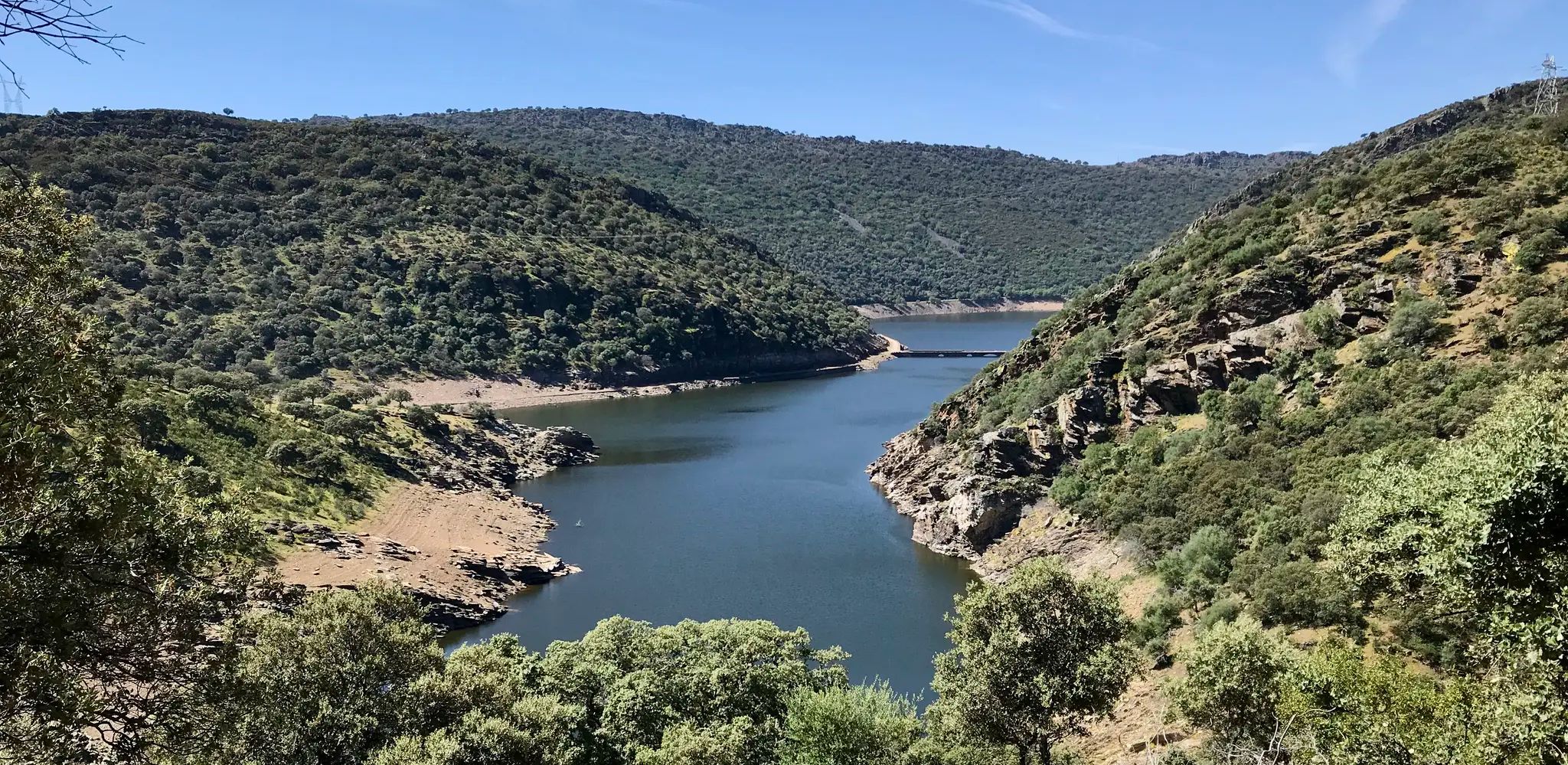
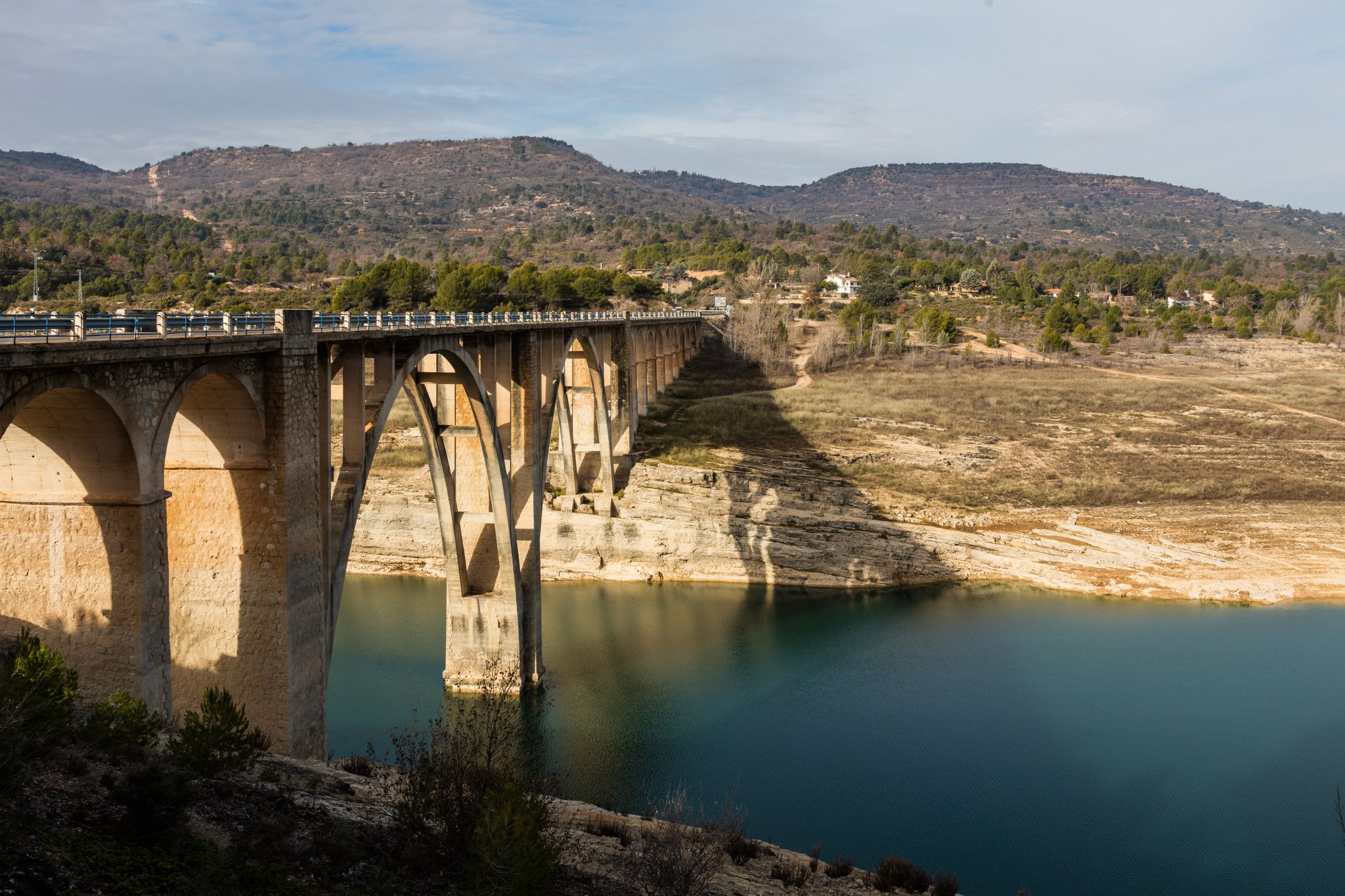
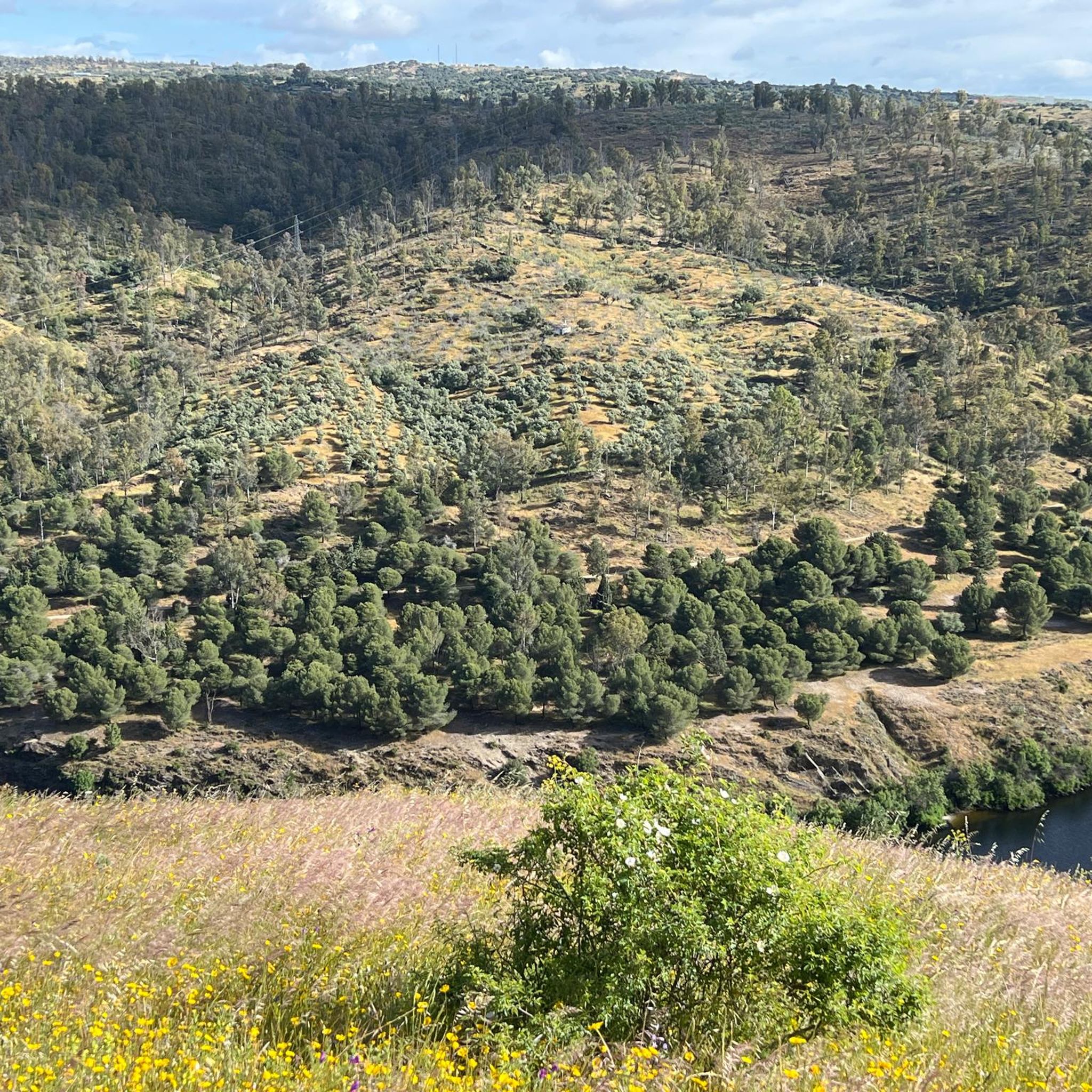



Tips from the Community

The Church of Santa María de Almocóvar, located in the Plaza de España in Alcántara (Cáceres), is one of the most emblematic churches in Extremadura and has been declared a Site of Cultural Interest since 1987. Inside, several pieces of interest are preserved: the tomb of Commander Antonio Bravo de Jerez, made by Lucas Mitata; five panels by Luis de Morales; a recumbent Christ, attributed to Martínez Montañés; a sculpture by Sebastián de Paz from 1639; the tomb of Master Yáñez de la Barbuda; and the baptismal font where Saint Peter of Alcántara was baptized.
10
0

Enjoy a peaceful walk in nature and enjoy the beautiful surroundings.
1
0
Built over the Tagus River near present-day Alcántara, in the province of Cáceres, the Alcántara Bridge is one of the most beautiful and important examples of Roman civil engineering. Despite being shorter than that of Mérida and with fewer arches, it is much higher and above all more impressive. The complex is made up of three distinct parts: the bridge, the central triumphal arch and a small rectangular temple measuring 5.60 x 4.10 meters. This building consists of a staircase, two Tuscan columns, an entablature and a classical pediment. A restored plaque indicates the name of its builder and reminds us that the bridge will last “as long as the world lasts”:
36
1
Its current state is a ruin, although on the facade of the monument you can see the coat of arms presiding over the door. It is a work that was never completed, although despite everything the façade shows the desired purpose that its promoters had. The façade symmetrically divides the composition, oriented into three floors, with three openings on each side. The central structure opens on the lower floor framed with two superb columns of Tuscan order that support a classic frieze of triglyphs and metopes, with an entablature for a balcony with two new columns of the same style as the lower ones. The finish on the third floor is a curvilinear pediment split to place a marble shield with the arms of the Roco. The first and second floors are decorated with triangular pediments, and the corners are crossed by boxed pilasters.
34
0
Some pieces of interest are preserved inside: the tomb of Commander Antonio Bravo of Jerez, made by Lucas Mitata; five panels by Luis de Morales; a Recumbent Christ, attributed to Martínez Montañés; a carving by Sebastián de Paz from 1639; the tomb of Master Yáñez de la Barbuda, and the font where San Pedro de Alcántara was baptized.
35
1
Manor houses and palaces. An example of the construction boom promoted by the rich nobility and clergy linked to the Military Order and settled in Alcántara since the 13th century, numerous palaces were built such as: Casa de Bernardo de Aldana, Casa de los Aldana, Casa de los Arias QuintanaDueñas, House of the Perero, House of Vélez Suárez, House of the Cabrera, House of the Pacheco, Palace of the Barco, House of the Clavería, House of the Barrantes Maldonado, one of the oldest families in Alcántara, Palace of the Roco Campofrío, with a monumental façade that indicates the importance of this lineage, Palacio de los Aponte where the heraldic shields of the Aldana, Zúñiga, Rocha, Ovando and Aponte families stand out, Palace of the Topete Escobar, House of the Oviedo, popularly known as “Casa de los Calderones”, due to the cauldron on the shields of its façade, it has two topless towers.
33
0
Built on the mosque. For the origin of the name there are two theories; The first is that Almocóvar comes from "Al-Mocovara" which means the highest place, and the second is that its name would derive from "Al-Macâvir", the cemetery. After the conquest of the population, the mosque was adapted to Christian worship, but in 1281 the construction of a new temple began. The three portals of the original Romanesque temple are preserved, of which the main one constitutes one of the few examples of the Romanesque in Extremadura. Throughout the 16th century, some works were carried out; In 1542, the construction of a sacristy was completed, and towards the middle of the century, the master of the Order, Pedro de Ybarra, was commissioned to build a main chapel. Its current state is the result of the works carried out in the first third of the 17th century.
28
1
The ruins of the Palace of the Roco-Campofrío are located in the Plaza de la Corredera, in front of the Palace of the Marquises of Torreorgaz, near the Hermitage of Our Lady of Encarnación, in the town of Alcántara, province of Cáceres. Although its current state is ruinous, the monumental façade indicates the past importance of this lineage, whose coat of arms presides over the façade.
9
1
Frequently Asked Questions
What historical landmarks can I explore in Alcántara?
Alcántara is rich in history, offering several notable landmarks. The most prominent is the Alcántara Roman Bridge, an engineering marvel from the 2nd century. You can also visit the Roco-Campofrío Palace (Alcántara), which, despite its current state as a ruin, showcases a monumental facade. Other historical sites include the Conventual de San Benito, the Arco de la Concepción, and remains of the Moorish Walls.
Are there any significant religious sites in Alcántara?
Yes, Alcántara features several significant religious buildings. The Santa María de Almocóvar Church, built on the site of an ancient mosque, is a notable example of Romanesque style and houses important artworks. Other sites include the Church of San Pedro de Alcántara, a 17th-century Baroque temple, and a 14th-century Synagogue within the historic quarter. You can also find chapels like Nuestra Señora de los Remedios, La Soledad, and San Antón.
What natural attractions are there around Alcántara?
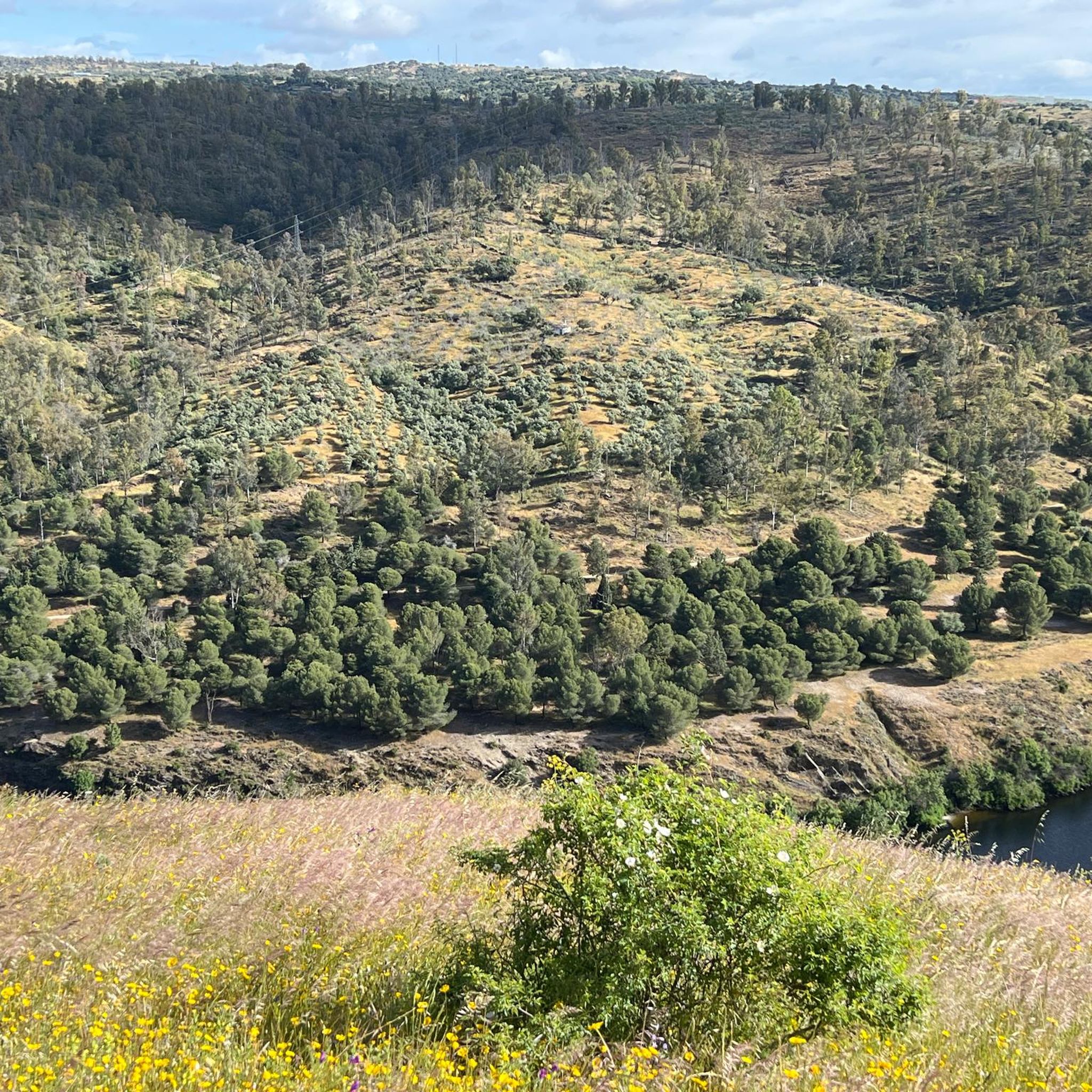
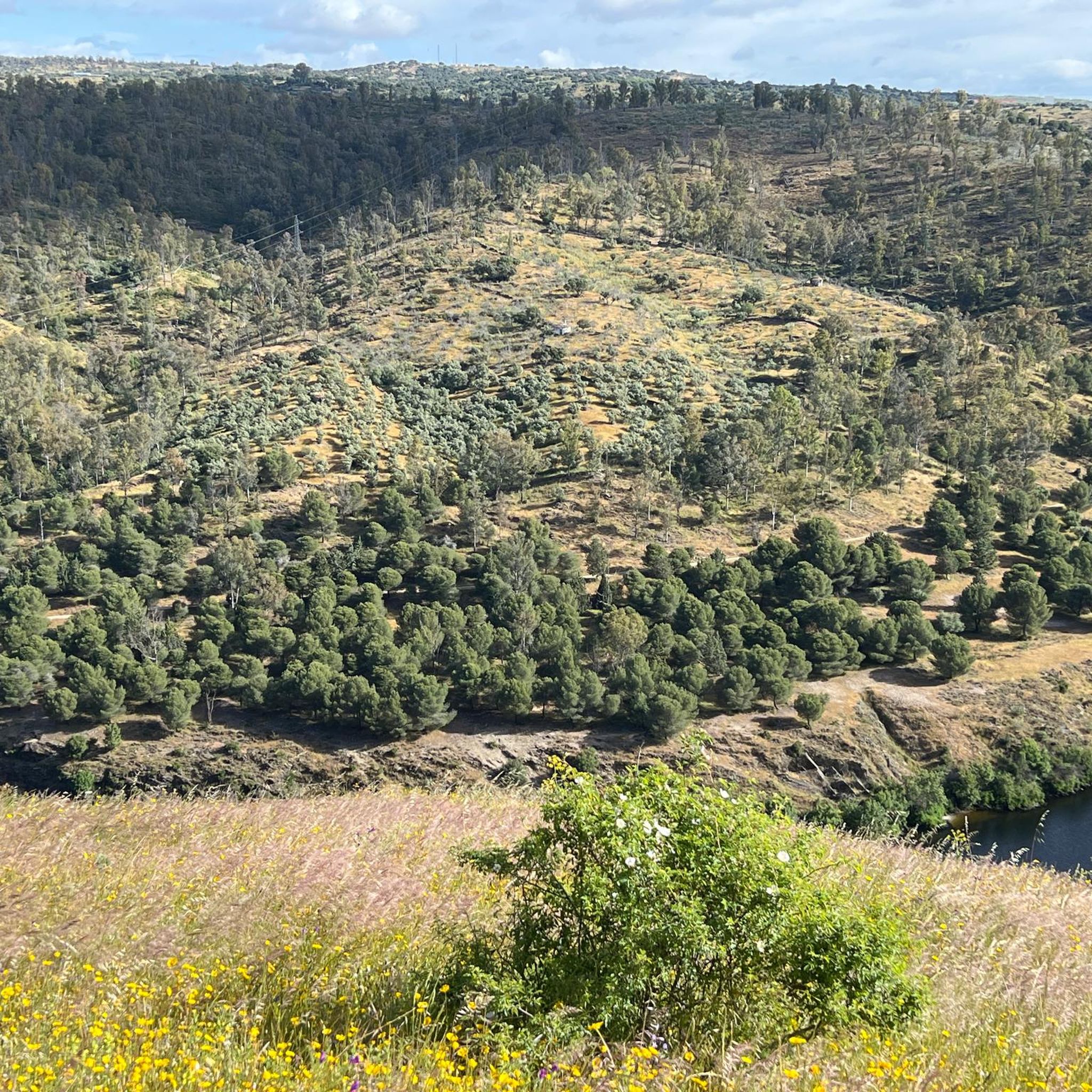
The region around Alcántara offers beautiful natural landscapes. The historic quarter is situated on the banks of the Tagus River, which, along with the Alcántara Reservoir, provides opportunities for water sports, hiking, and fishing. The Tajo Internacional Natural Park, near the Portuguese border, is ideal for nature lovers, featuring extensive holm-oak and cork-oak forests and the Tagus riverbed flowing through steep trenches. The Sierra de San Pedro and Sierra de Gata mountain ranges also contribute to the area's natural beauty.
Are there opportunities for hiking or outdoor activities near Alcántara?
Absolutely. The Alcántara region is excellent for outdoor activities. The Tagus River and Alcántara Reservoir offer water sports, while the Tajo Internacional Natural Park provides numerous walking trails and routes for cycling, quad biking, or horse riding. For hiking, you can explore routes like the "Natural Park of the International Tagus – circular route by the Balcony of the World - Alcantara." Komoot also lists several hiking routes, such as the "Balcón del Mundo Route" and the "Puente de Alcántara Trail." You can find more details on hiking around Alcántara.
Can I find easy hiking trails suitable for beginners in the Alcántara region?
Yes, there are easy hiking options available. The "Puente de Alcántara Trail" is an easy route, perfect for beginners, covering approximately 5.2 kilometers. Additionally, the "La Quebrada Lake loop from Brozas" is an easy running trail that can also be enjoyed as a leisurely walk, spanning about 4.3 kilometers. For more options, refer to the hiking guide for Alcántara.
What kind of wildlife can be spotted in the natural areas around Alcántara?
The natural areas around Alcántara, particularly the Tajo Internacional Natural Park and the cork-oak and holm-oak forests, are home to diverse flora and fauna. While specific species are not detailed, these habitats typically support various bird species, small mammals, and reptiles characteristic of Mediterranean ecosystems. The Tagus riverbed and reservoir also attract aquatic wildlife.
Are there family-friendly activities or attractions in Alcántara?
Alcántara offers several attractions that can be enjoyed by families. The Alcántara Roman Bridge is a fascinating historical site for all ages, and its impressive scale can captivate children. Exploring the historic quarter with its modest, whitewashed houses and unique chimneys can also be an engaging experience. The natural areas like the Alcántara Reservoir and Tajo Internacional Natural Park provide opportunities for outdoor family activities such as gentle walks or picnics.
What is the best time of year to visit Alcántara?
The best time to visit Alcántara generally depends on your preferred activities. Spring (April-May) and Autumn (September-October) offer pleasant temperatures, making them ideal for exploring historical sites and engaging in outdoor activities like hiking in the Tajo Internacional Natural Park. Summers can be very hot, which might be less comfortable for extensive outdoor exploration, while winters are milder but can be damp.
Is Alcántara accessible by public transport, and is there parking available for attractions?
Alcántara is a town in a rural region of Spain. While specific public transport details to individual attractions are not provided, it's generally advisable to check local bus schedules for connections to Alcántara. For those traveling by car, parking is typically available near major attractions like the Alcántara Roman Bridge, where an information panel and fountain are located in the parking lot. Within the town, parking may be found in designated areas or on street, though the historic quarter might have limited access.
What cultural experiences does Alcántara offer beyond landmarks?
Beyond its historical landmarks, Alcántara provides cultural experiences through its traditions and local life. The Conventual de San Benito, with its semicircular auditorium, hosts the classical theater festival of Alcántara. The town's historical quarter, located on the border between Spain and Portugal, boasts a valuable monumental heritage. Additionally, experiencing Alcántara's succulent traditional cuisine is an excellent way to immerse yourself in the local culture.
What is the architectural style of Alcántara's historic quarter?
The historic quarter of Alcántara features a blend of architectural styles reflecting its long history. You'll find influences from its medieval past, including remains of Moorish walls. The Conventual de San Benito is a Renaissance-style monastery, while the Church of San Pedro de Alcántara exhibits Baroque, Plateresque, and Mannerist elements. The town center is also characterized by modest, whitewashed houses and attractive chimneys, which are a unique identifying feature of Alcántara's popular architecture.
Most popular attractions around Alcántara

Get inspired with the komoot mobile app


Explore more
Still not found the Highlight you’re looking for? See guides of the top attractions in other regions:
