Attractions and Places To See around Ortigosa De Pestaño - Top 11
Attractions and places to see around Ortigosa De Pestaño offer a blend of historical architecture, ancient art, and natural landscapes in the province of Segovia, Spain. This municipality is situated between the Voltoya and Eresma rivers, within the Campiña Segoviana region. Visitors can explore historical relics and enjoy walking routes through its tranquil natural environment. The area provides a glimpse into its past and opportunities for outdoor activities.
Best attractions and places to see around Ortigosa De Pestaño
- The most…
Last updated: May 10, 2026
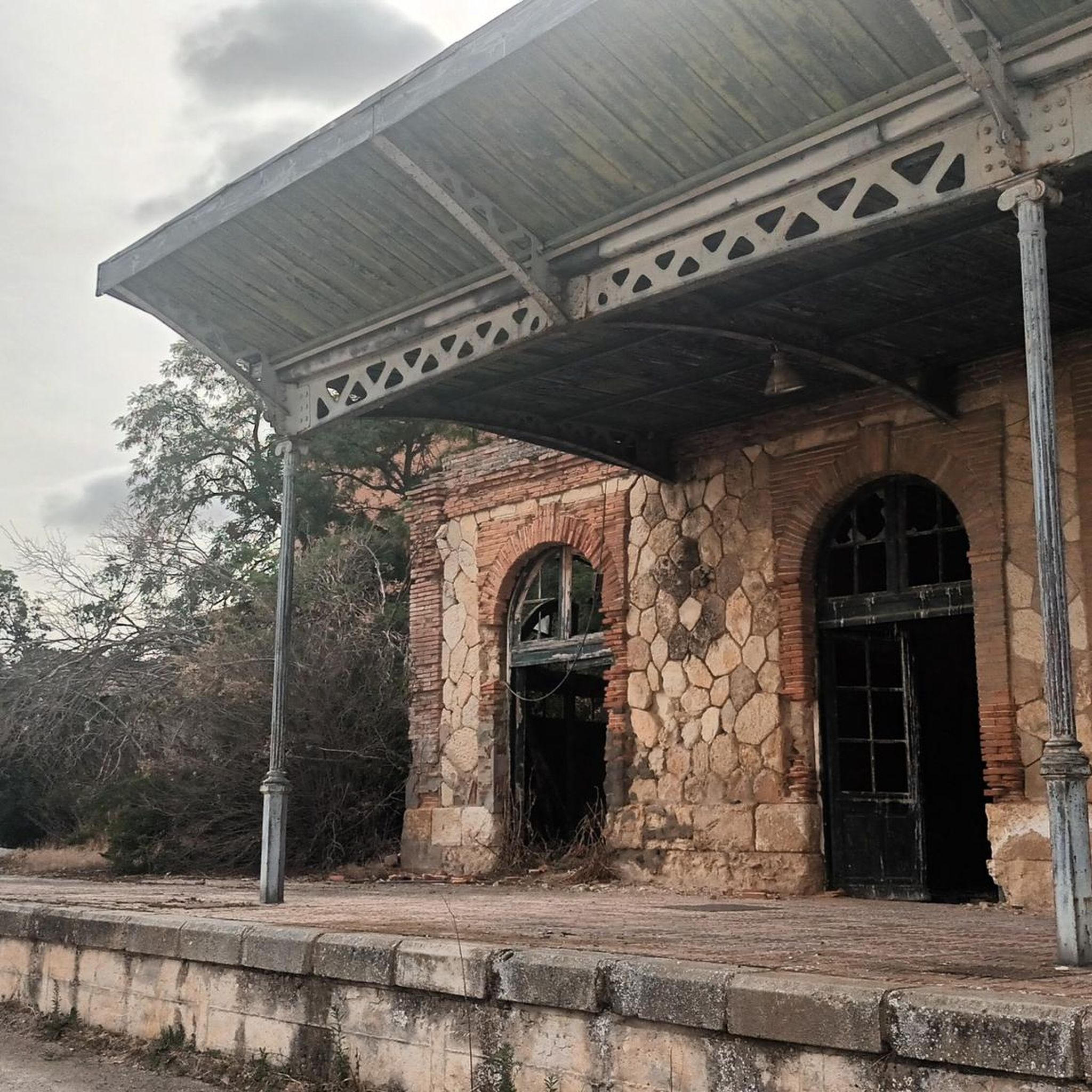
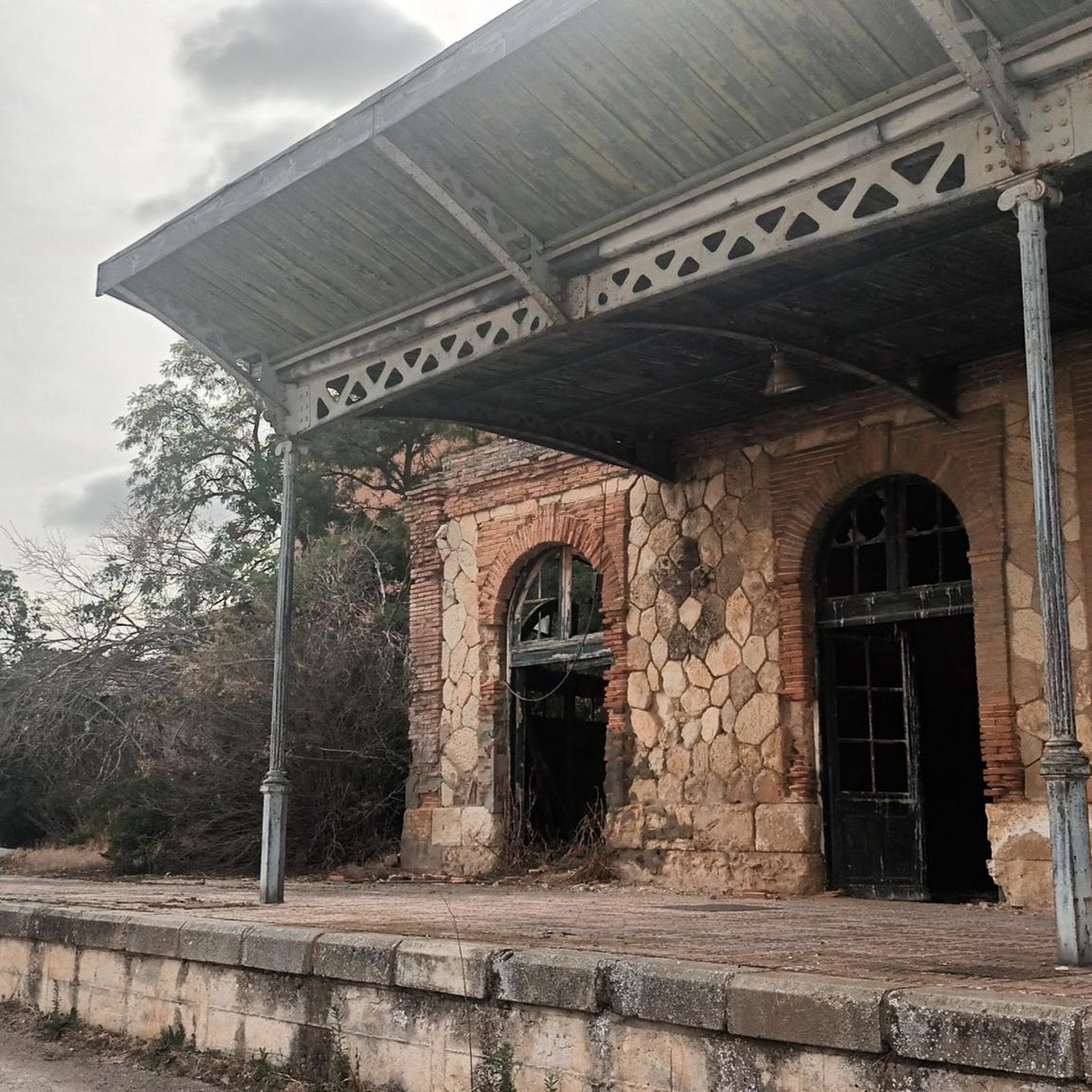
Ortigosa del Pestaño — Abandoned Railway Station
Highlight • Monument
Translated by Google •
Tip by

Vía Verde del Valle del Eresma – Countryside Section
Highlight (Segment) • Cycleway
Translated by Google •
Tip by
Sign up now to discover places like this
Get recommendations on the best single tracks, peaks, & plenty of other exciting outdoor places.
Sign up for free
Old Yanguas de Eresma Station
Highlight • Historical Site
Translated by Google •
Tip by
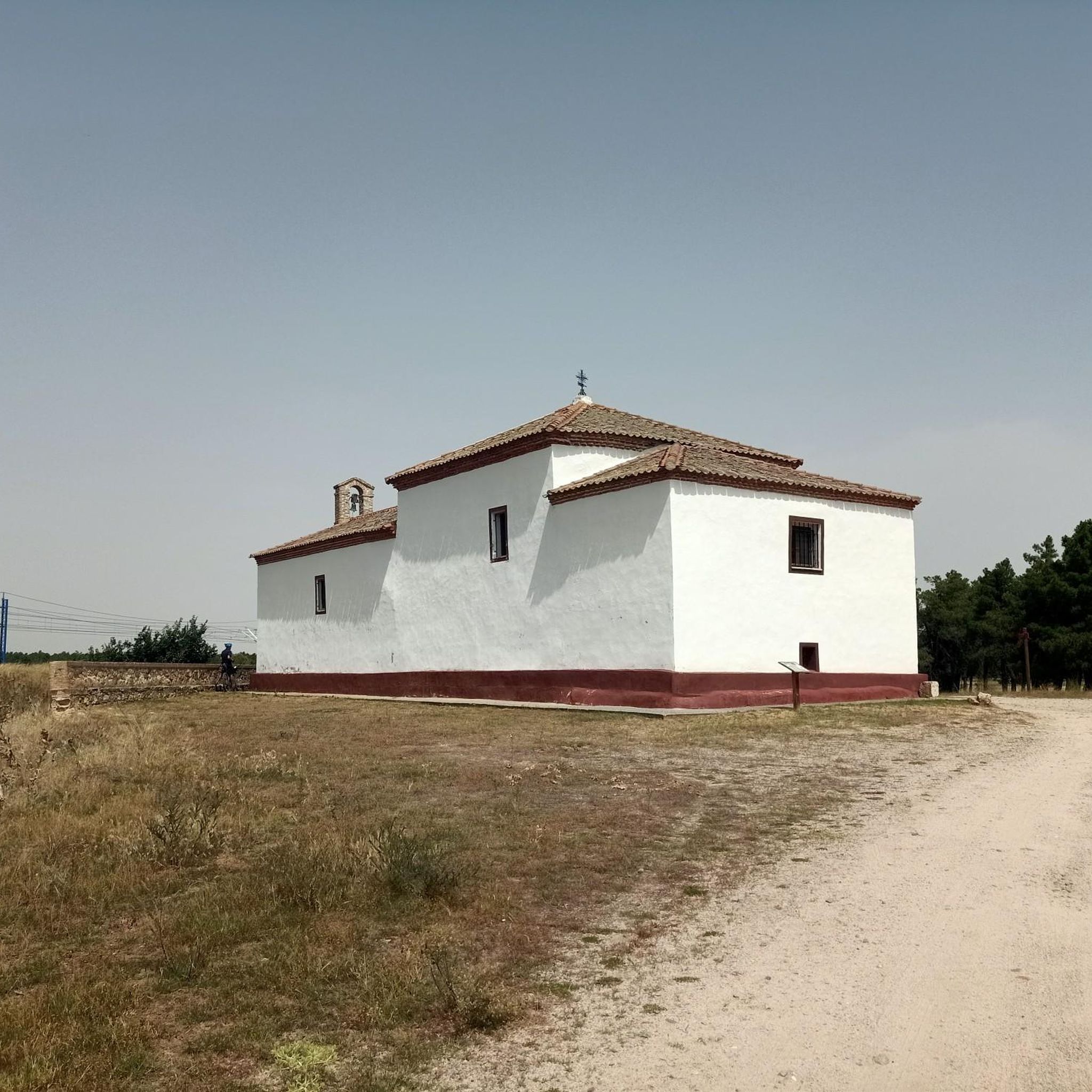
Hermitage of the Virgin of the Well
Highlight • Religious Site
Translated by Google •
Tip by
Nava de la Asunción
Highlight • Settlement
Translated by Google •
Tip by

Sign up for free to discover even more attractions around Ortigosa De Pestaño.
Sign up for free
Already have an account?
Start today with a free account
Your next adventure awaits.
Login or Signup
Popular around Ortigosa De Pestaño
Tips from the Community

Old abandoned station
0
0

Nava de la Asunción is a Spanish municipality and town in the province of Segovia. Originally known as Nava de Coca, it belonged to the village and land community. Later, in 1773, King Carlos III granted it the title of Villa and added “La Asunción” to its name, in honor of the Virgin, patron saint of the town. I hope you found this brief description interesting! 😊
2
0

Population located north of the capital of the province, Segovia. It is a nucleus located between the two rivers, the Río Edesma and the Río Voltoya.
1
0

Temple of Romanesque origin that was built in the 13th century and that still today houses pilgrimages for the residents of Nieva. In its surroundings there is a rest area in the shade, with benches and tables.
2
0
Old station on the track that was active for 100 years. These abandoned infrastructures seem like an architectural time capsule where you can sense what the dynamics of rail communication were like then, especially compared to the current nearby high-speed train line.
3
0
This section of the greenway runs between the typical cereal fields of the Castilian plateau and especially of the Segovian countryside region. It is pleasant at all times of the year but especially in spring when the fields are green and the red of the poppies stands out among the greenery.
1
0
Remnant of a road that was in use for 100 years. Stations such as Yanguas de Eresma represent a heritage that tells the story of lands that were protagonists in recent history in the development of civil life.
2
0

Beautiful abandoned railway station in Ortigosa.
1
0
Frequently Asked Questions
What historical sites can I explore in Ortigosa de Pestaño?
Ortigosa de Pestaño offers several historical sites. You can visit the 18th-century Church of San Cristóbal Mártir, which retains some Romanesque characteristics. The Ortigosa del Pestaño — Abandoned Railway Station is another significant historical relic, once a vital hub and now part of the Vía Verde del Eresma. Additionally, ancient Paleolithic and Post-Paleolithic Engravings can be found near La Lámpara, offering a glimpse into the region's earliest inhabitants.
Are there opportunities for walking or enjoying nature around Ortigosa de Pestaño?
Yes, the municipality is set in a beautiful natural environment, ideal for walks. It's located between the Voltoya and Eresma rivers, offering tranquil routes. The Vía Verde del Valle del Eresma – Countryside Section is a popular greenway, perfect for pleasant walks, especially in spring when the fields are green.
What are some family-friendly activities in the area?
For families, the Vía Verde del Valle del Eresma – Countryside Section is a great option, offering easy and accessible routes. The Hermitage of the Virgin of the Well also has a rest area with shade, benches, and tables, making it suitable for a family stop. The Miguel Ibáñez Rest Area and Fountain provides another spot to rest and get supplies.
What outdoor activities can I do near these attractions?
Beyond walking the Vía Verde, you can explore various cycling and mountain biking routes. For mountain biking, you'll find routes like the 'Nava de la Asunción – Puente de Constanzana loop' or 'Carbonero el Mayor loop'. If you prefer road cycling, options include the 'Olmedo and Almenara Roman Villa Loop'. You can find more details on these and other routes in the MTB Trails around Ortigosa De Pestaño, Cycling around Ortigosa De Pestaño, and Road Cycling Routes around Ortigosa De Pestaño guides.
What is the Vía Verde del Eresma?
The Vía Verde del Eresma is a greenway that follows the former railway line from Segovia to Olmedo. It's a popular route for walking and cycling, running through the cereal fields of the Castilian plateau. The Vía Verde del Valle del Eresma – Countryside Section is particularly pleasant, especially in spring when the fields are green and poppies bloom.
Are there any abandoned train stations to see?
Yes, the area is known for its historical railway heritage. You can visit the Ortigosa del Pestaño — Abandoned Railway Station, which operated for a century and is now part of the Vía Verde. Another notable site is the Old Yanguas de Eresma Station, also located next to the Vía Verde, representing a heritage of civil life development.
What do visitors enjoy most about the attractions in Ortigosa de Pestaño?
Visitors appreciate the blend of historical insights and natural beauty. Many enjoy the sense of history at the abandoned railway stations, describing them as 'architectural time capsules.' The Vía Verde is praised for its pleasant routes through the countryside, especially in spring. The tranquility and opportunities for rest at places like the Hermitage of the Virgin of the Well are also highly valued.
Where can I find a place to rest or get supplies while exploring?
You can find rest areas along your routes. The Hermitage of the Virgin of the Well has a shaded rest area with benches and tables. Additionally, the Miguel Ibáñez Rest Area and Fountain is located in a small town near the greenway, offering a place to stop, rest, and potentially find a bar for supplies.
What kind of architecture can I expect to see?
The region features historical architecture, notably the Church of San Cristóbal Mártir, an 18th-century Baroque-style parish church with Romanesque elements. The abandoned railway stations, such as the Ortigosa del Pestaño — Abandoned Railway Station, also offer unique architectural insights into the region's industrial past.
Are there any unique cultural sites beyond churches?
Yes, Ortigosa de Pestaño is home to unique Paleolithic and Post-Paleolithic Engravings. These rock carvings, located near La Lámpara, depict horses and anthropomorphic figures, providing a direct connection to the region's ancient inhabitants and their artistic expressions.
Is there a specific time of year that is best to visit for outdoor activities?
While pleasant year-round, the Vía Verde del Valle del Eresma – Countryside Section is particularly enjoyable in spring. During this season, the cereal fields are green, and the red of poppies stands out, creating a vibrant landscape for walks and cycling.
Can I find any historical agricultural tools or structures?
Yes, within the municipality, you can find an old, restored Hitching Post (Potro de Herrar) in a small square. This historical structure offers a glimpse into traditional agricultural practices and rural life of the past.

Get inspired with the komoot mobile app


Explore more
Still not found the Highlight you’re looking for? See guides of the top attractions in other regions:
