Attractions and Places To See around Tavernes Blanques - Top 20
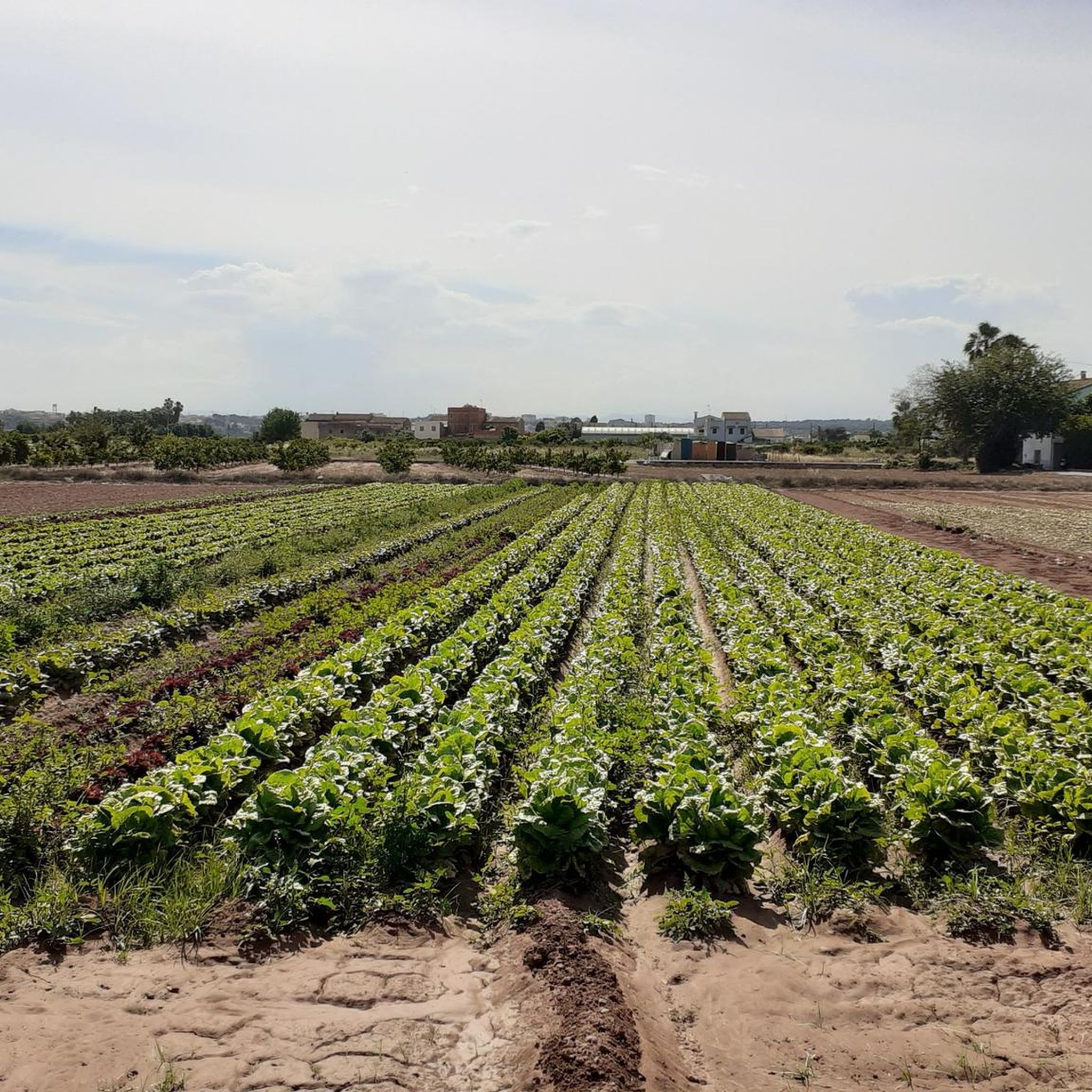
Attractions and places to see around Tavernes Blanques include historical architecture, cultural sites, and natural landscapes. This municipality is located near Valencia, offering access to both local points of interest and major regional attractions. The area features the Valencian 'Huerta' agricultural lands and the Carraixet ravine. Visitors can explore a blend of historical significance and natural surroundings.
Best attractions and places to see around Tavernes Blanques
- The most popular attractions is City of Arts and Sciences, a man-made monument…
Last updated: May 21, 2026
City of Arts and Sciences
Highlight • Monument
Translated by Google •
Tip by

Plaza de la Virgen
Highlight • Historical Site
Translated by Google •
Tip by

Sign up now to discover places like this
Get recommendations on the best single tracks, peaks, & plenty of other exciting outdoor places.
Sign up for free
Queen's Square
Highlight • Settlement
Translated by Google •
Tip by
Valencia Cathedral
Highlight • Religious Site
Translated by Google •
Tip by

Puente del Mar
Highlight • Bridge
Translated by Google •
Tip by
Sign up for free to discover even more attractions around Tavernes Blanques.
Sign up for free
Already have an account?
Start today with a free account
Your next adventure awaits.
Login or Signup

Tips from the Community

Several beautiful bridges can be admired in the green belt of Valencia
2
0

A beloved Valencian saying goes: “The people of Valencia eat rice 6 times a week – and on Sundays they eat paella.” Rice is served almost daily in this city. Famous rice dishes are: paella, arroz a banda, arroz al horno, arroz negro and arroz meloso. The variations are endless.
5
0
Most beautiful place to take a photo.
5
0
Enjoy a relaxed cycle with a guide
10
0

Busy square pretty much in the centre of town with many of the main attractions close by and lots of restaurants in the neighborhood.
5
0

Valencia Cathedral is one of the most beautiful places in Valencia. This stunning cathedral, which dates back to the 13th century, is essentially a museum of 15th-century paintings. Its facade is an architectural hodgepodge of different styles, including Romanesque, Baroque and Gothic elements. Inside the Valencia Cathedral you will find the Chapel with the Holy Chalice. Many researchers suspect that this is actually the true Holy Grail. The chalice itself has Arabic inscriptions and dates back to the 1st century. It was donated to the cathedral in the 15th century by the King of Aragon.
7
0
There's always a lot going on here - from tourists to vendors to 'dancing bears'. The whole thing is framed by buildings that are really worth seeing and a number of tourist traps (some of them are even good, but almost always helplessly overpriced).
9
0

Plaça de la Reina is dedicated to Queen Maria de la Mercè d'Orleans, the short wife of King Alfonso XII. During the Second Republic (1931-1939), this square was named after Francesc de Vinatea. In the square, the view of Micalet stands out, the bell tower of the cathedral. As a curiosity, it should be said that this square constitutes the reference for numbering the buildings of the city of Valencia, and not the Town Hall Square. It is also home to kilometer zero of Valencia's radial roads, under the jurisdiction of the Generalitat Valenciana.
5
0
Frequently Asked Questions
What historical and cultural sites can I explore in Tavernes Blanques?
In Tavernes Blanques itself, you can visit the 18th-century Church of the Holy Trinity (Iglesia de la Santísima Trinidad), an important architectural landmark. Another significant site is the 17th-century Hermitage of Our Lady of the Forsaken (Ermita de Nuestra Señora de los Desamparados), located by the Carraixet ravine, which hosts the village's main festivities in August.
Are there any unique local experiences or attractions specific to Tavernes Blanques?
Yes, Tavernes Blanques is famously home to the world-renowned Lladró porcelain figurines. You can visit the City of Porcelain (Lladró Museum and Factory) to learn about the intricate production process of these artworks.
What natural features can I discover around Tavernes Blanques?
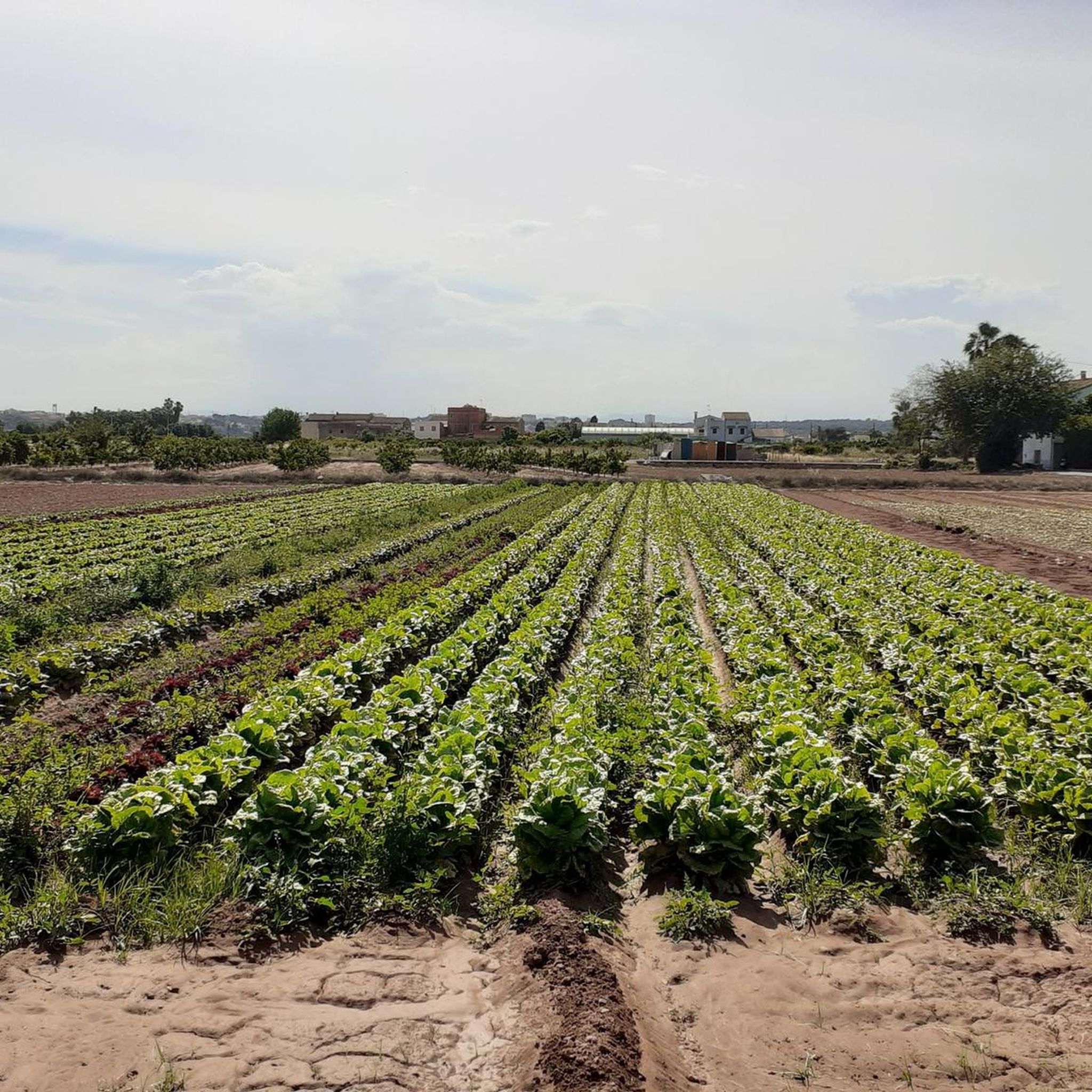
The area around Tavernes Blanques is characterized by the Carraixet Ravine and is connected to the wider Valencian 'Huerta', an agricultural landscape of orchards and farmlands. Exploring this huerta, perhaps by bike, offers a glimpse into the local natural and agricultural environment.
What are some family-friendly attractions near Tavernes Blanques?
Many attractions are suitable for families. The City of Arts and Sciences in Valencia, with its interactive science museum and Europe's largest aquarium, the Oceanogràfic, is a popular choice. Additionally, Bioparc Valencia offers an immersive zoo experience, and Parque de Orriols provides a large green space for outdoor activities.
What outdoor activities and routes are available near Tavernes Blanques?
You can find various outdoor activities, including running, gravel biking, and mountain biking. For running, explore routes like the 'Bonrepòs i Mirambell – Carraixet Greenway loop'. Gravel biking options include the 'City of Arts and Sciences – Pujol Pond loop'. Mountain bikers can tackle routes such as the 'Turia River Weir – Old Bridge over the Turia River loop'. You can find more details on these and other routes in the Running Trails around Tavernes Blanques, Gravel biking around Tavernes Blanques, and MTB Trails around Tavernes Blanques guides.
Are there any wheelchair-accessible attractions in the vicinity?
Yes, the Valencia Cathedral is noted as being wheelchair accessible. Additionally, the Puente del Mar, a historic bridge now exclusively for pedestrians, is also wheelchair accessible.
What do visitors enjoy most about the attractions near Tavernes Blanques?
Visitors frequently praise the impressive architecture and cultural significance. For instance, the City of Arts and Sciences is often described as an 'architectural masterpiece' and a 'must-see'. The Plaza de la Virgen is appreciated for its historical charm and vibrant atmosphere, surrounded by traditional bars and historic buildings.
What are some prominent historical landmarks in Valencia that are easily accessible from Tavernes Blanques?
From Tavernes Blanques, you can easily reach several historic landmarks in Valencia. These include the Valencia Cathedral, known for its Gothic style and housing what is believed to be the Holy Grail, and the historic Plaza de la Virgen. The Monasterio de San Miguel de los Reyes is also very close by.
Where can I experience local Valencian gastronomy near Tavernes Blanques?
Tavernes Blanques and the surrounding Valencian region are renowned for their Mediterranean cuisine. You can savor traditional rice dishes such as paella, 'all i pebre', 'arròs amb fesols i naps' (rice with beans and turnip), and 'arroz a banda' at local eateries.
Are there any notable markets or shopping experiences nearby?
Yes, the Mercado Central de Valencia is a must-visit. It's one of the largest fresh produce markets in Europe, housed in an iconic modernist building, offering a wide variety of local foods and a unique architectural experience.
What is the significance of the Hermitage of Our Lady of the Forsaken?
The Hermitage of Our Lady of the Forsaken (Ermita de Nuestra Señora de los Desamparados) is a 17th-century hermitage next to the Carraixet ravine. It houses the revered effigy of Our Lady of the Forsaken, and is central to the village's main festivities, which include a procession transferring the effigy to the Church of the Holy Trinity every August.
Can I find any scenic bridges or viewpoints in the area?
The Puente del Mar in Valencia is a historic 16th-century bridge, now a pedestrian-only crossing over the former Turia riverbed. It offers scenic views and a pleasant walk, especially with its surrounding palm trees.
Most popular routes around Tavernes Blanques
Most popular attractions around Tavernes Blanques

Get inspired with the komoot mobile app


Explore more
Still not found the Highlight you’re looking for? See guides of the top attractions in other regions:
