Attractions and Places To See around El Campillo - Top 20
Best attractions and places to see around El Campillo include a rich blend of historical, cultural, and natural sites, largely influenced by its past in the Rio Tinto mining basin. The area is characterized by its unique English-influenced street distribution and mountainous terrain with extensive pine and eucalyptus forests. Visitors can explore ancient mining landscapes, historical settlements, and natural features like the distinctively colored Río Tinto. This region in Huelva province, Andalusia, offers diverse points of interest for those seeking…
Last updated: May 17, 2026
Source of the Río Tinto
Highlight • River
Translated by Google •
Tip by

Corta Atalaya Mine
Highlight • Structure
Translated by Google •
Tip by
Sign up now to discover places like this
Get recommendations on the best single tracks, peaks, & plenty of other exciting outdoor places.
Sign up for free
Peña del Hierro
Highlight • Natural Monument
Translated by Google •
Tip by
Touristic Railway for Rio Tinto Mines
Highlight • Monument
Translated by Google •
Tip by

Riotinto Mining Museum
Highlight • Historical Site
Translated by Google •
Tip by
Sign up for free to discover even more attractions around El Campillo.
Sign up for free
Already have an account?
Start today with a free account
Your next adventure awaits.
Login or Signup
Tips from the Community

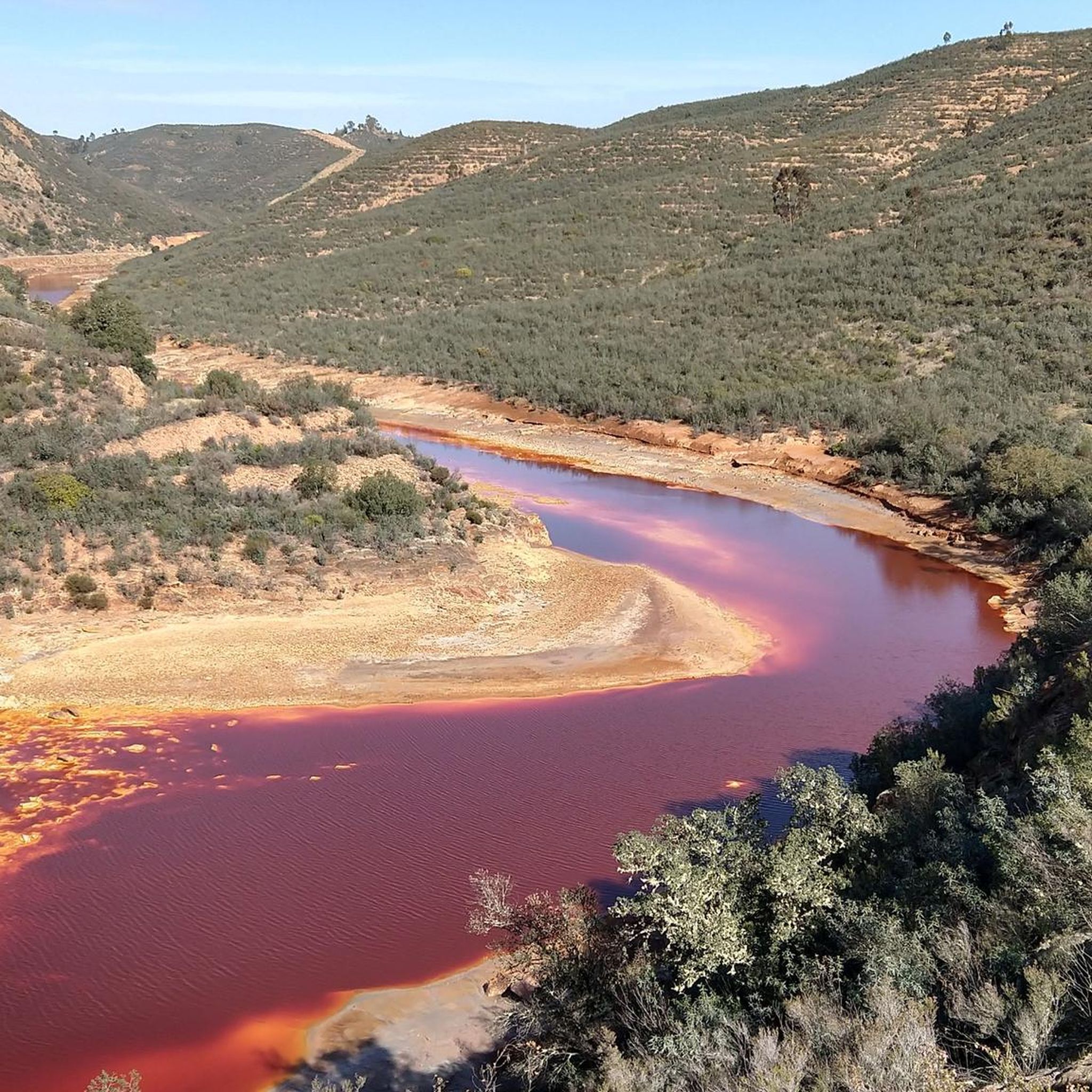
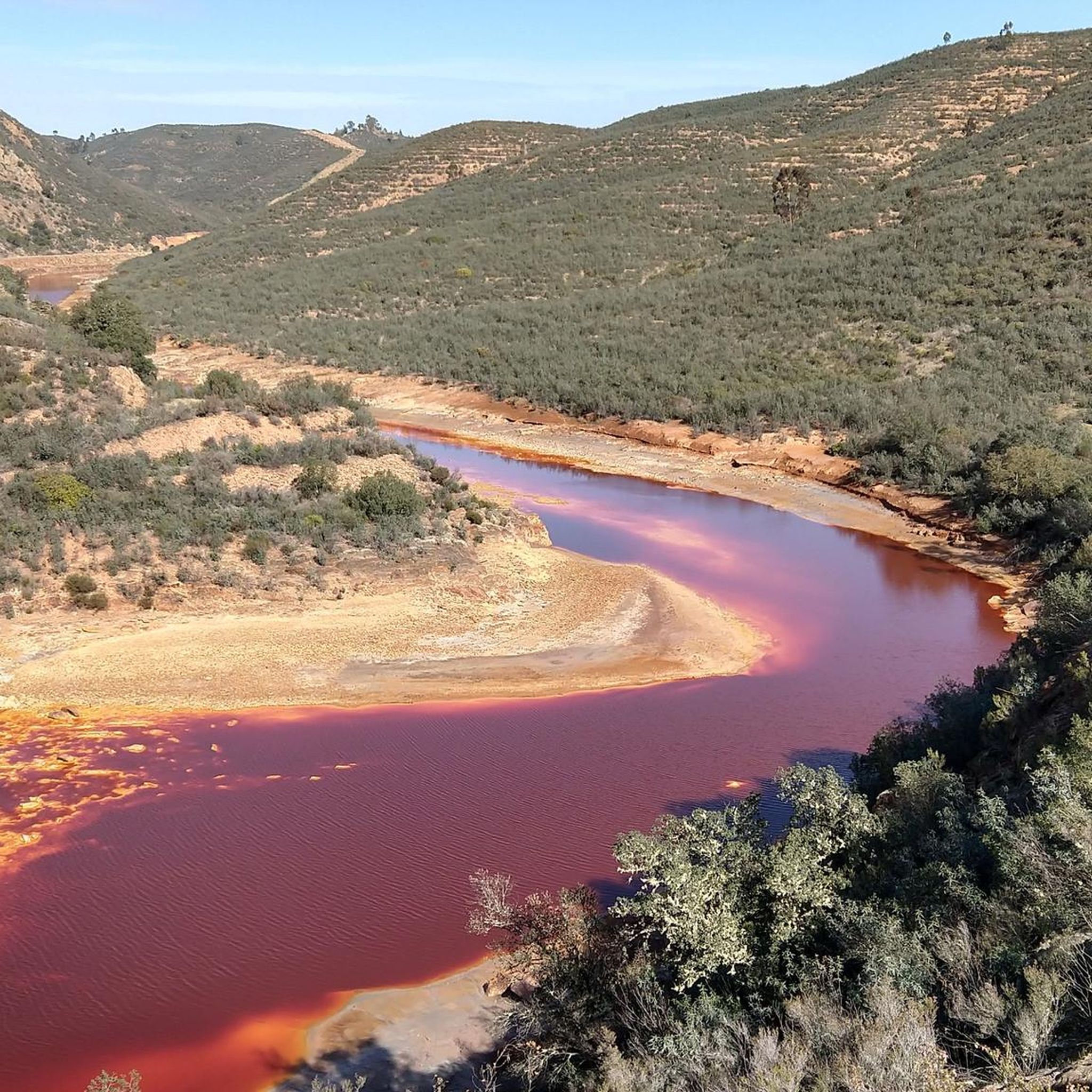
The Peña del Hierro Viewpoint, located in Nerva (Huelva), is part of the Riotinto Mining Park and offers one of the most impressive views of the source of the Tinto River, as well as the mining crater of the old pyrite mine.
1
0
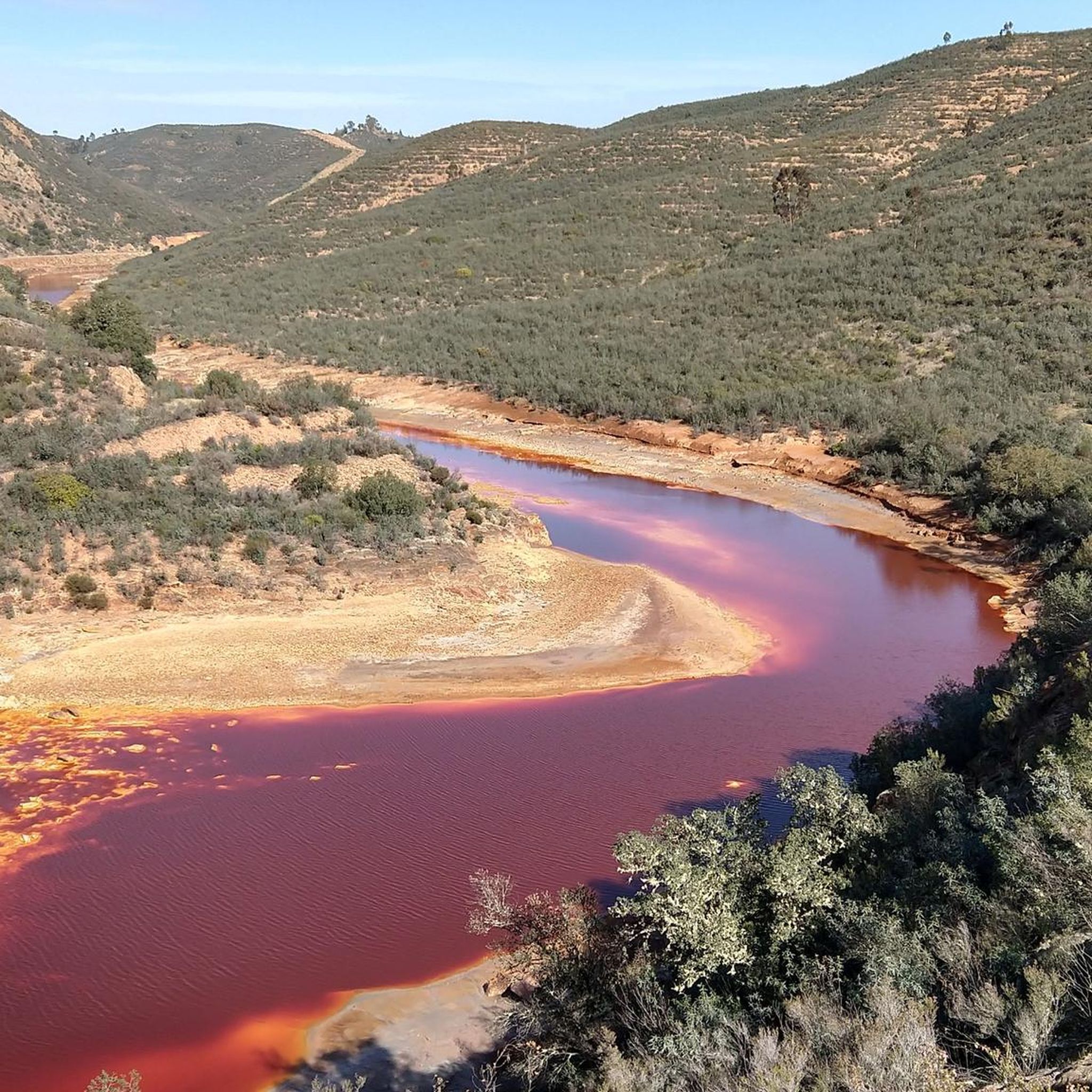
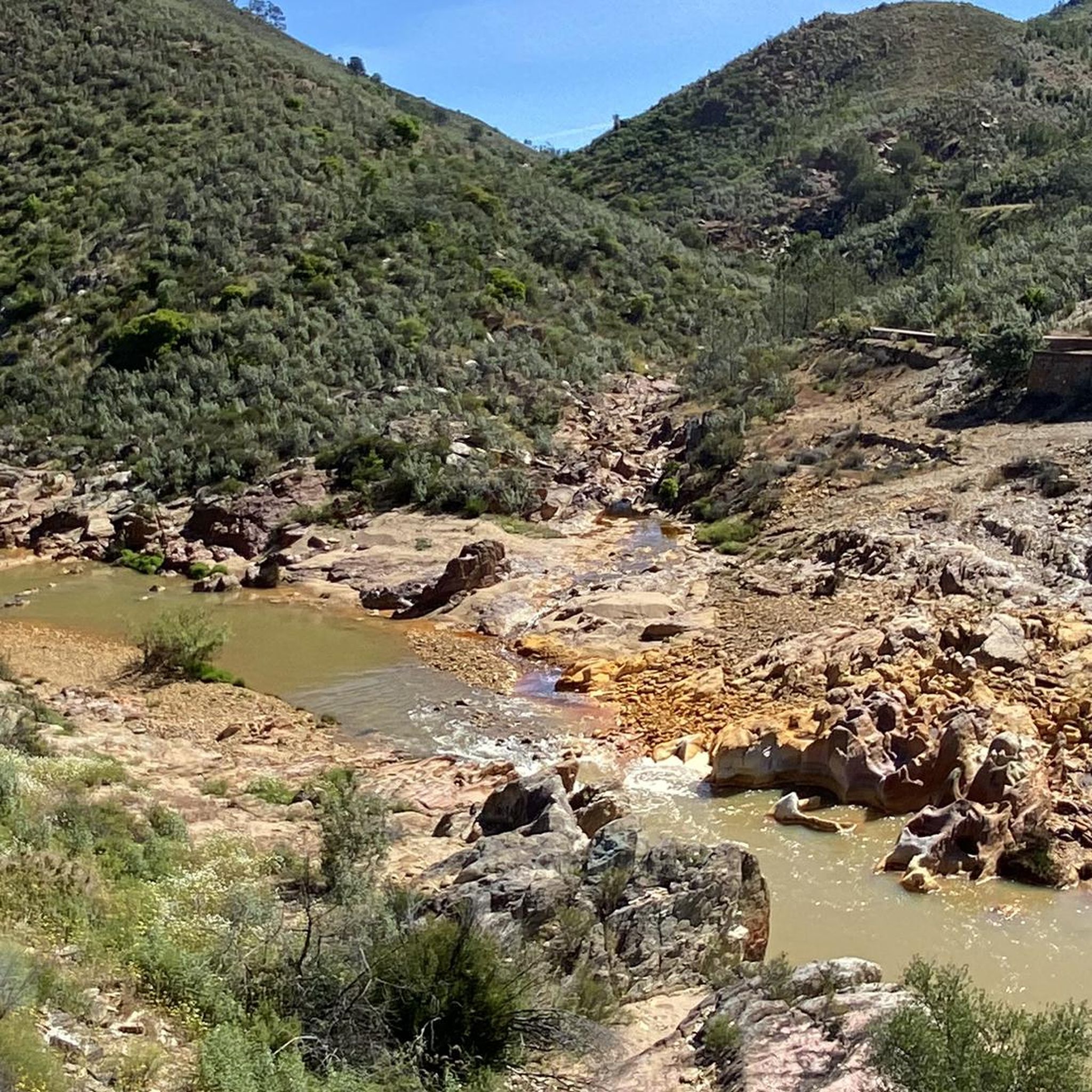
The source of the Tinto River is located in the municipality of Nerva, in the province of Huelva, Andalusia, and is one of the most unique landscapes in Europe due to its reddish color and its scientific and geological value.
1
0

To get to the viewpoint, paid access is required. The hiking trail ends here at a fence. Nevertheless, a somewhat limited view of the opencast mine is possible
2
0
An approximately 3 kilometer long circular route leads around the natural monument Montera de Gossan. Don't miss it because of the beautiful views.
0
0

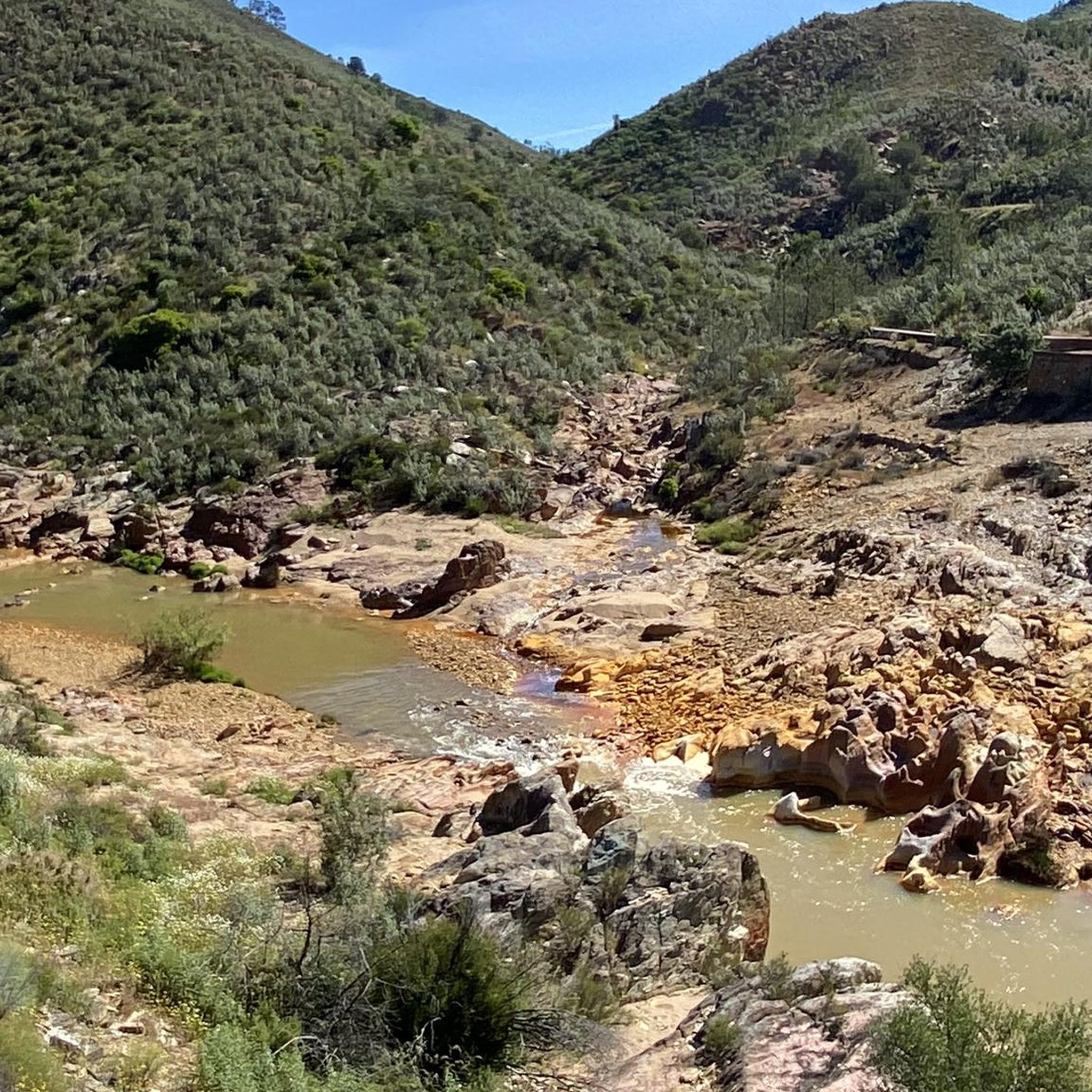
Impressive images from the river.
2
0

Also known as the Padre Caro mountain range, it indicates the source of the Río Tinto which runs through the interior of Huelva for about 100 km until it reaches the Odiel River. Its name is due to the reddish color of its waters, caused by the weathering of minerals with a high content of heavy metal sulfides that were found and exploited in various deposits along the riverbed.
0
0

The station belongs to the Rio Tinto railway and throughout its history it was used as a siding for the crossing of the mining trains that circulated between Rio Tinto and Huelva, with the aim of regulating traffic in this area. It is currently used as a stop for the tourist train that runs along the Talleres Mina-Los Frailes section.
1
0

One of the most visited elements of the Riotinto Mining Park. Along the way you can see the transformation of the landscape for mining, an activity that goes back centuries. You can also see the abandoned mining villages and at the end of the tour there is a stop next to the Tinto river, in a spectacular landscape. Train tours using a steam locomotive are offered during the colder months.
1
1
Frequently Asked Questions
What are the main historical attractions in El Campillo?
El Campillo is rich in history, particularly its mining past and ancient settlements. You can explore sites like the Moorish fortified settlement of Cabezos Coloraos, the Roman fort remains at Fortín El Castillejos, and the Hispano-Roman mining town of Asentamiento and Escorial de Montesorromero. The area also features the Castillo de Mónago, a Moorish fortress, and the ancient Dolmen de la Cantina.
Can I explore the mining heritage of El Campillo?
Absolutely. The region's mining heritage is a major draw. You can experience it firsthand at the Touristic Railway for Rio Tinto Mines, which offers a journey through the transformed mining landscape. Another significant site is the Corta Atalaya Mine, a former world-reference open-pit mine, now a major tourist attraction. Don't miss Peña del Hierro, an important disused mine with impressive views.
Are there any natural landmarks to visit near El Campillo?
Yes, El Campillo is surrounded by unique natural features. The most famous is the Source of the Río Tinto, where the river's distinct reddish waters begin. You can also see the striking red and ocher hues of the Tintillo stream when crossing its bridge. The area is also characterized by extensive pine and eucalyptus forests, offering beautiful natural scenery.
What kind of outdoor activities can I do around El Campillo?
The mountainous terrain and forests around El Campillo are ideal for various outdoor activities. You can enjoy countryside walks on routes like El Zumajo or Puente Chapa. For more structured adventures, there are numerous MTB, running, and road cycling routes. For example, you can find challenging MTB trails like the 'Riotinto Mines and Peña del Hierro Loop' or scenic running routes such as 'Peña del Hierro y nacimiento del Río Tinto'. You can find more details on these activities in the MTB Trails around El Campillo, Running Trails around El Campillo, and Road Cycling Routes around El Campillo guides.
Are there family-friendly attractions in the El Campillo area?
Yes, several attractions are suitable for families. The Touristic Railway for Rio Tinto Mines is a popular choice, offering an engaging historical experience. The Corta Atalaya Mine also welcomes families. Additionally, Parque Los Cipreses is a seven-hectare park with playgrounds, recreation areas, and swimming pools, making it an ideal spot for family outings.
Where can I experience the unique landscape of the Río Tinto?
The Río Tinto's unique landscape, with its distinctive reddish waters, can be experienced at its source, the Source of the Río Tinto. You can also see the river's striking colors from the Cachán Bridge, an old railway bridge that crosses the river. The Touristic Railway for Rio Tinto Mines also offers impressive views of the river along its route.
What is the Parque Los Cipreses and what does it offer?
Parque Los Cipreses is a large, seven-hectare park near El Campillo, notable for its numerous cypress trees originally planted by English settlers. It provides marked trails, recreation areas, playgrounds, a barbeque area, a bar with a terrace, and three swimming pools. It's a perfect place for relaxation and outdoor enjoyment, especially after exploring the mining sites.
What makes the architecture of El Campillo unique?
El Campillo's architecture is unique due to its English-influenced street distribution, a direct result of its history with British mining exploitation in the Rio Tinto basin. This distinctive layout sets it apart from many other Spanish villages.
What are the best times of year to visit El Campillo for outdoor activities?
While specific data isn't provided, the region's climate generally makes spring and autumn ideal for outdoor activities like hiking and cycling, offering milder temperatures. The Touristic Railway for Rio Tinto Mines also offers steam locomotive tours during the colder months, suggesting that winter can also be a good time for certain attractions.
Are there any unique natural features related to the mining history?
Yes, beyond the Río Tinto itself, you can find the Represas de Gossan y Cobre. These reservoirs were constructed for the equipment used in preparing and concentrating copper from the Cerro Colorado open-pit mine, showcasing a direct link between the natural landscape and the region's industrial past. The Slag heaps of Cañadas de las Adelfas also stand as a testament to the area's mining heritage.
What do visitors enjoy most about the <a href="https://www.komoot.com/highlight/5287308" target="_blank" rel="noopener">Corta Atalaya Mine</a>?
Visitors are often impressed by the sheer scale and historical significance of the Corta Atalaya Mine. It's described as 'undoubtedly the most impressive of all the mines in the Riotinto Park' and a 'world reference in this activity.' Many appreciate its transformation into a tourist attraction, drawing visitors from around the globe to witness its grandeur and learn about its past.
How can I explore the Río Tinto by train?
You can explore the Río Tinto by train via the Touristic Railway for Rio Tinto Mines. This historical railway, once used for mining transport, now offers scenic tours. Along the way, you'll see the landscape transformed by centuries of mining, abandoned mining villages, and a spectacular stop next to the Tinto river. Steam locomotive tours are available during the colder months.
Can I find ancient archaeological sites near El Campillo?
Yes, the area around El Campillo is home to several ancient archaeological sites. These include the Dolmen de la Cantina, a Chalcolithic collective burial site, and the Necrópolis de la Moraña, a Moorish necropolis featuring a rectangular tomb. These sites offer a glimpse into the region's prehistoric and medieval past.
Most popular attractions around El Campillo

Get inspired with the komoot mobile app


Explore more
Still not found the Highlight you’re looking for? See guides of the top attractions in other regions:
