Attractions and Places To See around Leoz - Top 20
Attractions and places to see around Leoz, a municipality in the Valdorba valley of Navarra, Spain, offer a mix of historical, architectural, and natural sites. This area, comprising several villages, is known for its cultural heritage and scenic beauty. Visitors can explore ancient religious architecture, unique rural structures, and picturesque natural landscapes.
Best attractions and places to see around Leoz
- The most popular attractions is Royal Palace of Olite, a castle that served as a seat of the Court of the Kingdom of Navarre. It is known for its Gothic style and historical significance.
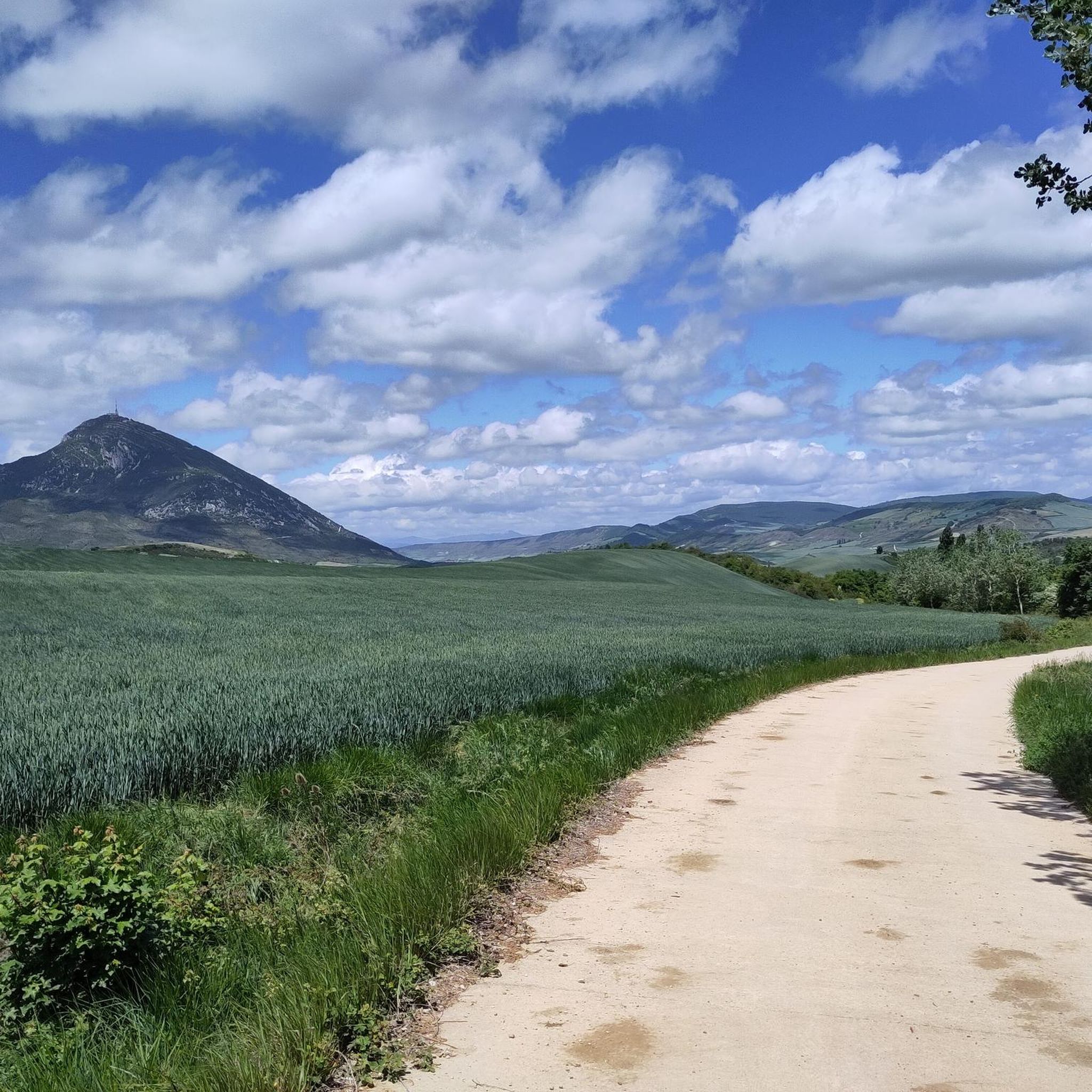
- Another must-see spot is Itzaga Peak, a summit offering panoramic views. Visitors can expect exceptional vistas from its 1,361-meter altitude.
- Visitors also love Monreal, a settlement known for its medieval history. This town is a stop on the Camino de Santiago and offers a glimpse into the past.
- Leoz is known for its historical sites, religious architecture, and natural features. The region offers a variety of attractions, from ancient churches and unique rural architecture to panoramic viewpoints and medieval settlements, providing diverse exploration opportunities.
- The attractions around Leoz are appreciated by the komoot community, with 41 upvotes and 57 photos shared by visitors.
Last updated: May 10, 2026
Royal Palace of Olite
Highlight • Castle
Tip by

Church of Santa María la Real
Highlight • Religious Site
Showing Translation
Tip by

Sign up now to discover places like this
Get recommendations on the best single tracks, peaks, & plenty of other exciting outdoor places.
Sign up for free
Medieval bridge of Salinas de Ibargoiti
Highlight • Bridge
Translated by Google •
Tip by

Itzaga Peak
Highlight • Summit
Translated by Google •
Tip by
Monreal
Highlight • Settlement
Translated by Google •
Tip by
Sign up for free to discover even more attractions around Leoz.
Sign up for free
Already have an account?
Start today with a free account
Your next adventure awaits.
Login or Signup
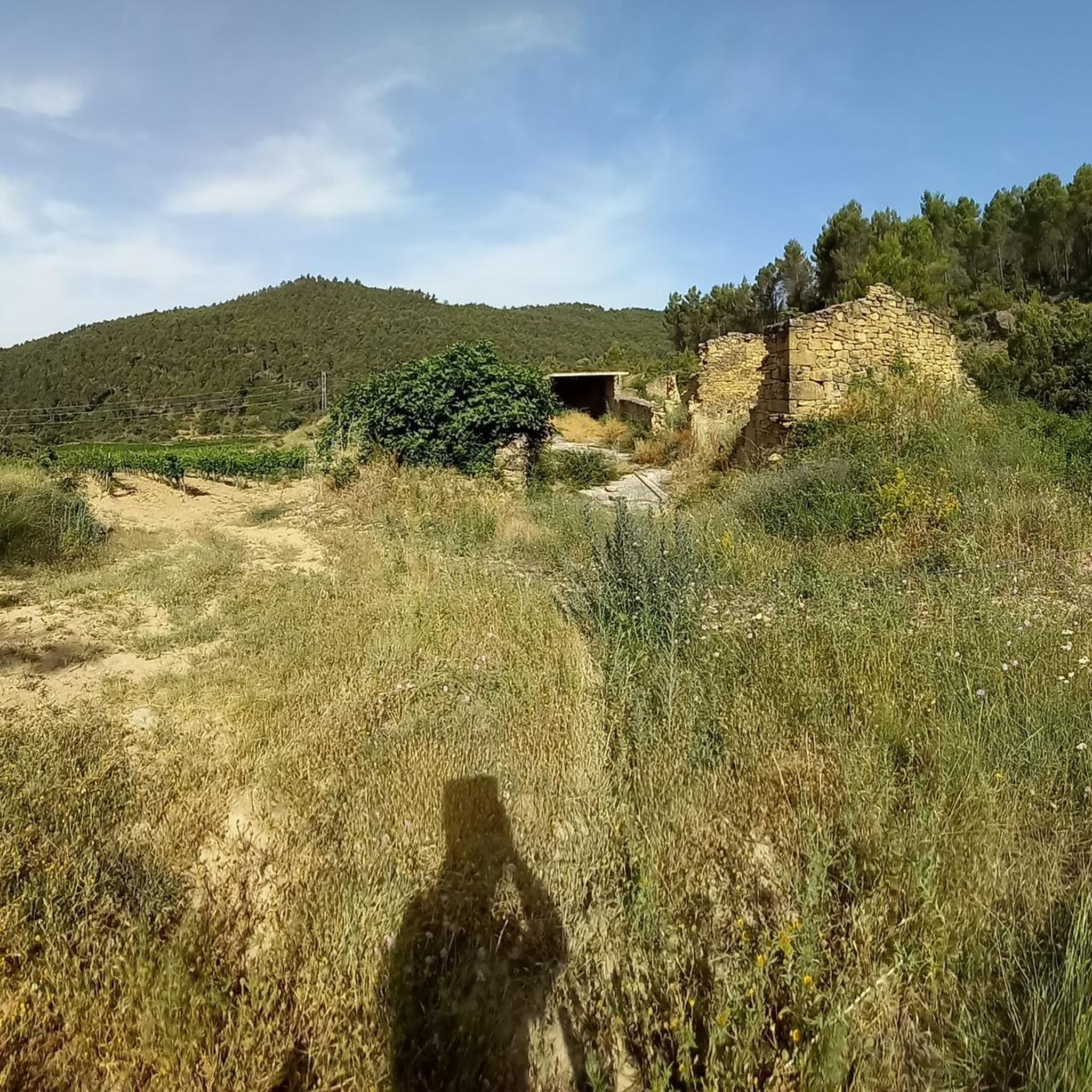
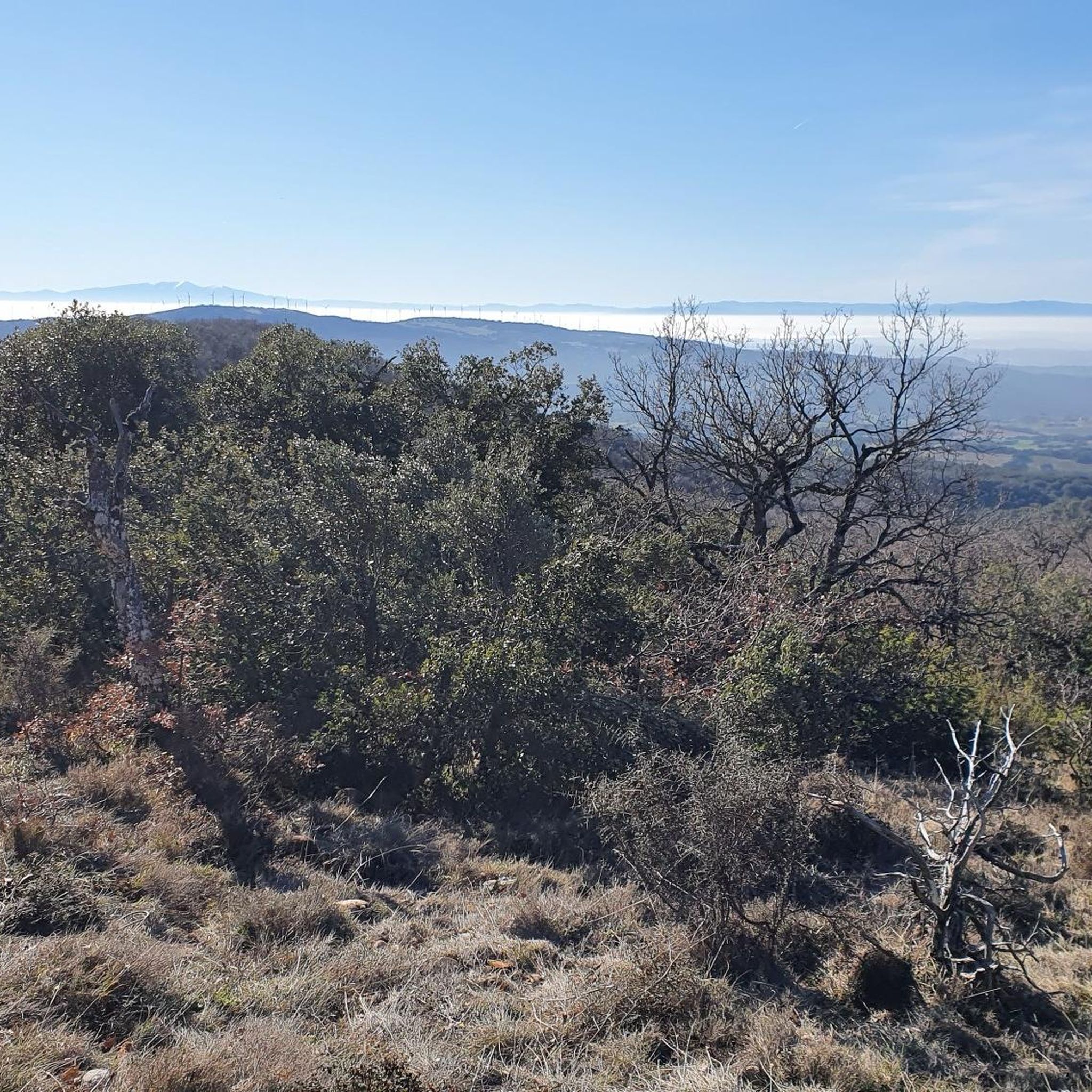
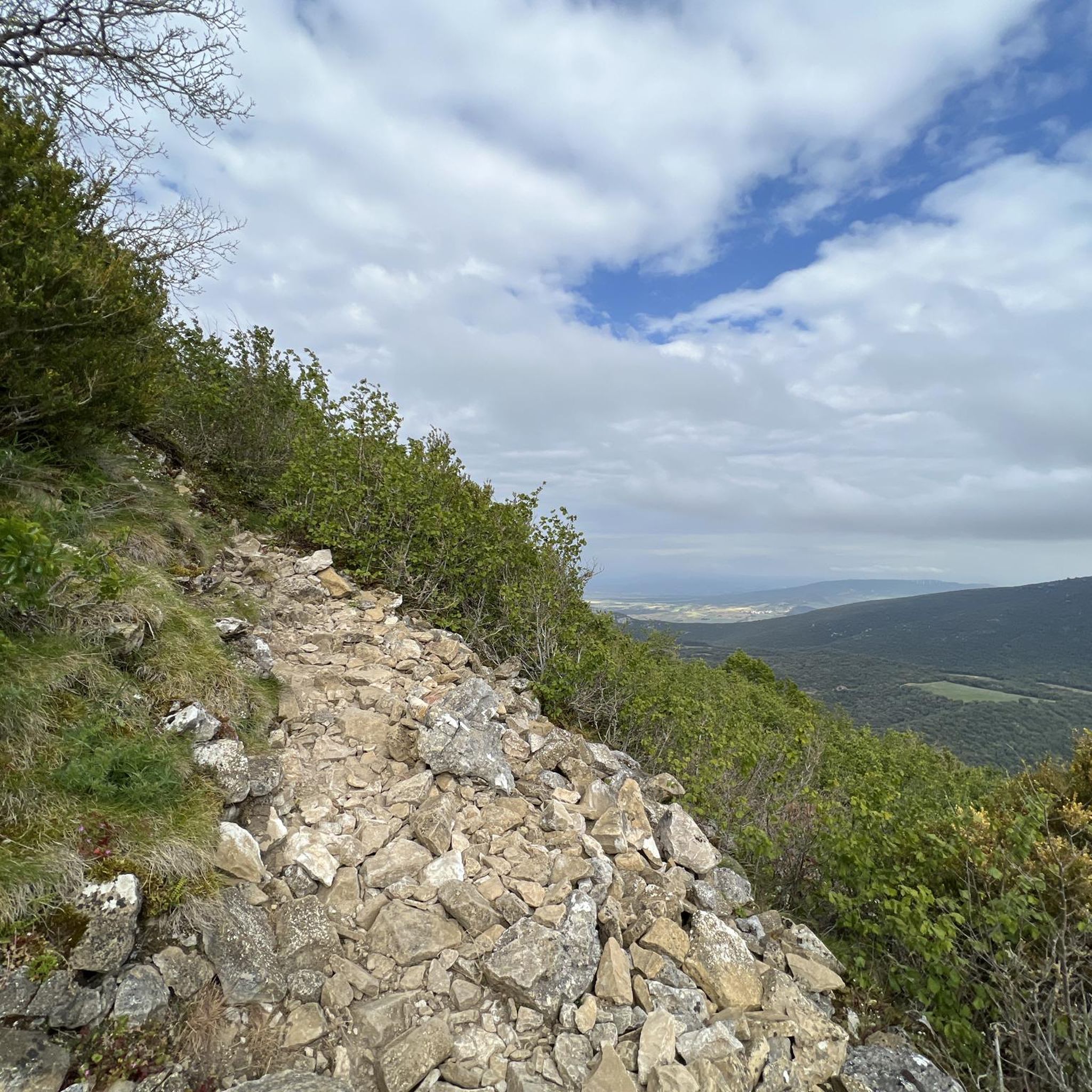
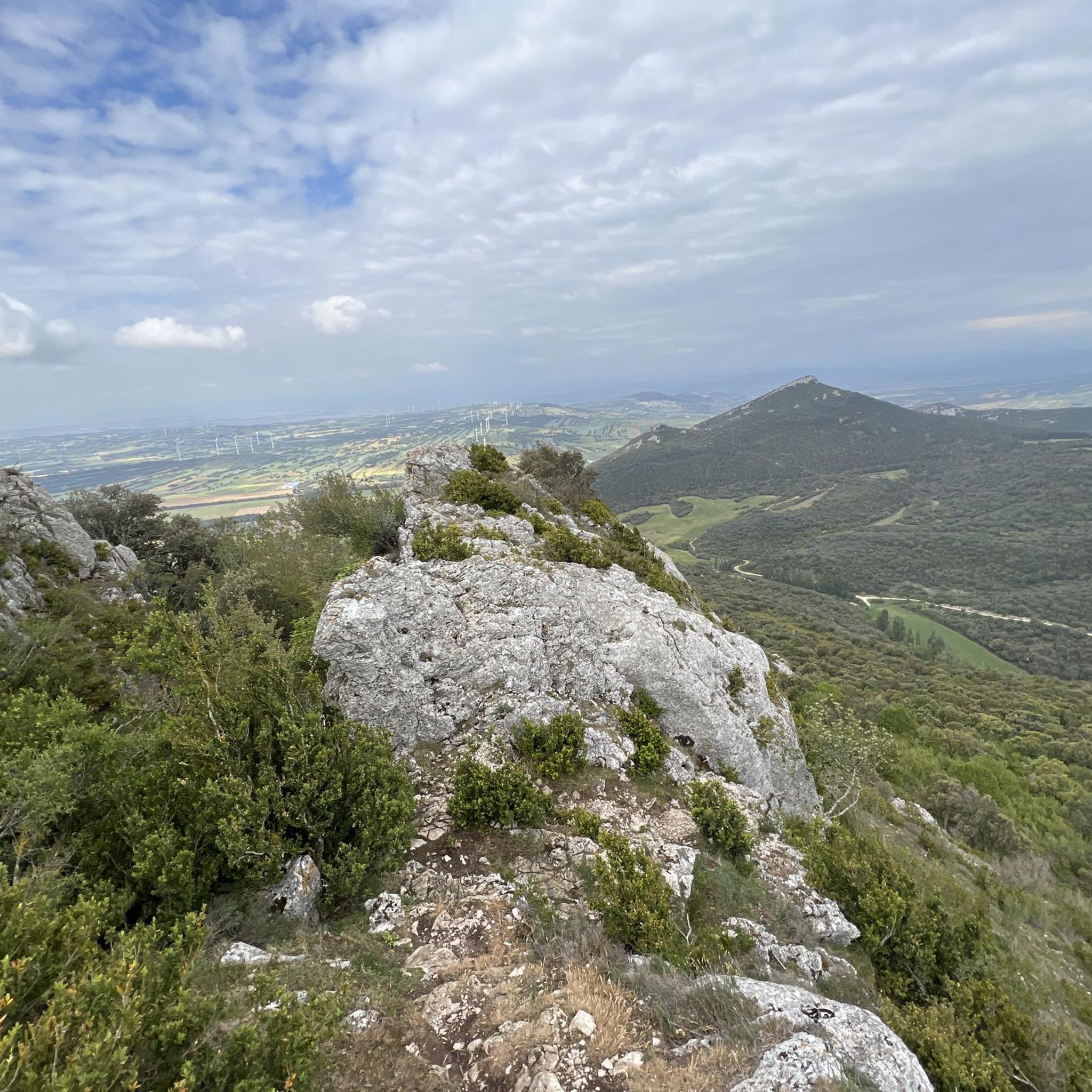

Tips from the Community

Unfortunately, the Romanesque church cannot be visited.
2
0

The bridge and its surroundings are very pleasant. The bike route after the fountain becomes impassable due to the undergrowth. It is advisable to return to the village and take the Camino along the track.
0
0
The west façade of the Church of Santa María de Olite was restored between 2015 and 2017. The project, funded by the Government of Navarre and the Gondra Barandiarán Foundation, was ambitious and complex. It focused on its spectacular painted portal, built alongside the façade during the first third of the 14th century. The successive layers of polychromy had been preserved thanks to a large portico, removed at the end of the 19th century. It was necessary to clean all the elements, determine the causes of alteration, stabilize the existing damage, and protect the result to ensure its proper preservation. The work garnered the dedication and interest of specialists in architecture, restoration, archaeology, history, art, and viticulture. Thus, this necessarily multidisciplinary book was born. The portal of Santa María de Olite, in its most striking uniqueness, unites Christian iconography, art, and viticulture on a single plane, in a journey "from vine to stone," which is still understandable and coherent today. Information taken from https://www.culturanavarra.es/es/la-portada-de-santa-maria-de-olite-de-la-vid-a-la-piedra
0
0

Recommended route for the surroundings and the views, be physically prepared, the climb to Alto d Izco is hard, lunch at the top and return💪
0
0

Originally a Roman fortress in a strategic location, the fortress is both a castle and a palace, although it was originally built as a court building to fulfil a military function. Since the 13th century, the Castle of Olite has been called the Palace of the King of Navarre.
2
0

The church is attached to the Royal Palace and was used by the Navarrese monarchs for major festivals and ceremonial events. The palace had its own chapel dedicated to Saint George and a private, gated gallery dedicated to Saint Mary. Kingdom courts, baptisms, weddings and royal funerals took place here.
1
0
The castle palace of Olite served as the residence of the kings of Navarre until the union of Navarre with Castile in the 16th century. The complex has been a listed monument since 1925.
1
0

The Gothic church of Santa María la Real. Wedged between the old and new palace, the church was built between the 13th and 14th centuries.
1
0
Frequently Asked Questions
What historical and cultural sites can I visit around Leoz?
The region around Leoz is rich in history. You can explore significant religious architecture such as the Church of the Nativity in Leoz, the Parish Church of the Assumption in Olleta, and the Church of San Esteban in Leoz. Don't miss the unique Hórreo of Iracheta, a distinctive example of rural architecture. Further afield, the impressive Royal Palace of Olite and the adjacent Church of Santa María la Real offer a deep dive into Navarre's royal past. The medieval town of Monreal, a stop on the Camino de Santiago, also provides a glimpse into the past.
Are there any natural attractions or viewpoints near Leoz?
Absolutely. For breathtaking panoramic views, head to Itzaga Peak, which stands at 1,361 meters. The entire Valdorba valley itself is a natural attraction, offering diverse landscapes and opportunities for outdoor exploration. You can also find the picturesque Medieval bridge of Salinas de Ibargoiti over the Elortz River, a peaceful spot on the Camino de Santiago.
What kind of outdoor activities can I do near Leoz?
The area around Leoz is ideal for various outdoor activities. You can find numerous routes for hiking, mountain biking, and running. For hiking, consider trails like the 'Hórreo de Iracheta loop' or routes around Unzué. Mountain bikers can explore longer loops such as 'Tafalla and Olite Royal Palace Loop' or 'Higa de Monreal Loop'. You can find detailed routes and guides for these activities on the Hiking around Leoz, MTB Trails around Leoz, and Running Trails around Leoz guide pages.
Are there family-friendly attractions in the Leoz area?
Yes, several attractions are suitable for families. The Royal Palace of Olite is a fantastic historical site that often captivates children with its castle-like appearance. The Church of Santa María la Real in Olite is also considered family-friendly. Additionally, the Medieval bridge of Salinas de Ibargoiti offers a pleasant, easy-to-access historical spot for a family outing.
What is the best time of year to visit Leoz for outdoor activities?
Leoz, situated at nearly 800 meters altitude, experiences distinct seasons. While winters can be snowy and quiet, spring and autumn generally offer the most pleasant weather for outdoor activities like hiking and cycling, with milder temperatures and beautiful landscapes. Summer is also suitable, though it can be warmer. Always check local weather forecasts before your visit.
Where can I find examples of Romanesque architecture near Leoz?
Leoz and the surrounding Valdorba valley feature several examples of Romanesque architecture. The Church of San Esteban in Leoz, dating back to around 1200, is a notable example. You can also find the historic Romanesque Bridge of Olleta, which is another significant structure from that period.
What do visitors enjoy most about the attractions around Leoz?
Visitors particularly enjoy the blend of historical depth and natural beauty. The Royal Palace of Olite is frequently praised as one of the most beautiful and imposing castles in Spain. The panoramic views from Itzaga Peak are consistently highlighted as impressive. Many appreciate the opportunity to step back in time in medieval settlements like Monreal and the peaceful, historical atmosphere of sites like the Medieval bridge of Salinas de Ibargoiti.
Are there any archaeological sites in the Leoz municipality?
Yes, the municipality of Leoz preserves archaeological remains that indicate its long history. Notably, there is a Neolithic flint workshop, which provides insight into prehistoric human activity in the area.
Can I find any unique rural architecture in the Leoz area?
Indeed. One of the most unique examples of rural architecture in the region is the Hórreo of Iracheta. This distinctive granary structure is a cultural landmark and offers a glimpse into traditional agricultural practices and building styles of the area.
What are some moderate hiking trails near Leoz?
There are several moderate hiking trails available. For example, you can try the 'Hórreo de Iracheta loop from Iratxeta' which is about 9.8 km, or the 'San Millán Church – Recreational Area with Fountain loop from Unzué / Untzue' which is around 14.3 km. These routes offer a good balance of challenge and scenic beauty. More options can be found on the Hiking around Leoz guide page.
Are there any historical palaces or noble residences to see?
Beyond the famous Royal Palace of Olite, the municipality of Leoz is also home to the Ancient Palace of Cabo de Armería. This historic palace is associated with local lineages and contributes to the rich heritage of the area.
What is the significance of the Valdorba Valley?
The Valdorba valley, where Leoz is situated, is renowned for its natural beauty and historical richness. It offers a deep immersion into rural essence, with diverse landscapes and a strong connection to its cultural heritage. The valley encourages exploration through various routes and is known for hosting traditional festivities that reflect local customs.
Most popular attractions around Leoz

Get inspired with the komoot mobile app


Explore more
Still not found the Highlight you’re looking for? See guides of the top attractions in other regions:
