The best mountain hikes around La Vall De Boí
4.6
(5)
44
hikers
4
hikes
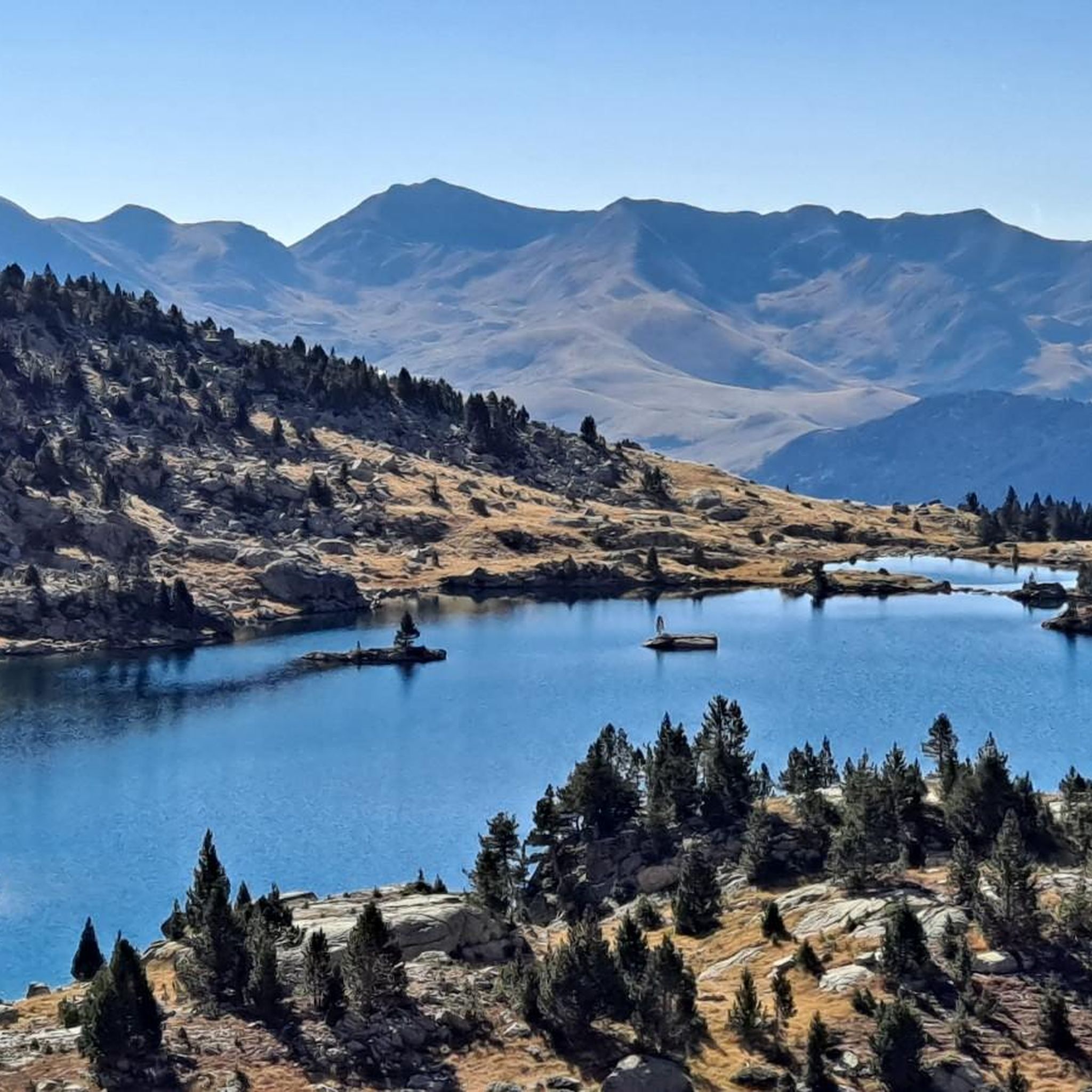
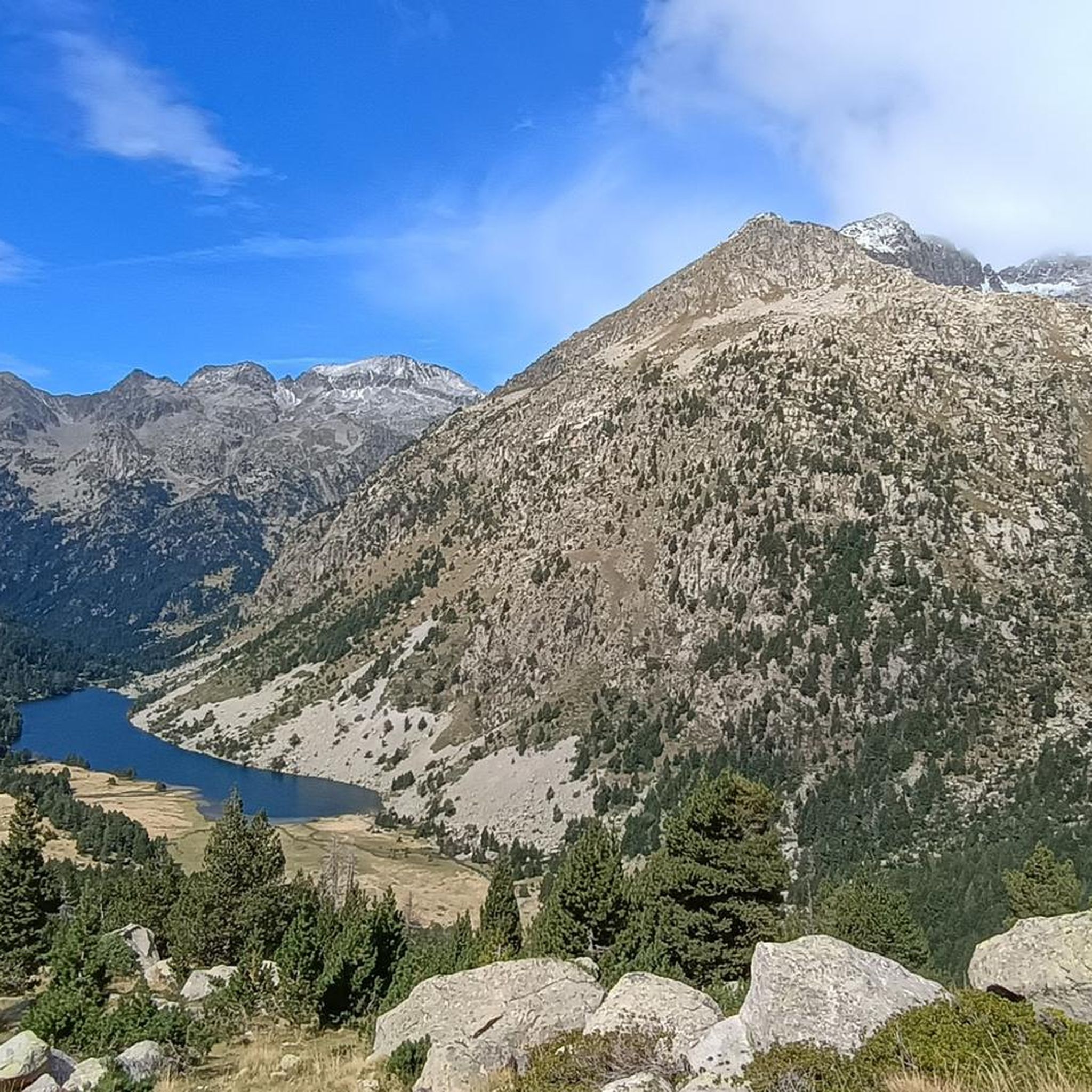
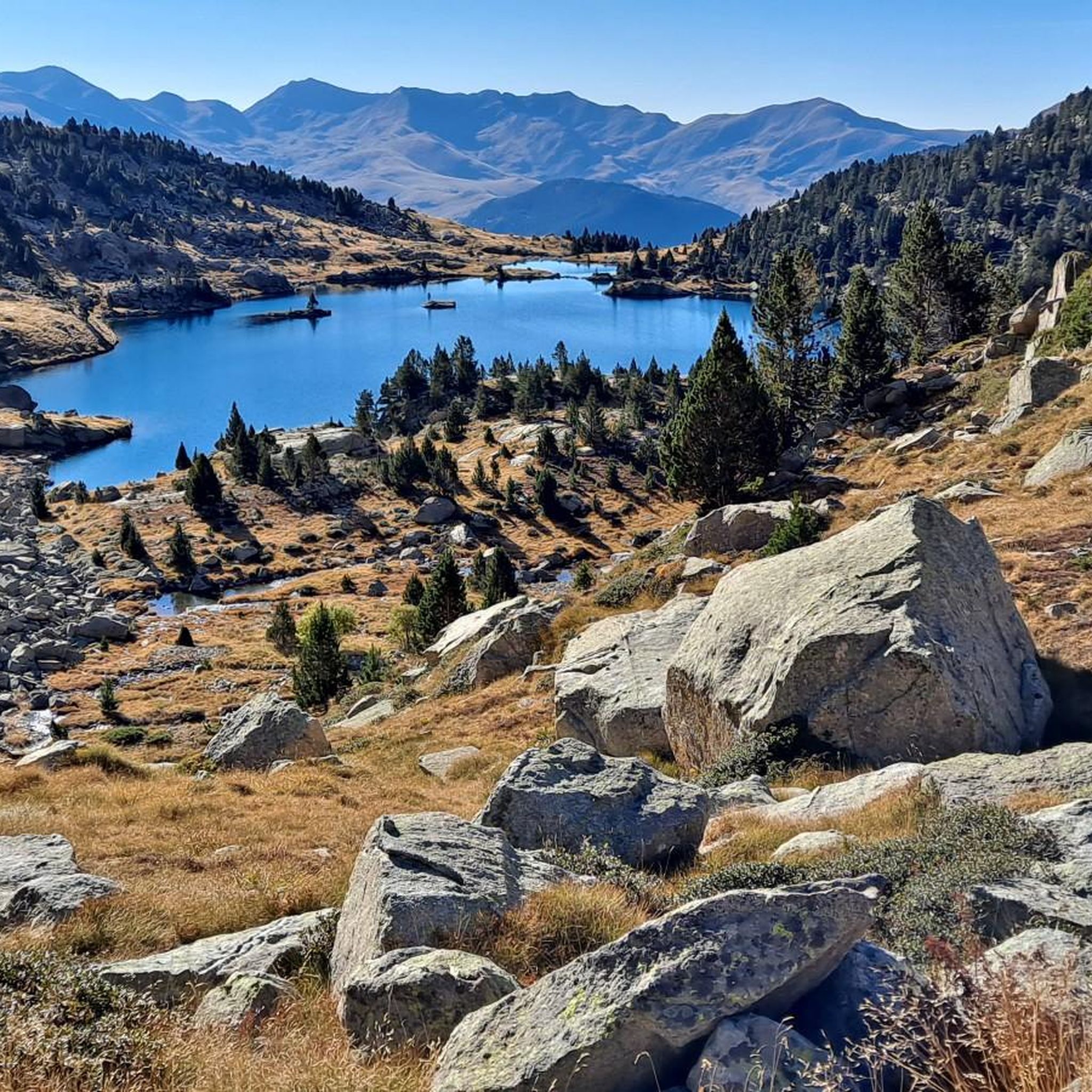
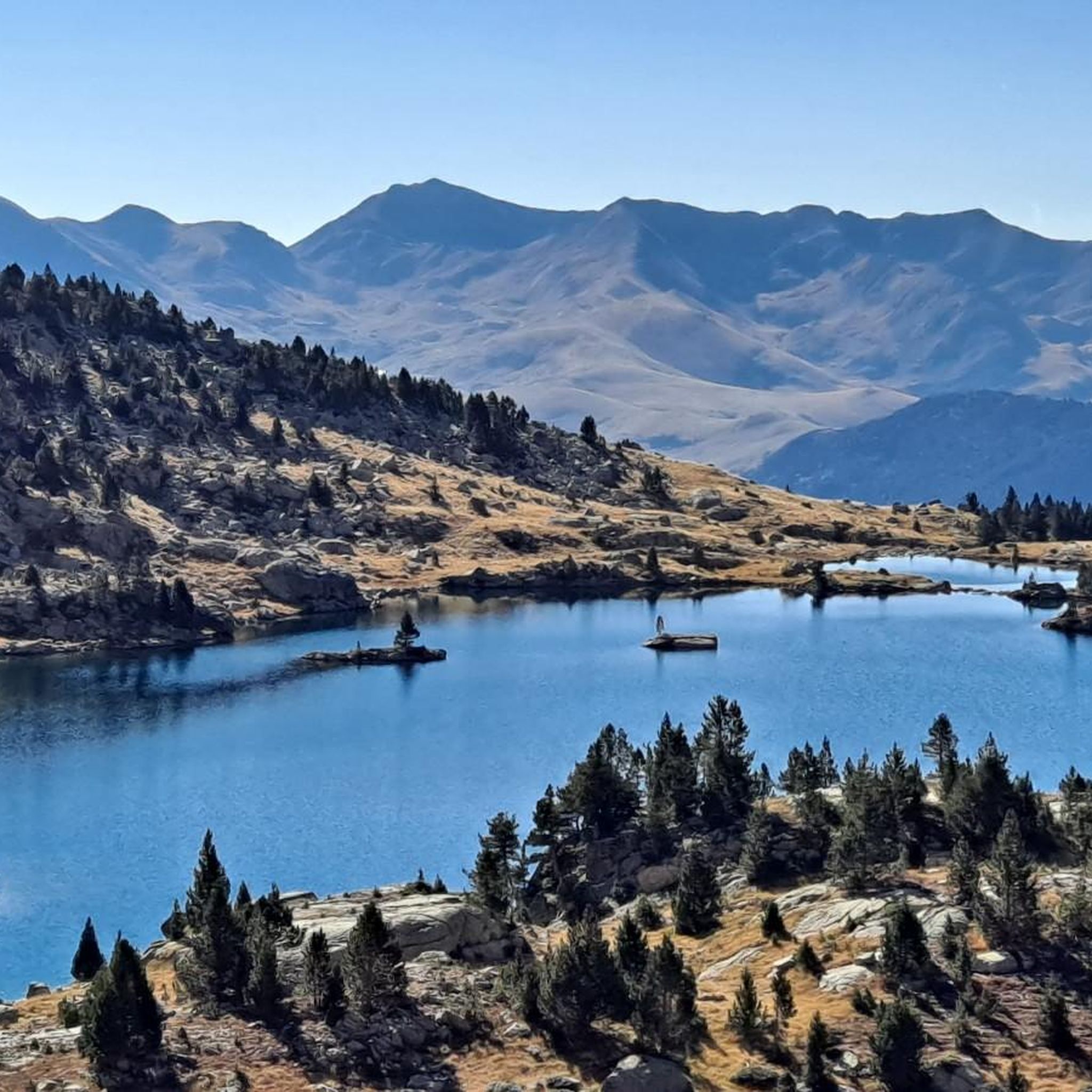
Mountaineering routes around La Vall De Boí traverse a rugged landscape characterized by high peaks, deep valleys, and numerous alpine lakes, known locally as "ibones." This region, part of the Pyrenees, features challenging ascents and descents over rocky terrain, often leading to remote refuges and panoramic viewpoints. The area is defined by its granite formations and a mix of alpine meadows and sparse forests at lower elevations.
Best mountaineering routes around La Vall De Boí
- The most popular mountaineering route is Collado de Molières – Ibones de Molières loop from Espitau de Vielha, a 8.5 miles (13.6 km) trail that takes 8 hours 17 minutes to complete. This difficult route features a challenging ascent to alpine lakes.
- Another top favourite among local mountaineers is Punta Alta Summit – Presa de Caballers loop from Pantà de Cavallers, a difficult 9.2 miles (14.8 km) path. This route offers high-altitude terrain and panoramic summit views.
- Local mountaineers also love the Besiberri New Refuge loop from Noguera Ribagorçana, a 6.8 miles (11.0 km) trail leading through mountainous landscapes, often completed in about 5 hours 6 minutes.
- Mountaineering around La Vall De Boí is defined by high mountain passes, glacial lakes, and challenging summit attempts. The network offers options for experienced mountaineers seeking demanding multi-day mountaineering adventures.
- The routes in La Vall De Boí are highly rated by the komoot community with an average score of 4.9 stars from more than 10 reviews. More than 170 mountaineers have used komoot to explore La Vall De Boí's varied terrain.
Last updated: July 17, 2026
4.5
(2)
16
hikers
14.0km
06:25
840m
840m
Hard mountaineering route. Very good fitness required. Sure-footedness, sturdy shoes and alpine experience required.
5.0
(1)
11
hikers
11.5km
05:53
930m
930m
Hard mountaineering route. Very good fitness required. Sure-footedness, sturdy shoes and alpine experience required.

Sign up for free
4.0
(1)
9
hikers
16.1km
05:42
570m
570m
Hard mountaineering route. Very good fitness required. Mostly accessible paths. Sure-footedness required.
6
hikers
Moderate mountaineering route. Good fitness required. Mostly accessible paths. Sure-footedness required.
5.0
(1)
2
hikers
12.4km
05:38
640m
640m
Hard mountaineering route. Very good fitness required. Sure-footedness, sturdy shoes and alpine experience required.
Our route recommendations are based on thousands of hikes, rides, and runs completed by other people on komoot.
Start today with a free account
Your next adventure awaits.
Login or Signup
Popular around La Vall De Boí
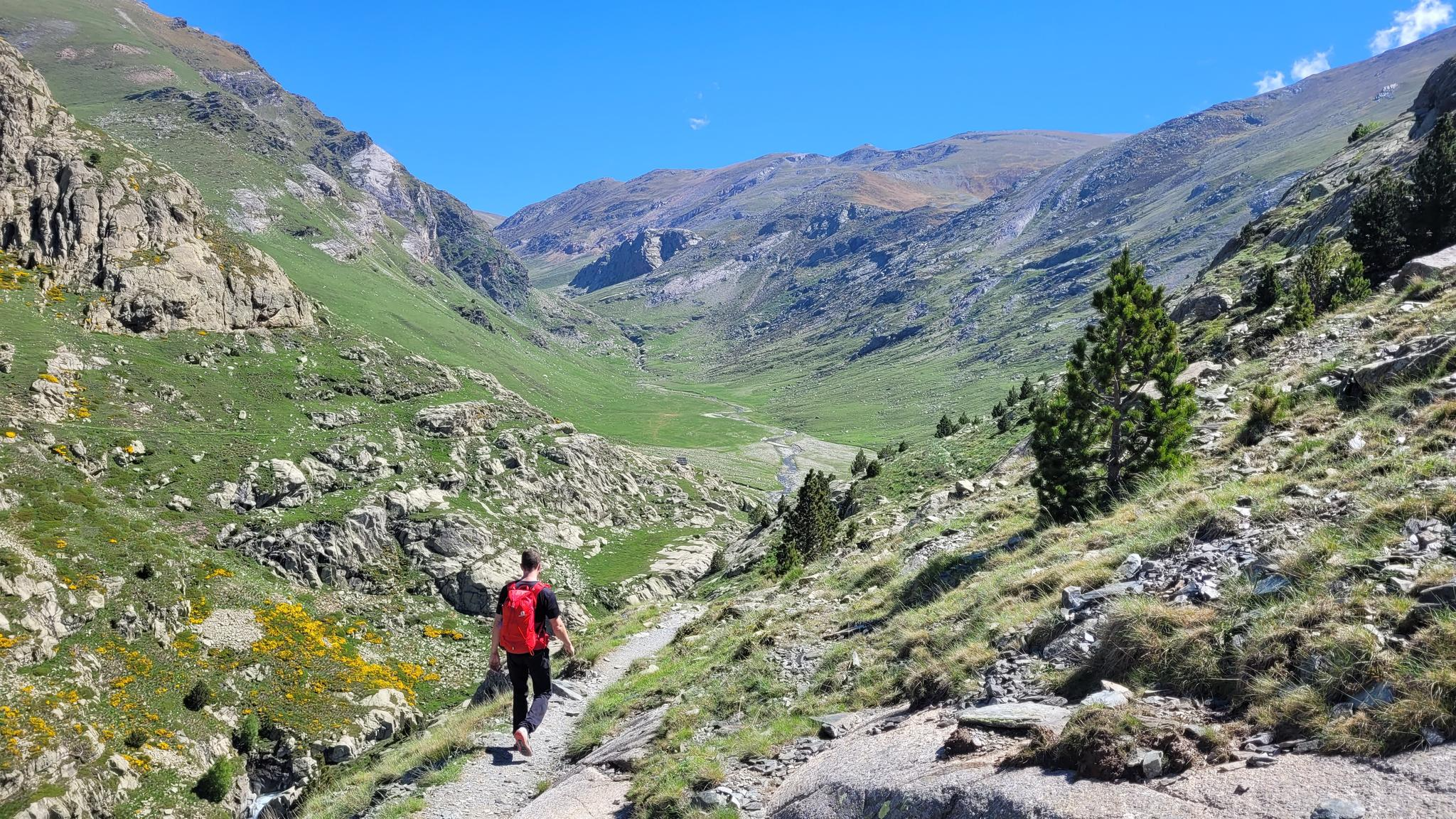
10 hikes with teenagers — Catalan paradises
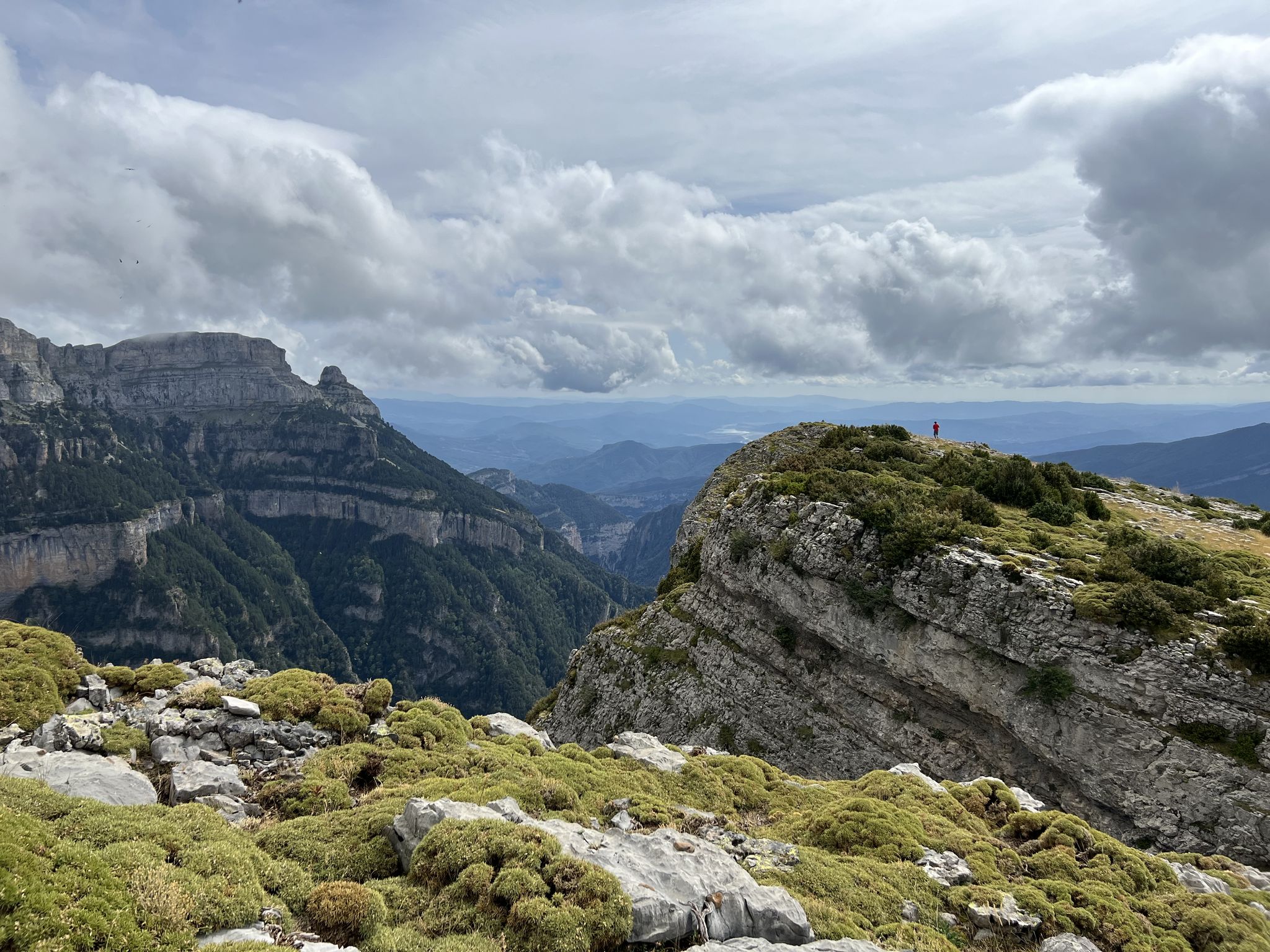
Summit conquests and idyllic mountain lakes – Spanish Pyrenees
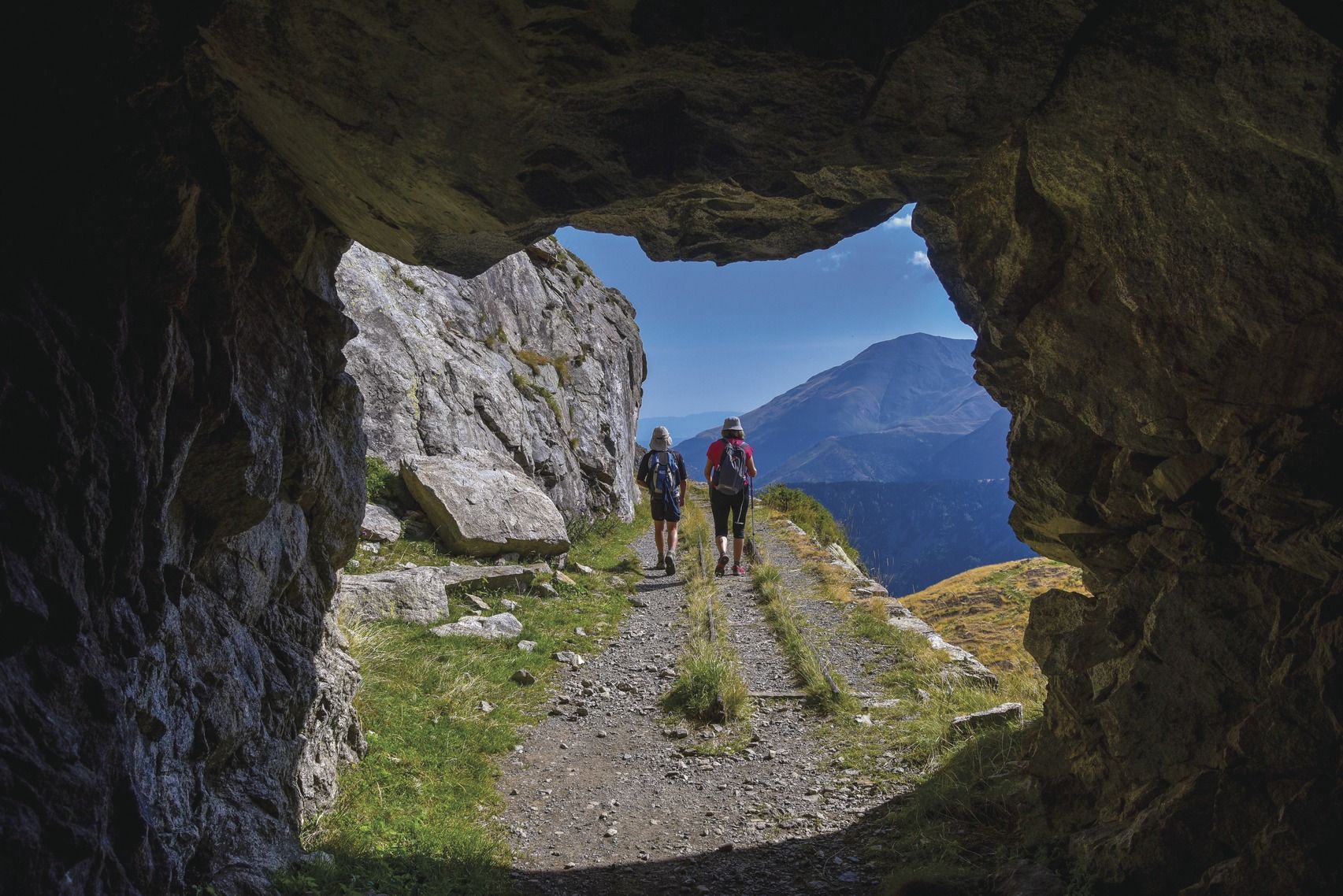
Six spectacular circular tours to discover Catalonia
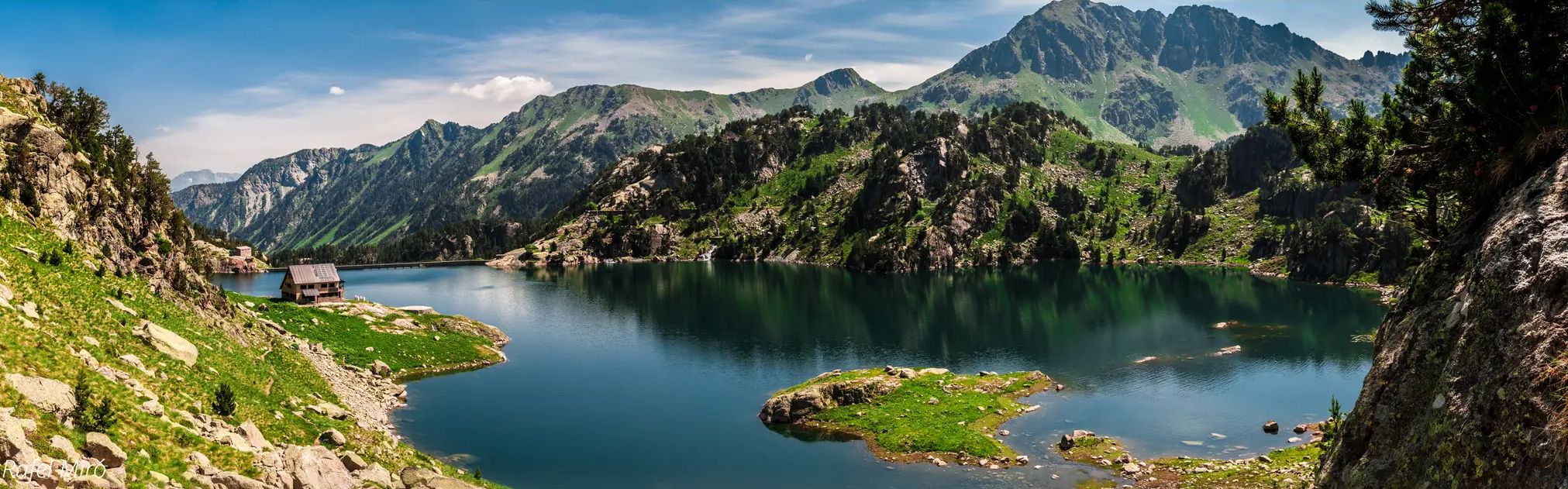
Aigüestortes lakes and mountain huts – Carros de Foc Plus
Hiking around La Vall De Boí
MTB Trails around La Vall De Boí
Running Trails around La Vall De Boí
Cycling around La Vall De Boí
Road Cycling Routes around La Vall De Boí
Gravel biking around La Vall De Boí
Other adventures around La Vall De Boí


Tips from the Community

This refuge is named after the Restanca lake, next to which it is located. It is located at an altitude of 2010 metres in the Alto Arán. It has capacity for 80 guests, divided into six rooms. It also has hot water showers, food service and a bar.
1
0

Lake Obago is a lake of glacial origin located at 2,236 m in the municipality of Alto Arán, in the Valle de Arán region. Lake Obago is one of the largest lakes in the Cirque de Colomers, a glacial cirque of more than 50 lakes crowned by peaks that exceed 2,500 meters, such as the Tuc de Ratera (2,861 m) or the Gran Tuc de Colomers (2,933 meters).
0
0
Lake Mayor de Colomers is a lake of glacial origin located at 2128 m in the municipality of Alto Arán, in the Valle de Arán region. Lake Mayor de Colomers is one of the largest lakes in the Cirque de Colomers, a glacial cirque of more than 50 lakes crowned by peaks that exceed 2,500 meters, such as the Tuc de Ratera (2,861 m) or the Gran Tuc de Colomers (2,933 meters). ). The Colomers refuge is located near the lake.
0
0

Gerber Lake is the largest lake in the valley, enclosed by spectacular rock walls. If we want to enjoy a good view of the lake we must ascend a little along the path that goes up on its left side.
0
0
The Mataró refuge, Gerber refuge or Gerber metallic refuge, is located next to La Isla lake, in the Gerber valley, at 2,460 meters of altitude. From the refuge we have magnificent views over the Gerber valley, the lakes we passed on the way up (Estanyola de Gerber, Estany Gerber, Estany Llong, Estany L´Illa) and the peaks that surround us Pic de Saboredo, Pic d´ Medias or Pico de Bassiero).
0
0


The lake of Còth de Baish can be seen from the pass of the same name, at an altitude of 2,190 metres. From the pass it is possible to descend to the lake to admire it up close.
0
0

One of the smallest, but also very flirtatious.
3
0
Frequently Asked Questions
Are there any easy mountaineering routes in La Vall De Boí for beginners?
La Vall De Boí is primarily known for its challenging mountaineering. While there are 14 difficult routes, you'll find a couple of moderate options that might be suitable for beginners with some experience, such as the Collado de Molières – Ibones de Molières loop from Espitau de Vielha. However, most routes here involve significant elevation gain and rugged terrain.
What is the best time of year for mountaineering in La Vall De Boí?
The ideal time for mountaineering in La Vall De Boí is typically from late June to early September. During these months, the snow has usually melted from higher elevations, and the weather is generally more stable, offering clearer paths and better visibility. Always check local weather forecasts before heading out.
Are there opportunities for multi-day mountaineering trips in La Vall De Boí?
Yes, La Vall De Boí is an excellent region for multi-day mountaineering, especially within the Aigüestortes i Estany de Sant Maurici National Park. Many routes connect with mountain refuges, allowing for extended treks. For example, the Besiberri New Refuge loop from Noguera Ribagorçana is a great option that can be extended into a multi-day adventure.
What kind of wildlife might I encounter on the trails in La Vall De Boí?
The Pyrenees are rich in biodiversity. Along the trails in La Vall De Boí, you might spot chamois, marmots, and various bird species, including impressive raptors like the bearded vulture. Keep an eye out for wildflowers in the alpine meadows during summer. Remember to observe wildlife from a distance and avoid disturbing their natural habitat.
Are there any circular mountaineering routes in the area?
Yes, many of the mountaineering routes in La Vall De Boí are designed as loops, allowing you to start and finish at the same point. A popular example is the Punta Alta Summit – Presa de Caballers loop from Pantà de Cavallers, which offers stunning high-altitude terrain and panoramic views.
What are some notable peaks or viewpoints to aim for during a mountaineering trip?
La Vall De Boí offers numerous impressive peaks and viewpoints. Consider reaching the summit of Montardo Peak for breathtaking panoramas, or visit the View of Estany de Sant Maurici for iconic lake scenery. Mountain passes like Monestero Pass also offer incredible vistas.
Is it possible to bring dogs on the mountaineering trails in La Vall De Boí?
While dogs are generally welcome on many trails in the Pyrenees, specific regulations apply within the Aigüestortes i Estany de Sant Maurici National Park, where many of La Vall De Boí's mountaineering routes are located. Dogs are often restricted or must be kept on a leash in certain zones to protect wildlife. Always check the latest park regulations before planning your trip with a dog.
What do other mountaineers enjoy most about the routes in La Vall De Boí?
The mountaineering routes in La Vall De Boí are highly rated by the komoot community, with an average score of 4.9 stars. Reviewers often praise the challenging ascents, the stunning alpine lakes (ibones), and the panoramic summit views. The rugged, unspoiled nature of the Pyrenees in this region is a consistent highlight.
Are there any less crowded mountaineering options in the Aigüestortes National Park area?
To find less crowded routes within or near Aigüestortes National Park, consider exploring trails that start from less accessible trailheads or those that are longer and more demanding, as these naturally deter larger crowds. The Mountaineering loop from Espitau de Vielha, while still challenging, might offer a more secluded experience compared to the most popular central park routes.
What are the winter mountaineering conditions like in La Vall De Boí?
Winter mountaineering in La Vall De Boí is for experienced individuals only. The region experiences heavy snowfall, and routes become significantly more challenging due to snow, ice, and avalanche risk. Specialized equipment like crampons, ice axes, and avalanche safety gear is essential, and knowledge of winter navigation and conditions is crucial. Many trails are impassable or require expert guidance.
Are there any permits required for mountaineering in La Vall De Boí, especially within the National Park?
Generally, day hikes in Aigüestortes i Estany de Sant Maurici National Park do not require permits. However, if you plan to stay overnight in designated camping areas or refuges, reservations are often mandatory, especially during peak season. For specific activities like climbing or large group expeditions, it's always best to check the official park website for any updated permit requirements.
Where can I find parking for the trailheads in La Vall De Boí, particularly for routes entering Aigüestortes National Park?
Parking is available at various access points to the National Park and surrounding areas. For routes like the Restanca Refuge – Montardo Summit Cairn loop from Refugi de la Restanca, you'll typically find parking near the starting points or designated park entrances. During peak season, some areas might have limited parking or require shuttle bus access to reduce traffic within the park. It's advisable to arrive early or check local transport options.
Most popular routes around La Vall De Boí
Most popular attractions around La Vall De Boí

Get inspired with the komoot mobile app


Explore more
Browse the best Mountain Hikes & Routes in other regions.
