Attractions and Places To See around Adiós - Top 20
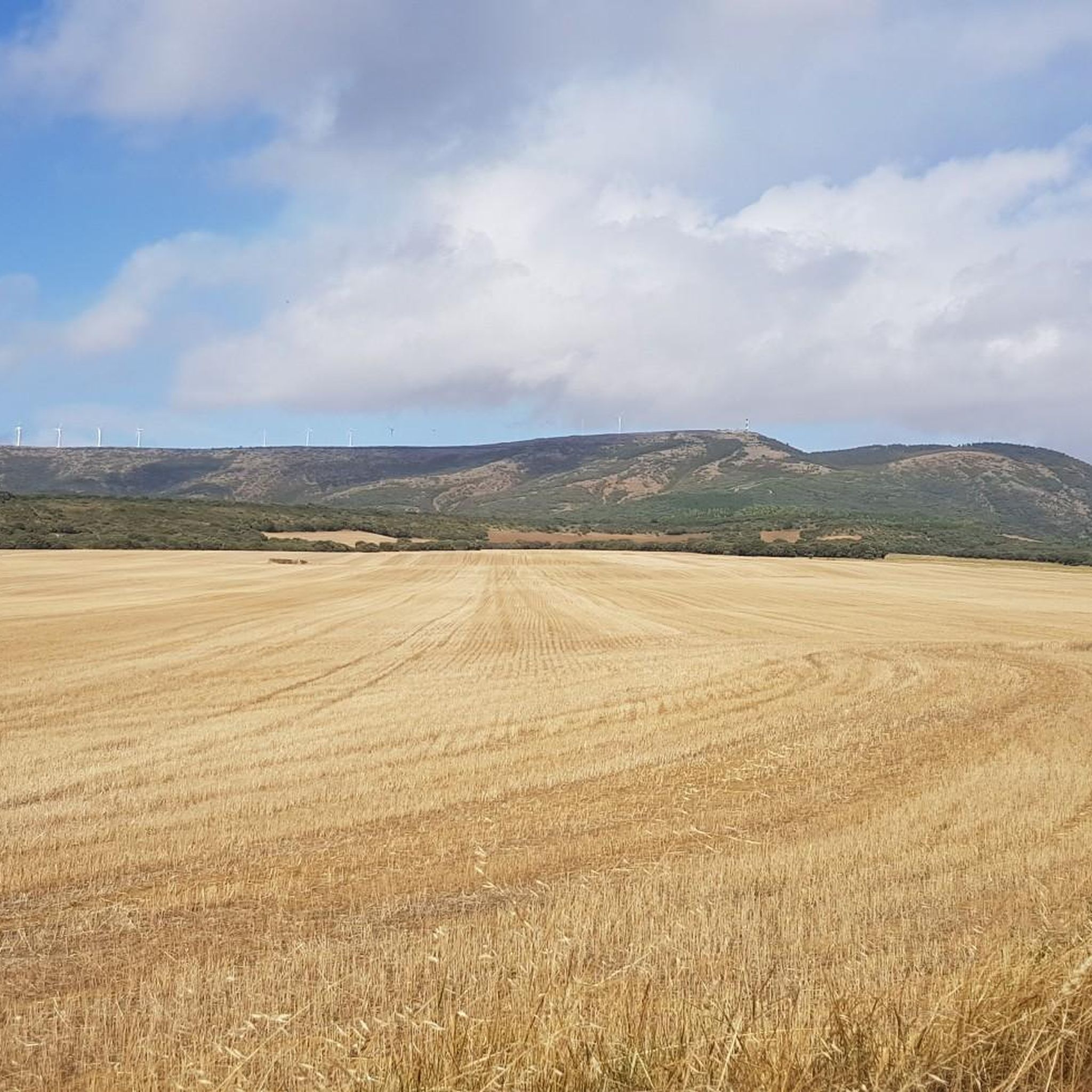
Attractions and places to see around Adiós include historical sites, cultural landmarks, and natural features nestled at the foot of the Sierra del Perdón in Navarra, Spain. This tranquil municipality is situated alongside the Robo River, offering a picturesque natural backdrop. The area features a gentle piedmont landscape, historically used for cultivating cereals and olive trees. Adiós is also a significant point of interest for those traversing the Camino de Santiago.
Best attractions and places to see around Adiós
- The…
Last updated: October 10, 2026
Pilgrim Monument at Alto del Perdón
Highlight • Monument
Translated by Google •
Tip by

Puente la Reina Romanesque Bridge
Highlight • Bridge
Translated by Google •
Tip by

Sign up now to discover places like this
Get recommendations on the best single tracks, peaks, & plenty of other exciting outdoor places.
Church of Saint John the Baptist, Obanos
Highlight • Religious Site
Translated by Google •
Tip by

Church of Santa María de Eunate
Highlight • Religious Site
Translated by Google •
Tip by

Church of the Crucifix (Iglesia del Crucifijo)
Highlight • Religious Site
Translated by Google •
Tip by
Sign up for free to discover even more attractions around Adiós.
Already have an account?
Start today with a free account
Your next adventure awaits.
Tips from the Community

Santa María de Eunate is a Romanesque church on the Aragonese branch of the Way of St. James in Navarre. The church was built at the end of the 12th century in the Romanesque style with Mozarabic influences. The octagonal design is a reference to the Templars. There used to be a hospice here that belonged to the Order of St. John and today it is a hostel for pilgrims.
0
0

The Iglesia del Crucifijo in Puente la Reina is a fascinating historical monument deeply rooted in the history of the Camino de Santiago. Originally built in the 12th century by the Knights Templar, the church was later taken over by the Order of St. John of Jerusalem. The church consists of two different naves: a Romanesque one from the 12th century and a Gothic one that was added later. What makes this church really special is the impressive Gothic crucifix in the shape of a “Y”, one of the most remarkable Gothic sculptures in Spain.
2
0
The Church of San Juan Bautista in Obanos, located in the Plaza de los Fueros, is a beautiful example of neo-Gothic architecture. Built in 1912, this church exudes an impressive historical charm. The church’s façade features a portico and a square tower, which contribute to the building’s majestic appearance. Inside, the church exudes a serene and sacred atmosphere, with beautiful stained glass windows and detailed decorations that reflect the church’s rich history.
1
0

This room allows every pilgrim to write down intercessions and prayers to place at the Jesus statue or write them in the prayer book. A simple, beautiful room that has preserved much of the old spirituality. Pilgrim station.
1
1

One of the few octagonal churches in the world, belonging to the Templars.
1
0

There is something magical about this place
2
0

A nice detour on the Camino.
1
0

At the entrance to Puente la Reina is the Crucifix Church, an originally Romanesque church from the 12th century that once served as a place of worship for the Templar Order. Only the Romanesque portal was preserved when the current church was built in its place in the 15th century.
3
0
Frequently Asked Questions
What historical and cultural sites can I explore in Adiós and its surroundings?
Adiós is rich in history, particularly due to its location on the Camino de Santiago. You can visit the Parish Church of San Andrés Apóstol within the village, which houses two Romanist altarpieces. Nearby, don't miss the iconic Puente la Reina Romanesque Bridge, a historical meeting point for different branches of the Way of St. James. Another significant site is the Pilgrim Monument at Alto del Perdón, an art installation symbolizing the pilgrim's journey.
Are there any natural viewpoints or scenic spots near Adiós?
Yes, Adiós is nestled at the foot of the Sierra del Perdón, offering picturesque natural backdrops. The village itself has the Mirador de Adiós, located on its outskirts next to a hermitage, which provides scenic vistas. The area also features a gentle piedmont landscape alongside the Robo River, historically used for cultivating cereals and olive trees.
What is the significance of the Camino de Santiago in Adiós?
Adiós is a significant point along the renowned Camino de Santiago (Way of St. James). The path peacefully winds through the municipality, making it a key stop for pilgrims. The region's history and development are closely linked to this ancient route, with attractions like the Puente la Reina Romanesque Bridge and the Pilgrim Monument at Alto del Perdón directly related to the pilgrimage.
Are there family-friendly attractions or activities around Adiós?
Many of the historical sites are suitable for families, offering an educational experience. The Puente la Reina Romanesque Bridge and the Church of Saint John the Baptist, Obanos are categorized as family-friendly. Exploring the gentle piedmont landscape and walking shorter sections of the Camino de Santiago can also be enjoyable family activities.
What kind of hiking trails are available near Adiós?
The area around Adiós offers various hiking opportunities, especially along the Camino de Santiago and in the Sierra del Perdón. You can find routes ranging from moderate to difficult. For specific running trails, including loops around Alto del Perdón, you can explore the Running Trails around Adiós guide.
Can I go cycling or gravel biking in the Adiós area?
Yes, the region provides excellent opportunities for cycling and gravel biking. You can find routes like the Aragonese Way Trail for cycling or explore more challenging loops with scenic views. For detailed routes, refer to the Cycling around Adiós guide and the Gravel biking around Adiós guide.
What are some unique religious buildings to visit near Adiós?
Beyond the Parish Church of San Andrés Apóstol in Adiós, you can visit the Hermitage of San Cristóbal on the village outskirts. Other notable religious sites nearby include the Church of Saint John the Baptist, Obanos, a striking neo-Gothic building, and the unique Romanesque Church of Santa María de Eunate, known for its exterior cloister. The Church of the Crucifix (Iglesia del Crucifijo) is also a significant historical site.
What do visitors particularly enjoy about the attractions around Adiós?
Visitors appreciate the historical depth and cultural significance of the area, especially its connection to the Camino de Santiago. The Pilgrim Monument at Alto del Perdón is often highlighted for its symbolic representation of the pilgrim's journey, while the Puente la Reina Romanesque Bridge is admired for its historical importance and architectural beauty. The tranquil natural setting at the foot of the Sierra del Perdón also contributes to a memorable experience.
Is it possible to find dog-friendly walks or trails near Adiós?
While specific dog-friendly designations for every trail are not always available, the natural landscapes around Adiós, including the piedmont and sections of the Camino de Santiago, generally offer opportunities for walks with dogs, provided they are kept on a leash and local regulations are followed. Always ensure to clean up after your pet.
What is the best time of year to visit Adiós for outdoor activities?
The spring (May 1st for the Romería to Santa María de Eunate) and autumn months typically offer pleasant weather for outdoor activities like hiking and cycling, with milder temperatures. Summer can be warm, especially for longer walks. Winter might be cooler, but can still be suitable for walks depending on conditions.
Where can I experience the local history and architecture within Adiós village itself?
Within Adiós village, the Parish Church of San Andrés Apóstol is a central feature, showcasing Gothic architecture and Romanist altarpieces from the 1630s. The village's quiet streets and traditional buildings offer a glimpse into local life and history, particularly for those interested in the Camino de Santiago's passage through small Navarran towns.
Are there any annual events or pilgrimages near Adiós?
Yes, the Hermitage of San Cristóbal on the outskirts of Adiós hosts an annual pilgrimage every July 10th. Additionally, a significant annual pilgrimage (Romería) to Santa María de Eunate takes place on May 1st, offering a cultural experience and a chance to explore the surrounding area.
What is the terrain like for walking or cycling on the Camino de Santiago section near Adiós?
The Camino de Santiago section through Adiós and the wider Valdizarbe area features a gentle, clear, and often windy piedmont landscape. While generally accessible, some routes, particularly those leading up to the Sierra del Perdón, can involve climbs and be more challenging, as seen with routes like the Alto del Perdón loops.
Most popular attractions around Adiós

Get inspired with the komoot mobile app


Explore more
Still not found the Highlight you’re looking for? See guides of the top attractions in other regions:
