The best road cycling routes around Calañas
231
riders
31
rides
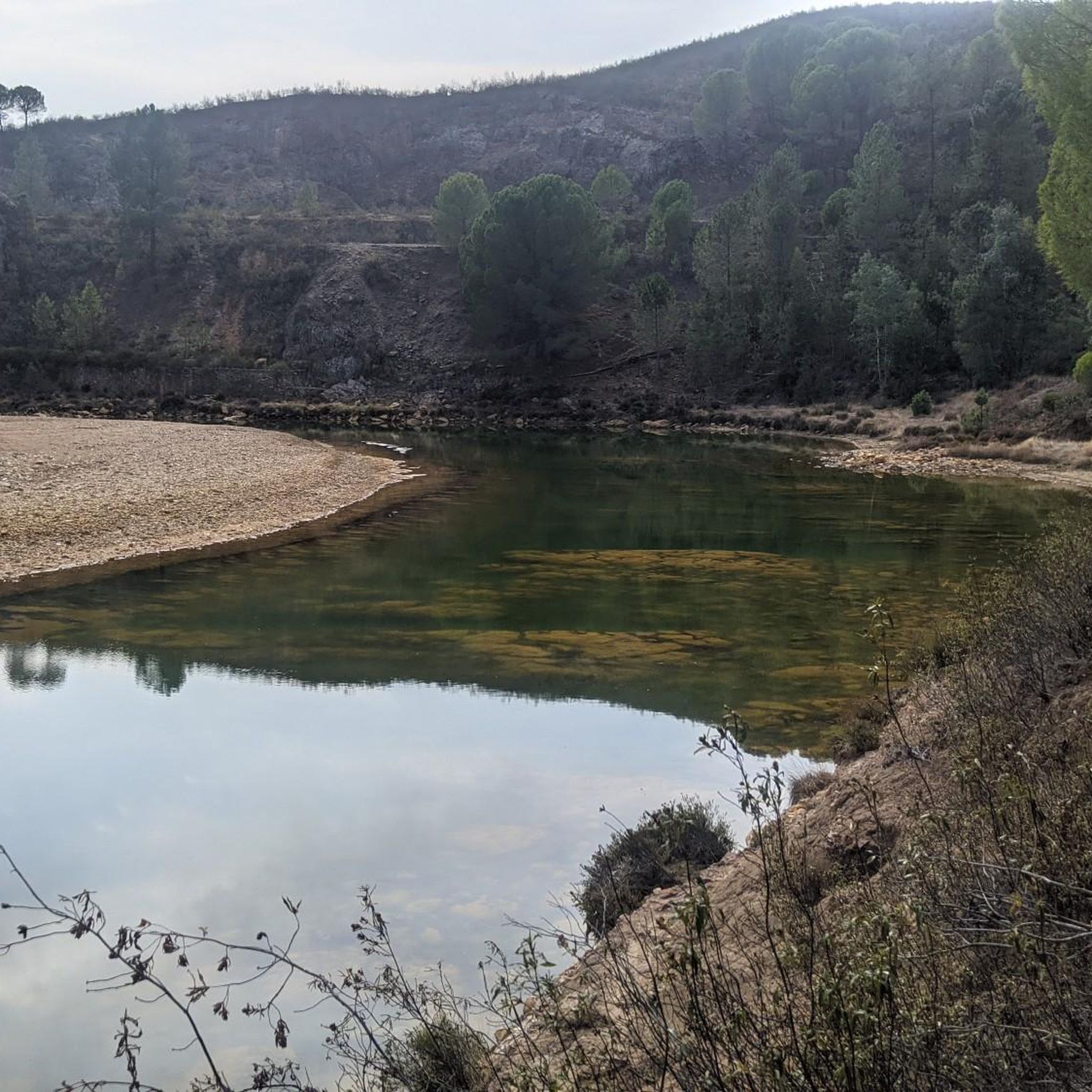
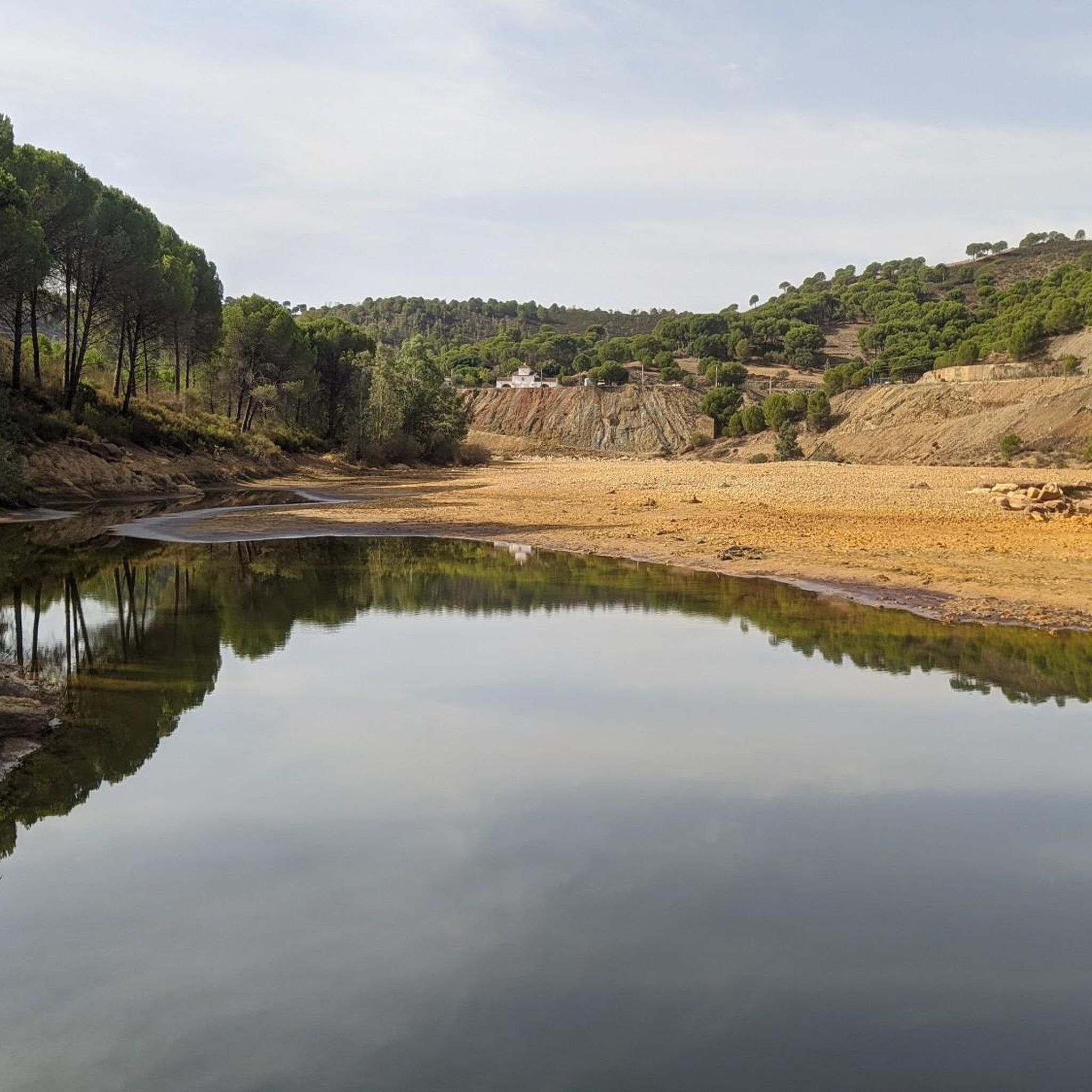
Road cycling routes around Calañas traverse the varied topography of the Andévalo region in Huelva, Spain, characterized by a mix of inclines and descents. The landscape features the distinctive Odiel River, known for its green-blue waters and yellow-ochre banks, offering picturesque routes. Cyclists can experience Mediterranean flora, including aromatic jara and lavender, along many paths. Elevated viewpoints, such as El Morante, provide panoramic vistas from over 400 meters.
Best road cycling routes around Calañas
- The most popular road cycling route…
Last updated: May 11, 2026
5
riders
96.5km
04:35
1,130m
1,130m
This difficult 59.9-mile (96.5 km) road cycling route takes you through the scenic Andévalo region, past mining towns and historic landmarks
9
riders
72.3km
03:18
840m
840m
Moderate road ride. Good fitness required. Mostly well-paved surfaces and easy to ride.

Sign up for free
13
riders
40.3km
01:41
250m
250m
Easy road ride. Great for any fitness level. Mostly well-paved surfaces and easy to ride.
4
riders
63.6km
02:51
720m
720m
Moderate road ride. Good fitness required. Mostly well-paved surfaces and easy to ride.
7
riders
50.0km
02:35
880m
880m
Moderate road ride. Good fitness required. Mostly well-paved surfaces and easy to ride.
Get access to more routes and recommendations from other explorers.
Sign up for free
Already have an account?
Our route recommendations are based on thousands of hikes, rides, and runs completed by other people on komoot.
Start today with a free account
Your next adventure awaits.
Login or Signup




Tips from the Community

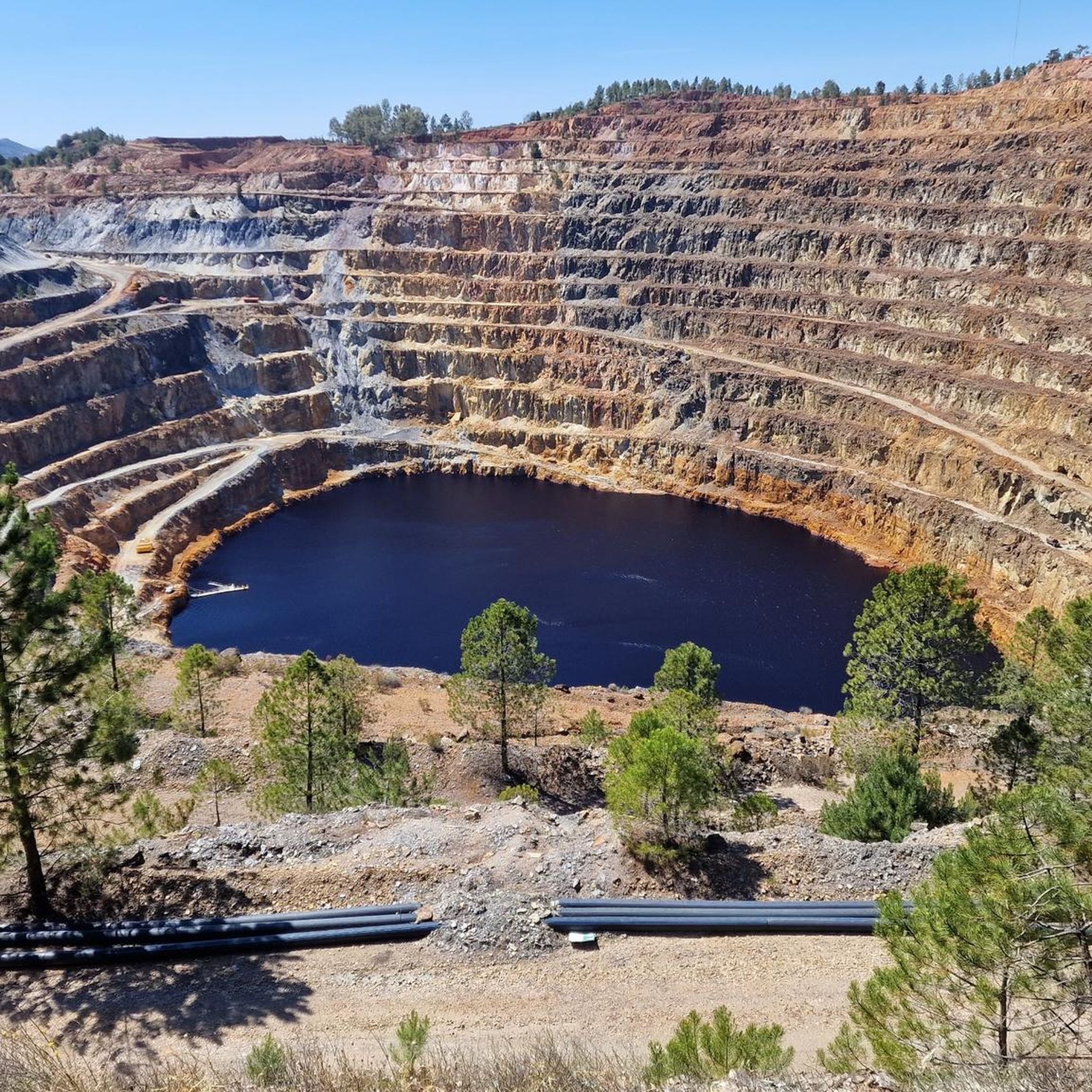
It is an open-pit mine that reached approximately 200 meters in diameter and 180 meters in depth. After mining operations ceased, the quarry filled with water, forming a kind of artificial lagoon that is now one of the most unique landscapes in the area. The mine is called Confesionarios (Confessionals) because of the gossan geological formations that resemble confessionals in churches.
1
0
The flooded Valdelamusa quarry, also known as the Corta de los Confesionarios, is one of the most striking elements of the mining heritage of this district of Cortegana, in the province of Huelva.
1
0
Places of Interest Church of Santa María de Gracia: Late Gothic with Renaissance elements (16th–17th centuries). Hermitage of Nuestra Señora de la Coronada: Built on a Roman necropolis, a center of local devotion. El Morante: A natural viewpoint with Roman remains. Odiel Mills Route: Hiking trails among old flour mills and riverside landscapes. Paseo El Real: A green area along the Odiel River, ideal for relaxing. Fuente García and La Torerera: Charming and refreshing spots.
1
0
Calañas, in the province of Huelva, is a town with a rich mining history, a privileged natural environment, and a deeply rooted culture. Ancient Origins: It was a mining enclave from the Tartessian and Roman periods, with finds at "El Morante" including amphorae, tombstones, and coins. Middle Ages: Under Muslim, then Christian, rule, it passed to the Guzmán family. Livestock farming was the main activity. 19th Century: Mining revived (pyrite, copper, iron, manganese), and the railway arrived in 1886. Calañas reached 12,000 inhabitants in 1910. 20th Century: The closure of mines and subsistence farming led to depopulation. Today, it seeks to revitalize itself through tourism and culture.
1
0
Eagle Hill offers spectacular views of the Andévalo region, the Sierra de Aracena, the Huelva coast, and even Portugal. The natural surroundings and the hill's altitude make the hermitage a privileged viewpoint.
1
0
The Hermitage of Our Lady of La Peña in Puebla de Guzmán (Huelva) is one of the most emblematic sites in the Andévalo region, both for its religious significance and its cultural and scenic importance. It is located on Cerro del Águila (Eagle Hill), about 4 km from the town center of Puebla de Guzmán. Origin: Probably built in the 16th century, although the most significant works were carried out in the 17th century. Style: Latin cross floor plan, with a single nave covered by a wooden truss roof. The crossing is crowned by a hemispherical dome on pendentives.
1
0
The Hermitage of Our Lady of La Peña in Puebla de Guzmán (Huelva) is one of the most emblematic sanctuaries in the Andévalo region of Huelva province, with a deep spiritual, artistic, and cultural tradition. Location: On Cerro del Águila (Eagle Hill), about 4 km from the town center. Origin: Probably built in the 16th century, with significant renovations in the 17th century, 1960, and 1992. Founding legend: According to tradition, the Virgin Mary appeared to the shepherd Alonso Gómez in the 15th century, who was instructed to build a hermitage on that site.
4
0

It is not a border town, since the urban centre is 20 km from the border line, although the municipal area is a border town.
0
1
Frequently Asked Questions
What kind of terrain can I expect on road cycling routes around Calañas?
Road cycling routes around Calañas traverse the varied topography of the Andévalo region, characterized by a mix of inclines and descents. You'll encounter diverse terrain, from riverside paths along the distinctive Odiel River to elevated viewpoints offering panoramic vistas.
How many road cycling routes are available in the Calañas area?
There are over 30 road cycling routes around Calañas documented on komoot, offering a wide range of options for different skill levels and preferences.
Are there any easy road cycling routes suitable for beginners in Calañas?
Yes, there are several easy routes. For instance, the Beas – Dolmen de Soto loop from Fuente de la Corcha is a 25.1 miles (40.3 km) trail that leads through rural landscapes and is often completed in about 1 hour 41 minutes, making it a good option for those seeking a less challenging ride.
What are some of the natural features and landmarks I might see while cycling in Calañas?
While cycling, you can experience the distinctive green-blue waters of the Odiel River and the aromatic Mediterranean flora like jara and lavender. Notable landmarks include the natural viewpoint of Calañas itself, and the Calabazar Reservoir. You might also pass by historical sites such as the Roman bridge over the Odiel River.
Are there any long-distance road cycling routes near Calañas?
Yes, for those seeking longer distances, routes like the Castle of Niebla – Puerta del Buey loop from Calañas offer a significant challenge. This difficult route spans over 96 miles (155 km) with substantial elevation gain, providing an extensive cycling experience.
What is the best time of year for road cycling in Calañas?
The region of Andalusia, where Calañas is located, is generally recognized as an excellent destination for cyclists, offering quiet and scenic roads. Spring and autumn typically provide the most pleasant weather for road cycling, avoiding the intense heat of summer and potential cooler, wetter conditions in winter.
Are there any circular road cycling routes around Calañas?
Many of the routes around Calañas are designed as loops. For example, the popular El Andévalo Loop is a 59.9 miles (96.5 km) circular trail that showcases the region's varied terrain.
Can I find family-friendly road cycling options in Calañas?
While many routes feature inclines and descents, there are easier options suitable for families or less experienced riders. Look for routes categorized as 'easy' on komoot, which typically have less elevation gain and shorter distances, such as the Beas – Dolmen de Soto loop.
What kind of cultural or historical stops can I make during a road cycling tour in Calañas?
Beyond natural beauty, Calañas offers cultural points of interest. You can explore architectural gems like the modernist market building from 1929 and the Renaissance bell tower of the Church of Santa María de Gracia. The area also features hermitages, other churches, and even Phoenician-era mines, allowing for stops that combine physical activity with historical exploration.
Are there any particularly scenic viewpoints along the road cycling routes?
Yes, the region boasts several elevated viewpoints. El Morante, located just 1 kilometer from Calañas, offers panoramic views from over 400 meters of altitude, providing a rewarding stop during your ride.
What is the difficulty level of road cycling routes in Calañas?
The road cycling routes in Calañas offer a range of difficulties. There are 3 easy routes, 15 moderate routes, and 15 difficult routes, ensuring options for all skill levels, from leisurely rides to challenging climbs with significant elevation gain.
Where can I find places to relax or take a break during my ride?
The region offers charming and refreshing spots ideal for a break. The Paseo El Real, a green area along the Odiel River, is perfect for relaxation. Additionally, Fuente García and La Torerera are described as pleasant spots where you can pause and refresh yourself.
Most popular attractions around Calañas

Get inspired with the komoot mobile app


Explore more
Browse the best Road cycling routes in other regions.
