Attractions and Places To See around Torrevieja - Top 20
Best attractions and places to see around Torrevieja include a diverse range of natural landscapes and cultural sites. This coastal city on Spain's Costa Blanca is characterized by its unique salt lagoons, extensive coastline, and historical landmarks. The region offers a blend of protected natural areas, urban parks, and significant cultural points of interest. Its heritage is closely tied to salt production and maritime traditions.
Best attractions and places to see around Torrevieja
- The most popular attractions is Rebate Climb…
Last updated: October 9, 2026
Riegos de Levante Canal
Highlight (Segment) • Structure
Translated by Google •
Tip by

Statue Honoring Lieutenant José Luis Morejón Verdú
Highlight • Monument
Translated by Google •
Tip by

Sign up now to discover places like this
Get recommendations on the best single tracks, peaks, & plenty of other exciting outdoor places.
Torre de la Horadada Watchtower
Highlight • Historical Site
Translated by Google •
Tip by

Rodeo Caves
Highlight • Cave
Translated by Google •
Tip by

Vía Verde de Torrevieja – La Mata and Torrevieja Lagoons Nature Park
Highlight (Segment) • Cycleway
Translated by Google •
Tip by

Sign up for free to discover even more attractions around Torrevieja.
Already have an account?
Start today with a free account
Your next adventure awaits.
Popular around Torrevieja



Tips from the Community

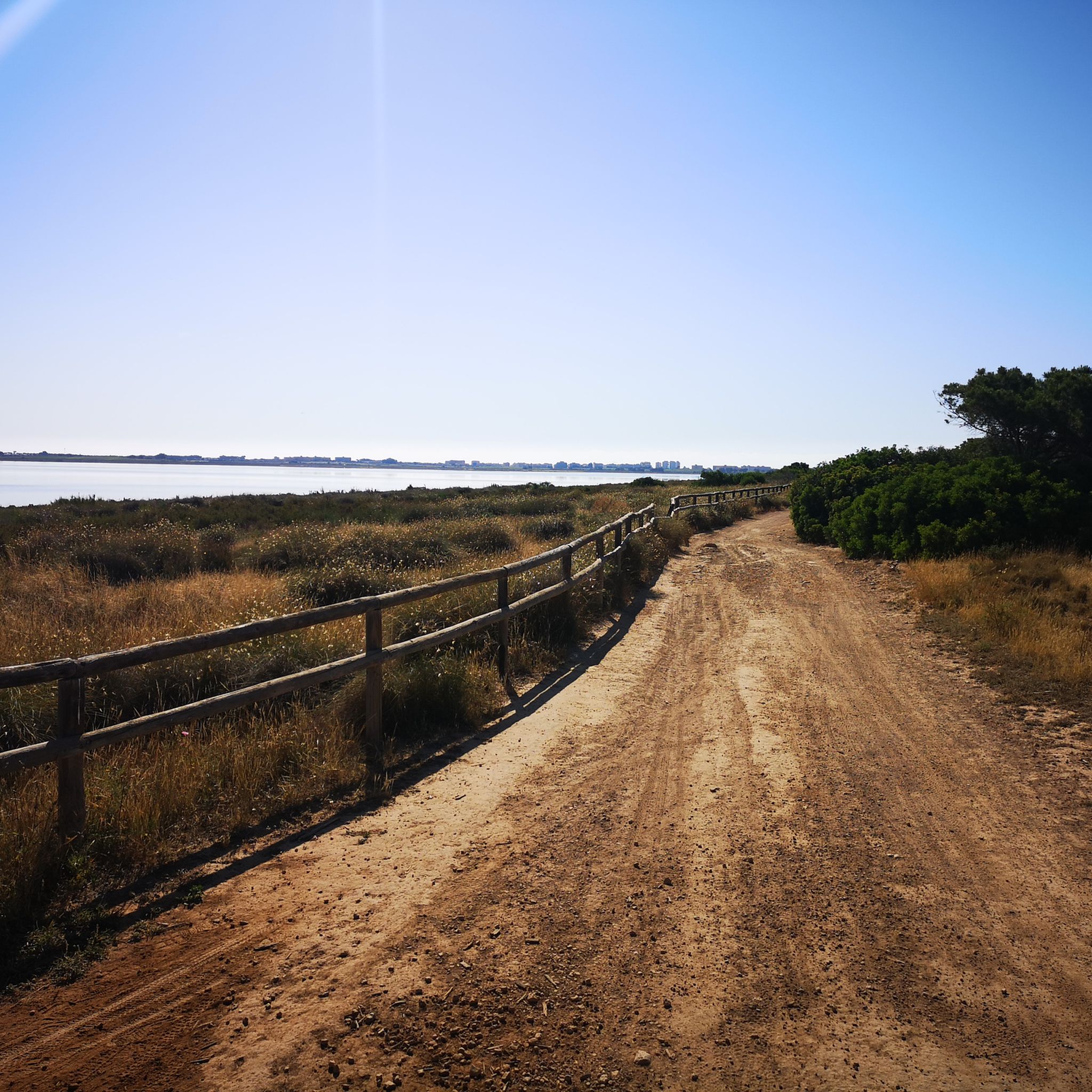
Komoot indicates paths that are unfortunately no longer up-to-date (fenced off, overgrown, etc.), nevertheless the route is worth "exploring". Little shade, you need to bring enough water. Easy access (by car). Flat and easy terrain (applies to the section I walked).
0
0


The early structure was built in 1591 to warn against Berber pirates from North Africa. It was classified as a "Bien de Interés Cultural" (Cultural Heritage Site) in 1955.
0
0

Important point on this route. 16th century tower
0
0

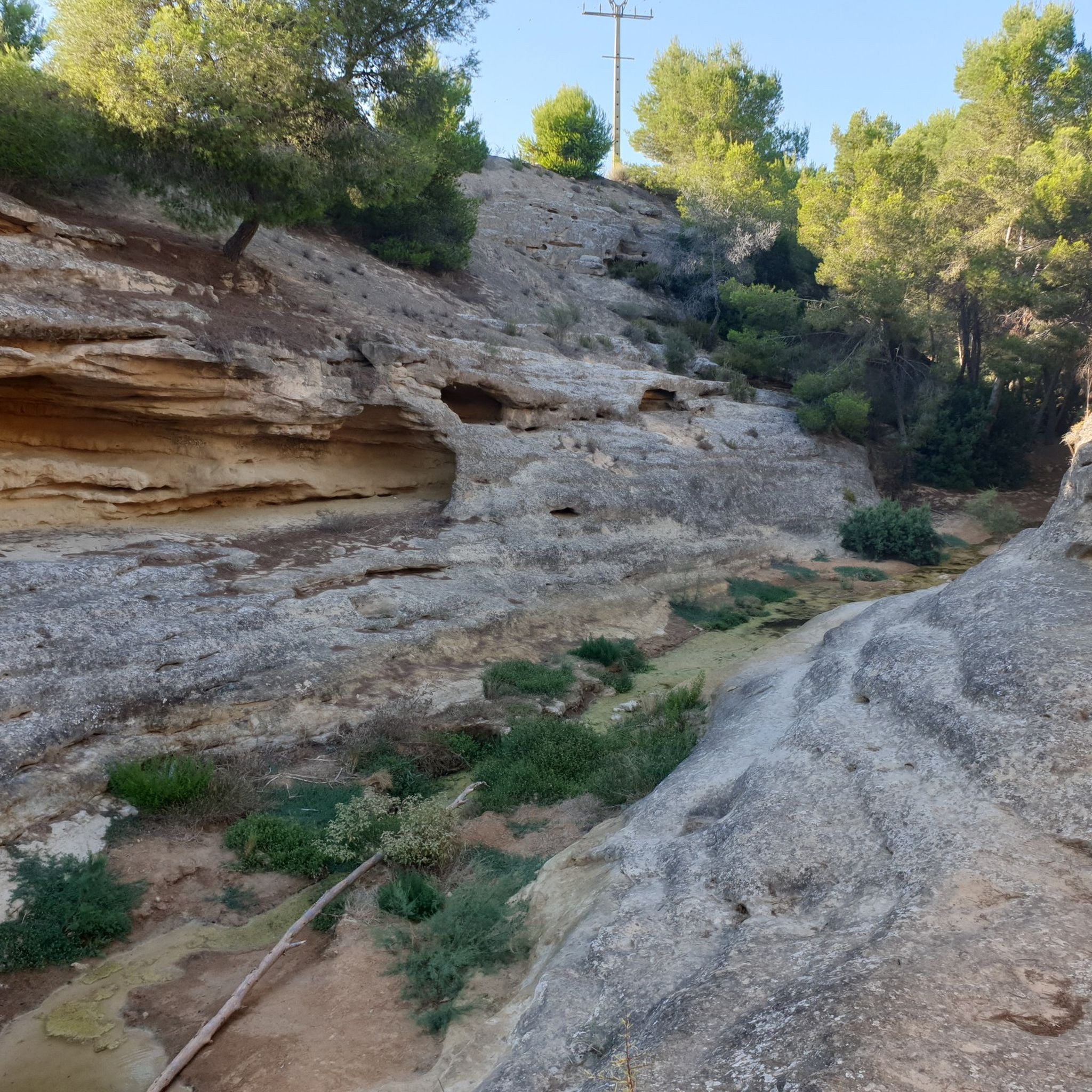
The El Rodeo caves were dug out of the slope of a raised area between the 18th and 20th centuries to create housing. They were built by experienced miners who moved to Rojales specifically for this project. Their knowledge undoubtedly made it possible to create this special urban landscape! The El Rodeo caves are now home to craft businesses and there is even a collection on the history of these caves.
3
0

You can cycle quietly and safely on the Via Verde.
0
0

The Statue in homage to Lieutenant Luis Morejón Verdú is a moving tribute to a brave officer of the Spanish army.
10
0

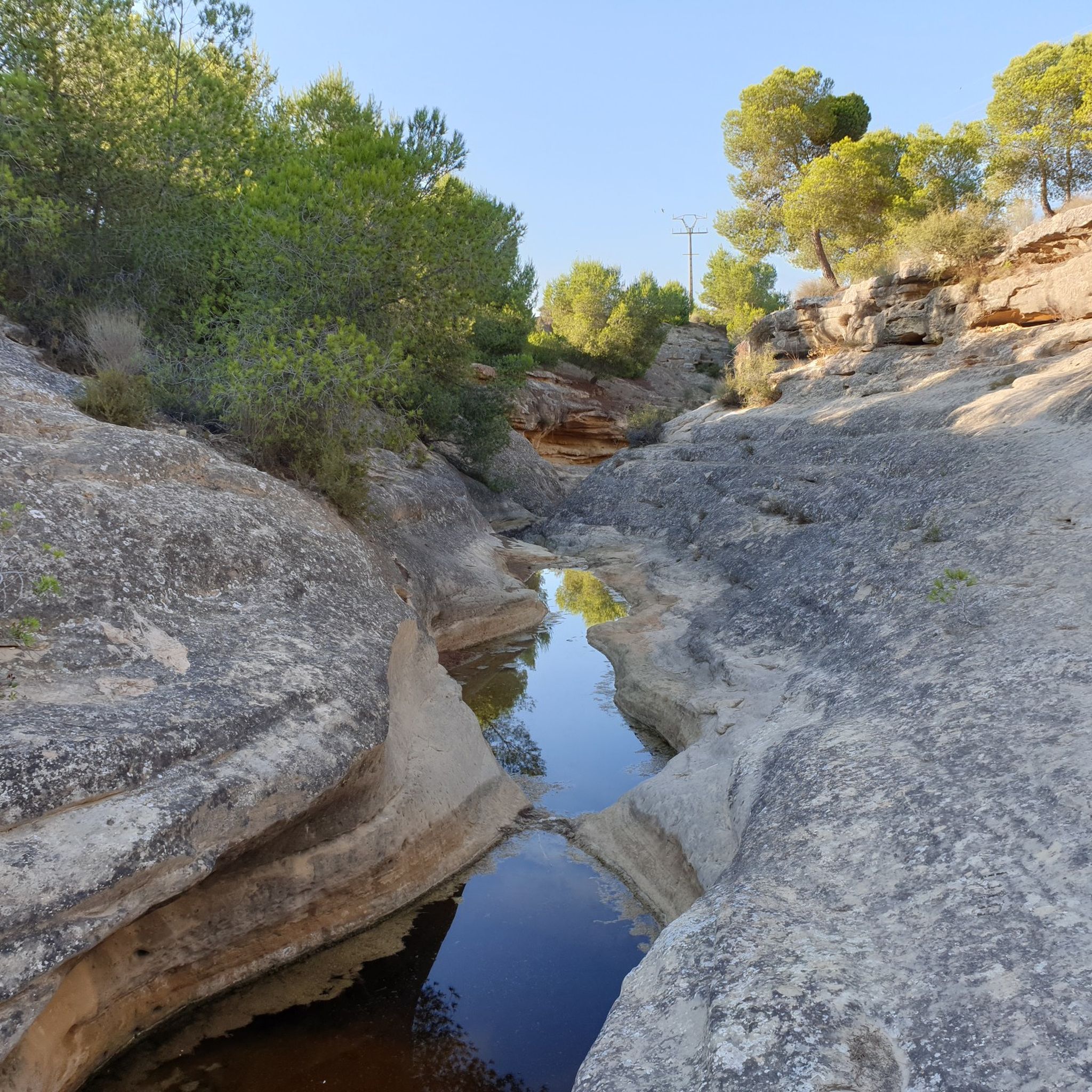
Very beautiful section of this route! Worth it! The Canal Riegos de Levante is an irrigation canal in the Levante region that is mainly used to supply water to agriculture. “Riegos de Levante” translates as “irrigation of the east” or “irrigation in the Levante”. The canal is an important system that transports water to the intensively used agricultural areas in the provinces of Alicante and Murcia. The water comes mainly from the Segura River and is channeled to the agricultural areas through an ingenious system of canals, pumps and reservoirs. The canal plays a central role in irrigating the fields in this often dry region of Spain and supports the cultivation of fruit, vegetables and other crops. The Canal Riegos de Levante is therefore essential for agriculture and the local economy in this part of Spain.
8
2
Frequently Asked Questions
What natural parks can I explore in Torrevieja?
Torrevieja is home to the unique Lagunas de La Mata y Torrevieja Natural Park, famous for its two saltwater lagoons, including the striking pink Torrevieja Lagoon. This protected area offers numerous trails for walking, cycling, and birdwatching. You can also visit Parque del Molino del Agua with its dune system and pine forests, or the urban Parque de las Naciones, which features a lake and children's play areas.
Are there any unique natural phenomena to see in Torrevieja?
Yes, the most unique natural phenomenon is the pink Torrevieja Lagoon (Laguna Rosa) within the Lagunas de La Mata y Torrevieja Natural Park. Its distinct pink hue is caused by microorganisms thriving in the high salt concentration, creating a spectacular sight, especially at sunset.
What historical sites are worth visiting in Torrevieja?
You can explore the 16th-century Torre de la Horadada Watchtower, which served as a coastal defense against pirate attacks. Another significant historical landmark is the Torre del Moro, a 14th-century watchtower offering panoramic views. The Historic Monumental Complex of the Eras de la Sal also provides insight into Torrevieja's salt production heritage.
Where can I learn about Torrevieja's maritime and salt history?
The Museum of Sea and Salt (Museo del Mar y de la Sal) is the ideal place to learn about Torrevieja's rich history of salt harvesting, fishing, and seafaring traditions. It features exhibits of salt-made crafts and model boats.
What are the best beaches and coves for swimming or relaxing?
Torrevieja boasts 20 kilometers of coastline. Playa de La Mata is the largest beach with fine golden sand. Other popular urban beaches include Playa del Cura and Playa de Los Locos. For snorkeling, explore Las Calas de Torrevieja, a stretch of rocky coastline with various coves like Moor's Cove and Ferris Cove.
Are there family-friendly attractions in Torrevieja?
Many attractions are suitable for families. The Parque de las Naciones offers children's play areas and a lake with ducks. The S-61 Delfin Submarine Floating Museum provides a unique and engaging experience for all ages. Additionally, the beaches like Playa de La Mata are excellent for family outings.
What kind of outdoor activities can I do near Torrevieja's attractions?
Torrevieja offers a variety of outdoor activities. You can find numerous running trails, including routes around La Mata Lagoon. For cyclists, there are extensive road cycling routes, such as the 'Natural Park of Las Lagunas de La Mata y Torrevieja — Circular' and routes featuring the Rebate Climb (CV-952). Mountain biking enthusiasts can explore trails like the 'La Mata and Torrevieja Lagoons Natural Park Loop'. You can find more details on these activities in the Running Trails around Torrevieja, Road Cycling Routes around Torrevieja, and MTB Trails around Torrevieja guides.
Are there any easy walking routes or trails in Torrevieja?
Yes, for easy walks, consider the trails within the Lagunas de La Mata y Torrevieja Natural Park, which are generally flat and offer beautiful scenery. The Torrevieja Promenade is also perfect for a leisurely stroll along the waterfront. The Aromatic Park provides paved paths for a peaceful walk among herbs and flowers.
What is the Dique de Levante Breakwater and what does it offer?
The Dique de Levante Breakwater is a 1.4 km long wooden boardwalk extending into the sea. It leads to the Torrevieja Lighthouse and offers spectacular panoramic views of the coastline and city. It also features the iconic sculpture of "Bella Lola".
Can I find cultural venues or entertainment in Torrevieja?
Absolutely. Torrevieja has several cultural venues, including the International Auditorium and the Municipal Theater, which host a diverse program of shows and performances. The Torrevieja Casino, a modernist-style building, also serves as a significant cultural space.
What do visitors particularly enjoy about the attractions around Torrevieja?
Visitors appreciate the diverse natural beauty, especially the unique salt lakes and extensive beaches. The historical sites like the Torre de la Horadada Watchtower and the Rodeo Caves offer fascinating insights into the region's past. Many also enjoy the scenic views from places like the Rebate Climb (CV-952) and the tranquil, car-free paths along the Riegos de Levante Canal, noted for its natural beauty and birdlife.
Most popular routes around Torrevieja
Most popular attractions around Torrevieja

Get inspired with the komoot mobile app


Explore more
Still not found the Highlight you’re looking for? See guides of the top attractions in other regions:
