Attractions and Places To See around Aznalcázar - Top 20
Best attractions and places to see around Aznalcázar include a blend of historical landmarks, cultural sites, and natural features. Located in the province of Seville, Spain, the town is positioned within and around Doñana National Park, a significant protected natural area. Visitors can explore its historical heritage and natural landscapes, including the Guadiamar Green Corridor. The area offers diverse ecosystems and opportunities for outdoor activities.
Best attractions and places to see around Aznalcázar
- The most popular attractions is Hermitage of…
Last updated: July 20, 2026
Torre Carbonero Beach
Highlight (Segment) • Beach
Translated by Google •
Tip by

Castilla Beach (Doñana National Park)
Highlight • Beach
Translated by Google •
Tip by

Sign up now to discover places like this
Get recommendations on the best single tracks, peaks, & plenty of other exciting outdoor places.
Sign up for free
Sanctuary of Our Lady of Loreto
Highlight • Religious Site
Translated by Google •
Tip by

Hermitage of Cuatrovitas
Highlight • Religious Site
Translated by Google •
Tip by

Guadiamar Viewpoint
Highlight • Viewpoint
Translated by Google •
Tip by

Sign up for free to discover even more attractions around Aznalcázar.
Sign up for free
Already have an account?
Start today with a free account
Your next adventure awaits.
Login or Signup

Other adventures around Aznalcázar

Tips from the Community

The patronage of this shrine, dedicated to the Madonna, refers to the town of Loreto (Marche, Italy). This is one of the great and important Marian pilgrimage sites in Europe, along with Lourdes in the French Pyrenees and Fatima in Portugal. Unlike the other two places mentioned, however, Loreto has not become known through apparitions of the Mother of God. Here, pilgrims can present something very tangible: Mary's childhood home in Nazareth (Israel). Her parents—not mentioned by name in the biblical writings of the New Testament—are mentioned in apocryphal traditions: Saint Anne and Saint Joachim are thus the grandparents of Jesus Christ (their common feast day in the calendar of saints is July 26). Crusaders probably dismantled the venerated building in Nazareth and brought it to Europe when the era of the Christian kingdoms in the Holy Land came to an end towards the end of the 13th century. But this very sober assumption is countered by a much more interesting legend: According to this, four angels carried out the translation and flew the house over the Mediterranean.
0
0

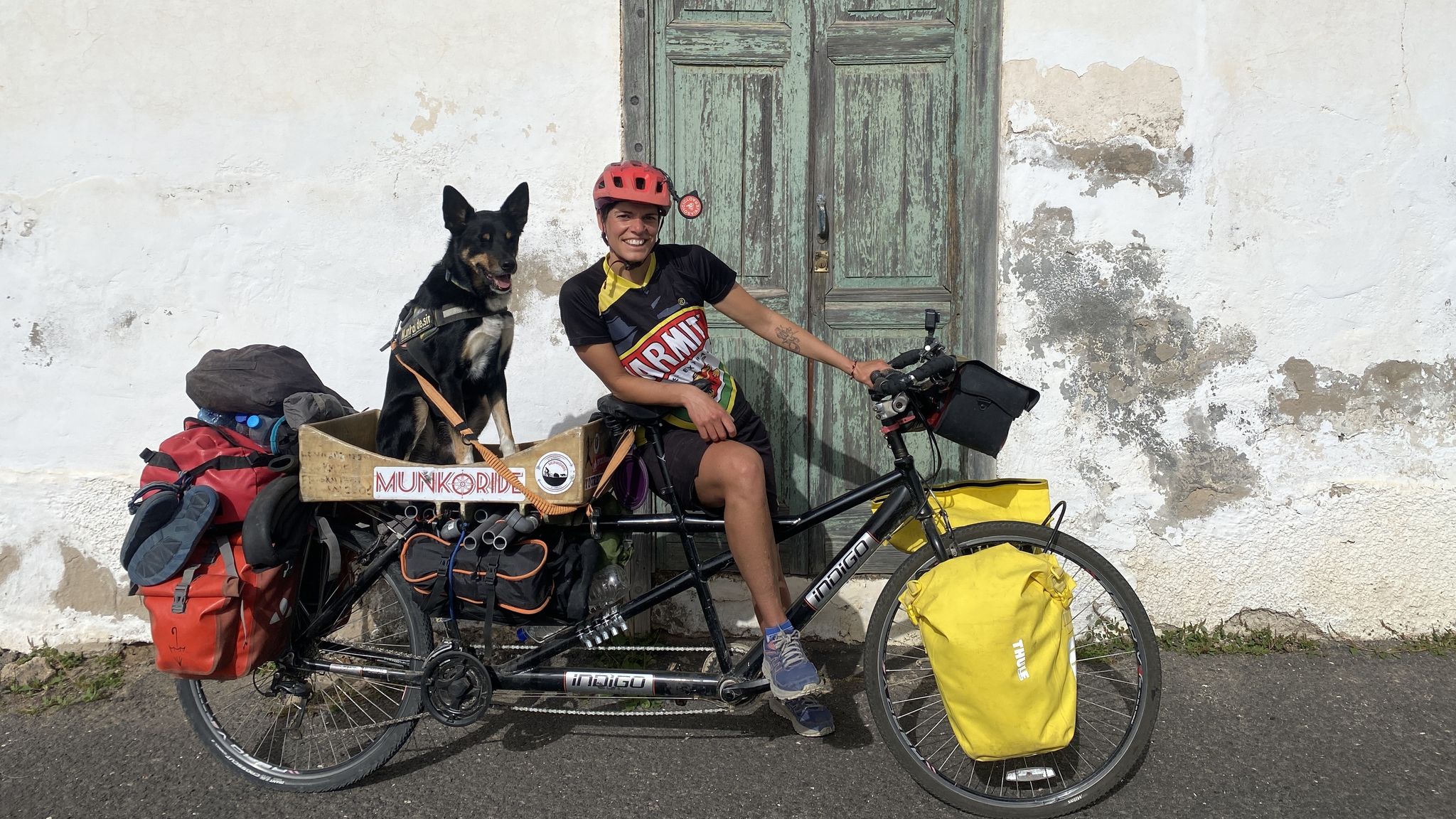
Yes, it's difficult to drive, like when you're constantly going up a 6-8% grade We also had panniers and front bags, handlebar bags. It took us 4 hours with breaks, so don't wait for the tide to go out, starting a little earlier is very good. As already written, there is no shade, no bushes and only a few shrimp fishermen were out. The experience is extraordinary and makes up for the hardship.
1
1

Very difficult but what an adventure! Probably the toughest 30km of our tour (so far). We had loaded touring bikes (with road tires, panniers and handlebar bags etc). As others have advised it made a huge difference to let out air from tires. Would advise to start cycling around 2 hours before low tide. There is no shade, are completely exposed, and so have no option but to push on! We did it in 3 hours cycling time but this included strong headwind which caught us off guard and slowed our pace. IMPORTANT: completely depends on tide times, which, to use that old nautical idiom, means you really are stuck between the devil and the deep blue sea!
1
0

The hermitage of Nuestra Señora de Cuatrovitas, also called Nuestra Señora de Cuatrohabitan, or simply Hermitage of Cuatrovitas, is a Catholic temple located in the area of Cuatrovitas, within Bollullos de la Mitación. During Al-Andalus, the current site of Cuatrovitas was a town of some importance.
0
0

The Mirador de la Cárcava also called Balcón del Guadiamar is an old landfill that has been transformed into a viewpoint. It has views of the Guadiamar river, olive groves and the rest of the region: municipalities of Pilas, Torre Guadiamar, Caño de la Teja, Huévar del Aljarafe etc.
2
0

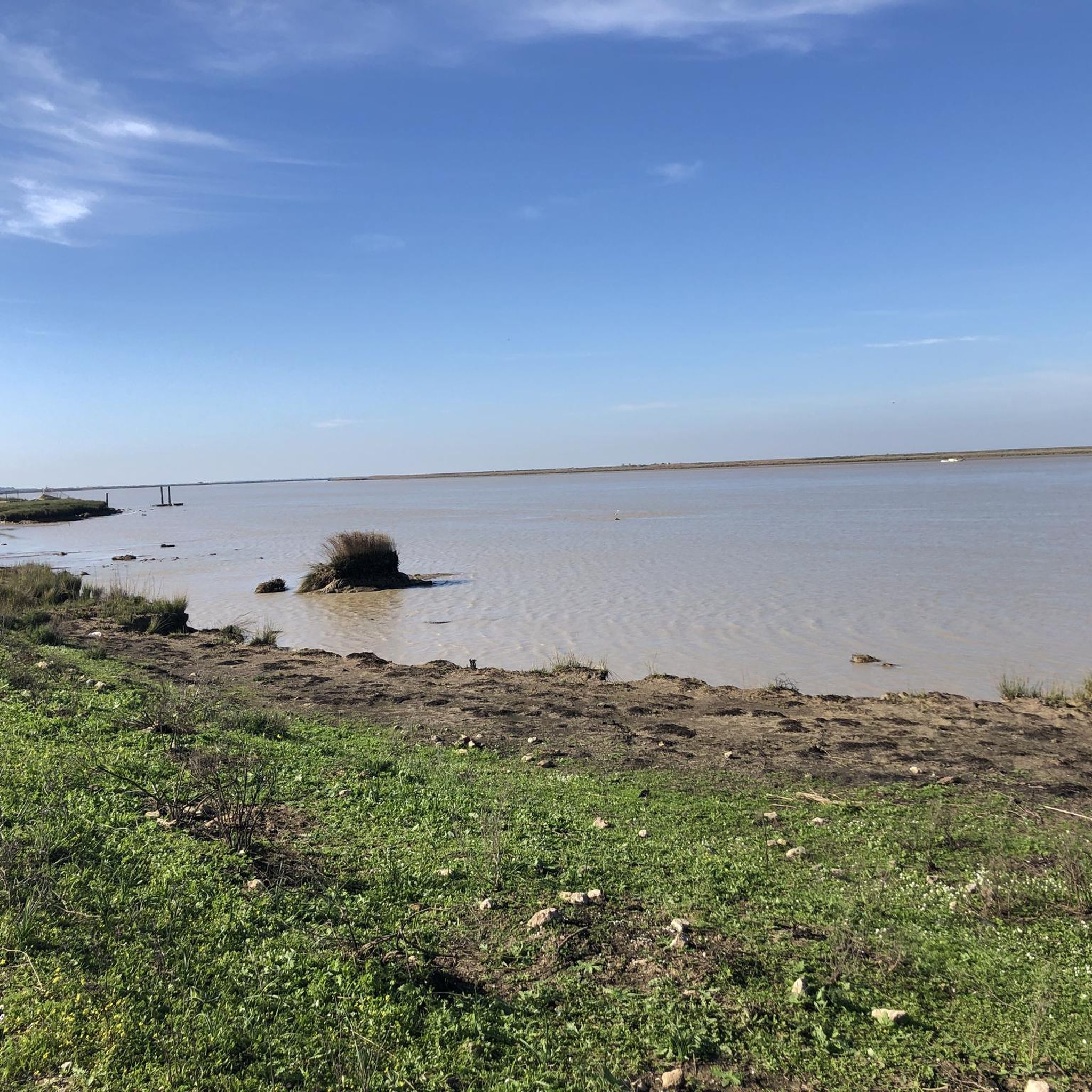
This bike tour can only be done at low tide and with wide tires. With thin tires it is better to let out a lot of air.
2
1

I cycle this beautiful beach on October 2022 with a heavy loaded bike (~50kg including bicycle) and it was exhausting. It's almost 30km and you can't take the trails in the national Park. So make sure the condition are good if you plan to cross with loaded bicycle and cycle at low tide. It's also forbidden to sleep on the beach so you must make it.
3
0
The section from Matalascañas to Sanlucar (about 30 km) can only be done at low tide and with wide tires. With thin tires you have to let out a lot of air. We drove it with 40x622 tires and a total weight of about 100 kg. The ferry to Sanlucar stood on the shore and was waiting for us.
4
3
Frequently Asked Questions
What natural attractions are there to explore around Aznalcázar?
Aznalcázar is uniquely positioned within Doñana National Park, a UNESCO World Heritage Site known for its crucial role in bird migration and as a refuge for endangered species like the Iberian lynx. You can also visit the Guadiamar Green Corridor Protected Park, which offers hiking routes, botanical gardens, and viewing points. The Aznalcázar Pine Forests (Los Pinares) are another significant natural area, ideal for birdwatching and enjoying diverse ecosystems.
Are there any historical landmarks or cultural sites in Aznalcázar?
Yes, Aznalcázar boasts several historical and cultural sites. The San Pablo Parish Church, a Gothic-Mudéjar style church with an Arab tower, is considered the oldest and most important in town. Other notable sites include the Arquillo de la Pescadería, an ancient entrance arch, and the remains of a Roman Bridge over the Guadiamar River. The Cerro del Alcázar also holds remnants of an ancient castle.
What kind of outdoor activities can I do near Aznalcázar's attractions?
The area around Aznalcázar is excellent for outdoor activities. You can enjoy hiking, cycling, and horseback riding along the Guadiamar Green Corridor. For specific routes, consider exploring the MTB Trails around Aznalcázar, which include routes like 'Río Guadiamar - circular desde Aznalcázar'. There are also options for Gravel biking around Aznalcázar and Road Cycling Routes.
Where can I find good viewpoints to appreciate the landscape?
The Guadiamar Viewpoint, also known as Balcón del Guadiamar, offers expansive views of the Guadiamar river, olive groves, and the surrounding region, including municipalities like Pilas and Huévar del Aljarafe. Additionally, the Fuente Vieja Park and Fountain provides a relaxing spot with a viewpoint, and the Cerro del Alcázar offers great views from the upper section of town.
Are there any family-friendly attractions or activities in Aznalcázar?
Yes, Aznalcázar offers several family-friendly options. The Aznalcázar Pine Forests (Los Pinares) have recreational facilities like barbecues and children's play areas. Religious sites such as the Sanctuary of Our Lady of Loreto and the Hermitage of Cuatrovitas are also noted as family-friendly. Exploring the Guadiamar Green Corridor on easy walking trails can also be a pleasant family activity.
What is the significance of Doñana National Park to Aznalcázar?
Aznalcázar's unique location within and around Doñana National Park makes it a gateway to one of Europe's most important protected natural areas. The park is a UNESCO World Heritage Site, vital for bird migration, and a critical habitat for threatened species like the Iberian lynx and imperial eagle. You can learn more about the park's unique flora and fauna at the José Antonio Valverde Visitor Centre.
What is the best time of year to visit Aznalcázar for nature activities?
The best time to visit Aznalcázar for nature activities, especially birdwatching and exploring the natural parks, is typically during spring (March to May) and autumn (September to November). During these seasons, the weather is milder, and migratory birds are abundant. Summer can be very hot, making extensive outdoor activities challenging.
Can I visit the beaches near Aznalcázar?
Yes, you can visit beaches that are part of the Doñana National Park, though they can be challenging to access. For example, Castilla Beach (Doñana National Park) and Torre Carbonero Beach are notable. It's important to plan your visit, especially if cycling, as these routes are best experienced at low tide due to soft sand and can be quite demanding.
What is the Vado del Quema?
The Vado del Quema is a significant ford near Aznalcázar. It serves as a traditional crossing point for thousands of pilgrims every May during the renowned El Rocío Pilgrimage, making it a site of cultural and religious importance.
Where can I learn more about the local environment and conservation efforts?
You can visit the Guadiamar Visitor Centre, which focuses on the Guadiamar Green Corridor, or the José Antonio Valverde Visitor Centre for information about Doñana National Park. These centers provide insights into the unique ecosystems, flora, and fauna of the region and ongoing conservation efforts.
What is the Hermitage of Cuatrovitas known for?
The Hermitage of Cuatrovitas is a Catholic temple with significant historical importance. Located in the area of Cuatrovitas, it is noted for its past as a town of importance during the Al-Andalus period, preserving a rich heritage.
Most popular attractions around Aznalcázar

Get inspired with the komoot mobile app


Explore more
Still not found the Highlight you’re looking for? See guides of the top attractions in other regions:
