Attractions and Places To See around Aldea Del Obispo - Top 20
Attractions and places to see around Aldea Del Obispo include historical landmarks, cultural sites, and natural beauty, primarily centered around its strategic border location. The municipality is situated on a plateau at the entrance to the Arribes del Duero Natural Park, offering a rugged landscape and diverse flora and fauna. The area's history as a border town is reflected in its military strongholds and traditional heritage.
Best attractions and places to see around Aldea Del Obispo
- The most popular attractions…
Last updated: July 20, 2026
Almeida Castle
Highlight • Castle
Translated by Google •
Tip by

Historic Village of Almeida
Highlight • Historical Site
Translated by Google •
Tip by

Sign up now to discover places like this
Get recommendations on the best single tracks, peaks, & plenty of other exciting outdoor places.
Sign up for free
Siega Verde Archaeological Site
Highlight • Historical Site
Translated by Google •
Tip by

Vilar Formoso
Highlight • Settlement
Translated by Google •
Tip by
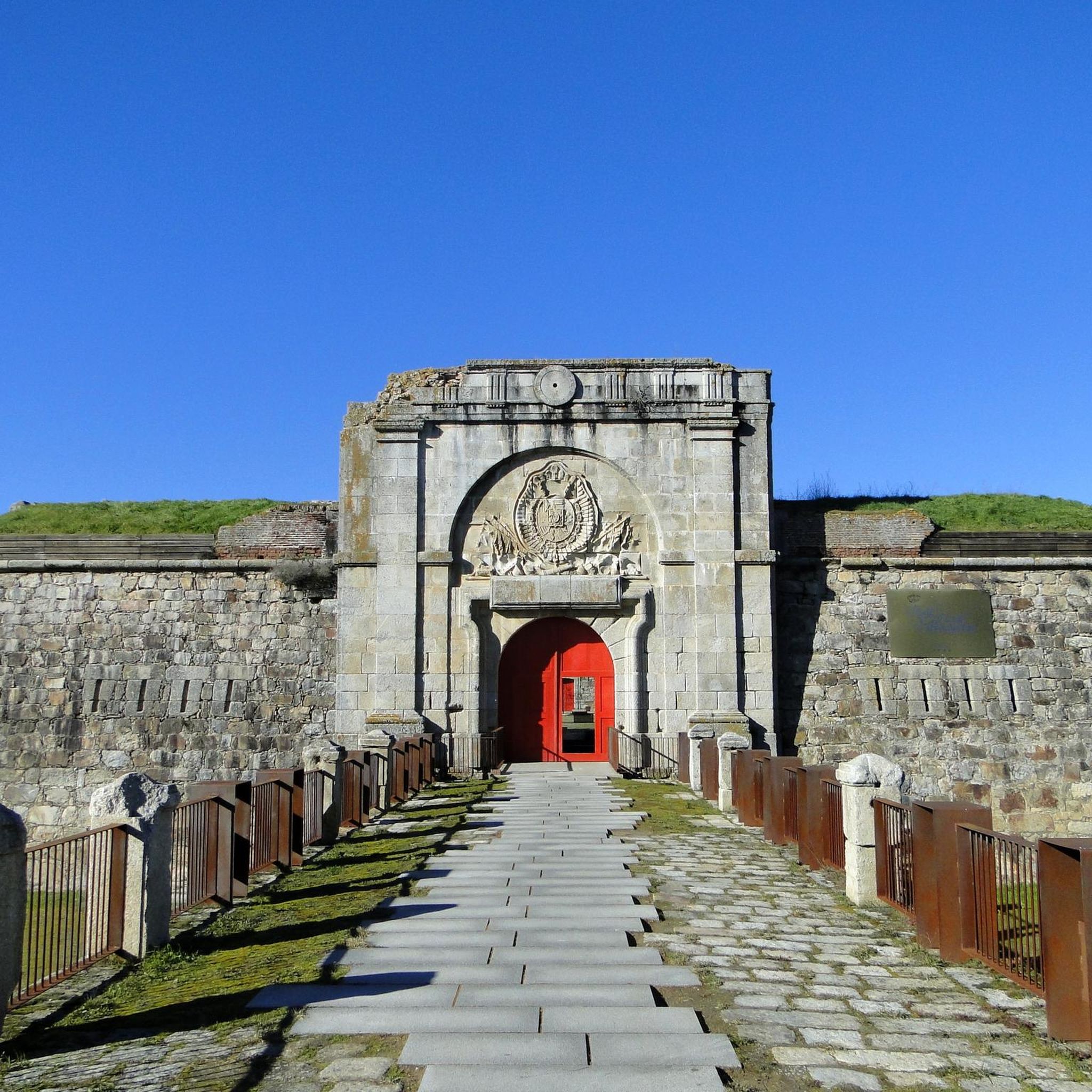
Fort of the Concepción and Redoubt of San José
Highlight • Castle
Translated by Google •
Tip by

Sign up for free to discover even more attractions around Aldea Del Obispo.
Sign up for free
Already have an account?
Start today with a free account
Your next adventure awaits.
Login or Signup
Popular around Aldea Del Obispo

Tips from the Community

Almeida stands on the plateau like a table set for history: "Al-Mêda" was the name given to it by the Arabs. Previously, it had been a Lusitanian, Roman, and then Christian fort, conquered in 1190 and definitively Portuguese in 1297. Around the medieval castle grew the town, still marked by the Puerta do Sol. After the Restoration, the town transformed into a veritable war machine: the six-pointed star-shaped fortress, with bastions, ravelins, and underground galleries that served as both shelter and prison. It was the scene of decisive battles, devastated by the explosion of 1810 and contested in the liberal wars, always rising from the ruins.
3
0

The Almeida Fort, originally founded as a castle in the 12th century, is one of the best-preserved fortifications in Portugal. It played an important role throughout its history, particularly during the Napoleonic Wars. It was heavily damaged during the Siege of Almeida in 1810 but was later rebuilt. The star fort is known for its bastions and deep moats, which were once intended to provide protection against invaders.
3
1

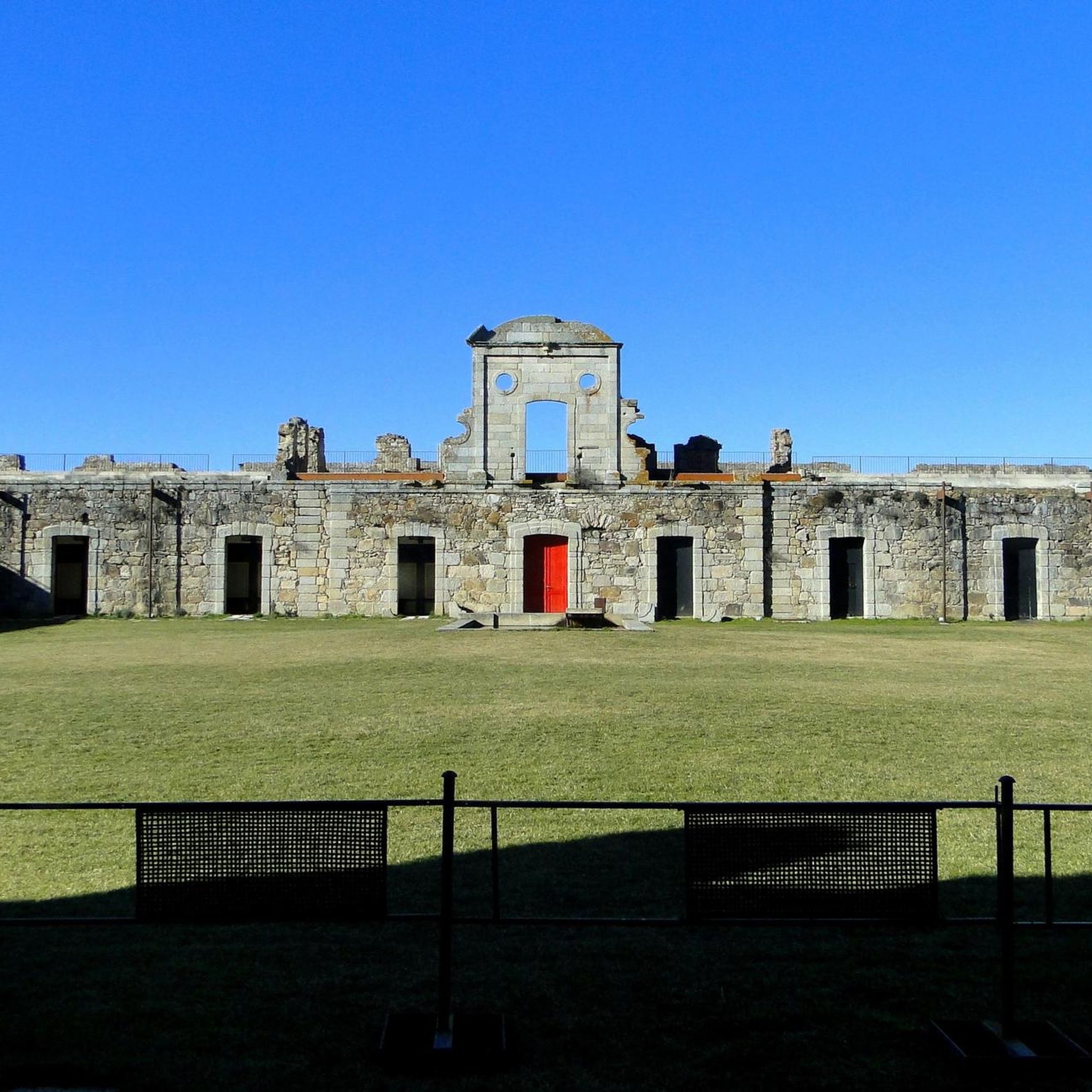
Armed conflicts between borders have been the daily bread in these areas between the two countries. It was built in the 17th century and currently has more than three centuries of history, where its walls are still standing. Currently, it is rehabilitated and is a hotel.
0
2
Near this bridge is the Siega Verde Site, which is considered the most important outdoor Paleolithic art complex in Castilla y León and the most outstanding in the Iberian Peninsula.
0
0

Declared a World Heritage Site by UNESCO, the open-air zoomorphic site of Siega Verde is the most important of its kind in the entire Iberian Peninsula. The stone carvings that can be seen represent animals including horses, bears and goats, which makes it curious that some have existed in these lands when they are now extinct. The site itself is not open to the public so that they can be preserved, but very close is the Interpretation Classroom.
0
0

Together with Fuentes de Oñoro they form a border population center known as La Raya. This denomination is the colloquial way of calling the more than 1,200 kilometers of border between the two Iberian countries, but it is used especially in places where the political border is a mere anecdote and both sides share a cultural and historical unity. Vilar de Formoso has traditionally been a border post. Today it is the railway gateway to the Portuguese country from Europe on the surexpress train that connects Lisbon with France. It is also a prosperous commercial crossroads in the region.
0
0
The zoomorphic carvings of Siega Verde occupy more than a kilometer of stones on the banks of the Águeda and are the most important open-air site on the Iberian Peninsula. They are part of the Vale de Coa complex, in Portugal, which was declared a World Heritage Site by UNESCO. Horses, bears, goats and other species extinct on the peninsula such as the woolly rhinoceros, reindeer and bison are represented in the carvings. The site is fenced for its preservation, but an interpretation room has been built that details the life of the inhabitants of the area in the Palaeolithic.
0
0

If you walk around the wall you have a nice view and you get an impression of the defenses.
1
0
Frequently Asked Questions
What historical fortifications can I explore near Aldea Del Obispo?
The region is rich in historical fortifications due to its border location. You can visit the impressive Real Fuerte de la Concepción, an 18th-century star-shaped fortress that has been beautifully restored. Another significant site is Almeida Castle, one of the best-preserved fortifications in Portugal, known for its bastions and deep moats. Both played crucial roles in border conflicts, including the Napoleonic Wars.
Are there any significant historical villages or settlements to visit nearby?
Yes, the Historic Village of Almeida is a must-see. It grew around a medieval castle and transformed into a six-pointed star-shaped fortress. Another interesting settlement is Vilar Formoso, a border population center known as La Raya, which serves as a railway gateway and commercial crossroads, sharing a unique cultural and historical unity with its Spanish counterpart.
What natural attractions are there near Aldea Del Obispo?
Aldea Del Obispo is located at the entrance to the Arribes del Duero Natural Park, offering a rugged landscape with diverse flora and fauna. This park is an excellent place for nature lovers. You can also explore the area around the Puente de los Franceses, which spans the Águeda River in a beautiful valley, especially vibrant in spring or autumn.
Are there hiking opportunities around Aldea Del Obispo?
Absolutely! The proximity to Arribes del Duero Natural Park means there are various hiking routes and trails available. You can find easy hikes like the 3.8 km 'Historic Village of Almeida loop from Almeida' or the 3.9 km 'Puente de los Franceses loop from Puerto Seguro'. For more options, check out the dedicated guide for Hiking around Aldea Del Obispo.
Can I go cycling near Aldea Del Obispo?
Yes, the region offers several cycling routes. You can enjoy moderate road cycling tours such as the 'Fuerte de la Concepción, Reducto de San José y La Alameda de Gardón — circular through the fields of Argañán and Azaba' (56.4 km) or the 'Almeida and Puerto Seguro - circular route through the Duero Special Protection Area' (57.3 km). For more routes, explore the Road Cycling Routes around Aldea Del Obispo guide.
Are there family-friendly attractions or activities in the area?
The Historic Village of Almeida is considered family-friendly, offering an engaging historical experience. Exploring the bastions and moats of the fortresses like Almeida Castle can also be an exciting adventure for children. Additionally, easy hiking trails in the Arribes del Duero Natural Park provide opportunities for family outings in nature.
Are any attractions wheelchair accessible?
Yes, Vilar Formoso is noted as being wheelchair accessible, making it a welcoming stop for all visitors. While historical sites can sometimes be challenging, this settlement offers an accessible option to experience the border region's unique character.
When is the best time to visit Aldea Del Obispo for outdoor activities?
The region's natural beauty, particularly around the Águeda River and Arribes del Duero Natural Park, is especially vibrant in spring and autumn. These seasons offer pleasant temperatures for hiking and cycling, with lush greenery or beautiful autumnal colors. Summer can also be suitable, but be prepared for warmer weather.
What local products or gastronomy is Aldea Del Obispo known for?
Aldea Del Obispo and its surrounding region are renowned for their high-quality Serrano hams and cured meats, thanks to the extensive pastures ideal for Iberian pig farming. Other local delicacies include honey, traditional cookies like 'perrunillas', olives, cheeses, chestnuts, strawberries, cherries, local wines, and aguardiente. You might find these at local markets or during the Rural Border Fair in early August.
What is the significance of the 'Puente de los Franceses'?
The Puente de los Franceses (Bridge of the French) is a historical bridge over the Águeda River. It represents the historical, cultural, and landscape connection between the municipalities of Aldea del Obispo, Puerto Seguro, and Villar de Ciervo. It's a significant landmark on the Camino del Fuerte and offers a beautiful viewpoint, especially during spring and autumn when the surrounding area is green.
What other historical sites are there within Aldea Del Obispo itself?
Within Aldea Del Obispo, you can visit the 18th-century Iglesia de San Sebastián, located at the town's highest point and built with granite ashlar, giving it a fortified appearance. Nearby, you'll find a set of seven crosses forming part of a Stations of the Cross. The Ermita del Nazareno, a small religious building, also has a similar set of crosses in its vicinity. The Town Hall and the Old Prison (now a warehouse) in the Plaza Mayor are also notable historical structures.
How long should I plan for visiting the main attractions?
To fully appreciate the major historical sites like the Real Fuerte de la Concepción and the Historic Village of Almeida, you should allocate at least half a day for each. If you plan to combine historical exploration with hiking or cycling in the Arribes del Duero Natural Park, a full day or even a weekend would allow for a more relaxed and comprehensive experience.
Most popular routes around Aldea Del Obispo

Get inspired with the komoot mobile app


Explore more
Still not found the Highlight you’re looking for? See guides of the top attractions in other regions:
