The best cycling routes around La Vajol
4.3
(189)
2,102
riders
86
rides
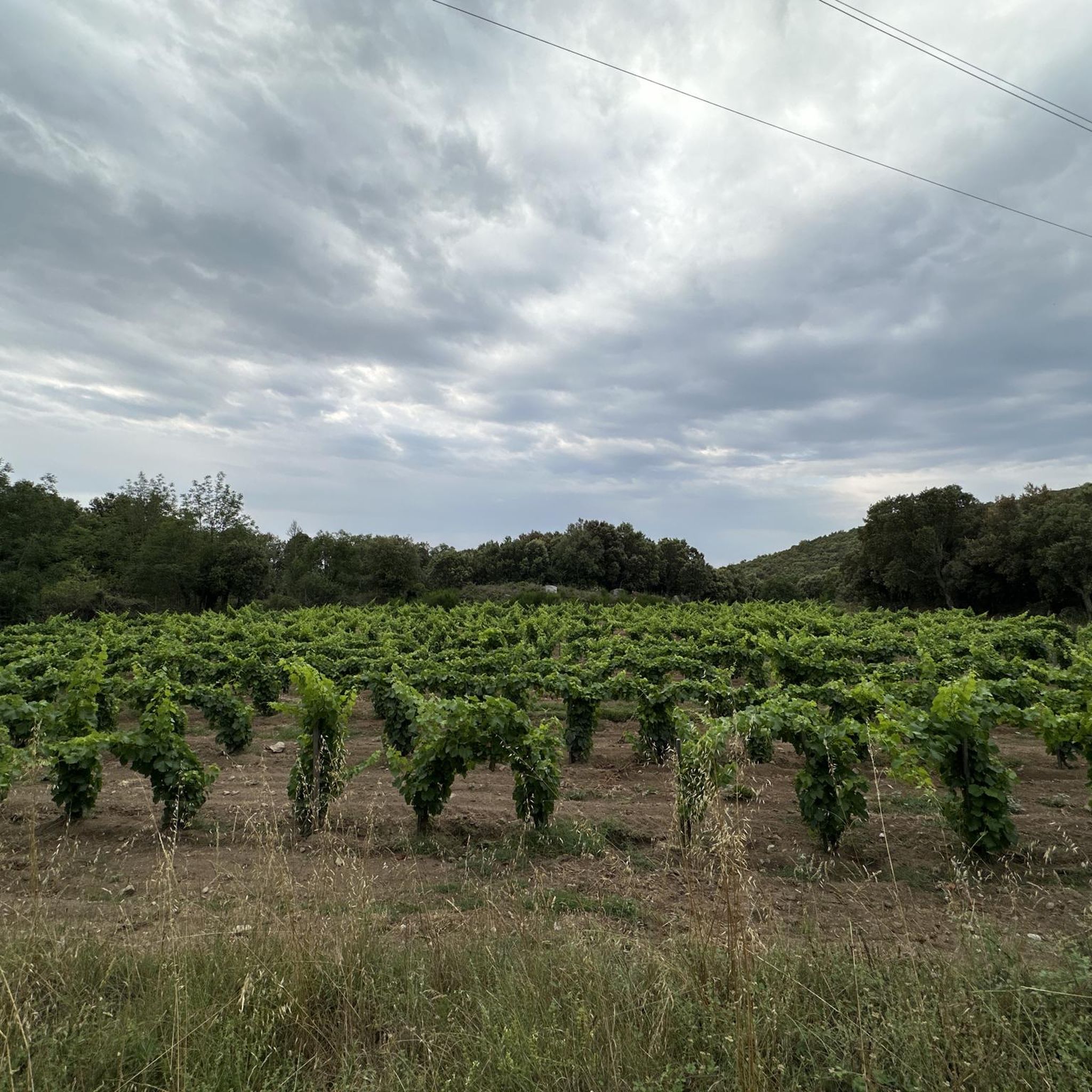
Touring cycling around La Vajol offers routes through diverse landscapes, including cork oak forests and areas of dry-farmed crops. The region provides panoramic views of the Alt Empordà plain, its wetlands, the Serra de Rodes, and extends towards Cap de Creus and the Bay of Roses from elevated viewpoints. Routes often incorporate natural features such as the Darnius-Boadella Reservoir, with terrain varying from mostly paved surfaces to more challenging unpaved segments. The area's proximity to the French border also allows for cross-border cycling experiences.
Best touring cycling routes around La Vajol
- The most popular touring cycling route is Old Bridge – Darnius-Boadella Reservoir loop from Maçanet de Cabrenys, a difficult 22.1 miles (35.6 km) trail that takes 3 hours 5 minutes to complete. This route features significant elevation gain while circling the Darnius-Boadella Reservoir.
- Another top favourite among local touring cyclists is Old Bridge – Darnius-Boadella Reservoir loop from Darnius, a difficult 19.3 miles (31.0 km) path. This route also explores the area around the Darnius-Boadella Reservoir, offering varied terrain and views.
- Local touring cyclists also love the Reynès Iron Bridge – Céret Old Town loop from Maçanet de Cabrenys, a 47.6 miles (76.7 km) trail leading through both Spanish and French territory, often completed in about 5 hours 22 minutes.
- Touring cycling around La Vajol is defined by cork oak forests, views of the Alt Empordà plain, and the Darnius-Boadella Reservoir. The network offers options for easy, moderate, and difficult routes, catering to various skill levels.
- The routes in La Vajol are highly rated by the komoot community with an average score of 4.2 stars from over 200 reviews. More than 2,600 touring cyclists have used komoot to explore La Vajol's varied terrain.
Last updated: June 1, 2026
4.7
(10)
82
riders
35.6km
03:05
710m
710m
Hard bike ride. Very good fitness required. Mostly paved surfaces. Suitable for all skill levels.
4.7
(10)
70
riders
31.0km
02:39
630m
630m
Hard bike ride. Very good fitness required. Mostly paved surfaces. Suitable for all skill levels.

Sign up for free
5.0
(1)
23
riders
Moderate bike ride. Good fitness required. Mostly paved surfaces. Suitable for all skill levels.
17
riders
46.0km
03:13
880m
880m
Hard bike ride. Very good fitness required. Mostly paved surfaces. Suitable for all skill levels.
18
riders
43.5km
04:25
1,290m
1,290m
Hard bike ride. Very good fitness required. You may need to push your bike for some segments of this route.
Get access to more routes and recommendations from other explorers.
Sign up for free
Already have an account?
Our route recommendations are based on thousands of hikes, rides, and runs completed by other people on komoot.
Start today with a free account
Your next adventure awaits.
Login or Signup
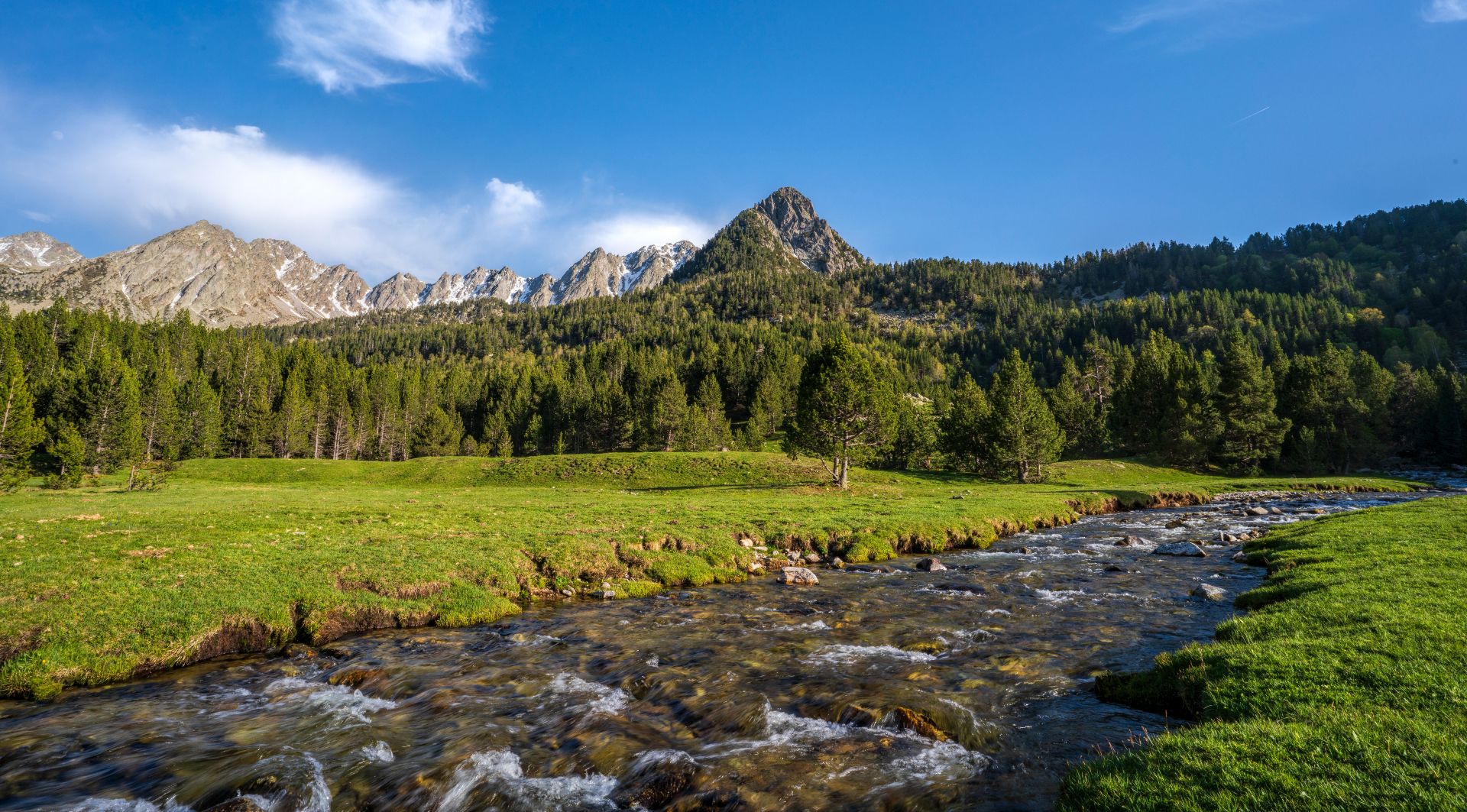
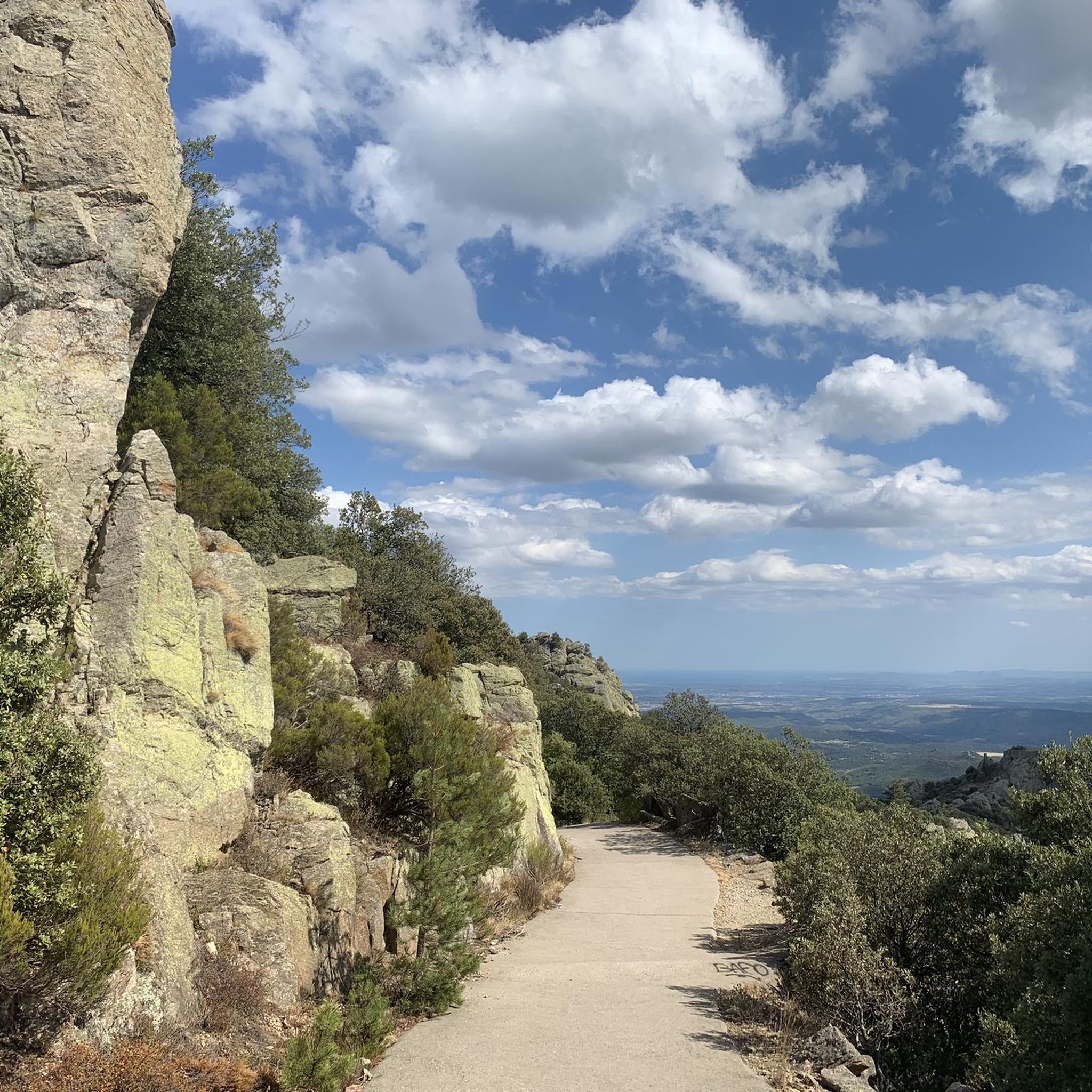
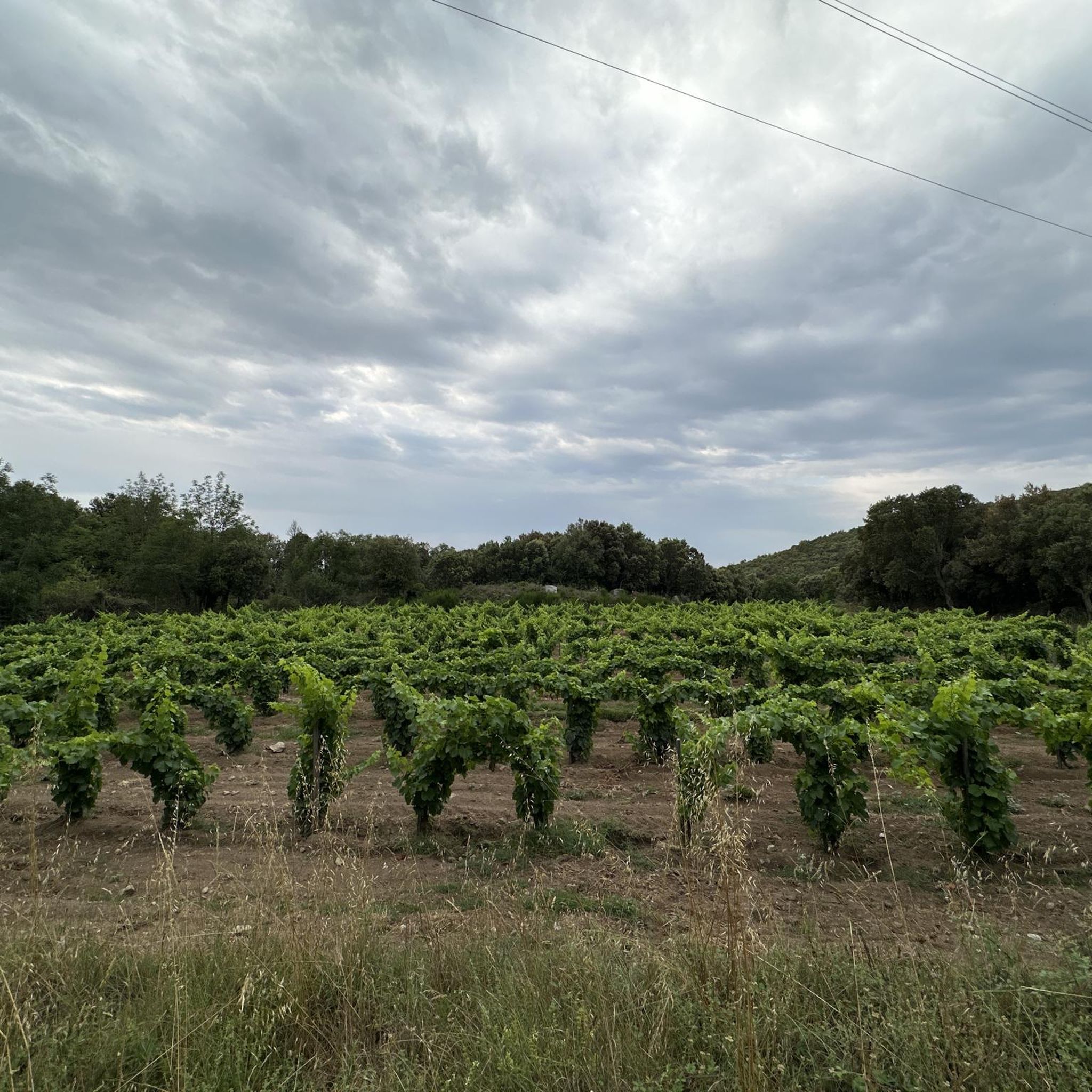
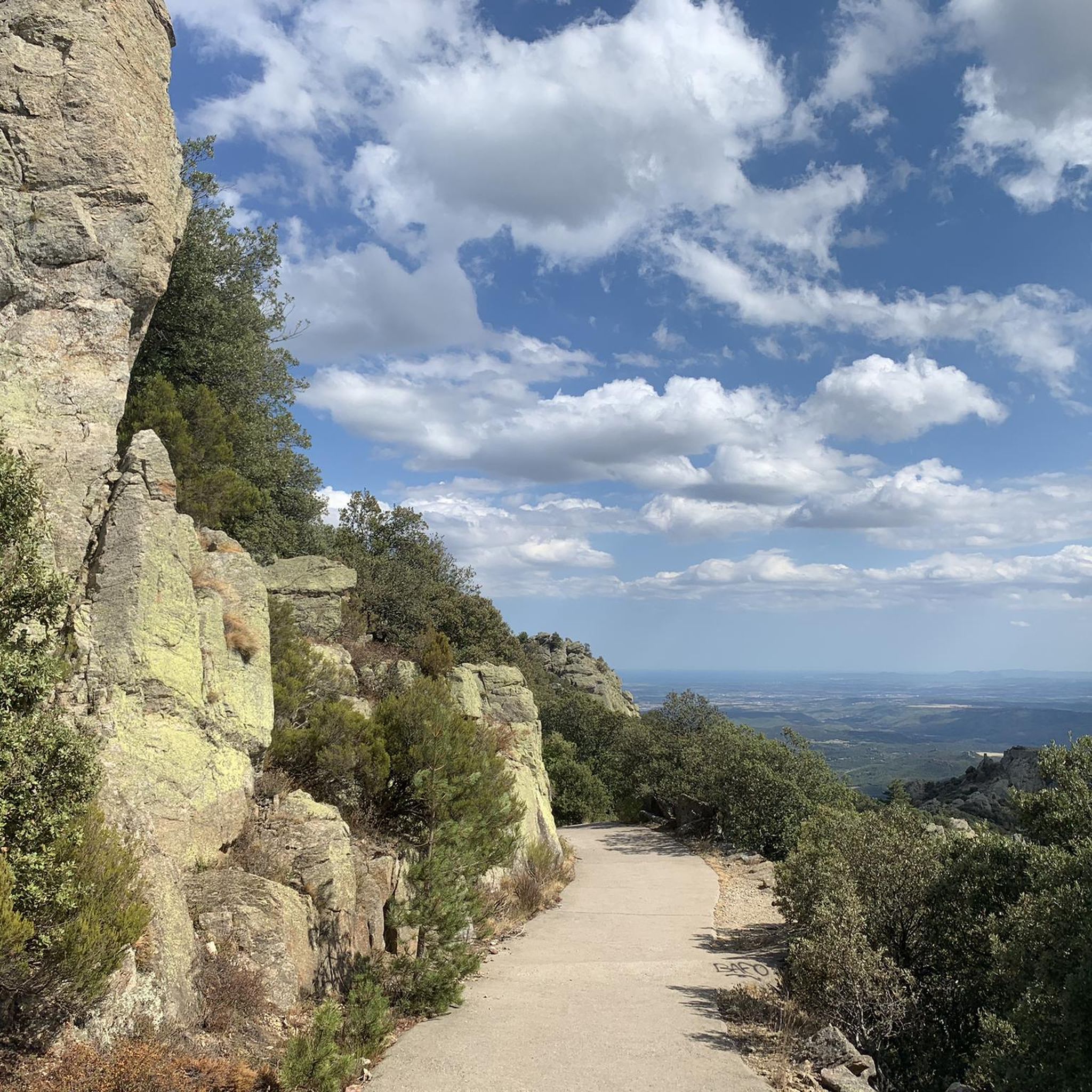

Other adventures around La Vajol

Tips from the Community


This pass was important as a passage between regions, especially in activities such as transhumance or the transport of goods. The snow wells that give the place its name were also key elements in the economy of the mountainous areas. The term "Pou de la Neu" refers to the snow or ice wells that were traditionally used to store snow during the winter. These structures, dug into the ground or built with stones, served to preserve ice that was later transported to the lower areas for use in food, medicine or food preservation.
1
0

Monument in memory of Luis Company, 1st President of the Generalitat of Catalonia, arrested by Vichy troops and given to the Francoists who executed him.
1
0

La Resclosa del Molí de Calvet, located in the charming town of Pont de Molins, is a place of great natural beauty and historical value. This dam, built on the Muga River, originally served to divert water to the old Calvet mill, which was an integral part of the agricultural and economic life of the region. Today, the resclosa is a point of tourist interest and an excellent example of Girona's hydraulic heritage, offering visitors a glimpse into the ingenuity and history of the ancient irrigation systems and mills. In addition to its historical interest, the Resclosa del Molí de Calvet is a perfect place for rest and recreation. Next to the rest area, there is a rest area equipped with tables, ideal for enjoying a picnic in a quiet and picturesque environment. This space offers visitors the opportunity to relax by the river, enjoy nature and recharge before continuing to explore the region. It is a popular destination for families as well as hikers and cyclists who travel the nearby routes, providing a welcoming respite amidst the natural landscape of Pont de Molins.
1
0

the dam of the reservoir
0
0
https://www.youtube.com/shorts/x3xhty0PfKEPinturas Murales: Inside the church, you can find mural paintings dating from the 13th and 14th centuries. These paintings depict religious scenes and provide a unique insight into medieval iconography. Place of Pilgrimage: The church has been a place of pilgrimage for centuries, and its religious and cultural importance has endured over time. Visitors flock to the place to admire its historic architecture and art. Location in a Natural Environment: Sant Llorenç de la Muga is located in an impressive natural environment, surrounded by mountains and picturesque landscapes. The church integrates perfectly into this environment, which adds to its appeal. Festival: The town of Sant Llorenç de la Muga celebrates its festival on August 10 in honor of San Lorenzo, the patron saint of the church. During this festival, processions and cultural activities are held that attract visitors from the region.
0
0
A few years ago, the route of the road was moved about 200 m to the east and a new bridge was built. Part of the three-arched structure from the 16th century is preserved from the old bridge. XVIII. The old town of Molins, also called Molins de Dalt, is located 1 km west of Pont de Molins. Near the church there is a small group of houses from the 17th and 18th centuries. The parish church of San Sebastián was completed in 1789, a date that appears on the door lintel. A few meters north of the canonical church of El Roble, is the sanctuary of the Virgen del Roble (17th century). We find the ruins of the monastery of Santa Maria del Roure 1 km north of Molins, at the top of a hill. It is worth highlighting the parish church of San Sebastián (18th century), and, near the Muga, in different places in the area, remains of old mills, the best preserved of those found to the left of the river, between Pont de Molins and Molins. Molins Castle is located in front of the Molins neighborhood. Several elements remain, such as the tower, walls and the remains of its Romanesque chapel. It was part of the defensive system of Llers (the term to which it belonged) and was one of the eleven castles that surrounded this town. It is known for the Buac tower. In this half-destroyed castle there are remains from the 11th-12th centuries.
1
0
The Old Bridge of Puente de Molins, over the Muga River, is a historical work that gave its name to the municipality and that linked the new town with the old town of Molins. It is protected as a cultural asset of local interest. It is located in the center of the town, on the Muga. A few years ago, the route of the road was moved about 200 m to the east and a new bridge was built. Part of the three-arched structure from the 16th century is preserved from the old bridge. XVIII. The old town of Molins, also called Molins de Dalt, is located 1 km west of Pont de Molins. Near the church there is a small group of houses from the 17th and 18th centuries. The parish church of San Sebastián was completed in 1789, a date that appears on the door lintel. A few meters north of the canonical church of El Roble, is the sanctuary of the Virgen del Roble (17th century). We find the ruins of the monastery of Santa Maria del Roure 1 km north of Molins, at the top of a hill. It is worth highlighting the parish church of San Sebastián (18th century), and, near the Muga, in different places in the area, remains of old mills, the best preserved of those found to the left of the river, between Pont de Molins and Molins. Molins Castle is located in front of the Molins neighborhood. Several elements remain, such as the tower, walls and the remains of its Romanesque chapel. It was part of the defensive system of Llers (the term to which it belonged) and was one of the eleven castles that surrounded this town. It is known for the Buac tower. In this half-destroyed castle there are remains from the 11th-12th centuries.
3
0
Frequently Asked Questions
How many touring cycling routes are available around La Vajol?
There are over 90 touring cycling routes around La Vajol, offering a wide range of options for different skill levels and preferences. The komoot community has explored these routes over 2,600 times.
What types of terrain and difficulty levels can I expect on touring cycling routes in La Vajol?
La Vajol offers a diverse range of routes, from easy rides with minimal elevation gain to challenging paths spanning over 75 km and featuring significant climbs. You'll find routes through cork oak forests, dry-farmed crops, and along the Darnius-Boadella Reservoir. While many routes are mostly paved, some include unpaved segments that might require good fitness or even pushing your bike.
Are there any easy touring cycling routes suitable for beginners in La Vajol?
Yes, La Vajol has several easy touring cycling routes. There are 6 routes specifically categorized as easy, perfect for beginners or those looking for a relaxed ride. These routes typically have less elevation gain and shorter distances.
What natural features and landmarks can I see along the touring cycling routes?
Many routes offer panoramic views of the Alt Empordà plain, the Serra de Rodes, and even Cap de Creus. You can cycle around the beautiful Darnius-Boadella Reservoir and pass by the impressive Boadella Dam. Other natural highlights include the pool and waterfall of St. Antoni and the Fontaine de Fontfrède.
Are there any historical sites or cultural attractions accessible by bike?
Absolutely. The region is rich in history. You can explore routes that pass by the Panissars Ruins, or visit historical churches like the Church of Sant Llorenç de la Muga and the Church of Sant Esteve. The area also features castles such as the Fortress of Capmany, adding a cultural dimension to your ride.
Can I find circular touring cycling routes in La Vajol?
Yes, many of the touring cycling routes around La Vajol are designed as loops, allowing you to start and end your ride in the same location. For example, the Darnius-Boadella Reservoir – Old Bridge of Pont de Molins loop from Darnius is a moderate 28 km circular route.
What is the best time of year for touring cycling in La Vajol?
The diverse landscapes of La Vajol are enjoyable throughout much of the year. Spring and autumn generally offer the most pleasant temperatures for cycling, with lush scenery in spring and vibrant colors in autumn. Summers can be warm, but early mornings or late afternoons are still suitable for rides.
Are there options for long-distance touring cycling, including cross-border routes?
Yes, La Vajol's proximity to the French border allows for unique cross-border cycling experiences. Routes like the Reynès Iron Bridge – Céret Old Town loop from Maçanet de Cabrenys, a challenging 76.7 km trail, take you through both Spanish and French territory. The broader Baix Empordà region also offers an extensive 250 km cycle touring network for designing longer routes.
What do other touring cyclists enjoy most about cycling in La Vajol?
The area is highly rated by the komoot community, with an average score of 4.2 stars from over 200 reviews. Cyclists often praise the varied terrain, the stunning panoramic views of the Alt Empordà plain, and the opportunity to explore natural features like the Darnius-Boadella Reservoir.
Is there public transport available to reach La Vajol with a bicycle?
While specific public transport options for bikes directly to La Vajol might be limited, the broader region of Baix Empordà is developing its cycling infrastructure. For detailed information on public transport that accommodates bicycles, it's advisable to check local transport provider websites or regional tourism resources.
Are there any challenging routes for experienced touring cyclists?
Yes, La Vajol offers 48 routes categorized as difficult, providing a significant challenge for experienced touring cyclists. These routes often feature substantial elevation gain and longer distances, such as the Darnius-Boadella Dam – Darnius-Boadella Reservoir loop from Darnius, which is a difficult 42.8 km ride with over 790 meters of ascent.
Where can I find parking for my car when starting a touring cycling route?
Many touring cycling routes around La Vajol start from villages or towns that offer public parking facilities. For specific routes, it's recommended to check the route details on komoot, as starting points often have designated parking areas nearby.
Most popular attractions around La Vajol

Get inspired with the komoot mobile app


Explore more
Browse the best Cycling routes in other regions.
