Attractions and Places To See around Rincón De La Victoria - Top 20
Best attractions and places to see around Rincón De La Victoria, a coastal town in Málaga province, offer a blend of historical significance, natural beauty, and cultural experiences. The area features nearly 9 kilometers of coastline with sandy beaches and dramatic cliffs. Visitors can explore ancient caves, defensive fortresses, and Roman archaeological sites. This region provides diverse attractions for those interested in history, nature, and local culture.
Best attractions and places to see around Rincón De La Victoria
- The most…
Last updated: November 19, 2026
Málaga Cathedral (Catedral de la Encarnación)
Highlight • Religious Site
a landmark of the city of Malaga.
The baroque facade dates back to the 16th century.
Translated by Google •
Tip by

The Alcazaba of Málaga and the Roman Theatre
Highlight • Historical Site
Translated by Google •
Tip by

Sign up now to discover places like this
Get recommendations on the best single tracks, peaks, & plenty of other exciting outdoor places.
Palmeral de las Sorpresas, Port of Málaga
Highlight • Structure
The harbor complex is worth a visit.
Translated by Google •
Tip by
Malaga Park
Highlight • Forest
Translated by Google •
Tip by
Constitution Square, Malaga
Highlight • Historical Site
Great streets, beautiful alleys and lovely people.
Translated by Google •
Tip by
Sign up for free to discover even more attractions around Rincón De La Victoria.
Already have an account?
Start today with a free account
Your next adventure awaits.
Popular around Rincón De La Victoria
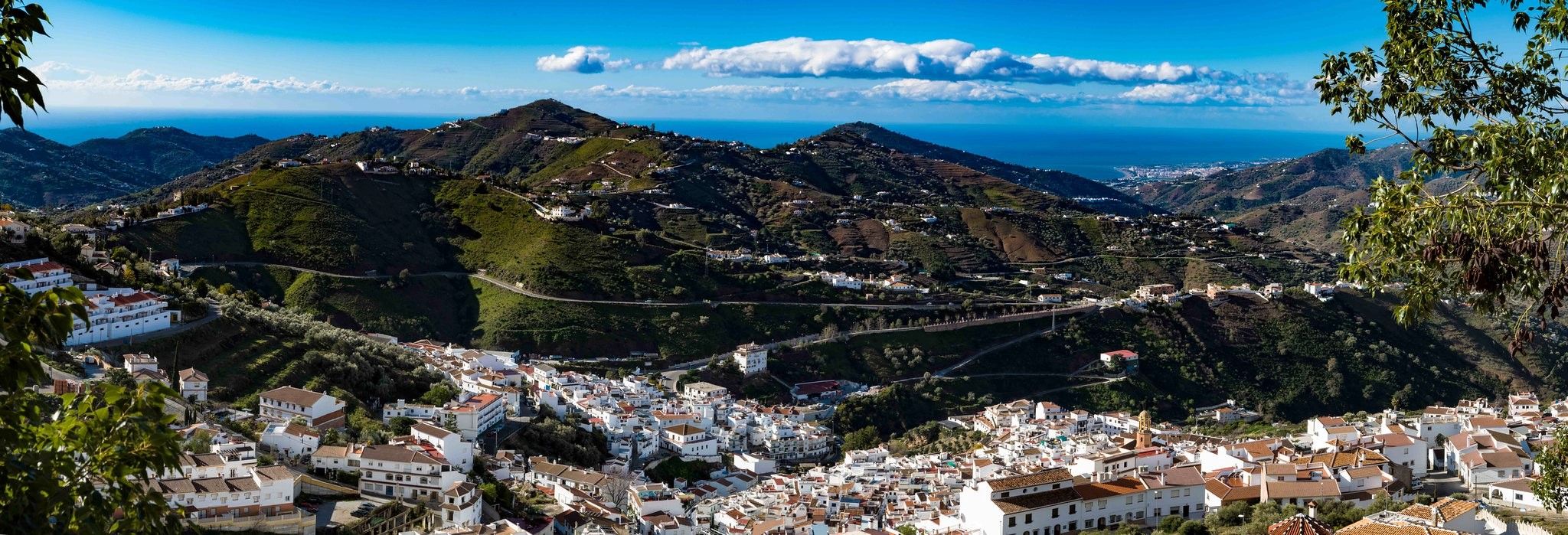
Hike between sea and mountains — Gran Senda de Málaga (GR 249)
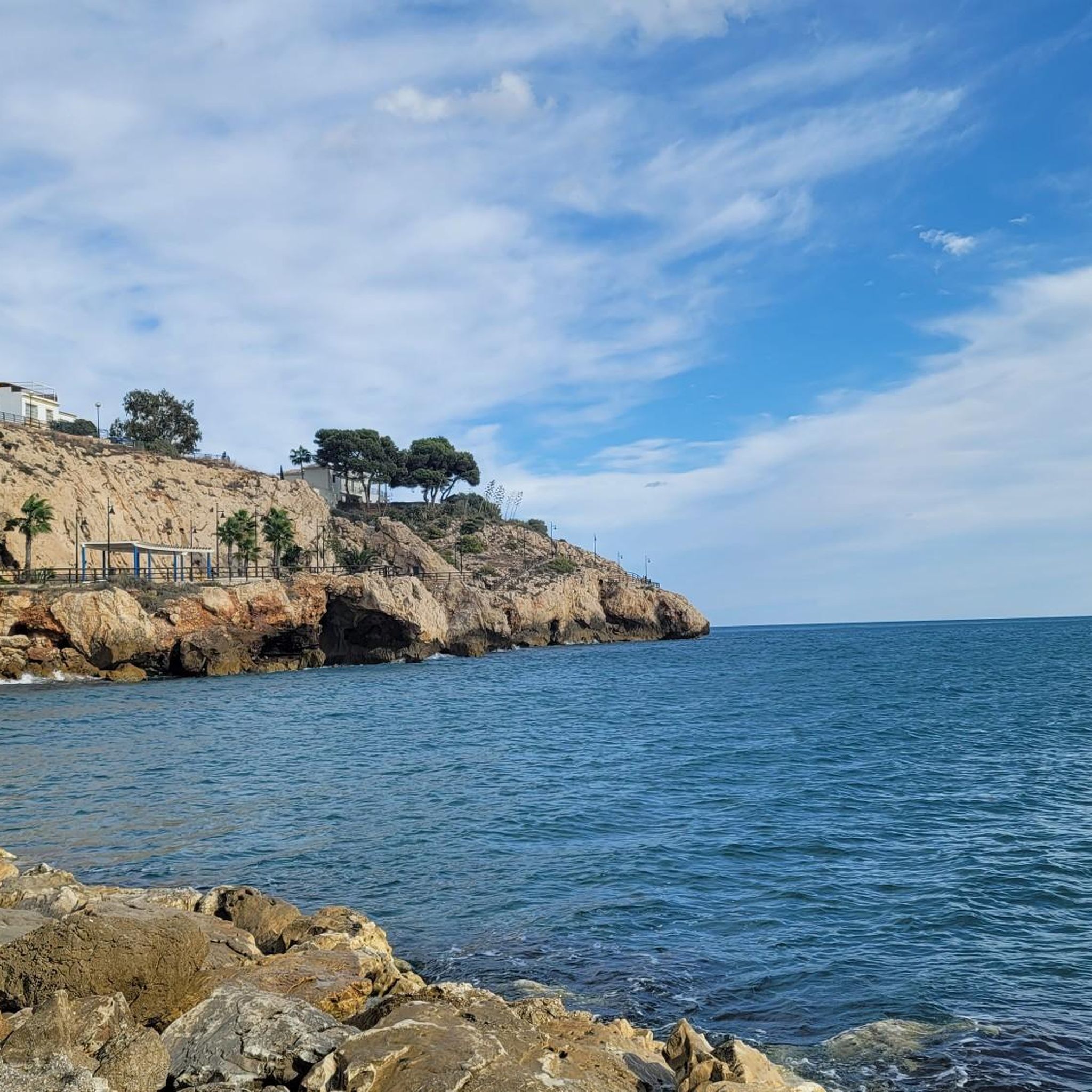
Road Cycling Routes around Rincón De La Victoria
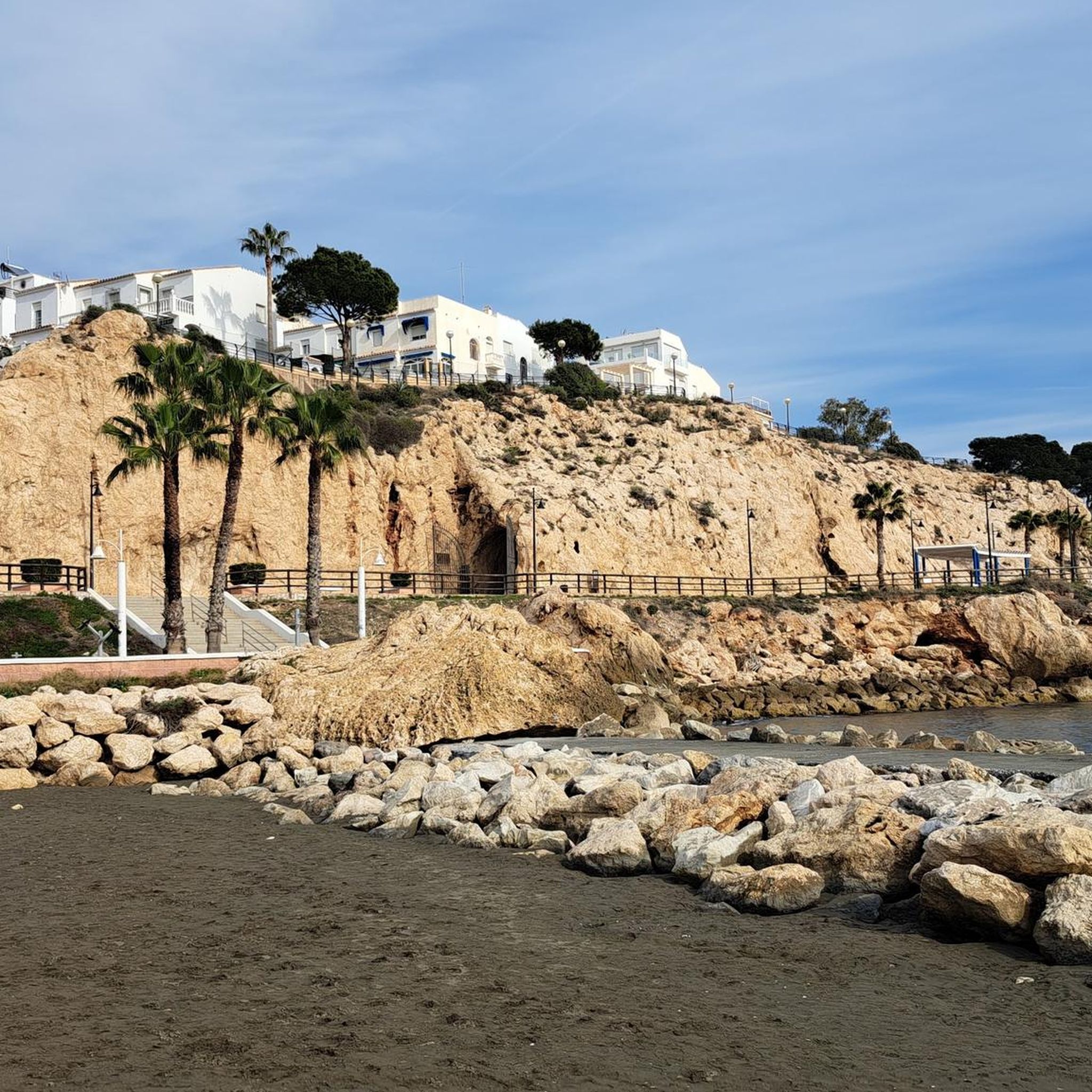
Running Trails around Rincón De La Victoria
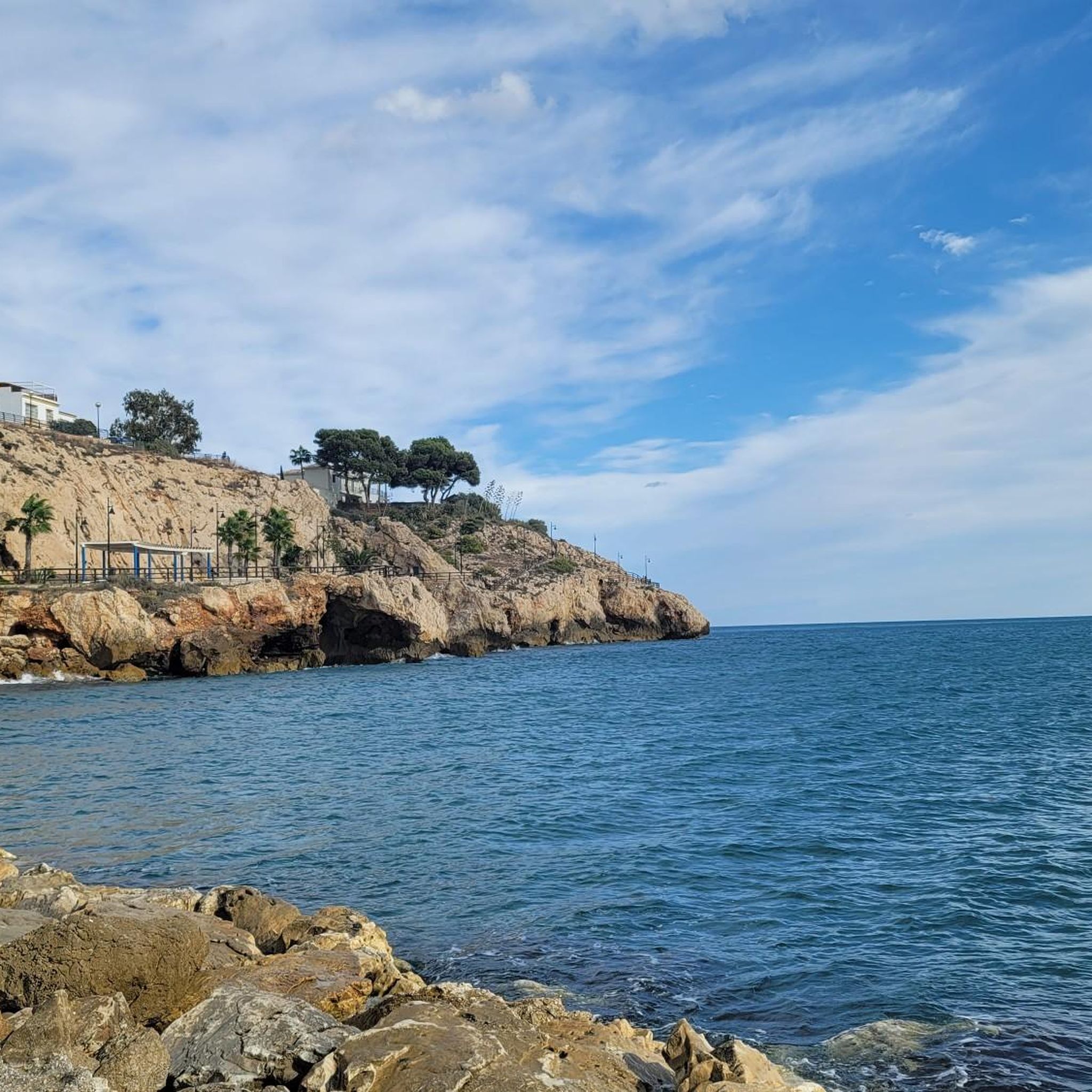
Cycling around Rincón De La Victoria
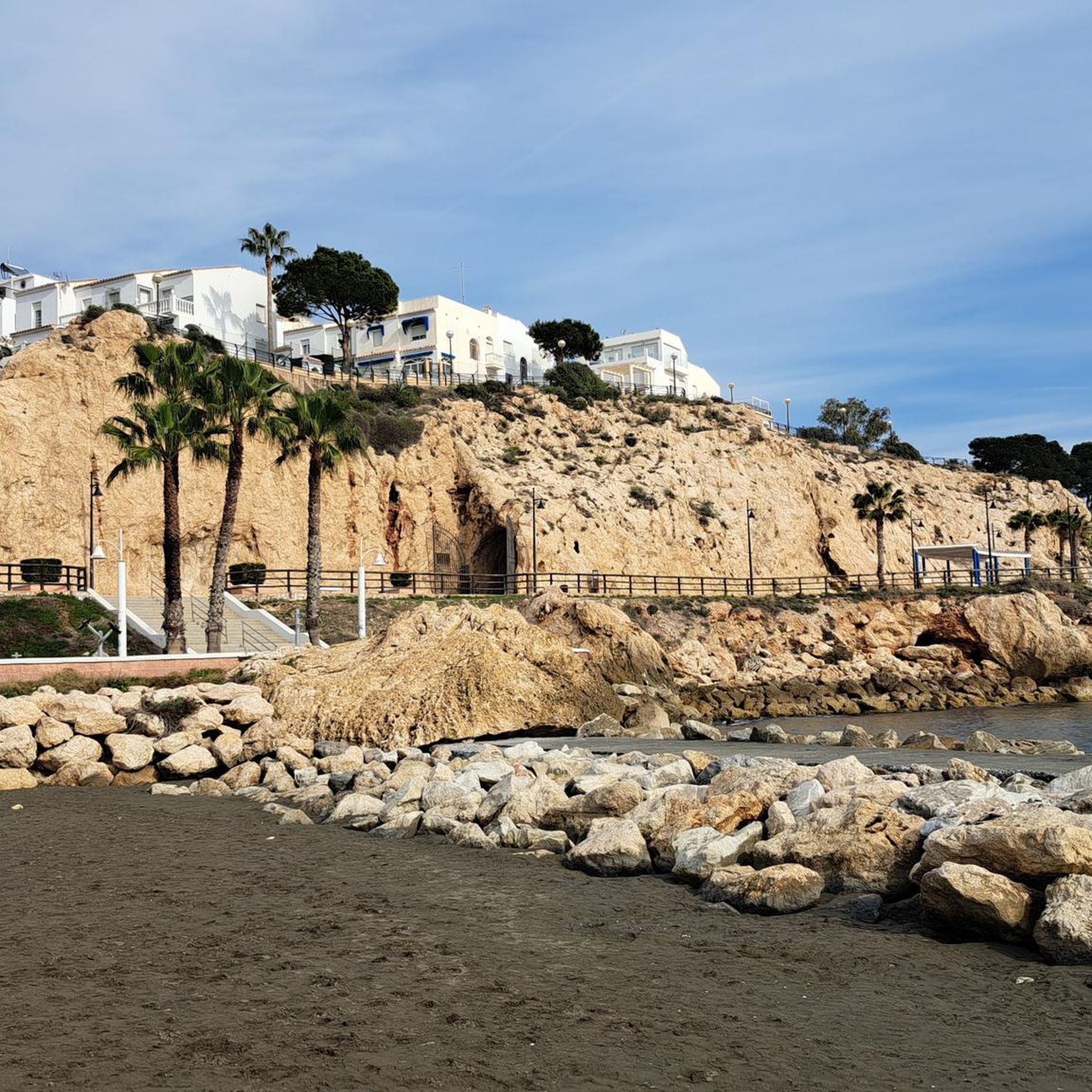
Hiking around Rincón De La Victoria
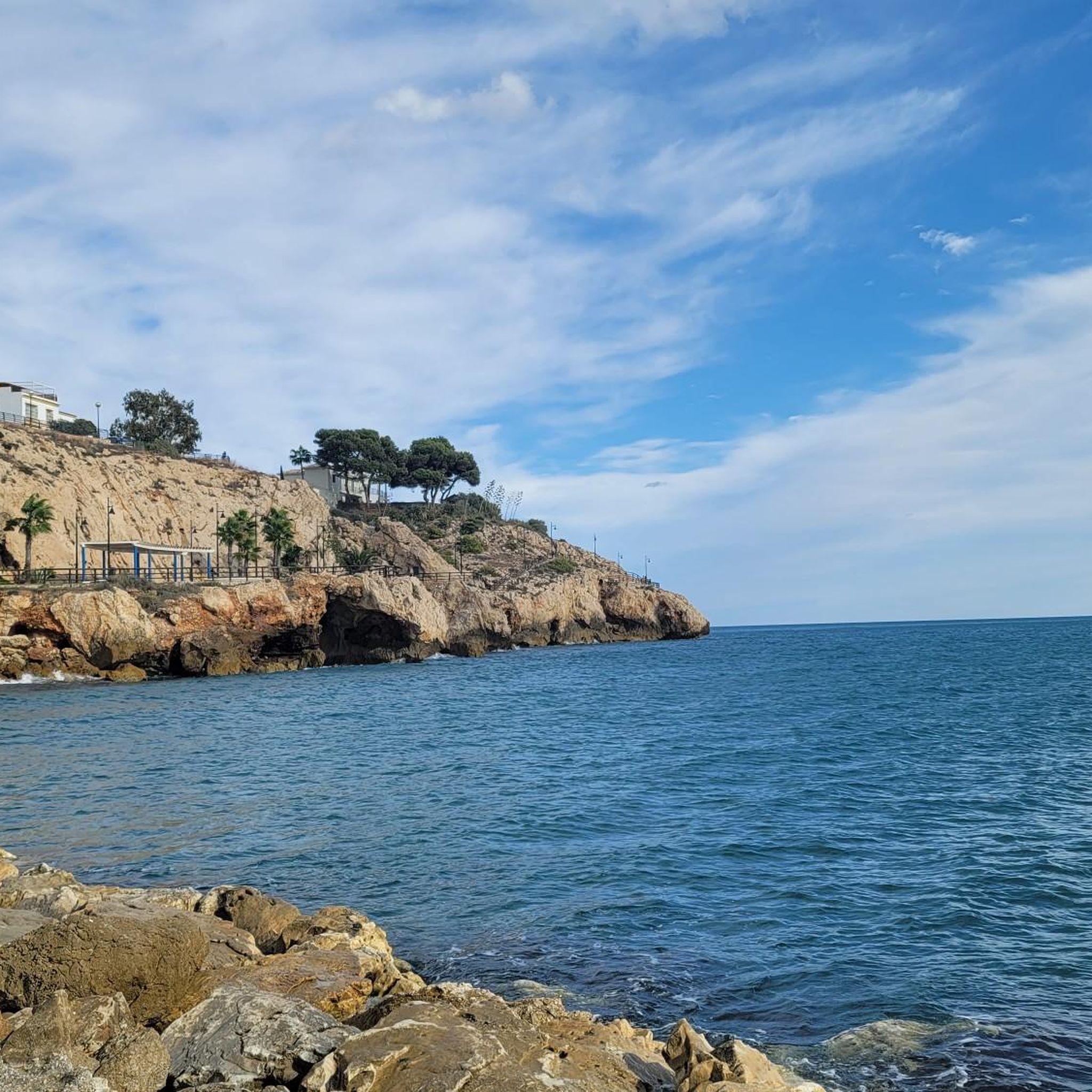
MTB Trails around Rincón De La Victoria
Gravel biking around Rincón De La Victoria
Other adventures around Rincón De La Victoria

Tips from the Community

The Plaza de la Constitución is one of the most historic squares in Málaga and has been the social heart of the old town for centuries. Surrounded by magnificent historic facades, cozy cafés, and the elegant Fuente de Génova, the square invites you to stroll and linger. The famous Calle Marqués de Larios, Málaga's most important shopping and promenade street, also begins here. 🇪🇸🏛️
3
0

The Port of Málaga is an international seaport located in the city of Málaga in southern Spain, on the Costa del Sol coast of the Mediterranean. It is the oldest continuously-operated port in Spain and one of the oldest in the Mediterranean. Principal port activities include cruise shipping and the importation of containerised manufactured products, break bulk and vehicles. A small fishing fleet also operates from the port.
10
0

Málaga Cathedral has the famous nickname "La Manquita," which means "the one-armed lady" in English. This name originated because two towers were originally planned, but one was never completed due to a lack of funds. Therefore, the cathedral has only one fully constructed tower to this day. Furthermore, the cathedral was built on the remains of a former mosque. This occurred after the Christian conquest of Málaga in 1487.
9
0
The Alcazaba is a palatial fortification built during the time of Muslim Al-Andalus. Construction of the current complex began in the 11th century and was modified or rebuilt several times until the 14th century. It is one of the best-preserved Alcazabas in Spain. The Alcazaba is also connected to the higher-lying Gibralfaro castle by a walled corridor, and next to the entrance of the Alcazaba are the remains of a Roman theatre dating back to the 1st century AD. Opening hours from November 1st to March 31st from 9:00 am to 6:00 pm - last entry at 5:15 pm. From April 1st to October 31st from 9:00 am to 8:00 pm - last entry at 7:15 pm. The bicycle must be parked and locked beforehand; it is not possible to take it inside.
14
1

The sight of cruise ship giants entering the port is particularly impressive. This sight is sure to motivate one or two of the port guests to set off on a harbor tour or to listen to one of the concerts held there. Since its foundation, the port of Málaga has been of supra-regional importance for the entire Mediterranean region. The area was founded as a trading port by the Phoenicians as early as 1,000 BC.
15
2
The Roman Theatre of Malaga is the most important evidence of the Roman era in Malaga that has been preserved to this day and is located at the foot of the Cerro de la Alcazaba, right in the city center. After being buried in the ground for centuries and built over with buildings, it was rediscovered in 1951 during construction work. It was built in the first century AD during the reign of Emperor Augustus. The theatre was used until the third century. The Arabs used parts of the theatre to build their Alcazaba fortress. For example, column shafts and column capitals were installed there as supports for the horseshoe arches of the portals.
15
1

The harbor and the immediate surroundings are beautifully laid out and offer many opportunities to experience things.
19
1
A very beautiful cathedral built in different periods. The first section was built as a fortress.
18
1
Frequently Asked Questions
What historical sites can I explore in Rincón de la Victoria?
Rincón de la Victoria offers a rich history. You can visit the unique Alcazaba of Málaga and the Roman Theatre, a fortress-palace combining history and beauty. Within Rincón de la Victoria itself, explore the ancient Cueva del Tesoro, one of only three marine caves in the world, or the defensive Casa Fuerte Bezmiliana, built in 1766 against pirate attacks. Don't miss the 14th-century Torre del Cantal watchtower and the Roman remains at Villa Antiopa.
Are there any natural attractions or viewpoints in the area?
Yes, Rincón de la Victoria boasts stunning natural beauty. The coastline features nearly 9 kilometers of sandy beaches like Playa del Rincón de la Victoria and Playa de la Cala del Moral. You can also walk along the dramatic Acantilados y Túneles de El Cantal, a stretch of rugged cliffs and old railway tunnels now used by pedestrians, offering scenic views. For a green escape, Malaga Park, with its tropical and subtropical species, is a beautiful spot.
What are the best outdoor activities to do near Rincón de la Victoria?
The region is excellent for outdoor enthusiasts. You can enjoy various hiking trails, such as the moderate Torre del Cantal – Cliffside Coastal Walk loop from La Cala del Moral or the easy Los Claros Beach – Paseo de la Marina loop from Rincón de la Victoria. For cyclists, there are road cycling routes like the difficult Axarquía White Villages Loop, and gravel biking options including the easy Torre del Cantal – Rincón de la Victoria Beach loop.
Are there family-friendly attractions in Rincón de la Victoria?
Absolutely! Many attractions are suitable for families. The Alcazaba of Málaga and the Roman Theatre, Málaga Cathedral, and Malaga Park are all marked as family-friendly. Exploring the Cueva del Tesoro (Treasure Cave) is also a fascinating experience for all ages, with its unique geological formations and legends of hidden treasure. The beaches and the Paseo Marítimo are perfect for family strolls and relaxation.
What is the best time to visit Rincón de la Victoria?
Rincón de la Victoria enjoys a Mediterranean climate, making it pleasant for most of the year. Spring (April-May) and autumn (September-October) offer comfortable temperatures for exploring historical sites and hiking. Summer (June-August) is ideal for beach activities and water sports, though it can be quite warm. Winters are mild, making it a good destination for those looking to escape colder climates.
Where can I find cultural experiences in Rincón de la Victoria?
Beyond historical sites, Rincón de la Victoria offers several cultural experiences. The Casa Fuerte Bezmiliana now serves as a cultural center hosting exhibitions. You can also discover vibrant street art, including murals like 'Mural Virgen del Carmen.' The Parque Arqueológico del Mediterráneo is a green space dedicated to prehistoric heritage, and the Museo de Artes Populares showcases local traditions.
Are there any accessible attractions for visitors with mobility needs?
Yes, some attractions are designed with accessibility in mind. The Palmeral de las Sorpresas, Port of Málaga, and Constitution Square, Malaga, are both noted as wheelchair accessible. The coastal promenades, such as the Paseo Marítimo, also offer flat, paved surfaces suitable for wheelchairs and strollers, providing beautiful views and access to restaurants.
What are some lesser-known or 'hidden gem' attractions in the area?
For a taste of authentic Andalusian life, visit the inland village of Benagalbón, known for its whitewashed streets and Plaza de las Flores. The Cueva de la Victoria, near Cueva del Tesoro, holds significant historical value with remains dating back 30,000 years, including Paleolithic art and Neolithic burials, offering a deeper dive into the region's ancient past.
Where can I find good places to eat or relax near the attractions?
The Palmeral de las Sorpresas, Port of Málaga, and the lively Paseo Marítimo in Rincón de la Victoria are excellent choices, offering a wide variety of restaurants and leisure options right by the sea. In the historic center of Málaga, near Constitution Square, you'll find numerous bars and restaurants with outdoor seating. The village of Benagalbón also has local restaurants, especially enjoyable in the evening.
How long should I plan for a visit to the Cueva del Tesoro?
A visit to the Cueva del Tesoro typically takes about 45 minutes to an hour. This allows enough time to explore its unique marine formations, learn about its legends, and appreciate the cave paintings. It's advisable to check their official website for current opening hours and guided tour schedules.
What are the most popular attractions around Rincón de la Victoria?
Visitors frequently enjoy the Palmeral de las Sorpresas, Port of Málaga, a beautifully laid out harbor promenade. Another highly-rated spot is the Málaga Cathedral (Catedral de la Encarnación), considered a valuable Renaissance jewel. The Alcazaba of Málaga and the Roman Theatre, a fortress-palace combining history and beauty, is also a must-see.
Can I find dog-friendly walking routes near Rincón de la Victoria?
While specific dog-friendly rules can vary by attraction, many of the coastal promenades and natural trails around Rincón de la Victoria are suitable for walks with leashed dogs. The Paseo Marítimo El Cantal, which follows the old railway line, is a popular choice for a scenic walk with your canine companion. Always ensure to clean up after your pet.
Most popular routes around Rincón De La Victoria
Most popular attractions around Rincón De La Victoria

Get inspired with the komoot mobile app


Explore more
Still not found the Highlight you’re looking for? See guides of the top attractions in other regions:
