Top 8 Castles around Belfort
Best castles around Belfort are situated in a region known for its strategic "Belfort Gap" between the Vosges and Jura mountains. This area features significant historical fortifications, reflecting centuries of military architecture. The landscape offers diverse terrain, making it suitable for exploring these historical sites. Visitors can discover a rich past intertwined with natural features of the region.
Best castles around Belfort
- The most popular castles is Citadel of Belfort, a historical site that reflects five centuries of fortifications.…
Last updated: October 2, 2026
Citadel of Belfort
Highlight • Historical Site
Translated by Google •
Tip by

Fort de Vézelois
Highlight • Historical Site
Translated by Google •
Tip by

Sign up now to discover places like this
Get recommendations on the best single tracks, peaks, & plenty of other exciting outdoor places.
Lion of Belfort
Highlight • Monument
Translated by Google •
Tip by

Citadel of Belfort and Lion of Belfort
Highlight • Historical Site
Translated by Google •
Tip by

View of the Belfort citadel
Highlight • Castle
Translated by Google •
Tip by
Fort de Giromagny
Highlight • Historical Site
Translated by Google •
Tip by

Ruins of Rougemont Castle
Highlight • Castle
Translated by Google •
Tip by

Miotte Tower
Highlight • Monument
It is only open to visitors on Sundays between 10:00 and 12:00 and admission costs EUR 5.
Translated by Google •
Tip by

Fort Salbert
Highlight • Historical Site
Translated by Google •
Tip by

Start today with a free account
Your next adventure awaits.
Popular around Belfort
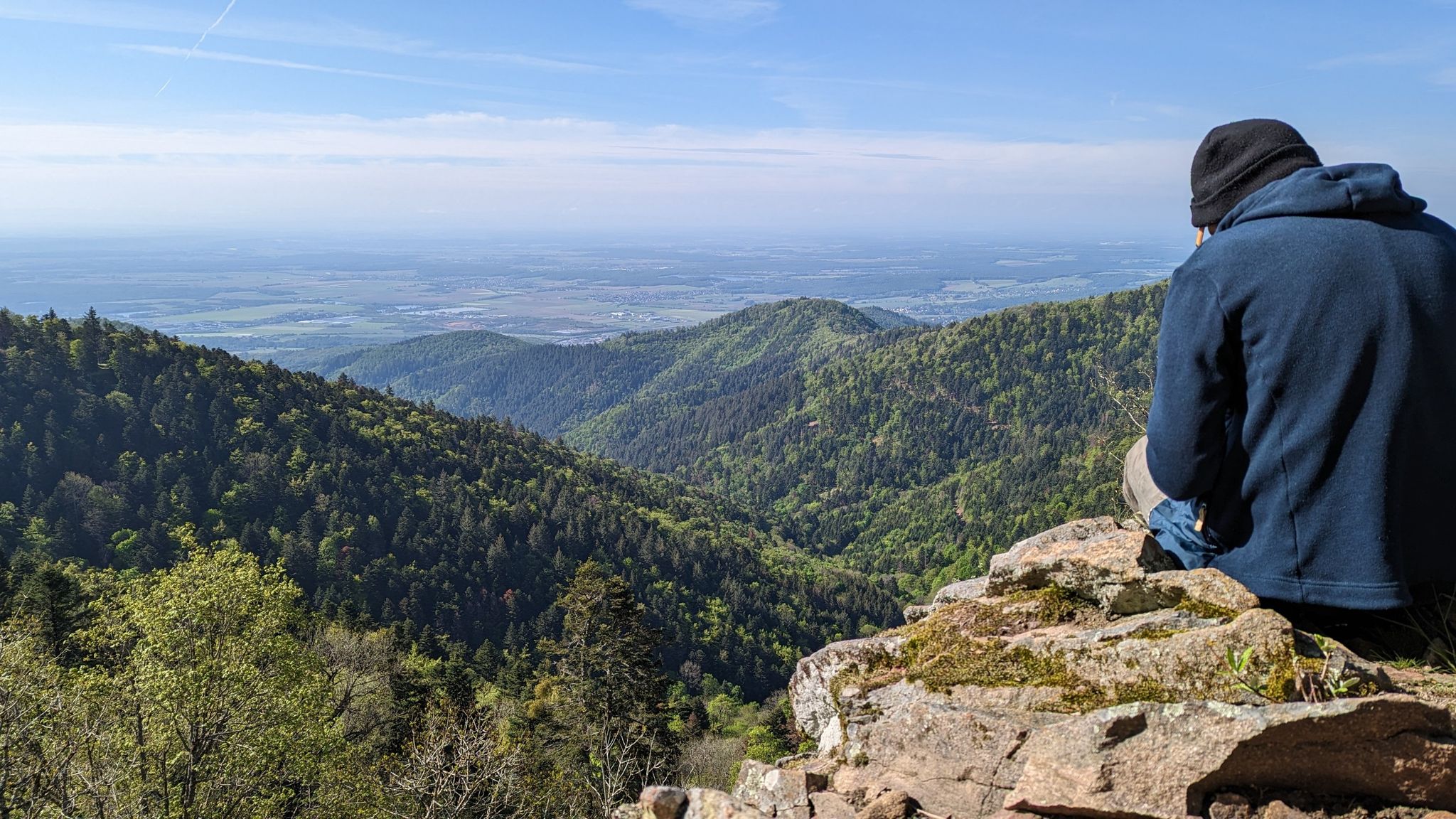
Sentier de l'Europe (GR 5) – Montbéliard to Abreschviller
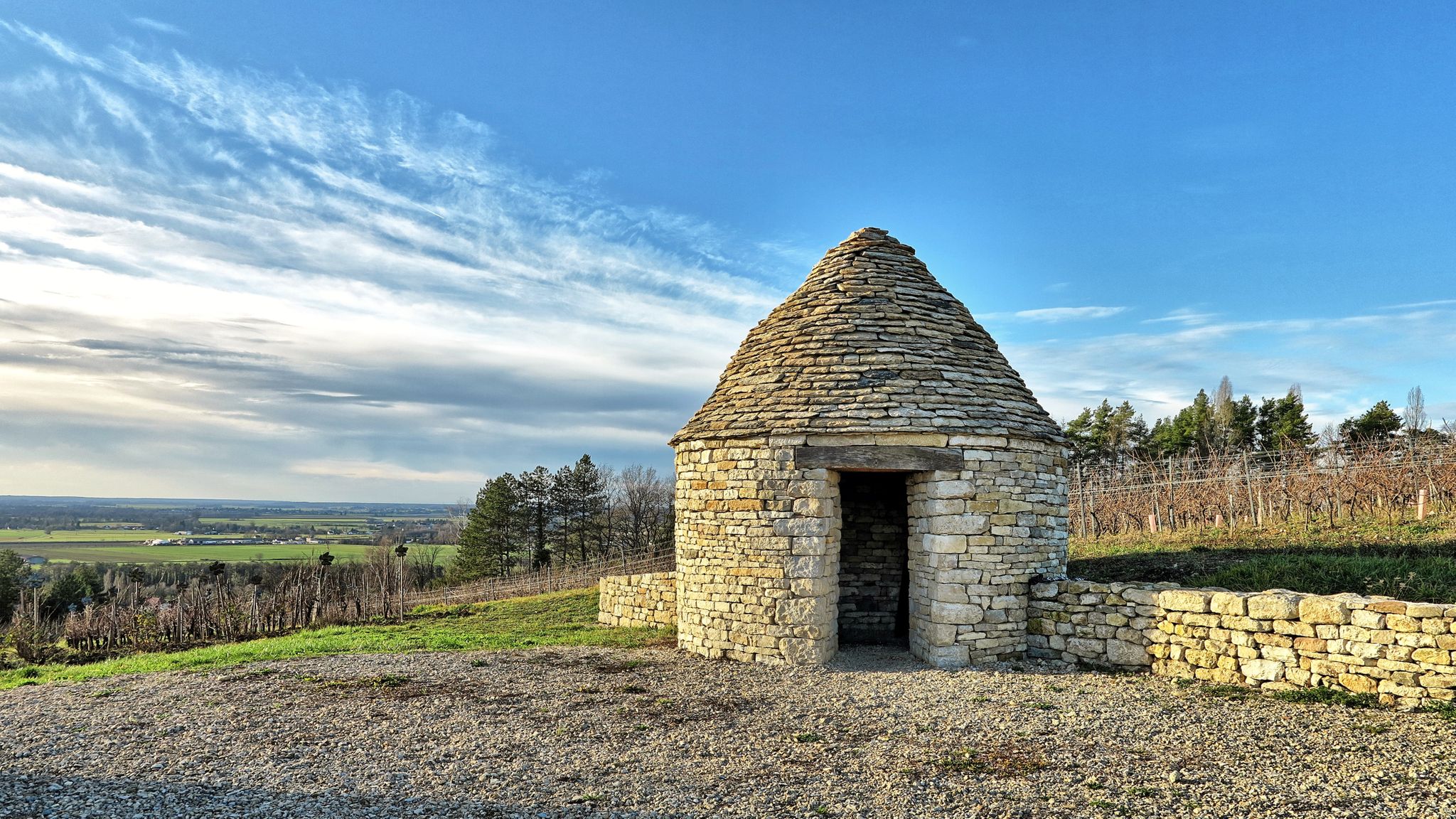
At the foot of the medium mountain — GR 59 from the Vosges to the Jura
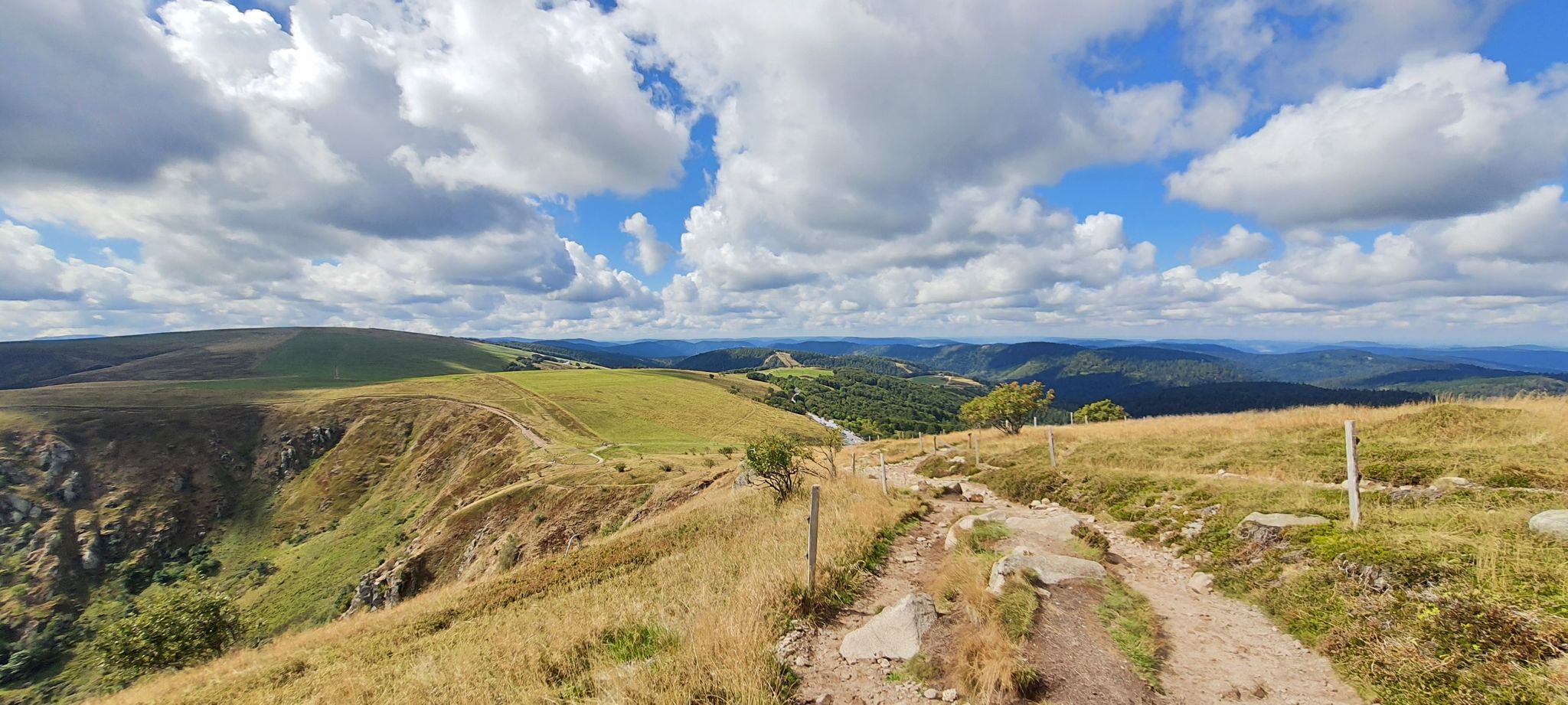
Thatches, lakes and forests – Tour des Ballons des Vosges
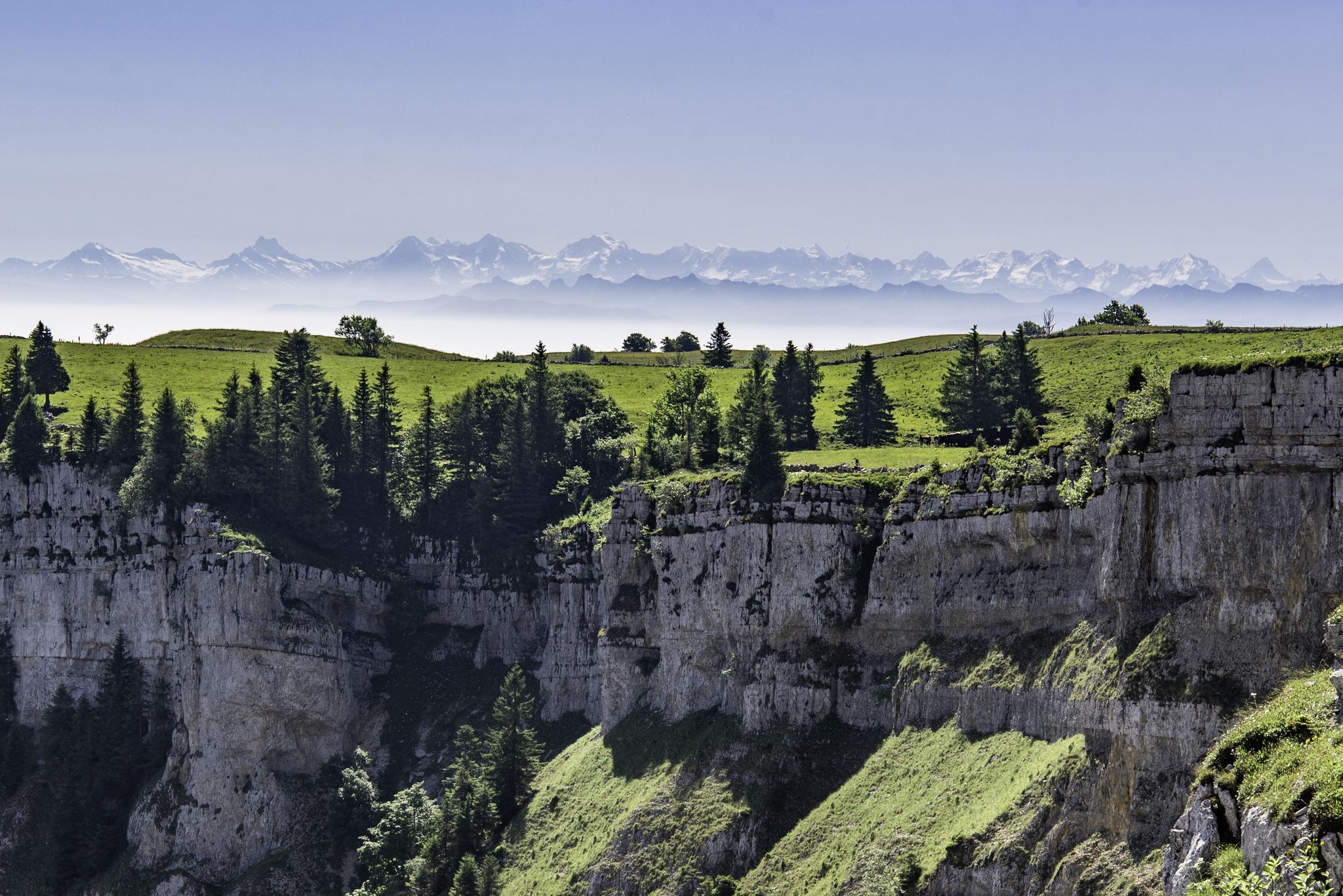
From the Vosges to the Jura mountains – Hexatrek, le Grand Est
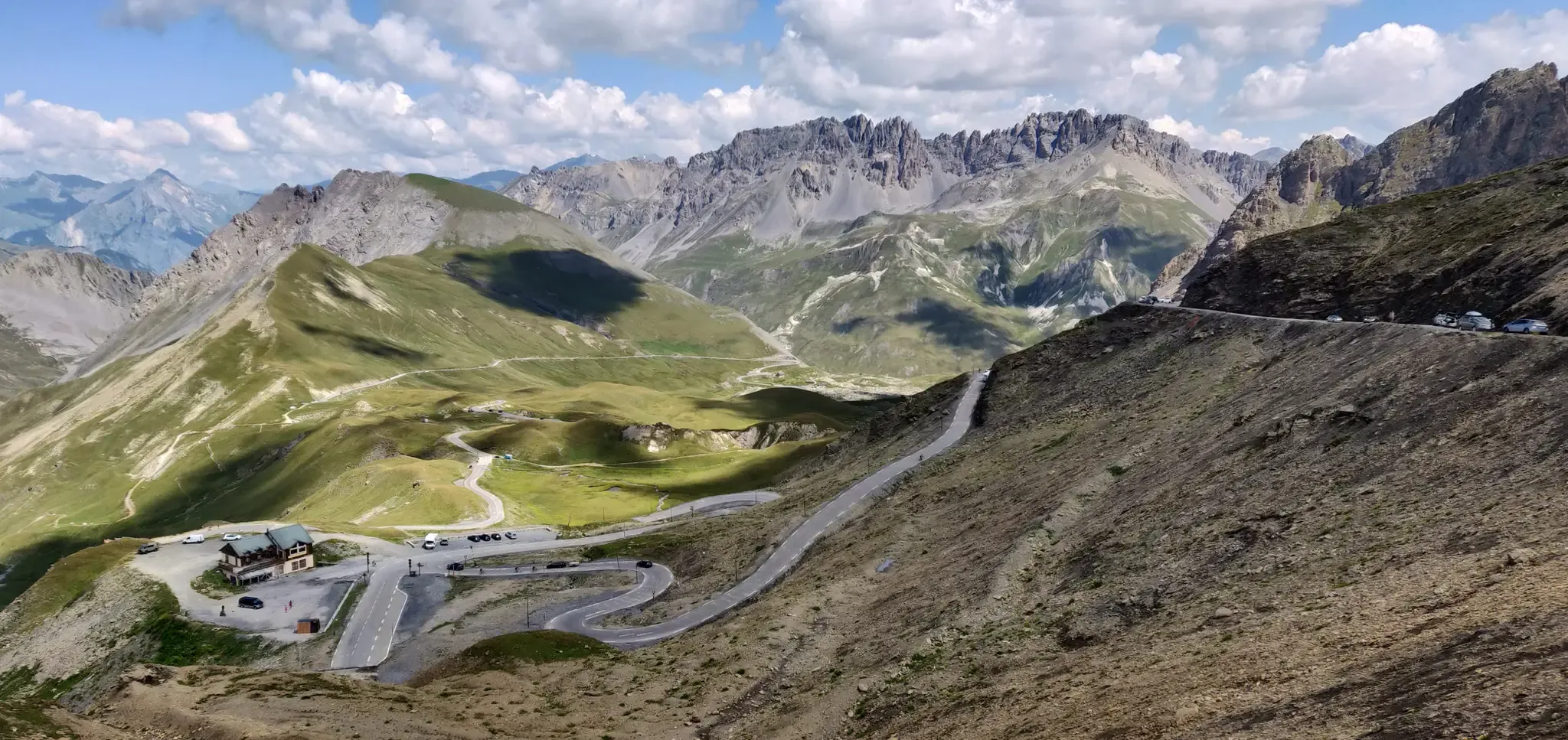
Legendary passes of the Tour de France
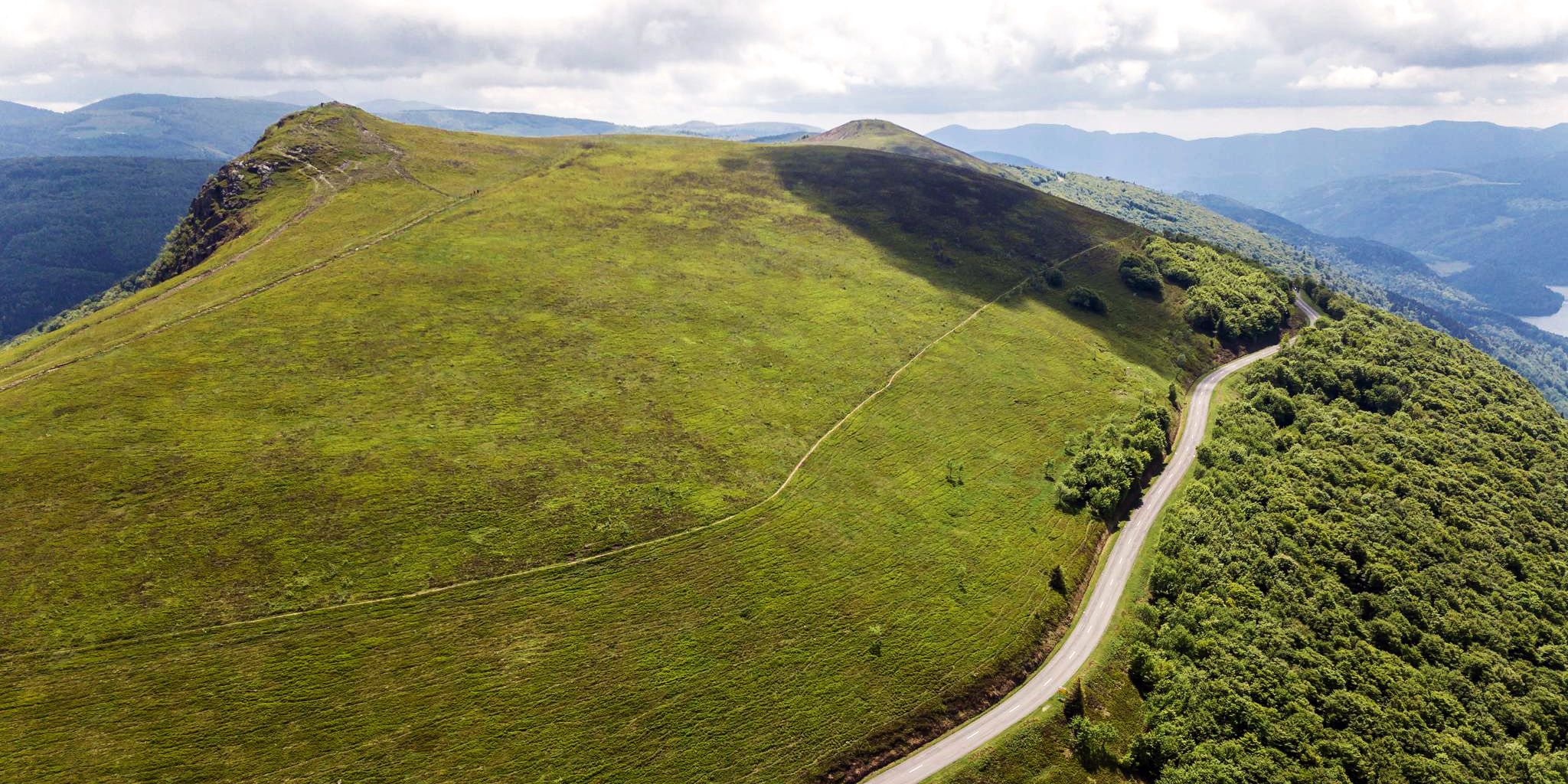
Beautiful passes In the Vosges Mountains
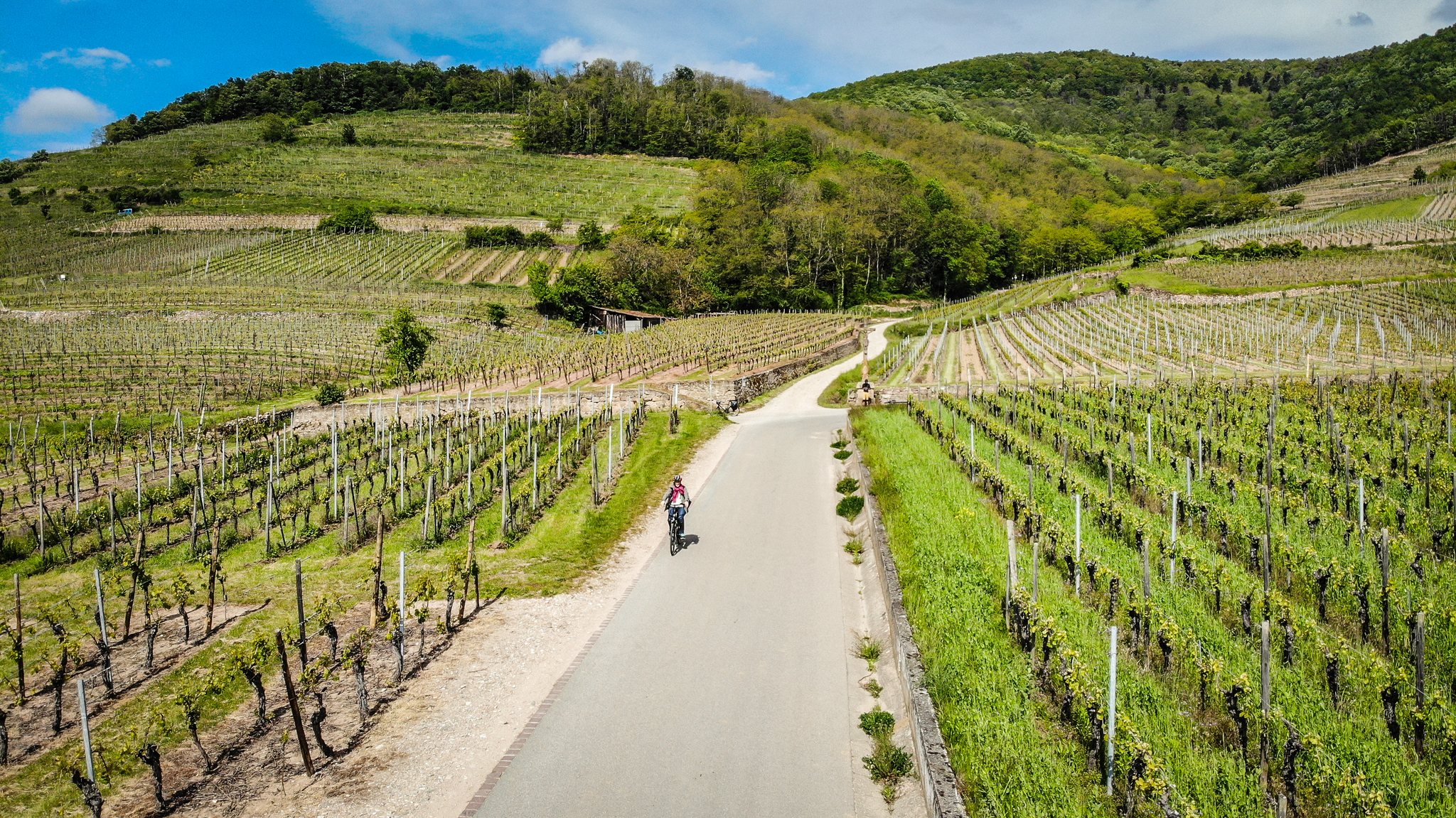
L’Alsace à Vélo - Entre canaux, vignoble et vallées vosgiennes
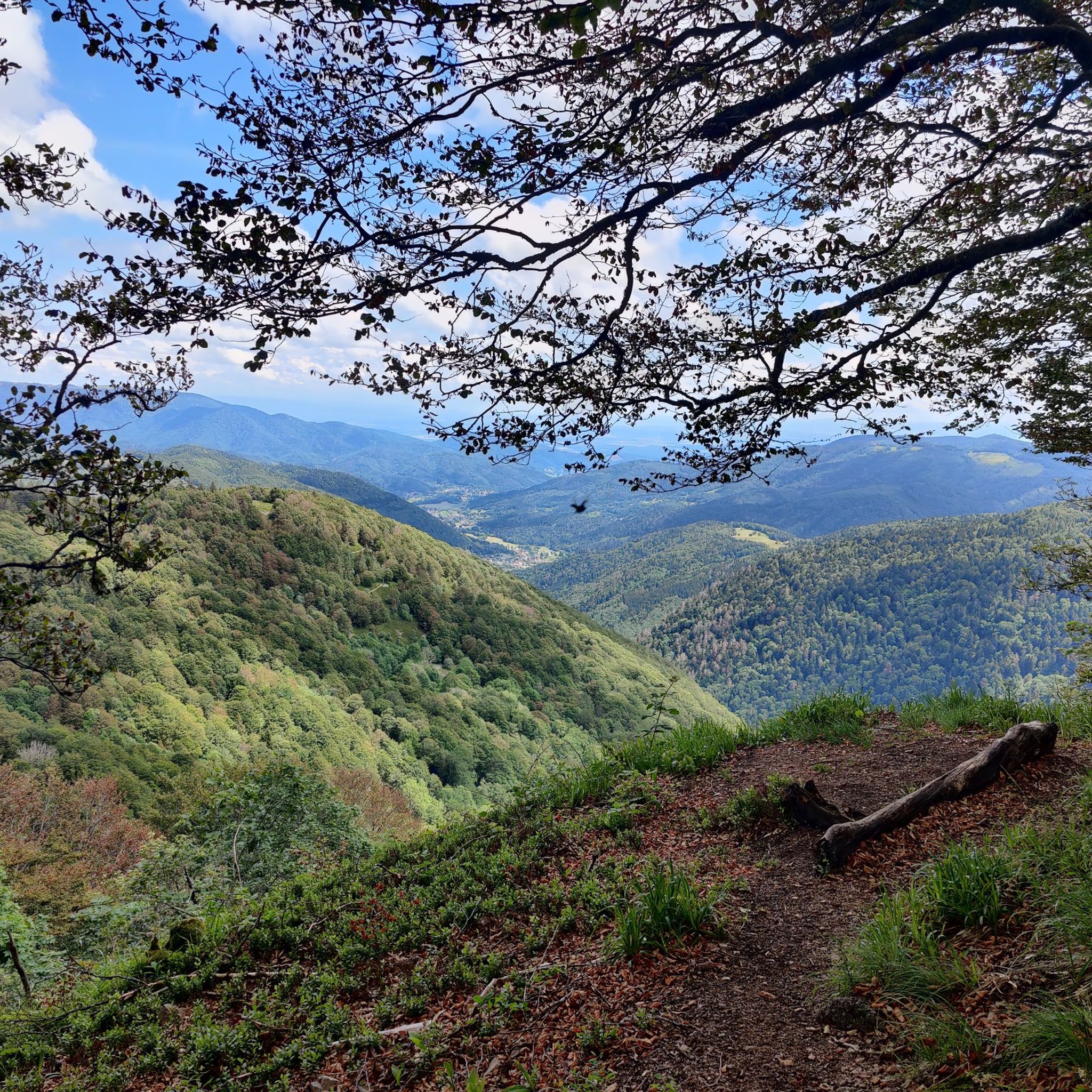
Hiking around Belfort
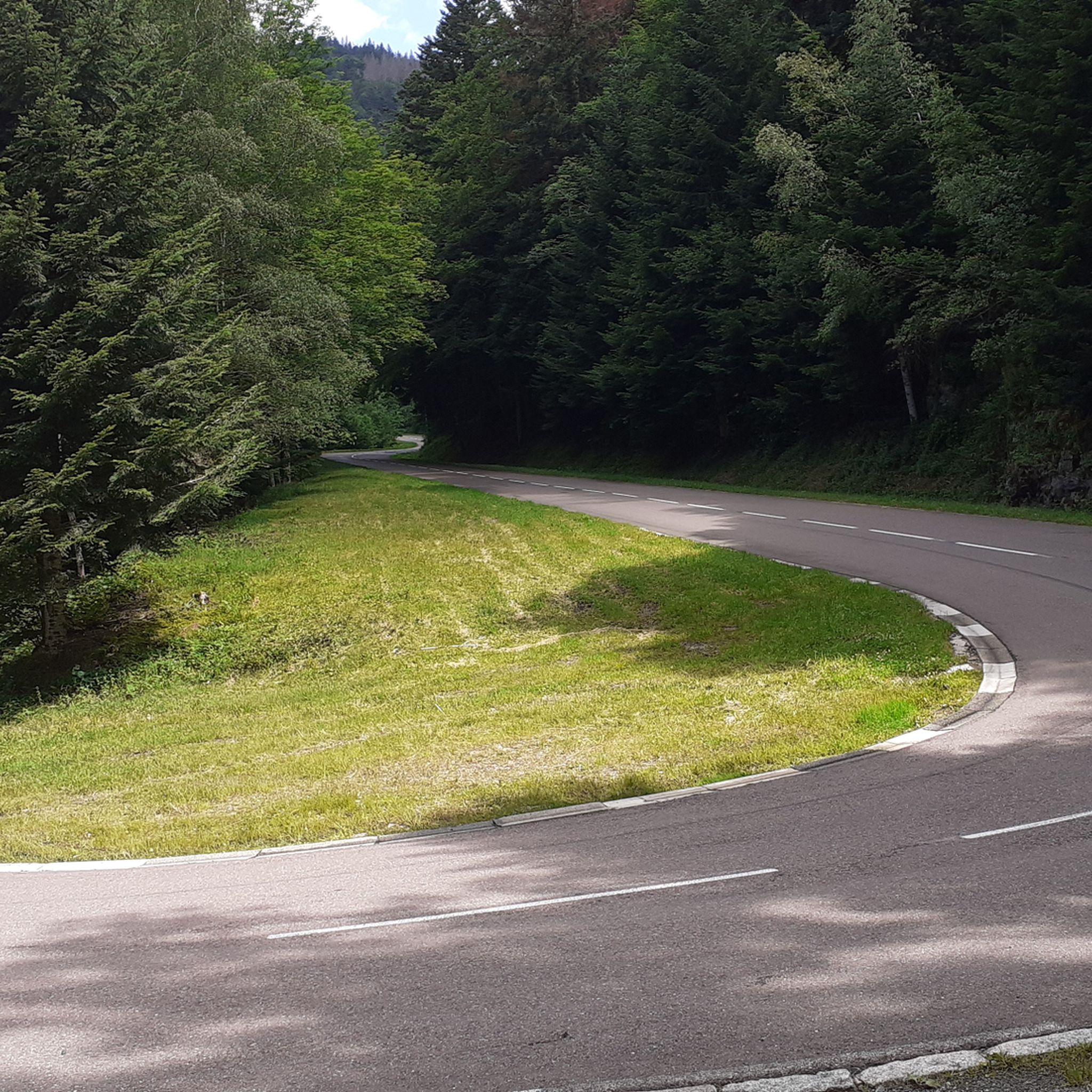
Road Cycling Routes around Belfort
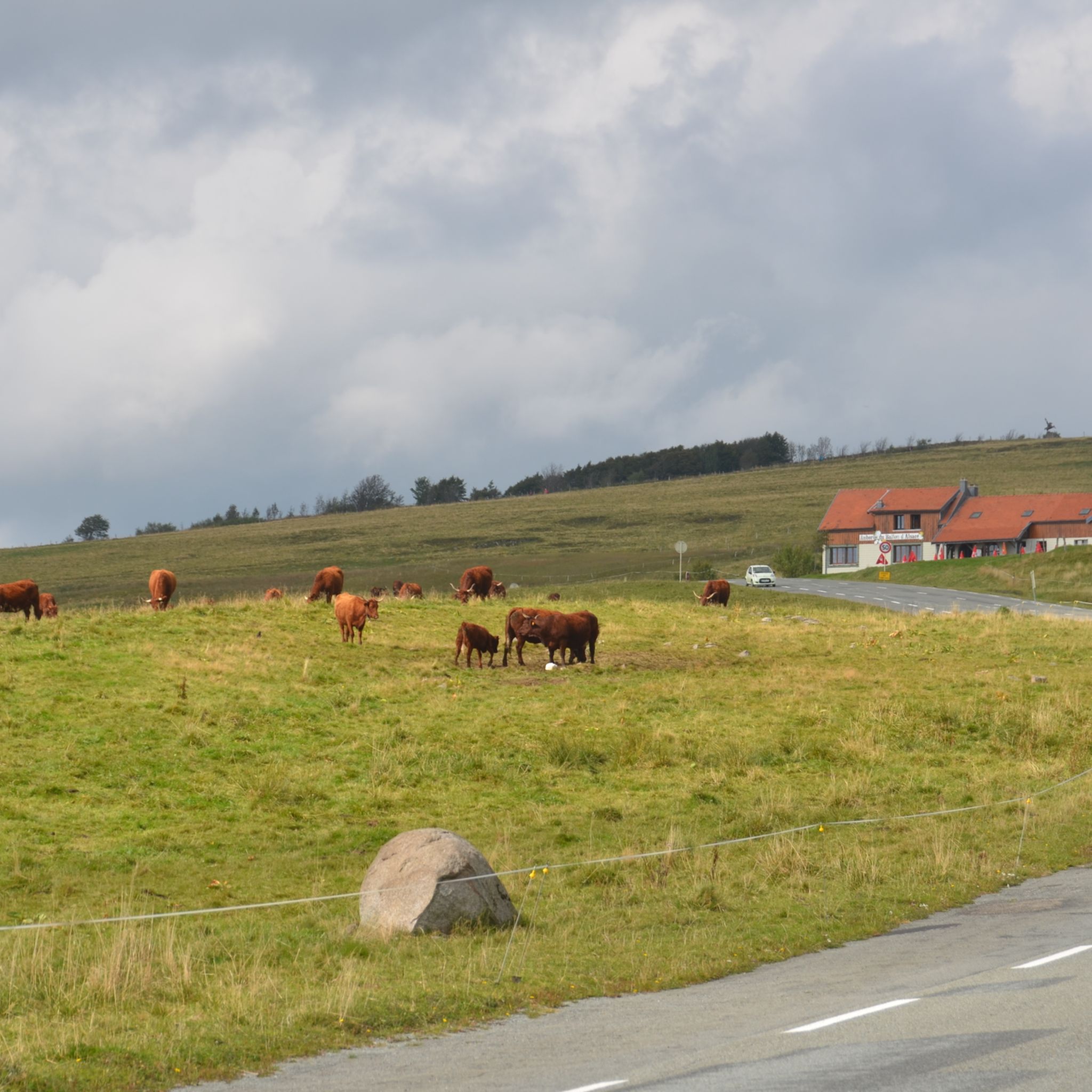
Cycling around Belfort
Other adventures around Belfort


Tips from the Community

This is completely in the wrong place! It is nowhere near the citadel or the lion
0
0

The Citadel of Belfort is a historically complex building, reflecting five centuries of fortifications. It was built after the conquest of the city in 1687, replacing a medieval castle that previously stood on this rocky outcrop.
5
0

old castle ruins
0
0

impressive Vauban work , free access except for the museum
0
0

Beautiful sculpture and coat of arms of Belfort, below the fortress.
0
0

Impressive complex with the lion towering over it. Well-paved paths lead through the complex. From the top you have a great view of the city of Belfort. At night the lion and the fortress are illuminated. Simply beautiful.
3
0

The opening times are published online and it's worth investing the €4 for entry. The complex is huge, although not all rooms are accessible. We visited without a guide, but were provided with detailed information material - in German! A very interesting complex that is maintained by a club. Respect!!!
0
0

This fort was built between 1875 and 1879. The fort forms the southern end of the defensive curtain of the Haute Moselle region, adjoining the fortified region of Belfort, which extends to the south. The fort was built as part of the French Séré de Rivières system of fortifications to defend France against a recurrence of the Prussian invasion of the Franco-Prussian War of 1870–1871. The fort was one of the most heavily armed forts in the northeast during the late 19th and early 20th centuries. Entrance 3€/pers. (free for accompanied children under 12). OPENING EVERY SUNDAY and public holidays from July 3 to September 18 (inclusive): from 2 p.m. to 6 p.m. (entrances close at 5:15 p.m.) Possibility of guided tour from April to October (Reservation required).
0
0
Frequently Asked Questions
What is the main historical fortification in Belfort?
The primary historical fortification in Belfort is the Citadel of Belfort. It's an imposing fortress that reflects five centuries of military architecture and offers great views of the city and surrounding area.
What makes the Citadelle de Belfort historically significant?
The Citadelle de Belfort has a rich history, built upon an earlier medieval castle and significantly expanded by Vauban in the 17th century. It famously resisted a three-month siege during the Franco-Prussian War of 1870-1871 and is a testament to centuries of defensive architectural evolution. It also houses a Museum of History and Archaeology.
What iconic landmark is associated with the Citadelle de Belfort?
The monumental Lion of Belfort, carved into the rock face below the citadel, is a powerful symbol of the city's resistance. Created by Frédéric Bartholdi, the sculptor of the Statue of Liberty, this pink sandstone sculpture is 22 meters long and 11 meters high.
Are there other historical forts to explore in the Belfort region?
Yes, beyond the main citadel, you can explore other significant fortifications. These include Fort de Vézelois, built as part of a fortified system in the late 19th century, and Fort Salbert, which offers an unobstructed view of the entire Territoire de Belfort. There's also Fort de Giromagny.
Can I see medieval castle ruins near Belfort?
Yes, you can visit the Ruins of Rougemont Castle. These ruins offer a glimpse into the region's older history and provide a viewpoint.
Are there good viewpoints from the castles around Belfort?
Many of the historical sites double as excellent viewpoints. The Citadel of Belfort offers breathtaking panoramic views of the city and the surrounding landscape, extending from the Vosges to the Jura mountains. The Miotte Tower also provides magnificent views of the Vosges and the Etang des Forges, and Fort Salbert gives an unobstructed view of the entire Territoire de Belfort.
What is the best time of year to visit the castles around Belfort?
The best time to visit is generally from spring to early autumn (April to October) when the weather is mild and suitable for exploring. Summer months (July and August) often feature cultural events at the Citadelle, but can also be busier. Visiting in late spring or early autumn allows for pleasant weather and fewer crowds.
How long does it take to visit the Citadelle de Belfort?
Visiting the entire complex of the Citadel of Belfort, including its fortifications, panoramic terrace, and potentially the Museum of History and Archaeology and underground passages, can take several hours. Many visitors spend half a day exploring the site thoroughly.
Are there family-friendly options for visiting castles in Belfort?
Yes, the View of the Belfort citadel is categorized as family-friendly, offering an accessible way to appreciate the main fortress. The Fort de Giromagny is also listed as family-friendly, providing historical exploration suitable for all ages.
Is parking available at the Citadelle de Belfort?
Yes, parking is generally available near the Citadel of Belfort. It's advisable to check local signage for specific parking areas and any potential fees, especially during peak season.
What outdoor activities can I do near these castles?
The region around Belfort offers various outdoor activities. You can find numerous routes for gravel biking, road cycling, and mountain hikes. For example, there are challenging gravel biking routes like the 'Fort Senarmont, Bessoncourt – Fort de Vézelois loop' or road cycling routes such as the 'Ballon d'Alsace and the Lakes Loop'. You can explore these and more on the Gravel biking around Belfort, Road Cycling Routes around Belfort, and Mountain Hikes around Belfort guide pages.
Are there hiking trails near the castles?
Yes, there are several hiking opportunities. For instance, you can find mountain hikes like the 'Mountaineering loop from Théâtre du Peuple' or the 'Hundsruck Pass – Panoramic view loop'. These trails allow you to combine historical exploration with scenic walks. More details can be found in the Mountain Hikes around Belfort guide.
Are there any less known castles or forts worth exploring near Belfort?
While the Citadelle is the most prominent, the region's 'Ring of Fortifications' includes several 19th-century military buildings that are less frequented but historically significant. These include forts like Fort de Vézelois and Fort de Giromagny, which offer a deeper dive into the area's defensive history without the larger crowds.
Most popular routes around Belfort
Most popular attractions around Belfort

Get inspired with the komoot mobile app


Explore more
Looking for the best castles somewhere else? Discover other guides around Belfort:
