Top 17 Caves around Besançon
Best caves around Besançon are found in the Bourgogne-Franche-Comté region of France, an area known for its karst topography and extensive underground river systems. This landscape has created numerous caves, many of which feature unique geological formations and historical significance. The region offers a variety of cave experiences, from ancient tourist sites to natural springs and geological curiosities.
Best caves around Besançon
- The most popular caves is Lison Spring, a cave that features a powerful waterfall and a converted…
Last updated: September 26, 2026
Sarrazine Cave
Highlight • Cave
Do not hesitate to approach …
Translated by Google •
Tip by

Arcier Springs
Highlight • River
You will be able to see the castle of Arcier there as well as the ruins of the old Roman aqueduct of Besançon.
=============
Translated by Google •
Tip by

Sign up now to discover places like this
Get recommendations on the best single tracks, peaks, & plenty of other exciting outdoor places.
Cave of the Counterfeiters
Highlight • Cave
Translated by Google •
Tip by

Osselle Cave
Highlight • Natural Monument
Translated by Google •
Tip by

Verneau Spring
Highlight • Cave
Translated by Google •
Tip by

Creux Billard — Karst Basin and Waterfall
Highlight • Gorge
The whole also forms an underground cave system with the neighboring source - Source du Lison. It is best to visit after long rains.
Translated by Google •
Tip by
Chère Cave
Highlight • Cave
The path leads from the meadow above through the wooded slope …
Translated by Google •
Tip by

Grotte Sous Buen
Highlight • Cave
Translated by Google •
Tip by
Fourbanne Cave
Highlight • Cave
Translated by Google •
Tip by

View of the Grotte Sarrazine and Lison Waterfall
Highlight • Viewpoint
Translated by Google •
Tip by

Sign up for free to discover even more caves around Besançon.
Already have an account?
Start today with a free account
Your next adventure awaits.
Popular around Besançon
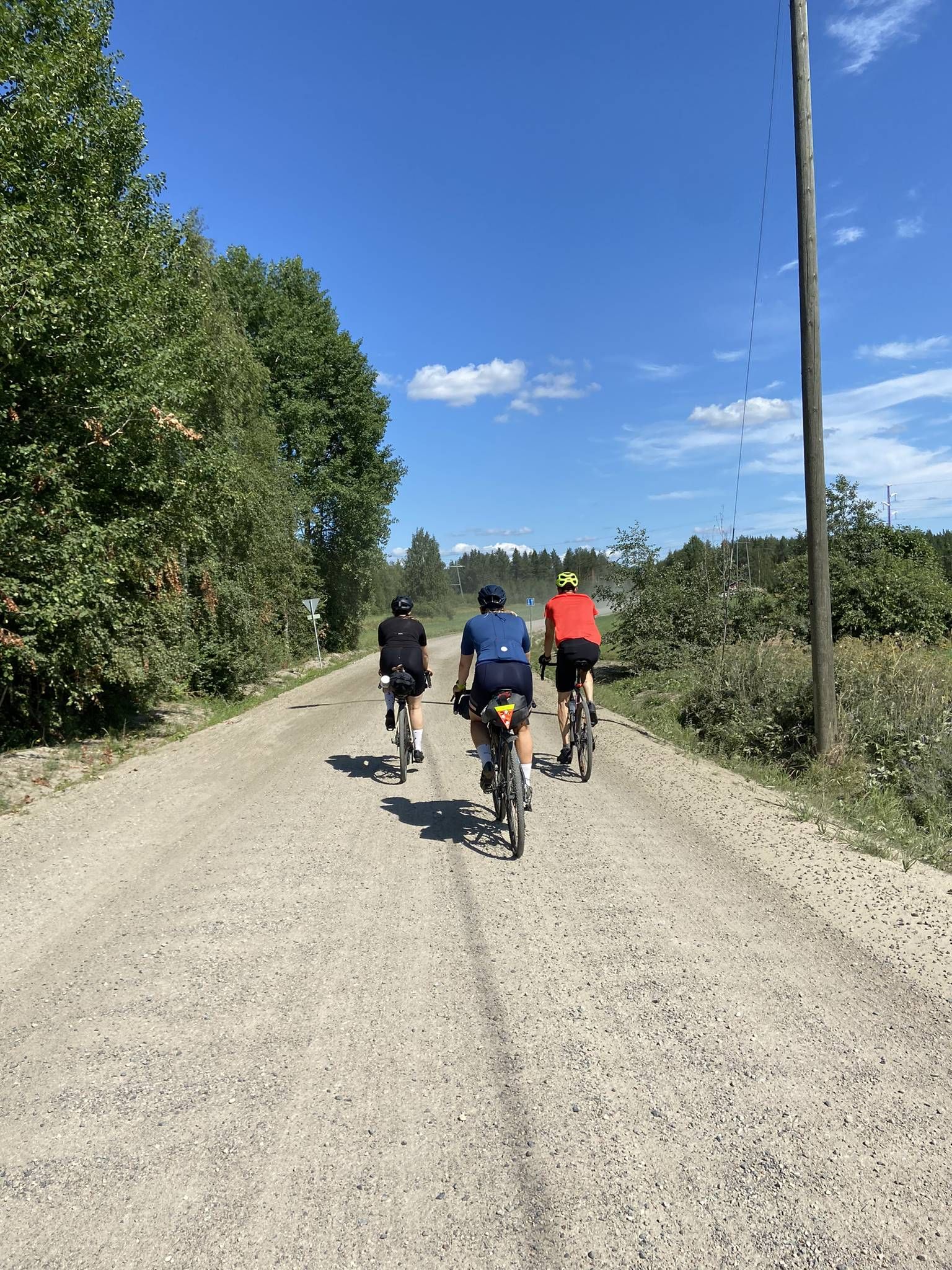
Naples to North Cape — Two friends, one purpose and many scoops of ice-cream
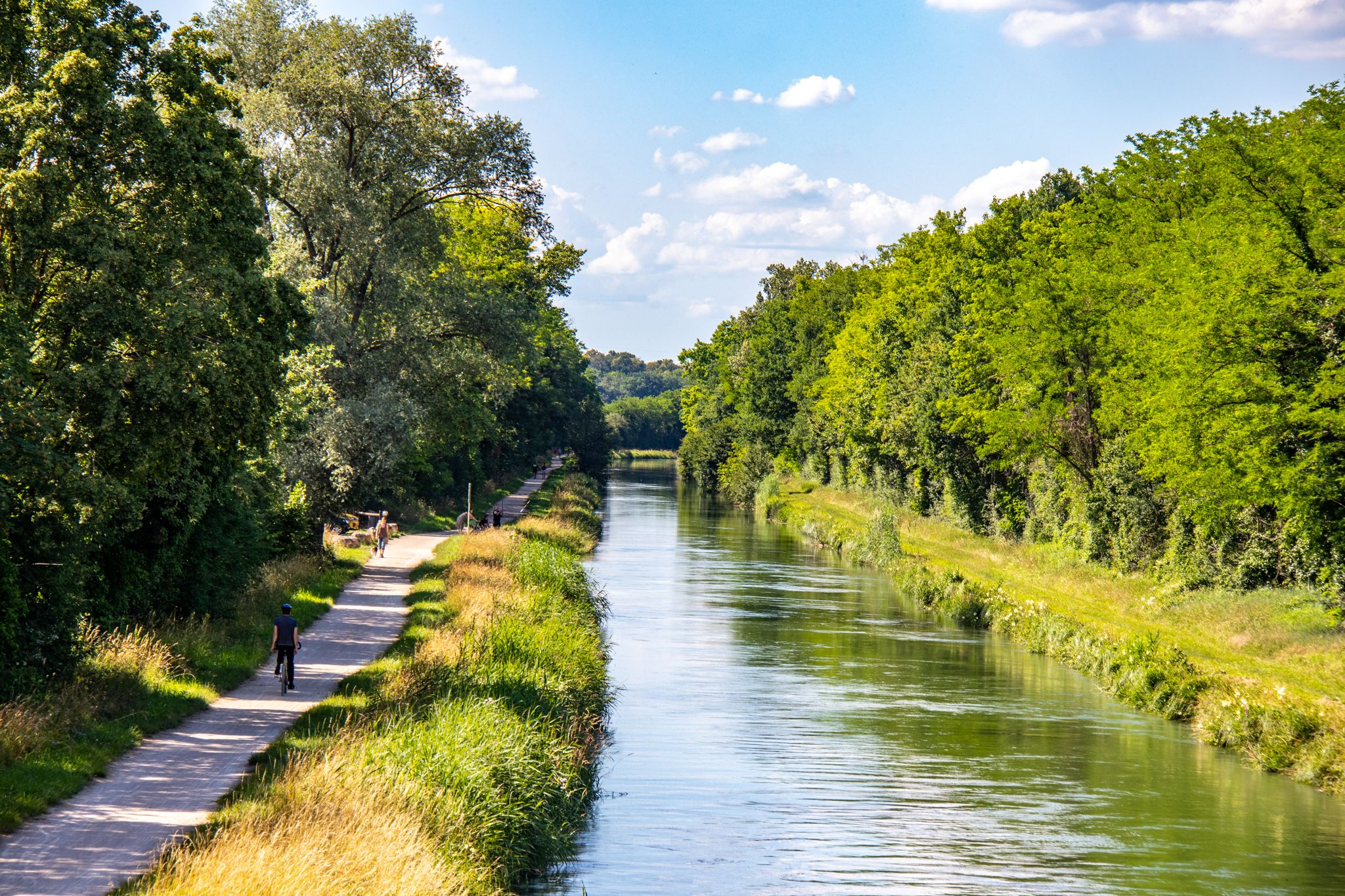
EuroVelo 6 – between the Rhine and the Loire by bike
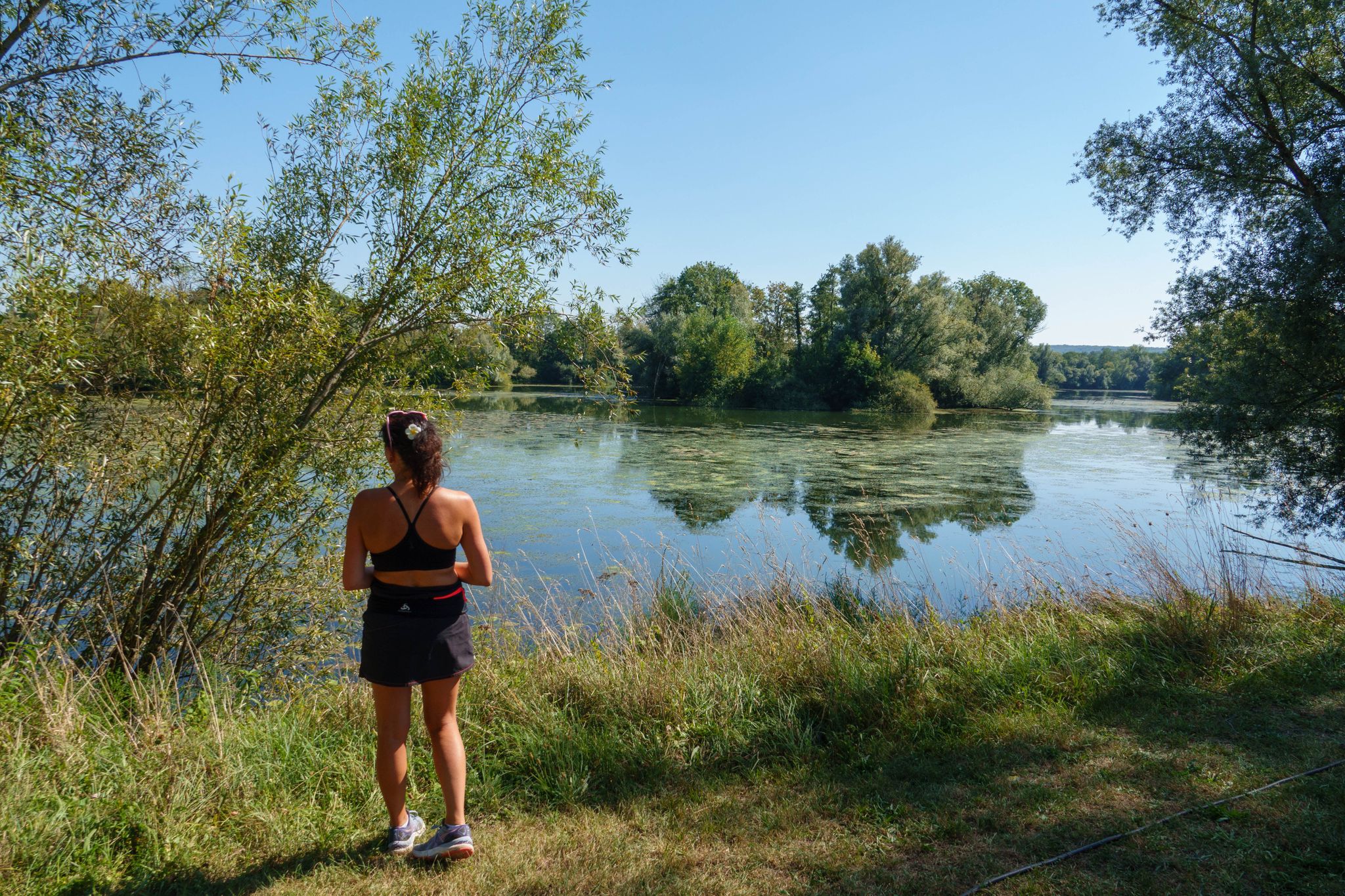
Hiking in the Vallée de l’Ognon — between villages, forests and rivers
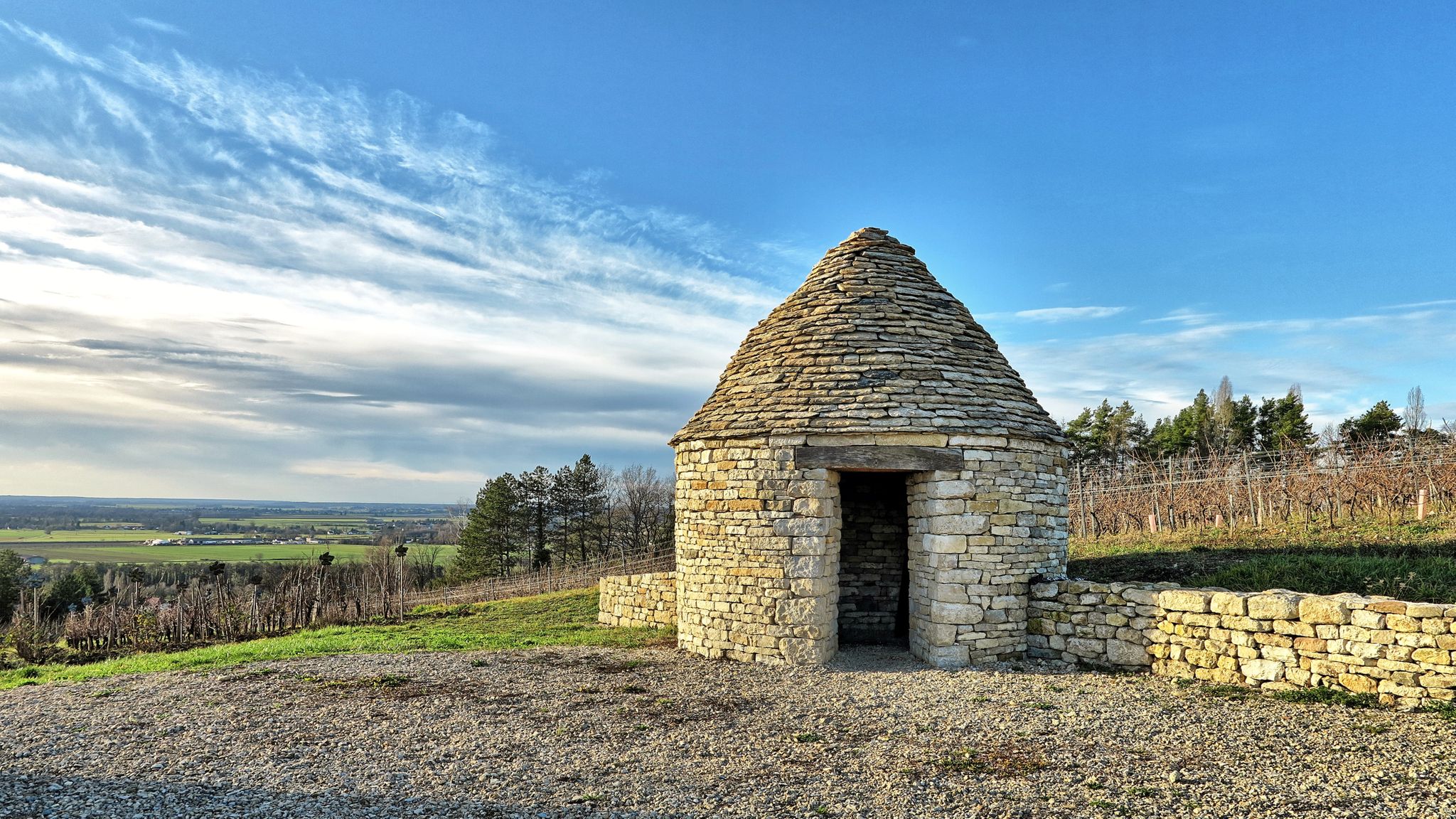
At the foot of the medium mountain — GR 59 from the Vosges to the Jura
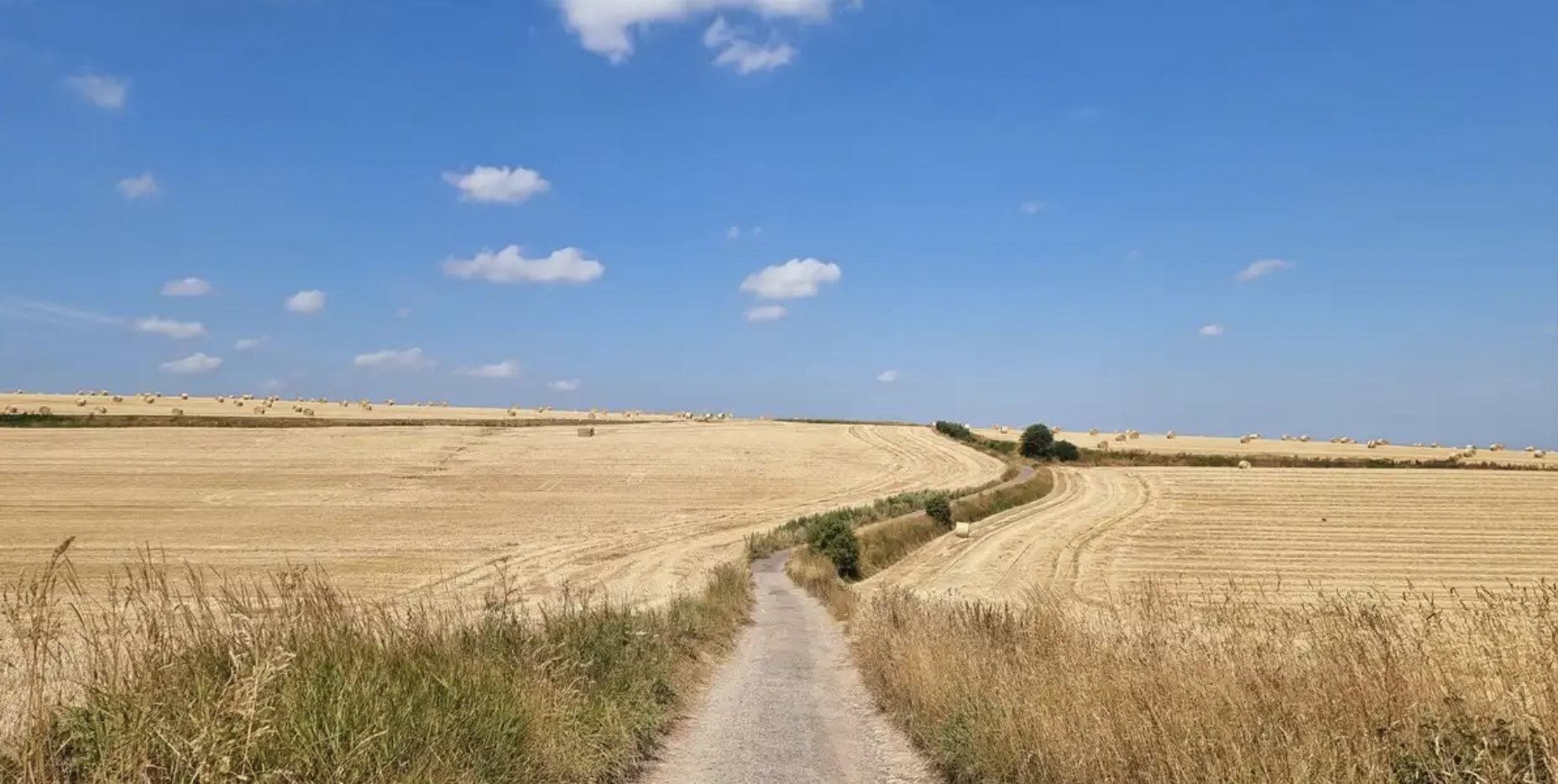
In the footsteps of History — GR 145, the Via Francigena
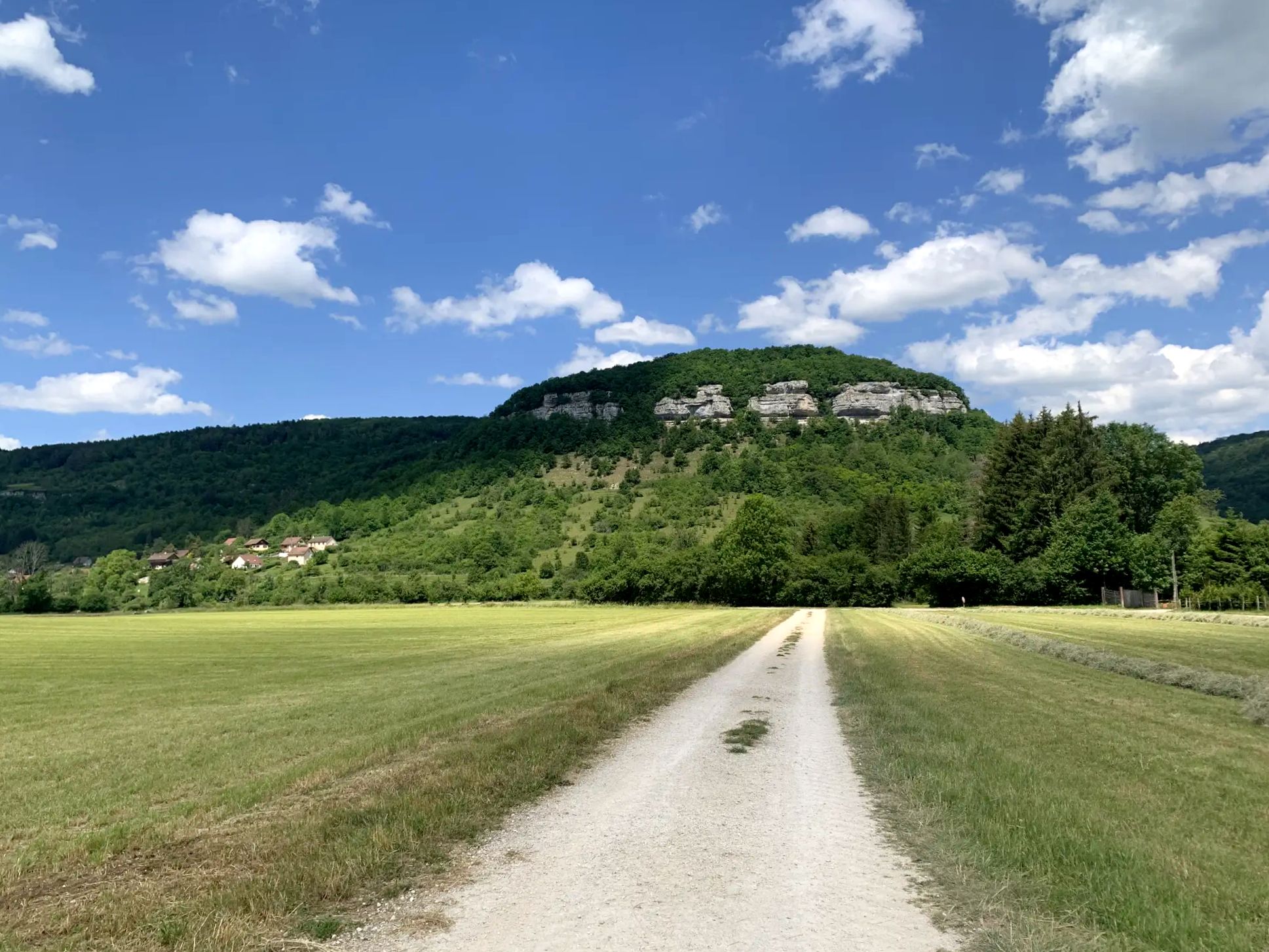
Pedal all Doubs - 15 gravel circuits in Doubs
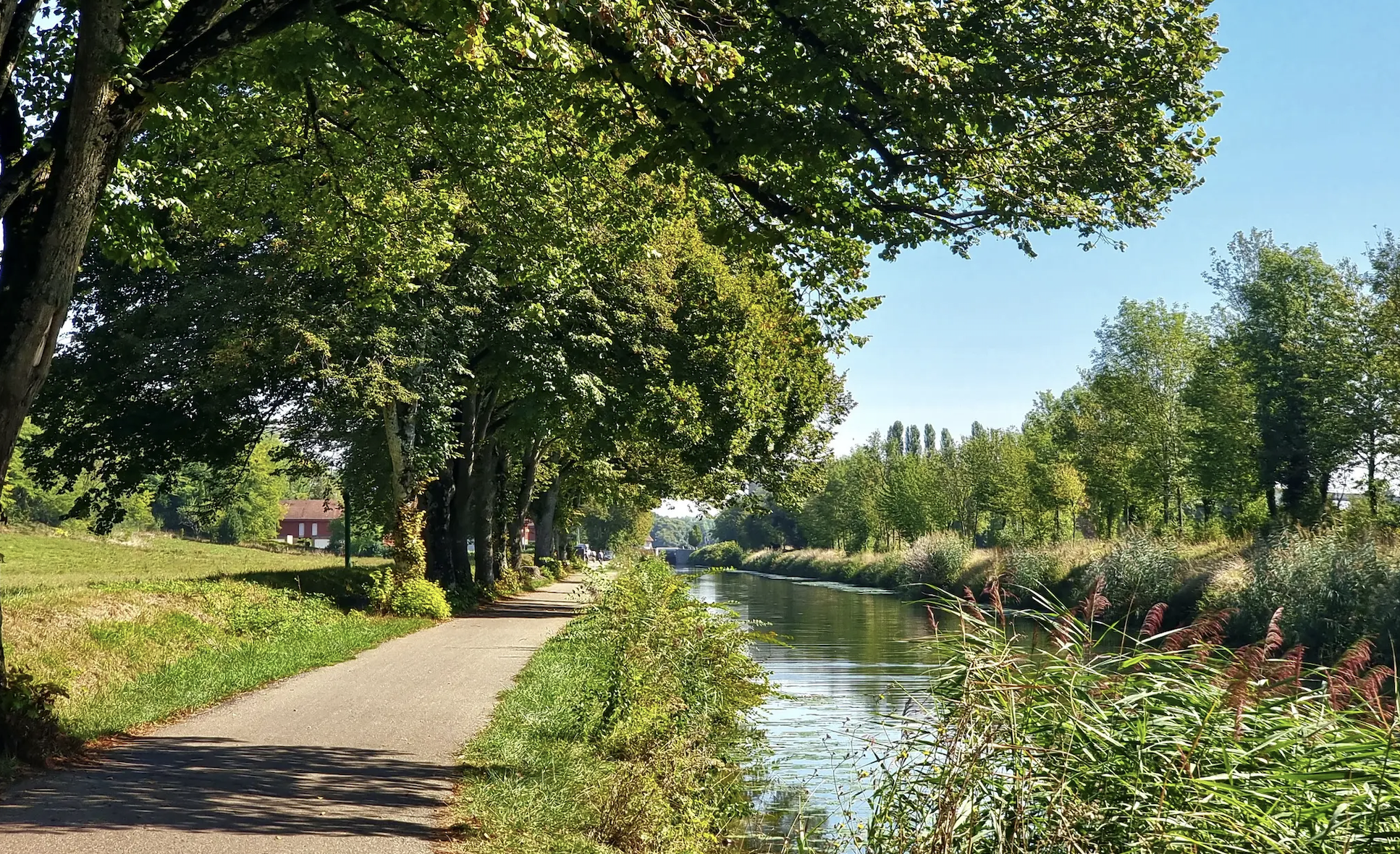
Nature, culture and gastronomy – Tour du Jura Vélo (leisure version)
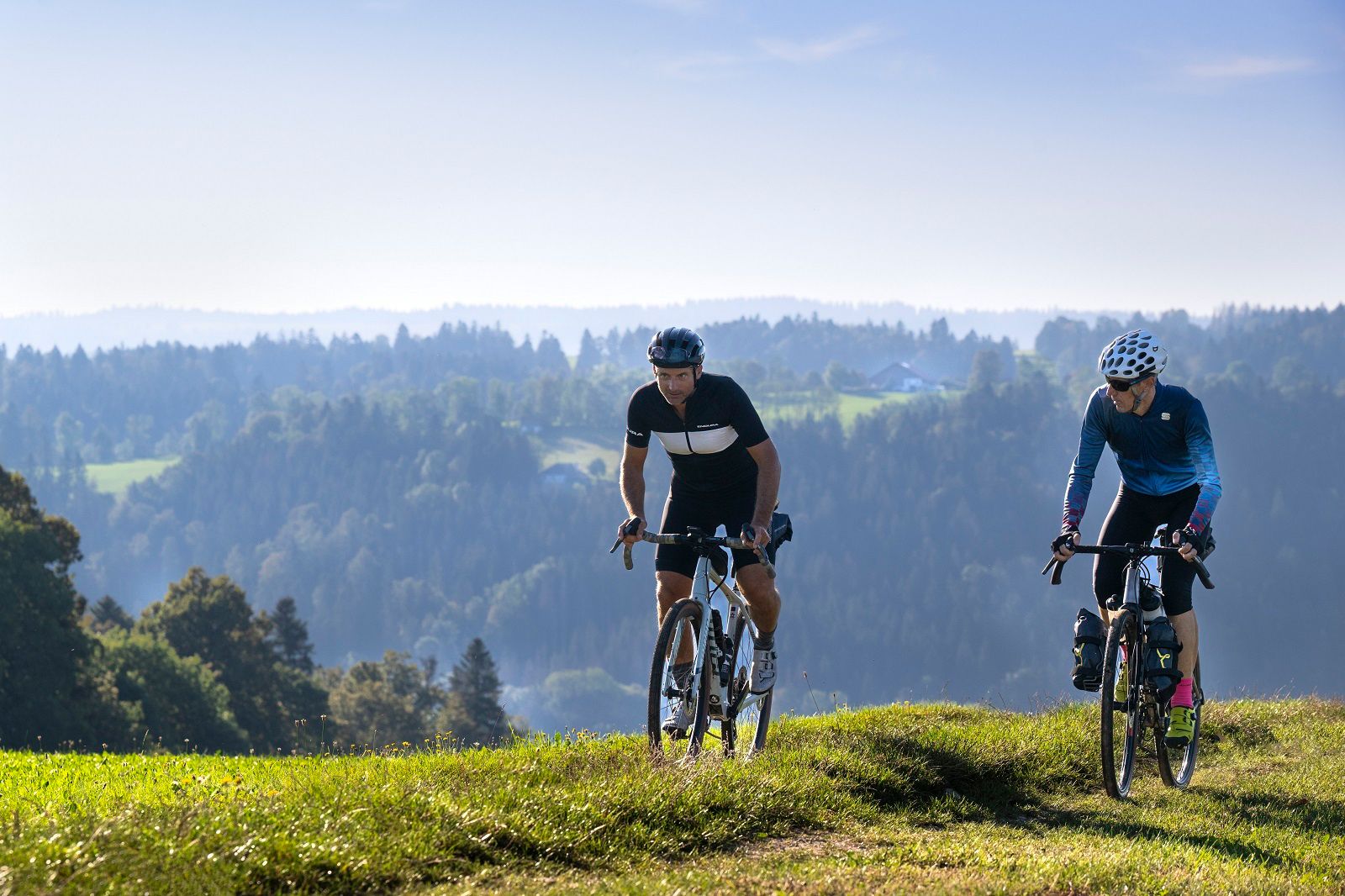
Gravel Tours in the Jura Mountains
Cycling and cheese – four major roads of the Jura
Hike from the vineyards to the peaks of the Jura – the Jurassic Escape
Other adventures around Besançon


Tips from the Community

a big hole
0
0
a perfect place to recharge your batteries
0
0

According to the listing: Pets welcome https://de.montagnes-du-jura.fr/sit/grotte-dosselle
0
0

Does anyone know if you can go in there with a dog?
0
0
Remember not to venture too far into the cave
0
0

The three Arcier springs are fed by the infiltration waters of the Nancray plateau. Shortly after they gush out of the mountain in beautiful waterfalls, they come together to form the Arcier stream, which quickly flows into the Doubs. They have been known since antiquity, and supply Besançon with water via a Roman aqueduct of which remains remain. Currently, a trout fish farm benefits from its pure, fresh waters.
0
0

The Verneau is an underground river in the Franche-Comté Jura. It collects water from the Déservillers plateau and comes to the surface near Nans-sous-Sainte-Anne before flowing into the Lison. It is one of the largest underground rivers in France. During our visit, we found a notice saying that it is forbidden to enter the area around the spring or waterfall.
1
0
This highlight is located on the plateau under which the cave opening is located. It can be found via a dead-end path, but the view is a bit sobering.
1
0
Frequently Asked Questions
Which caves near Besançon offer unique geological features?
The region around Besançon is rich in geological wonders. The Lison Spring features a powerful waterfall and a turquoise blue swimming pool at the foot of a spectacular cliff. The Sarrazine Cave is a 'wild cathedral' carved into limestone, with a portal approximately 90 meters high. You can also explore the Creux Billard, a remarkable karst cauldron with a beautiful waterfall, forming part of an underground cave system.
Are there any caves with significant historical or paleontological importance near Besançon?
Yes, the Grotte d'Osselle is one of the oldest tourist caves in the world, open since 1504. It houses the largest known necropolis of cave bears globally and served as a hiding place during the French Revolution. The Grotte de la Glacière, while known for its ice, also contains fossils from the Tethys Ocean and tools from the Bronze Age, indicating prehistoric human presence.
What is the Grotte de la Glacière known for?
The Grotte de la Glacière, located in Chaux-lès-Passavant, was historically considered the lowest natural ice cave in Europe. Its unique orientation traps cold winter air, leading to ice formation. While the ice has diminished due to climate change, the cave maintains very low temperatures, ranging from -2°C to -6°C in summer. It also features impressive calcareous concretions and paleontological findings, including dinosaur fossils.
Are there family-friendly caves to visit around Besançon?
Several caves are suitable for families. The Lison Spring is considered family-friendly, offering an accessible path to a powerful waterfall and a converted cave entrance. The Grotte Sous Buen is also categorized as family-friendly. The Grotte d'Osselle offers guided tours that are educational and engaging for various ages, with parts of the route being partially wheelchair accessible.
Which caves near Besançon are partially accessible for visitors with mobility challenges?
The Grotte d'Osselle offers a visitable route that is generally flat and about 1,200 meters long, with parts of it being partially wheelchair accessible. This makes it a good option for visitors seeking easier access.
What should I wear when visiting caves in the Besançon region?
Cave temperatures can be consistently cool or even very cold. The Grotte d'Osselle maintains a constant 13°C, while the Grotte de la Glacière can be as low as -2°C to -6°C in summer. It is always recommended to wear warm clothing, even in summer, and sturdy, non-slip shoes for safety and comfort.
Are there guided tours available for any of the caves?
Yes, the Grotte d'Osselle offers guided tours lasting 70 to 90 minutes, providing detailed commentary on its geological, paleontological, and historical significance. These tours enhance the visitor experience by offering in-depth information.
Can I explore any 'hidden gem' or less-known caves in the area?
The Grotte de l'Ermitage, located in the Massif de la Serre, is a fascinating geological formation composed of friable quartzitic sandstone. It's described as a multiple cave or rock shelter with two levels and several entrances, offering a glimpse into both natural erosion and ancient human interaction, shrouded in local folklore. It's part of a pleasant hiking trail, making it a less commercial and more adventurous option.
What outdoor activities can I combine with a visit to the caves around Besançon?
The region offers various outdoor activities. You can find numerous cycling routes, including those around Besançon, with options ranging from easy to difficult. For running enthusiasts, there are many running trails, such as the 'Fort de Chaudanne et la citadelle de Vauban' loop. Gravel biking is also popular, with routes like 'Back to sources' and 'Just Doubs it'. You can explore more options on the Cycling around Besançon, Running Trails around Besançon, and Gravel biking around Besançon guide pages.
Are dogs allowed in any of the caves near Besançon?
The Grotte d'Osselle is listed as dog-friendly, allowing you to bring your canine companion to explore this historic site.
What are some impressive karst springs or water features associated with caves in the region?
The Source du Pontet is a powerful karst spring emanating from a deep cave, with a waterfall that expels its waters with impressive force. It's also the lowest entrance of the Grotte des Faux Monnayeurs system. The Verneau Spring is another notable cave and waterfall feature in the area.
Can I explore the <a href="https://www.komoot.com/highlight/498193" target="_blank" rel="noopener">Cave of the Counterfeiters</a>?
The Cave of the Counterfeiters is one of the most visited caves in the French Jura. It's accessible to most visitors, but bringing a headlamp is recommended to explore its many rooms in depth. Be mindful of bat habitats and inquire about periods of calm and lethargy for the bats before visiting.
Most popular routes around Besançon
Most popular attractions around Besançon

Get inspired with the komoot mobile app


Didn’t find what you were looking for?
Discover more caves around Besançon region by region:
Explore more
Extend your search for the best caves by checking out these guides of the top ones around Besançon:
