Attractions and Places To See around Chartres - Top 20
Best attractions and places to see around Chartres, a historic city southwest of Paris, include its iconic cathedral and medieval streets. The city is situated along the picturesque River Eure, offering both cultural landmarks and natural walking paths. Chartres provides a blend of architectural heritage and serene riverside landscapes for visitors to explore.
Best attractions and places to see around Chartres
- The most popular attractions is Chartres Cathedral, a religious building that is a masterpiece of Gothic architecture. It is renowned for its remarkably preserved stained-glass windows and historical significance.
- Another must-see spot is Church of Saint James, Illiers-Combray, a historical religious building. This church is dedicated to James the Elder and is a significant stop for pilgrims on the Way of St. James.
- Visitors also love Moulin et Pont Saint-Père, a historical watermill and bridge. This site showcases human engineering skills from earlier generations, harnessing water power for various purposes.
- Chartres is known for its Gothic architecture, medieval streets, and riverside paths. The area offers a variety of attractions, from historic churches and museums to scenic walks along the River Eure.
- The attractions around Chartres are appreciated by the komoot community, with 399 upvotes and 444 photos shared by visitors.
Last updated: August 3, 2026
Chartres Cathedral
Highlight • Religious Site
Over the centuries, the cathedral was adorned and decorated so well that it still constitutes an exceptional monument today.
Chartres Cathedral is a must-see, both for its stained glass windows, its overall architecture and its sculptures.
Translated by Google •
Tip by

Church of Saint James, Illiers-Combray
Highlight • Religious Site
Translated by Google •
Tip by

Sign up now to discover places like this
Get recommendations on the best single tracks, peaks, & plenty of other exciting outdoor places.
Sign up for free
The finish line in Chartres
Highlight (Segment) • Other
Translated by Google •
Tip by

Chartres
Highlight • Settlement
Translated by Google •
Tip by
the Guillaume Gate
Highlight • Other
Under the erroneous name of "Porte Saint-Guillaume", the building appears on the first list of 1840 established at the request of Prosper Mérimée. It was classified as a historical monument in 1911.
The gate was destroyed by the retreating German army on the night of August 15 to 16, 1944. The protection was not called into question after its destruction.
An excavation campaign intended to understand the architecture of the door is organized by the archaeological service of the town hall of Chartres in several successive campaigns from 2010 to 2014.
source: wikipedia
Translated by Google •
Tip by
Vegetable Market
Highlight • Structure
Translated by Google •
Tip by

Pont Rouge on the Louis XIV Canal
Highlight • Bridge
Maintenon was still to this day an intermittent residence of the king's court, and major work was undertaken, such as the digging of the grand canal passing under the aqueduct, the planting of the banks or the drawing of the castle park by Le Nôtre. .
You should know that until 1838, it is by this bridge that the entry into Maintenon was made. The legend attributes its name to the color of the uniform of the soldiers in charge of its guard.
Translated by Google •
Tip by
Saint-Piat Mill
Highlight • Monument
Translated by Google •
Tip by

Moulin et Pont Saint-Père
Highlight • Other
Translated by Google •
Tip by

Museum of Fine Arts
Highlight • Other
Of the old palace which hosted King Henry IV during his coronation on February 27, 1594, only the remains of the 15th century outbuildings (archs now enveloped in greenery) remain. Most of the building was built in the 17th and 18th centuries by three bishops.
chartres.fr/musee-beaux-arts
Translated by Google •
Tip by
Sign up for free to discover even more attractions around Chartres.
Sign up for free
Already have an account?
Start today with a free account
Your next adventure awaits.
Login or Signup
Popular around Chartres
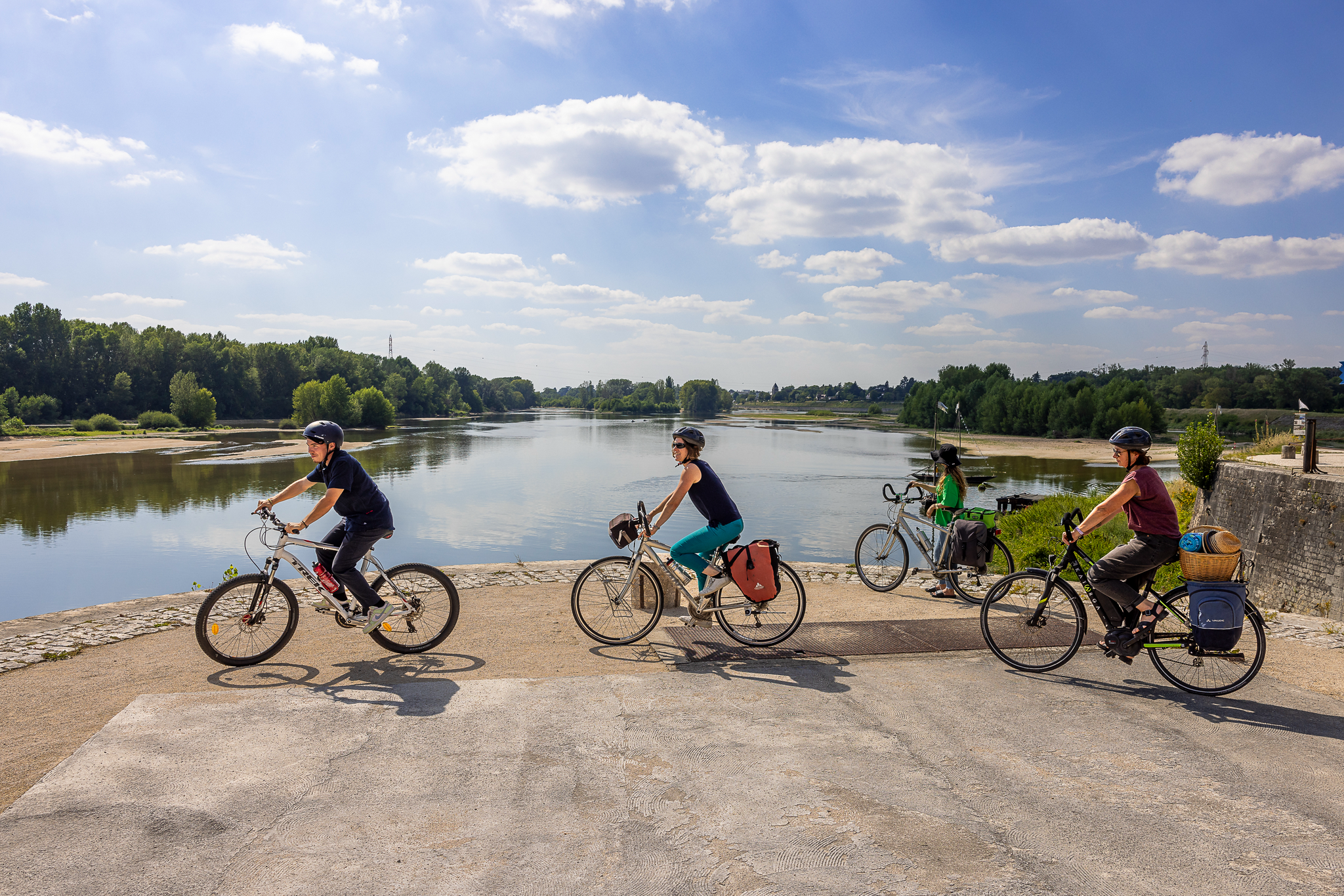
The most beautiful cycling routes in the Loire Valley
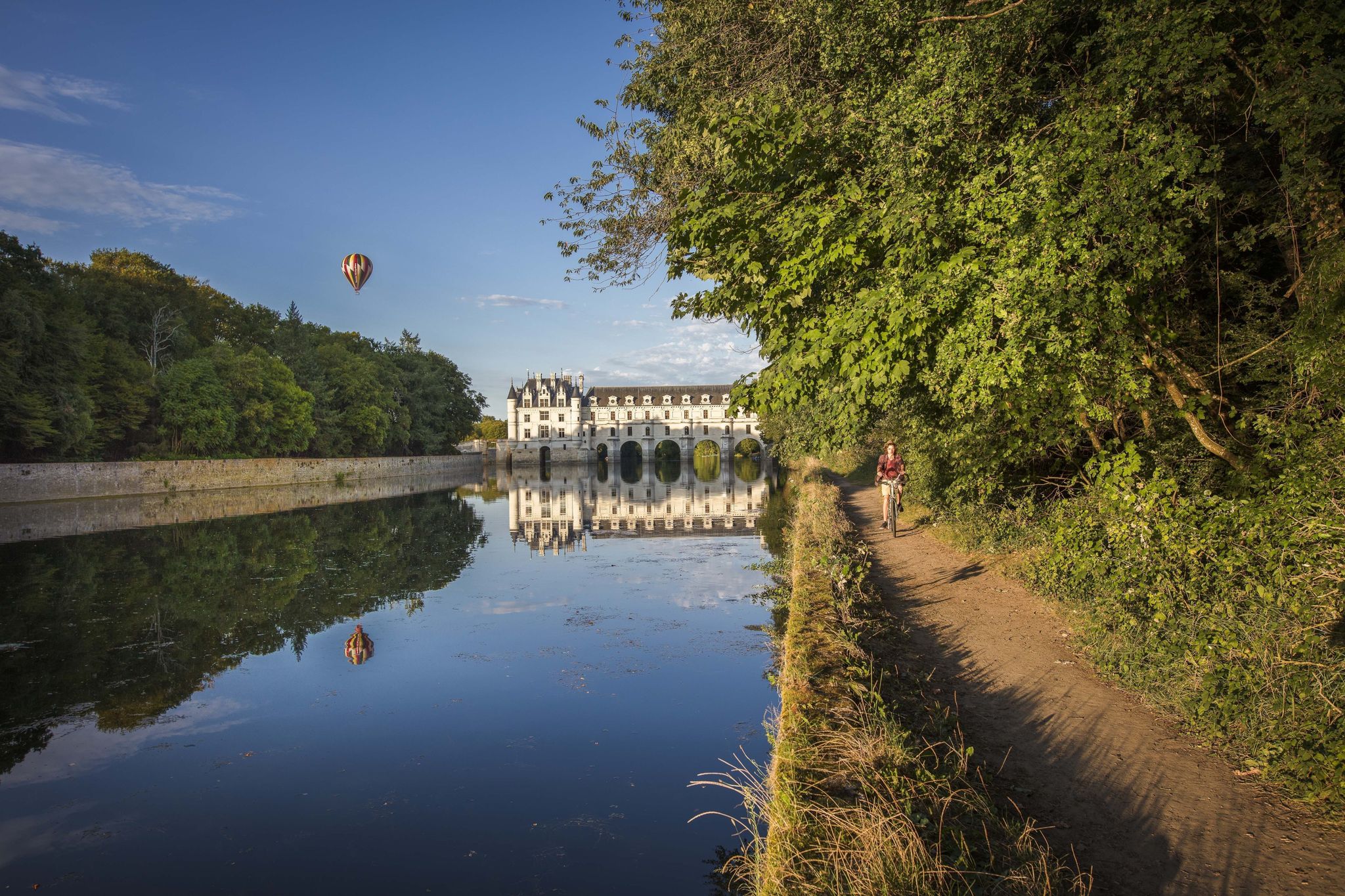
The Loire Valley – escape to the great outdoors
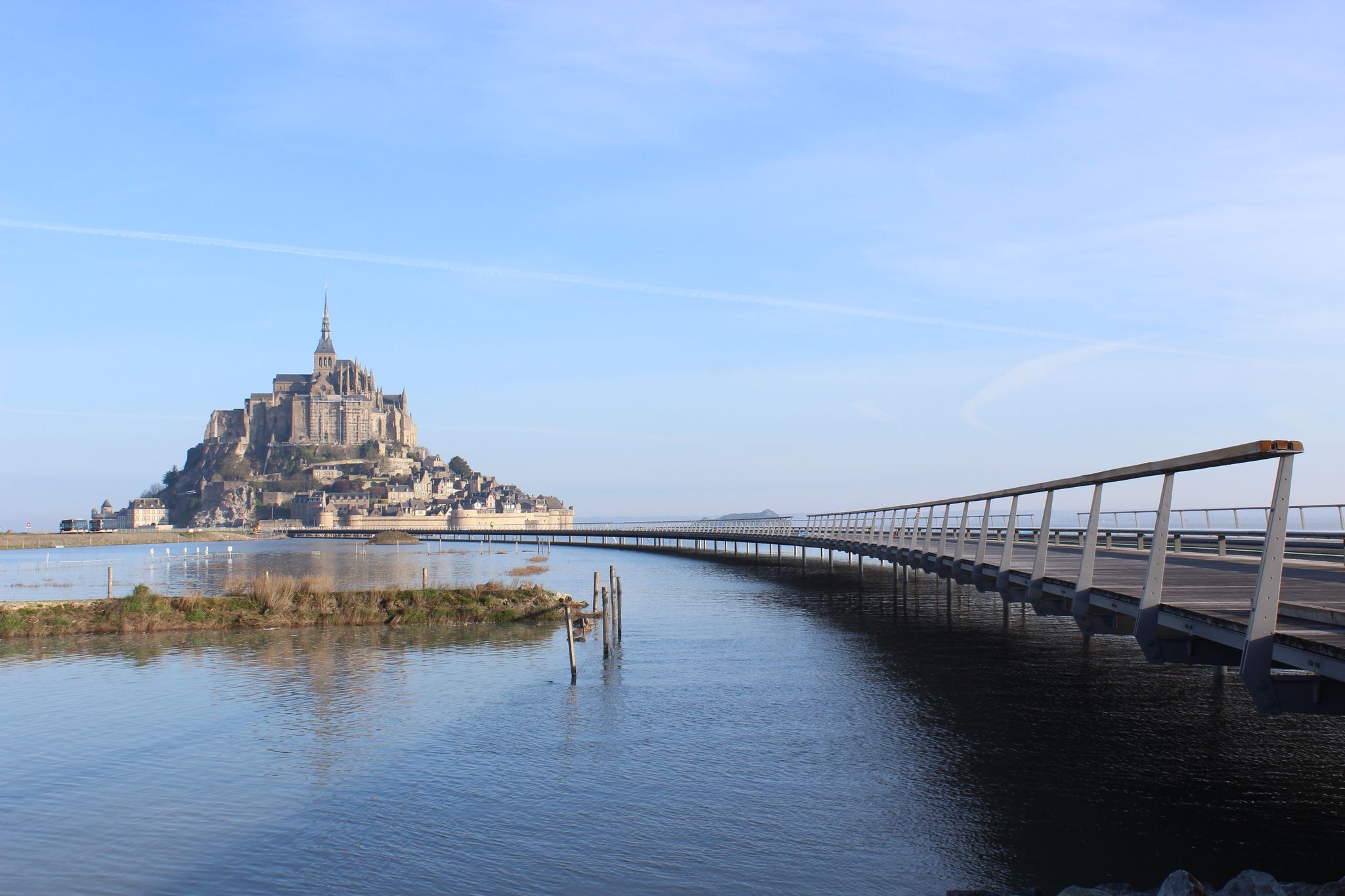
From Paris to Mont-Saint-Michel — La Véloscénie
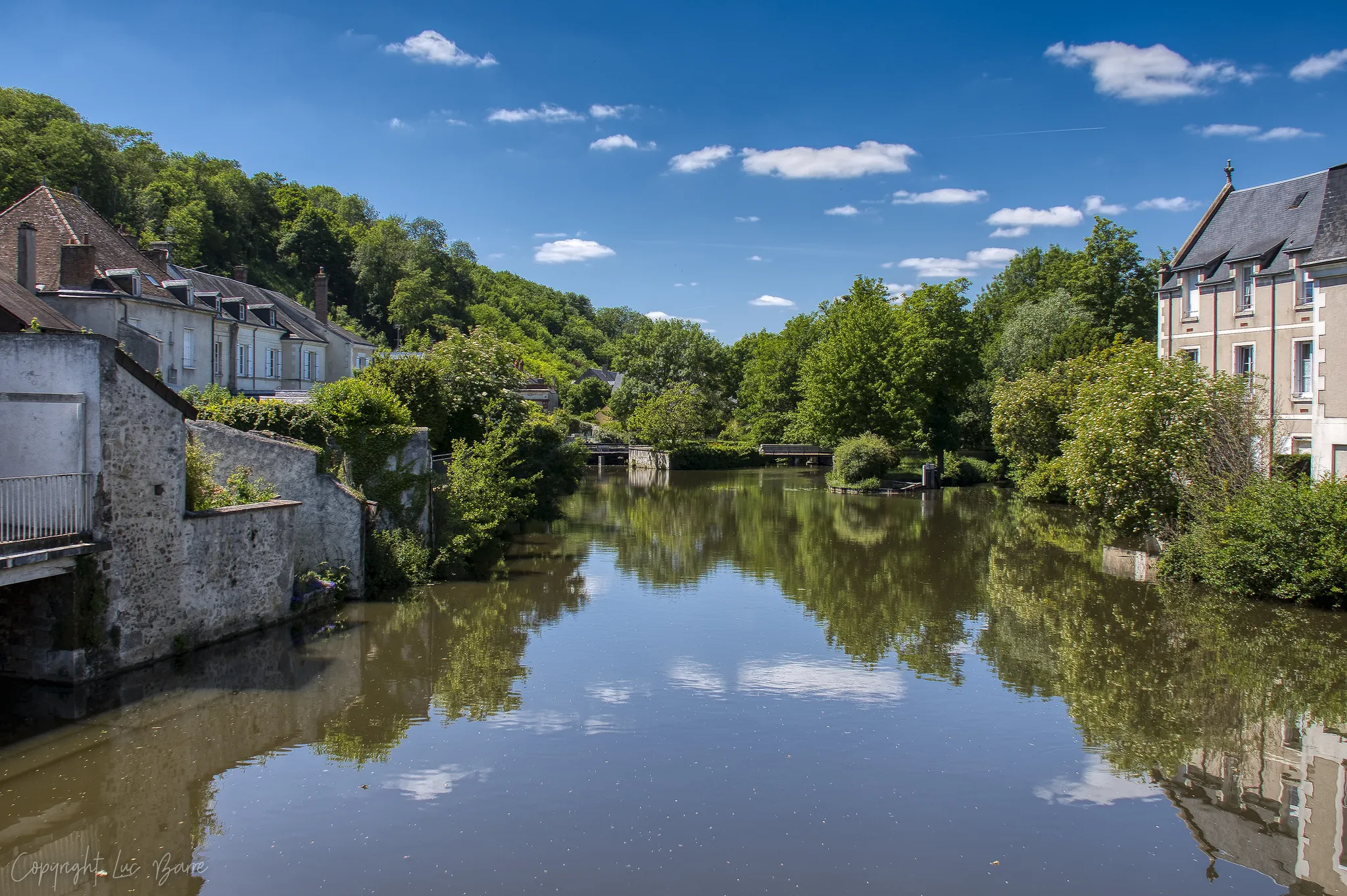
Castles, mills and masterpieces – Loire Valley by bike
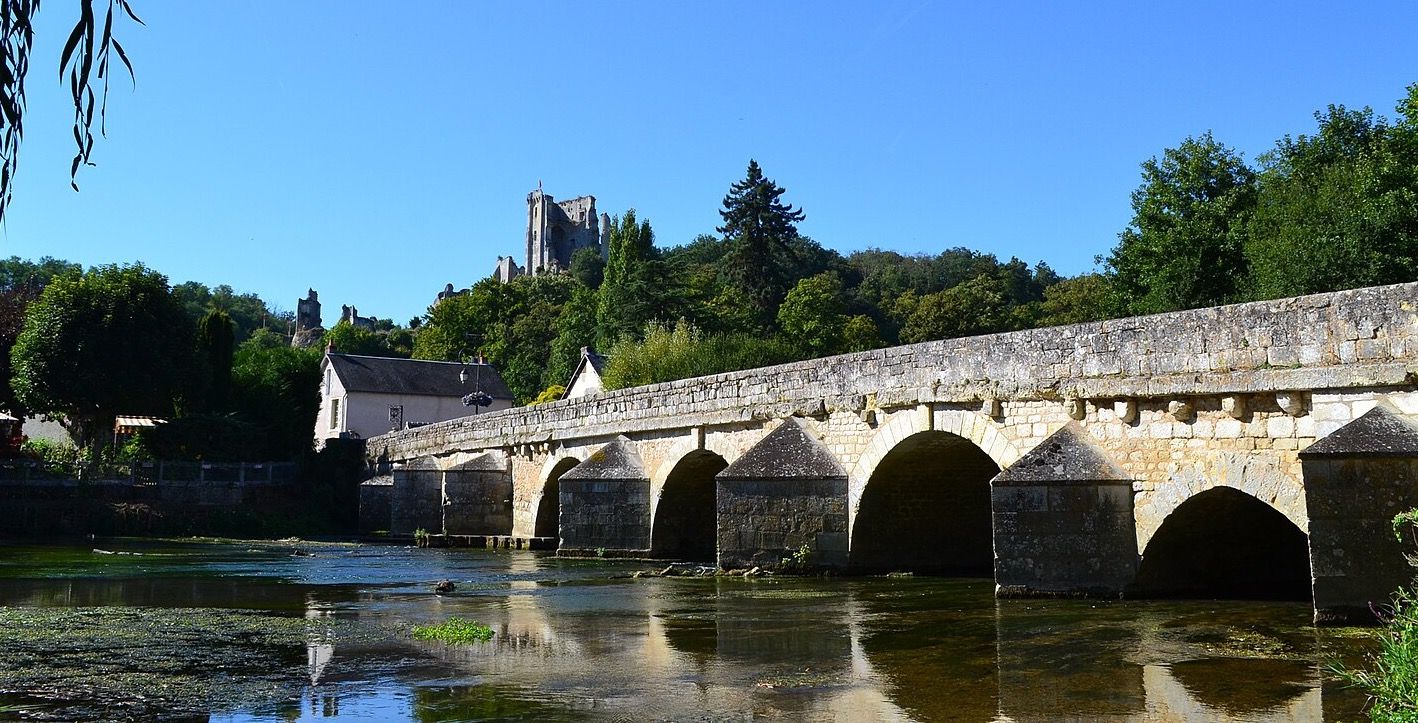
Pilgrimage from Rambouillet to Tours – Saint-Jacques by bike (V41)
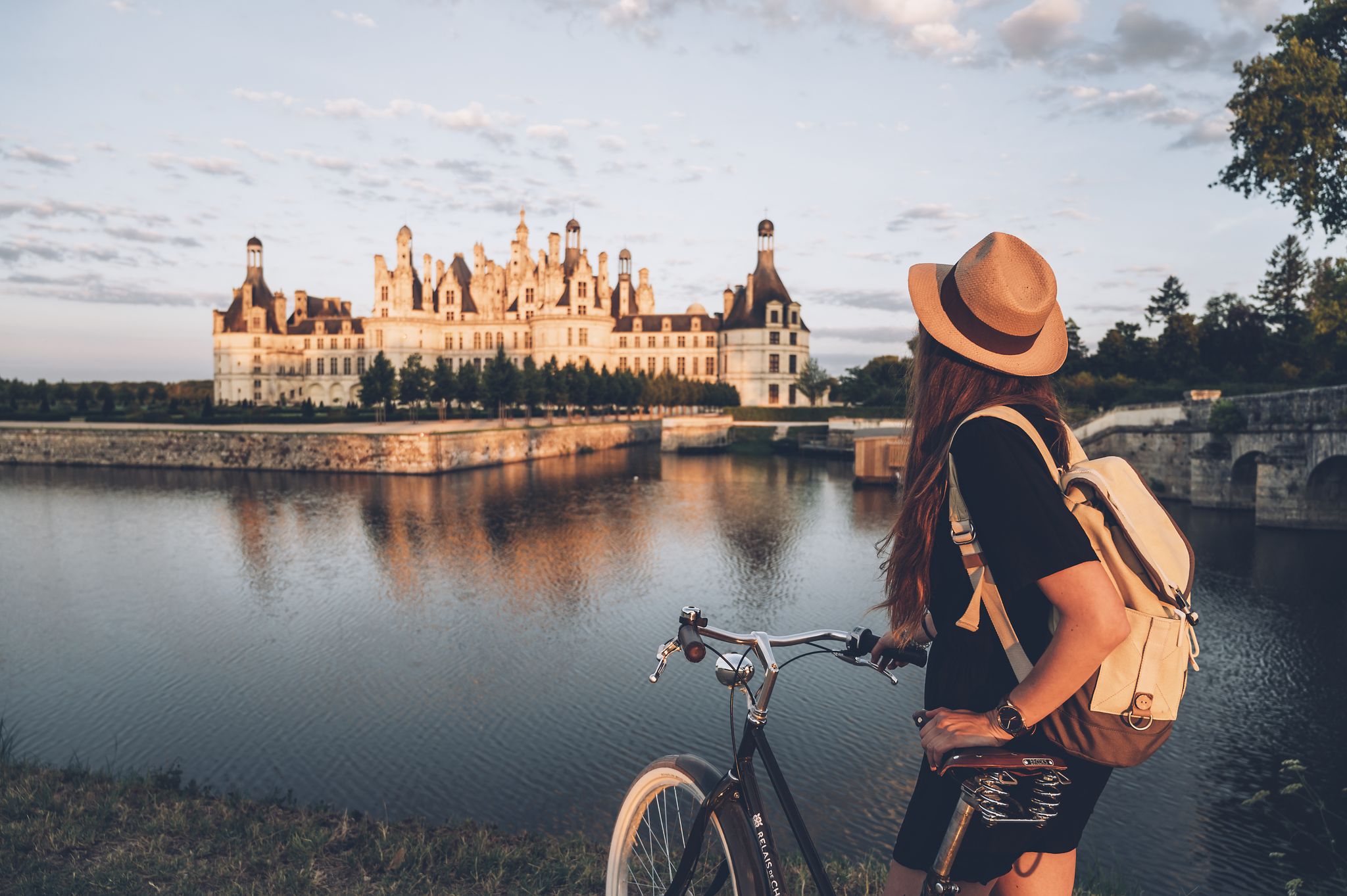
Nature and Culture — discover the Loire and its castles by bike
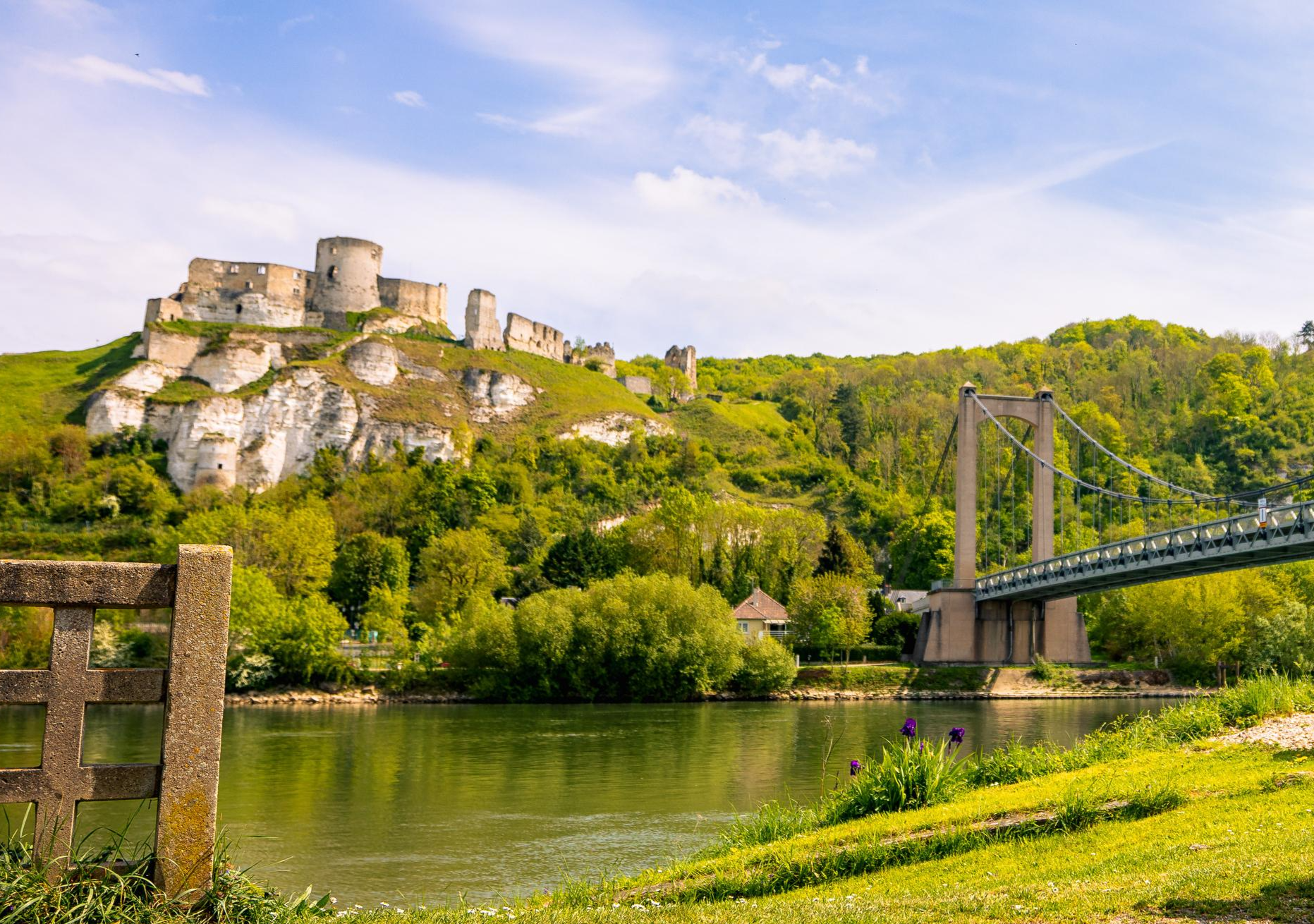
L’Eure nature — Itinérances à vélo en Normandie
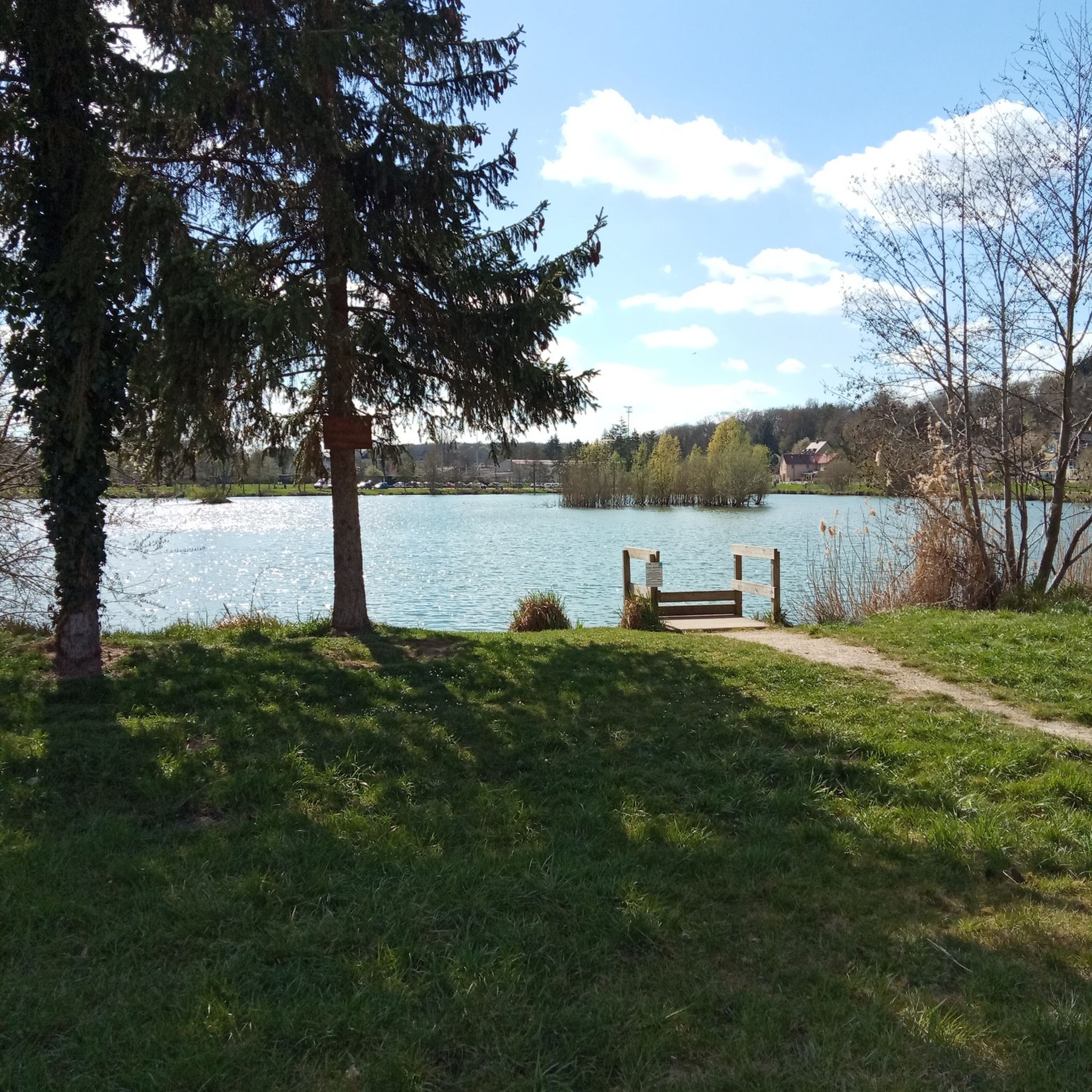
Hiking around Chartres
Road Cycling Routes around Chartres
Cycling around Chartres
Other adventures around Chartres


Tips from the Community

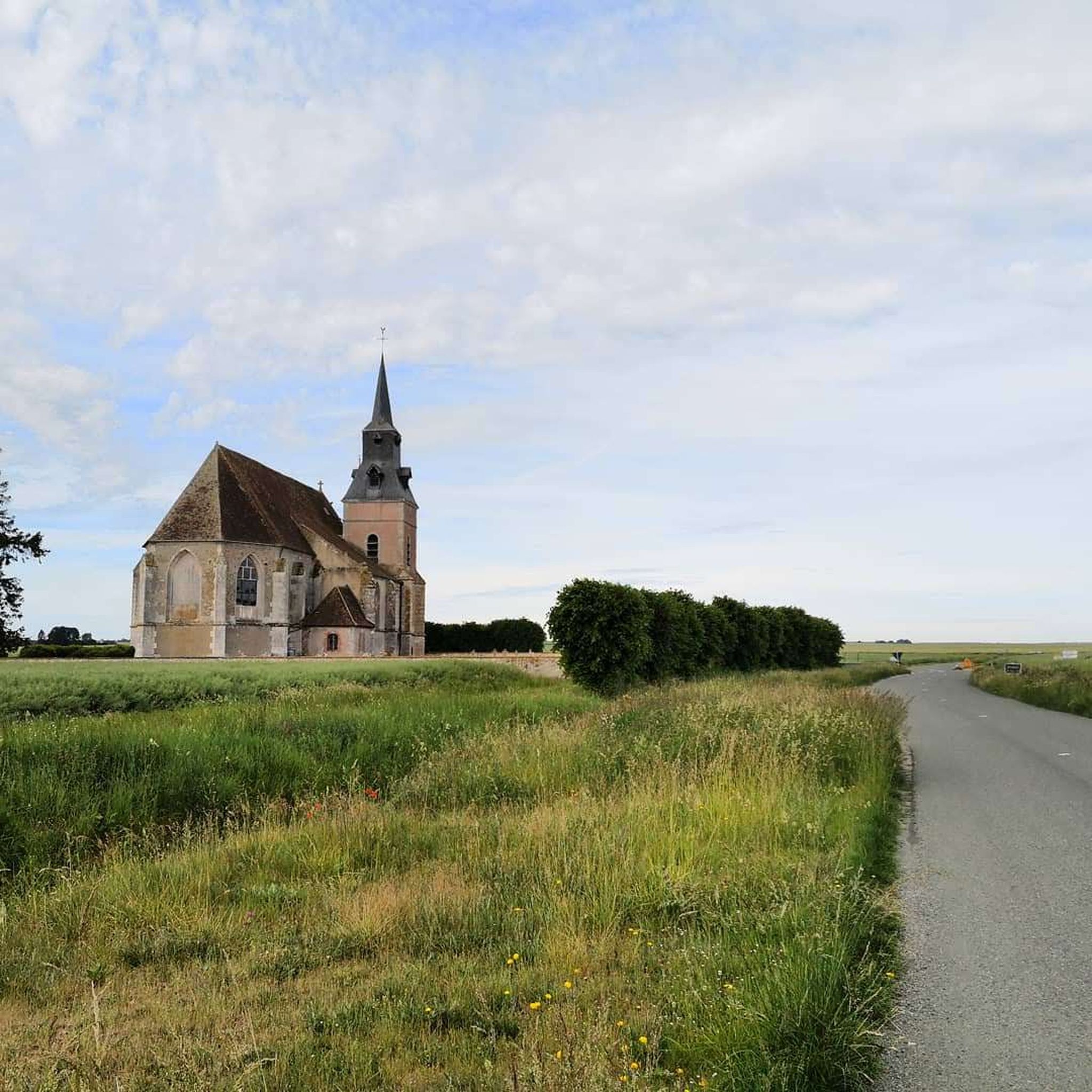
According to tradition, the church choir covers the remains of an older building, possibly dating back to the 6th century, which was built to house the saint's body. According to current knowledge, the commune of Saint-Piat (Sanctus Piatus in Latin) officially appeared in 1087, mentioned in a charter of the Nottonville Priory (Eure-et-Loir), on which it depended. The current building was rebuilt during the time of Francis I, as suggested by the date 1535 engraved on two buttresses of the apse and the date 1542 engraved on a piece of wood from the vault. This is according to a study by the SAEL (Eure-et-Loir Archaeological Society). The three-sided apses, the dripstone towers (horizontal members projecting from a wall), and the sculpted roof structures are a testament to the importance of the reconstructions carried out in the department during the 16th century. The church of Saint-Piat is one of them. While the church has not been officially recognized, it nevertheless contains objects that have attracted attention both for their antiquity and quality, but not always for good reason. Their artistic value, far from attracting only religious or aesthetic interest, has also aroused a covetousness that, unfortunately, remains for some of them. Fortunately, those still in place are carefully cared for and offer the curious a story to discover, a beauty to slowly ponder as they progress toward the choir.
0
0

This beautiful ensemble of buildings from the 15th, 17th, and 18th centuries is a listed historic monument. In the reception rooms and noble spaces such as the vestibule, the Italian Hall, and the chapel, you will discover collections of paintings, sculptures, objets d'art, and ethnographic objects spanning the period from the 13th to the 20th centuries. Stroll through the works of Léonard Limosin, Teniers, Zurbaran, Rigaud, Fragonard, Chardin, Préault, Corot, Vlaminck, Soutine, and Henri Navarra.
0
0

According to biblical accounts, the apostle "Saint Jacques" was the first person to be executed for his faith, as recorded in the Acts of the Apostles, making him an early martyr (blood witness) of Christianity. His tomb in the town named after him, "Santiago de Compostela" (Galicia, Spain), is one of the most famous and important pilgrimage destinations in the world and is often ranked third after Jerusalem and Rome. Yesterday (July 25) was his feast day in the calendar of saints. When this date falls on a Sunday (this was last the case in 2021), the Catholic Church celebrates a special "Holy Year" there (extended by Pope Francis until 2022 due to the coronavirus pandemic).
0
0

The current remains are those of the 15th-century gate and its barbican or artillery boulevard. The earliest remains on the site date back to the 1st century, with the remains of an ancient domus, a street, and its wooden gutter. The first Guillaume Gate was built around 1185; a wall can still be seen a little further along Rue de la Porte Guillaume. Source: https://journals.openedition.org/cem/14214?lang=en
0
0

The place to take a break in Illiers-Combray.
0
0

Very pretty market place day and night.
0
0

Very beautiful church from the 15th century with a painted wooden beam ceiling.
0
0

Frequently Asked Questions
What historical sites can I explore in Chartres beyond the cathedral?
Beyond the iconic Chartres Cathedral, the city's rich history is evident in its medieval streets. Wander through the Vieux Quartier (Old Town) with its charming squares and half-timbered houses, particularly along Rue Chantault and Rue du Bourg. Other notable historical churches include Église Saint-Pierre de Chartres, Église Saint-Aignan, and Collégiale St-André. Don't miss the 16th-century Clock Gate (Porte d'Horloge) or the 13th-century Maison Canoniale.
Where can I learn more about the famous stained glass of Chartres?
Chartres is renowned as the capital of stained glass. While the Chartres Cathedral itself is a primary example with its remarkably preserved windows, you can delve deeper into the art form at the Centre International du Vitrail (International Stained Glass Center). Housed in medieval cellars, it offers insights into the history, techniques, and magnificent works of stained glass.
Are there any art museums in Chartres?
Yes, the Musée des Beaux-Arts de Chartres (Museum of Fine Arts) is located in the former Bishop's Palace. It features an impressive collection of paintings, sculptures, and artifacts spanning from the Middle Ages to the 20th century, including works by French masters and religious art.
What unique attractions are there in Chartres?
For a truly unique experience, visit Maison Picassiette. This extraordinary example of outsider art features a house and garden entirely covered in intricate mosaics made from millions of pieces of broken crockery, glass, and pottery by local resident Raymond Isidore. It's considered the second most visited attraction after the cathedral.
What natural features can I enjoy in Chartres?
The picturesque River Eure winds through Chartres, offering peaceful walking paths along its banks. You can discover historic mills, charming bridges, and ancient washhouses. The Les Jardins de l'Évêché (Bishop's Gardens/Park), located behind the cathedral, also provide lovely green spaces and views of the town.
Are there family-friendly activities or attractions in Chartres?
Yes, Chartres offers several family-friendly options. The L'Odyssée aquatic complex and ice rink is France's largest aquatic complex, featuring various pools and slides, alongside an ice rink. Many historical sites, including the Chartres Cathedral and the Vieux Quartier, are also suitable for families to explore. The River Eure paths are great for leisurely strolls.
What outdoor activities can I do near Chartres?
The area around Chartres offers various outdoor activities. You can find numerous routes for mountain biking, gravel biking, and hiking. For example, there are moderate MTB trails like 'The finish line in Chartres – Saint-Piat Mill loop' and 'Saint-Piat Mill – Old aqueduct loop'. Hiking options include 'Trajan's Column loop' and 'Château de Méréville loop'. You can explore more routes on the MTB Trails around Chartres, Waterfall hikes around Chartres, and Gravel biking around Chartres guide pages.
What is the best time to visit Chartres for special events?
From April to November, Chartres hosts Chartres en Lumières, a spectacular sound-and-light event that illuminates the city's landmarks, most notably the cathedral facade, with vibrant projections. This period offers a unique way to experience the city's architecture.
Are there any notable historical structures related to water in Chartres?
Yes, the city has several historical structures related to water. The Moulin et Pont Saint-Père is a historical watermill and bridge, classified as a historical monument, showcasing early engineering skills. The Saint-Piat Mill is another significant water-powered structure along the river.
What do visitors enjoy most about Chartres?
Visitors frequently praise Chartres for its rich history and stunning architecture, particularly the cathedral's grandeur and its stained glass. Many appreciate the peaceful atmosphere of the medieval streets and the scenic walks along the River Eure. The city's ability to preserve its past while offering a pleasant, human-scale experience is often highlighted.
Is there a place to experience local culture and markets?
Yes, you can visit the Vieux Quartier for its charming atmosphere and the Vegetable Market, which is a historical square and a great place to experience local life and find fresh produce.
Are there any châteaux or castles near Chartres worth visiting?
Approximately 20 km north of Chartres, you can visit Château de Maintenon. This historic château, which began as a medieval fortress, was later transformed into an opulent residence and is notably associated with Madame de Maintenon, King Louis XIV's secret wife. Its gardens are also illuminated during the summer.
Most popular routes around Chartres
Most popular attractions around Chartres

Get inspired with the komoot mobile app


Didn’t find what you were looking for?
Are you keen on exploring more awesome places nearby? Browse our guides:
Explore more
Still not found the Highlight you’re looking for? See guides of the top attractions in other regions:
