Top 20 Castles around Blois
Best castles around Blois are found in the Loire Valley, a region known for its historical significance and diverse architecture. The area features a collection of châteaux, each reflecting different periods of French history. These structures are situated amidst the natural landscape of the Loire River, offering a blend of cultural and geographical interest. The region serves as a central point for exploring centuries of architectural evolution.
Best castles around Blois
- The most popular castles is Chambord Castle, a…
Last updated: August 3, 2026
Chambord Castle
Highlight • Castle
Translated by Google •
Tip by

Cheverny Castle
Highlight • Castle
Listed as historical monuments since 1926, it is open to the public. More information on: chateau-cheverny.fr.
Translated by Google •
Tip by

Sign up now to discover places like this
Get recommendations on the best single tracks, peaks, & plenty of other exciting outdoor places.
Sign up for free
Château de Chaumont-sur-Loire
Highlight • Castle
Translated by Google •
Tip by

Chambord Castle
Highlight • Monument
The Domaine national …
Translated by Google •
Tip by

Chaumont-sur-Loire Castle
Highlight • Castle
The castle …
Translated by Google •
Tip by
Château de Chissay
Highlight • Castle
Translated by Google •
Tip by

Blois Castle
Highlight • Castle
Translated by Google •
Tip by

Fougères-sur-Bièvre Castle
Highlight • Castle
Of Gothic architecture, it was classified as a historical monument in 1912. It is currently …
Translated by Google •
Tip by
Montrichard Fortress
Highlight • Castle
During this loop through Montrichard Val de Cher, you'll climb to the ruins of the Château de Montrichard. With views over …
Translated by Google •
Tip by

Beauregard Castle
Highlight • Castle
Translated by Google •
Tip by
Sign up for free to discover even more castles around Blois.
Sign up for free
Already have an account?
Start today with a free account
Your next adventure awaits.
Login or Signup
Popular around Blois
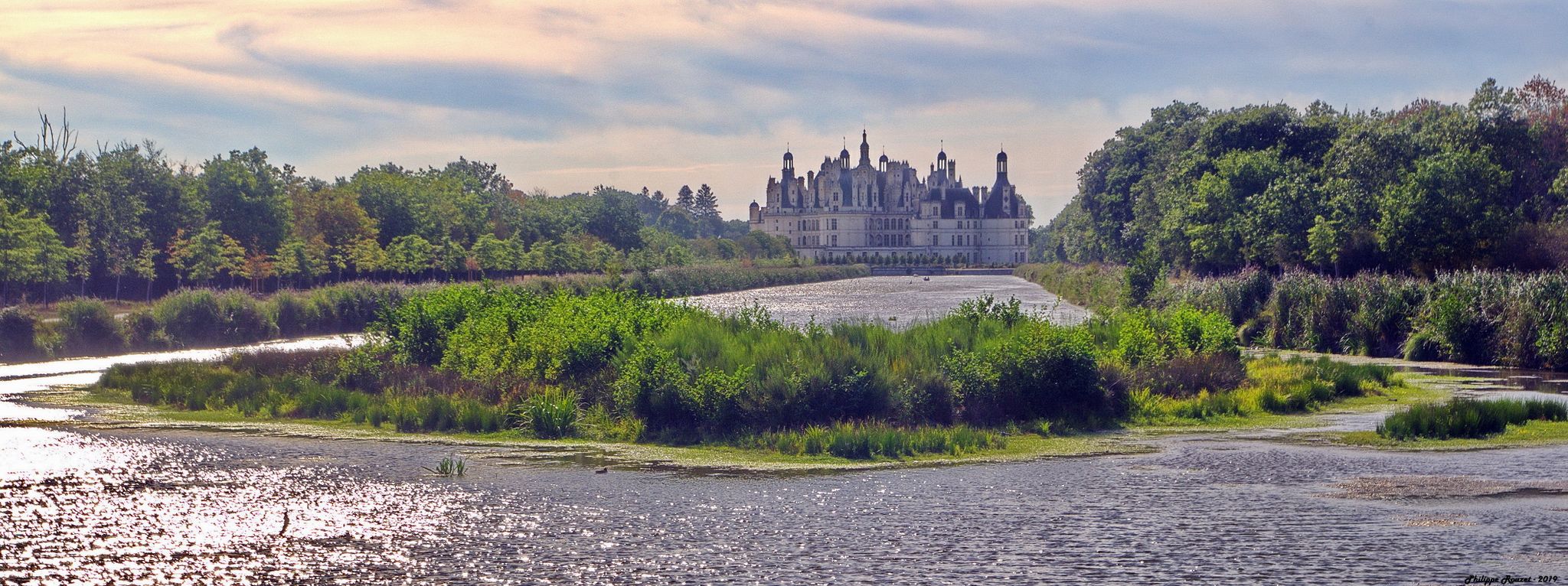
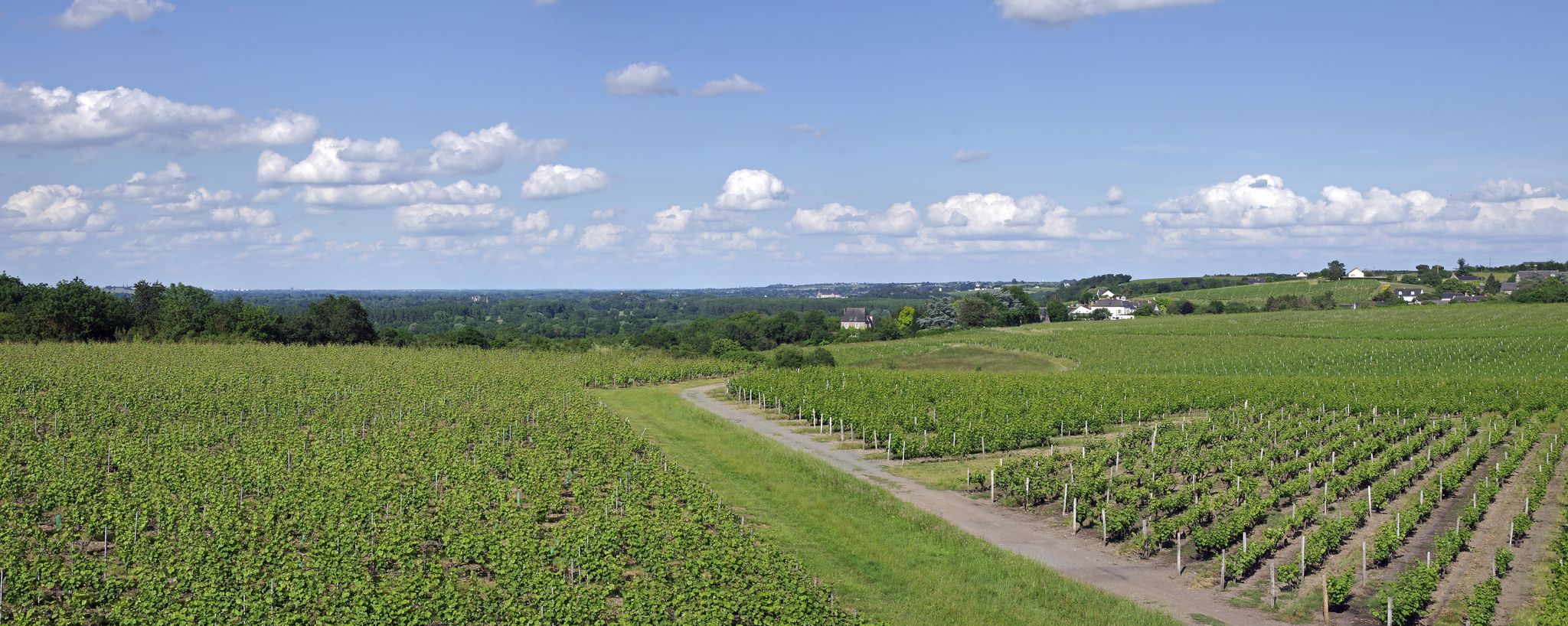
From one castle to another – the Loire to the Cher Valley
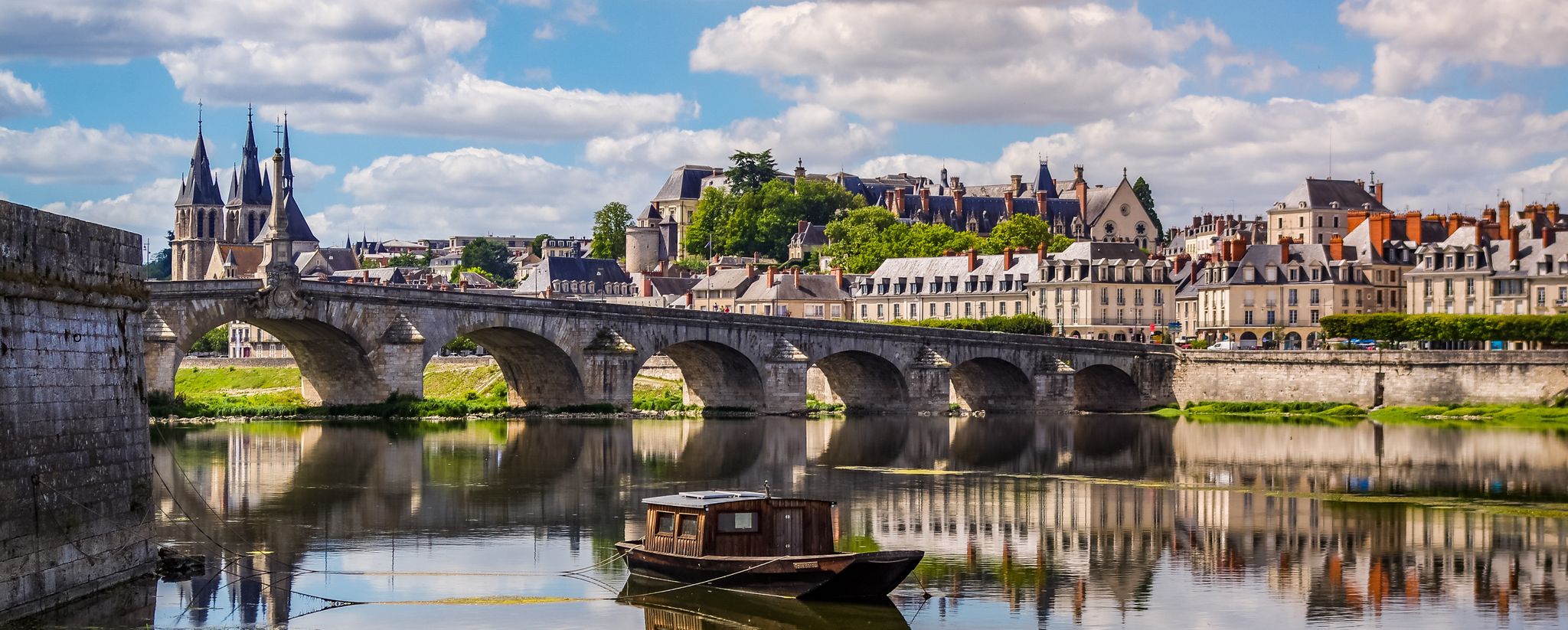
EuroVelo 3 – A cycling pilgrimage from Norway to France
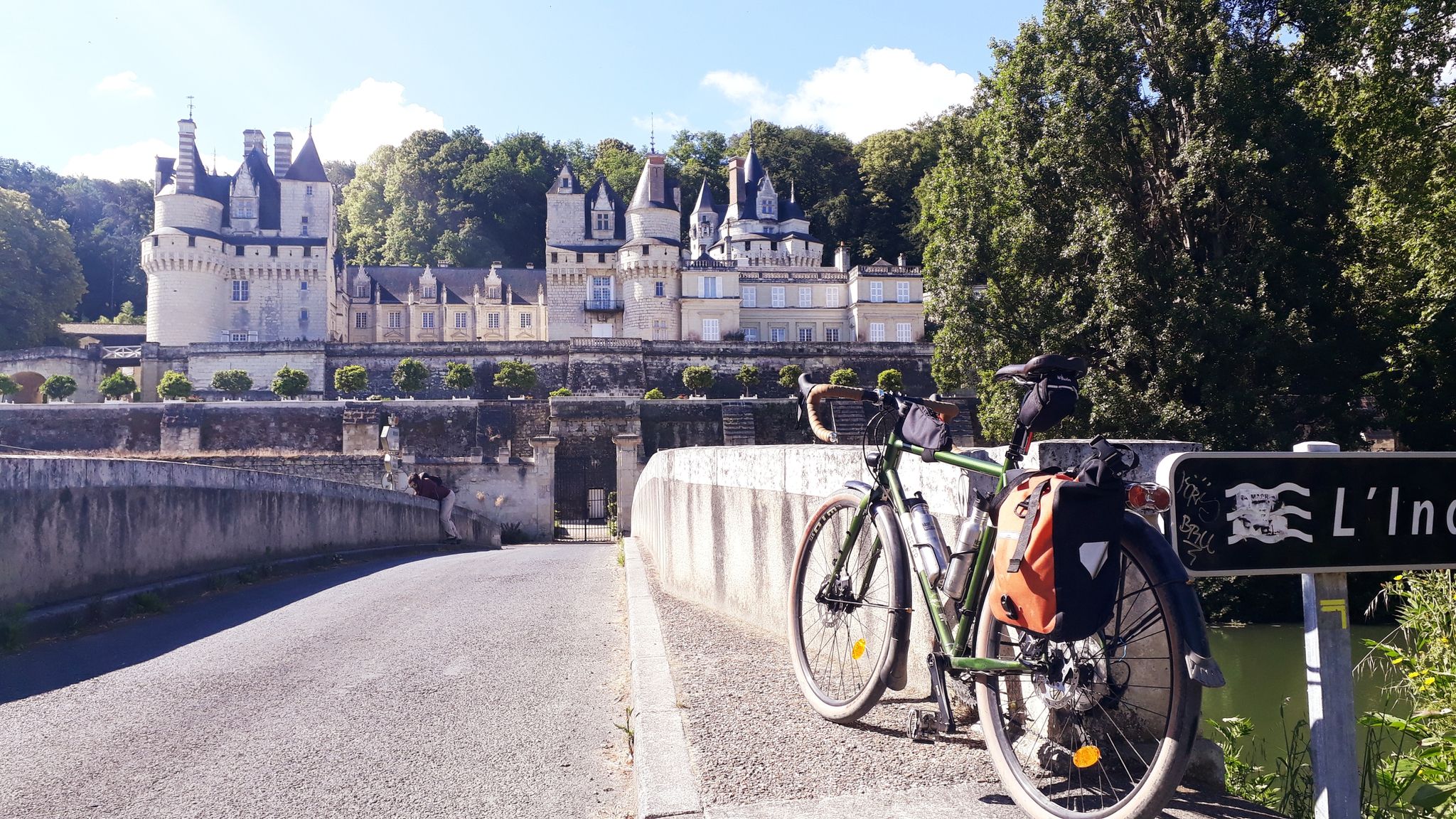
La Loire à vélo – Between nature and castles
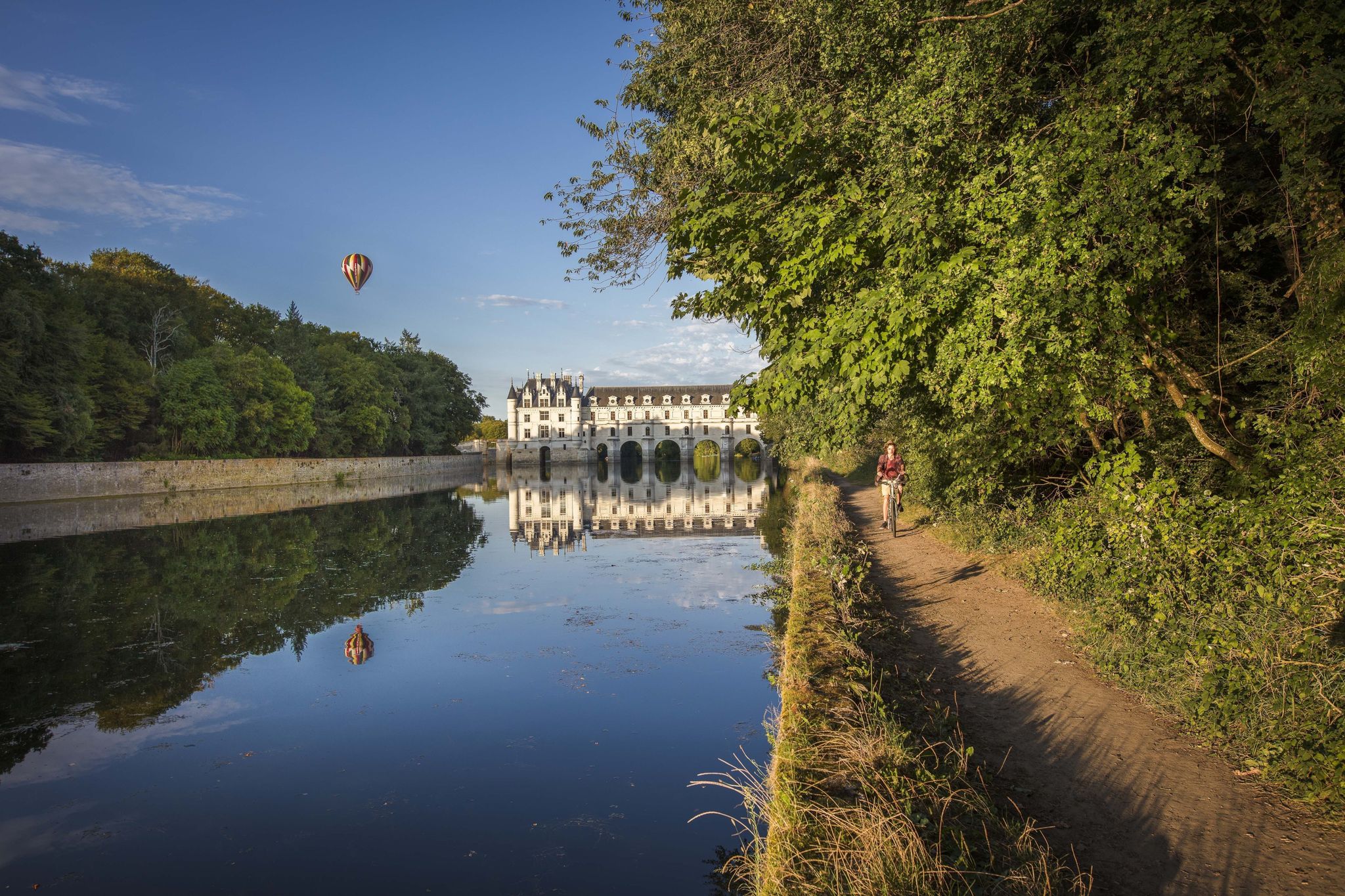
The Loire Valley – escape to the great outdoors
The Loire from ocean to source – GR 3 between Tours and Orléans
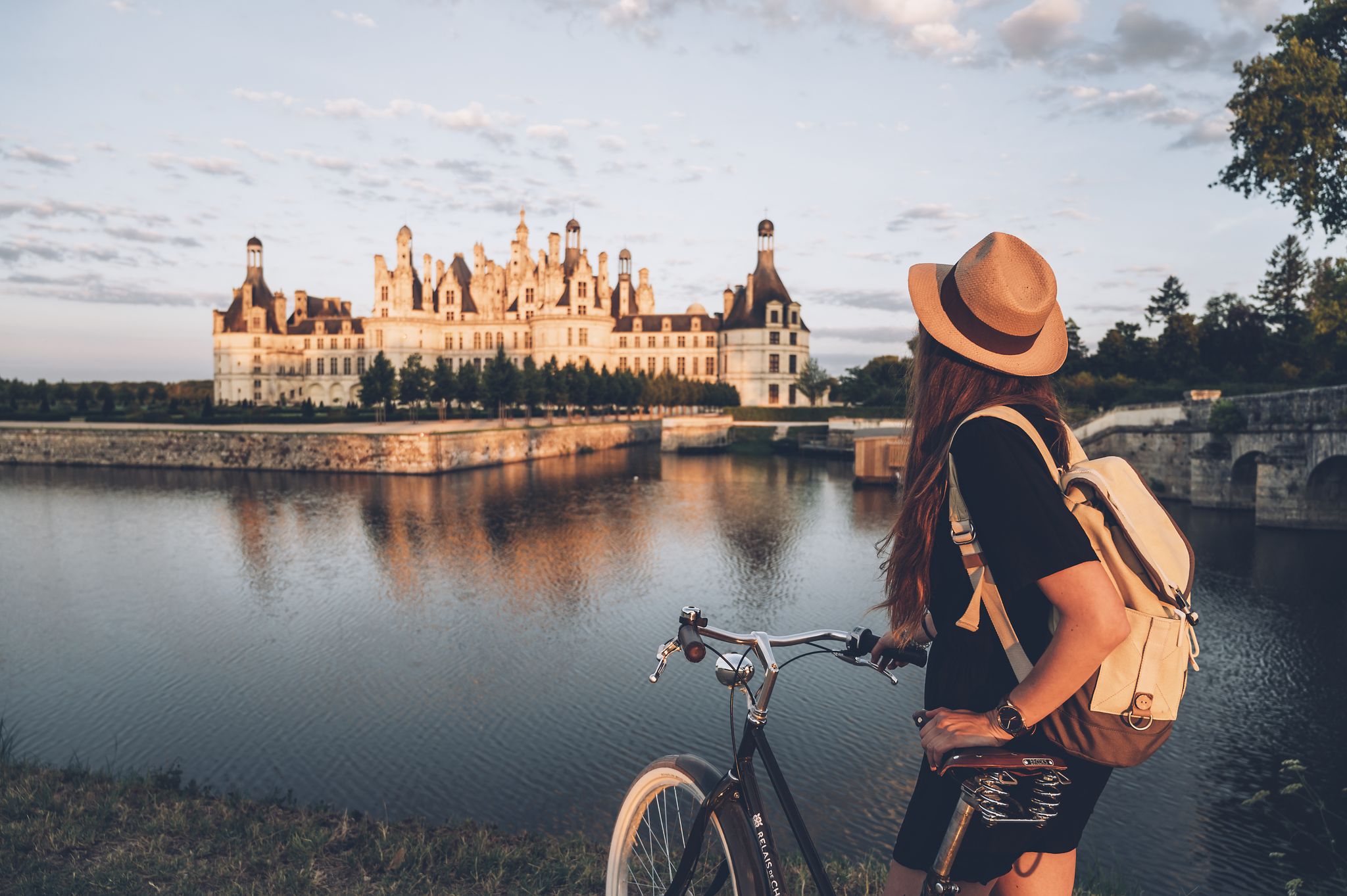
Nature and Culture — discover the Loire and its castles by bike
Hiking around Blois
Cycling around Blois
Road Cycling Routes around Blois
Running Trails around Blois
Other adventures around Blois


Tips from the Community

Small castle with few visitors and picnic area in the garden
0
0

A tower that was deliberately sawn off. Yes, really. During this loop through Montrichard Val de Cher, you'll climb to the ruins of the Château de Montrichard. With views over the Cher, it's as if you were ruling the region yourself. Only... that keep didn't collapse. It was deliberately lowered by Henry IV. Impressive. A magnificent view.
3
0

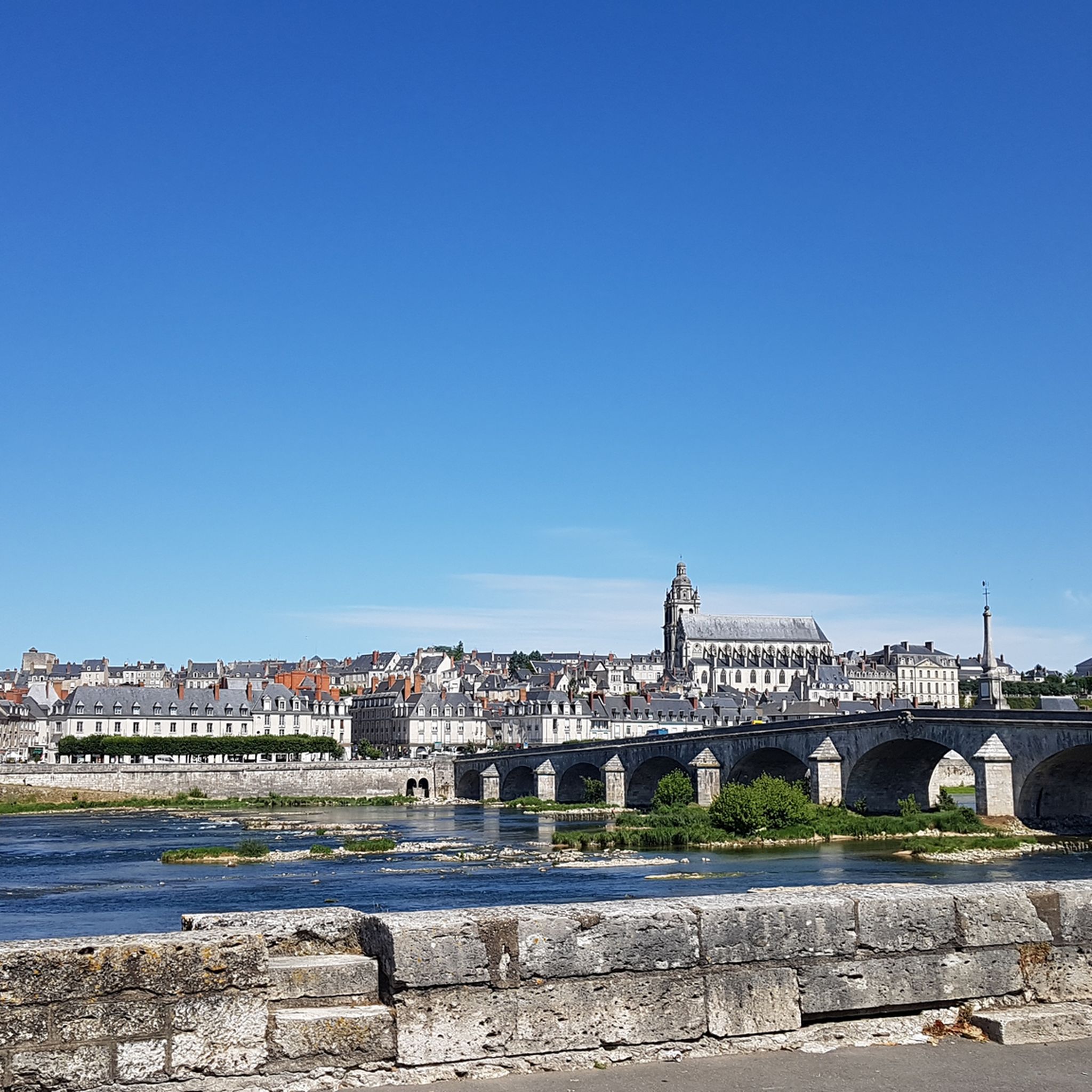
The Royal Château of Blois was the residence of queens, kings, and princes for more than four centuries. It was the preferred residence of Duke Charles of Orléans, the birthplace of Louis XII, who lived here with his wife Anne of Brittany, the first building constructed by the king and architect Francis I, the deathbed of Catherine de' Medici, and the home of Marie de' Medici in exile.
1
0

Today the chateau functions as a hotel/restaurant – nice surroundings, good food, very friendly staff, and still at acceptable prices.
1
0

Small castle away from the crowds in a small sleepy town.
1
0

A worthwhile castle with its four construction periods. Make sure you take the time to visit.
1
0

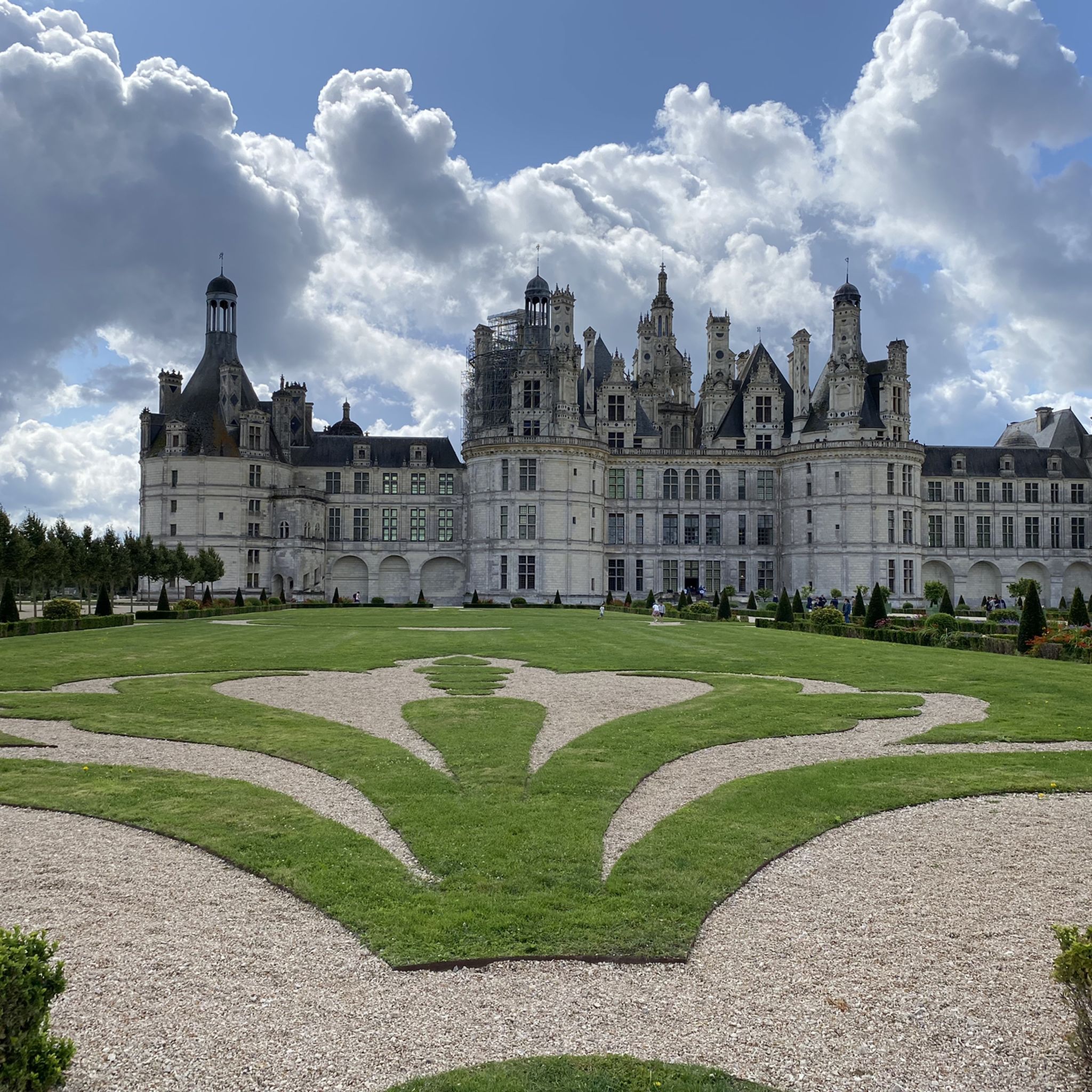
It is the largest Renaissance hunting lodge on the Loire. A visit is highly recommended. There is a paid parking lot. The park is 55 hectares in size. Chambord Castle impresses with its architecture, the beautifully furnished rooms and art. It is recommended to rent a Histopad for 6.5 euros. From the terrace you have great views of the landscaped garden and the extensive park.
1
0

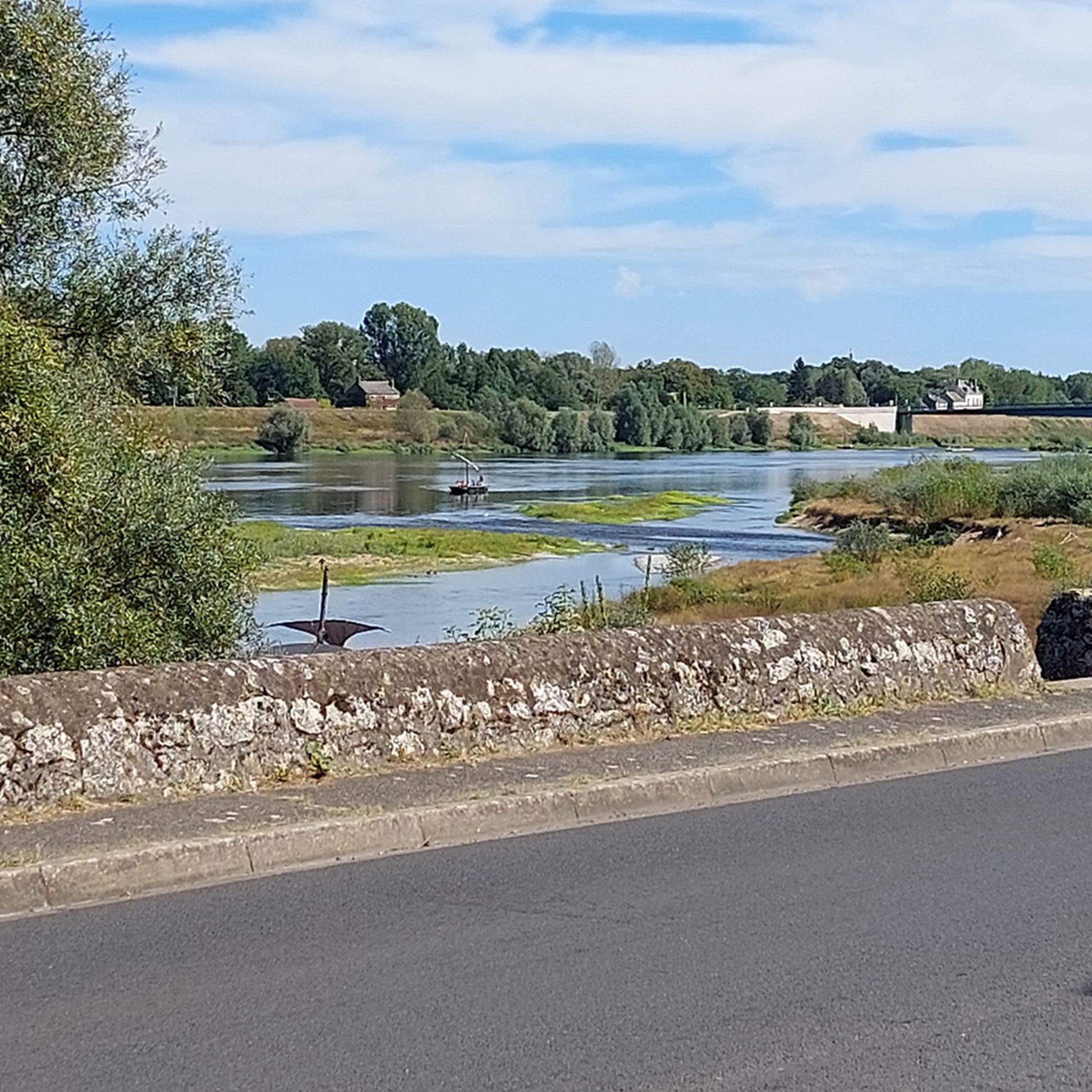
On the banks of the Loire the boats
1
0
Frequently Asked Questions
Which castles around Blois are particularly family-friendly?
Several castles near Blois offer a great experience for families. Chambord Castle, the largest of the Loire Valley castles, is a popular choice with its vast park. Cheverny Castle is famous for inspiring Marlinspike Hall in Tintin, and features a permanent interactive Tintin exhibition, making it very appealing for children. Chaumont-sur-Loire Castle also welcomes families, especially with its annual International Garden Festival which can be engaging for all ages.
What outdoor activities can I do near the castles around Blois?
The region around Blois offers numerous outdoor activities. You can find a variety of hiking trails, such as the 'Chambord Canal Promenade' or the 'Fountains Trail', which are easy and suitable for leisurely walks. For cycling enthusiasts, there are gravel biking routes like the 'Chambord Castle – Chambord Castle loop' or 'The Loire River – Port of Chaumont-sur-Loire loop'. Mountain biking trails are also available, including routes that offer views of Chambord Castle. You can explore more options in the easy hikes around Blois guide, gravel biking around Blois guide, and MTB Trails around Blois guide.
What is the best time of year to visit the castles around Blois?
The Loire Valley castles are beautiful year-round, but the best time to visit is generally from spring to early autumn (April to October). During these months, the weather is pleasant for exploring the castle grounds and gardens, and many châteaux, like Chambord Castle, have extended opening hours. The International Garden Festival at Chaumont-sur-Loire Castle is a major draw during the warmer months.
Can I visit the castles around Blois using public transport?
While some castles are accessible by public transport, it often requires planning. Blois Castle is located directly in the city center and easily reachable. For castles further afield, such as Chambord Castle, there are often shuttle services or local buses from Blois, especially during peak season. However, for maximum flexibility, driving or cycling is often recommended to explore multiple sites.
Are there any dog-friendly castles or hiking trails near Blois?
While most castle interiors do not permit dogs (except service animals), many castle grounds and parks are dog-friendly, often requiring dogs to be on a leash. The vast park surrounding Chambord Castle is a great place for walks with your dog. Additionally, many of the hiking trails around Blois, such as those found in the easy hikes around Blois guide, are suitable for dog walking.
What makes <a href="https://www.komoot.com/highlight/103912" target="_blank" rel="noopener">Chambord Castle</a> unique compared to other Loire Valley châteaux?
Chambord Castle stands out as the largest and most extravagant of the Loire Valley châteaux. Built by King Francis I as a hunting lodge, it features a unique double-helix staircase, possibly influenced by Leonardo da Vinci, allowing two people to ascend and descend without meeting. Its elaborate roofline, bristling with over 300 chimneys and turrets, is also iconic. It's a masterpiece of French Renaissance architecture set within a massive 52.5-square-kilometer park.
What historical periods are represented by the castles around Blois?
The castles around Blois showcase a rich tapestry of French history and architectural evolution, spanning from the Middle Ages to the 17th century. For example, Blois Castle itself features four distinct wings representing Gothic, Renaissance, and Classical styles. Chambord Castle is a prime example of the French Renaissance, while Cheverny Castle exemplifies the classical style of Louis XIII's era.
Are there any lesser-known or 'hidden gem' castles near Blois worth visiting?
Beyond the most famous châteaux, you can discover charming lesser-known castles. Fougères-sur-Bièvre Castle offers a glimpse into medieval fortress architecture. Gué-Péan Castle is a magnificent 16th and 17th-century Renaissance castle that is still inhabited and furnished, offering a more intimate experience. Château de Chissay, a former royal residence, is now a hotel/restaurant in a charming village with hiking trails nearby.
What are the parking options like at the major castles?
Most major castles, especially Chambord Castle, Cheverny Castle, and Chaumont-sur-Loire Castle, have designated parking areas for visitors, usually for a fee. It's advisable to arrive early during peak season to secure a spot. For Blois Castle, parking is available in the city center, often in underground garages.
What unique features does <a href="https://www.komoot.com/highlight/3291760" target="_blank" rel="noopener">Chaumont-sur-Loire Castle</a> offer?
Chaumont-sur-Loire Castle is notable for its commanding position overlooking the Loire River and its blend of Gothic and Renaissance architectural styles. It has a fascinating history, linked to powerful women like Catherine de Medici and Diane de Poitiers. A major draw is its annual International Garden Festival, where contemporary garden designers showcase their work, adding a unique artistic and horticultural dimension to the visit.
Can I find cafes or restaurants near the castles?
Yes, most popular castles have cafes, restaurants, or picnic areas on-site or very close by. Chambord Castle, for instance, offers a bistro. In Blois itself, there are numerous dining options. For those exploring by bike, many routes along the Loire à Vélo pass through villages with cafes and restaurants. Château de Chissay even functions as a hotel/restaurant.
What is special about <a href="https://www.komoot.com/highlight/150801" target="_blank" rel="noopener">Cheverny Castle</a>?
Cheverny Castle is unique for its remarkably well-preserved classical architecture and exquisite, richly furnished interiors. Unlike many other châteaux, it has been continuously inhabited by the same family for over six centuries, offering an authentic glimpse into aristocratic life. Its fame is also boosted by its role as the inspiration for Marlinspike Hall in Hergé's 'The Adventures of Tintin', complete with a permanent interactive exhibition.
Most popular routes around Blois
Most popular attractions around Blois

Get inspired with the komoot mobile app


Didn’t find what you were looking for?
Explore Blois’s best castles region by region:
Explore more
Looking for the best castles somewhere else? Discover other guides around Blois:
