Attractions and Places To See around Avesnes-Sur-Helpe - Top 20
Best attractions and places to see around Avesnes-Sur-Helpe include a historic town in the Nord department of France, offering cultural heritage and architectural landmarks. Situated within the Avesnois Regional Natural Park, the area features hedged farmland, forests, and streams, with the Helpe Majeure river flowing through the town. Its medieval origins and Vauban-fortified structures provide diverse opportunities for exploration.
Best attractions and places to see around Avesnes-Sur-Helpe
- The most popular attractions is Au Baron, a pub and brewery located…
Last updated: August 16, 2026
Grand Fayt Mill
Highlight • Monument
Translated by Google •
Tip by

Le Quesnoy Ramparts
Highlight • Other
Translated by Google •
Tip by

Sign up now to discover places like this
Get recommendations on the best single tracks, peaks, & plenty of other exciting outdoor places.
Sign up for free
Le Quesnoy
Highlight • Historical Site
Translated by Google •
Tip by

Voie verte de l'Avesnois
Highlight (Segment) • Other
Translated by Google •
Tip by

Church of Our Lady of the Assumption
Highlight • Religious Site
Translated by Google •
Tip by
Fort de Leveau
Highlight • Historical Site
Fort Leveau is one of six forts (Sarts, Boussois, Cerfontaine, Bourdiau, Hautmont and Leveau) built on the outskirts of Maubeuge to protect the border. It was built …
Translated by Google •
Tip by

Gussignies Castle
Highlight • Castle
Translated by Google •
Tip by
Château de Trélon
Highlight • Castle
Translated by Google •
Tip by
Au Baron
Highlight • Pub
Address: 2 Rue du Piedmont, 59570 Gussignies, France
Translated by Google •
Tip by
Belfry of Le Quesnoy
Highlight • Historical Site
Translated by Google •
Tip by
Sign up for free to discover even more attractions around Avesnes-Sur-Helpe.
Sign up for free
Already have an account?
Start today with a free account
Your next adventure awaits.
Login or Signup
Popular around Avesnes-Sur-Helpe
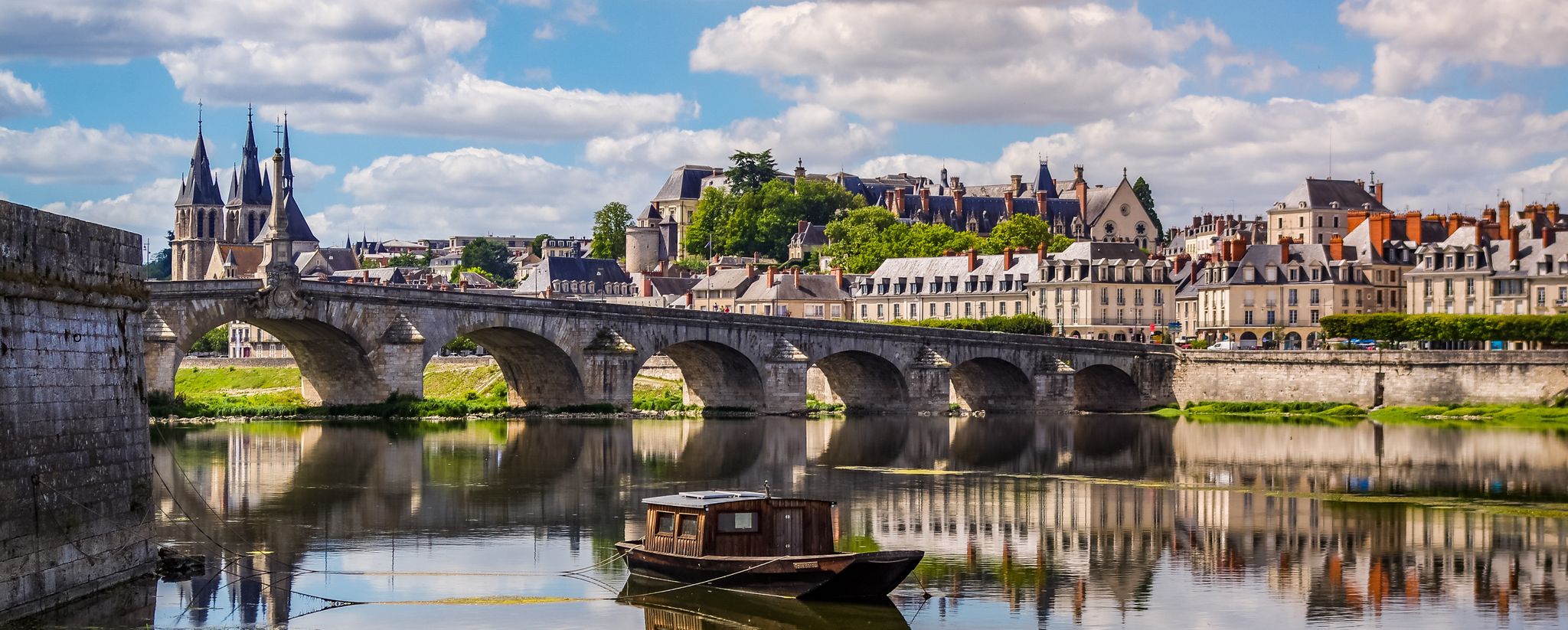
EuroVelo 3 – A cycling pilgrimage from Norway to France
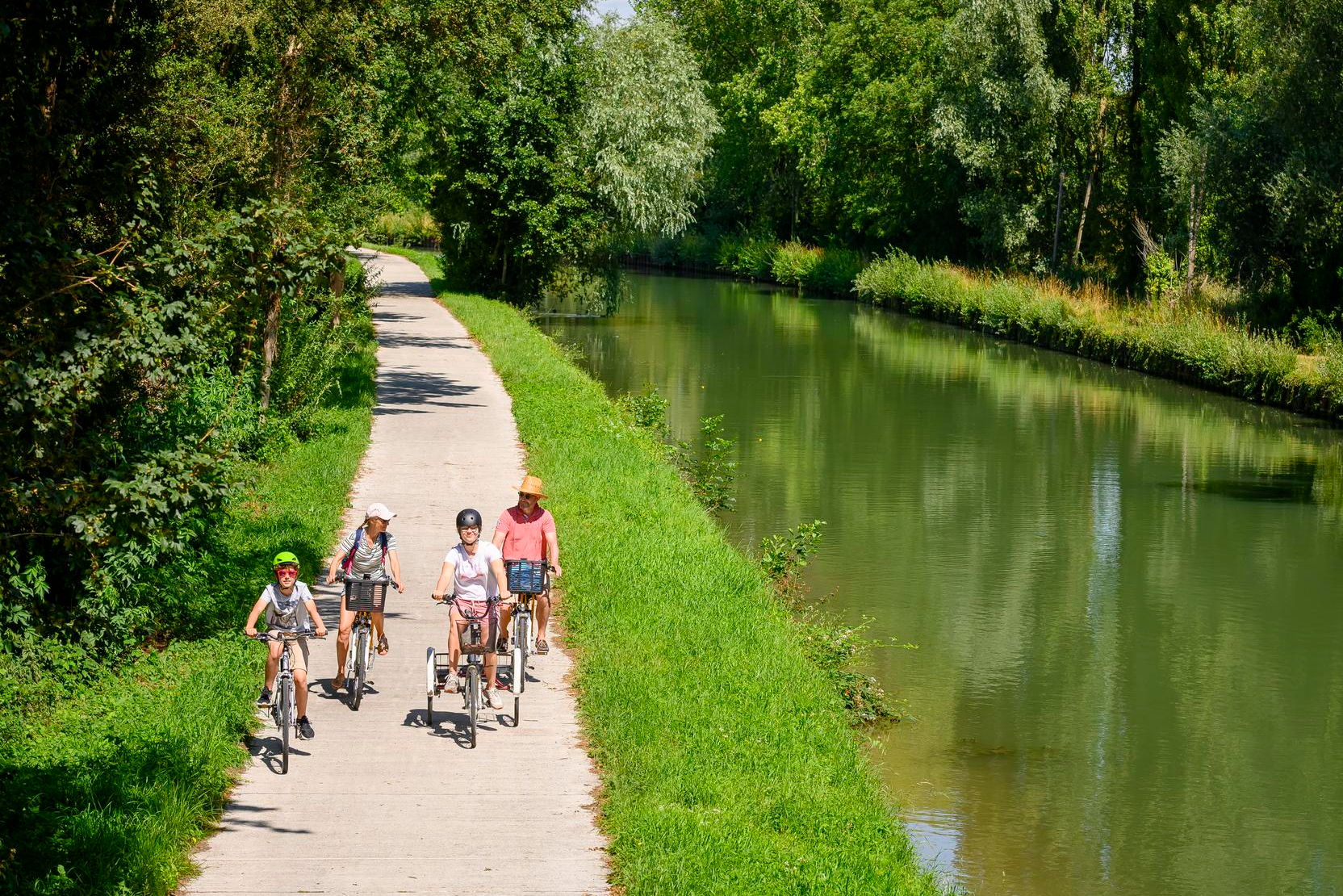
Cycling routes in Hauts-de-France for beginners and families
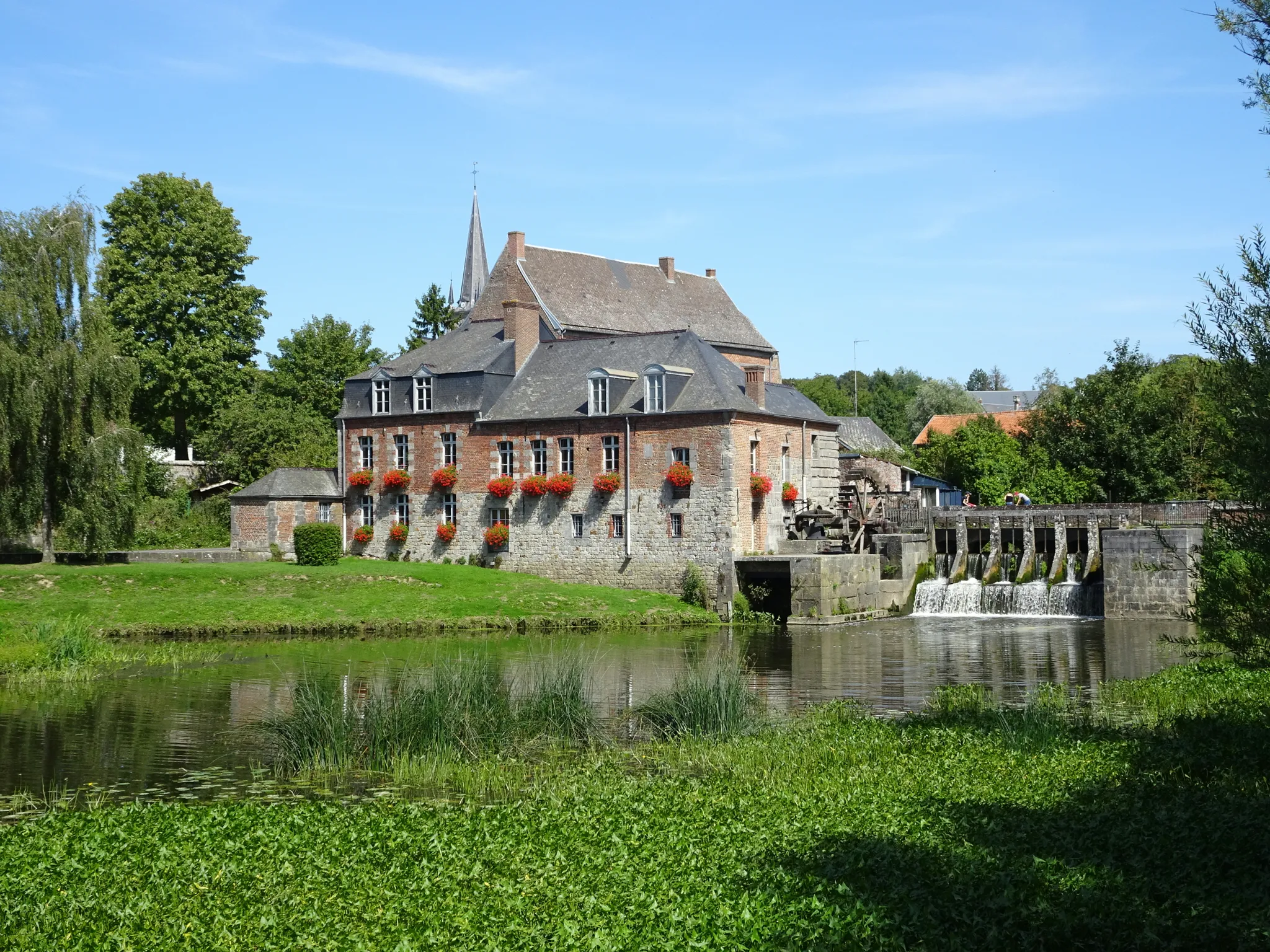
Countryside, cuisine and heritage – 4 bike Tours in the Avesnois
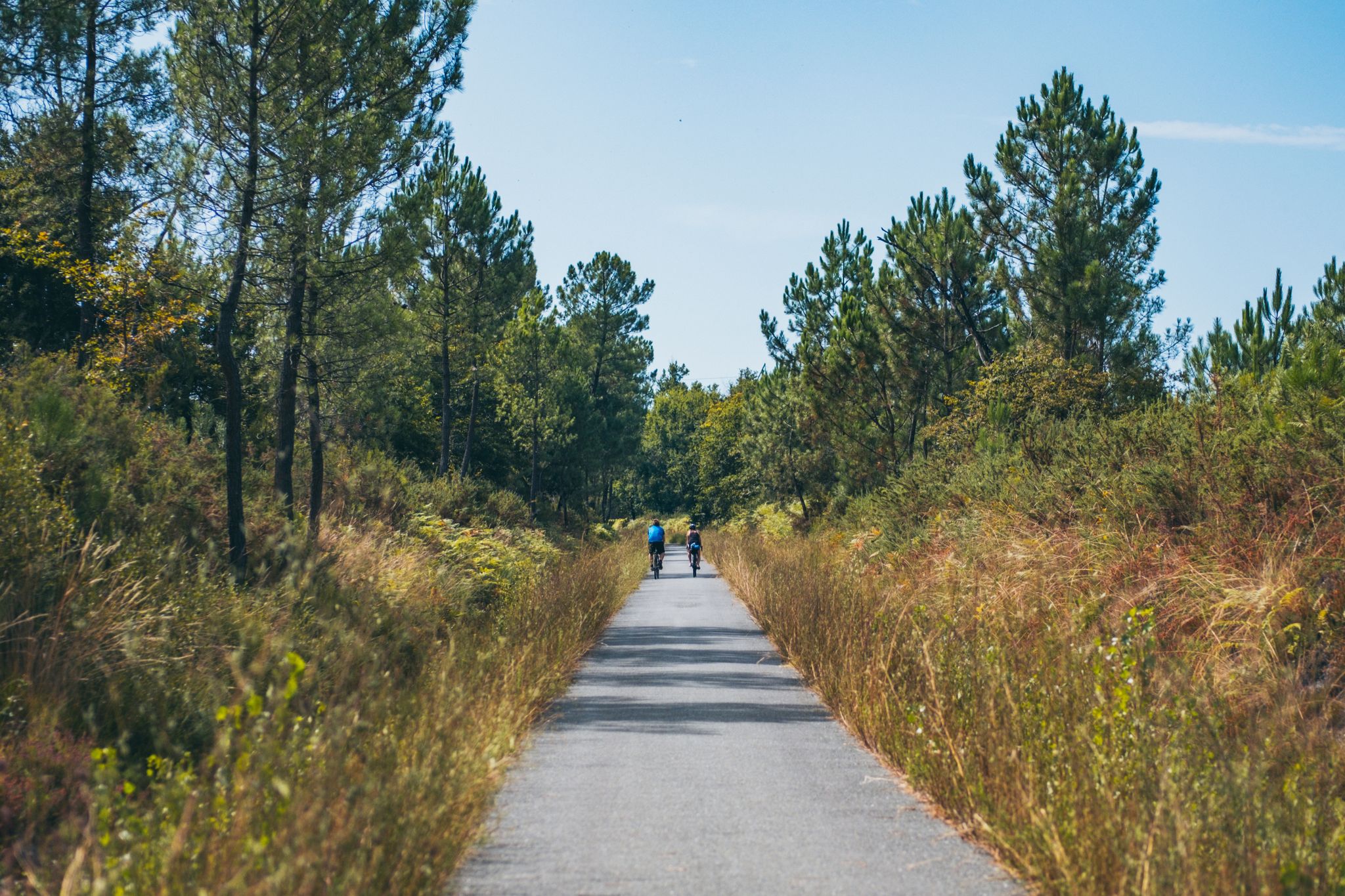
A cycling epic across France — La Scandibérique
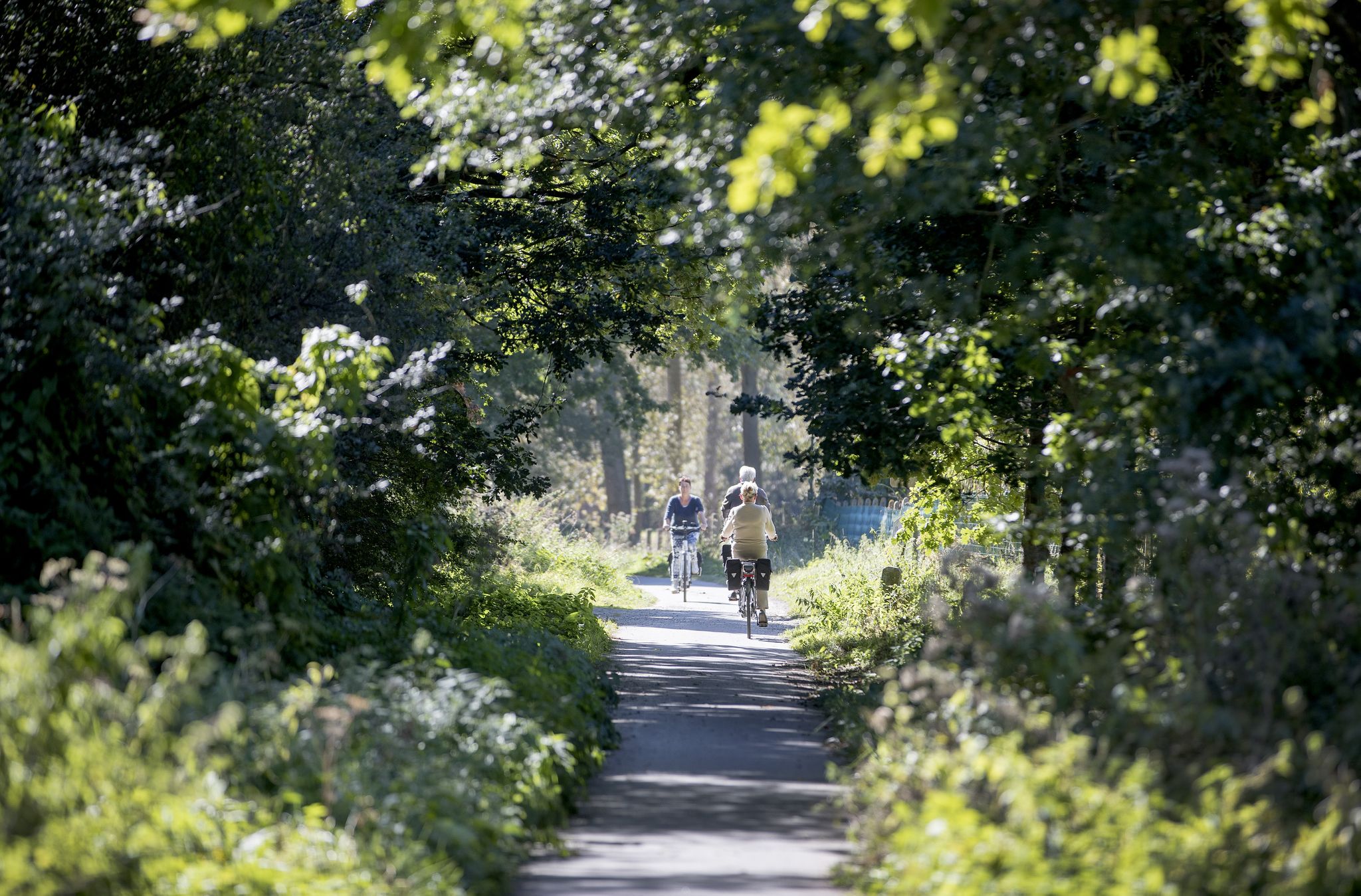
Discover the most beautiful corners of Flanders – Cycle Node Network
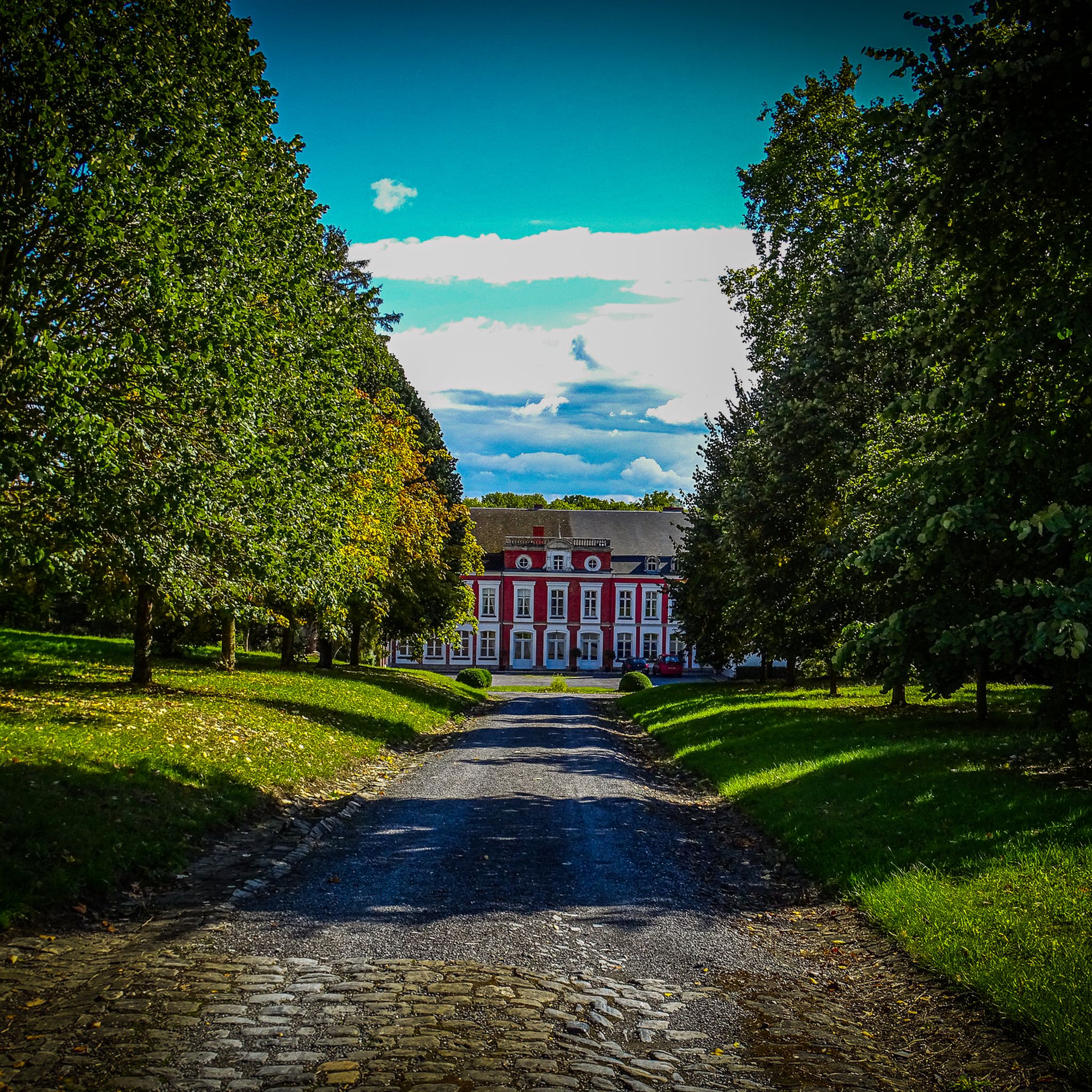
Hiking around Avesnes-Sur-Helpe
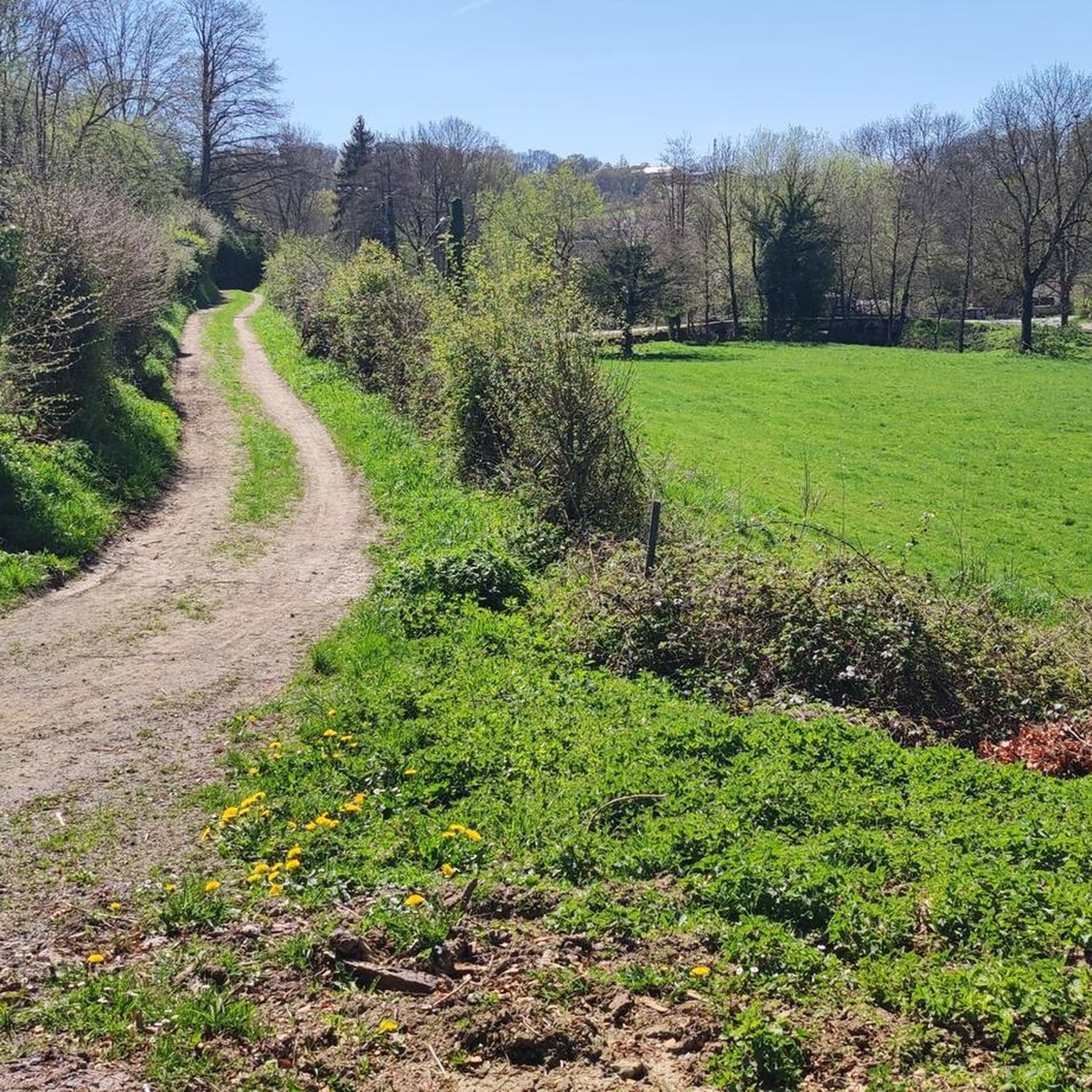
Cycling around Avesnes-Sur-Helpe
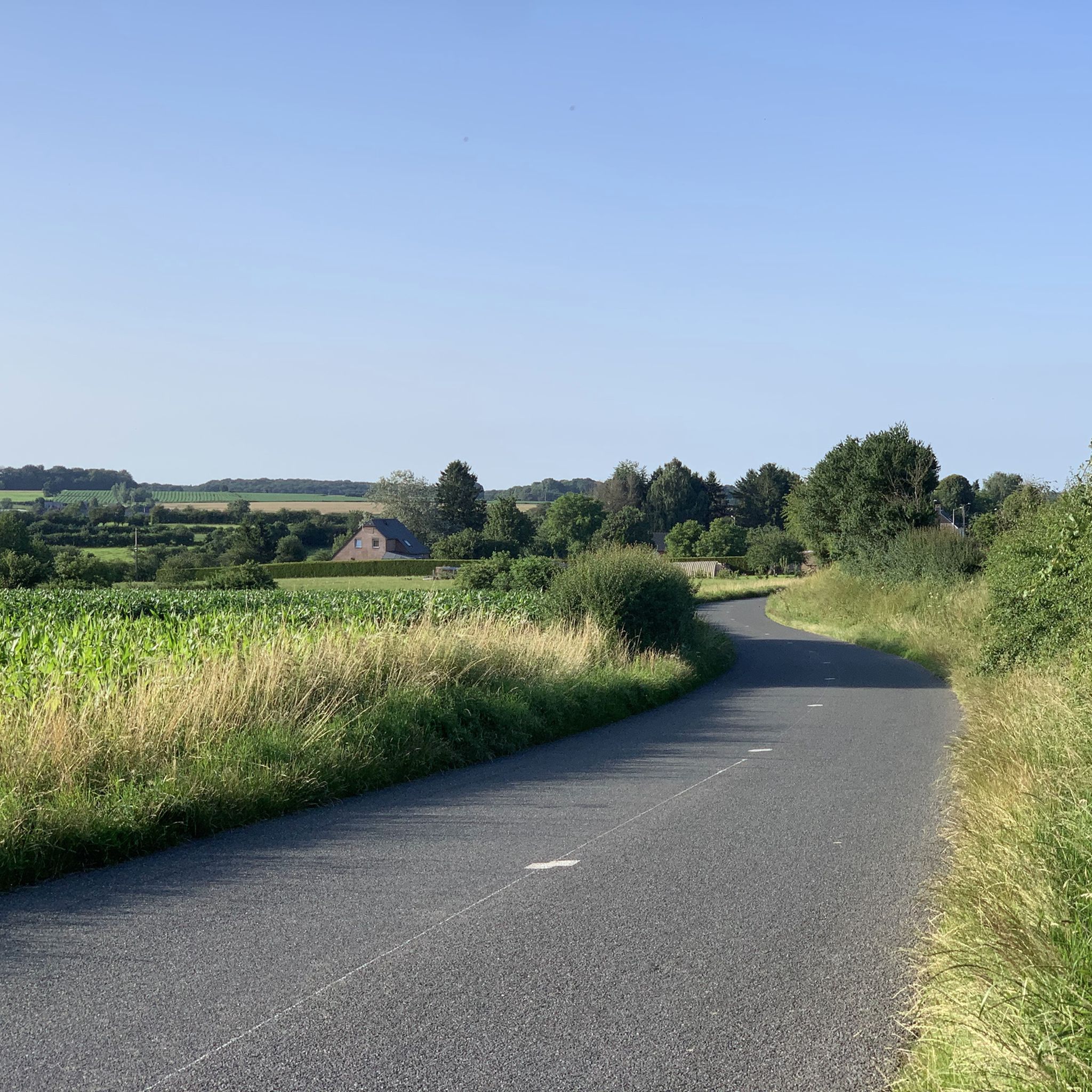
Road Cycling Routes around Avesnes-Sur-Helpe
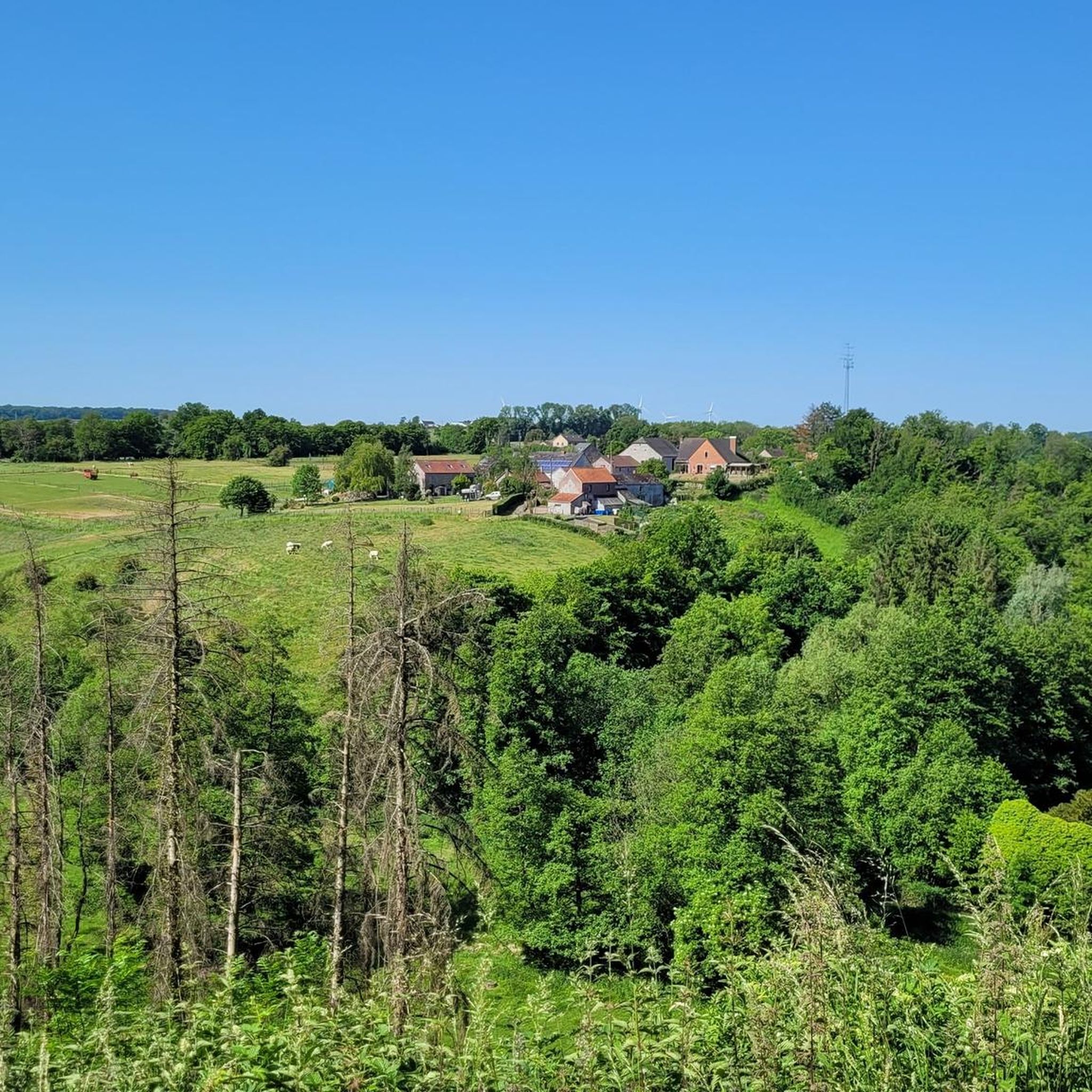
Running Trails around Avesnes-Sur-Helpe
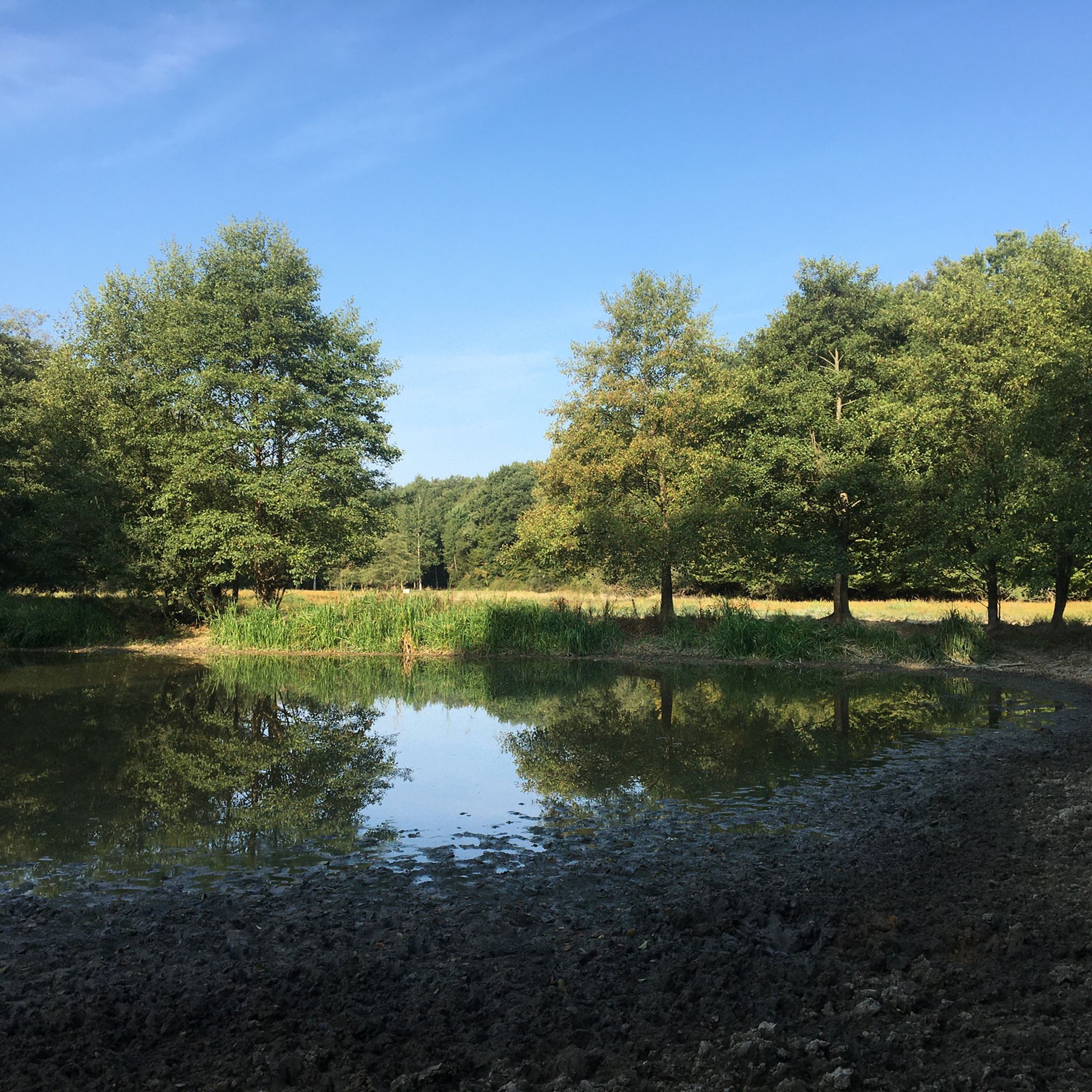
MTB Trails around Avesnes-Sur-Helpe
Other adventures around Avesnes-Sur-Helpe


Tips from the Community

Every year on August 15, the Church celebrates an event that even has the rank of a solemnity in the (Catholic) liturgical calendar: the Assumption of Mary, popularly known as “Mary’s Ascension”. In the Roman Missal, the prayer for this special occasion reads as follows: + “Almighty, eternal God, you have preserved the blessed Virgin Mary, who bore Christ for us, from all sin and raised her, body and soul, to the glory of heaven. Grant that we may look to this sign of hope and comfort and remain on the path that leads to your glory.”
0
0

A beautifully restored old mill, picnic table for a break, a calm and peaceful spot
0
0


I only saw it from a distance but it is beautiful
0
0

The ramparts, built in the Spanish period, were modified by the famous Vauban himself. We can still admire the towers surrounding the city since the seventeenth century, as well as many other monuments: the tower of the Edifieur Baudoin, one of the oldest of all, Caesar Bastion built under Louis XIV the Green stronghold and the headquarters hospital, or the Fauroeulx door, the only one that did not suffer the Second World War and its demolition. The current castle, the Cernay, was built in the seventeenth century, replacing the twelfth century built by Baldwin IV of Hainaut. You can still see some remains of the original castle that served as a residence to Charles the Bold, as a gateway and a set of Romanesque cellars.
0
0

The fortifications of Le Quesnoy date back to the Middle Ages and were further strengthened in the 17th century under the direction of the famous military engineer Vauban. These fortifications were necessary to protect the city from attacks and sieges. The fortifications have been declassified since 1901, but they are still well maintained. The remparts are designed in a Renaissance style with heavily fortified walls and gateways. They are built of brick and stone, which is typical of the military architecture of that period. The fortifications include several bastions, such as the Porte Faurœulx and the Bastion Vert, which are strategically placed to protect the city.
12
0
The Jardin de la Paix Belge was created in 2018 by the collective artist group Plan B, consisting of Thomas Van Eeckhout and Mathieu Allain. The park is located in the fortifications of Le Quesnoy and is a symbol of peace and memory. The park was designed with a concept in which part of the city walls of Le Quesnoy is projected horizontally onto a lawn. The walls, originally 12 meters high, are now terraces that offer a peaceful place for walks and reflection. The use of brick and natural materials, such as engraved stones, emphasizes the historical and cultural ties between the regions.
14
0
Frequently Asked Questions
What historical landmarks can I explore in Avesnes-sur-Helpe itself?
Avesnes-sur-Helpe is rich in history. You can explore the town's ancient Ramparts, which have been continuously modernized since the 11th century. The Collegiate Church Saint-Nicolas, a beautiful Gothic building dating from the 12th century, is also a must-see. Don't miss the Town Hall, an 18th-century architectural gem, and the historic Mons Gate from the 17th century. You can also find remnants of the Vestiges du Donjon Féodal, offering a glimpse into the town's medieval past.
Are there any notable castles or fortifications in the wider Avesnes-sur-Helpe region?
Yes, the region boasts several significant historical fortifications and castles. A prominent example is Le Quesnoy, known for its 16th-century fortifications that invite visitors to stroll along pleasant paths and green spaces. You can also visit the Le Quesnoy Ramparts, which were further strengthened by Vauban. Other historical sites include Gussignies Castle and Château de Trélon.
What natural attractions are there around Avesnes-sur-Helpe?
Avesnes-sur-Helpe is nestled in the heart of the Avesnois Regional Natural Park, offering a unique landscape of hedged farmland, forests, and streams. The Helpe Majeure river flows through the town, and upstream, you'll find the beautiful Lac du Val-Joly, a large artificial lake known for water activities. The surrounding woods and groves are perfect for nature enthusiasts.
Are there good cycling routes near Avesnes-sur-Helpe?
Absolutely! The region offers a variety of cycling routes for different skill levels. You can explore routes like the 'Lac du Val Joly and Château de Trélon Loop' or the 'Mills and Avesnois Greenway Loop'. For easier rides, consider 'Le Quesnoy, gateway to the Avesnois region'. You can find more details and plan your cycling adventure on the Cycling around Avesnes-Sur-Helpe guide.
Where can I go for a walk or hike in the Avesnes-sur-Helpe area?
The Avesnois Regional Natural Park provides an excellent setting for walks and hikes. You can enjoy paths along the ancient ramparts of Avesnes-sur-Helpe or explore the green spaces around Le Quesnoy. For dedicated running trails, you might consider routes like the 'Val-Joly Lake Loop' or the 'Côte de grand fayt – Maroilles loop'. Discover more options in the Running Trails around Avesnes-Sur-Helpe guide.
What cultural experiences does Avesnes-sur-Helpe offer beyond historical sites?
Beyond its rich history, Avesnes-sur-Helpe offers cultural insights. You can visit the Museum of La Société Archéologique d'Avesnes-sur-Helpe to delve into the region's archaeological heritage. The town also hosts a vibrant weekly market every Friday morning, and special events like a night market in April and a Christmas market in December. Don't forget to sample local delicacies like Maroilles cheese and the distinctive 'boule d'Avesnes'.
Are there family-friendly attractions around Avesnes-sur-Helpe?
Yes, several attractions are suitable for families. The Grand Fayt Mill is a charming spot with picnic tables, ideal for a break. The fortifications of Le Quesnoy offer pleasant paths and green spaces for children to explore. Many of the historical sites, including the Church of Our Lady of the Assumption and Château de Trélon, are also considered family-friendly.
Where can I enjoy local food and drink in the area?
For a taste of local flavors, head to Au Baron in Gussignies. This craft brewery is located by the water and is perfect for enjoying a local beer and a meal. The region is also famous for its cheeses, particularly Maroilles cheese and the unique 'boule d'Avesnes', which you can often find at the weekly market.
What is the 'Voie verte de l'Avesnois'?
The Voie verte de l'Avesnois is a greenway, offering a dedicated path for walking, cycling, and other non-motorized activities. It provides a scenic and safe way to explore the natural beauty of the Avesnois region, often following old railway lines or canal towpaths.
What is the best time to visit Avesnes-sur-Helpe for outdoor activities?
The best time to visit Avesnes-sur-Helpe for outdoor activities is generally during the spring (April to June) and autumn (September to October) months. During these periods, the weather is typically mild and pleasant for hiking, cycling, and exploring the Avesnois Regional Natural Park. Summer can also be enjoyable, but it can get warmer.
Are there opportunities for mountain biking near Avesnes-sur-Helpe?
Yes, the area around Avesnes-sur-Helpe offers several mountain biking trails. You can find routes like the 'Val-Joly Lake Loop' or more challenging options such as the 'Single Ors Pommereuil – Flaquet Pond loop'. For a comprehensive list and detailed maps, check out the MTB Trails around Avesnes-Sur-Helpe guide.
Most popular routes around Avesnes-Sur-Helpe
Most popular attractions around Avesnes-Sur-Helpe

Get inspired with the komoot mobile app


Didn’t find what you were looking for?
Are you keen on exploring more awesome places nearby? Browse our guides:
Explore more
Still not found the Highlight you’re looking for? See guides of the top attractions in other regions:
