The best road cycling routes around Limoges
4.4
(570)
14,280
riders
1,804
rides
Road cycling around Limoges offers diverse terrain across rolling hills, river valleys, and tranquil lakes. The region is characterized by its varied landscapes, including the banks of the Vienne River, the expansive Lac de Vassivière, and the natural beauty of the Millevaches and Périgord Limousin Regional Natural Parks. Cyclists encounter a mix of ascents and descents through picturesque countryside, with routes often passing through forests and charming villages.
Best road cycling routes around Limoges
- The most popular road cycling route is View of Lac de Vassivière – West Shore of Lake Vassivière loop from Barrage de Vassivière, a 24.7 miles (39.7 km) trail that takes 1 hour 49 minutes to complete. This moderate route offers scenic lakeside views and access to the Plateau de Millevaches.
- Another top favourite among local road cyclists is Tour of Vienne loop from Limoges-Montjovis, a moderate 31.1 miles (50.0 km) path. This route traces the Vienne River, providing a blend of natural beauty and cultural heritage through the surrounding countryside.
- Local road cyclists also love the Les hauteur d'aixe – Aixe-sur-Vienne Bridge loop from Limoges-Montjovis, a 19.4 miles (31.2 km) trail leading through river valleys and past the Aixe-sur-Vienne Bridge, often completed in about 1 hour 23 minutes.
- Road cycling around Limoges is defined by rolling hills, river valleys, and tranquil lakes. The network offers options for easy rides along greenways and more challenging routes through natural parks.
- The routes in Limoges are highly rated by the komoot community with an average score of 4.4 stars from over 480 reviews. More than 13,500 road cyclists have used komoot to explore Limoges's varied terrain.
Last updated: July 13, 2026
4.0
(5)
139
riders
32.3km
01:27
250m
250m
Easy road ride. Great for any fitness level. Mostly well-paved surfaces and easy to ride.
4.4
(7)
124
riders
36.7km
01:42
410m
410m
Moderate road ride. Good fitness required. Mostly well-paved surfaces and easy to ride.

Sign up for free
4.0
(3)
118
riders
Moderate road ride. Good fitness required. Some segments of this route may be unpaved and difficult to ride.
4.9
(11)
100
riders
59.6km
02:43
720m
720m
Moderate road ride. Good fitness required. Mostly well-paved surfaces and easy to ride.
4.2
(5)
89
riders
55.9km
02:32
600m
600m
Moderate road ride. Good fitness required. Mostly well-paved surfaces and easy to ride.
3.9
(7)
107
riders
48.8km
02:06
430m
430m
Moderate road ride. Good fitness required. Mostly well-paved surfaces and easy to ride.
5.0
(1)
154
riders
130km
06:08
1,730m
1,730m
Hard road ride. Very good fitness required. Mostly well-paved surfaces and easy to ride.
4.5
(4)
72
riders
52.3km
02:25
640m
640m
Moderate road ride. Good fitness required. Mostly well-paved surfaces and easy to ride.
4.5
(2)
69
riders
44.5km
02:05
550m
550m
Moderate road ride. Good fitness required. Mostly well-paved surfaces and easy to ride.
3.0
(1)
70
riders
24.6km
01:14
390m
390m
Moderate road ride. Good fitness required. Mostly well-paved surfaces and easy to ride.
Get access to more routes and recommendations from other explorers.
Sign up for free
Already have an account?
Our route recommendations are based on thousands of hikes, rides, and runs completed by other people on komoot.
Start today with a free account
Your next adventure awaits.
Login or Signup
Popular around Limoges
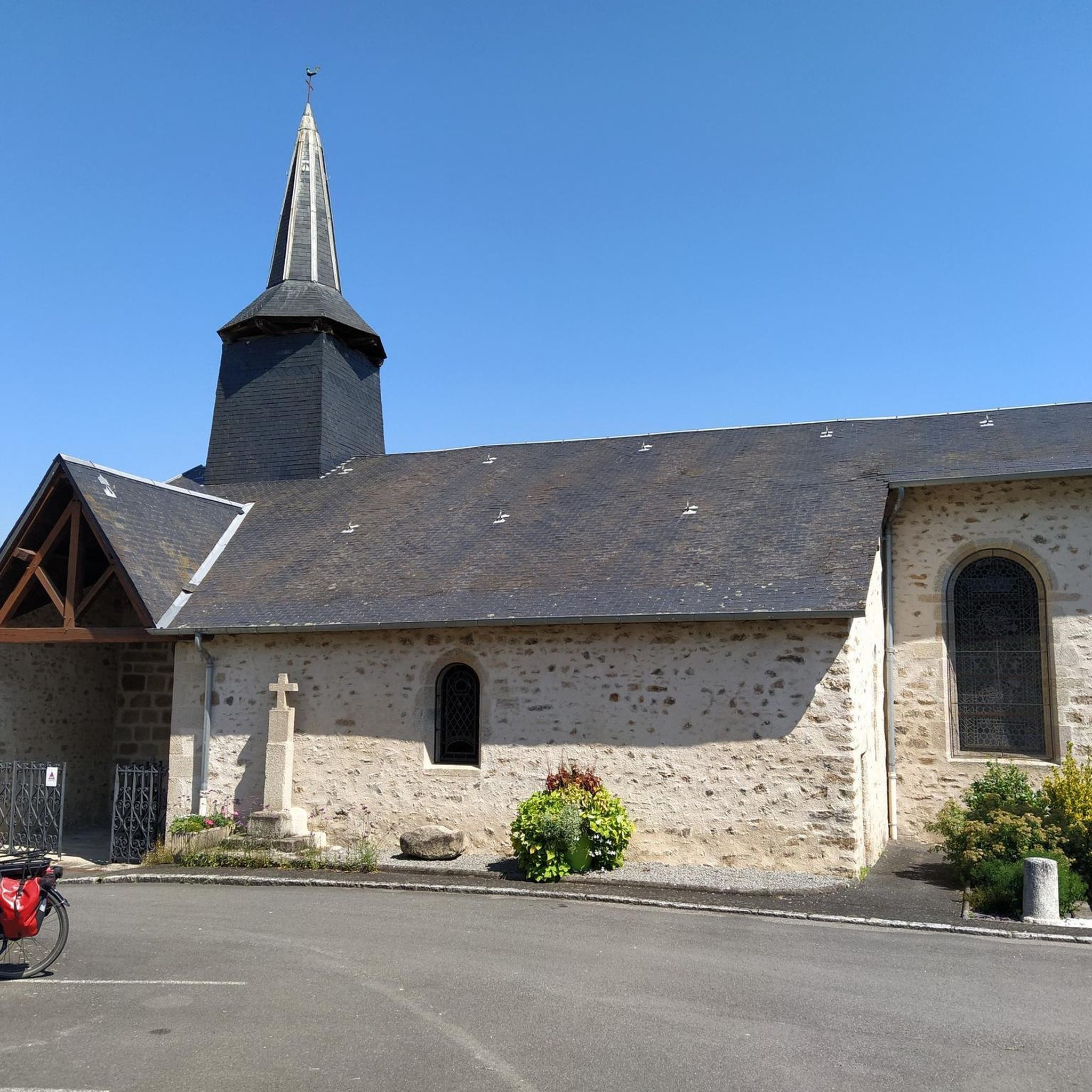
Road Cycling Routes around Saint-Martin-Terressus
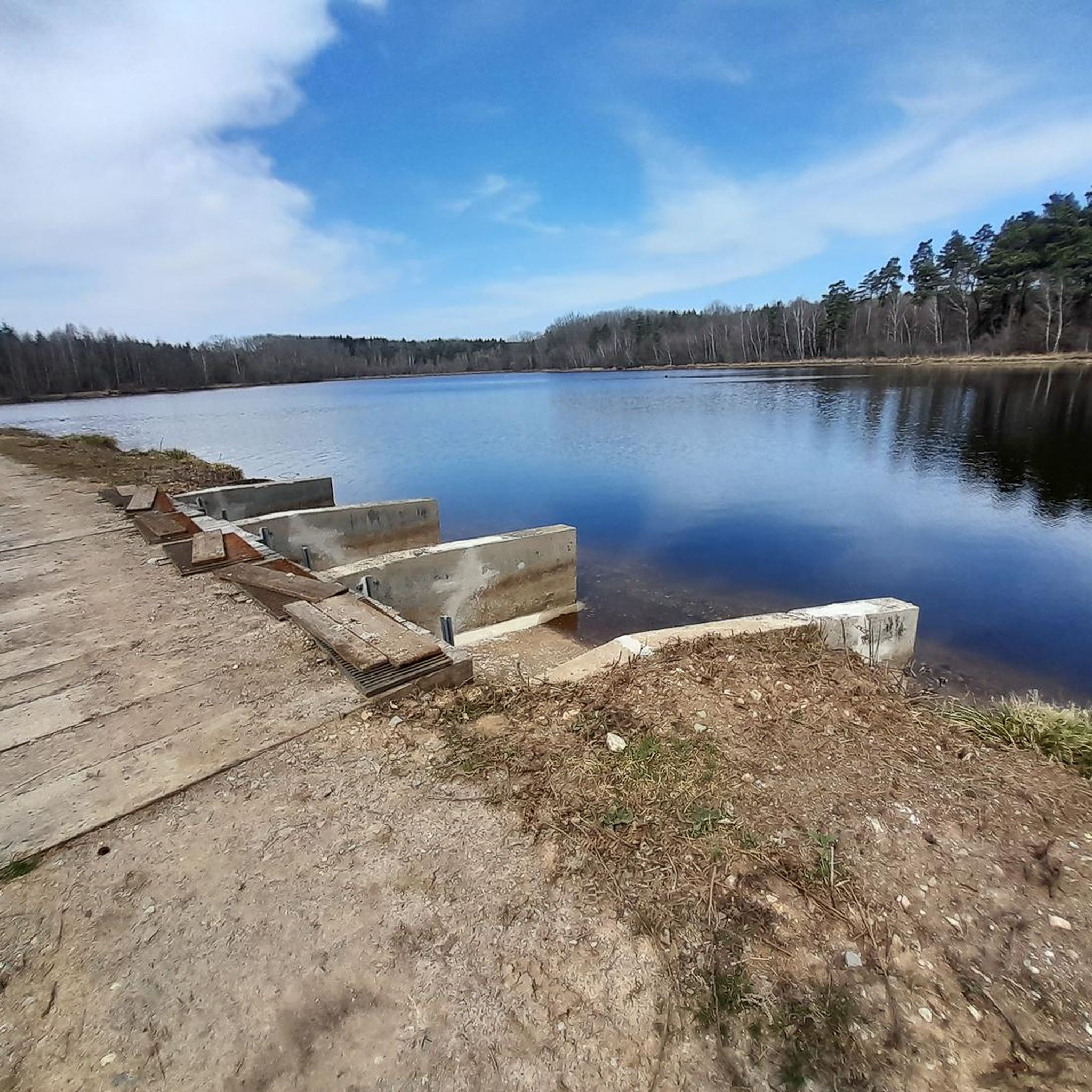
Road Cycling Routes around Saint-Priest-Taurion
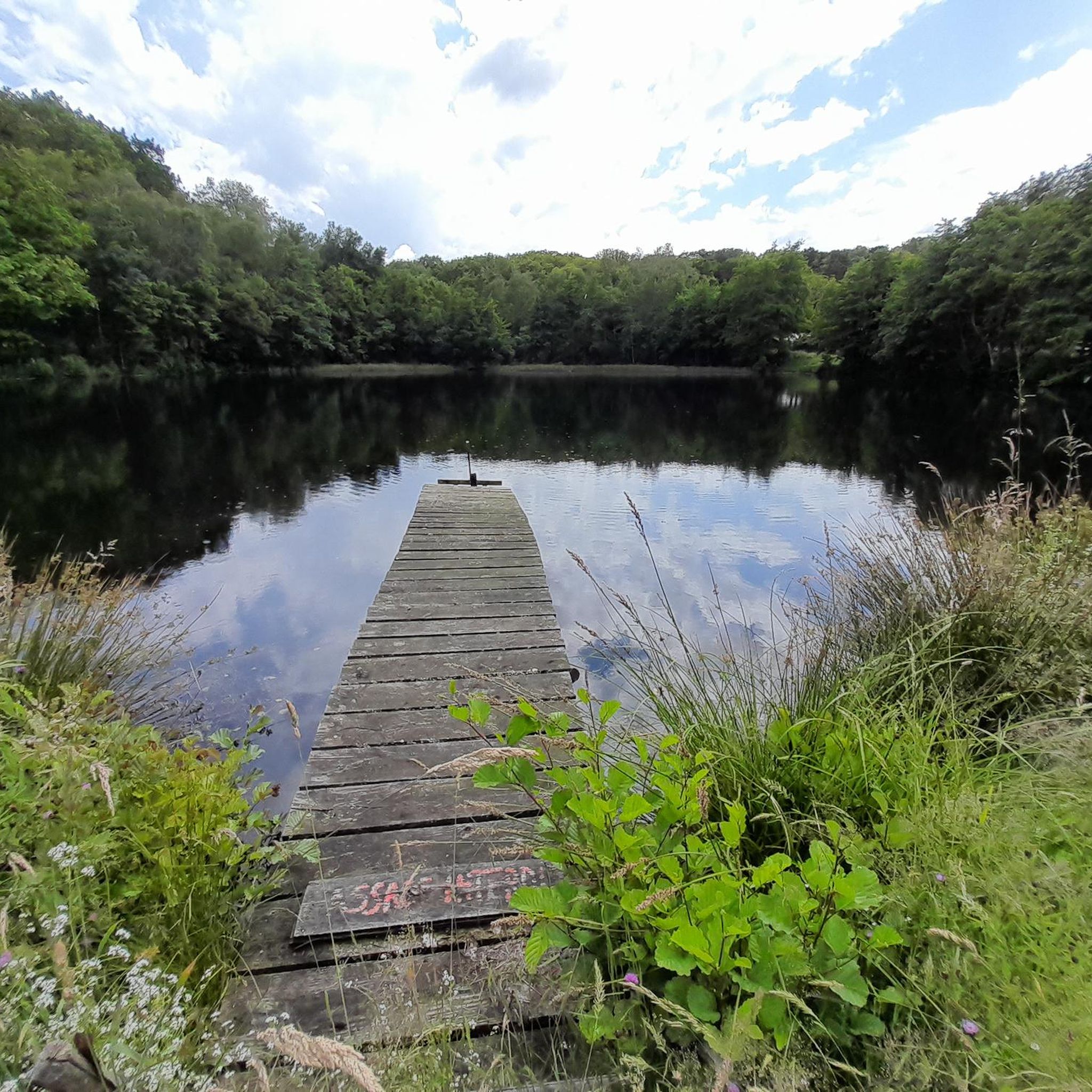
Road Cycling Routes around Saint-Yrieix-Sous-Aixe
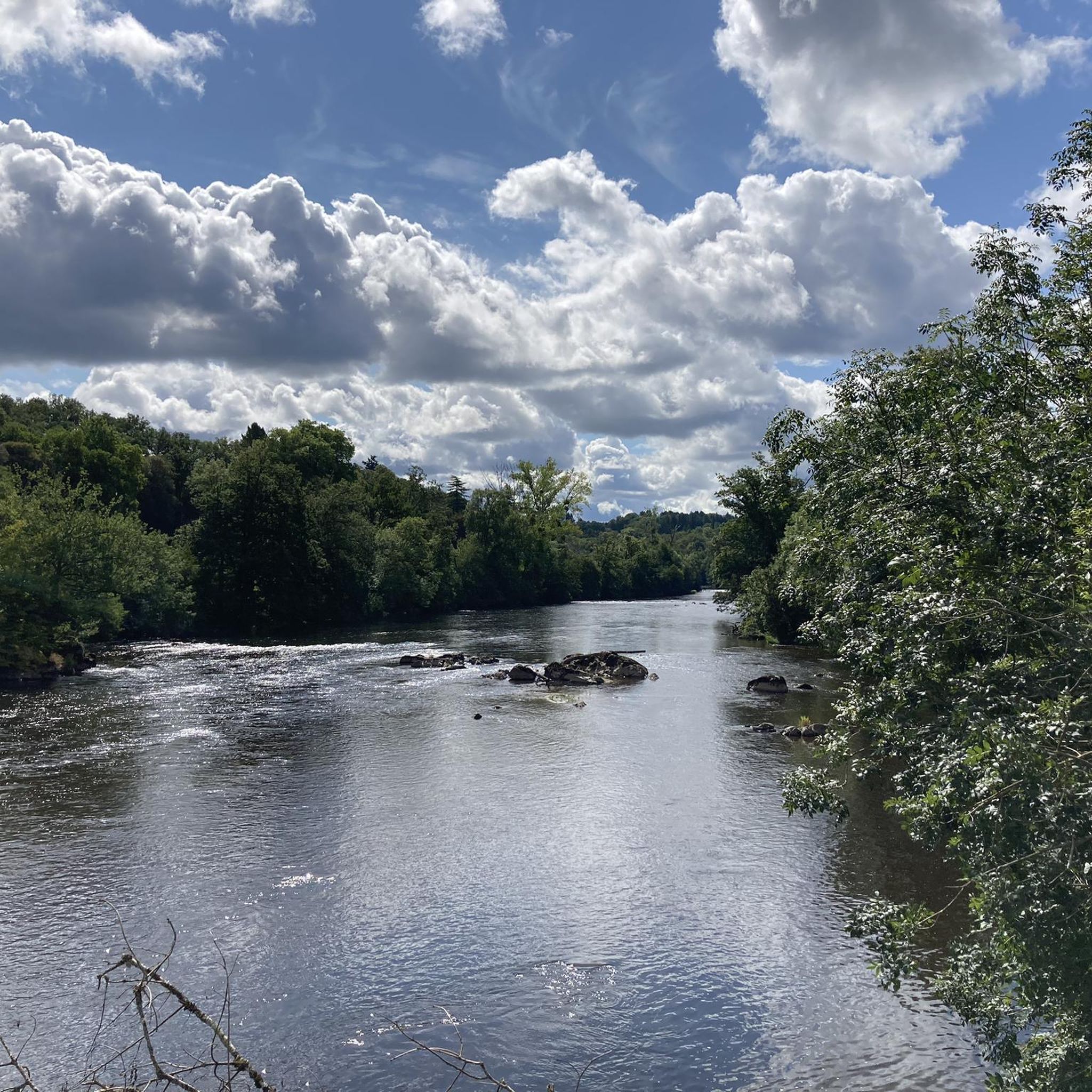
Road Cycling Routes around Condat-Sur-Vienne
Road Cycling Routes around Veyrac
Road Cycling Routes around Eybouleuf
Road Cycling Routes around Eyjeaux
Road Cycling Routes around Le Palais-Sur-Vienne
Road Cycling Routes around Saint-Amand-Le-Petit
Road Cycling Routes around Jourgnac


Tips from the Community

Along the Vienne, shaded. Arrived in the village of St Priest, its church and its old houses. Plaques with information on the monuments and streets of yesteryear, allow us to relive the life of our ancestors.
0
0

Beautiful church with atmospheric interior.
0
0

A truly impressive place, a must-see if you've ever been to this region. I also recommend taking the audio tour. Overnight stays are available at Camping & Gîtes En Campagne, 18 km west of Oradour-sur-Glane.
0
0

very beautiful bridge to look at without moderation
0
0

Saint-Pierre du Queyroix Church, a late Gothic hall church built in several stages from the 13th century to the beginning of the 16th century. It is topped with a bell tower and spire, typically Limousin, similar to those of Saint-Michel des Lions.
1
0

Built in an agglomeration that was to become the Cité, the bishop's town opposite the town of the Viscount's castle and the Saint-Martial abbey, its origin is probably early Christian. In 1884, Antoine Héron de Villefosse published an inscription that he saw engraved on a fragment "engaged in the base of the entrance tower of the cathedral, NE pillar", which according to him could be a re-use of a Roman milestone.
0
2
Built in an agglomeration that was to become the Cité, the bishop's town opposite the town of the Viscount's castle and the Saint-Martial abbey, its origin is probably early Christian. In 1884, Antoine Héron de Villefosse published an inscription that he saw engraved on a fragment "engaged in the base of the entrance tower of the cathedral, NE pillar", which according to him could be a re-use of a Roman milestone. In 2005, a hexagonal baptistery that the probable dating places in the first third of the 5th century was explored on the north face of the cathedral.
0
1
Frequently Asked Questions
How many road cycling routes are available around Limoges?
There are nearly 1800 road cycling routes around Limoges, catering to various skill levels. Over 120 of these are classified as easy, offering gentle rides through the region's beautiful landscapes.
What kind of terrain can I expect when road cycling in Limoges?
The Limoges region offers diverse terrain, characterized by rolling hills, picturesque river valleys, and tranquil lakes. You'll encounter a mix of ascents and descents, passing through forests, charming villages, and natural parks like the Millevaches and Périgord Limousin Regional Natural Parks. The Monts de Blond also provide unique granite formations and winding roads.
Are there any easy or family-friendly road cycling routes in Limoges?
Yes, Limoges offers over 120 easy road cycling routes, many of which are suitable for families or beginners. These often follow well-laid-out paths along the Vienne River or through green spaces, providing a gentle introduction to the region's beauty. For example, the Les hauteur d'aixe – Aixe-sur-Vienne Bridge loop from Limoges-Montjovis is an easy 31.2 km route through river valleys.
Where can I find scenic viewpoints or natural attractions along road cycling routes?
Many routes offer scenic views, particularly around the region's lakes and natural parks. The View of Lac de Vassivière – West Shore of Lake Vassivière loop from Barrage de Vassivière provides stunning lakeside vistas. You can also explore natural monuments like the Arboretum of La Jonchère-Saint-Maurice or the Sources of the Dronne River, which are often accessible from nearby cycling paths.
What are some notable landmarks or cultural sites I can visit while cycling?
Limoges and its surroundings are rich in history. You can cycle through historic quarters of Limoges, or visit sites like Saint-Léonard-de-Noblat, a UNESCO World Heritage site and hometown of Raymond Poulidor. Routes like the Tour of Vienne loop from Limoges-Montjovis blend natural beauty with cultural heritage. Additionally, several castles, such as Château de Châlucet, are located near cycling routes.
Are there long-distance road cycling options or routes that connect to pilgrimage trails?
Yes, Limoges is situated on historical pilgrimage routes, offering opportunities for longer rides. Sections of routes to Santiago de Compostela, such as the "Via Lemovicensis Limoges-La Coquille," provide culturally significant long-distance cycling experiences. For a challenging long-distance ride, consider the difficult 129.5 km Le Châtenet-en-Dognon – Eyjeaux loop from Limoges-Bénédictins.
What is the best season for road cycling in Limoges?
The Limousin region is generally pleasant for cycling from spring through autumn. Spring offers lush greenery and mild temperatures, while summer provides warm weather ideal for lakeside rides, though it can be hot. Autumn brings beautiful foliage and comfortable conditions. Always check the local weather forecast before your ride.
Are there loop routes available for road cycling in Limoges?
Yes, many road cycling routes around Limoges are designed as loops, allowing you to start and end at the same point. Popular examples include the Tour of Vienne loop from Limoges-Montjovis and the View of Lac de Vassivière – West Shore of Lake Vassivière loop from Barrage de Vassivière, offering convenient circular journeys.
What do other road cyclists say about the routes in Limoges?
The road cycling routes in Limoges are highly rated by the komoot community, with an average score of 4.4 stars from over 480 reviews. Cyclists often praise the region's diverse landscapes, the mix of ascents and descents, and the opportunities to explore both natural beauty and cultural heritage.
Are there road cycling routes with less traffic around Limoges?
Many routes in the Limousin countryside, particularly those passing through regional natural parks and smaller villages, offer a quieter cycling experience with less traffic. The region's extensive network of routes allows for exploration away from main roads, especially on routes that follow riverbanks or forest paths.
Can I find cafes or restaurants along the road cycling routes, especially near lakes or towns?
Yes, you'll find opportunities for refreshments along many routes. Towns like Saint-Léonard-de-Noblat, a notable stop on some pilgrimage routes, offer cafes and restaurants. Areas around major lakes such as Lac de Saint-Pardoux and Lac de Vassivière also have facilities where cyclists can stop for a break and a meal.
Are there challenging road cycling routes with significant climbs near Limoges?
For experienced cyclists seeking a challenge, the region offers routes with significant elevation gain, particularly in the rolling hills and areas bordering the Millevaches Regional Natural Park. The difficult 129.5 km Le Châtenet-en-Dognon – Eyjeaux loop from Limoges-Bénédictins, with over 1700 meters of elevation, is an example of a route designed for advanced riders.
Most popular routes around Limoges
Most popular attractions around Limoges

Get inspired with the komoot mobile app


Didn’t find what you were looking for?
Check out more Road cycling routes throughout Limoges below and find the perfect route in your destination.
Explore more
Browse the best Road cycling routes in other regions.
