Top 20 Natural Monuments around Zabern
Best natural monuments around Zabern showcase the diverse landscapes of the Northern Vosges. This region features significant natural attractions, including expansive parks and unique geological formations. The area offers a variety of natural features that enhance its appeal, providing opportunities to explore the natural environment. These natural monuments contribute to the region's value as a destination for outdoor enthusiasts.
Best natural monuments around Zabern
- The most popular natural monuments is Haut-Barr Castle, a castle that offers fantastic views over…
Last updated: September 29, 2026
Haut-Barr Castle
Highlight • Castle
Translated by Google •
Tip by

Graufthal Troglodyte Houses
Highlight • Historical Site
Translated by Google •
Tip by

Sign up now to discover places like this
Get recommendations on the best single tracks, peaks, & plenty of other exciting outdoor places.
Brotsch Cave
Highlight • Natural Monument
Also popular with climbers, which is evident not only from the steel eyelets, but also from the residue of magnesia ...
Translated by Google •
Tip by

Ochsenstall Rock
Highlight • Cave
Translated by Google •
Tip by
Prince Charles' Leap Rock
Highlight • Natural Monument
Translated by Google •
Tip by
12 Apostles Stone / Breitenstein
Highlight • Monument
In 1787 it was carved with the effigies of the twelve apostles.
Translated by Google •
Tip by

Grotte d'Amour
Highlight • Cave
How can you be so ignorant and put a pile of shit garnished with lots of speed right behind the rocks 😡😡
Translated by Google •
Tip by

Little Meisenbach Castle
Highlight • Castle
Translated by Google •
Tip by

Rocher JL Huck
Highlight • Viewpoint
There is not a rest bench here, but a nice "Sitzfels".
Translated by Google •
Tip by
Mur Païen of Wuestenberg
Highlight • Historical Site
At one point a snake ornament is supposed to be hidden, but we did not find it.
Translated by Google •
Tip by
Sign up for free to discover even more natural monuments around Zabern.
Already have an account?
Start today with a free account
Your next adventure awaits.
Popular around Zabern
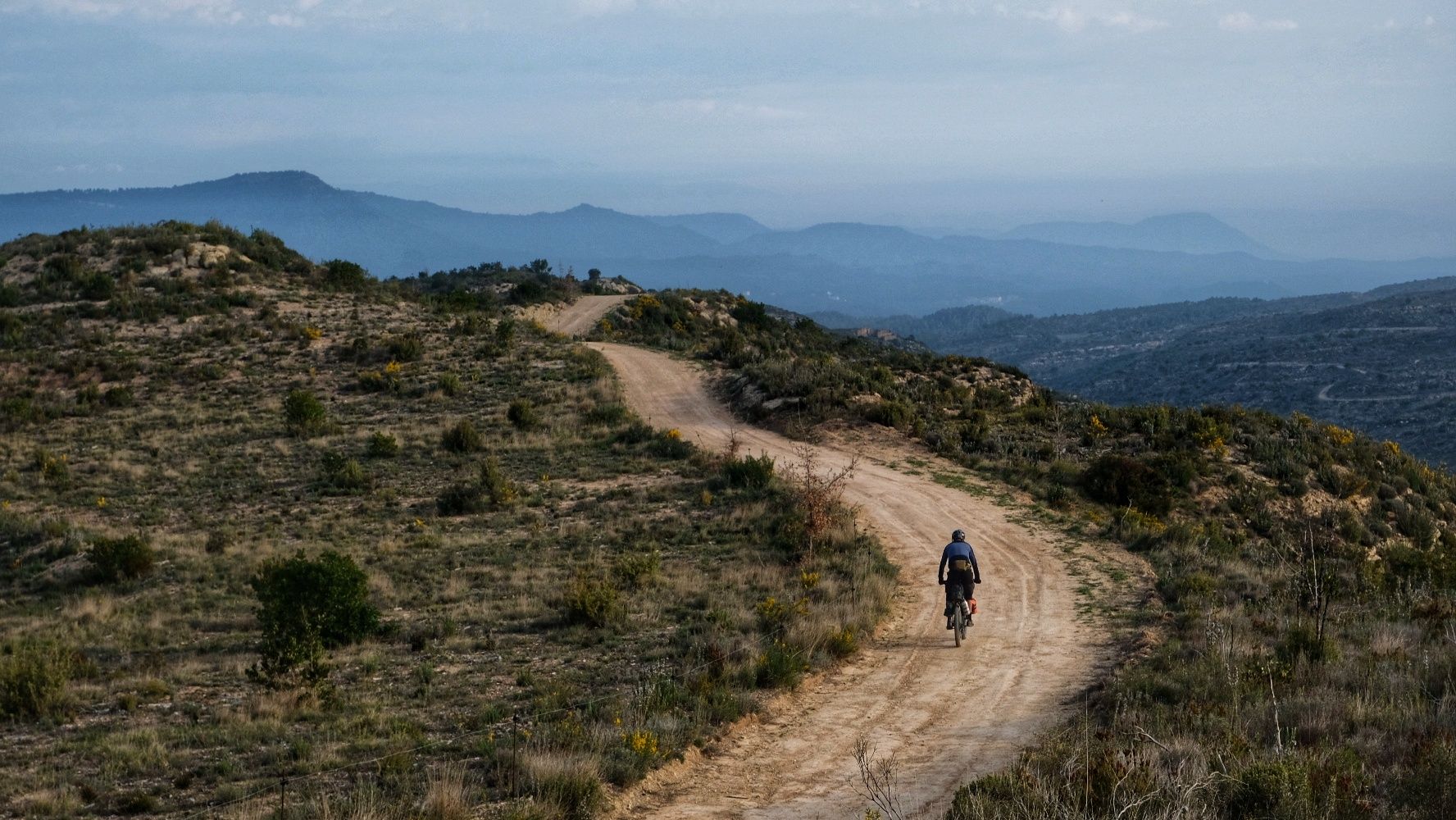
European Divide Trail — 7,600 km across the continent
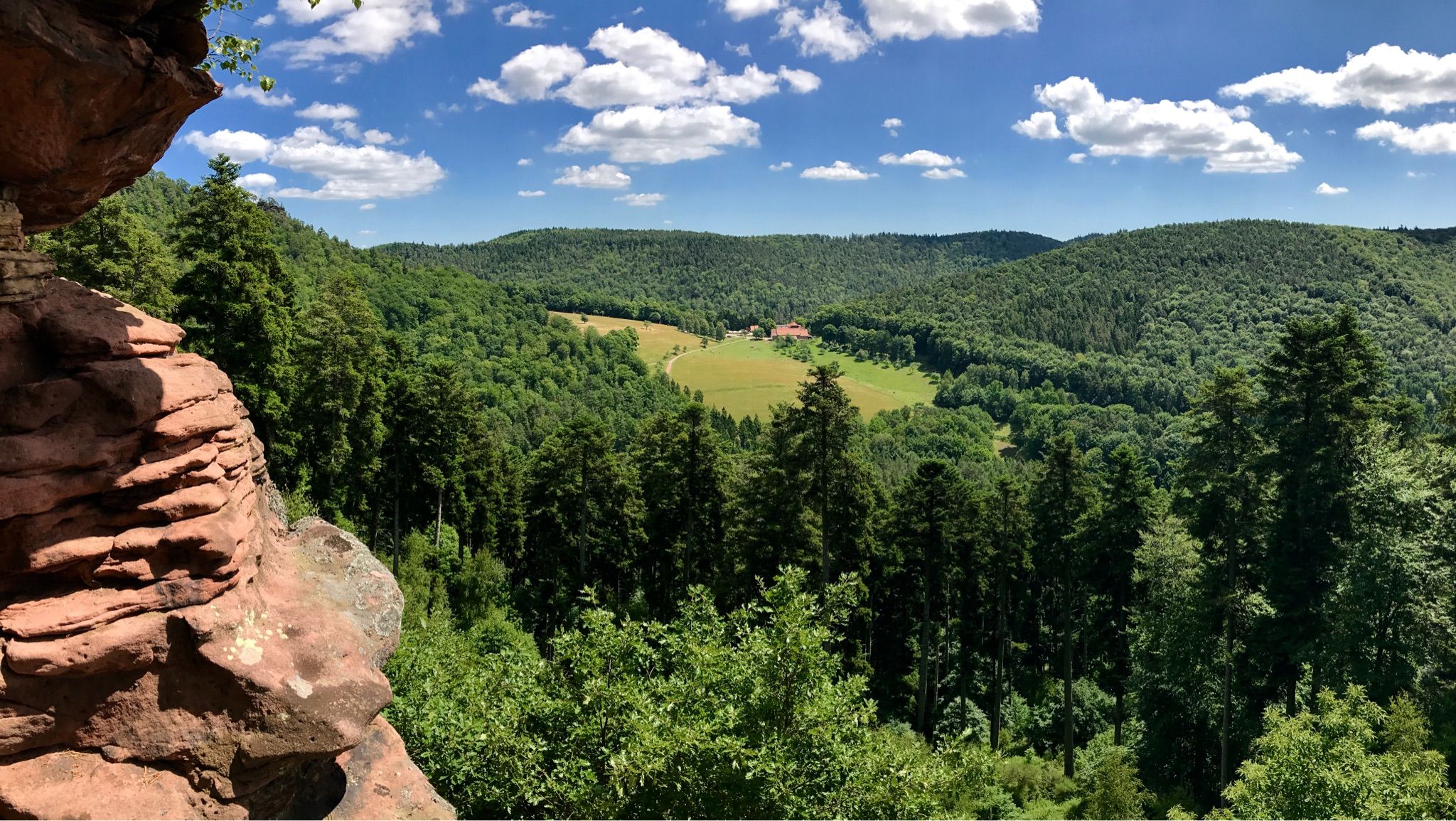
Hike the GR 53 – Explore castles along the Franco-German border
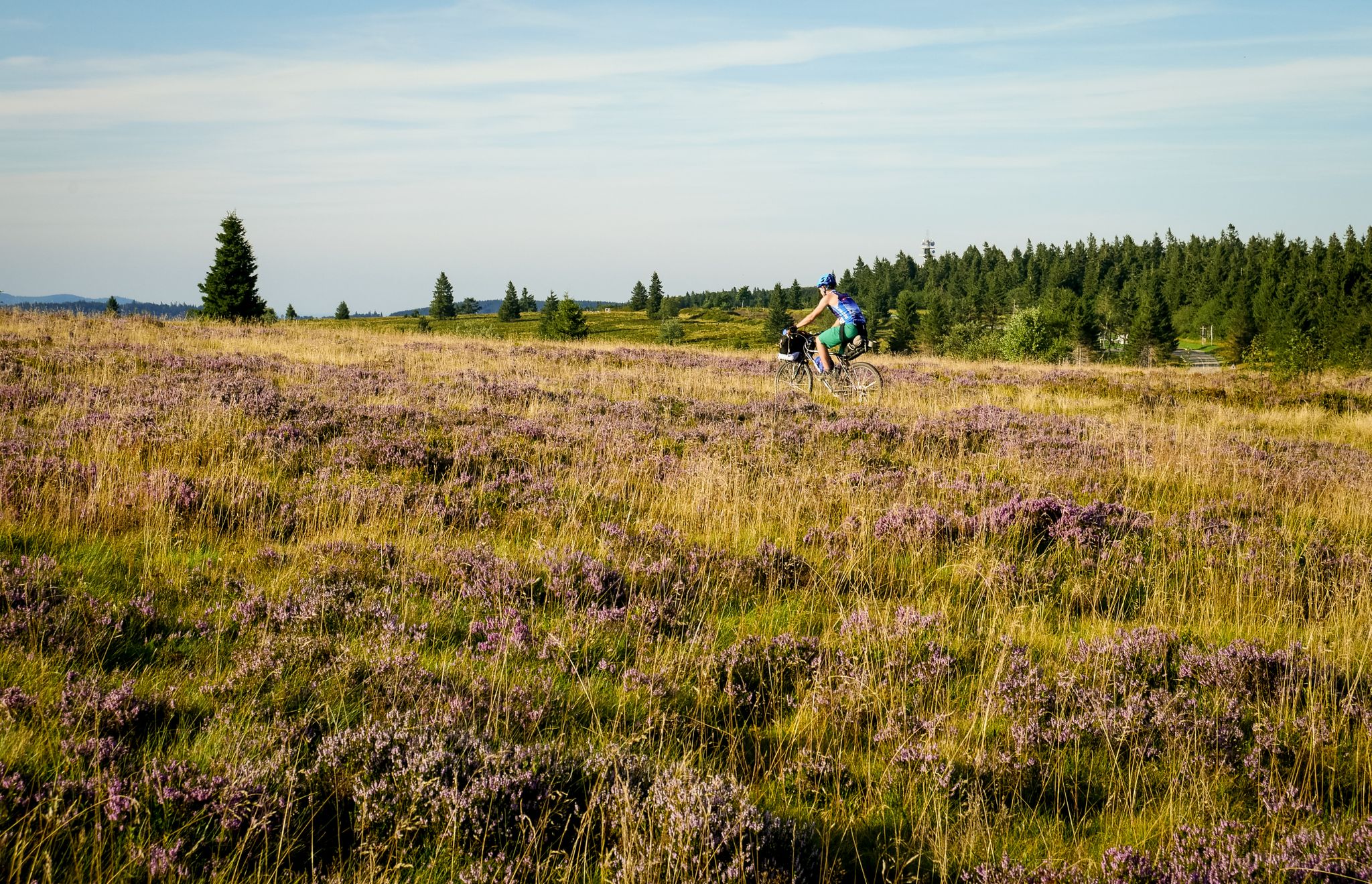
Traversée du Massif Vosgien — Alsace bikepacking
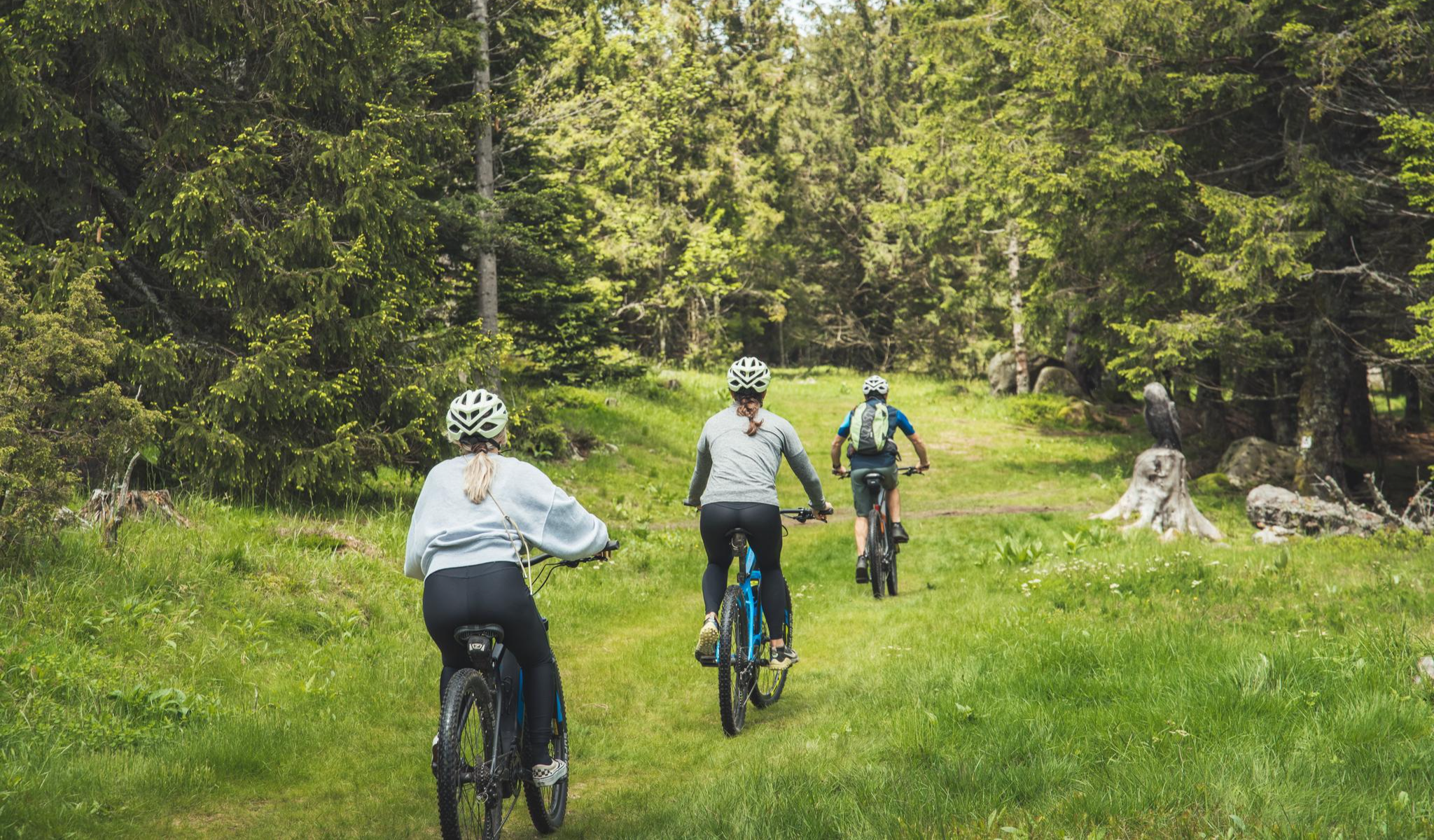
MTB and gravel in the Grand Est – the joy of the low mountains
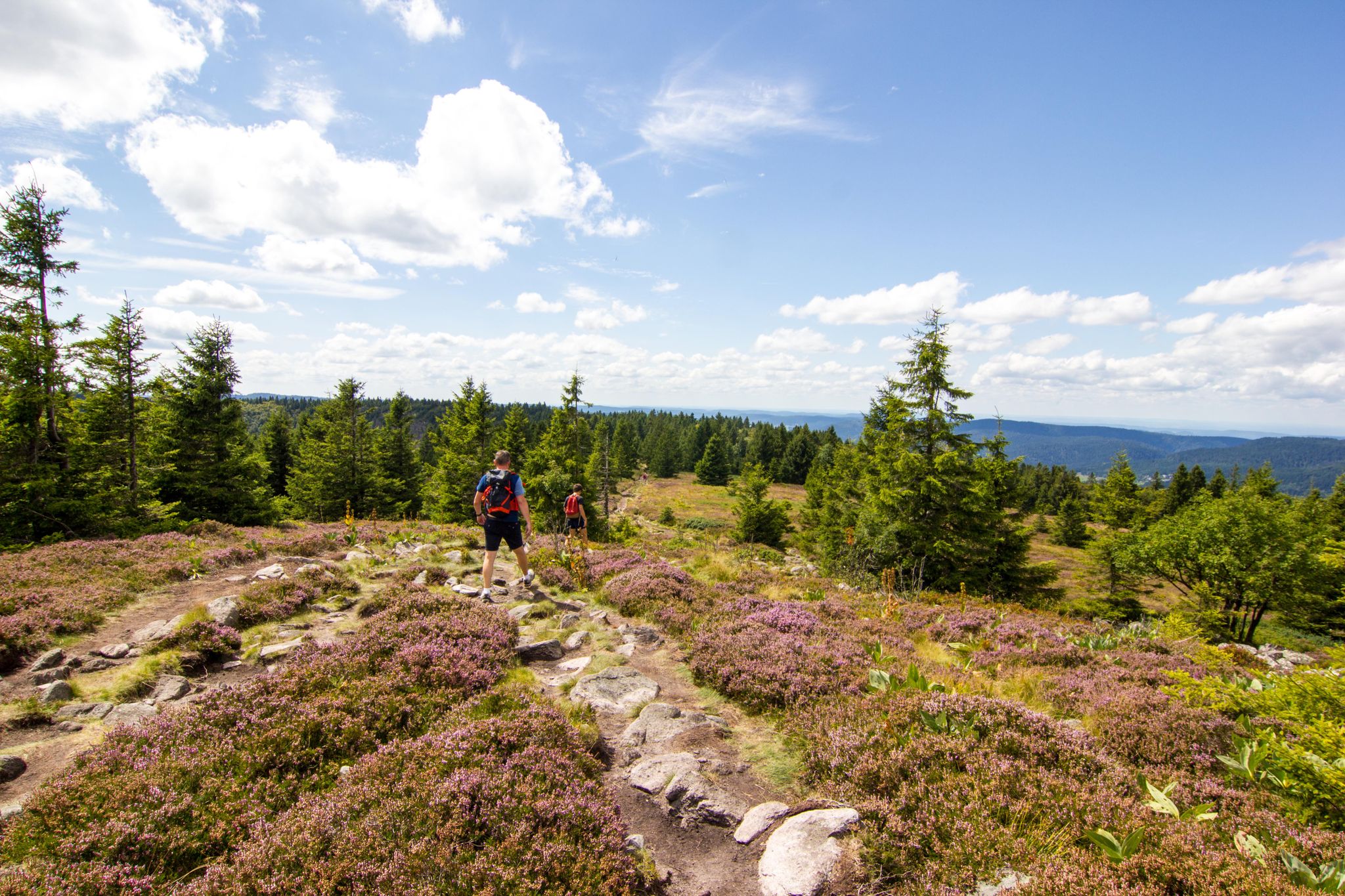
Hiking and relaxation – wellbeing on the Traversée des Vosges
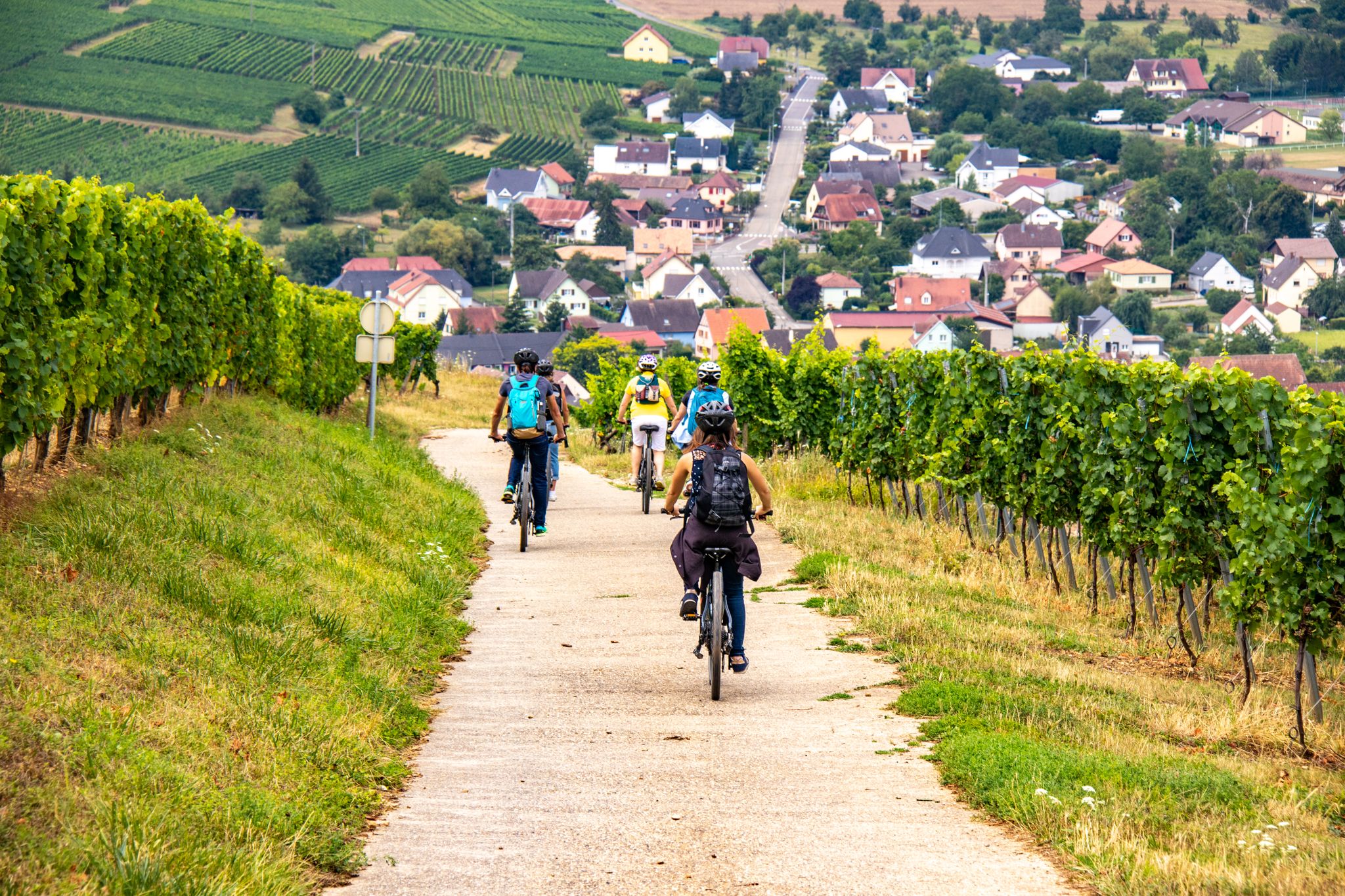
EuroVelo 5 - Via Romea (Moselle - Alsace)
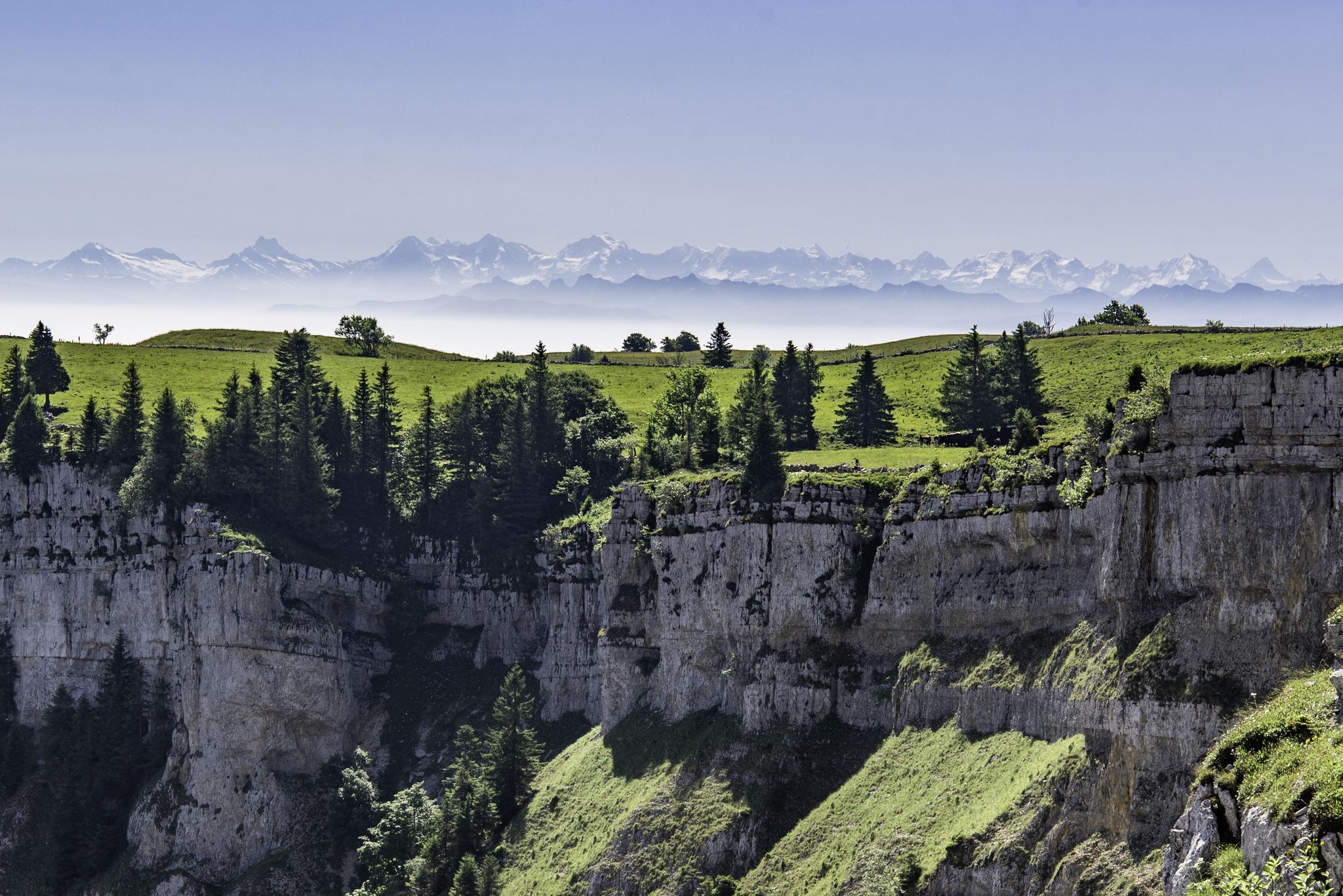
From the Vosges to the Jura mountains – Hexatrek, le Grand Est
As we wrote history – the Transcontinental Race #TCRN06
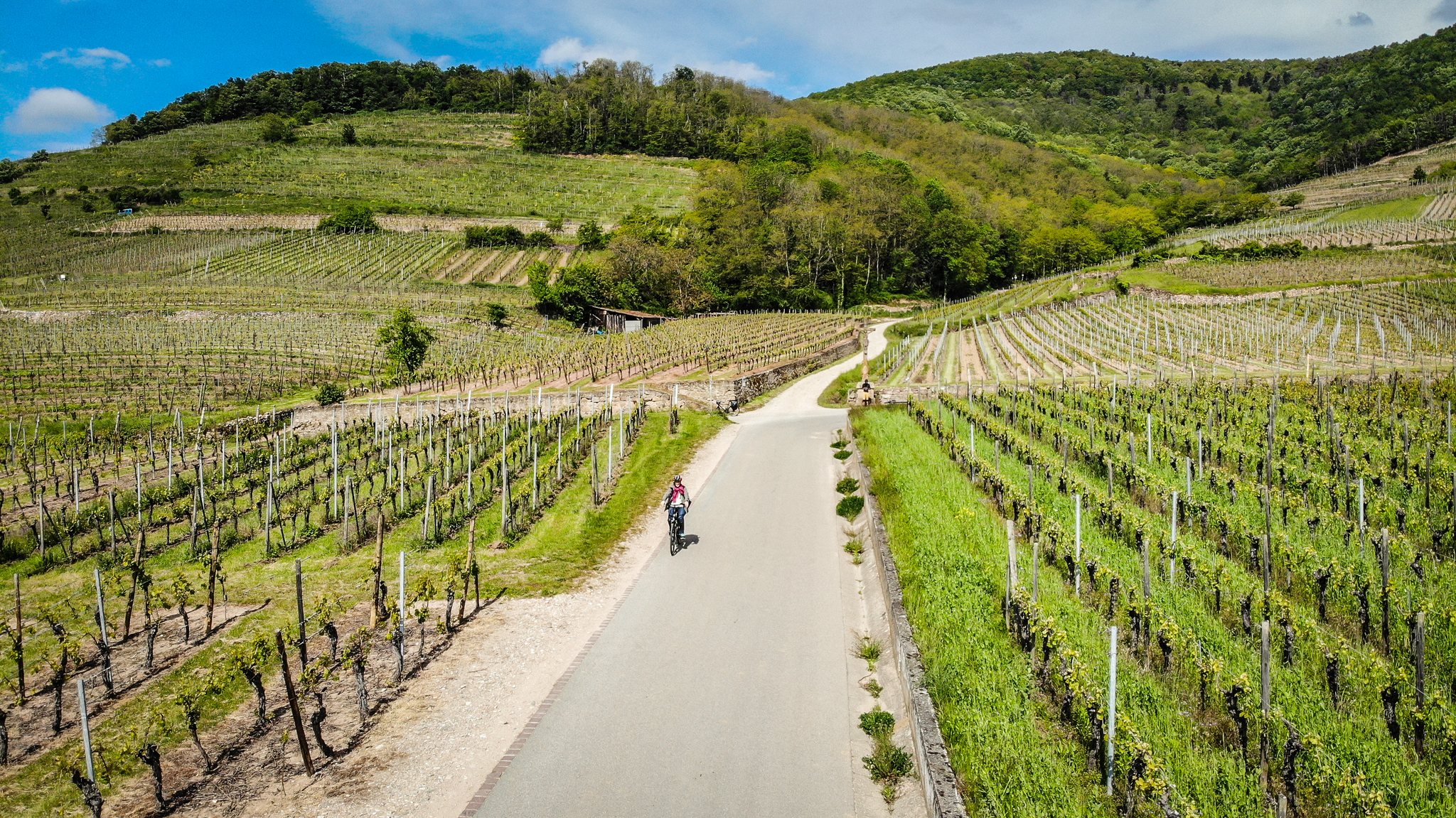
L’Alsace à Vélo - Entre canaux, vignoble et vallées vosgiennes
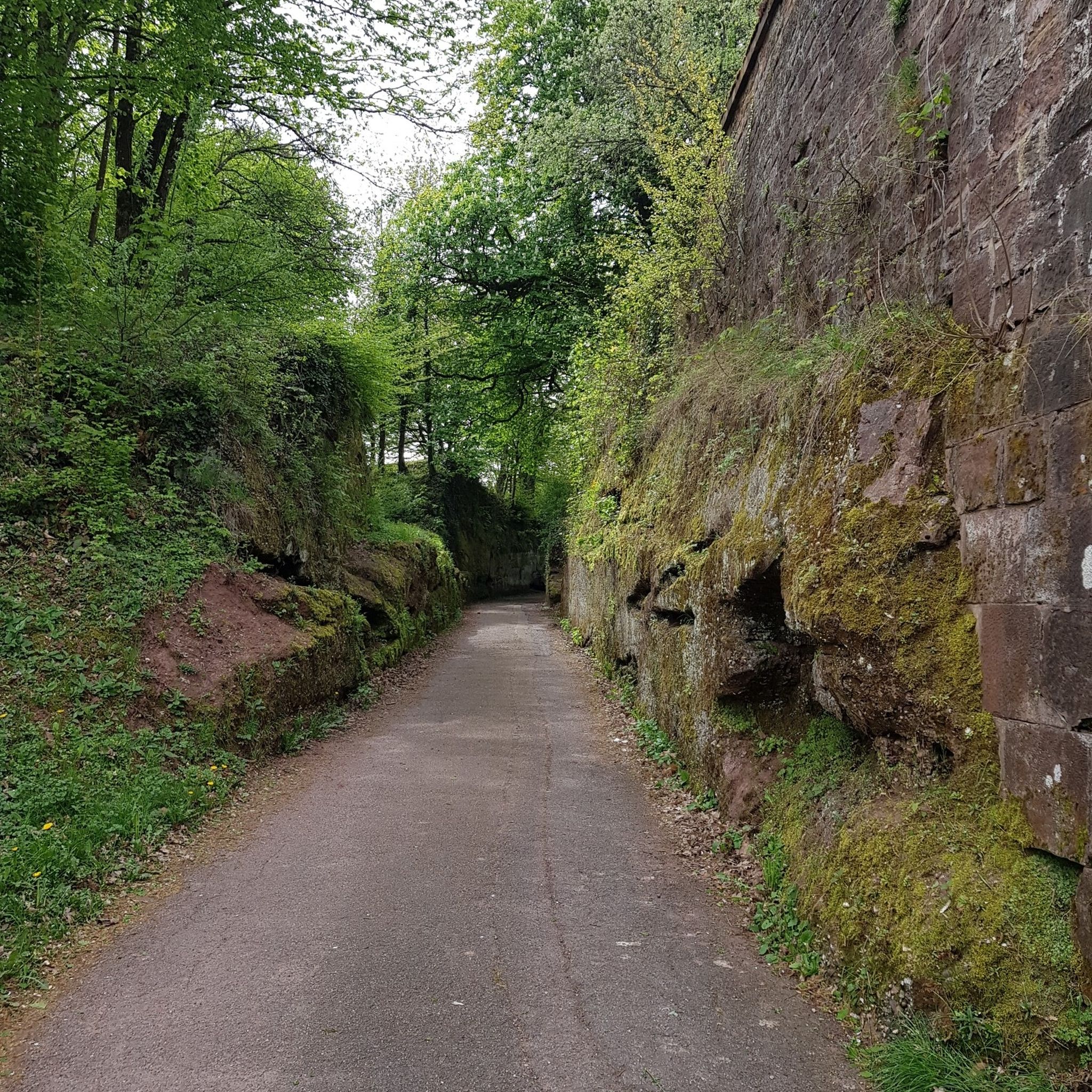
Hiking around Zabern
Other adventures around Zabern


Tips from the Community

Although the few remaining ruins of this structure are called a castle, it appears that the site was first used as a Roman temple and then as a Christian church. Nearby are superb rock formations typical of the Northern Vosges Mountains.
1
0

Fantastic view. Anyone attempting this should be free from vertigo. The descent is very steep and deep.
1
0

Elongated rock castle above the Zorn valley, southwest of Saverne. After a varied history, it has been state property for approx. 150 years. Varied structures from different eras in the inner courtyard. Great view over the Rhine valley and the northern Vosges.
3
0

Accessible from various directions and/or accessible as a circular walk. The walk up the mountain is quite long.
0
0

Very beautiful places in the calm of the forest
0
0

Near Saverne lies this very mysterious place. Its name is based on a legend according to which the prince's horse leaped over the cliffs, leaving horseshoe-shaped imprints in the rock.
1
0

The remains are not the ruins of a small castle, as the popular name might suggest, but rather the remains of a Roman or Gallo-Roman sanctuary from the 2nd century, with a second phase of use in the 4th century. It may have later been used as a Christian church. In Curt Mündel's guide to the Vosges Mountains (1911 edition), the ruins are referred to as "Meisenbacher Schlössel," and the rock below as "Ochsenstall" (Oxen Stable), probably because the rock overhang was formerly used as a shelter for cattle.
0
0
Great view; right on the trail JL Huck was long-time president of the 'club vosgien'
0
0
Frequently Asked Questions
What types of natural features can I explore around Zabern?
The region around Zabern, part of the Northern Vosges, offers a diverse range of natural features. You can explore significant natural caves like the Brotsch Cave, which is the largest natural cave in the Northern Vosges. There are also impressive rock formations, such as those found at Haut-Barr Castle, including the famous “Devil's Bridge” walkway. Other notable features include viewpoints, forests, and unique geological formations like Ochsenstall Rock.
Are there any natural monuments with historical significance near Zabern?
Yes, several natural monuments in the area are intertwined with history. Haut-Barr Castle, while a historical site itself, incorporates impressive natural rock formations and offers panoramic views. The Graufthal Troglodyte Houses are a unique example where dwellings were built into the rocks, remaining inhabited until 1958. Ochsenstall Rock also has historical ties, believed to have served as a resting place for herdsmen.
Which natural monuments are suitable for families with children?
For families, the Graufthal Troglodyte Houses offer an engaging historical experience. The Grotte d'Amour is another family-friendly spot, providing a beautiful resting place with seating areas. Additionally, the Saint-Vit Cave: Chapel and Garden is a pleasant destination for all ages, combining natural beauty with a historical chapel.
Where can I find the best viewpoints among the natural monuments?
Many natural monuments around Zabern offer stunning views. Haut-Barr Castle provides fantastic vistas over the Vosges and the Rhine Valley, with Strasbourg Cathedral visible on clear days. The Brotsch Cave also boasts very nice views of the surroundings. Other excellent viewpoints include Ochsenstall Rock and Prince Charles' Leap Rock.
Are there hiking trails near the natural monuments around Zabern?
Yes, the area is rich with hiking opportunities. You can find easy hikes like the "Grotte d'Amour – Château de Hunebourg loop from Saverne" or the "Haut-Barr Castle – Grand Geroldseck Castle loop from Haegen." For more options, explore the Easy hikes around Zabern guide. There are also moderate waterfall hikes available, such as those found in the Waterfall hikes around Zabern guide.
What other outdoor activities can I do near these natural monuments?
Beyond hiking, the region offers various outdoor activities. Road cycling is popular, with routes like the "La Petite Pierre Reserve Loop from Steinbourg" or the more challenging "Northern Vosges Nature Park Loop from Ingwiller." You can find more details in the Road Cycling Routes around Zabern guide. The Brotsch Cave is also a well-known spot for climbers.
What makes the Brotsch Cave a significant natural monument?
The Brotsch Cave is notable for being the largest natural cave in the Northern Vosges. Its natural formation is impressive, and it's a popular destination for climbers, evidenced by the steel eyelets and magnesia residue found there. It also offers great views of the surrounding landscape.
What is the 'Devil's Bridge' at Haut-Barr Castle?
The 'Devil's Bridge' is a walkway at Haut-Barr Castle that connects two of its impressive natural rock formations. This unique feature enhances the castle's appeal, allowing visitors to experience the natural elements integrated with the historical site.
Can I visit the Graufthal Troglodyte Houses?
Yes, the Graufthal Troglodyte Houses are open to visitors. These unique semi-troglodyte dwellings, where the rocks served as natural walls and ceilings, remained inhabited until 1958. Today, they function as a museum, restored and furnished with period items, offering a glimpse into a unique past where nature and daily life were intertwined.
What is the best time to visit the natural monuments around Zabern?
The natural monuments around Zabern can be enjoyed throughout the year, but spring and autumn often offer the most pleasant conditions for outdoor activities like hiking and climbing, with mild temperatures and beautiful foliage. Summer is also popular, though it can be warmer. Winter visits can be picturesque, especially after snowfall, but some trails might be more challenging.
Are there any natural monuments that offer a good resting spot?
Yes, the Grotte d'Amour is known as a beautiful resting place, complete with seating areas around a table inside the grotto. Similarly, Ochsenstall Rock can serve as a shelter with seating, making it a convenient spot to pause during your exploration.
Most popular routes around Zabern
Most popular attractions around Zabern

Get inspired with the komoot mobile app


Didn’t find what you were looking for?
Find even more amazing natural monuments around Zabern by checking out the top Highlights region by region:
Explore more
Extend your search for the best caves by checking out these guides of the top ones around Zabern:
