Attractions and Places To See around Sarreguemines - Top 20
Attractions and places to see around Sarreguemines offer a blend of cultural heritage and natural landscapes. Situated at the confluence of the Saar and Blies rivers, the town is historically significant for its faience industry. The surrounding region features diverse terrain, including forests, riverbanks, and canals. Visitors can explore both historical landmarks and extensive outdoor recreation areas.
Best attractions and places to see around Sarreguemines
- The most popular attractions is Falkenstein Castle ruins, a castle that offers an excellent…
Last updated: September 26, 2026
Altschlossfelsen (Southwest Section)
Highlight • Natural Monument
Translated by Google •
Tip by

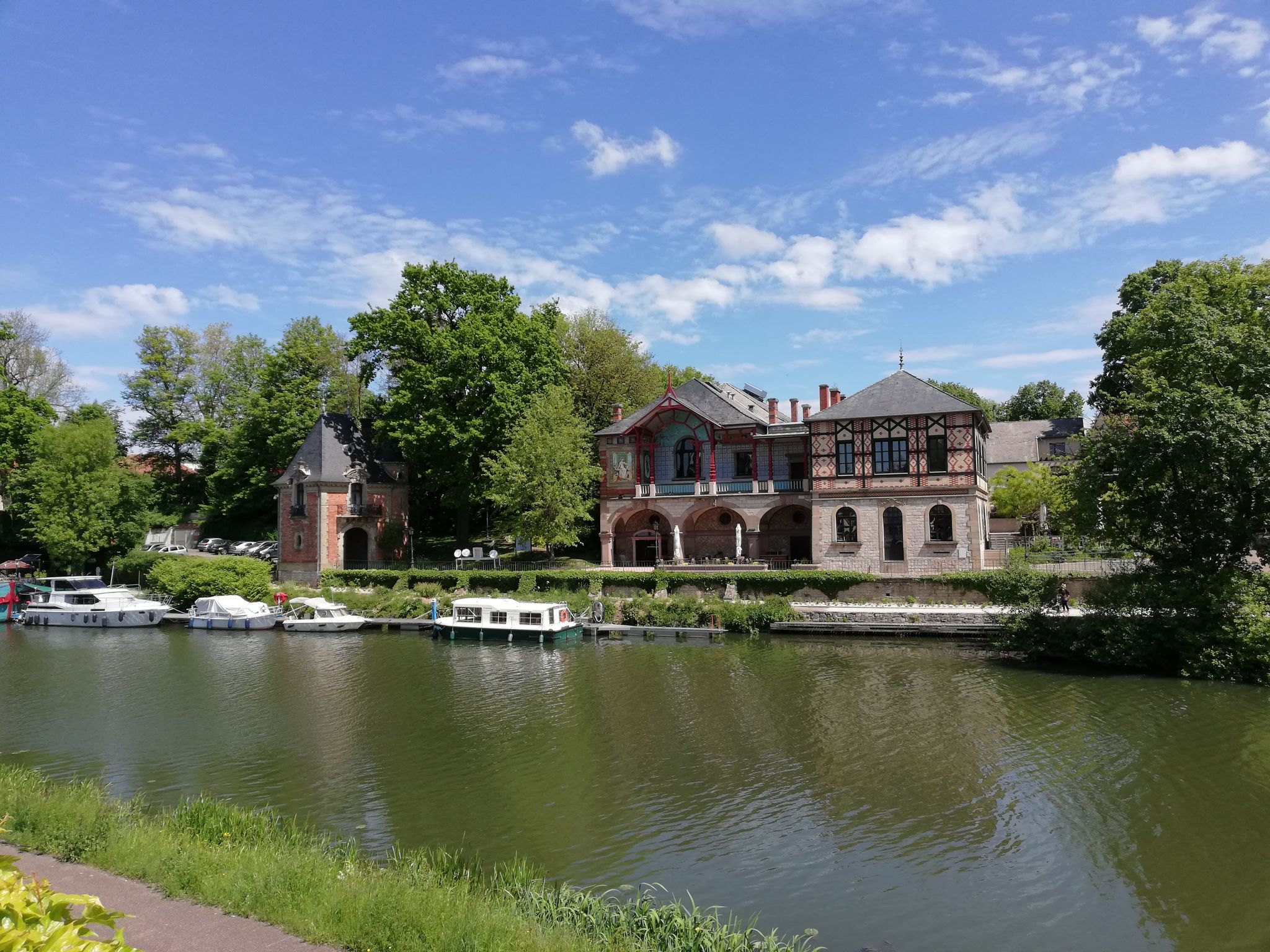
Sarreguemines Riverside Promenade
Highlight • River
Translated by Google •
Tip by

Sign up now to discover places like this
Get recommendations on the best single tracks, peaks, & plenty of other exciting outdoor places.
Sarreguemines Lock
Highlight • Structure
Translated by Google •
Tip by

Harbor of the old Saar barges
Highlight • Other
Translated by Google •
Tip by
Lock on the Saar Coal Canal
Highlight • Structure
Translated by Google •
Tip by

Saar Coal Canal at Dieding
Highlight • Cycleway
Translated by Google •
Tip by

Bridge over the Saar in Sarreguemines
Highlight • Bridge
Translated by Google •
Tip by

Falkenstein Castle ruins
Highlight • Castle
Short path through the forest with a slight increase from the trail parking lot.
Excellent all-round view.
Translated by Google •
Tip by

Moulin d'Eschviller
Highlight • Restaurant
Translated by Google •
Tip by

Hanau Pond
Highlight • Lake
On the west bank of the crystal clear Hanauer pond is a peat bog - the only …
Translated by Google •
Tip by
Sign up for free to discover even more attractions around Sarreguemines.
Already have an account?
Start today with a free account
Your next adventure awaits.
Popular around Sarreguemines
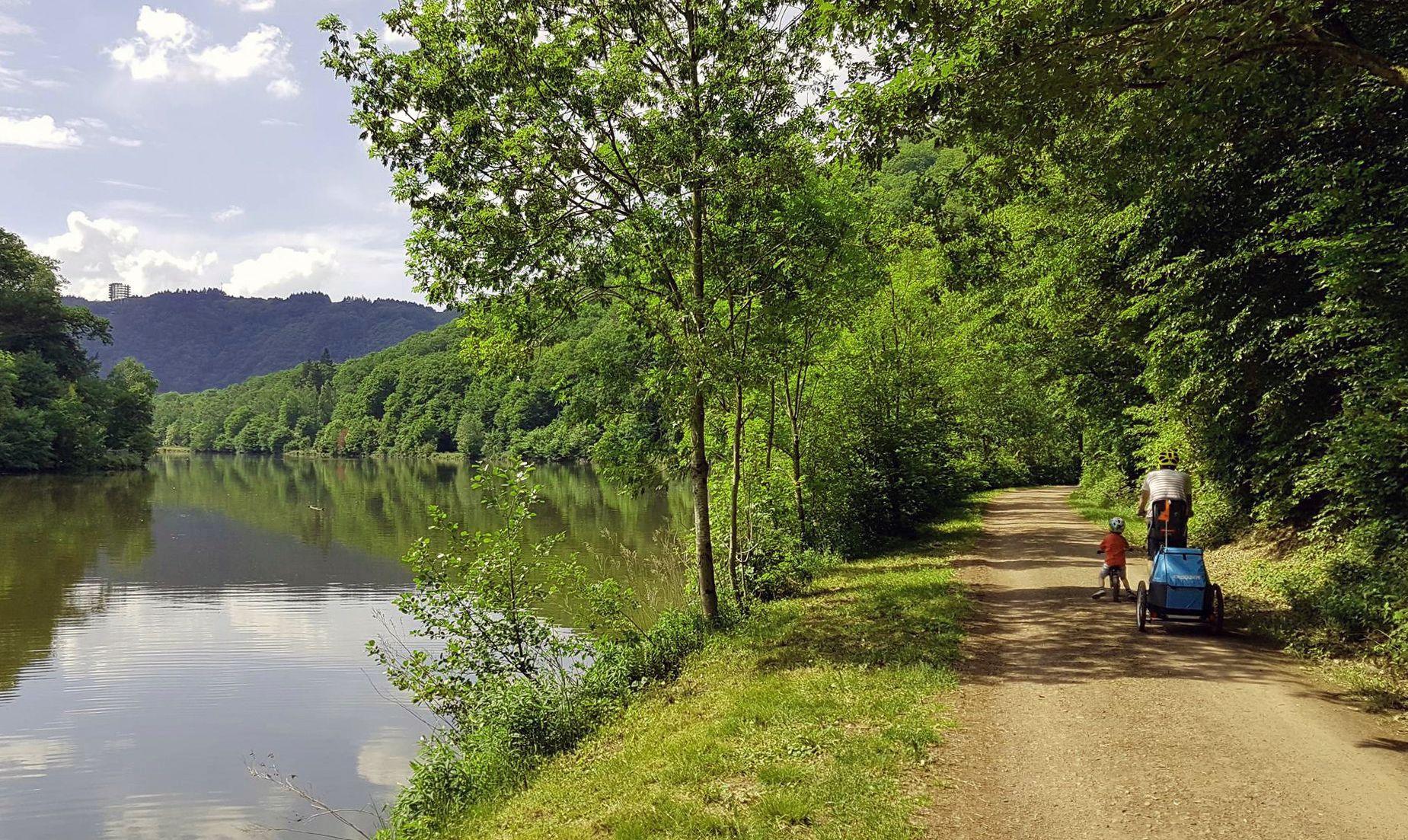
Saar Cycle Route — through the Saarland to the Moselle
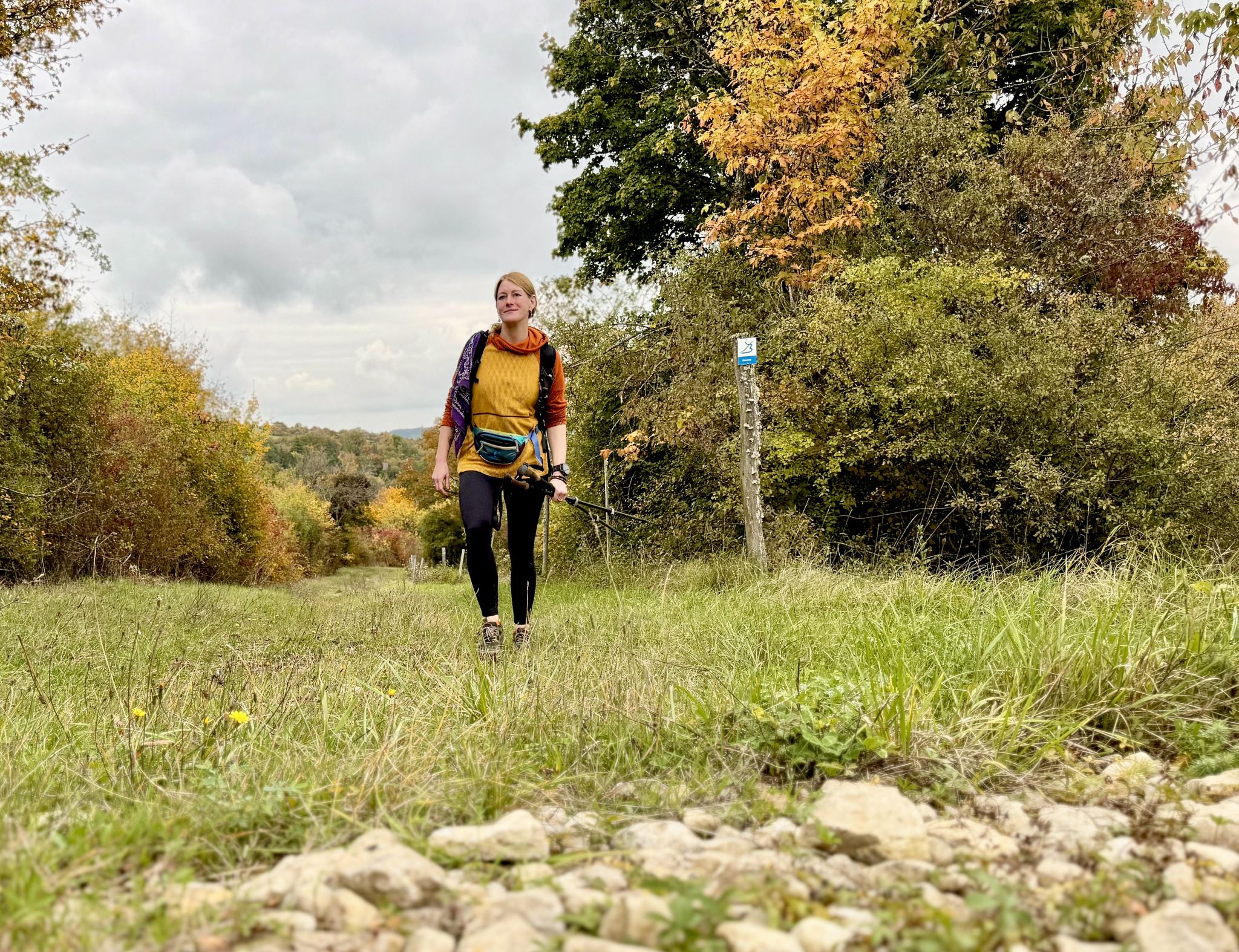
The Bliessteig – Saarland's colorful autumn dream
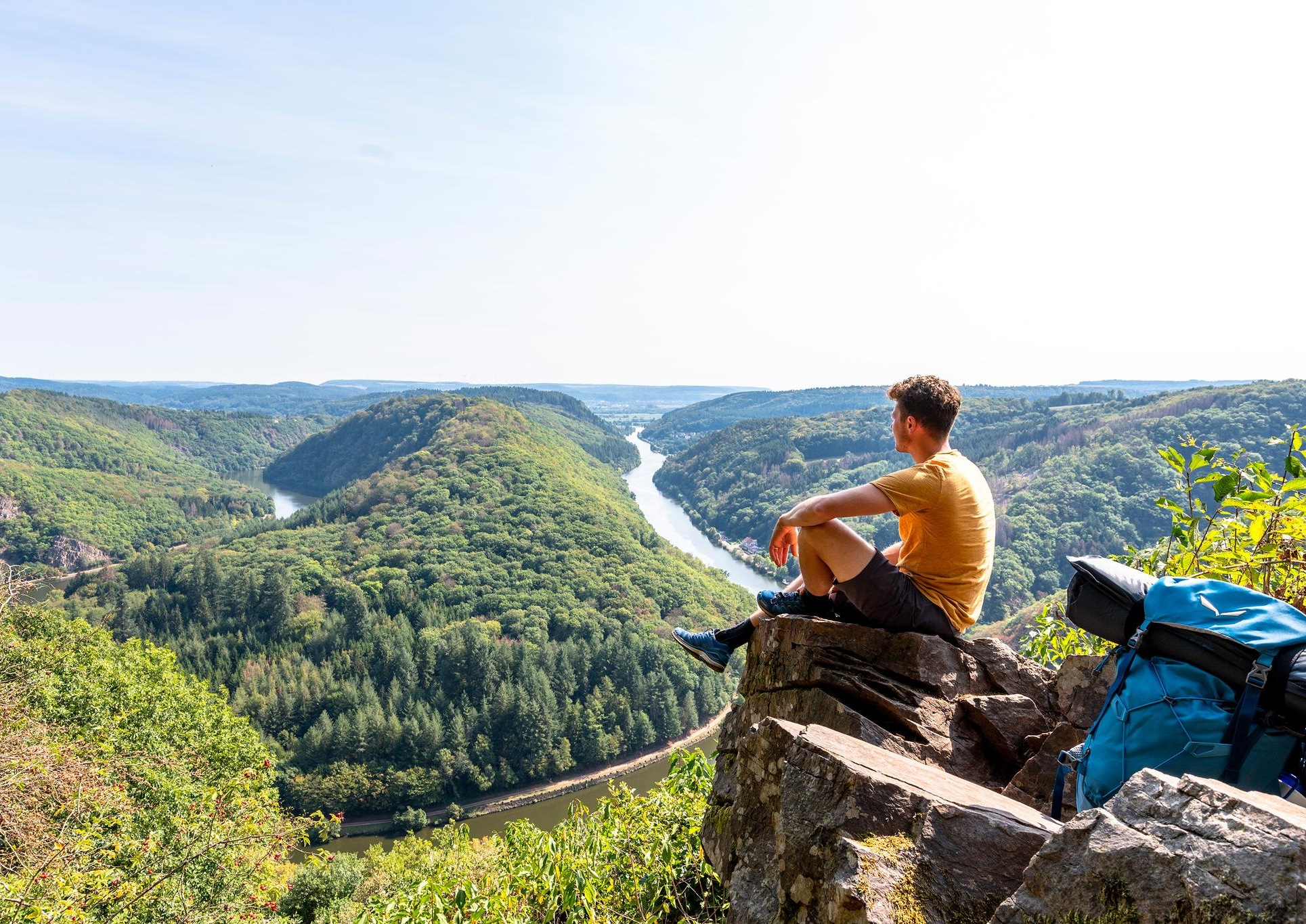
So close, so diverse – the most beautiful hikes in Saarland
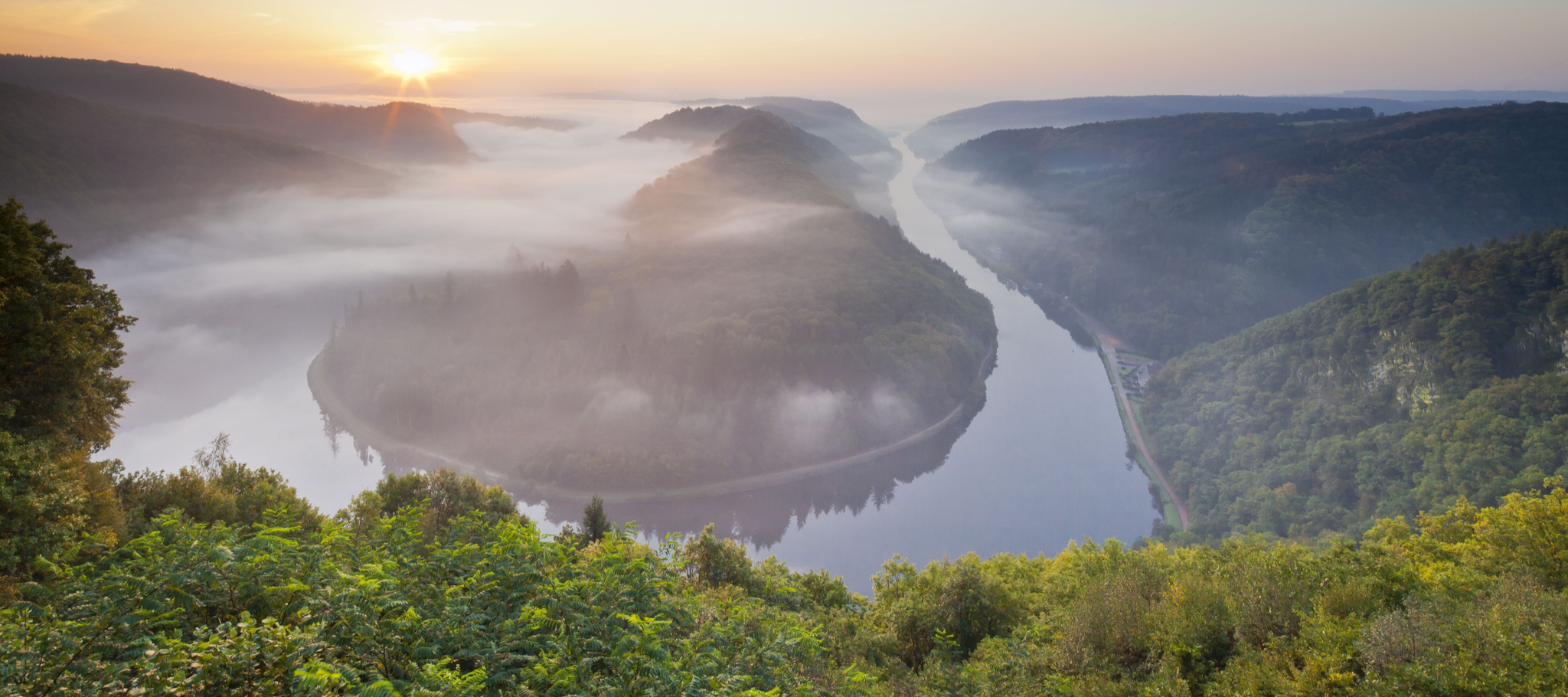
Between the Saarschleife and the Blies – the most beautiful hikes in Saarland
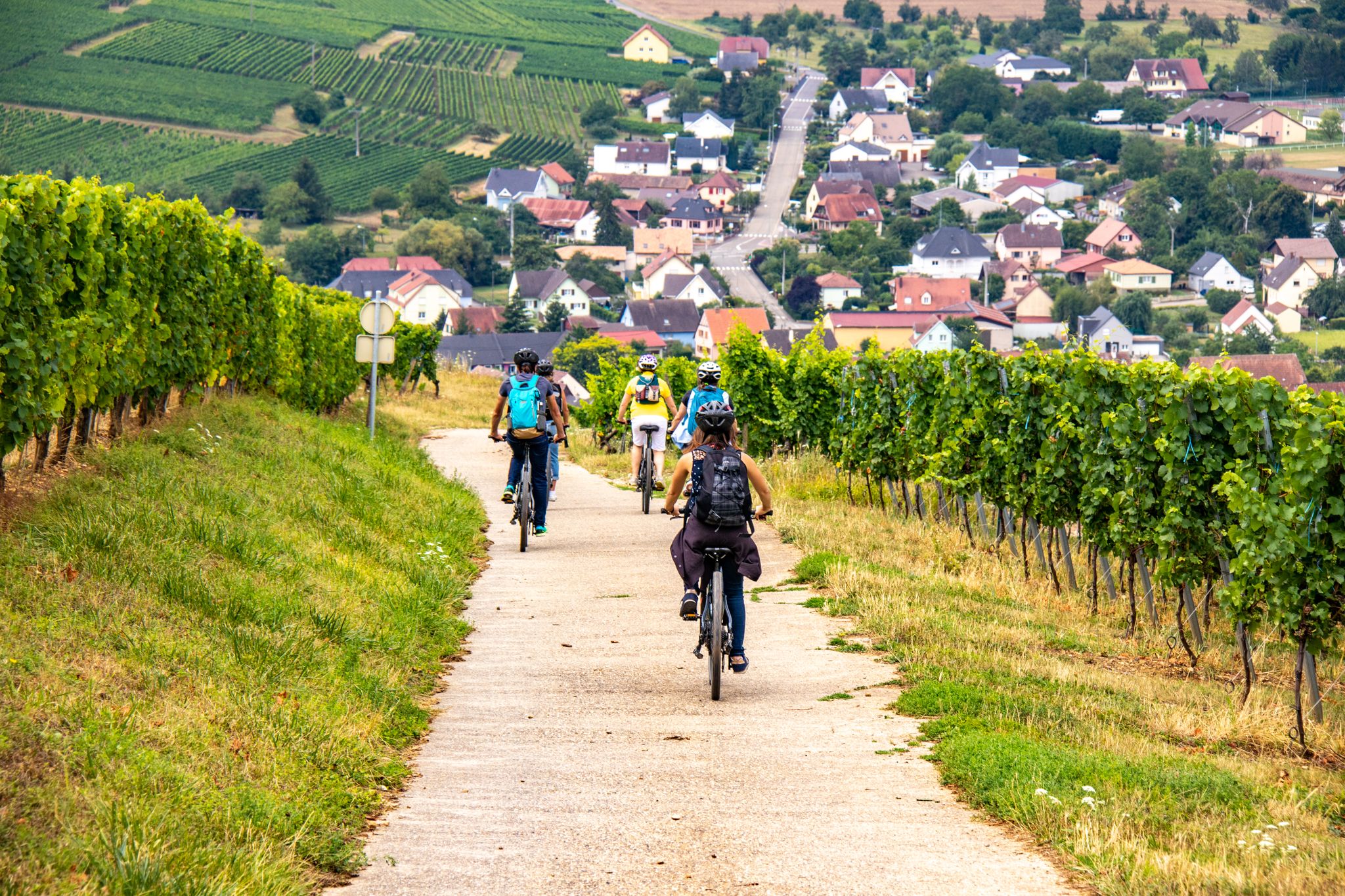
EuroVelo 5 - Via Romea (Moselle - Alsace)
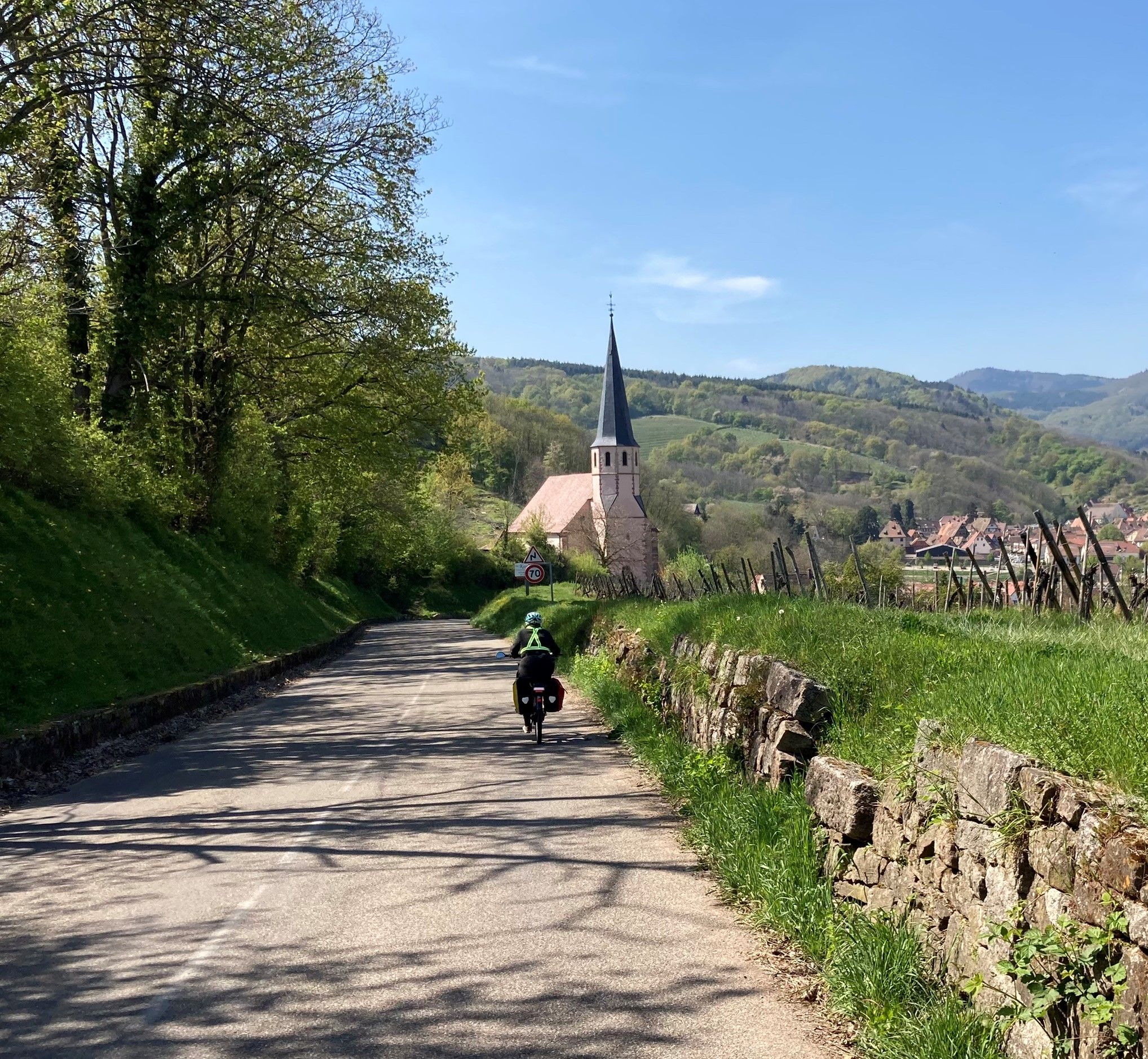
The Via Romea Francigena in Alsace-Moselle – EuroVelo 5
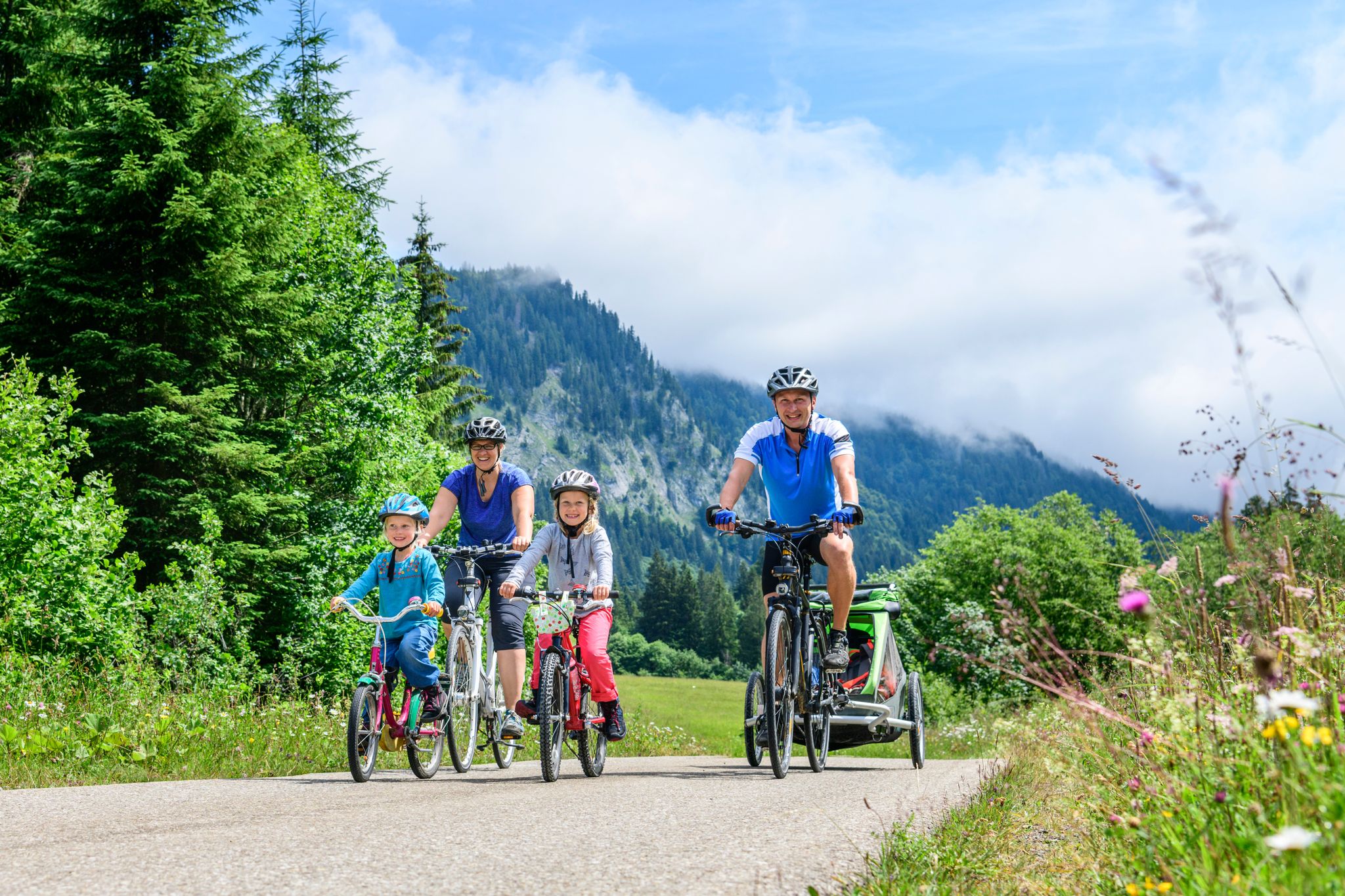
German Cycling Network – Cycling all over the country on the D-Routes
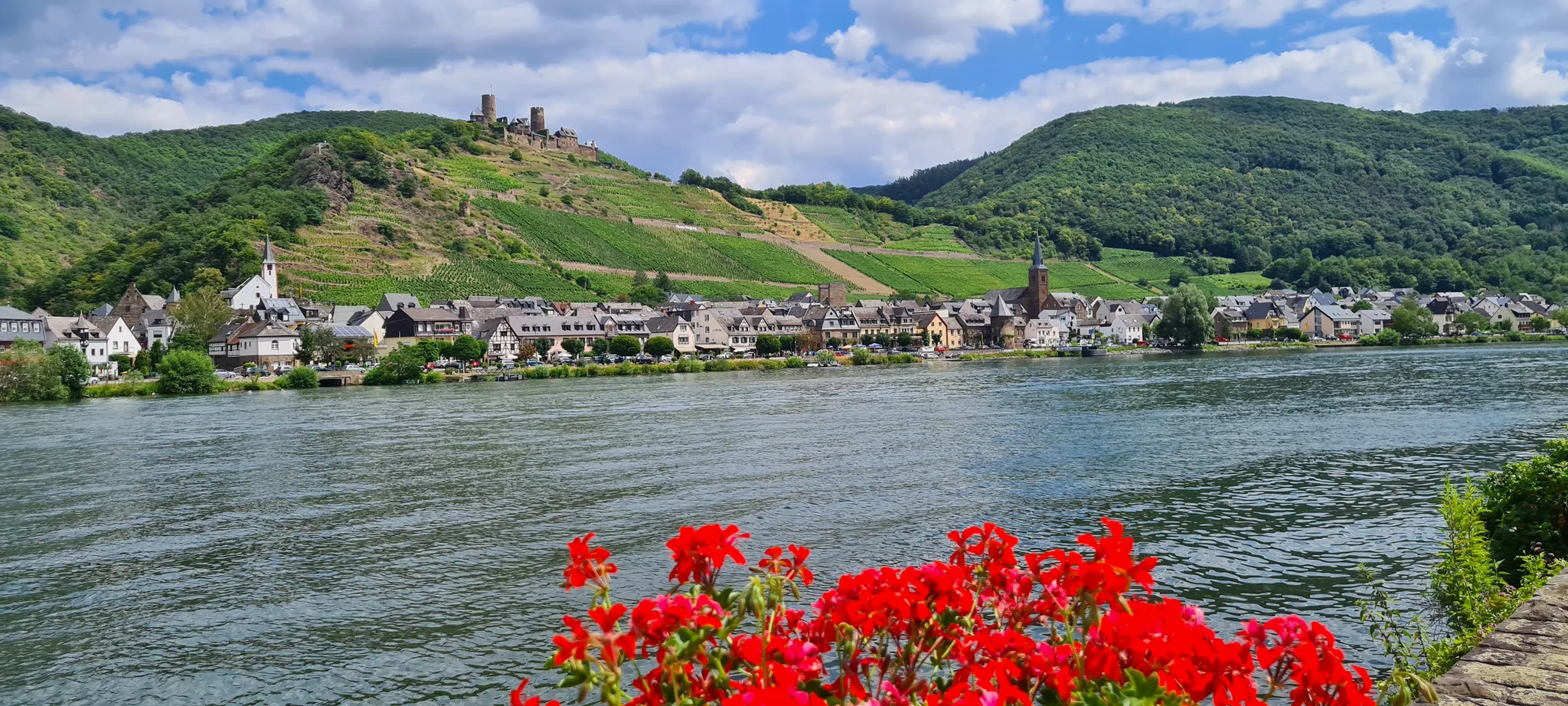
D-Route 5: Saar-Moselle-Main
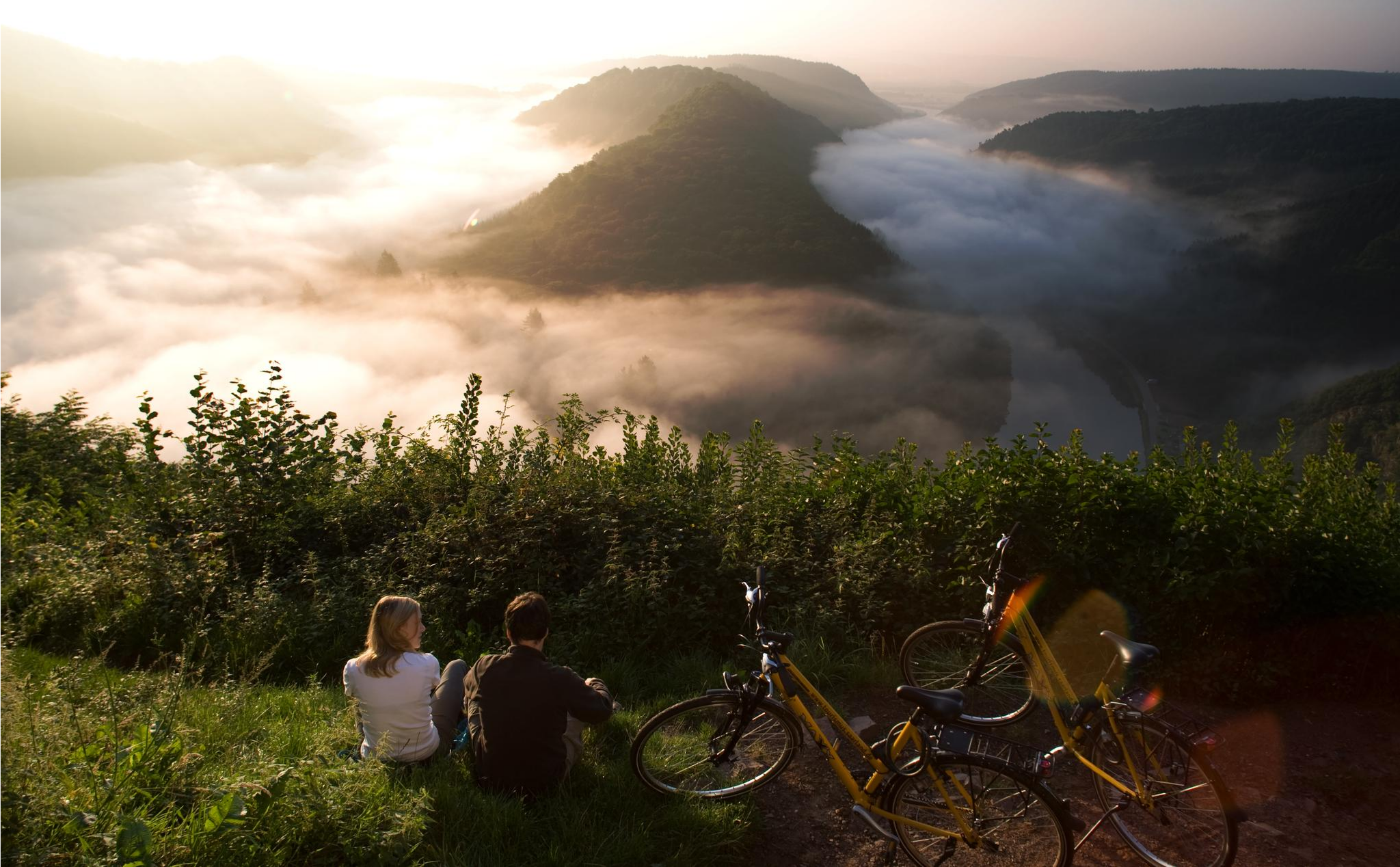
The Glan-Blies cycle path - in 5 stages from Saarland to the Palatinate
Von Saarbrücken bis zur Mosel – Radwege im Saarland
Other adventures around Sarreguemines


Tips from the Community

yes, great cycle path, separated from car lane over the Saar
0
0

From the cycle path, you can see the old Saar barges. These were built between the two world wars. They were previously pulled by hand on the canals and rivers; they were said to be towed (hence the name towpaths), now rehabilitated as cycle paths.
2
0
Sarreguemines is distinguished by its rich industrial and artisanal past. Renowned for its pottery, it houses a museum dedicated to this art, testifying to its centuries-old expertise. Crossed by the Saar River, the town offers a picturesque setting with its landscaped banks and historic center, which blends traditional architecture with industrial remains.
1
1

One of the bridges where you can change sides.
3
0
The Saar is getting "younger". On the left hand side the river and on the right hand the canal.
3
0
Nice little place where you can take a break.
3
0

The Moulin d'Eschviller, or the Eschviller Mill, is a historic watermill in the village of Eschviller, part of the commune of Volmunster in the Moselle department in the Grand Est region of France. This mill is a major tourist attraction and an important cultural monument, reflecting the agricultural and industrial history of the region. Dating back to the 18th century, the Moulin d'Eschviller has undergone various modifications and restorations over the centuries. It was originally used to grind grain and played a central role in the local economy and community. Like many other watermills in the region, the mill harnessed the waterpower of nearby rivers to drive the millstones. Today, the Moulin d'Eschviller is a museum open to the public. It offers a variety of activities and excursions. Visitors can take guided tours that explain the history of the mill and how it worked. These tours offer a deep insight into traditional milling technology and rural life from centuries past. The museum features interactive exhibits that are especially interesting for children and families. Here, visitors can learn how grain is milled and processed into flour. There's also a restaurant where you can enjoy a good meal or refreshments.
2
0

cycling along the Saar-Coal Canal with a view of the Saar. Nice here!
4
0
Frequently Asked Questions
What historical sites can I explore in Sarreguemines?
Sarreguemines boasts a rich history, particularly tied to its faience industry. You can visit the Musée de la Faïence, which includes the stunning Jardin d'Hiver, or explore the Moulin de la Blies – Museum of Faience Techniques to understand the manufacturing process. Other notable historical landmarks include the Casino des Faïenceries, the Courthouse with its Germanic architecture, and the authentic Lorraine houses along Rue de France. Don't miss the picturesque Falkenstein Castle ruins, a 12th-century structure offering excellent views.
Are there any natural attractions or scenic viewpoints around Sarreguemines?
Yes, the region offers several natural highlights. The Sarreguemines Riverside Promenade along the Saar River provides pleasant walking and cycling opportunities with scenic views. You can also visit Hanau Pond, a beautiful lake with a unique peat bog and nature trail on its west bank. For impressive rock formations and panoramic vistas, explore the Altschlossfelsen sandstone rock formation, the largest in the Palatinate.
What outdoor activities are available near Sarreguemines?
The area around Sarreguemines is ideal for outdoor enthusiasts. You can enjoy extensive cycling routes along the Saar Coal Canal, which is part of the EuroVelo 5 network, or explore over 300 km of marked trails for hiking through forests and riverbanks. For specific routes, consider the 'Altschlossfelsen Rock Circuit' for hiking or 'Along the Canal des houillères de la Sarre' for cycling. Find more routes and details on the Hiking around Sarreguemines and Cycling around Sarreguemines guide pages.
Are there family-friendly attractions in Sarreguemines?
Many attractions in Sarreguemines are suitable for families. The Sarreguemines Riverside Promenade is perfect for easy walks or bike rides. Hanau Pond offers a gentle walk around the lake and a nature trail. The Moulin d'Eschviller and the Blies Mill (Moulin de la Blies) provide engaging historical insights into the region's industrial heritage.
What cycling routes can I find in the Sarreguemines area?
Sarreguemines is a hub for cycling, with routes along the Saar River and the Saar Coal Canal. The EuroVelo 5 cycle path runs through the area, offering over 60 km of routes connecting to a larger 350 km network. You can also explore the cross-border Vélo Vis-à-Vis network. Popular routes include 'Along the Canal des houillères de la Sarre' and 'The Saar – Saar Cycle Route loop'. More detailed cycling routes can be found on the Cycling around Sarreguemines guide page.
What is the best time of year to visit Sarreguemines?
Sarreguemines is enjoyable throughout the year, but spring and autumn offer particularly pleasant weather for outdoor activities like hiking and cycling, with comfortable temperatures and beautiful natural scenery. Summer is great for riverside activities and exploring the town, while winter can offer serene walks, though some outdoor facilities might have reduced hours.
Where can I learn about the faience industry in Sarreguemines?
To delve into Sarreguemines' famous faience industry, visit the Musée de la Faïence, housed in the former apartments of a factory director. It showcases extensive ceramic collections and features the magnificent Jardin d'Hiver. Additionally, the Moulin de la Blies – Museum of Faience Techniques provides an immersive experience illustrating the manufacturing process of these renowned ceramics.
Are there any accessible attractions for visitors with mobility considerations?
The Sarreguemines Riverside Promenade offers well-maintained, flat paths suitable for easy access. The Saar Coal Canal also features asphalted, flat routes that are generally easy to navigate. The Saar Border Crossing Path is also noted as wheelchair accessible.
What do visitors enjoy most about the attractions around Sarreguemines?
Visitors frequently praise the scenic beauty and ease of access of the Sarreguemines Riverside Promenade, noting its well-maintained paths and interesting buildings. The Falkenstein Castle ruins are highly appreciated for their picturesque setting, historical information boards, and breathtaking panoramic views. The tranquility and natural beauty of Hanau Pond, especially its unique peat bog, are also popular among visitors.
Can I find any hidden gems or less-known spots in the Sarreguemines area?
Beyond the main attractions, consider exploring the Jardin des Faïenciers at the Moulin de la Blies site, a vibrant green space created from a former industrial brownfield. The somewhat hidden Old Town Square (Square de la Vieille Ville) offers a glimpse into the lively city center away from the main thoroughfares. For a unique historical insight, look for the Harbor of the old Saar barges visible from the cycle path, showcasing historical transport vessels.
Are there opportunities for wildlife spotting or nature hikes in protected areas?
Yes, Sarreguemines is surrounded by protected natural areas, including Natura 2000 sites, which offer excellent opportunities for nature hikes and wildlife observation. The peat bog at Hanau Pond is a unique ecosystem with a nature trail providing insights into its development and local flora and fauna. The extensive network of marked trails through forests and marshes also provides habitats for various wildlife.
What are some notable architectural landmarks in Sarreguemines?
Sarreguemines features several distinctive architectural landmarks. The Casino des Faïenceries, built in 1878, is notable for its facade covered in vibrant tile panels. The Courthouse (Palais de Justice), completed in 1913, stands out with its Germanic architecture and golden Jaumont stone. The old city Theatre, converted from a former church, also presents an interesting blend of historical and cultural architecture.
Most popular routes around Sarreguemines

Get inspired with the komoot mobile app


Didn’t find what you were looking for?
Are you keen on exploring more awesome places nearby? Browse our guides:
Explore more
Still not found the Highlight you’re looking for? See guides of the top attractions in other regions:
