Top 7 Castles around Verdun
Best castles around Verdun are found in a region primarily known for its significant role in World War I and its extensive fortifications. The surrounding Meuse department in France offers a variety of historical sites, including traditional châteaux and impressive fortified structures. This area provides a blend of military history, architectural heritage, and natural landscapes. Visitors can explore sites ranging from medieval fortresses to Renaissance châteaux, each offering insights into different historical periods.
Best castles around Verdun
- The most popular…
Last updated: July 13, 2026
Fort Douaumont
Highlight • Monument
Translated by Google •
Tip by

Citadel of Montmédy
Highlight • Settlement
Translated by Google •
Tip by

Sign up now to discover places like this
Get recommendations on the best single tracks, peaks, & plenty of other exciting outdoor places.
Sign up for free
Verdun Citadel
Highlight • Historical Site
Underground galleries were dug under the citadel of Verdun between 1886 and 1893. Established and supported for 2,000 men, …
Translated by Google •
Tip by

Beautiful castle, church and ancient fortifications
Highlight • Castle
Translated by Google •
Tip by
Château de Louppy-sur-Loison and Church of Louppy-sur-Loison
Highlight • Castle
Translated by Google •
Tip by

Monthairons Castle
Highlight • Castle
Translated by Google •
Tip by
Château de la Grande Flassigny
Highlight • Castle
Translated by Google •
Tip by

View of Tour de l'Islot - Verdun
Highlight • Historical Site
Translated by Google •
Tip by

Start today with a free account
Your next adventure awaits.
Login or Signup
Popular around Verdun
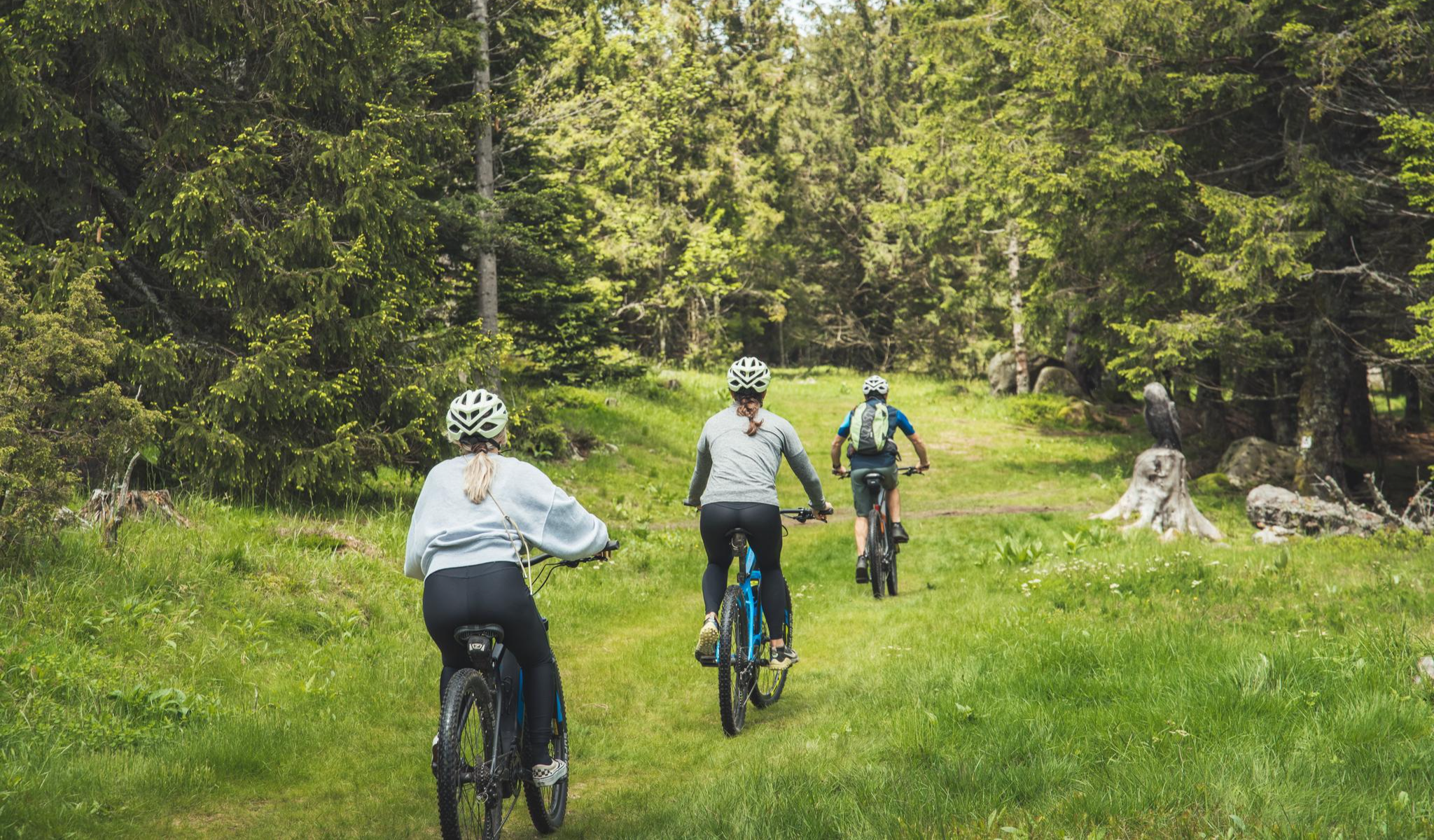
MTB and gravel in the Grand Est – the joy of the low mountains
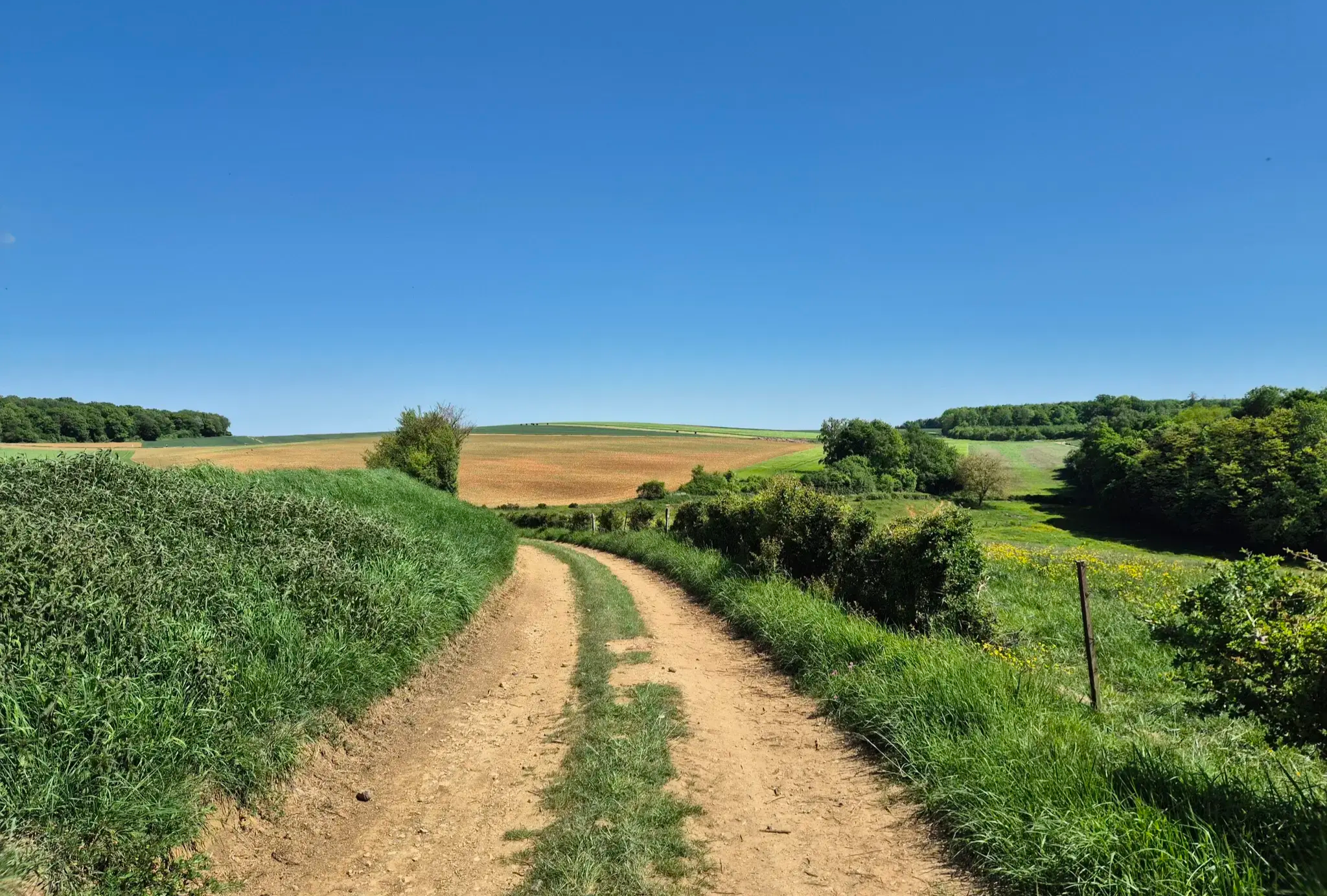
Une randonnée aux airs de Provence — La Transgaumaise
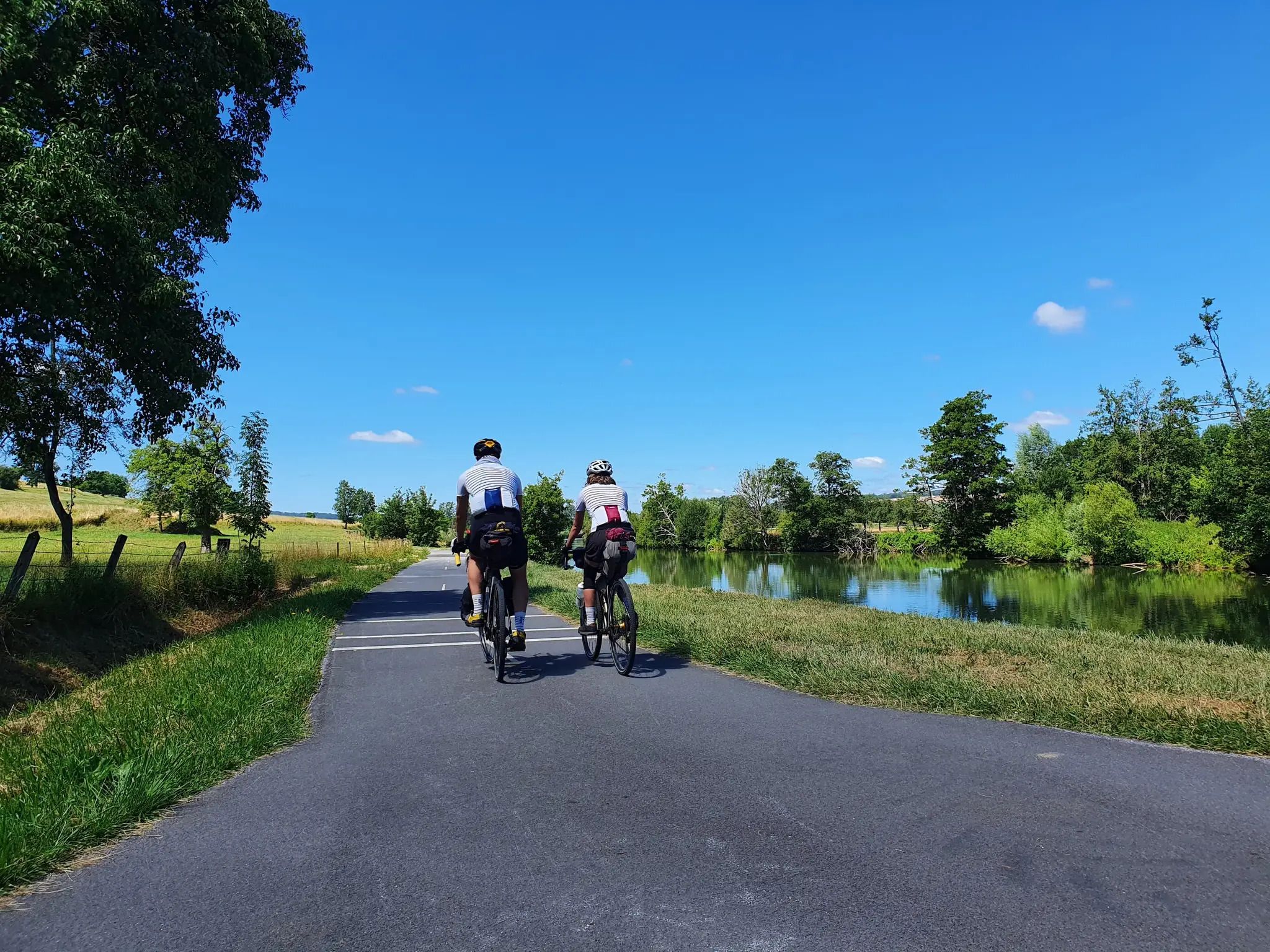
A river, three countries, countless experiences – Meuse Cycle Route
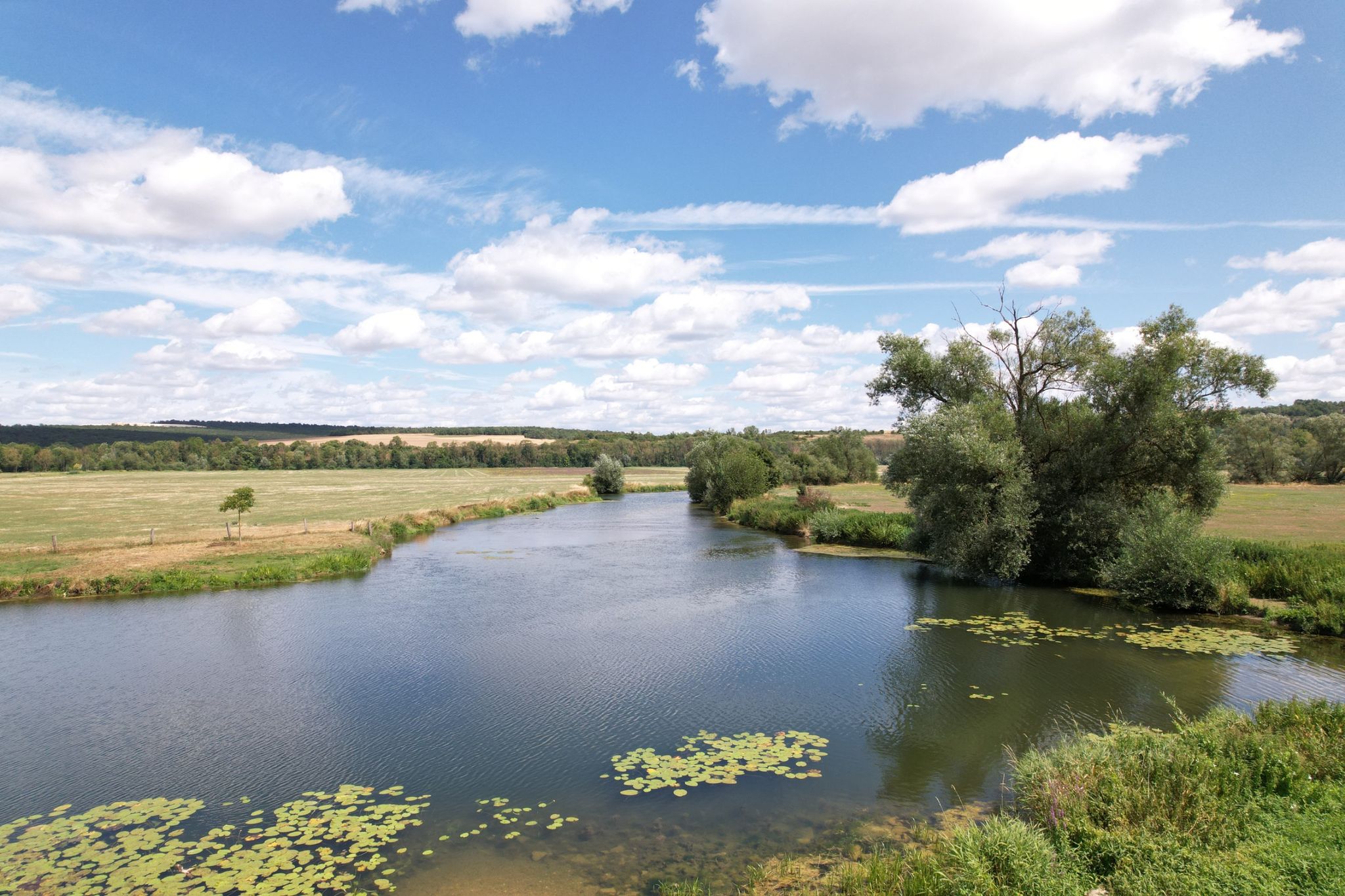
Along the Meuse River – an adventure on EuroVelo 19
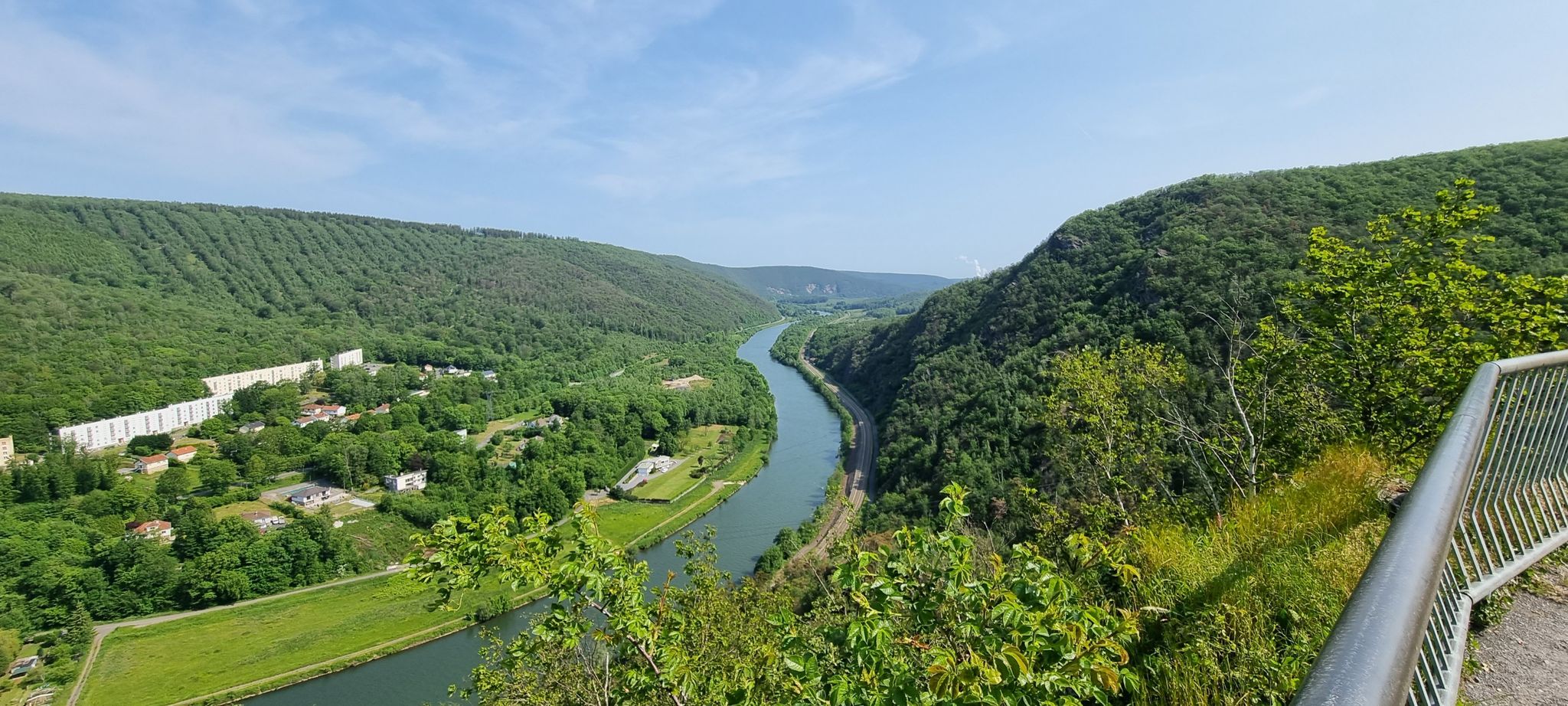
In the footsteps of the First World War — EuroVelo 19
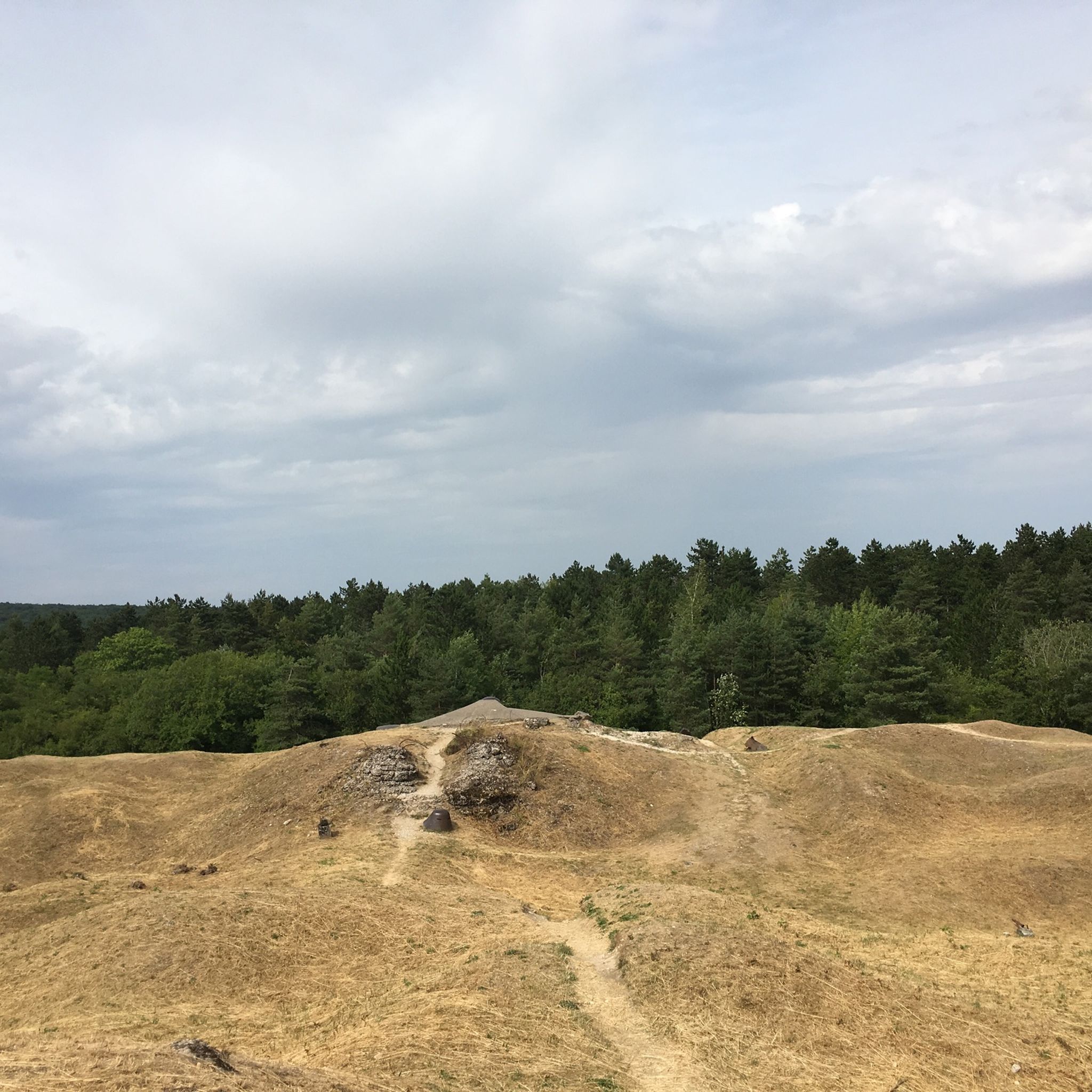
Hiking around Verdun
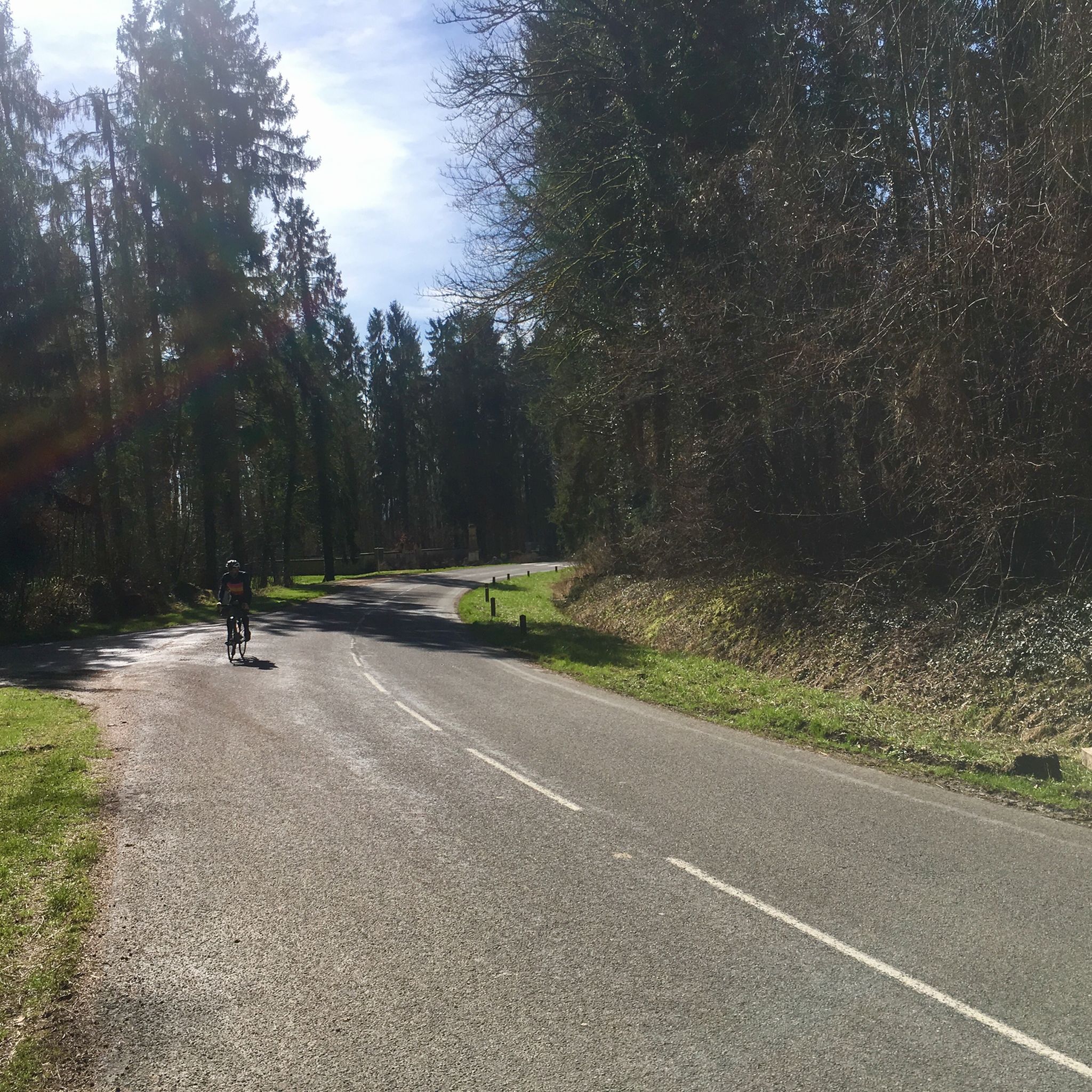
Road Cycling Routes around Verdun
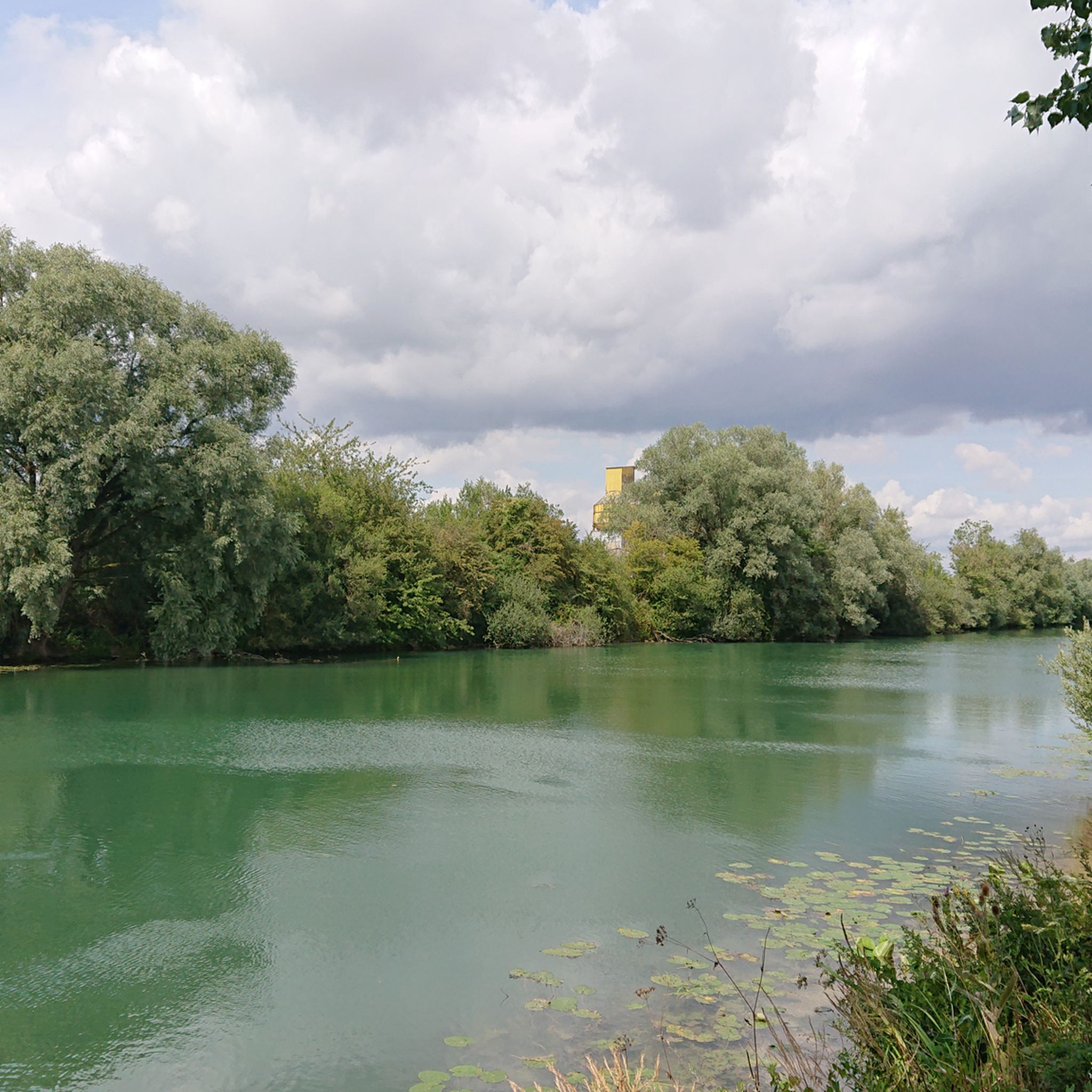
Cycling around Verdun
Running Trails around Verdun
MTB Trails around Verdun
Other adventures around Verdun


Tips from the Community

The museum offers a good insight into soldiers' lives during World War I. Using an augmented reality helmet, visitors can travel through the underground citadel. Admission is €16 per person (as of October 2025). However, for background information, it is recommended to visit the Verdun Memorial beforehand.
6
0

You can walk all the way around the ramparts. We found it unique and impressive. The museum was also interesting.
0
0

Part of the former city wall
2
0

The Citadel of Verdun is a symbolic and strategic site of the Battle of Verdun, nestled in stone. It will be a visit like no other during which you will walk through the underground galleries thanks to augmented reality. This unmissable memorial site immerses us in the lives of the soldiers during the war, 16 meters under the rock. An unprecedented experience! Triggered? Click through to https://www.landofmemory.eu/nl/sites-historiques/ondergrondse-citadel/
3
0
Fort Douaumont is a remnant of the First World War. One of the most powerful constructions and a symbol of the Battle of Verdun. More than a return to the past, a visit to this place immerses us in the heart of a legendary confrontation and tells us about the lives of those who lost their lives there. Fort Douaumont was built between 1884 and 1886 and was an extremely strategic location during the Battle of Verdun. It is also to this battle that the Fort owes its fame. The fort has been a listed historical monument since 1970 and, at an altitude of 400 metres, it offers a view of the valley south-west of Douaumont. As a building barely finished, it was almost immediately outdated because of its masonry construction. Indeed, at that time, new shells were able to destroy masonry structures. That is why Fort Douaumont was covered with a thick layer of concrete in the most sensitive and exposed places. The effectiveness and resistance of the weapons make this fort one of the most powerful buildings in the entrenched camp of Verdun. From the beginning of the First World War, the village of Douaumont and its surroundings were put in a state of defense: trenches were dug, barricades were built, barricades were hung. At first, the village managed to defend itself. But, from 1915, the village could no longer hold out. The stabilization of the front line then changed the type of battle. On February 21, 1916, the Germans attacked Verdun. Fort Douaumont was a privileged target: in two days, it was hit by 800 shells. In a few days, the front line came dangerously close to the fort. Four days after the start of the battle, it was already in the hands of the German army. For eight months, the French army fought to retake the fort, using many shells. It was not until October 1916, after 6 days of preparation and the deployment of exceptionally dense artillery, that yet another attack succeeded in recapturing the fort. In the Fort Douaumont Museum, many films, photos, archive material and testimonies tell the story of the fort and the heroic soldiers who fought there. A moving discovery that is a good addition to a visit to the fort. Source: https://www.landofmemory.eu/nl/sites-historiques/fort-douaumont/
4
1
Built in the 14th century, it is part of the Grand Rempart de Verdun. It has the shape of a horseshoe and is also known as the Tour du Puty. The name "Plaids" comes from the judicial hearings that were held here in the Middle Ages. Source: Tourism Verdun
5
0
Built in the 14th century, it is part of the Grand Rempart de Verdun. It has the shape of a horseshoe and is also known as the Tour du Puty. The name "Plaids" comes from the judicial hearings that were held here in the Middle Ages. Source: Tourism Verdun
4
0

Frequently Asked Questions
Which are the most notable castles and fortified sites to visit around Verdun?
The region around Verdun, while known for its WWI history, also features several impressive castles and fortified sites. Among the most popular are the Citadel of Montmédy, a magnificent example of military architecture reinforced by Vauban, and the Verdun Citadel, with its significant underground galleries. Another must-see is Louppy-sur-Loison Castle, a grand Renaissance château.
Are there any family-friendly castles or historical sites near Verdun?
Yes, both the Citadel of Montmédy and the Verdun Citadel are listed as family-friendly. The Verdun Citadel offers an immersive experience with augmented reality through its underground galleries, which can be particularly engaging for families. Montmédy also has museums that can appeal to various ages.
What kind of historical periods do the castles around Verdun represent?
The castles and fortified sites around Verdun span various historical periods. You can explore medieval fortresses like the 14th-century Château de Gombervaux, Renaissance châteaux such as Château de Louppy-sur-Loison, and 19th-century elegance at Monthairons Castle. Additionally, military fortifications like the Citadel of Montmédy showcase centuries of defensive architecture, including Vauban's designs.
What outdoor activities or trails are available near these castles?
The region around Verdun offers numerous outdoor activities. You can find various MTB trails, gravel biking routes, and running trails. For example, there are routes like the 'Douaumont Ossuary – Underground Citadel loop' for cycling, and running trails around the Verdun Citadel. These routes often pass through historical landscapes and offer views of the fortifications.
What is the best time of year to visit the castles around Verdun for comfortable exploration?
For comfortable exploration of the castles and their surrounding areas, spring (April-May), summer (June-August), and early autumn (September-October) are generally ideal. During these months, the weather is pleasant for walking around outdoor fortifications and enjoying the natural settings. Some sites may have reduced hours or closures in winter, so it's always best to check ahead.
Are there any castles that offer a unique experience, such as staying overnight?
Yes, the Château des Monthairons operates as a hotel, offering a unique opportunity to stay in a beautiful 19th-century castle. Additionally, the Château de Labessière in Ancemont, while not a highlight in this guide, also functions as a guesthouse, providing a 'château life' experience.
Can I find viewpoints or scenic spots near the castles?
Many of the fortified sites, by their very nature, offer excellent viewpoints. The Citadel of Montmédy, for instance, is situated on an elevated position providing splendid views of the surrounding region. Similarly, the Fort de Souville, strategically located on a hill, offers views of the Meuse valley.
What makes the Château de Gombervaux a significant historical site?
The Château de Gombervaux is a remarkable 14th-century medieval fortress known for its well-preserved architecture, including a towering 20-meter high keep-gatehouse. Surrounded by water-filled moats, it offers a tangible connection to medieval defensive architecture and has undergone significant restoration efforts, making it a valuable site for understanding the region's past.
Are there any lesser-known or 'hidden gem' castles worth exploring?
While not as widely known as the major citadels, the Château de la Grande Flassigny is a fortified house from 1572 that offers original features like wooden ceilings and stone fireplaces, providing a glimpse into rural historical architecture. The Château de Gombervaux, with its ongoing restoration, also offers a more intimate medieval experience.
What is the historical significance of the Tour de l'Islot in Verdun?
The Tour de l'Islot, also known as Tour du Puty, is a 14th-century horseshoe-shaped tower that was part of Verdun's Grand Rempart. It's significant for its role within the city's defenses and its historical function as a location for judicial hearings in the Middle Ages, offering insight into Verdun's urban history.
How accessible are the castles around Verdun for visitors with mobility considerations?
Accessibility varies greatly among historical sites. While some modern facilities might offer better access, many older castles and fortifications, like the Citadel of Montmédy with its ramparts and elevated positions, or the underground galleries of the Verdun Citadel, may present challenges due to stairs, uneven terrain, or historical architecture. It is recommended to check specific site information directly for detailed accessibility options.
Are there any castles that showcase Renaissance architecture in the region?
Absolutely. The Château de Louppy-sur-Loison is considered one of the most striking examples of Renaissance style in the Lorraine region. Built between 1620 and 1633, it features monumental architecture, richly sculpted decorations, and elegant courtyards, making it a prime example of the period's grandeur.
Most popular routes around Verdun
Most popular attractions around Verdun

Get inspired with the komoot mobile app


Didn’t find what you were looking for?
Explore Verdun’s best castles region by region:
Explore more
Looking for the best castles somewhere else? Discover other guides around Verdun:
