The best road cycling routes around Romorantin-Lanthenay
4.5
(91)
1,892
riders
353
rides
Road cycling routes around Romorantin-Lanthenay are situated in the Sologne region of France, characterized by a generally flat to gently undulating terrain. The area features extensive, dense forests, tranquil wetlands, numerous ponds, and meandering rivers, providing varied scenery for cyclists. Minimal elevation gains across much of the Sologne ensure that many routes are accessible for various fitness levels. Cyclists can expect to traverse open meadows and traditional Sologne houses, offering glimpses into the region's rural charm.
Best road cycling routes…
Last updated: May 26, 2026
5.0
(1)
7
riders
62.3km
02:22
130m
130m
Moderate road ride. Good fitness required. Mostly well-paved surfaces and easy to ride.
4
riders
79.1km
03:05
280m
280m
Moderate road ride. Good fitness required. Mostly well-paved surfaces and easy to ride.

Sign up for free
1
riders
130km
05:13
510m
510m
Hard road ride. Very good fitness required. Mostly well-paved surfaces and easy to ride.
5.0
(1)
50
riders
Moderate road ride. Good fitness required. Mostly well-paved surfaces and easy to ride.
3.0
(1)
32
riders
86.0km
03:41
360m
360m
Moderate road ride. Good fitness required. Some segments of this route may be unpaved and difficult to ride.
4.5
(2)
36
riders
42.8km
02:04
150m
150m
Moderate road ride. Good fitness required. Some segments of this route may be unpaved and difficult to ride.
3.7
(3)
26
riders
Moderate road ride. Good fitness required. Mostly well-paved surfaces and easy to ride.
4.2
(5)
30
riders
54.9km
02:21
150m
150m
Moderate road ride. Good fitness required. Some segments of this route may be unpaved and difficult to ride.
5.0
(1)
20
riders
38.7km
01:30
100m
100m
Easy road ride. Great for any fitness level. Mostly well-paved surfaces and easy to ride.
20
riders
35.9km
01:33
120m
120m
Easy road ride. Great for any fitness level. Mostly well-paved surfaces and easy to ride.
Get access to more routes and recommendations from other explorers.
Sign up for free
Already have an account?
Our route recommendations are based on thousands of hikes, rides, and runs completed by other people on komoot.
Start today with a free account
Your next adventure awaits.
Login or Signup
Popular around Romorantin-Lanthenay
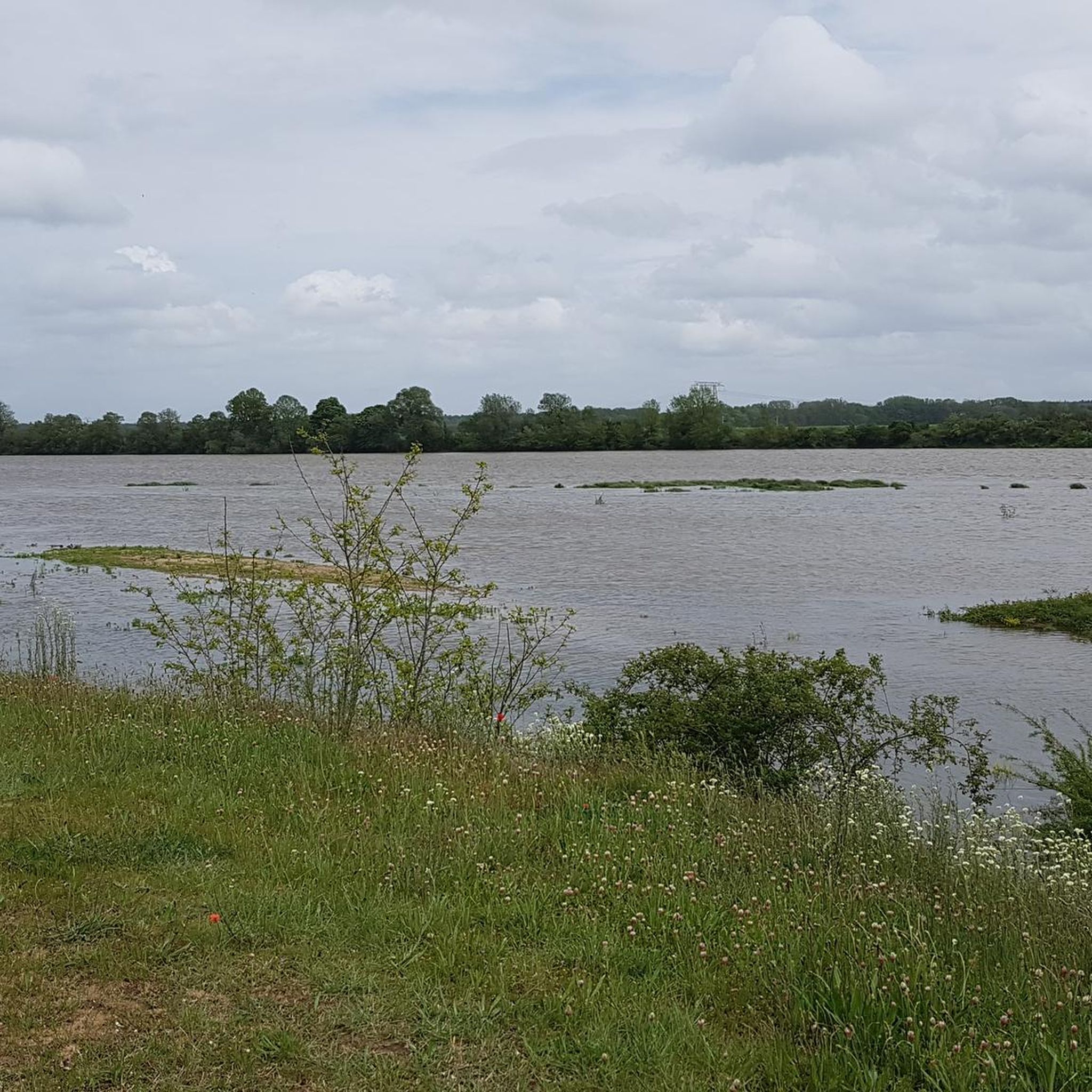
Road Cycling Routes around La Ferté-Saint-Cyr
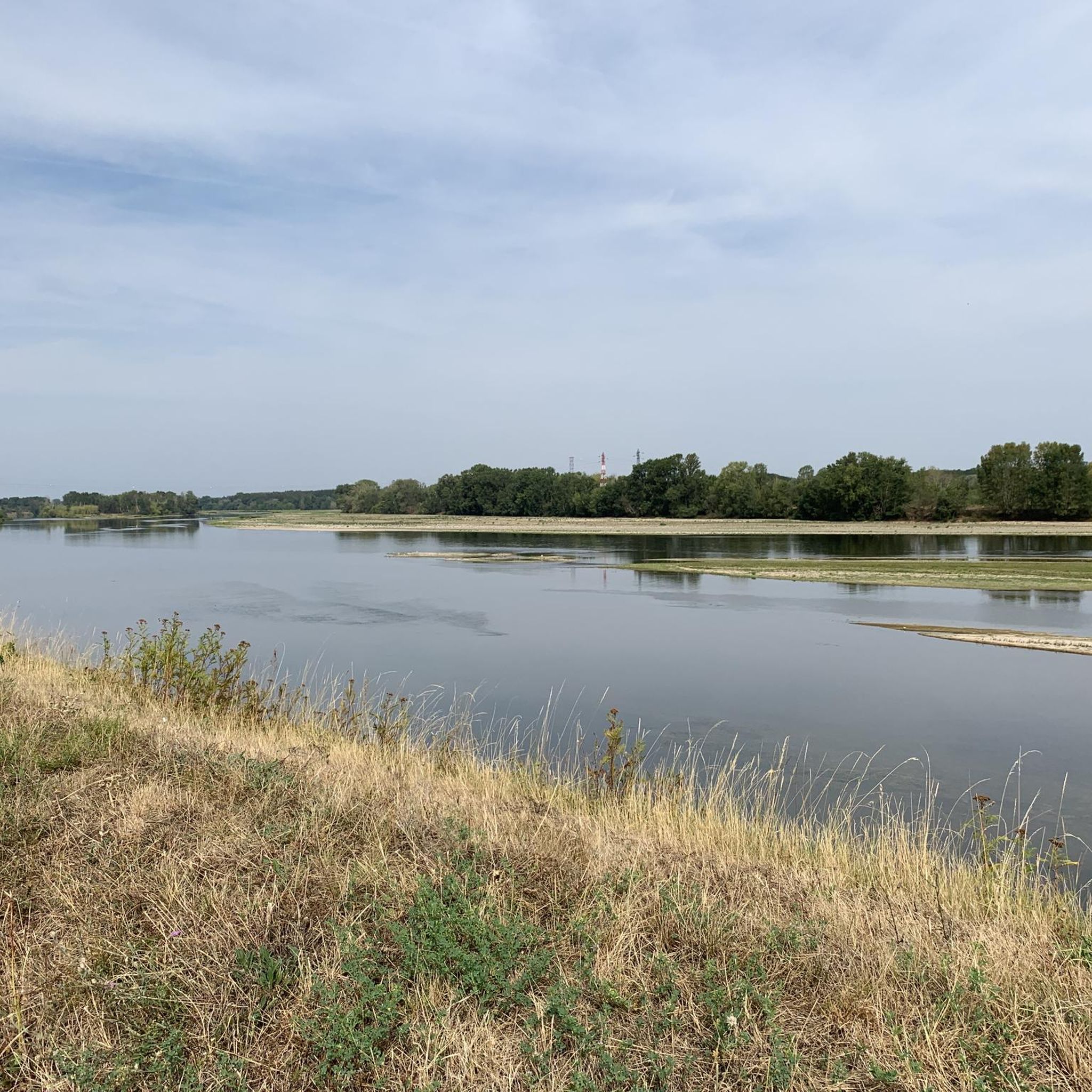
Road Cycling Routes around Saint-Viâtre
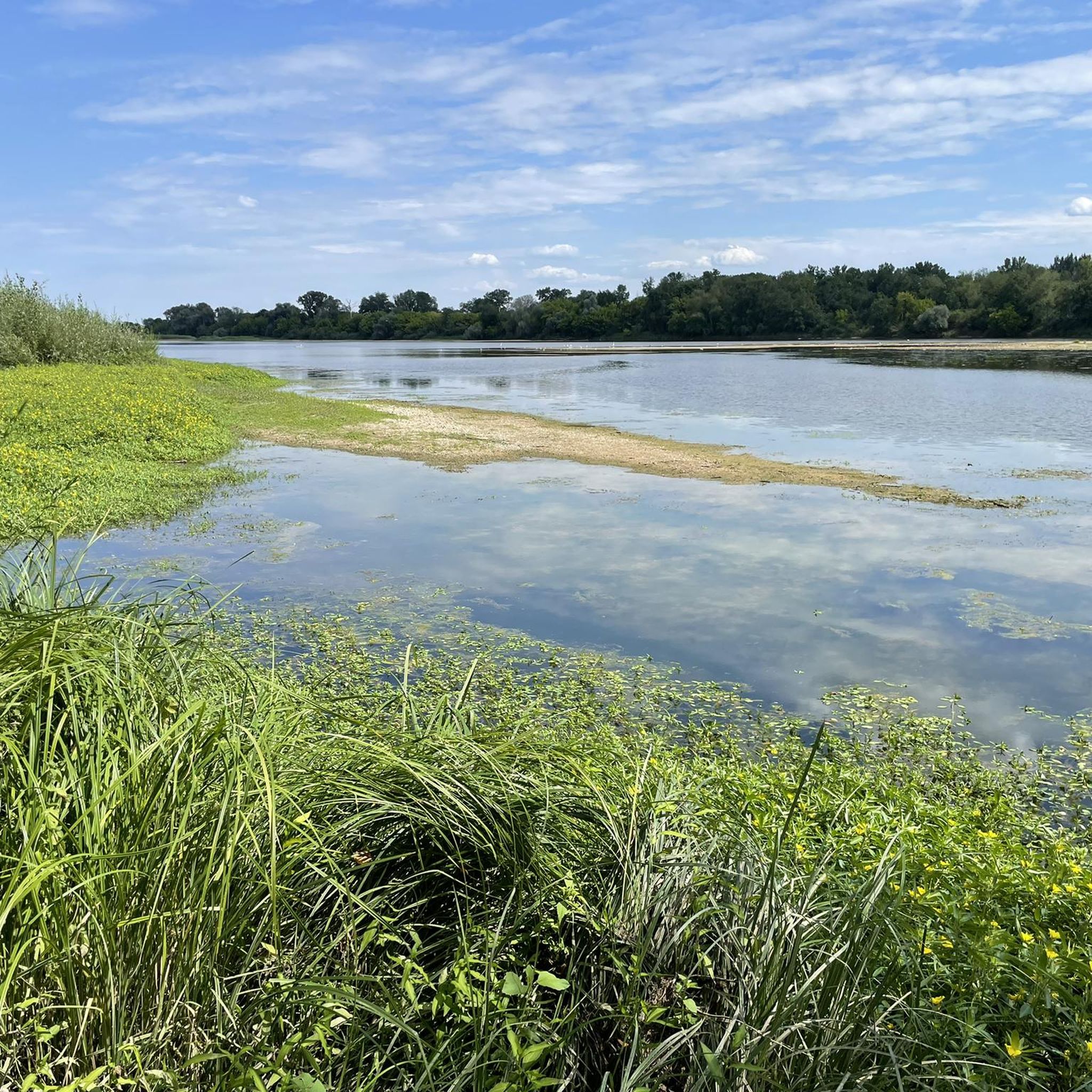
Road Cycling Routes around Souvigny-En-Sologne
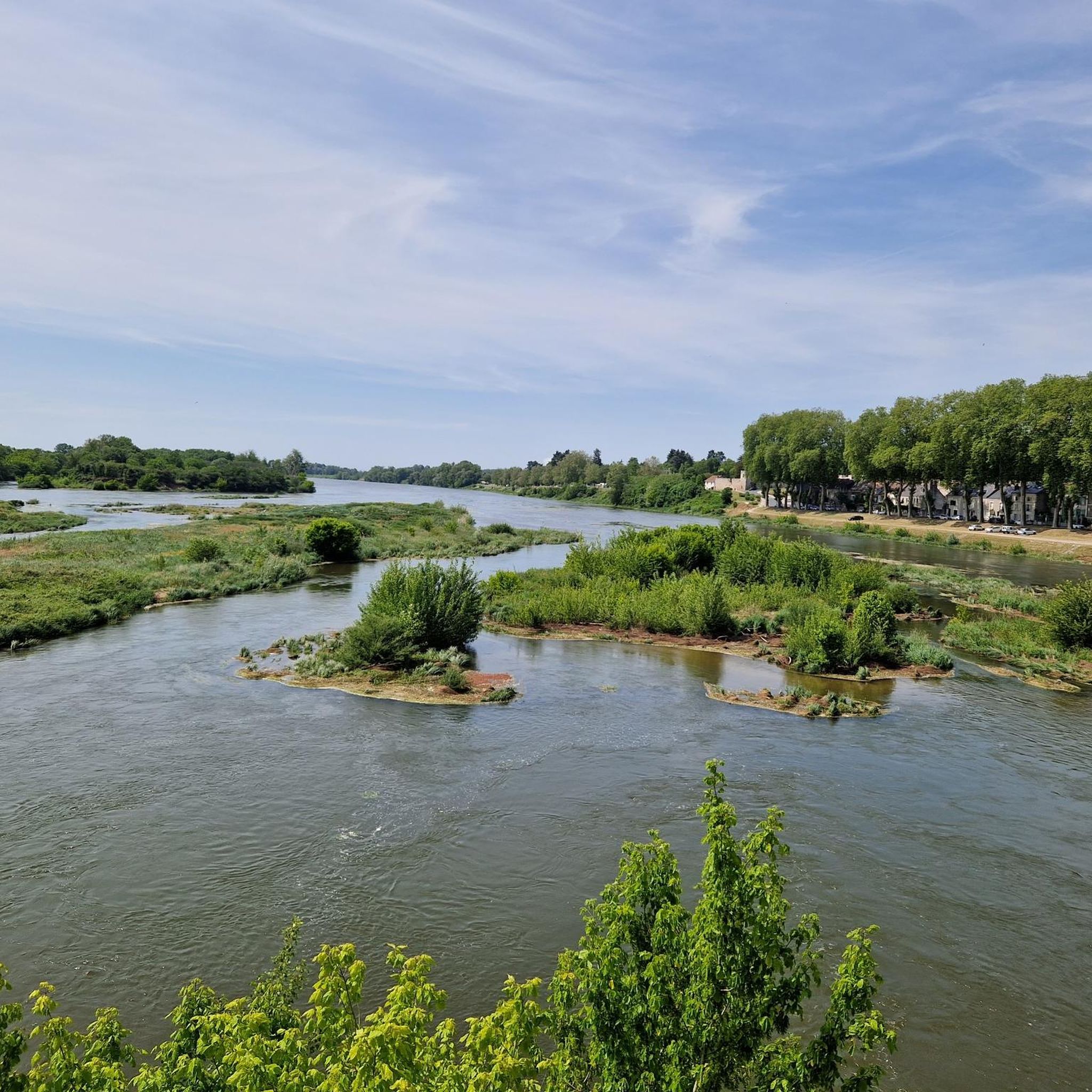
Road Cycling Routes around Chaon

Road Cycling Routes around Villeherviers
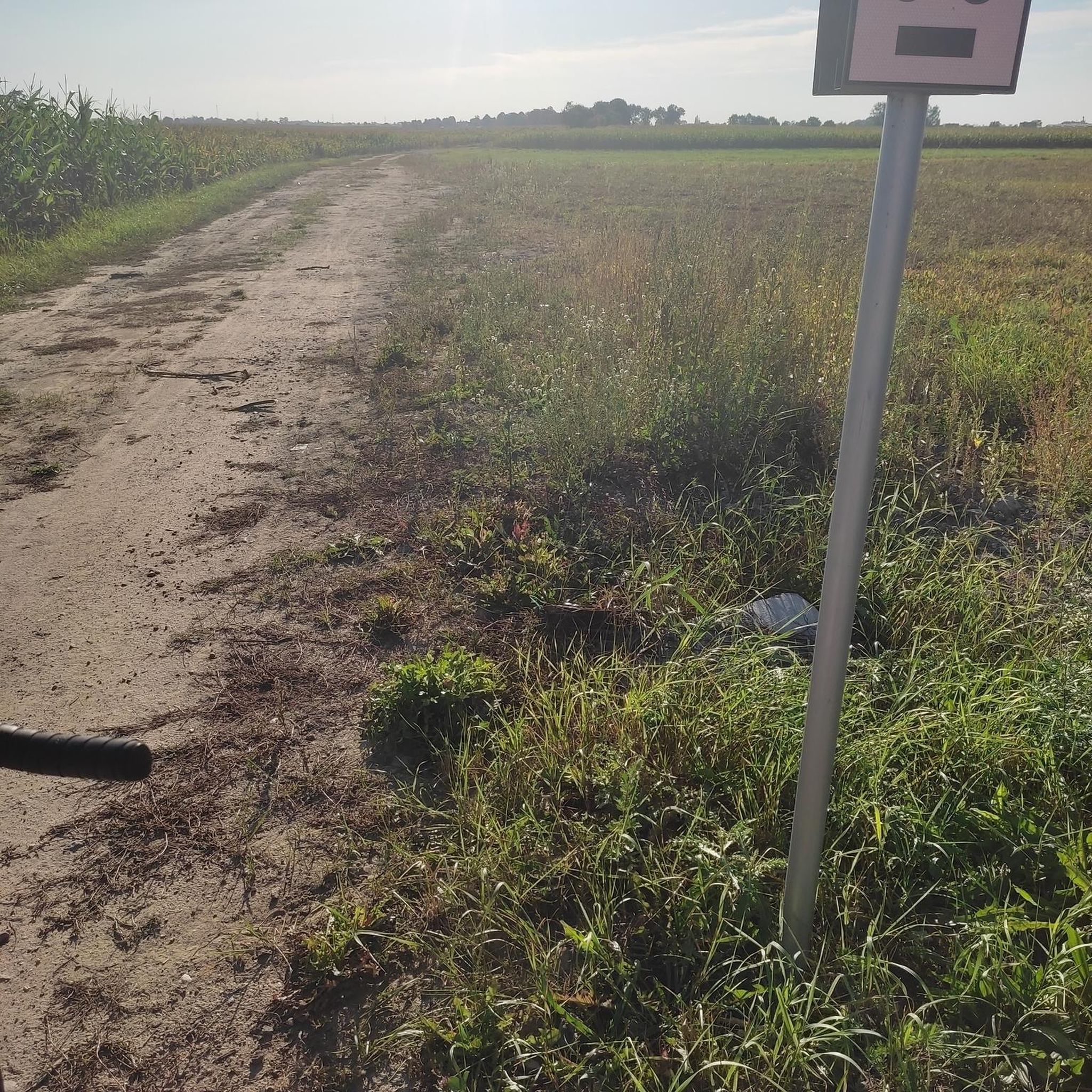
Road Cycling Routes around Lassay-Sur-Croisne
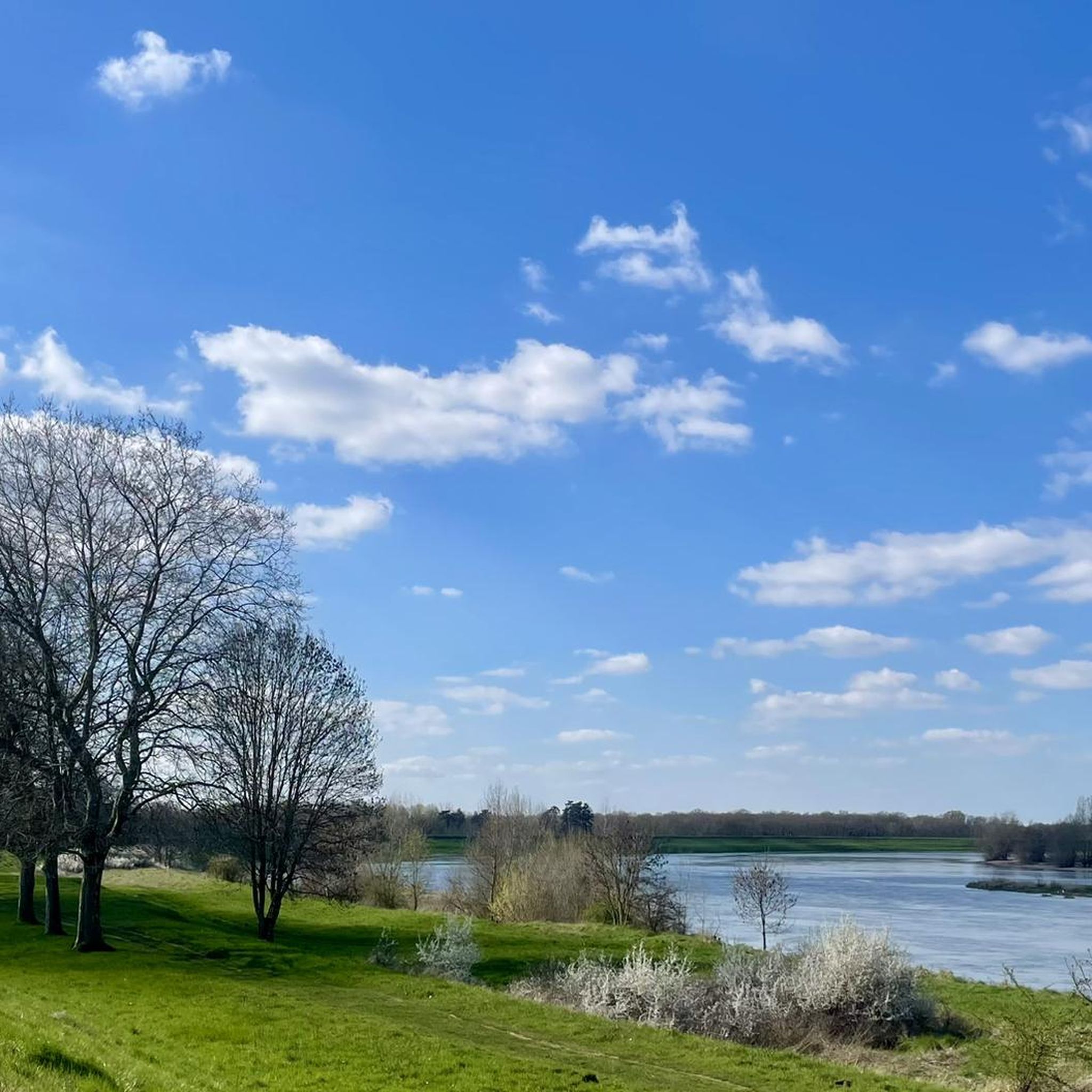
Road Cycling Routes around Vouzon
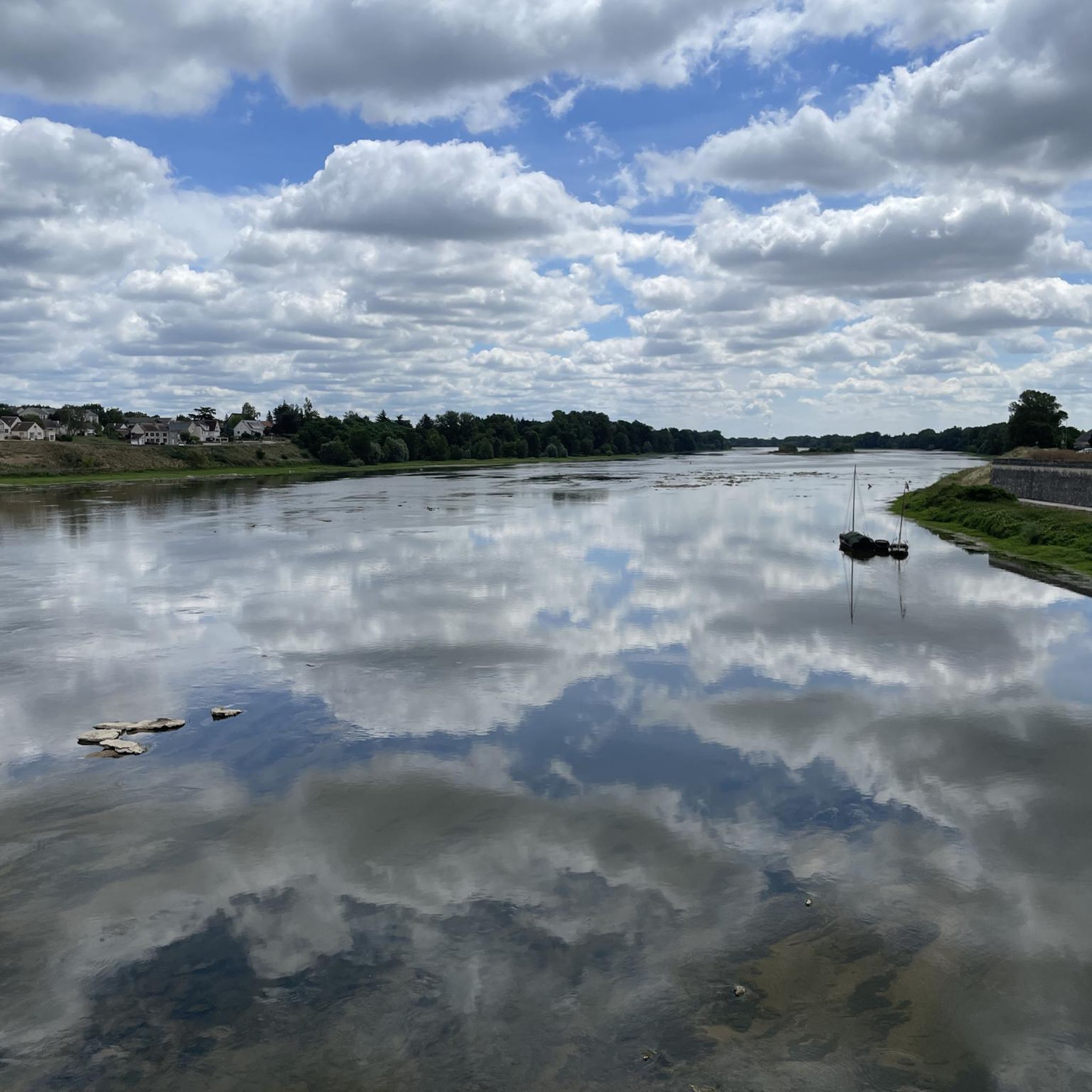
Road Cycling Routes in Forêt De Chaon
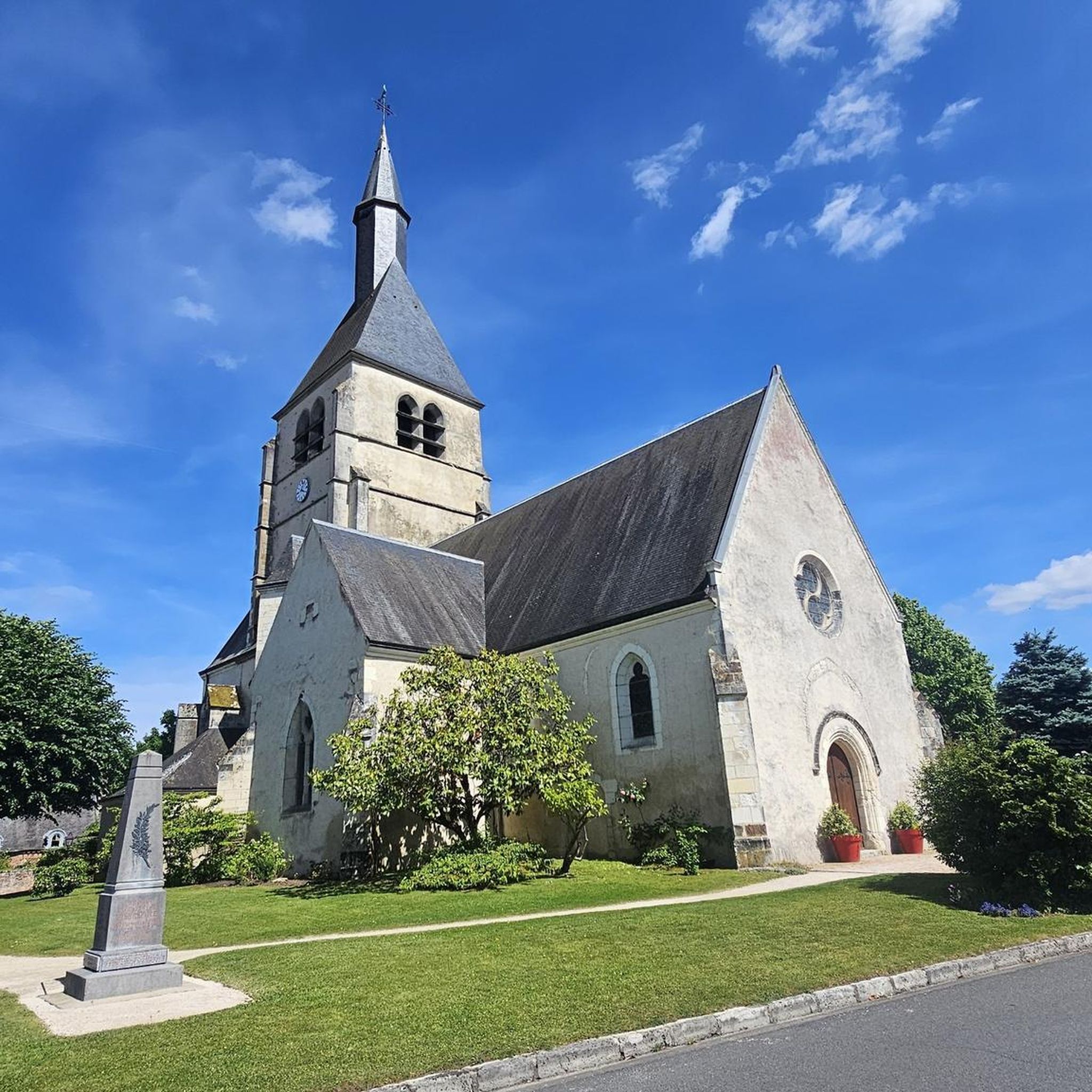
Road Cycling Routes around Pierrefitte-Sur-Sauldre
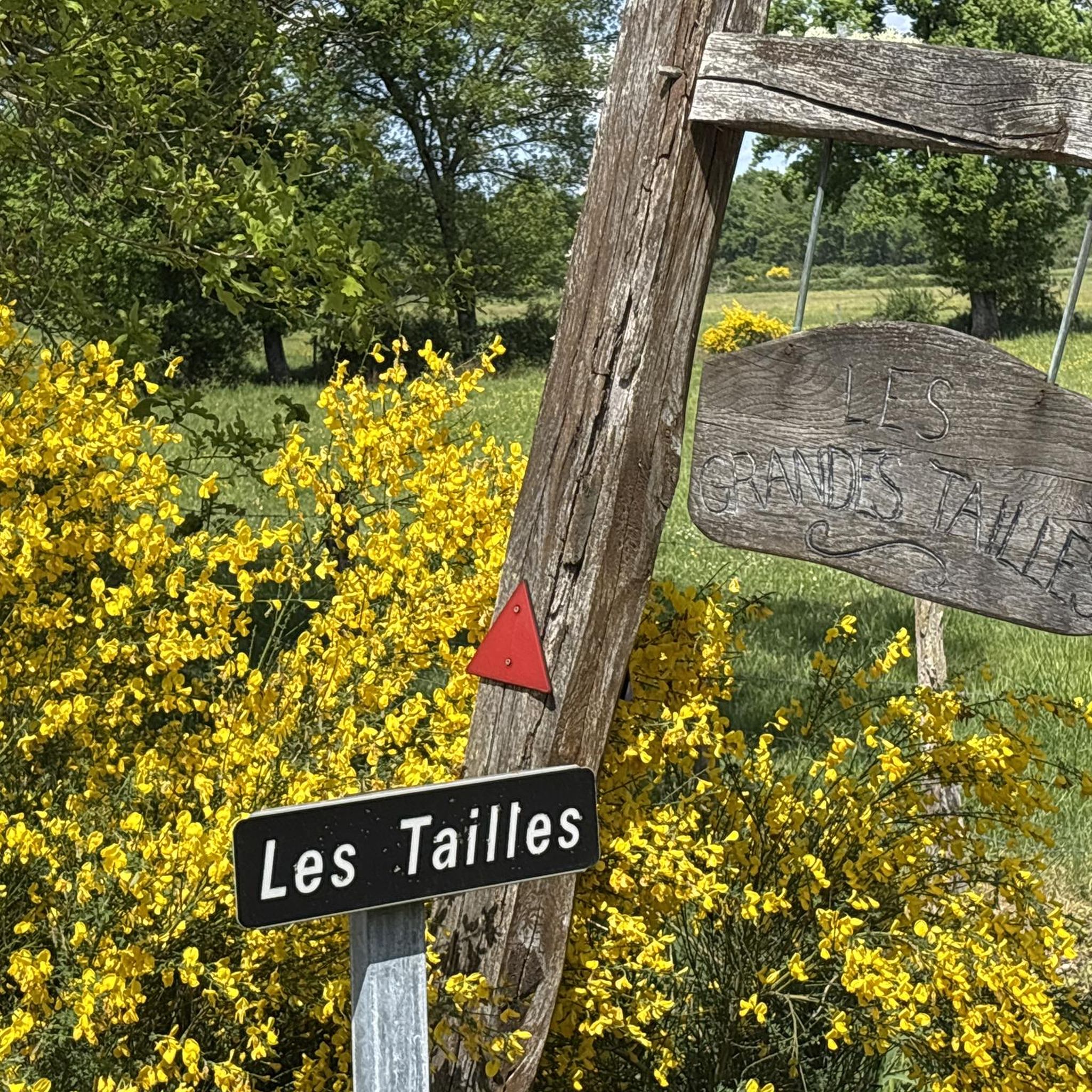
Road Cycling Routes around La Ferté-Imbault
Other adventures around Romorantin-Lanthenay

Tips from the Community

On 12/05/2026, the trail along the Cosson, starting from Boucles 02 and 16, near the castle, is impassable. Works?
0
0
It's a beautiful castle, that's true, but in a state of disrepair...
0
0

The two periods of construction of the chapel are clearly distinguishable: the timber-framed walls date from 1600, while the brick façade and walls date from 1863. The Chapel of Our Lady of Sorrows, which had been falling into ruin for many years, holds a special place in the heritage of Pierrefitte. Historians have pondered this legend, which is also found in other villages. Louis de la Saussaye (a 19th-century historian) offers a rational explanation for the chapel's location: Everyone knows that Pierrefitte owes its name to "Pierre fichée," meaning a planted stone. This stone marked the boundary between two Gallic tribes and also served as a religious monument. The Catholic religion was emerging and developing, but this stone remained an object of veneration until quite late in the Middle Ages (1100-1200). The presence of the legendary oxen licking the stone is explained by the fact that the local people secretly worshipped the last remaining monument of the ancient cult and, as tradition dictated, sprinkled milk and honey upon it. The chapel would therefore have been built on the site of this Gallic stone. All of this, of course, is only legend or hypothesis, but written documents dating back to 1600 (during the reign of Henry IV) allow us to glimpse the history of our chapel. In the 16th and 17th centuries, travelers taking the Orléans-Bourges road, whether on horseback or on foot, such as the stonemasons from La Marche who were returning in search of work, were accustomed to spending the night in one of the five inns or "hostelleries" in our village. The quality of these inns was indeed highly regarded at the time, and in the evening, people didn't hesitate to travel a few extra kilometers to stop at "La Croix Blanche," "Le Lion d'Or," "Le Sermon," "Le Trois Rois," or "Le Sauvage" (according to Henri Deletang). This was an opportunity to stop at the Chapel of the Leper Colony, and to care for their souls, Lord or peasant, merchant or beggar, didn't hesitate to throw a few offerings into it. There was a collection box placed within easy reach, but people preferred to toss coins through the bars onto the chapel floor.
0
0
A Millennial Church The Church of Saint-Sulpice, established as a parish in 1050, is a modest building steeped in history. Formerly part of the Diocese of Orléans, it joined the Diocese of Blois in 1823. It was given in 1105 to the Abbey of Micy-Saint-Mesmin by Sanche, Lord of La Ferté-Hubert. While the Collegiate Church of Saint-Gervais-et-Saint-Protais, once a neighbor, no longer exists, Saint-Sulpice remains a testament to the region's medieval past. La Ferté-Saint-Cyr is also the birthplace of Blessed Daniel Brottier, founder of the National Union of Veterans. Located near the castles of Chambord and Talcy, as well as the Sologne Nature Reserve, the church attracts visitors and worshippers eager to discover this heritage.
0
0
The church consists of two successive rectangles, formerly covered by a wooden barrel vault with exposed beams. The very prominent buttresses of the nave, doubled at the corners, date the construction to the 12th or 13th centuries. The bell tower is supported by internal timbers near the central gable. A document from 1489 informs us that at that time, the church of Sainte Montaine was in need of extensive repairs. The bell tower had to be rebuilt, perhaps following a fire. The current bell tower therefore dates from this period. The western door is also from the 15th century. Its leaves are adorned with nails of remarkable craftsmanship. The nave was surrounded to the north and west by a wooden porch, similar to that of Brinon, but of more refined and delicate workmanship. This extension, which serves as a hall and narthex, is called a "caquetoire" in the Sologne region. It dated back to the 16th century and was demolished during the years 1918/1919. The furnishings are very important in both quantity and quality. Among the 18th-century liturgical vestments are two dalmatics and an 18th-century pastoral stole. There is also a 16th-century statue of the Virgin Mary and a 17th-century statue of Saint Germain, a 17th-century painting of the miracle of Saint Montaine, and a 17th-century processional cross of Christ on the Cross.
0
0
The church was built in the 13th century and is dedicated to Saint Martin (the same patron saint as the church in Aubigny-sur-Nère). Only the apse and the base of the La Faye family's private chapel remain. The nave and vault date from the 15th century, while the bell tower dates from the 19th century.
0
0


Timeless road, moss in the middle of the road, but very smooth.
0
0
Frequently Asked Questions
How many road cycling routes are available around Romorantin-Lanthenay?
There are over 340 road cycling routes available around Romorantin-Lanthenay, catering to various skill levels. You'll find a wide selection, with 128 easy routes, 213 moderate routes, and a few more challenging options.
What is the typical terrain like for road cycling in the Sologne region?
The Sologne region, where Romorantin-Lanthenay is located, is characterized by generally flat to gently undulating terrain. This makes most routes accessible and enjoyable for cyclists of varying fitness levels. You'll encounter extensive forests, tranquil wetlands, numerous ponds, and meandering rivers, with minimal elevation gains across much of the area.
What is the best time of year for road cycling in Romorantin-Lanthenay?
The region is enjoyable for cycling through much of the year. Spring and autumn offer pleasant temperatures and beautiful scenery. During warmer months, the extensive dense forests provide welcome shade along many routes. The generally flat terrain also makes it suitable for cycling outside peak summer heat.
Are there road cycling routes suitable for beginners or families?
Yes, the Sologne region is well-suited for beginners and families due to its generally flat to gently undulating terrain. Many routes have minimal elevation gains, making them easy to navigate. For example, the Saint-Étienne Church loop from Les Alicourts is an easy 35.9 km ride, and the Church of Gy-en-Sologne – Romorantin Castle loop from Romorantin-Lanthenay is another easy option at 39 km.
What historical landmarks or natural features can I see while cycling?
While cycling, you can explore charming Sologne villages with traditional architecture and enjoy natural features like tranquil wetlands, numerous ponds, and meandering rivers. You might also pass by historical sites such as the Saint-Aignan Church or the Saint-Étienne Church of Chaumont-sur-Tharonne. The Scenic Road by the Ponds of Sologne offers particularly picturesque views.
Can I cycle to any of the famous Loire Valley Châteaux from Romorantin-Lanthenay?
Yes, Romorantin-Lanthenay is strategically located for cycling to some of the Loire Valley Châteaux. The Sologne Castles Loop: Romorantin to Chambord and Cheverny is a popular route that takes you past renowned landmarks like Chambord and Cheverny. Other routes, such as the Château de Chenonceau – Chaumont-sur-Loire loop from Thésée, also allow you to visit these historic sites.
Are there options for public transport or parking near the cycling routes?
Romorantin-Lanthenay serves as a good starting point, and many routes utilize uncrowded minor roads and dedicated paths. While specific public transport options for bikes vary, parking is generally available in and around the town, as well as at the start points of many routes, allowing for convenient access to the cycling network.
Are there places to eat or stay along the cycling routes?
Yes, as you cycle through the charming Sologne villages and towns, you'll find various cafes, pubs, and accommodation options. Romorantin-Lanthenay itself offers several choices, and smaller establishments are often available in the villages along the routes, perfect for a break or an overnight stay.
Are electric bikes available for rent in the area?
Yes, for those seeking an easier ride or wanting to cover more ground with less effort, electric bikes are available for rent at the local tourist office in Romorantin-Lanthenay.
What do other cyclists say about the road cycling experience here?
The road cycling routes around Romorantin-Lanthenay are highly rated by the komoot community, with an average score of 4.5 stars from over 80 reviews. Cyclists often praise the varied scenery, including dense forests and tranquil wetlands, and appreciate the options available for different ability levels.
Are there specific labels or networks for cycling in Sologne?
Yes, the Sologne region has a regional label, 'La Sologne à vélo,' which indicates well-marked circuits designed for cycling enthusiasts. These routes often utilize uncrowded minor roads and dedicated paths, ensuring a pleasant and safe experience.
Are there routes that go through dense forests?
Absolutely. The Sologne region is known for its extensive, dense forests, and many road cycling routes lead directly through them. For example, the West of Vouzon - circuit through FORESTS is a moderate 79.1 km path specifically designed to take you through these shaded and scenic areas.
Most popular routes around Romorantin-Lanthenay
Most popular attractions around Romorantin-Lanthenay

Get inspired with the komoot mobile app


Didn’t find what you were looking for?
Check out more Road cycling routes throughout Romorantin-Lanthenay below and find the perfect route in your destination.
Explore more
Browse the best Road cycling routes in other regions.
