Top 5 Castles around Châteaulin
Best castles around Châteaulin are found in a region rich with historical significance, nestled in the Aulne valley. The area features remnants of early defensive structures and offers insights into medieval Brittany. The Aulne River and the Nantes-Brest canal are prominent geographic features, providing scenic backdrops to many historical sites. This region showcases a variety of architectural styles, from ancient ruins to 18th-century estates.
Best castles around Châteaulin
- The most popular castles is Fort des Capucins, a historical site…
Last updated: October 4, 2026
Fort des Capucins
Highlight • Historical Site
Translated by Google •
Tip by

Fort at Pointe des Espagnols
Highlight • Monument
Showing Translation
Tip by

Sign up now to discover places like this
Get recommendations on the best single tracks, peaks, & plenty of other exciting outdoor places.
Châteauneuf-du-Faou
Highlight • Castle
Translated by Google •
Tip by

Fort de l'Aber
Highlight • Historical Site
Translated by Google •
Tip by
Fort Robert
Highlight • Castle
Translated by Google •
Tip by

View of Domaine de Trévarez
Highlight • Viewpoint
Here a "château" peeks out of the forest. That is the Domaine de Trévarez, which is still quite …
Translated by Google •
Tip by

Start today with a free account
Your next adventure awaits.
Popular around Châteaulin
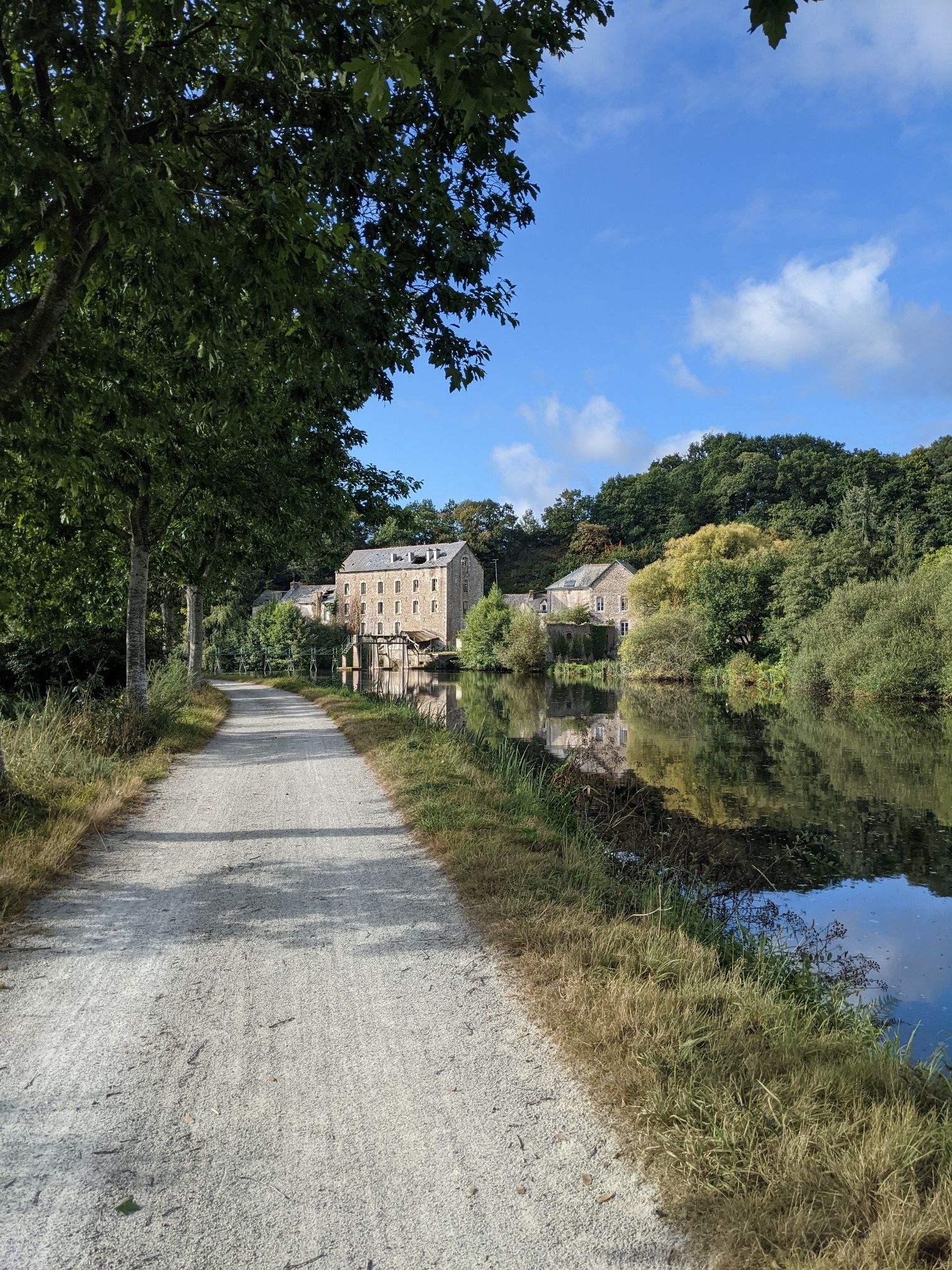
Nantes-Brest Canal – Cycling along Brittany's towpaths
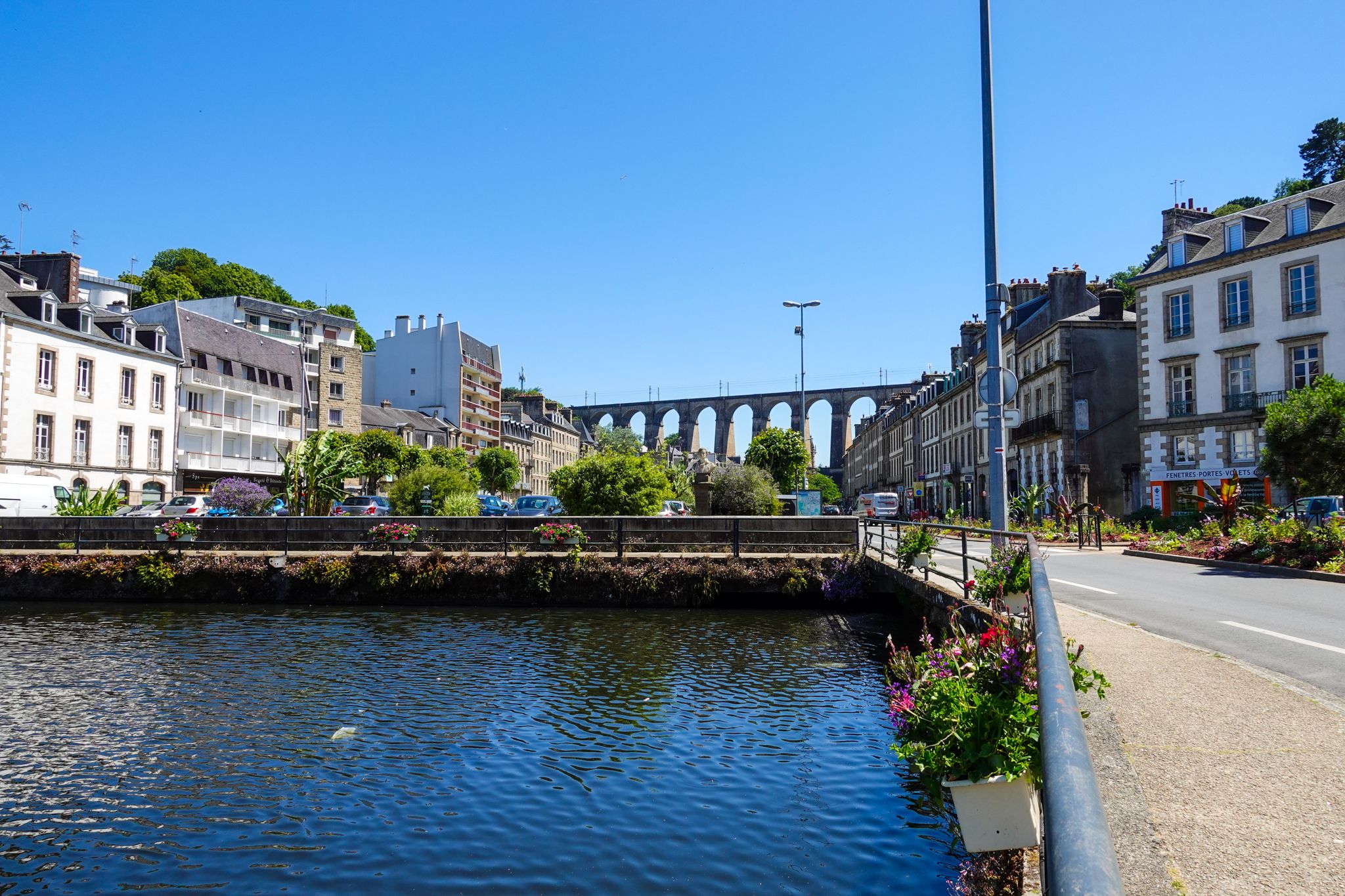
EuroVelos 1 and 4 — Cycle-touring a week in Brittany
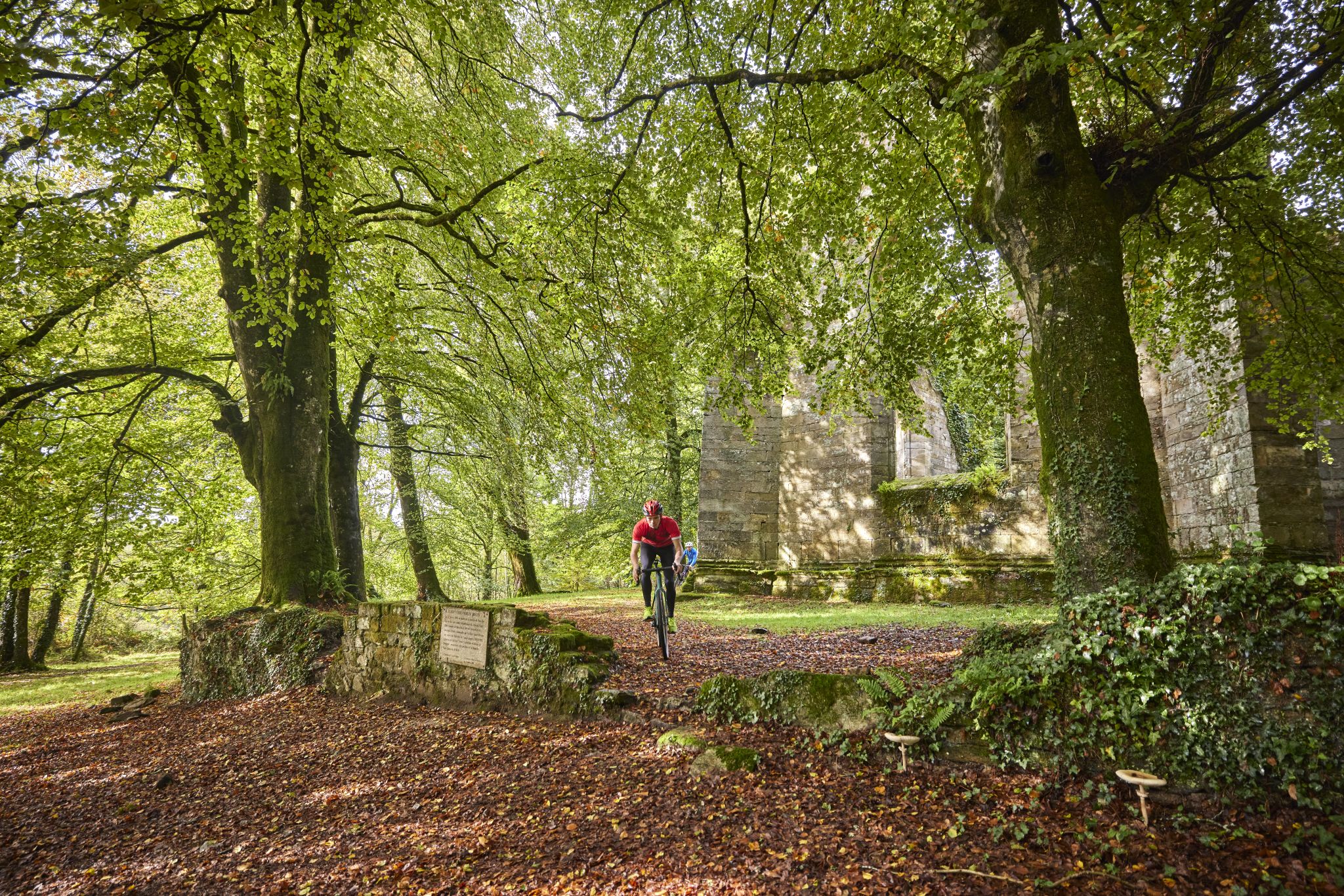
7 gravel routes to discover in Brittany
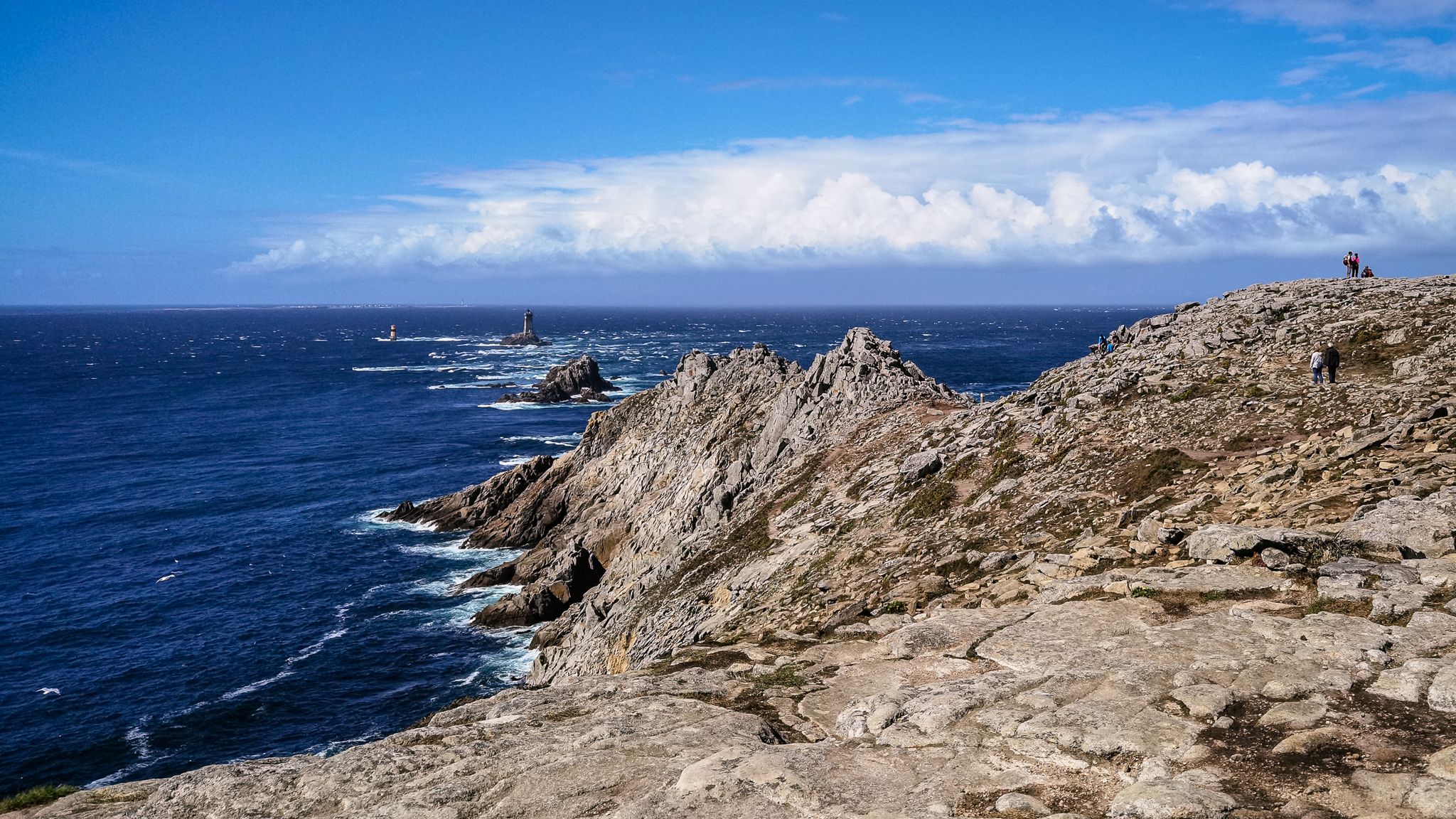
The Customs Officers’ path – GR 34 in Brittany between Pointe du Raz and Le Fret
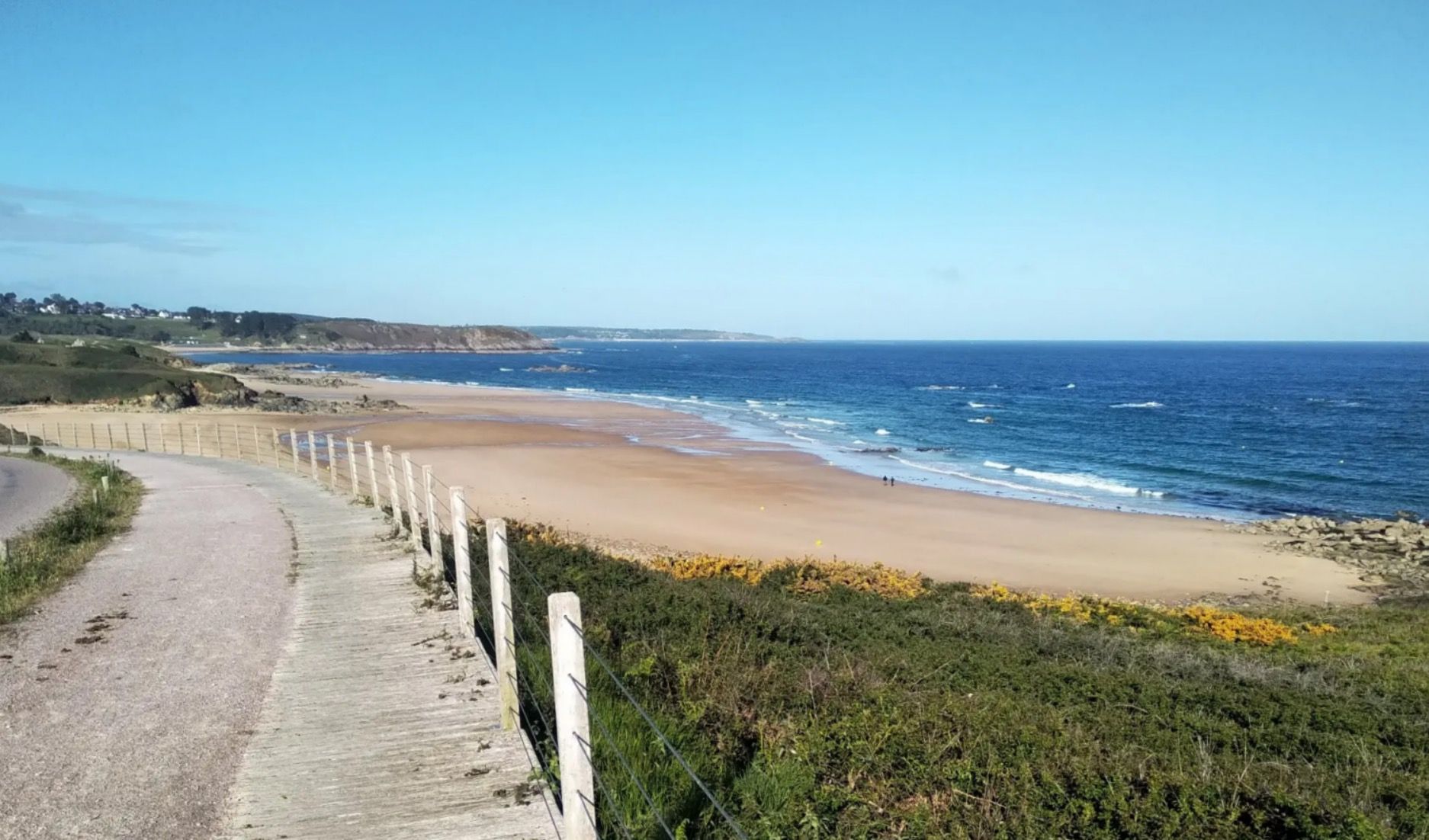
Sun cream and waterproof coats – 11 days in Brittany
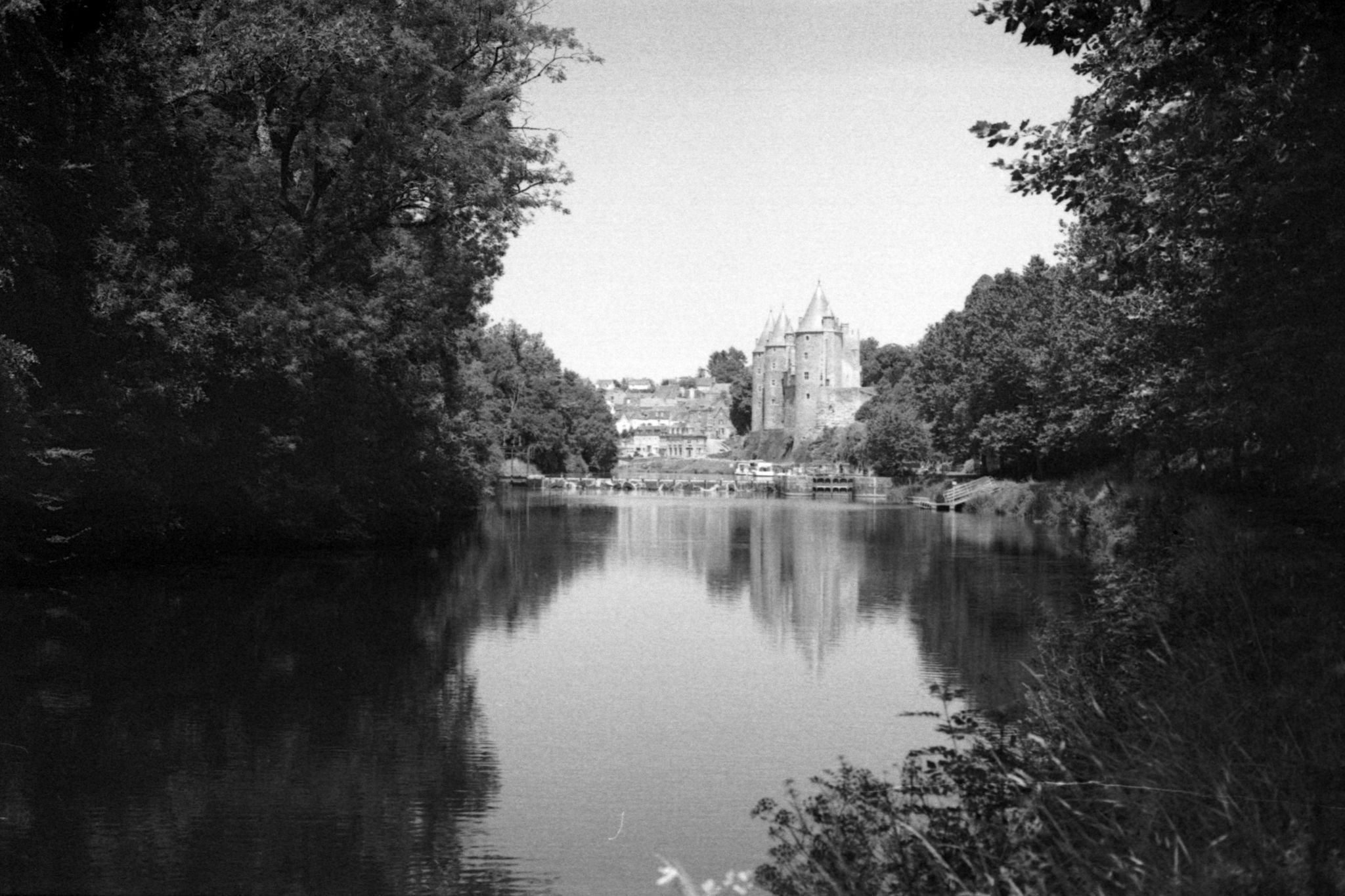
Cycling to the end of Brittany – Nantes to Brest canal
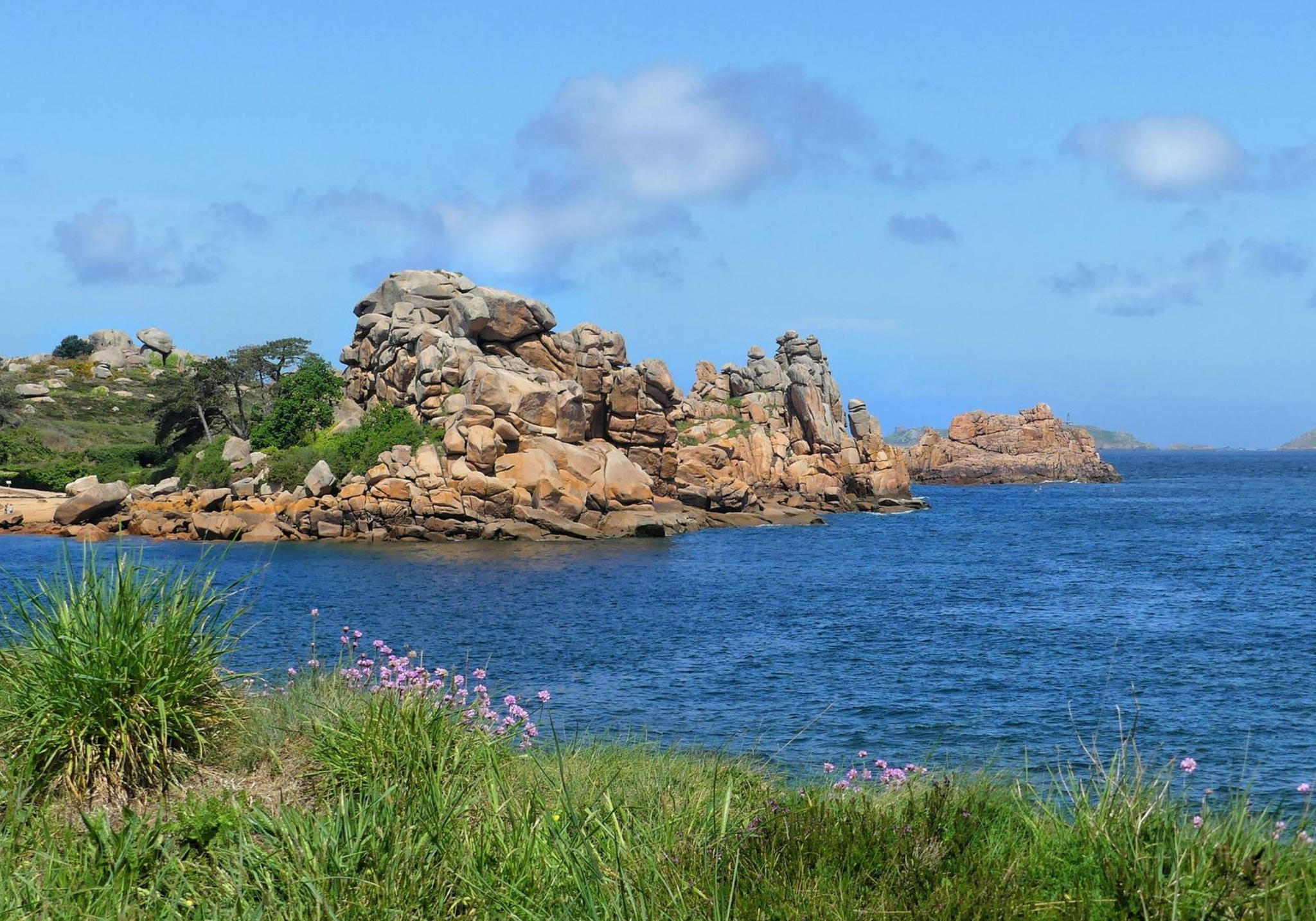
A hiking break in Brittany
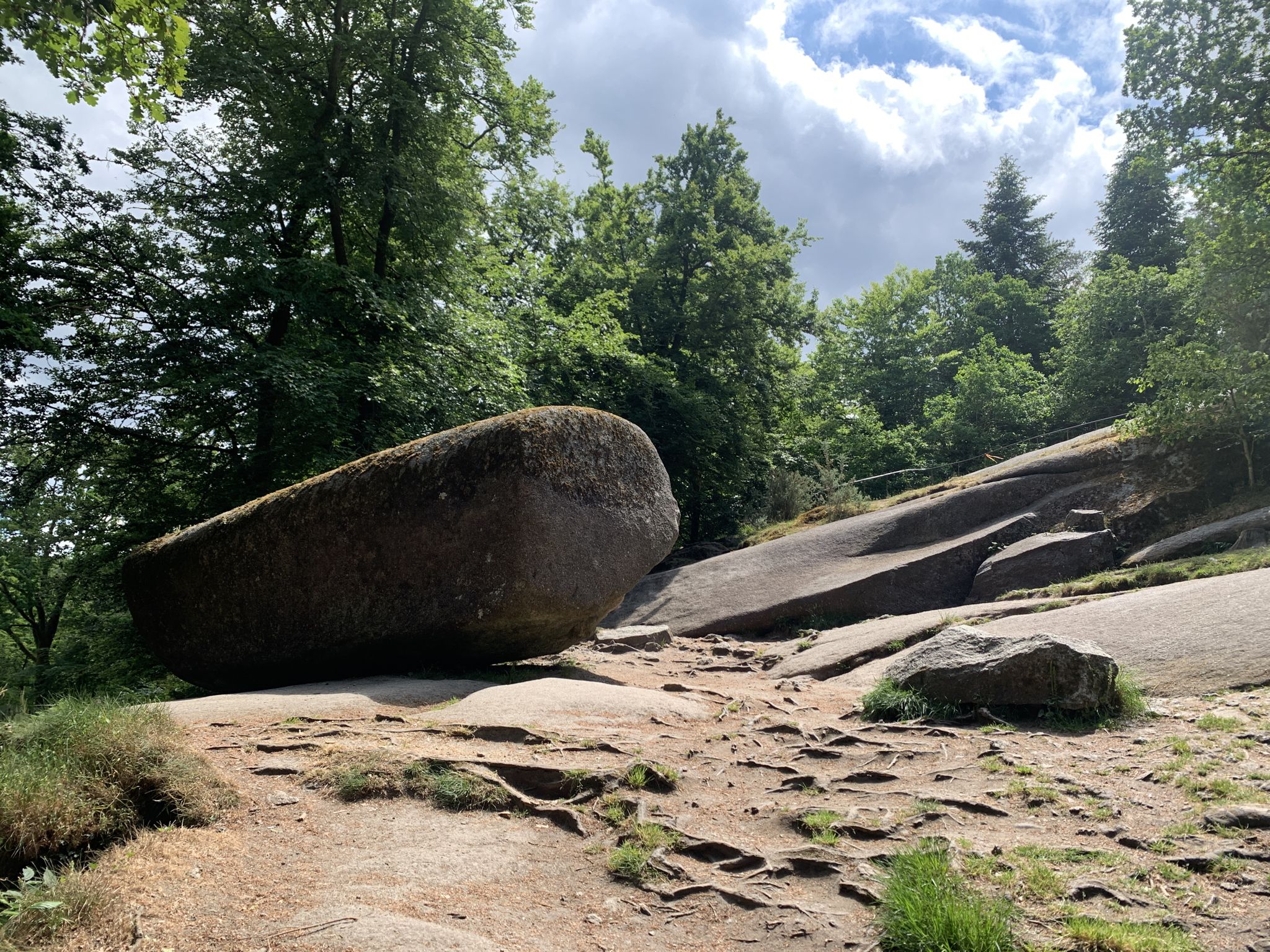
Tour des Monts d'Arrée in France — the GR 380
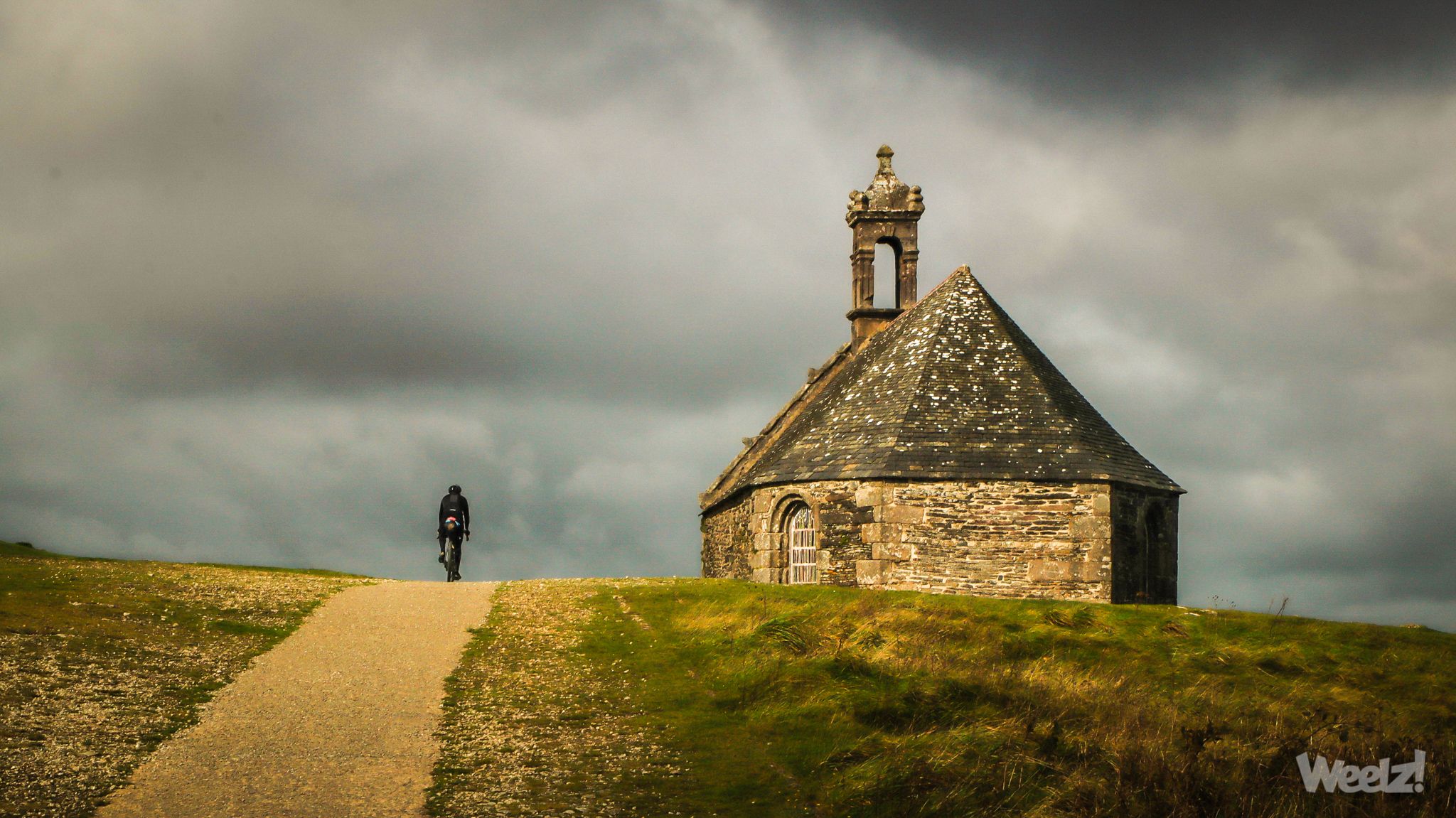
The Seven Saints Pilgrimage — France’s Tro Breizh revisited
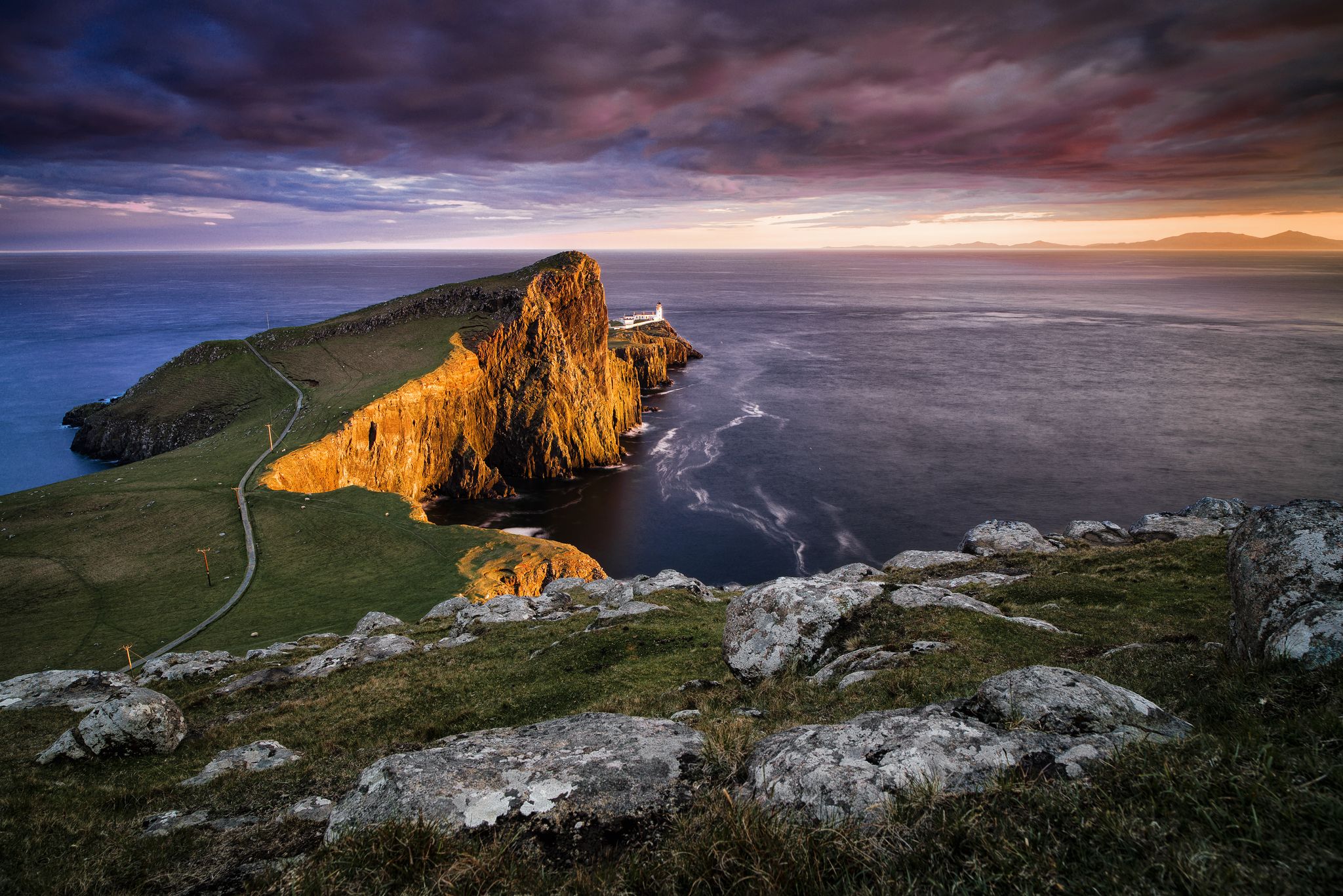
Epic sunset spots in Western Europe
Other adventures around Châteaulin


Tips from the Community

Built under Louis XIII, in the 17th century
0
0

Certainly a historically interesting fortification.
0
0
The fort dates back to the 19th century and takes its name from a rock that is said to look like a praying monk - an impressive backdrop in any case.
1
0


The short detour is worth it: the ocean view is magnificent. There's a bit of a lack of information on site, but it's definitely worth a look.
0
0

quiet place in summer easy walk along the canal
0
0

Finistere is heavily forested and a bit more pristine. We enjoy that. Here a "château" peeks out of the forest. That is the Domaine de Trévarez, which is still quite a distance away - it is only thanks to the telephoto lens that we can get so close.
0
1

When Napoleon I noted the problems with the defense of the French coasts, he decided to implement a vast fortification program. About a hundred standardized structures, known as "model towers and redoubts of 1811", were to be built. One of them was erected in 1812 at Pointe des Espagnols. The point evolved with the performance of artillery, and the fortifications were improved until the end of the 19th century. The model tower remained unchanged until the German occupation. The Germans deployed numerous bunkers in the perimeter and razed the fort's firing platform, depriving it of its parapets and bretaches. https://www.cestenfrance.fr/fort-de-la-pointe-des-espagnols-1812/
0
1
Frequently Asked Questions
What are the most popular historical sites and castles around Châteaulin?
The komoot community highly recommends several sites. Among them, Fort des Capucins stands out as a picturesque fort built into the rock, offering an impressive backdrop. Another popular spot is Fort at Pointe des Espagnols, a historically significant fortification that evolved from an 1812 model tower. Visitors also enjoy Châteauneuf-du-Faou, a town with castle remnants located by the Aulne River, ideal for a break or a walk along the Nantes-Brest canal.
What kind of historical sites can I explore near Châteaulin?
The region offers a diverse range of historical sites. You can find remnants of early defensive structures like the original Château de Châteaulin, which was a significant stronghold. There are also picturesque ruins such as the 15th-16th century Château de Rustéphan, and elegant 18th-century estates like the Château de Cheffontaines. Additionally, you can explore later architectural styles represented by the 19th-century Château de Toulancoat, and various fortifications like Fort de l'Aber and Fort Robert.
Are there any medieval castle ruins to visit near Châteaulin?
Yes, the area is rich in medieval history. The original Château de Châteaulin, built around the 10th century, was a crucial stronghold, though today only ruins, including a partially ruined tower, remain. Another notable medieval ruin is the Château de Rustéphan near Pont-Aven, a picturesque 15th-16th century manor house. Its overgrown state and local legends make it a fascinating site, though public access can vary due to preservation efforts.
Can I visit 18th-century estates or castles with elegant architecture?
Absolutely. The Château de Cheffontaines in Clohars-Fouesnant is an elegant 18th-century castle built in the classical Malouinière style. It features two main pavilions and remarkable gardens. While privately owned, it occasionally opens for public visits, particularly during heritage days, offering a glimpse into refined Breton country estates.
What about more modern castle architecture near Châteaulin?
For a different architectural period, you can explore the Château de Toulancoat in Rosnoën. This neoclassical style castle was built around 1880, replacing a 16th-century manor. It showcases a distinct style of Breton stately home from the late 19th century, designed by architect Arthur Regnault.
Are there family-friendly historical sites or castles around Châteaulin?
Yes, the Fort at Pointe des Espagnols is categorized as family-friendly. Its historical significance and evolution from an 1812 model tower, along with its use during WWII, can be an engaging experience for families. Many of the outdoor historical sites also offer space for exploration.
What outdoor activities can I do near these castles?
The region around Châteaulin offers various outdoor activities. You can find numerous hiking trails, including easy hikes like the Île Vierge Sound Walk or more challenging mountain hikes such as the Summit of Ménez Hom loop. There are also road cycling routes, like the Cranou Forest Loop. For detailed routes and guides, you can explore options like easy hikes around Châteaulin, mountain hikes around Châteaulin, or road cycling routes around Châteaulin.
Are there viewpoints with castles or historical sites?
Many historical sites in the area offer excellent viewpoints. Fort des Capucins is known for its impressive backdrop and scenic views. The original Château de Châteaulin, though ruined, offers a strategic location overlooking the Aulne River. Additionally, sites like Fort de l'Aber and Fort at Pointe des Espagnols provide historical context alongside panoramic vistas.
What do visitors enjoy most about the castles and historical sites around Châteaulin?
Visitors appreciate the rich historical significance and the diverse range of sites, from ancient ruins to 18th-century estates and fortifications. The picturesque settings, often overlooking the Aulne River or coastal areas, are frequently highlighted. The sense of discovery at overgrown ruins like Château de Rustéphan and the historical insights offered by sites like the Fort at Pointe des Espagnols are also highly valued.
Are there any historical sites related to military history in the area?
Yes, the region has a strong military history. Beyond traditional castles, fortifications like Fort des Capucins, Fort de l'Aber, Fort Robert, and Fort at Pointe des Espagnols offer insights into defensive strategies from different eras, including Vauban's fortifications and their use during WWII.
What is the best time of year to visit the castles and historical sites?
While specific opening hours vary by site, generally, spring and summer offer pleasant weather for exploring outdoor ruins and castle grounds. Heritage days, often in September, can provide unique opportunities to visit privately owned estates like Château de Cheffontaines. Visiting in autumn can also be beautiful with changing foliage, especially around sites with extensive parks.
Are there any castles or historical sites that are free to enter?
Many of the ruined sites, such as the remnants of the original Château de Châteaulin and the picturesque Château de Rustéphan, are accessible without an entry fee, allowing visitors to explore their grounds. Fortifications like the Fort at Pointe des Espagnols have also been noted for free admission, though conditions like mask mandates may apply.
Most popular routes around Châteaulin
Most popular attractions around Châteaulin

Get inspired with the komoot mobile app


Didn’t find what you were looking for?
Explore Châteaulin’s best castles region by region:
Explore more
Looking for the best castles somewhere else? Discover other guides around Châteaulin:
