Top 11 Castles around Les Sables-D'Olonne
Best castles around Les Sables-D'Olonne offer a glimpse into the region's historical and architectural heritage. This coastal area, known for its maritime charm, features a variety of castles ranging from medieval fortresses to later constructions. These sites are situated both within the town and in the surrounding Vendée region. The castles provide insights into past defensive strategies and regional noble history.
Best castles around Les Sables-D'Olonne
- The most popular castles is Apremont Castle, a castle that was originally polygonal and built in the 11th century. Rebuilt in the 16th century, it retains several imposing buildings and is considered a fortified castle in the Renaissance style.
- Another must-see spot is Noirmoutier Castle, a castle with a history dating back to 830. It served to defend against Viking attacks and underwent significant reconstruction in the 12th century, featuring a 20-meter high keep.
- Visitors also love The Old Castle, a fortress standing on a rocky outcrop since the 14th century. It was built to protect islanders from invaders and offers insights into military architecture.
- Les Sables-D'Olonne is known for its medieval fortresses, Renaissance castles, and coastal defensive structures. These sites offer a diverse range of historical periods and architectural styles to explore.
- The castles around Les Sables-D'Olonne are appreciated by the komoot community, with more than 340 upvotes and over 100 photos shared across 10 highlights.
Last updated: August 11, 2026
Noirmoutier Castle
Highlight • Castle
Please note: dogs are not allowed inside.
Translated by Google •
Tip by

Commequiers Castle
Highlight • Castle
Translated by Google •
Tip by

Sign up now to discover places like this
Get recommendations on the best single tracks, peaks, & plenty of other exciting outdoor places.
Sign up for free
Beaumarchais Castle
Highlight • Castle
Translated by Google •
Tip by
Apremont Castle
Highlight • Castle
It was built in the 11th century on the promontory which dominates the Vie river and its valley.
Rebuilt in the 16th century, it is today largely in ruins, but has preserved several imposing buildings.
You can discover the history of this castle from the traces of the old medieval fortress to the Renaissance towers built in the 16th century. There are free tours as well as guided tours.
Translated by Google •
Tip by

The Old Castle
Highlight • Castle
Its guided tour allows you to learn more about the construction of the fortress, the military architecture and the life of the islanders at that time. Comic book enthusiasts will also learn that Hergé would have been inspired by the Old Castle to draw that of the Black Island.
The castle is open during the summer season. For more information on its visiting hours, consult the castle website: ile-yeu.fr/que-faire-a-l-ile-d-yeu/se-divertir/activites-sur-l -island/the-old-castle-2265885
Translated by Google •
Tip by

Tour de Moricq
Highlight • Castle
Translated by Google •
Tip by

Ruins of Château de Palluau
Highlight • Castle
Translated by Google •
Tip by
Chateau de Talmont and climb to Sainte-Foy
Highlight (Segment) • Climb
Translated by Google •
Tip by

Talmont-Saint-Hilaire Castle
Highlight • Castle
Translated by Google •
Tip by

Château de la Guignardière
Highlight • Castle
Translated by Google •
Tip by

Sign up for free to discover even more castles around Les Sables-D'Olonne.
Sign up for free
Already have an account?
Start today with a free account
Your next adventure awaits.
Login or Signup
Popular around Les Sables-D'Olonne
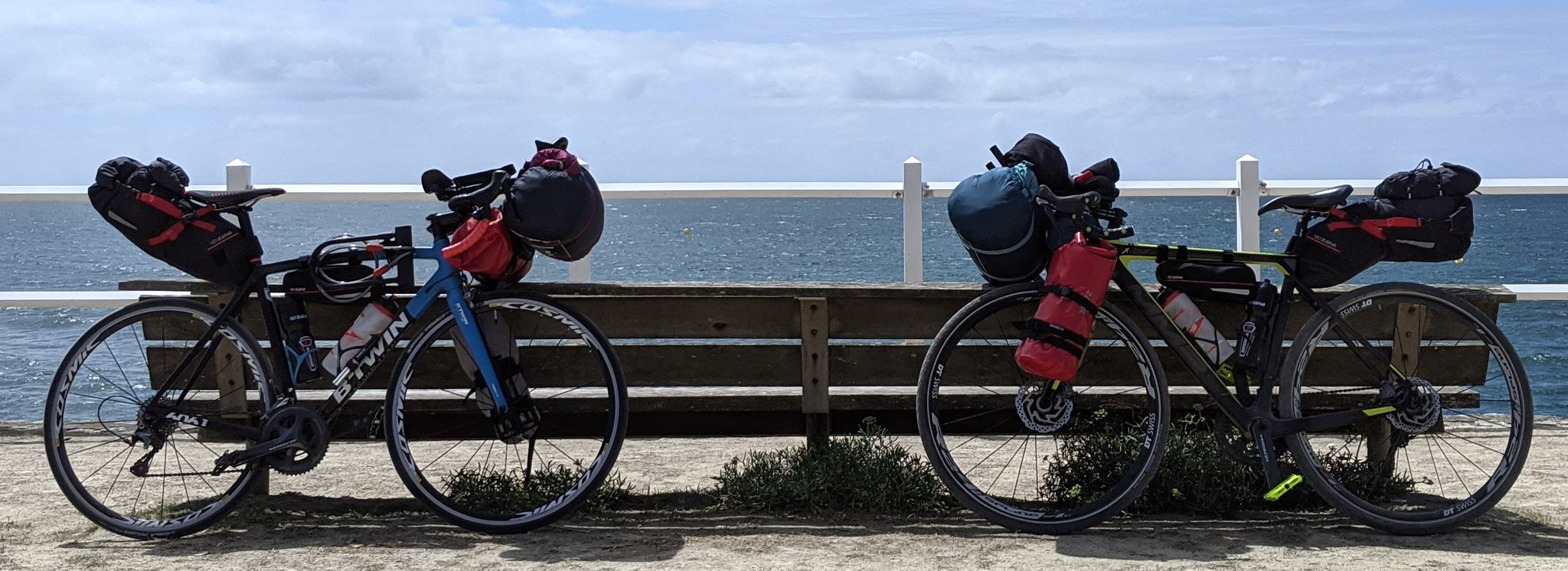
La Vélodyssée — From north to south via the ocean
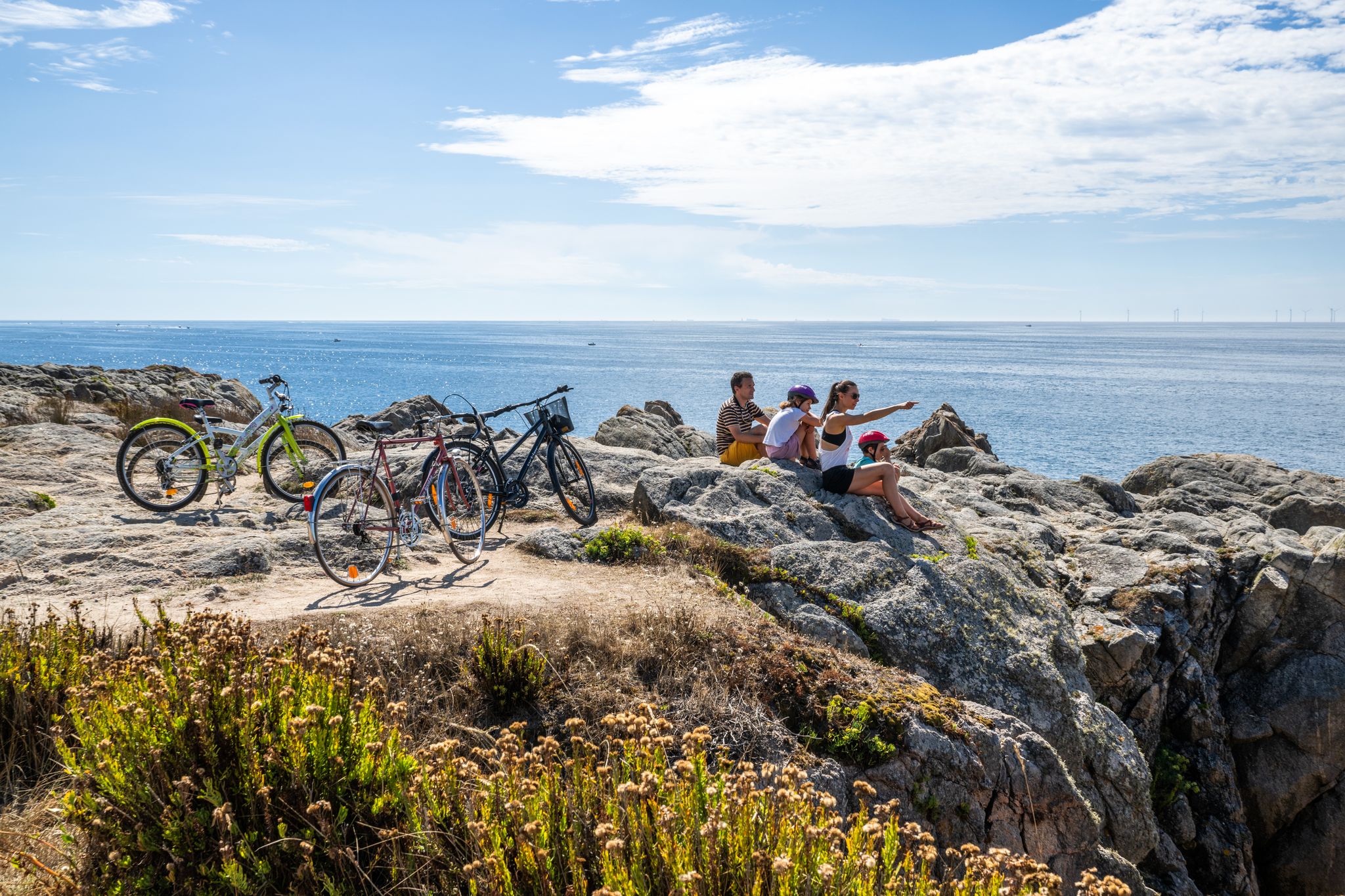
French Atlantic coast – 9 bike Tours from La Baule to Saint-Jean-de-Luz
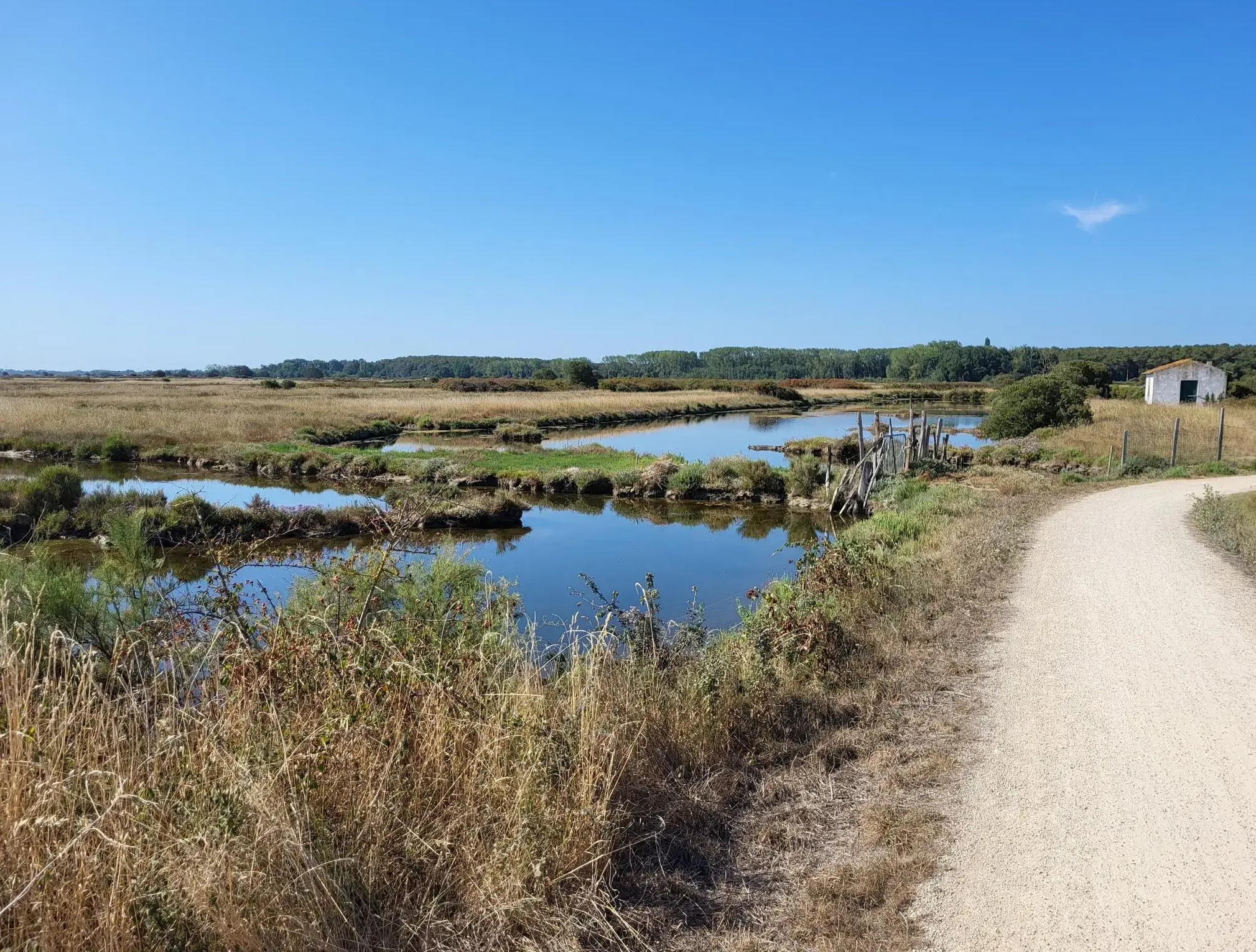
Coast, marshes and hedges — Vendée Vélo Tour
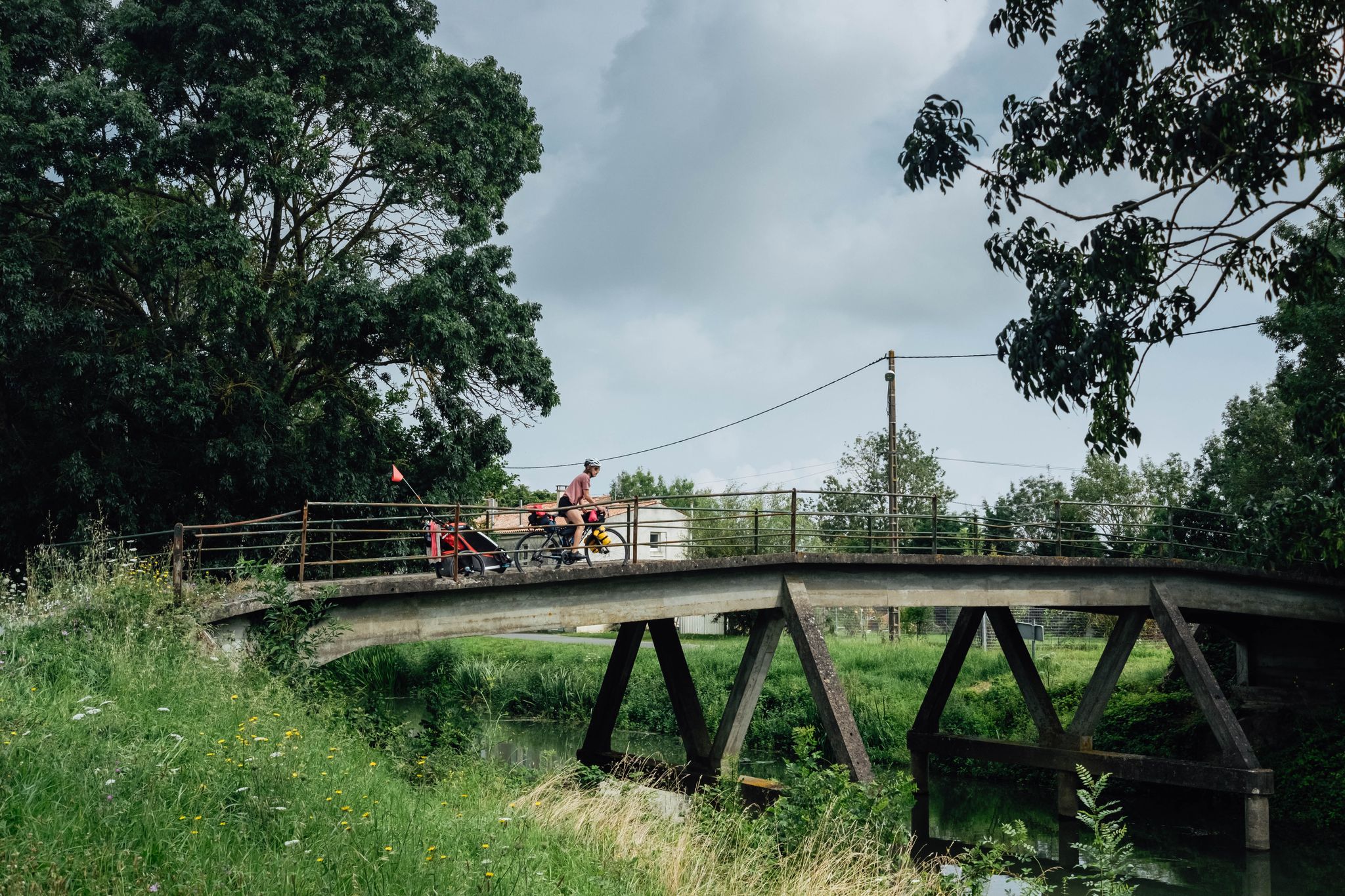
Our first family bike adventure in Western France
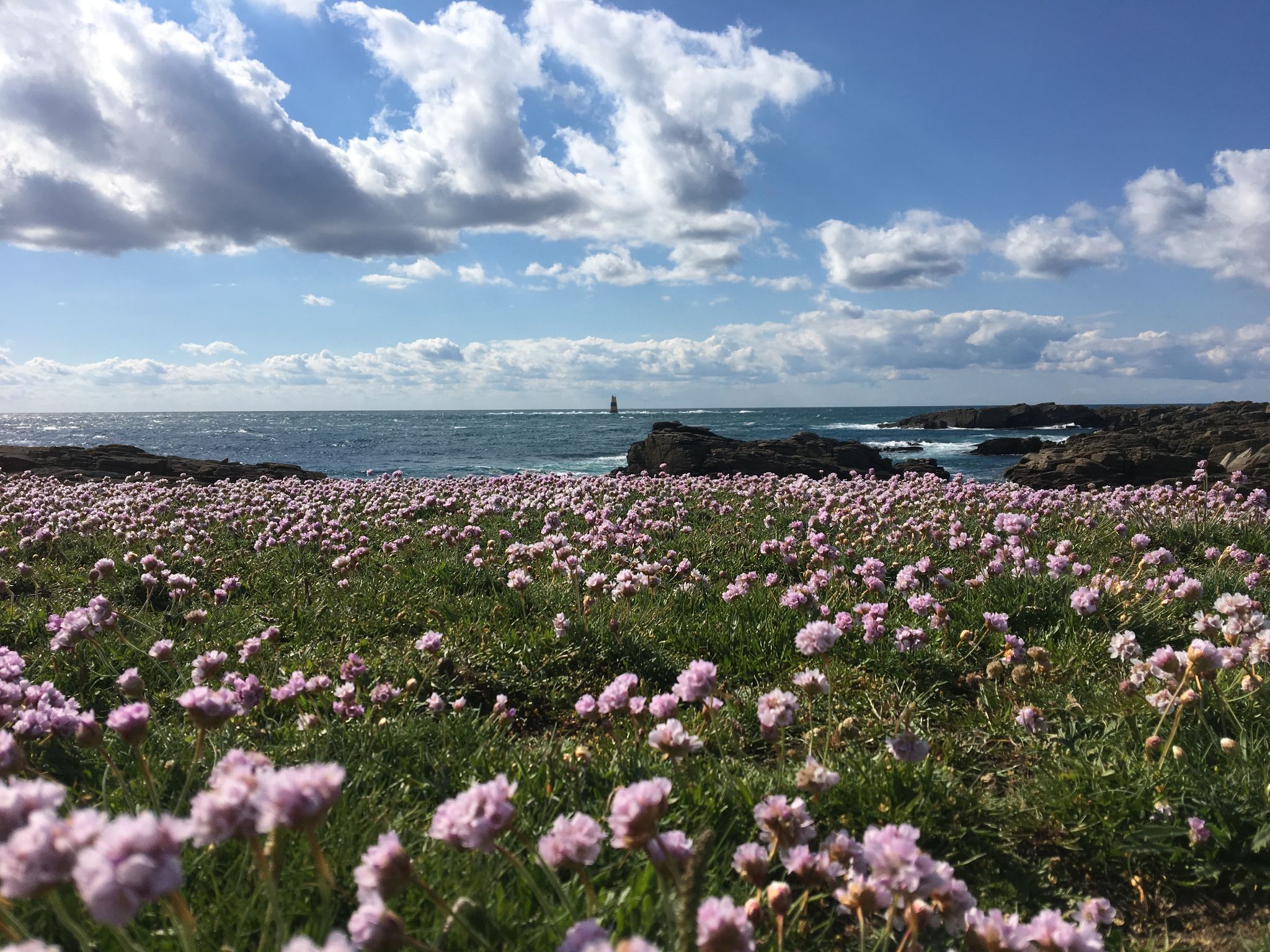
An island adventure – Tour of Île d'Yeu (GR 80)
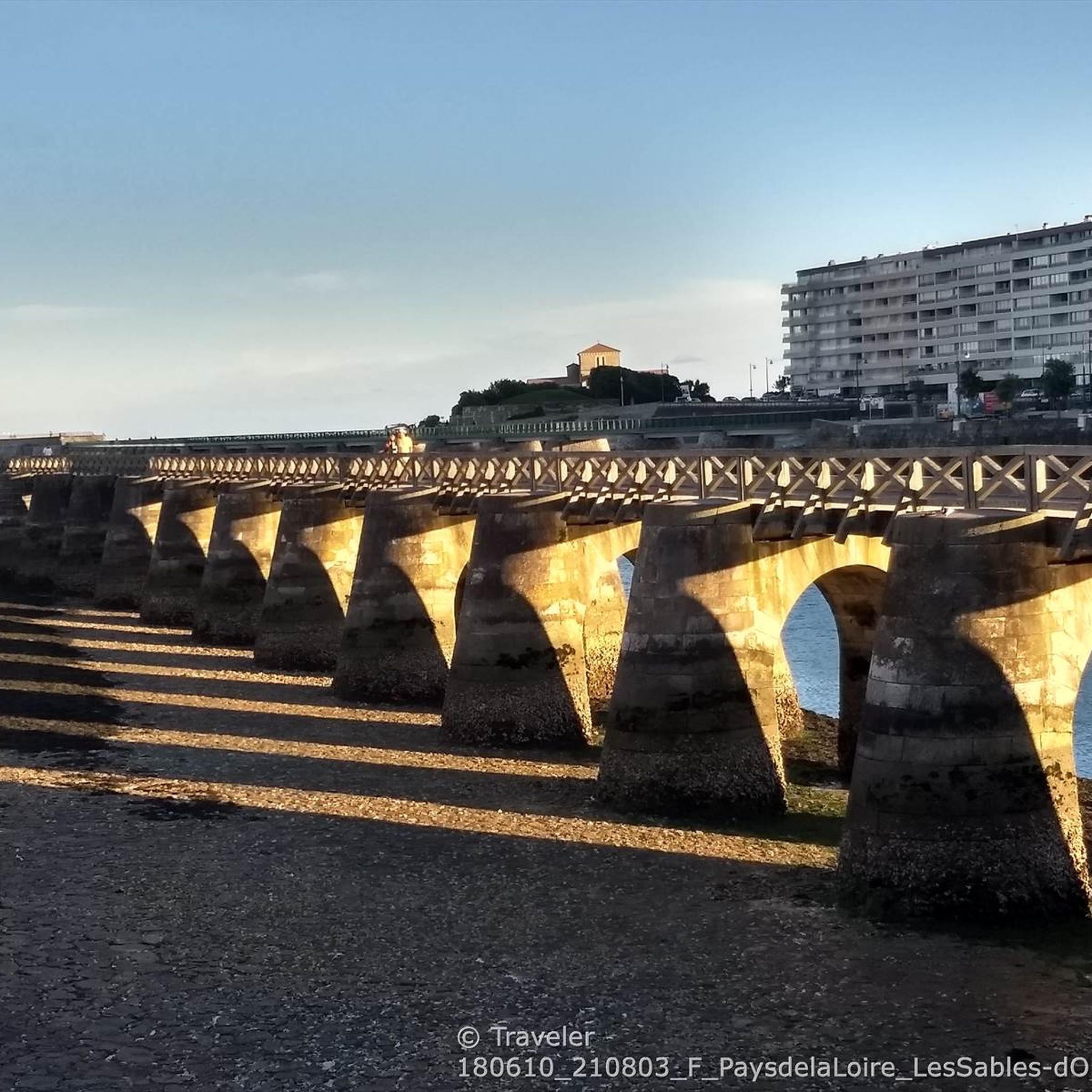
Cycling around Les Sables-D'Olonne
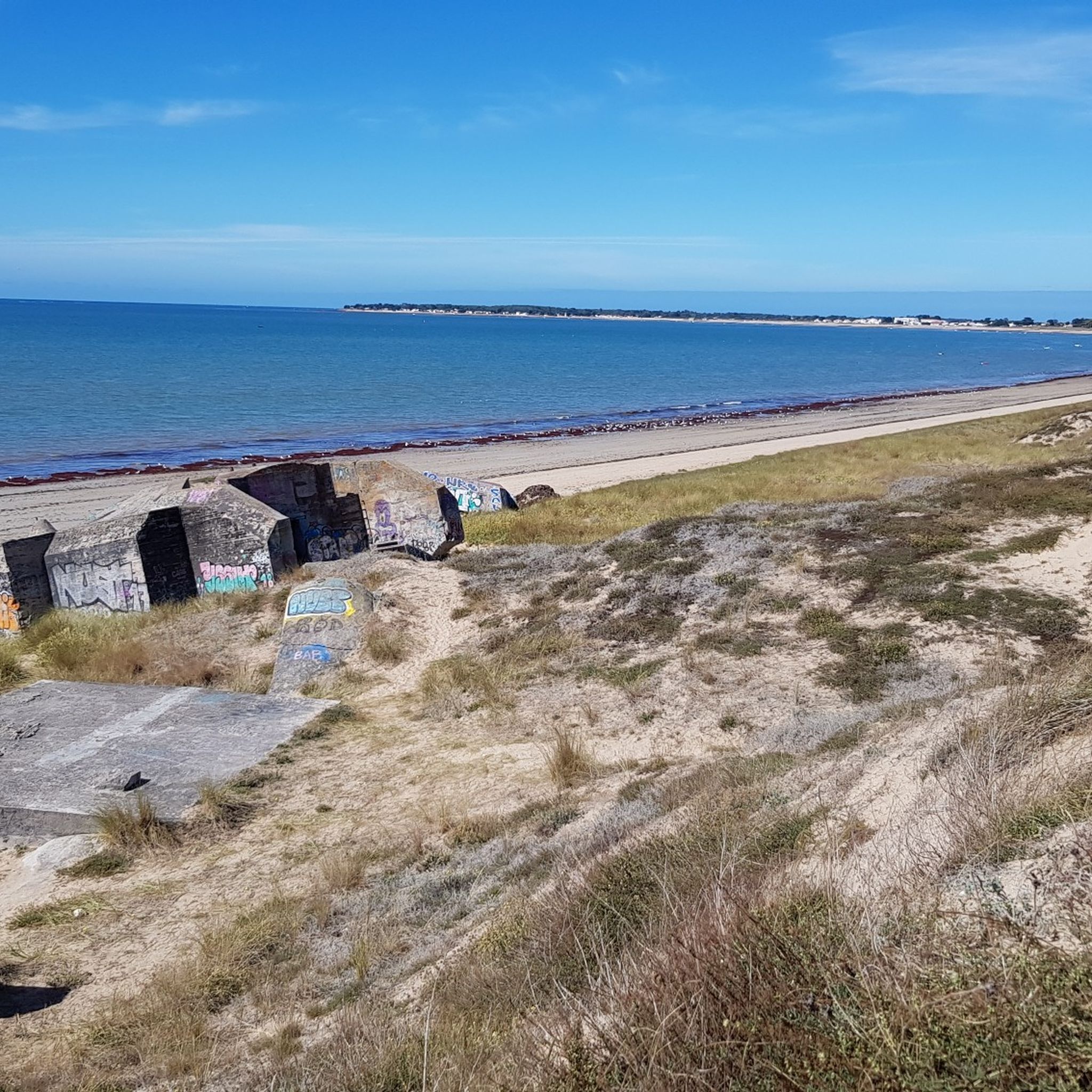
Hiking around Les Sables-D'Olonne
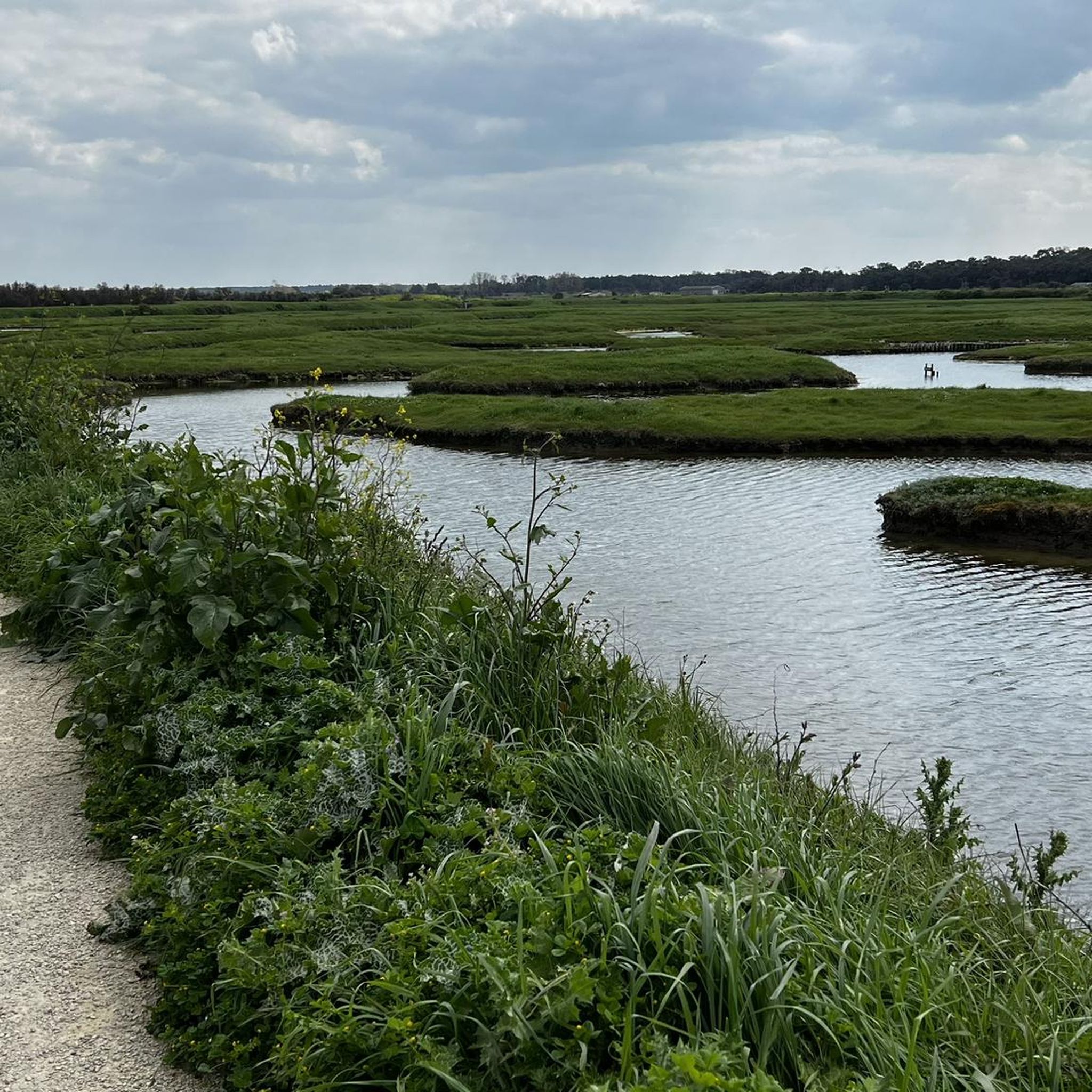
Running Trails around Les Sables-D'Olonne
Road Cycling Routes around Les Sables-D'Olonne
MTB Trails around Les Sables-D'Olonne
Other adventures around Les Sables-D'Olonne


Tips from the Community

Beautiful castle whose "military" part dates from the 11th century and the "residential" part from the Renaissance.
0
0

The Château de Noirmoutier is a castle on the Île de Noirmoutier in the Vendée département of France. It dominates the town of Noirmoutier-en-l'Île with its almost 20-metre-high (66 ft) keep. The castle is very well preserved and a fine example of 12th-century medieval architecture. The first traces of the castle appeared in 830 with the construction of a castrum by the abbot Hilbold, from the monastery of Saint-Philbert. It served to defend the monks and the island's population from the Vikings. The castle was rebuilt in stone in the 12th century by the feudal power who was trying to stabilise the region, notably by preventing Norman pillaging. The island at that time was under the control of the barons of La Garnache. The keep was built by Pierre IV of La Garnache, then an enclosure equipped with towers was built around the lower courtyard. In the 16th century, the castle was held by the La Trémoille family, then viscounts of Thouars. The castle resisted numerous attacks: the English in 1342 and 1360, and again in 1386 under the command of the Earl of Arundel the Spanish in 1524 and 1588 but in 1674, it was taken by the Dutch troops of Admiral Cornelis Tromp. The castle was sold in 1720 to Louis IV Henri de Bourbon-Condé, who resold it in 1767 to Louis XV. During the French Revolution, the castle was used as a military prison. During the 19th century, it was used as a barracks. In 1871, during the Paris Commune, insurgents were imprisoned there. The castle was used to intern German nationals during the First World War. In 1690, a house was built within the castle grounds by the governor of the island and the castle. Today, the keep houses the Noirmoutier Museum. The keep at the centre of the castle is solid and rectangular. Built of rubble, it has three floors, with the lords' residence at the top. The keep has numerous murder holes and defensive turrets at the corners. The rectangular fortification consists of two towers, a single gate and two watch turrets in the four corners. At the beginning of the 18th century, the towers were reconstructed and the keep adapted for artillery. Property of the commune, the Château de Noirmoutier is listed as a monument historique by the French Ministry of Culture. https://en.wikipedia.org/wiki/Ch%C3%A2teau_de_Noirmoutier
0
0

The Château would date from the mid-13th century; at the time it was a true fortress, flanked by six towers and surrounded by wide moats. From the 12th to the 14th century, this fortified castle served as a lock between Brittany and Poitou, in this border region where numerous strongholds stood: Pornic, Machecoul, Clisson, Tiffauges, Champtocé in the Marches of Brittany facing Commequiers, La Garnache, Palluau, Montaigu, Pouzauges, in lower Poitou. In the 17th century, Philippe de Clérembault, who inherited the family estate, was promoted to Marshal of France by the young King Louis XIV, and then undertook to rebuild his Château de Palluau to transform the old fortress into a modern castle, retaining the six large medieval towers and including between them a building covered with a Mansart roof, topped by a dome. The Marshal's castle was a unique building in all of Poitou: "the most regular and the most accomplished that exists in the region", according to Claude Masse, famous engineer-geographer to Louis XIV. Abandoned by its owners during the Revolution, the large empty residence served as a stronghold for the royalists in 1793 and its underground passages, as dungeons for republican prisoners. On February 8, 1794, a Republican Column set fire to the Château and the Church of Palluau. The site has never been rebuilt, nor even consolidated since. It remains in a state of ruin abandoned to vegetation. The Château de Palluau must have been a magnificent residence, judging by the imposing ruins that remain and by the plans and watercolor drawings by Claude Masse, which are preserved at the Museum of Engineering in Vincennes.
0
0
I couldn't get as close as guigui during his hike because a barrier blocked the path. You can see it well despite everything.
0
0

Beaumarchais Castle was built in the 16th century by Vincent Bouhier de l'Écluse, on the foundations of an old manor house built around 1450 by the Mauclère family, a former local knighthood. The castle underwent significant alterations in the early 19th century. Notable for its Renaissance architecture, it notably retains a large fireplace on the ground floor, listed as a historical monument since 1962, as well as its protected facades and roofs. Now privately owned, this castle illustrates the history and heritage of the Pays de Brem, an ancient region linking Brétignolles to the Vendée coast. It bears witness to the wealth and maritime trade of its shipowners in the 16th century.
0
0
The Château de Beaumarchais in Brétignolles-sur-Mer is a Renaissance-style building constructed in the 16th century by Vincent Bouhier de L’Écluse, on the foundations of an old medieval manor house. A private property listed as a Historic Monument in 1962, it is remarkable for its facades, roofs, and a Renaissance fireplace on the ground floor. Henry IV stayed there, reinforcing the prestige of the estate and its wines. The current architecture includes characteristic wings and turrets added in the 16th century, and the framework was completed in the 17th century. The château has no connection with the writer Beaumarchais; its name comes from an old contraction linked to the site.
0
0

nice visit to the castle on this medieval festival day.
0
0

Built in the second half of the 15th and in the 16th century by Louis de Beaumont, lord of Plessis-Macé in Anjou, the castle of Commequiers, now owned by the commune, was, like most of the castles of Bas Poitou, dismantled on the orders of Cardinal Richelieu in 1628, 6 years after the defeat of Soubise at Notre Dame de Riez and Saint Gilles. It was then the property of the La Trémoille, great Protestant lords. Throughout the Middle Ages, the lords of Commequiers exercised their administrative and jurisdictional influence over a vast territory. https://www.payssaintgilles-tourisme.fr/patrimoine-culturel/chateau-de-commequiers/
0
0
Frequently Asked Questions
Which castles near Les Sables-D'Olonne are particularly family-friendly?
Several castles in the region offer activities suitable for families. Apremont Castle provides both free and guided tours, allowing families to explore its history. Château de la Guignardière is also noted as family-friendly. Additionally, Commequiers Castle offers a treasure hunt for children aged 8 to 13, though the castle itself is currently closed for public entry.
Are there any castles with strong historical connections to famous figures?
Yes, Château de Talmont (also known as Talmont-Saint-Hilaire Castle) is renowned for its ties to Richard the Lionheart, who reportedly hunted on its lands. This medieval castle offers a deep dive into its past with authentic underground areas.
What are some of the oldest castles in the Les Sables-D'Olonne area?
The region boasts ancient fortifications. Noirmoutier Castle has a history dating back to 830 AD, originally built to defend against Viking attacks. Apremont Castle was first built in the 11th century, though it was largely rebuilt in the 16th century.
Can I visit castles that are located directly within Les Sables-D'Olonne?
Within Les Sables-d'Olonne itself, you can find the Arundel Tower and Saint-Clair Castle (also known as Château de la Chaume). While the Arundel Tower is not publicly accessible, Saint-Clair Castle now houses the Museum of the Sea and offers exceptional views of the Sables Bay, reflecting the area's rich historical and maritime heritage.
Are there any castles near Les Sables-D'Olonne that are currently undergoing renovations or have limited access?
Yes, Commequiers Castle is currently closed to the public, with work planned. Despite this, you can still discover its history and participate in a treasure hunt around the site.
What kind of architectural styles can I expect to see among the castles?
The castles around Les Sables-D'Olonne showcase a range of architectural styles. You can find medieval fortresses like Noirmoutier Castle with its 20-meter high keep, and Renaissance-style fortified castles such as Apremont Castle. There are also later constructions like the 1770 Château de la Limagne (Château de Pierre-Levée).
Are there any castles associated with local legends or folklore?
Yes, the Tour de Moricq is steeped in legends, including tales of an underground passage, strange engraved signs indicating a buried treasure, and even a legend that fairies built the tower in a single night. Apremont Castle also has a legend about strange signs on its north facade leading to a treasure.
What outdoor activities can I do near these castles?
The region around Les Sables-D'Olonne offers various outdoor activities. You can find numerous road cycling routes, such as the 'Port de l'Herbaudière – Noirmoutier Castle loop from Noirmoutier-en-l'Île', which passes by Noirmoutier Castle. For more options, explore the Road Cycling Routes around Les Sables-D'Olonne guide.
Are there any gravel biking routes that include castle views?
Yes, you can find gravel biking routes that offer scenic views, potentially including some of the castles. For example, the 'Salines on the Île de Noirmoutier – Port de l'Herbaudière loop from Fromentine' is a challenging route in the area. Check the Gravel biking around Les Sables-D'Olonne guide for more details.
What do visitors enjoy most about the castles in this region?
Visitors appreciate the diverse historical periods and architectural styles, from medieval fortresses to Renaissance castles. Many enjoy the opportunity to explore authentic medieval underground areas, learn about defensive strategies, and experience the rich heritage. The community has shared over 100 photos and given more than 340 upvotes across the various castle highlights, indicating a strong appreciation for these historical sites.
When is the best time to visit castles near Les Sables-D'Olonne?
Many castles, such as Château de Talmont, offer guided visits and special events from April to October. The Old Castle on Île d'Yeu is typically open during the summer season. It's advisable to check specific castle websites for their most current opening hours and event schedules, especially outside of peak tourist months.
Are there any castles that are particularly well-preserved or offer extensive tours?
Château de Talmont offers both self-guided tours and guided visits, allowing for a comprehensive exploration of its medieval features. Noirmoutier Castle, with its well-preserved 20-meter high keep, also houses a museum detailing its varied history.
Most popular routes around Les Sables-D'Olonne
Most popular attractions around Les Sables-D'Olonne

Get inspired with the komoot mobile app


Didn’t find what you were looking for?
Explore Les Sables-D'Olonne’s best castles region by region:
Explore more
Looking for the best castles somewhere else? Discover other guides around Les Sables-D'Olonne:
