Attractions and Places To See around Llauro - Top 20
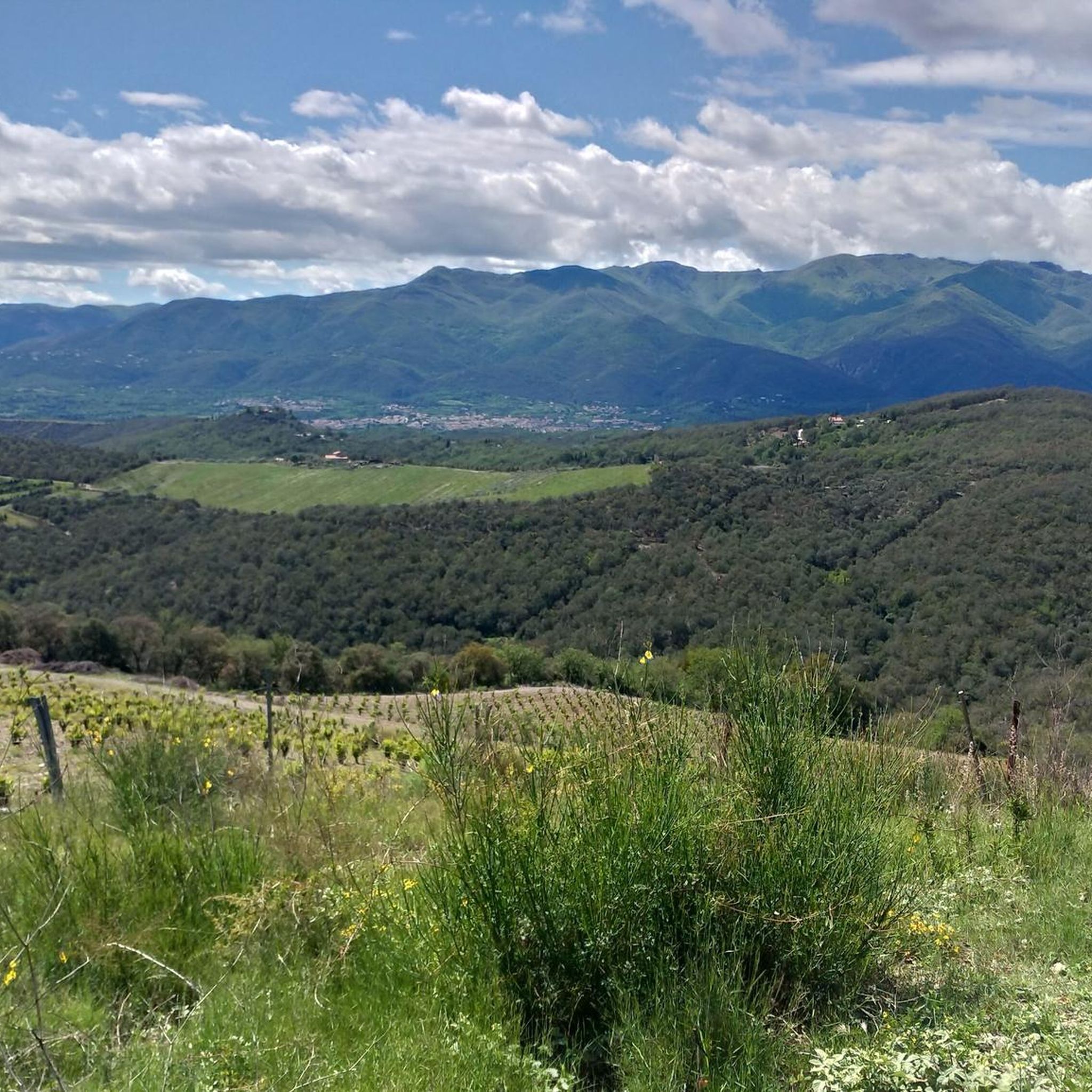
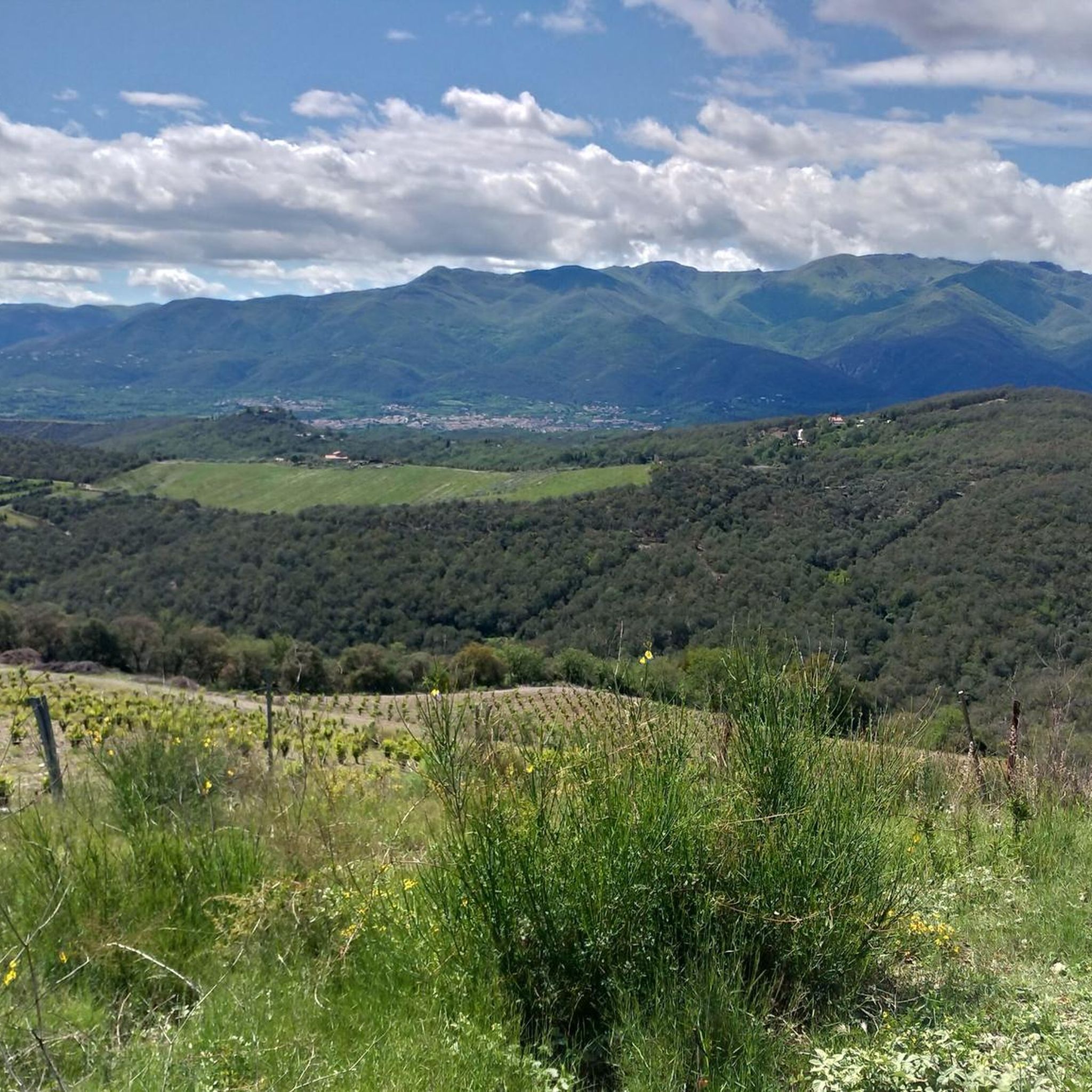
Best attractions and places to see around Llauro include a blend of historical, cultural, and natural sites. This village is situated in the Aspres region of the Pyrénées-Orientales department in southern France. Its location provides access to various notable sites in the surrounding area, offering diverse exploration opportunities.
Best attractions and places to see around Llauro
- The most popular attractions is Reynès Iron Bridge, a bridge that originally featured two stories for road and rail traffic. This historic structure has a span of 60 m and played a strategic role during the Second World War.
- Another must-see spot is Castelnou, a commune in the Pyrénées-Orientales department. This village is known for its picturesque setting and is located in the heart of the Aspres region.
- Visitors also love Devil's bridge, a bridge spanning the Tech River. This single-arch bridge, built between 1321 and 1341, is an example of medieval engineering.
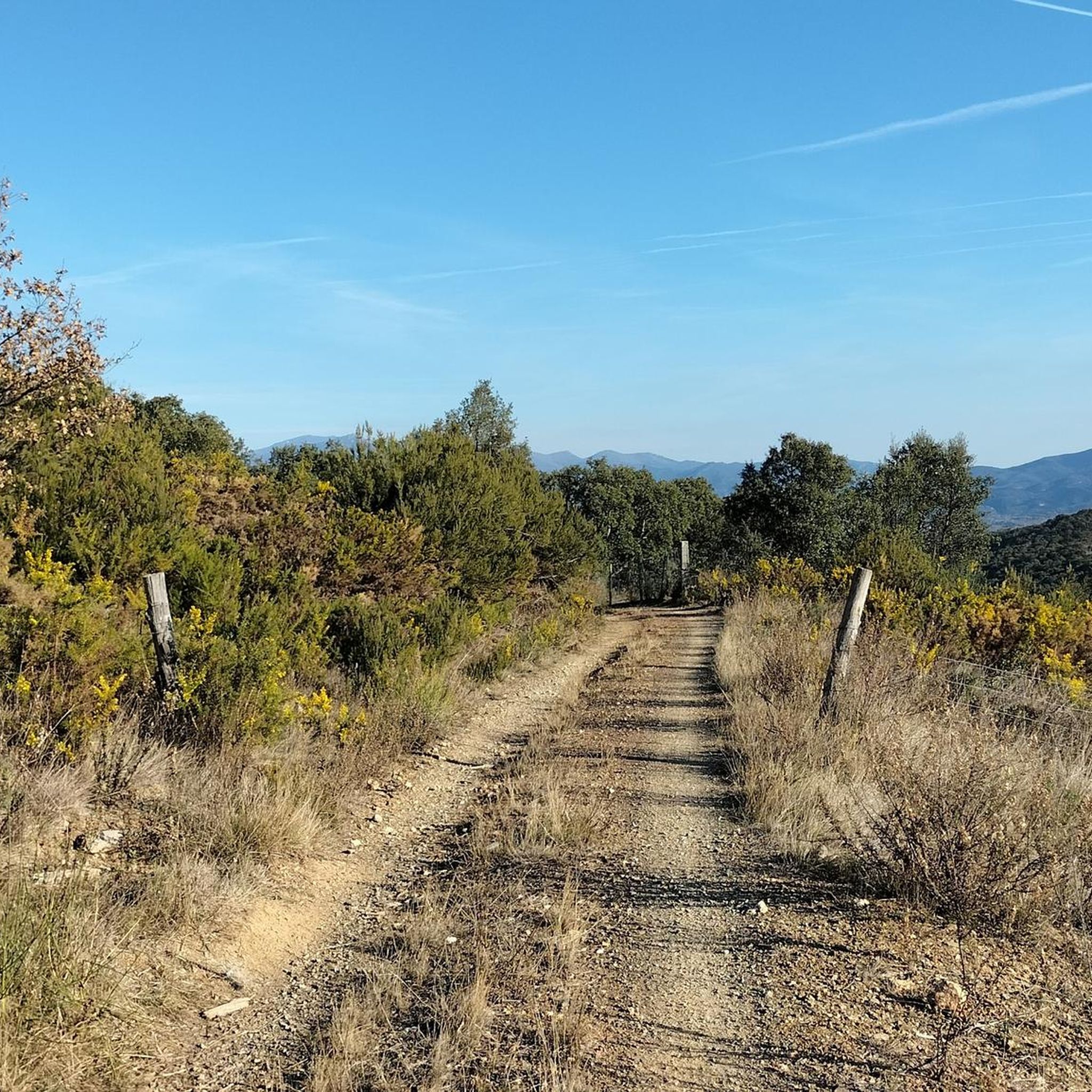
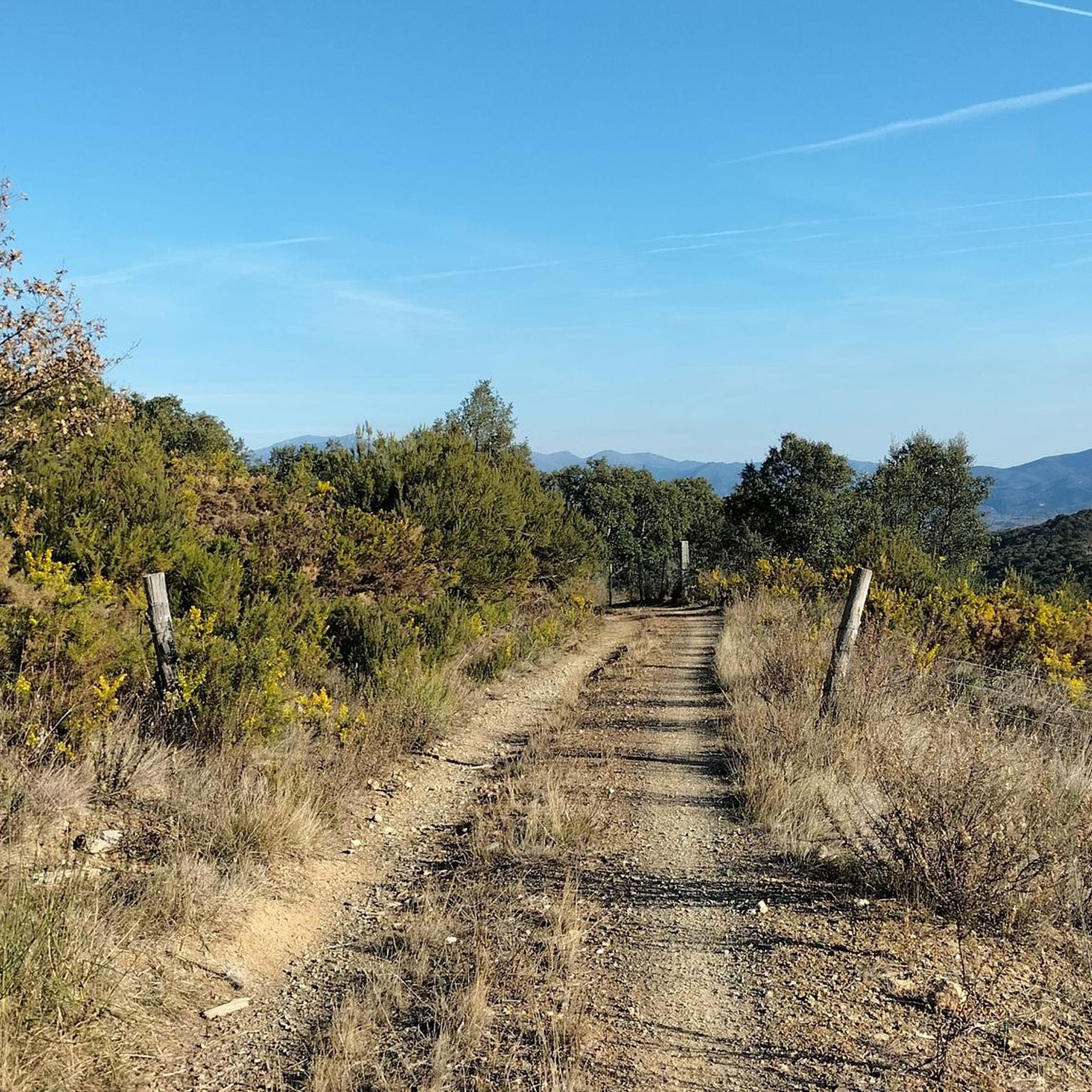
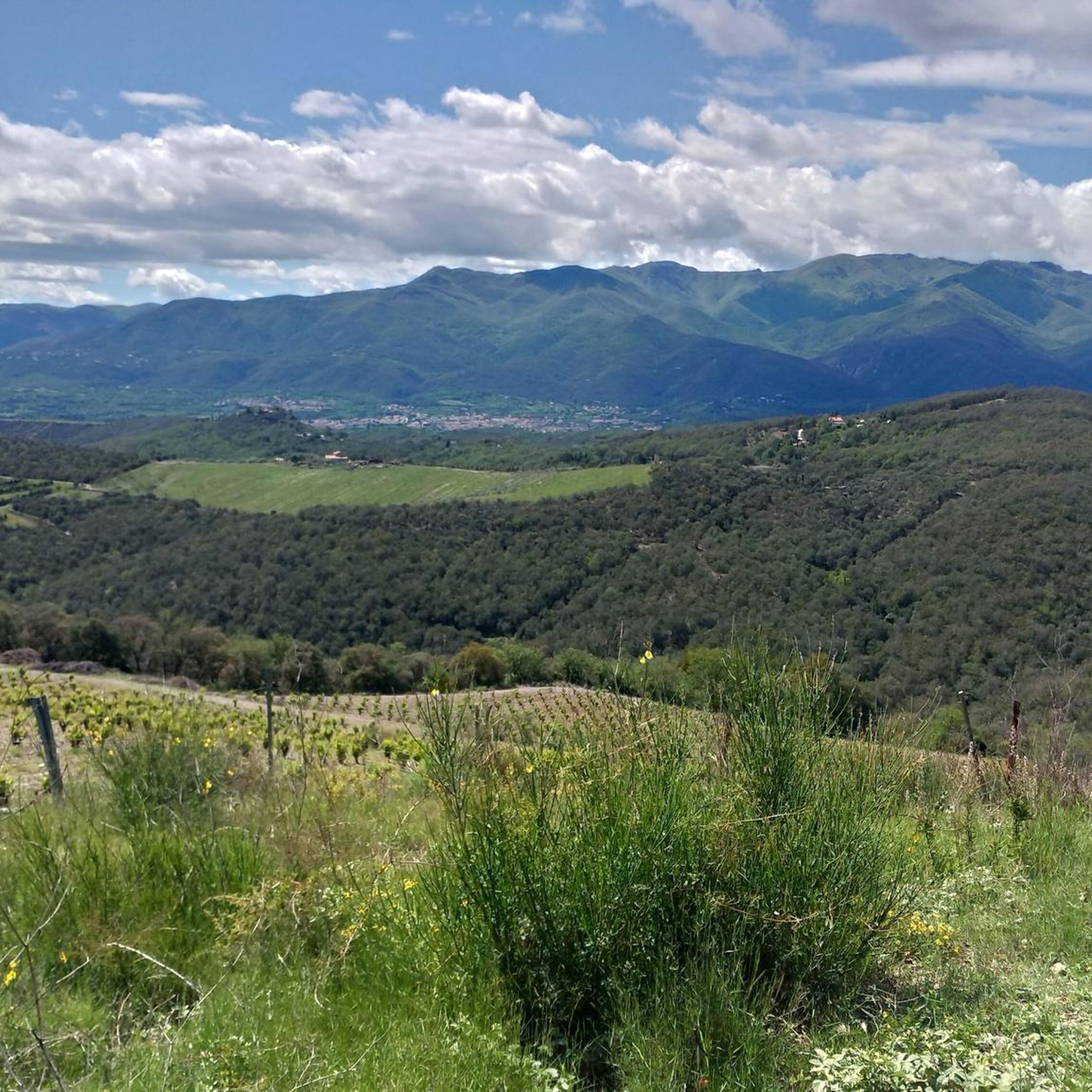
- Llauro is known for its historical sites, natural formations, and medieval villages. The area offers a variety of attractions to see and explore, from ancient structures to panoramic viewpoints.
- The attractions around Llauro are appreciated by the komoot community, with 196 upvotes and 44 photos shared.
Last updated: September 26, 2026
Reynès Iron Bridge
Highlight • Bridge
Translated by Google •
Tip by

Castelnou
Highlight • Other
Exposed to a Mediterranean climate, it is drained by the Canterrane, the Soler stream, the Fontcouverte stream and various other small streams. The town has a remarkable natural heritage: a protected area (the "Masquerell") and two natural areas of ecological, faunal and floristic interest.
Castelnou is a rural town with 293 inhabitants in 2019, after having experienced a sharp increase in population since 1975. It is part of the Perpignan attraction area. Its inhabitants are called Castelnouvois or Castelnouvoises.
This village was ranked the seventh favorite village of the French in 2015 among the 21 other villages present in the competition.
Translated by Google •
Tip by

Sign up now to discover places like this
Get recommendations on the best single tracks, peaks, & plenty of other exciting outdoor places.
Devil's bridge
Highlight • Bridge
Translated by Google •
Tip by

Pablo Picasso Square
Highlight • Monument
A fountain designed by Juliette and Jacques Damville at Place Picasso under the Spanish Gate of the old city walls of Céret celebrates the memory of this artistic act.
Translated by Google •
Tip by
Céret
Highlight • Other
Translated by Google •
Tip by
Sign up for free to discover even more attractions around Llauro.
Already have an account?
Start today with a free account
Your next adventure awaits.

Tips from the Community

Céret is a small town in the southernmost part of France, right on the Spanish border. The town exudes southern French charm, and its weekly market, held under plane trees, is the most beautiful I know. Incidentally, the town is truly picturesque; Picasso, among others, spent a summer working here.
4
0

Translation of the information on site: "ATELIER PICASSO-BRAQUE In early July 1911, Picasso traveled to Céret and settled in the Hôtel du Canigou, also known as the Hôtel Armand, where his friend, the artist Manolo Hugué, stayed upon his arrival. Shortly thereafter, he was joined by his partner Fernande Olivier, and on August 17, by Georges Braque and his wife Marcelle. A few days later, the two artists and their partners moved into the large building. Braque and Picasso subsequently continually challenged each other, creating works that responded to each other."
1
0

Great village! I enjoyed the visit and, of course, the restaurant.
1
0
A picture-perfect place; and thankfully secluded.
4
0
A place that, strangely enough, remains unknown even to most French people, yet it oozes southern French charm: old buildings in rosé and ochre-orange, numerous avenues of plane trees within the town, lovely sidewalk cafés, and, above all, no tourist stress, no plastic world. This beautiful little town is nestled on the slopes of the Pyrenees and is therefore also attractive for hikers. Braque and Picasso, incidentally, spent a working summer here.
4
0


A beautiful square in the center of Céret with beautiful facades and numerous terraces and restaurants.
3
0
Frequently Asked Questions
What historical sites can I explore around Llauro?
The region around Llauro is rich in history. You can visit the Reynès Iron Bridge, a historic two-story bridge that played a strategic role during WWII. Another significant site is the Devil's bridge, an impressive single-arch bridge spanning the Tech River, built between 1321 and 1341. Within Llauro itself, you can find the Medieval Fortified Church of St Martin with its 18th-century baroque altarpiece, remains of historical fortifications, and ancient Dolmens hinting at prehistoric activity.
Are there any natural attractions or viewpoints near Llauro?
Yes, the area offers several natural highlights and stunning viewpoints. From "La Calcine" hill in Llauro, you can enjoy sweeping panoramic views of the Roussillon plain and, on clear days, the Mediterranean Sea. For more expansive vistas, head to Sant Martí de la Roca, which offers a 360-degree panorama after a short, stony ascent. Another excellent spot is Roc de Mallorca, where you can see the landscapes of the Eastern Pyrenees, surrounding valleys, and the iconic Mount Canigó on clear days. The Gorges de la Fou, about 14 km southwest, also offer unique natural formations to explore.
What picturesque villages are worth visiting near Llauro?
One of the most highly recommended villages is Castelnou, often cited as one of France's most beautiful villages, known for its picturesque setting and imposing castle. Céret, located approximately 7 km south, boasts an extensive historic town center and the Picasso Museum. Elne, about 19 km east-northeast, is a quiet town with significant cathedral cloisters, while Arles-sur-Tech, around 14 km southwest, features a Benedictine Abbey and cloisters largely dating from the 11th and 12th centuries.
Are there opportunities for cycling or mountain biking in the area?
Absolutely! The region around Llauro is great for cycling. You can find numerous routes for different types of cycling. For gravel biking, consider routes like the challenging "Sant Martí de la Roca – Very pretty pedestrian village loop" or the "Reynès Iron Bridge – Le Tech loop." If you prefer road cycling, options include the "Reynès Iron Bridge – Céret Old Town loop." You can explore more routes and detailed guides for gravel biking and cycling around Llauro.
What kind of hiking and running trails are available around Llauro?
There are diverse options for hiking and running. For hikers, the ascent to Sant Martí de la Roca offers a rewarding experience with panoramic views. The area around Roc de Mallorca also provides challenging trails for explorers. Runners can find routes like the "Half Marathon loop from Saint-Jean-Pla-de-Corts" or the "Reynès Iron Bridge – Tech Greenway loop from Céret." Discover more options in the running trails guide for Llauro.
What is the best time to visit the attractions around Llauro?
The Pyrénées-Orientales department, where Llauro is located, experiences a Mediterranean climate. Spring (April to June) and early autumn (September to October) are generally ideal, offering pleasant temperatures for exploring historical sites, villages, and outdoor activities without the intense heat of summer. These periods also often provide clear skies for enjoying panoramic views.
Are there any family-friendly attractions near Llauro?
Many attractions in the region can be enjoyed by families. The Reynès Iron Bridge is a fascinating historical site for all ages. Exploring picturesque villages like Castelnou offers a charming experience. Gentle walks in the protected natural areas within Llauro, such as "Masquerell," can also be suitable for families. The Gorges de la Fou provide an engaging natural environment for exploration.
Where can I find local markets near Llauro?
Several nearby towns host vibrant weekly markets where you can discover local products and handicrafts. Céret has a market on Saturdays, Le Boulou on Thursdays, and Thuir also on Saturdays. These markets are excellent places to experience local culture and find regional specialties.
What is the historical significance of Llauro's cork stopper industry?
For nearly a century, Llauro was a significant center for the cork stopper industry in France. The village processed up to 160 tons of cork annually and employed many stop makers, making it a crucial part of the local economy and heritage. While the industry has declined, its legacy is still a notable aspect of Llauro's past.
What do visitors enjoy most about the attractions around Llauro?
Visitors frequently praise the stunning panoramic views, especially from spots like Sant Martí de la Roca and Roc de Mallorca. The picturesque charm of villages like Castelnou is also a major draw. Many appreciate the blend of historical sites, such as the Reynès Iron Bridge and the Devil's bridge, with the natural beauty of the Aspres region, making for diverse exploration opportunities.
Are there any unique rock formations to see in the area?
Yes, about 17 km northwest of Llauro, the area around Ille-sur-Têt is notable for its remarkable rock formations. These unique geological features offer an interesting natural spectacle for visitors.
Most popular attractions around Llauro

Get inspired with the komoot mobile app


Explore more
Still not found the Highlight you’re looking for? See guides of the top attractions in other regions:
