Attractions and Places To See around Palavas-Les-Flots - Top 20
Best attractions and places to see around Palavas-Les-Flots include a variety of coastal landscapes, historical sites, and natural areas. This seaside resort near Montpellier is known for its fine sandy beaches and the surrounding coastal lagoons, or étangs. The area offers a blend of natural beauty and cultural heritage, with opportunities for outdoor activities and exploring local history.
Best attractions and places to see around Palavas-Les-Flots
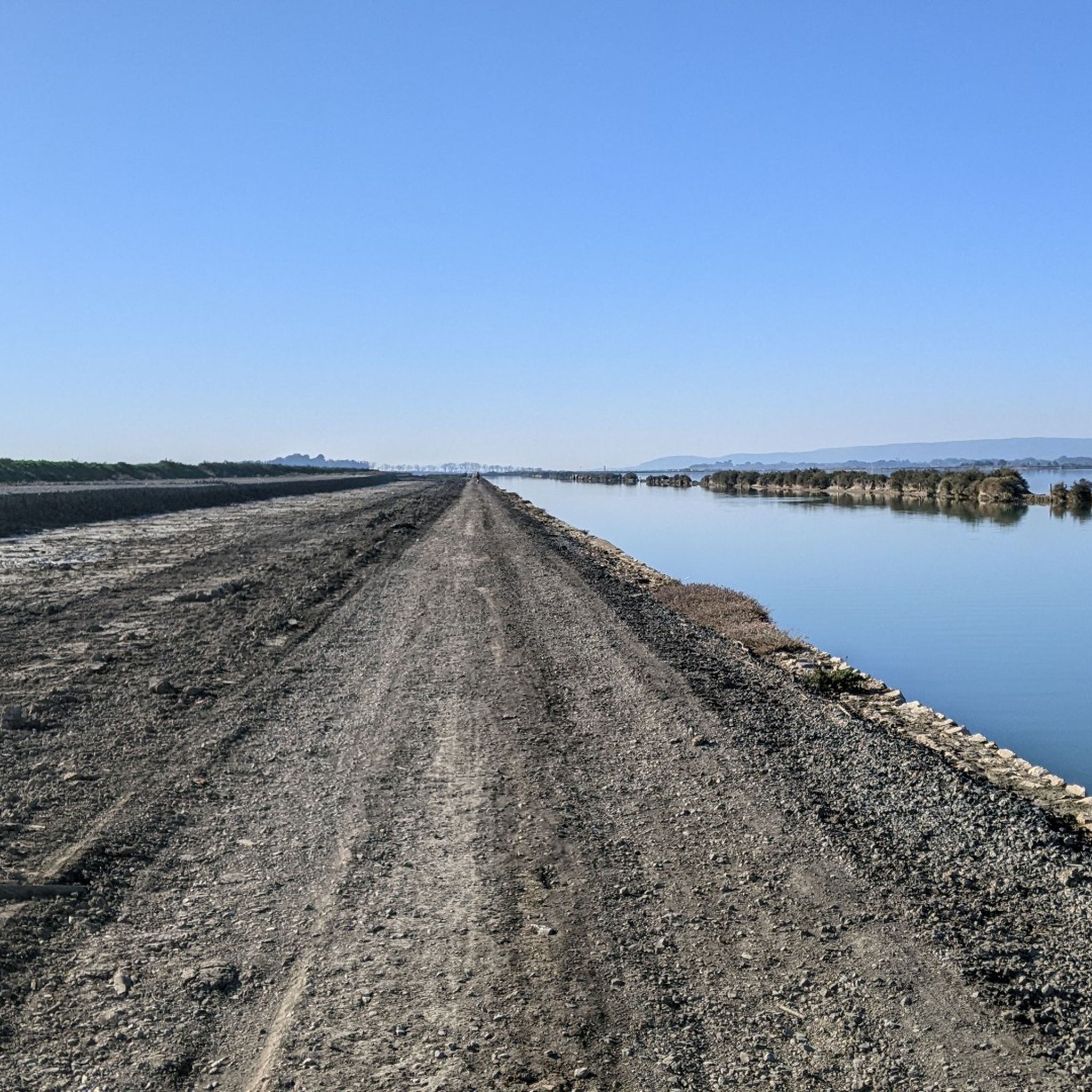
- The most popular attractions is Canal du Rhône à Sète Between Palavas-les-Flots and Vic-la-Gardiole, a cycle way that offers a driving experience between the canal water and the Étang de Vic. This path is suitable for trekking bikes and provides views of birds like flamingos.
- Another must-see spot is Rhone Kanal, a cycle way that runs next to the canal. This route is part of the Canal du Rhône à Sète, connecting the Etang de Thau to the Rhône.
- Visitors also love Grand Travers Beach – La Grande-Motte, a natural beach located behind dunes. This beach is known for its fine sand and offers opportunities for swimming and relaxation.
- Palavas-Les-Flots is known for its beaches, canals, and natural lagoons. The region offers a variety of attractions to see and explore, from historical monuments to wildlife observation.
- The attractions around Palavas-Les-Flots are appreciated by the komoot community, with over 400 upvotes and 54 photos shared.
Last updated: September 26, 2026
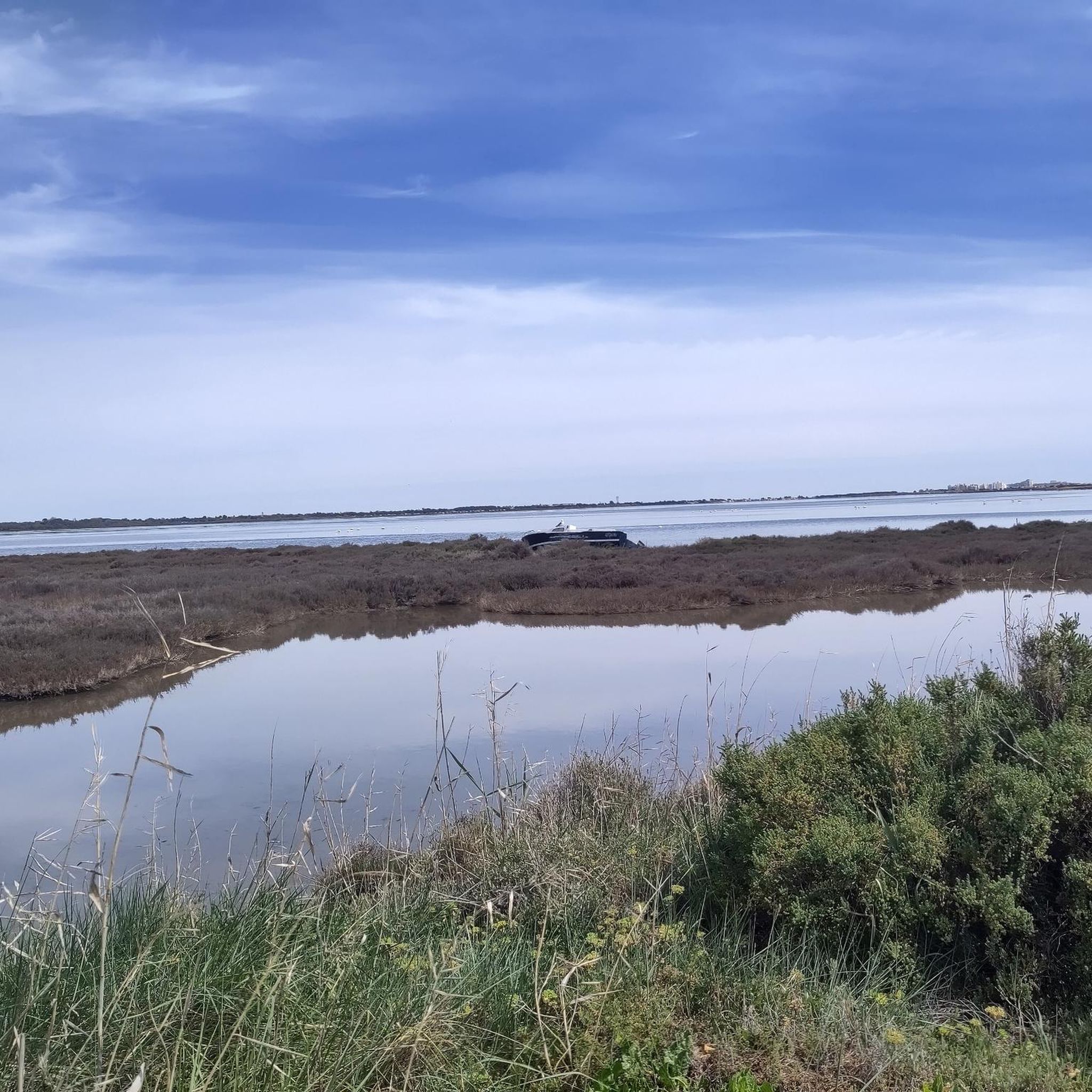
Between the Étang du Méjean and the Étang de l'Arnel
Highlight • Cycleway
Translated by Google •
Tip by

Rhone Kanal
Highlight • Cycleway
This saves you a 20km detour of EuroVélo 6 around the Étang de Vic via Villeneuve-les-Maguélone. The trip right next to the canal is extremely interesting, as the canal is structurally delimited and runs through the Étang de Vic. Although the path is a gravel / gravel road, it can also be ridden well with a loaded trekking bike
Translated by Google •
Tip by

Sign up now to discover places like this
Get recommendations on the best single tracks, peaks, & plenty of other exciting outdoor places.
Chemin du Pilou - between the Vic and Arnel ponds
Highlight (Segment) • Other
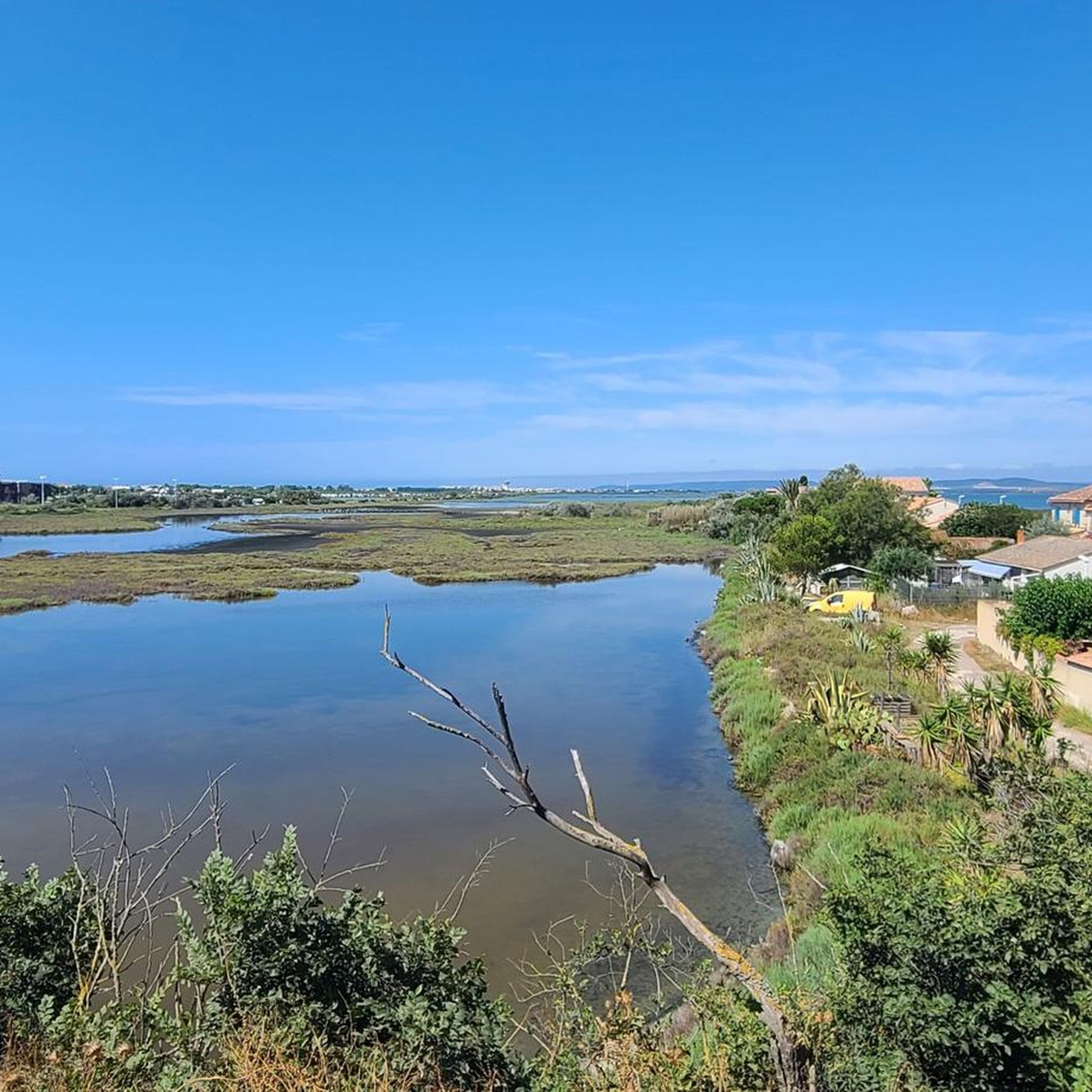
L’Arnel is today a protected natural area, integrated into the Natura 2000 network and the classified site of the Palavasian ponds. But the lagoon also bears the traces of a long history of exploitation: fishing, old salt pans and hydraulic developments have shaped this amphibious territory for several centuries.
Showing Translation
Tip by

Porte de Maguelone
Highlight • Monument
Translated by Google •
Tip by

Canal du Rhône à Sète Between Palavas-les-Flots and Vic-la-Gardiole
Highlight • Cycleway
Translated by Google •
Tip by
Sign up for free to discover even more attractions around Palavas-Les-Flots.
Already have an account?
Start today with a free account
Your next adventure awaits.
Popular around Palavas-Les-Flots
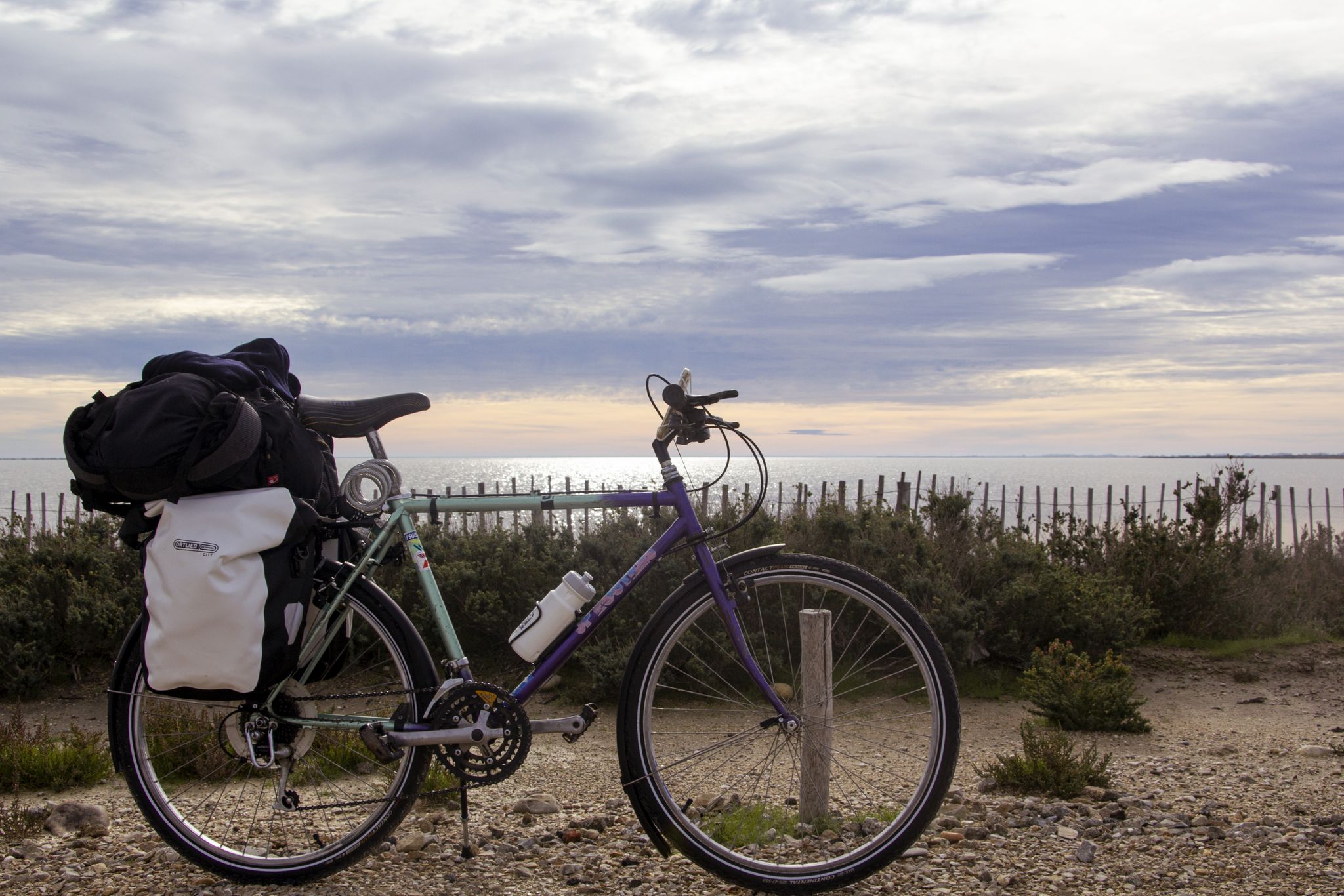
From Marseille to Montpellier — France's south coast by bike
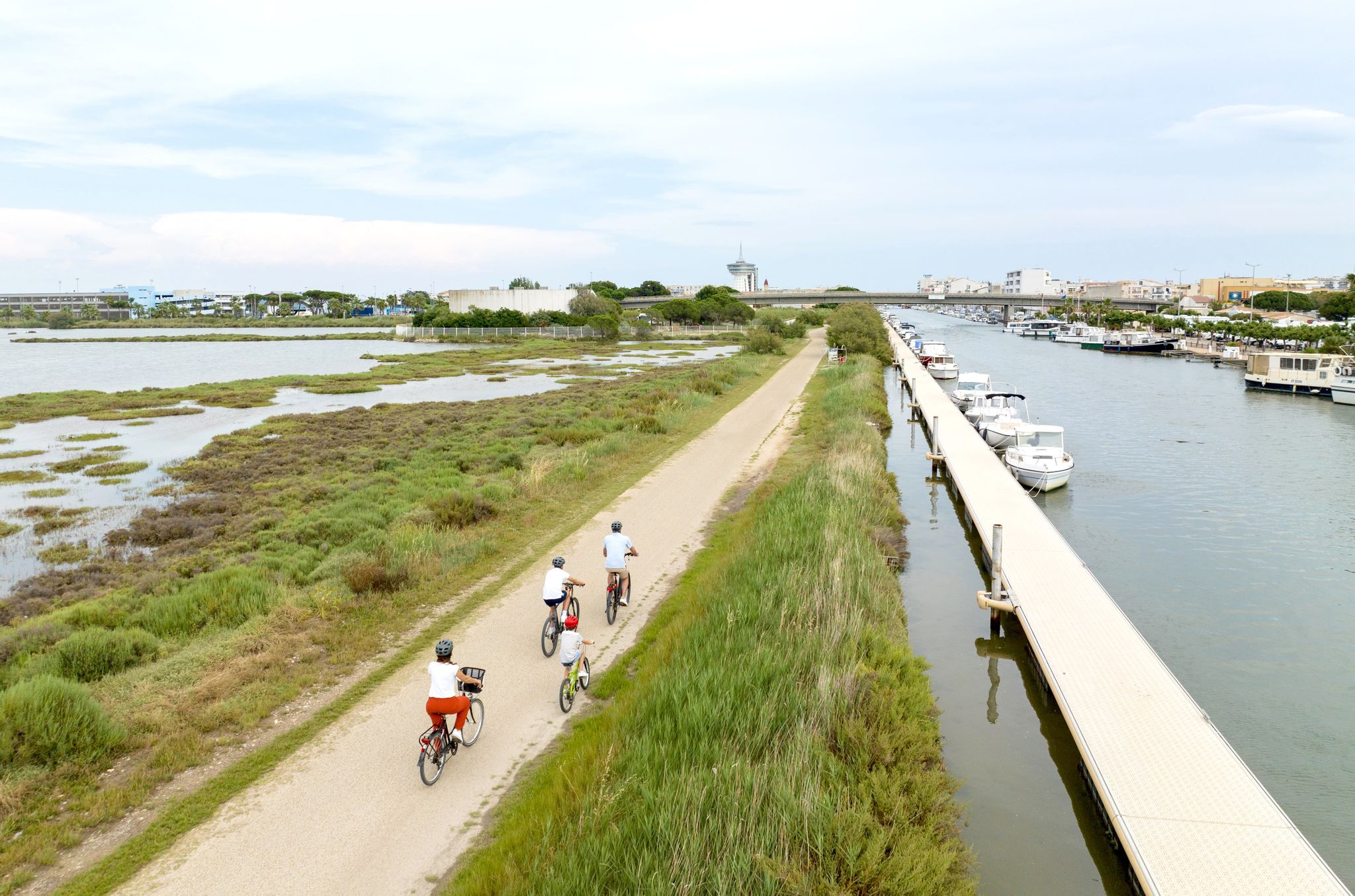
Palavas-les-Flots by bike – Mediterranean escapades
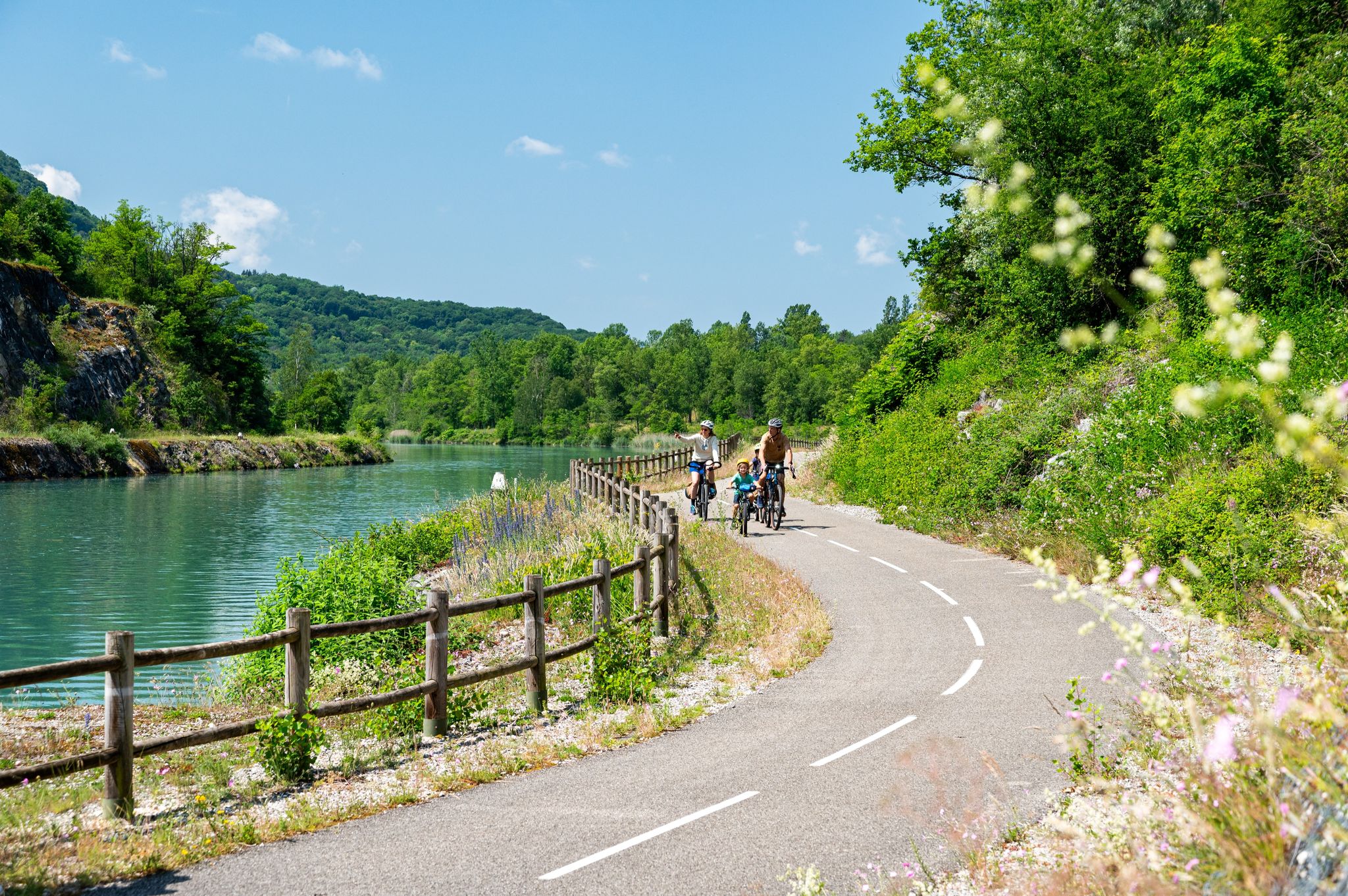
ViaRhôna — ride from the Alps to the Mediterranean
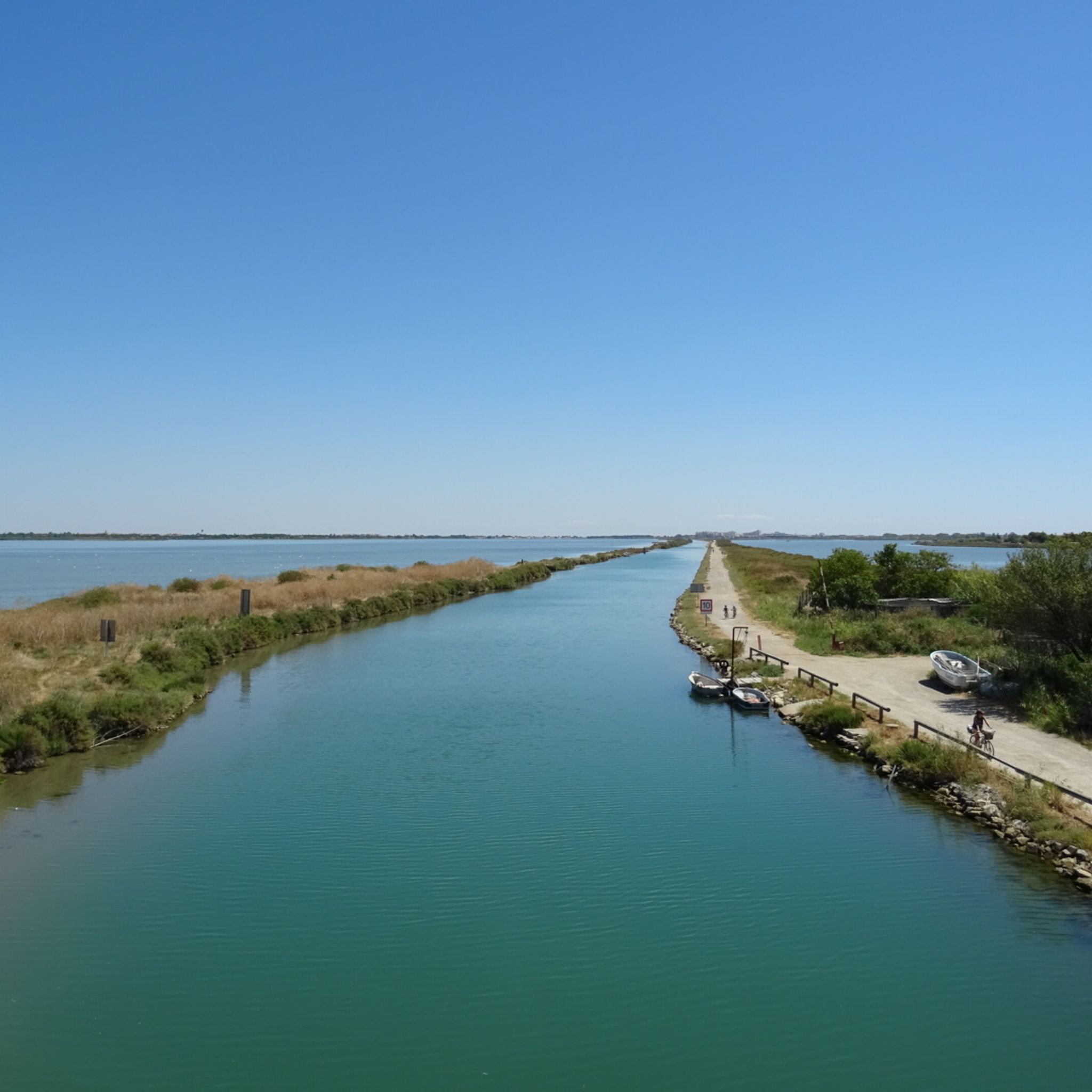
Cycling around Palavas-Les-Flots
Running Trails around Palavas-Les-Flots
Hiking around Palavas-Les-Flots
Road Cycling Routes around Palavas-Les-Flots

Gravel biking around Palavas-Les-Flots
MTB Trails around Palavas-Les-Flots
Other adventures around Palavas-Les-Flots


Tips from the Community

This monumental gate marks the entrance to the Maguelone estate, between the Rhône à Sète canal and the coastal ponds. Officially named "Portail de Maguelone", this monument is also commonly called "La Porte de Maguelone". Despite its appearance as an ancient gate, it is a 20th-century construction, erected following the conflict that opposed at the beginning of the century the owner of the estate, Frédéric Fabrège, to the municipality of Villeneuve-lès-Maguelone concerning a path giving access to the beach and the existence of a servitude right.
2
0
From Frontignan to Palavas-les-Flots, the route follows the Canal du Rhône à Sète through one of the large lagoon complexes on the Languedoc coast. After the Étang d'Ingril and the Aresquiers, the canal successively crosses or runs alongside the Étangs de Vic and de Pierre-Blanche, then passes between those of l'Arnel and du Prévost before reaching Palavas. The canal itself is a major historical element of this landscape. Its construction began in 1701 under the name Canal des Étangs, in order to ensure continuity between the Royal Canal of Languedoc – today the Canal du Midi – and the Rhône. The route, completed in 1829, passes through Frontignan, Maguelone and Palavas before joining Aigues-Mortes and then Beaucaire. In Frontignan, its opening in the 18th century profoundly modified the landscape: the canal notably separated the former Étang de Frontignan into two complexes, giving rise to the Étang d'Ingril and that of La Peyrade.
2
0
From Frontignan to Palavas-les-Flots, the route follows the Canal du Rhône à Sète through one of the large lagoon systems on the Languedoc coast. After the Étang d'Ingril and the Aresquiers, the canal successively crosses or runs alongside the Étang de Vic and Étang de Pierre-Blanche, then passes between the Étang de l'Arnel and Étang du Prévost before reaching Palavas. The canal itself is a major historical element of this landscape. Its construction began in 1701 under the name Canal des Étangs, in order to ensure continuity between the Royal Canal of Languedoc — today the Canal du Midi — and the Rhône. The route, completed in 1829, passes through Frontignan, Maguelone, and Palavas before reaching Aigues-Mortes and then Beaucaire. In Frontignan, its opening in the 18th century profoundly modified the landscape: the canal notably separated the former Étang de Frontignan into two parts, giving rise to the Étang d'Ingril and the Étang de La Peyrade.
2
0
From the locality of Le Pilou to the eponymous footbridge, this path takes us to the heart of the lagoon landscape of the Arnel pond. An area where human developments coexist with the characteristic environments of the Palavasian ponds: lagoon, sansouire (salt-tolerant vegetation) and halophytic vegetation. L’Arnel is today a protected natural area, integrated into the Natura 2000 network and the classified site of the Palavasian ponds. But the lagoon also bears the traces of a long history of exploitation: fishing, old salt pans and hydraulic developments have shaped this amphibious territory for several centuries.
2
0

The Porte de Maguelone is an ochre stone arch located at the entrance to the Villeneuve-lès-Maguelone peninsula. It symbolizes a historical conflict related to private property in the 19th century.
0
0
The étang du Méjean (also called étang de Pérols) is a protected natural site of over 600 hectares located in Lattes, just 8 kilometers south of Montpellier. Managed by the Conservatoire du littoral, this exceptional lagoon space offers a mosaic of preserved landscapes (marshes, reed beds, sansouïres) where you can easily observe pink flamingos, white storks, bulls, and Camargue horses.
0
0
L'étang de l'Arnel is a vast coastal lagoon located in the municipality of Villeneuve-lès-Maguelone, in the Hérault department, less than 20 km south of Montpellier.
0
0

Best practiced in dry weather. Some sections are very, very sticky. It can cause your wheels to lock, so don't be in a hurry!
0
0
Frequently Asked Questions
What natural features can I explore around Palavas-Les-Flots?
Palavas-Les-Flots is surrounded by diverse natural landscapes. You can explore the coastal lagoons (étangs) such as the Étang du Prévost and Étang du Méjean, which are protected Natura 2000 sites known for their rich biodiversity, including flamingos. The Canal du Rhône à Sète Between Palavas-les-Flots and Vic-la-Gardiole also offers scenic views of these étangs and opportunities for birdwatching.
Where can I go birdwatching near Palavas-Les-Flots?
The coastal lagoons (étangs) surrounding Palavas-Les-Flots, including the Étang du Prévost and Étang du Méjean, are excellent spots for birdwatching. These wetlands are home to diverse wildlife, notably flamingos. You can also observe various birds while cycling or strolling along the Canal du Rhône à Sète.
Are there good beaches for swimming and relaxation in the area?
Yes, Palavas-Les-Flots is renowned for its fine sandy beaches and crystal-clear waters. Popular options include Grand Travers Beach – La Grande-Motte, known for its natural setting behind dunes. Other beaches like Plage du Petit Travers are more intimate, while Plage de l'Hôtel de Ville is well-equipped for families.
What water sports can I try in Palavas-Les-Flots?
The beaches and coastal waters of Palavas-Les-Flots offer a wide range of water sports. You can enjoy kitesurfing, sailing, paddleboarding, parasailing, and jet skiing. The calm waters of the canal also provide opportunities for boat rentals.
Are there cycling routes near Palavas-Les-Flots?
Absolutely! The area is very popular for cycling. You can ride along the Canal du Rhône à Sète Between Palavas-les-Flots and Vic-la-Gardiole, which offers a scenic path between the canal and the Étang de Vic. Other routes include tours around the Étang du Méjean or longer rides to Montpellier or Aigues-Mortes. For more options, explore the Cycling around Palavas-Les-Flots guide.
What hiking trails are available around Palavas-Les-Flots?
You'll find several hiking opportunities, particularly around the coastal lagoons. Popular routes include loops around the Prévost Pond and Maguelone Beach, offering moderate difficulty and scenic views. For detailed trail information, refer to the Hiking around Palavas-Les-Flots guide.
What historical landmarks can I visit in Palavas-Les-Flots?
Palavas-Les-Flots has several historical landmarks. The modern Mediterranean Lighthouse (Phare de la Méditerranée), built on the former water tower, offers panoramic views. The 19th-century Saint-Pierre Church is notable for its neo-Gothic architecture. The Redoute de Ballestras, an 18th-century watchtower, is one of the oldest monuments and now houses the Albert Dubout Museum.
Are there any museums in Palavas-Les-Flots?
Yes, Palavas-Les-Flots features a couple of interesting museums. The Musée Albert Dubout, located in the historic Redoute de Ballestras, is dedicated to the famous French cartoonist. There's also the Musée du Petit Train, which tells the story of the small train that once connected Montpellier to Palavas-les-Flots.
What cultural experiences can I find in Palavas-Les-Flots?
Beyond its natural beauty, Palavas-Les-Flots offers unique cultural experiences. You can witness water jousting, a traditional medieval sport, along the canal. The town also hosts morning markets on Mondays, Wednesdays, and Fridays. Strolling along the lively Port de Plaisance (marina) provides a glimpse into local life and fishing traditions.
Are there family-friendly activities or attractions in Palavas-Les-Flots?
Palavas-Les-Flots is very family-friendly. The beaches, especially Plage de l'Hôtel de Ville, are well-equipped with playgrounds and sports facilities. Families can enjoy leisurely strolls along the canal, visit the Musée du Petit Train, or simply relax and play on the fine sandy shores.
What do visitors enjoy most about the attractions around Palavas-Les-Flots?
Visitors particularly appreciate the blend of natural beauty and outdoor activities. The scenic cycling paths along the canals and étangs, like the Canal du Rhône à Sète Between Palavas-les-Flots and Vic-la-Gardiole, are highly rated for their views and birdwatching opportunities. The natural beaches, such as Grand Travers Beach – La Grande-Motte, are also a favorite for relaxation and their pristine environment.
When is the best time to visit the beaches in Palavas-Les-Flots?
The best time to visit the beaches in Palavas-Les-Flots for swimming and sunbathing is typically during the summer months, from June to September, when the weather is warm and sunny. For water sports like kitesurfing and windsurfing, the shoulder seasons (spring and autumn) can also be excellent due to favorable winds.
Can I find wild or less crowded beaches near Palavas-Les-Flots?
Yes, if you're looking for a more natural and less crowded experience, Plage du Grand Travers, located east of Palavas-les-Flots, is a wild beach ideal for nature lovers. Further afield, Plage de l'Espiguette is also considered one of the most beautiful and wild beaches in the region, popular for its expansive dunes and natural setting.
Most popular routes around Palavas-Les-Flots
Most popular attractions around Palavas-Les-Flots

Get inspired with the komoot mobile app


Explore more
Still not found the Highlight you’re looking for? See guides of the top attractions in other regions:
