Attractions and Places To See around Vendargues - Top 20
Best attractions and places to see around Vendargues, a village located northeast of Montpellier, offers a blend of local traditions and natural spaces. The area is recognized for its connection to horses, including Camargue breeds, and features natural areas along the Cadoule River. Vendargues also preserves Occitan language and culture, designated as a "Cité Mistralenque." Visitors can explore both local points of interest and easily access a wider range of attractions in the surrounding Hérault region.
Best attractions and places…
Last updated: July 20, 2026
Castries Aqueduct
Highlight • Monument
Translated by Google •
Tip by

Peyrou Gate
Highlight • Historical Site
Translated by Google •
Tip by

Sign up now to discover places like this
Get recommendations on the best single tracks, peaks, & plenty of other exciting outdoor places.
Sign up for free
Three Graces Fountain, Place de la Comédie
Highlight • Monument
Tip by

Castries Aqueduct
Highlight • Historical Site
Translated by Google •
Tip by
Triumphal Arch
Highlight • Monument
Translated by Google •
Tip by

Sign up for free to discover even more attractions around Vendargues.
Sign up for free
Already have an account?
Start today with a free account
Your next adventure awaits.
Login or Signup
Tips from the Community

The Porte de Peyrou triumphal arch in Montpellier is an elegant 17th-century archway marking the entrance to the expansive Promenade du Peyrou and commemorating King Louis XIV. From here, you can enjoy beautiful views over the city and stroll through the historic park to the aqueduct. It's ideal for taking photos in the golden light and makes a peaceful starting point for exploring the city.
0
0


Beautiful aqueduct built to supply the park and gardens with water.
0
0


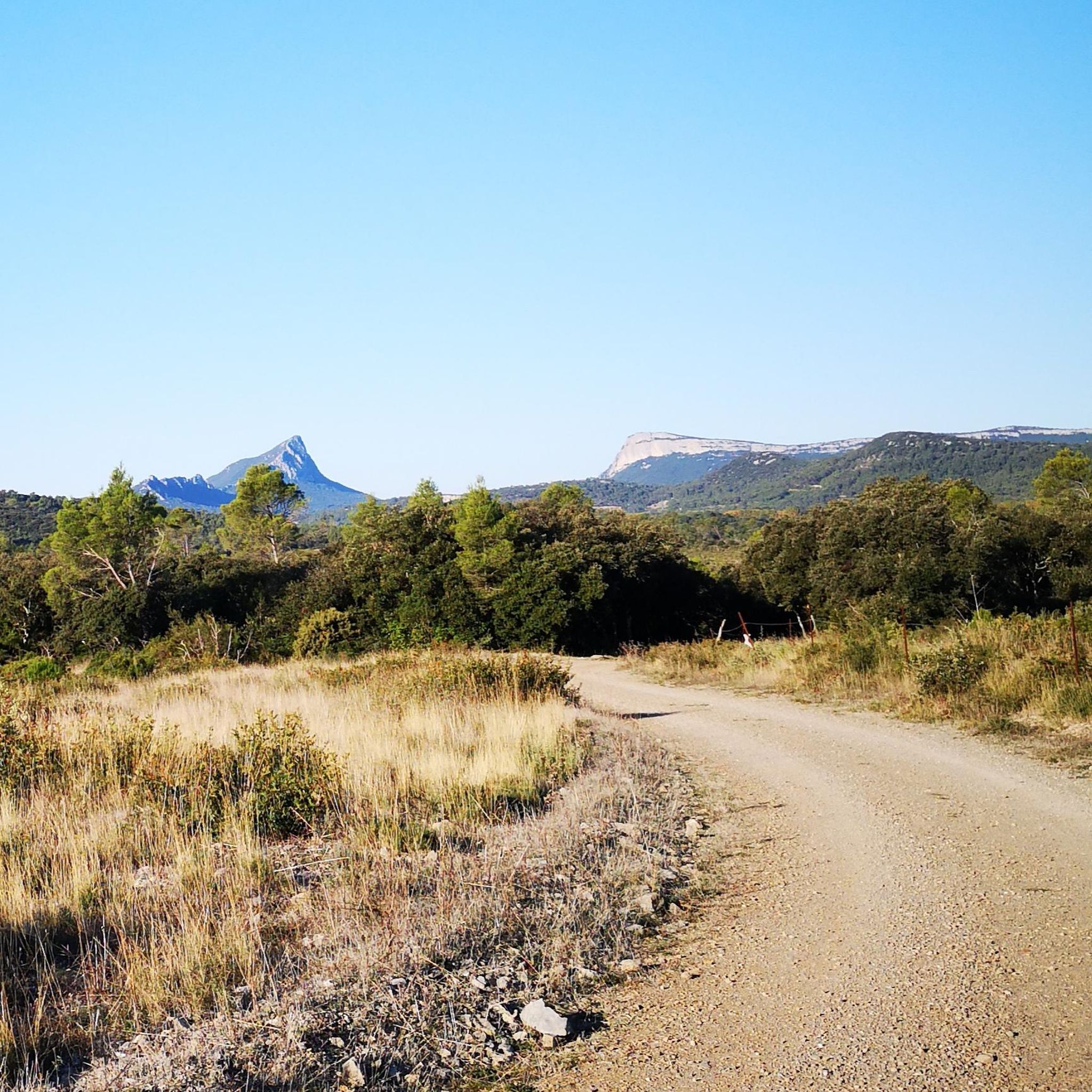
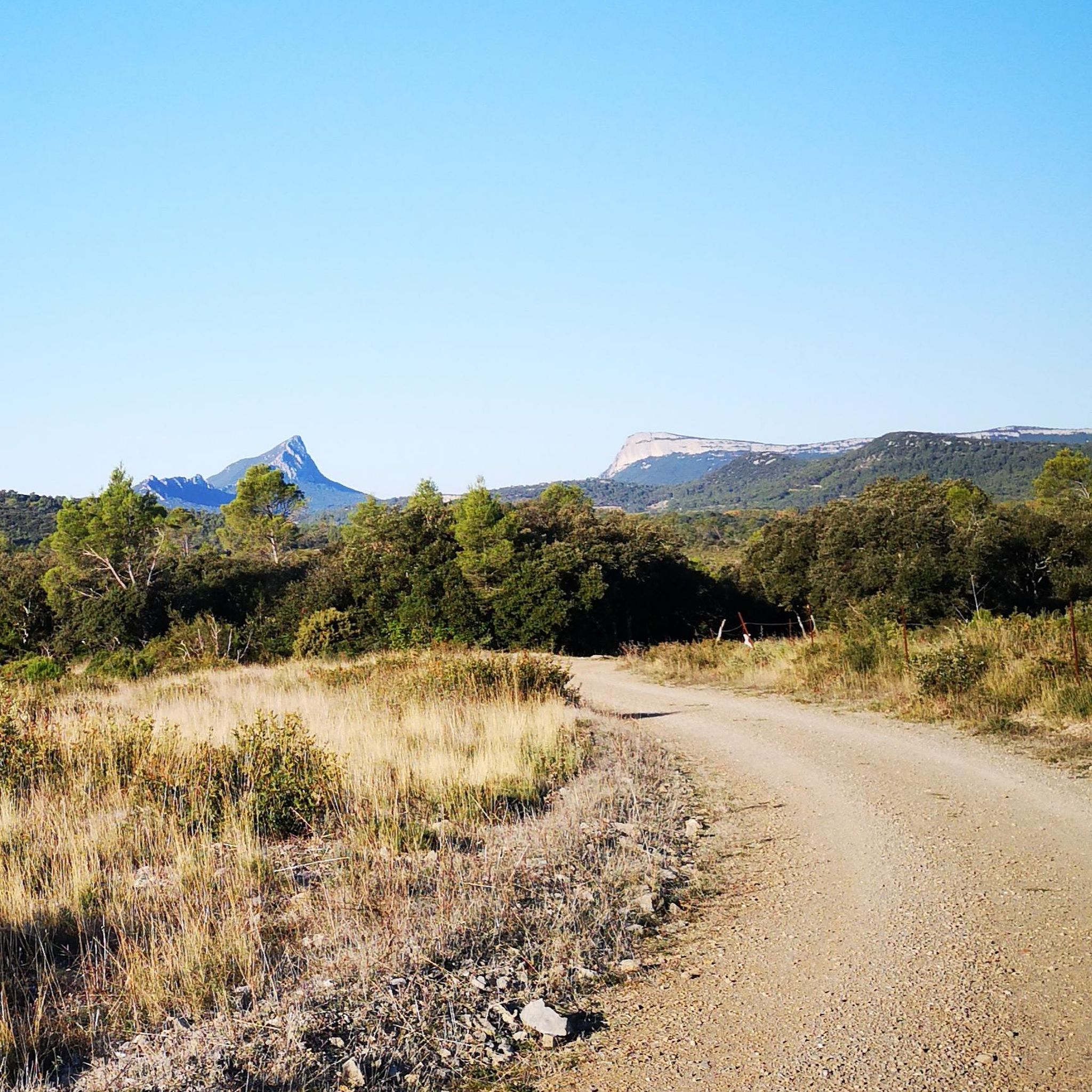
The Castries Aqueduct winds through the bush landscape and offers beautiful walks in the hinterland.
9
0
The aqueduct is 6,822 meters long and has a gradient of only 3 meters. Pierre Paul Riquet had drawn up plans for a colossal aqueduct that could lead to the Chateau de Castries, the waters of the Fongrand spring northwest of the village of Castries, in 1676.
9
1

Triumphal Arch of Louis XIV - "Le Grand"
0
0
Frequently Asked Questions
What are some family-friendly attractions around Vendargues?
Many attractions in the area are suitable for families. You can explore the historic Castries Aqueduct, which offers pleasant walks through the landscape. In Montpellier, the Peyrou Gate and the Three Graces Fountain, Place de la Comédie are also family-friendly historical sites. Within Vendargues itself, the banks of the Cadoule River provide a natural space with picnic tables and sports circuits, and the Le Petit Paradis de Vendargues Animal Park is a local attraction.
Where can I experience the local culture and history of Vendargues?
Vendargues is recognized as a 'Cité Mistralenque' for its dedication to preserving Occitan language, costumes, and culture. You'll find monuments dedicated to Frédéric Mistral and Marquis Folco de Baroncelli, and street names often feature Languedocian. The village also maintains ancient traditions, including votive festivals with Camargue horse races in its Roman-style stone arenas. Nearby, Montpellier offers rich history with sites like the Peyrou Gate and the Saint Roch Church.
Are there opportunities for outdoor activities like hiking or cycling near Vendargues?
Yes, the region around Vendargues offers numerous outdoor activities. You can find a variety of routes for gravel biking, road cycling, and mountain biking. For example, explore the 'Castries Aqueduct – Castries Aqueduct loop' for a moderate gravel ride, or try the 'The Arcades of the Quarry – Fontmarie loop' for mountain biking. You can discover more options, including various difficulty levels, in the dedicated guides for Gravel biking around Vendargues, Road Cycling Routes around Vendargues, and MTB Trails around Vendargues.
What natural areas can I visit in or near Vendargues?
Within Vendargues, the banks of the Cadoule River offer a beautiful natural space spanning over 25 hectares, featuring oak and pine trees, perfect for a stroll or picnic. The nearby Woods of Saint-Antoine also provide a wooded area for outdoor enjoyment. Further afield, the wider Hérault region boasts stunning landscapes like the Étangs palavasiens, the Pointe de l'Espiguette, and the unique ecosystem of the Camargue Regional Natural Park, known for its white horses and flamingos.
What are some unique aspects of Vendargues related to horses?
Vendargues has a strong connection to horses, particularly the Comtois draught horse and Camargue breeds. You can often see these horses during local festivals and at riding centers. The town celebrates ancient traditions, including votive festivals featuring Camargue horse races ('fé di biou') in its Roman-style stone arenas. The National Day of the Horse is also held annually in the nearby Woods of Saint-Antoine.
Are there any historical monuments or architectural highlights to see?
Absolutely. The Castries Aqueduct is a significant hydraulic work in France, designed by Pierre-Paul Riquet. In Montpellier, you can admire the magnificent Peyrou Gate, a triumphal arch from 1691, and the Three Graces Fountain in the bustling Place de la Comédie. The Saint Roch Church also offers architectural interest with its 19th-century design and stained glass windows.
What is the best time of year to visit Vendargues and its attractions?
The Hérault region, where Vendargues is located, generally enjoys a Mediterranean climate. Spring (April-June) and early autumn (September-October) are often ideal, offering pleasant temperatures for exploring historical sites, enjoying outdoor activities along the Cadoule River, or visiting nearby Montpellier without the peak summer heat. Summer can be warm, but it's perfect for coastal excursions to places like La Grande-Motte or Palavas-les-Flots.
Are there any hidden gems or lesser-known spots worth discovering?
Beyond the well-known attractions, consider exploring the local traditions of Vendargues, particularly during its votive festivals to witness the unique Camargue horse races. The natural area along the Cadoule River offers a peaceful escape, and the Woods of Saint-Antoine provides a serene setting. For a broader regional experience, the historic town of Sommières and the ancient abbey of St Guilhem le Desert are recognized heritage sites slightly further afield.
What are some notable towns or cities easily accessible from Vendargues for a day trip?
Montpellier, a vibrant university city with a rich history, is just 9 km away and easily accessible. You can explore its modern Odysseum district, neo-classical Antigone district, and iconic sites like the Place de la Comédie. Other accessible destinations include the historic town of Sommières (17km) and the city of Nîmes (37km), both offering protected historical centers. Coastal resorts like La Grande-Motte and Palavas-les-Flots are also just 14km away.
Are there any attractions around Vendargues that are wheelchair accessible?
Yes, some attractions in the broader area are noted for their accessibility. In Montpellier, the Three Graces Fountain, Place de la Comédie and the Triumphal Arch (Porte de Peyrou) are generally considered wheelchair accessible, allowing visitors to enjoy these prominent city landmarks.
What kind of wildlife can be observed in the Vendargues region?
While Vendargues itself is a village, its proximity to natural areas and the wider Hérault region offers opportunities for wildlife observation. The Camargue Regional Natural Park, about 25 km away, is particularly renowned for its unique ecosystem, home to iconic white horses, Camargue bulls, and a diverse array of birdlife, including pink flamingos. The natural spaces along the Cadoule River and the Woods of Saint-Antoine also support local flora and fauna.
Most popular routes around Vendargues
Most popular attractions around Vendargues

Get inspired with the komoot mobile app


Explore more
Still not found the Highlight you’re looking for? See guides of the top attractions in other regions:
