The best cycling routes around Clamart
4.3
(5288)
61,482
riders
25
rides
Touring cycling routes around Clamart offer a blend of natural beauty and accessible infrastructure, situated just outside Paris. The region is characterized by expansive green spaces, including the Bois de Clamart and Forêt de Meudon, which feature varied terrain from rugged sections to wide paths. A notable feature is the Coulée Verte, a green corridor integrated into several local cycling routes, providing often paved paths. This area provides diverse landscapes suitable for various fitness levels.
Best touring cycling routes around…
Last updated: July 31, 2026
5.0
(5)
244
riders
72.4km
04:36
680m
680m
Hard bike ride. Very good fitness required. Mostly paved surfaces. Suitable for all skill levels.
4.5
(24)
98
riders
40.6km
02:40
320m
320m
Moderate bike ride. Good fitness required. Mostly paved surfaces. Suitable for all skill levels.

Sign up for free
5.0
(5)
82
riders
34.5km
02:07
200m
200m
Moderate bike ride. Good fitness required. Mostly paved surfaces. Suitable for all skill levels.
4.0
(2)
95
riders
19.2km
01:12
110m
110m
Easy bike ride. Great for any fitness level. Mostly paved surfaces. Suitable for all skill levels.
4.0
(2)
89
riders
14.5km
00:54
110m
110m
Easy bike ride. Great for any fitness level. Mostly paved surfaces. Suitable for all skill levels.
Get access to more routes and recommendations from other explorers.
Sign up for free
Already have an account?
Our route recommendations are based on thousands of hikes, rides, and runs completed by other people on komoot.
Start today with a free account
Your next adventure awaits.
Login or Signup
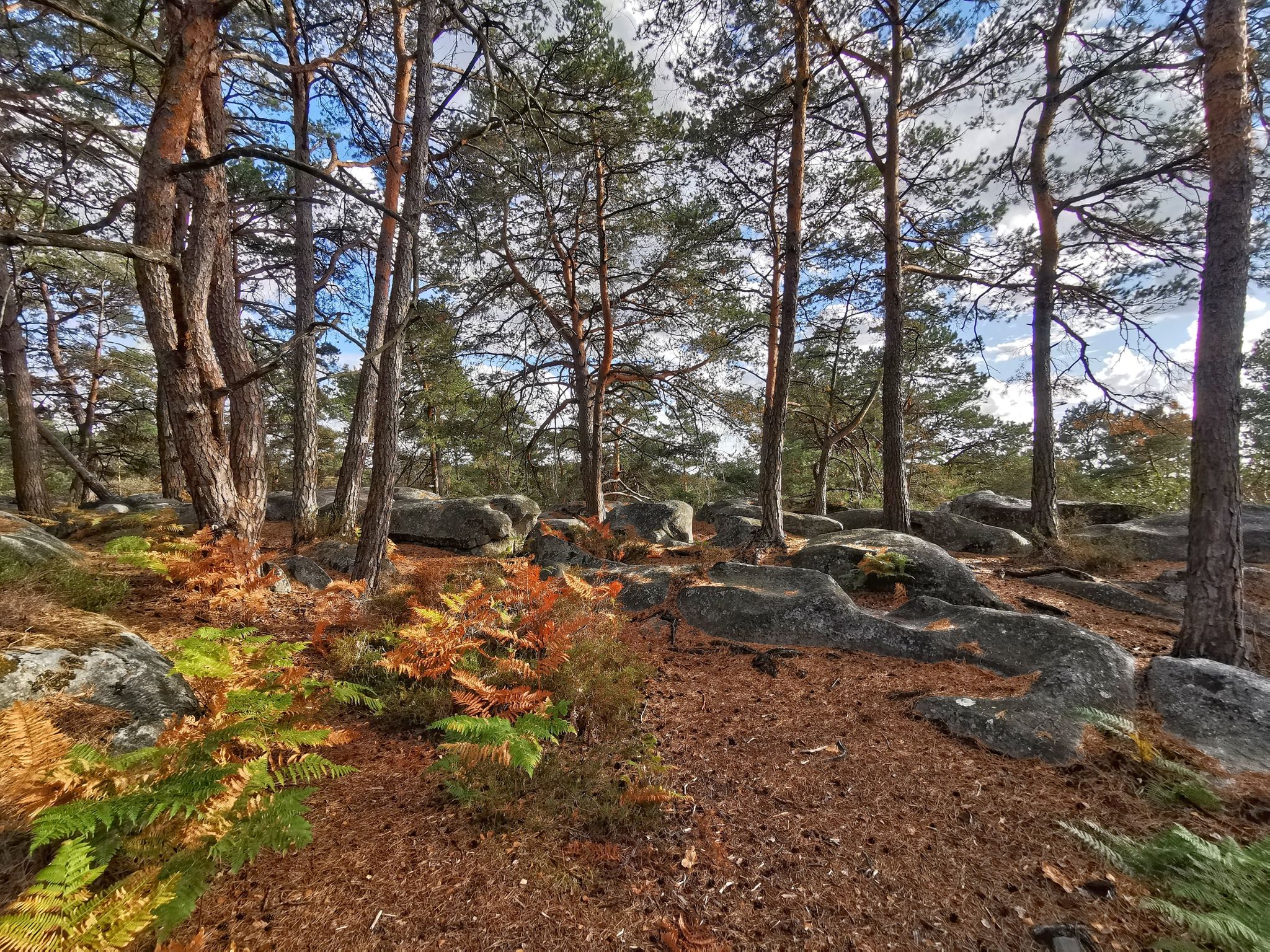
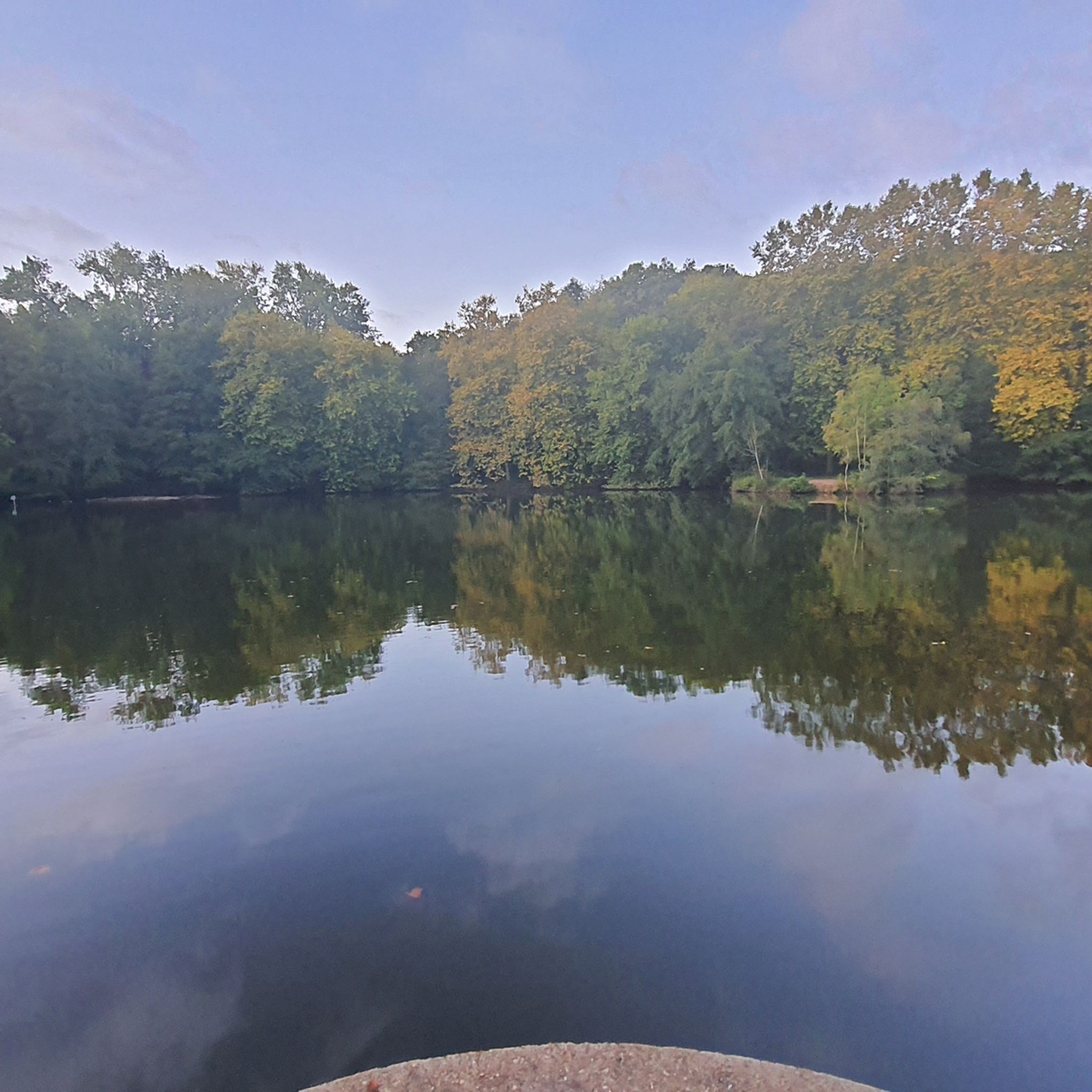
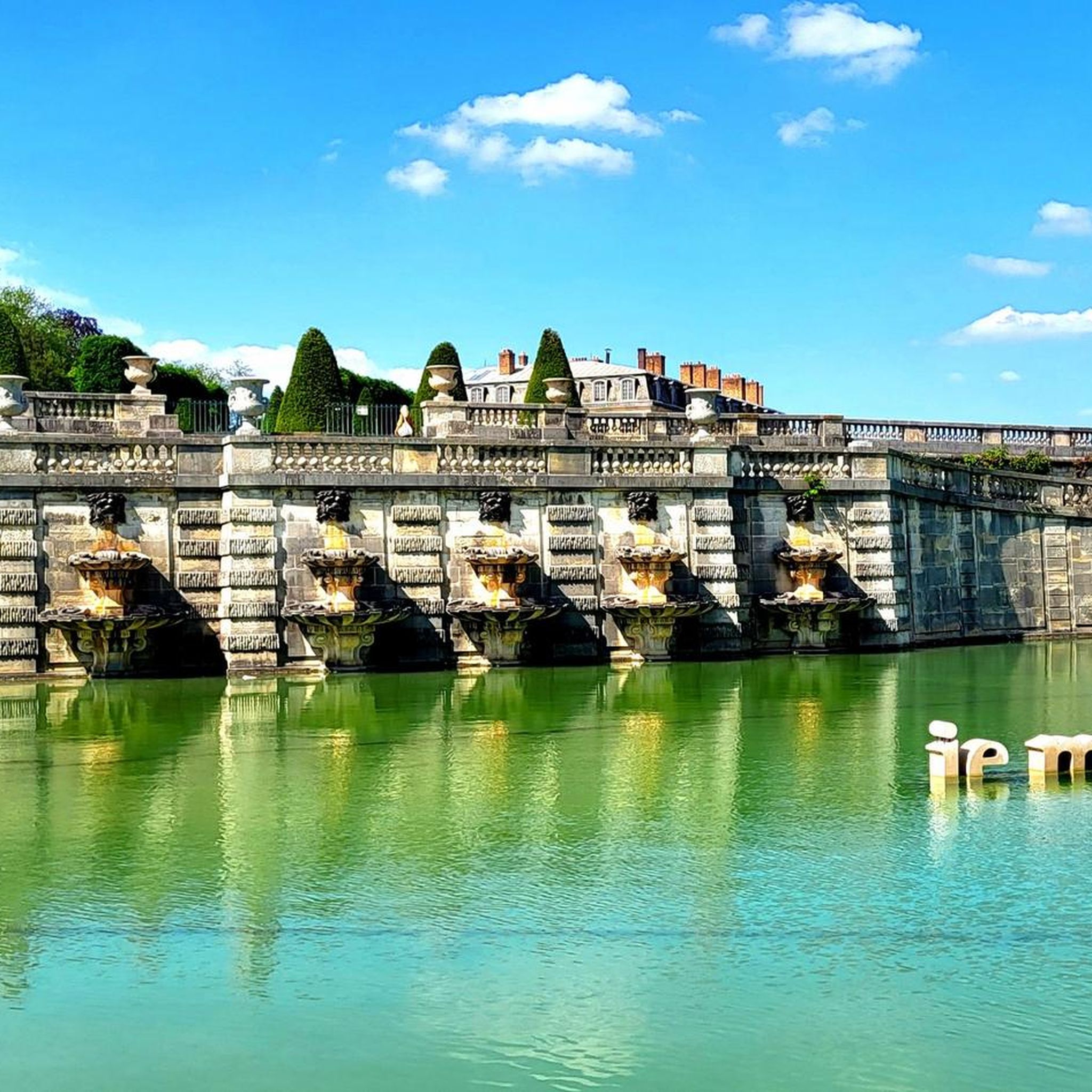
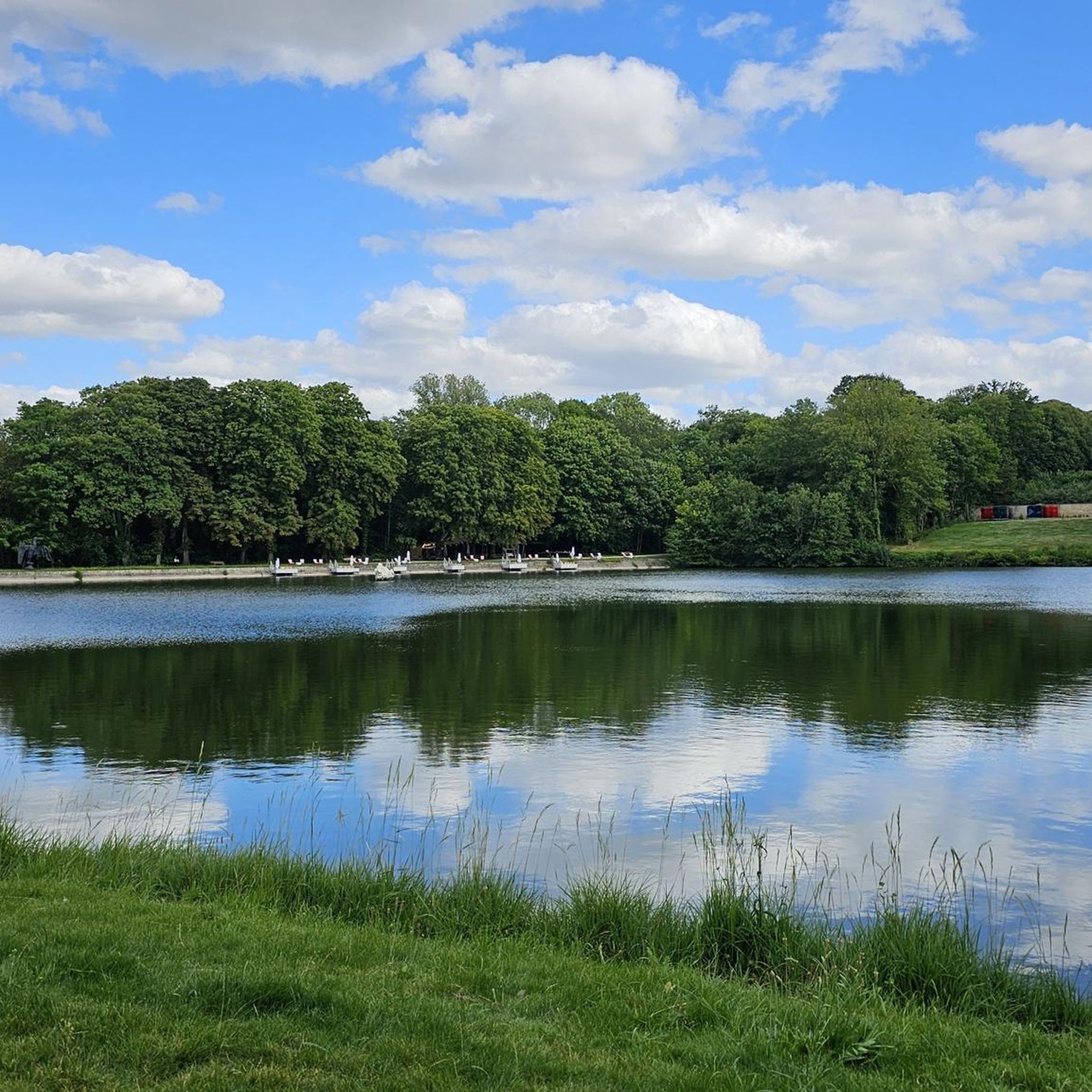

Other adventures around Clamart

Tips from the Community

Difficult route if you are there to ride. I do not recommend it to cyclists other than touring cyclists.
0
0

The Pont de la Concorde is a bridge over the Seine in Paris, France. It connects the Place de la Concorde and the Quai des Tuileries with the Quai d’Orsay, running directly towards the Palais Bourbon, the seat of the Assemblée Nationale, the French National Assembly.
6
0
The Luxor Obelisk on the Place de la Concorde is the oldest monument in Paris. It is well over 3,000 years old and originally came from Egypt. Here are the most important facts about its history and the monument: Origin and Age Location in Egypt: It originally stood with a second obelisk in front of the entrance to the Luxor Temple. Time: It was made during the reign of Pharaoh Ramses II (13th century BC). The Gift: The viceroy of Egypt, Muhammad Ali Pasha, gave the obelisk to France in 1829 as a sign of friendship. The second obelisk remained in Egypt and was only officially "returned" by France in the 1990s (so it is still in Luxor). Transport to Paris The Journey: The transport was a technical masterpiece. The over 220-ton monolith of granite had to be shipped across the Nile, the Mediterranean Sea, and the Atlantic Ocean to Paris. The journey took almost three years. Erection: It was finally erected in 1836 under King Louis-Philippe I in the center of the Place de la Concorde. This location was deliberately chosen as a "neutral" monument to cover up the bloody history of the square during the French Revolution. Special Features Hieroglyphs: The inscriptions praise the deeds of Ramses II. The Golden Tip: The original tip was missing (it was probably stolen in ancient times). In 1998, France placed a new pyramid tip covered with gold leaf on the obelisk, as it would have looked in ancient Egypt. The Base: Diagrams are engraved on the base, explaining with which lifting devices and machines the obelisk was erected in the 19th century. Dimensions It is about 23 meters high and consists of a single piece of yellow granite.
0
0
Here is a large, historic bronze sculpture on a stone base, very beautiful to look at
0
0
The Institut d'art et d'archéologie, also known as Centre Michelet, is a building in the 6th arrondissement of Paris, located at 8, avenue de l'Observatoire and 3, rue Michelet, currently housing the art history departments of the Panthéon-Sorbonne and Sorbonne Université universities (assigned to the building[1]). It was designed by the architect Paul Bigot between 1925 and 1928. It has been listed as a historical monument since September 9, 1996.
0
0

The Luxembourg Gardens in Paris are a delightful place for miniature boating! On the central pond, known as the “Grand Bassin,” you can rent small wooden sailboats and steer them with a wooden pole. This activity, called “Les Voiliers du Luxembourg,” is a historic tradition that has entertained children and adults for generations. ⛵
14
0

It was Maria de Medici who decided in 1612, after the assassination of her husband Henri IV, to convert this existing Hôtel into a palace, surrounded by a beautiful garden. As an Italian by birth, she longed to return to her Tuscan birthplace, but for political reasons this was not possible. So, on this spot, a wealth of luxury and tranquility was created and exchanged for her current home, the Louvre. It is said that this place reminded her too much of her husband with his numerous mistresses. After being purchased from the Duke of Luxembourg, the Hôtel and the enormous amount of land was renamed Palais de Medici, but after a serious quarrel with her son, Louis XIII, Maria was banished to Cologne where she died a lonely woman in 1642. She was soon forgotten and the Palais then gave its current name, Palais Luxembourg. All in all, the Parisians have her to thank for the creation of these beautiful gardens.
0
0
Because of the good relations with Egypt, Mehemet Ali, the viceroy of Egypt, presented them with the 3,000-year-old obelisk from Luxor. Its four sides depict the deeds of Ramesses II, dating back to the 13th century BC. King Louis-Philippe, in gratitude for the obelisk, presented Mehemet Ali with a clock, which now stands in the courtyard of the Mohammed Ali Mosque in Cairo. The 23-meter-high, 230-ton colossus was a significant undertaking to bring to France. This is why it is proudly inscribed on the obelisk's pedestal. And rightly so, since we are, of course, talking about 1836. It's a good thing, by the way, that French people generally can't read hieroglyphs, otherwise it would never have been erected. The deeds of Ramesses II, which are described on the Obelisk, in some cases concern his sexual acts and, according to ‘the needle’ (The Obelisk), these were not insignificant.
1
0
Frequently Asked Questions
How many touring cycling routes are available around Clamart?
Clamart offers a good selection of touring cycling routes, with over 20 options available on komoot. These routes cater to various skill levels, ranging from easy to difficult.
What kind of terrain can I expect on touring cycling routes in Clamart?
The terrain around Clamart is quite varied. You'll find extensive woodlands like the Bois de Clamart and Forêt de Meudon, which feature both rugged sections and wide paths. The area also includes green corridors such as the Coulée Verte, offering pleasant, often paved paths suitable for touring cyclists.
Are there any easy touring cycling routes suitable for beginners or families?
Yes, Clamart has several easy touring cycling routes. For instance, the Luxembourg Gardens – Luxembourg Palace loop from Clamart is an easy 11.7-mile (18.8 km) path leading through urban green spaces and past significant landmarks. Another accessible option is the Greenway – La Coulée Verte in Châtillon loop from Clamart, which is 8.8 miles (14.1 km) and follows a green corridor.
What are some notable landmarks or natural features I can see along the cycling routes?
Many routes offer scenic views and pass by interesting sites. You can enjoy views of the Château de Sceaux, explore the extensive Bois de Clamart with its cultural heritage sites like the Pierre aux Moines menhir and Sainte-Marie fountain, or cycle past the Luxembourg Palace and Gardens. The Grande Cascade of Saint-Cloud Park is another beautiful natural monument in the vicinity.
Are there any circular touring cycling routes in Clamart?
Yes, many of the touring cycling routes around Clamart are designed as loops, allowing you to start and end in the same location. An example is the Path Along the Bièvre – View of the Château de Sceaux loop from Clamart, a 25.1-mile (40.4 km) route that offers diverse scenery.
What do other touring cyclists enjoy most about cycling in Clamart?
The touring cycling routes in Clamart are highly rated by the komoot community, with an average score of 4.1 stars from over 50 reviews. Cyclists often praise the blend of natural beauty, accessible infrastructure, and the variety of landscapes, from dense woodlands to pleasant green corridors.
Can I access the cycling routes in Clamart using public transport?
Clamart's location just outside Paris provides easy access to public transport. While specific starting points for routes may vary, the general area is well-connected, making it feasible to reach many trailheads via public transport options from Paris or surrounding suburbs.
Are there any routes that pass by lakes or ponds?
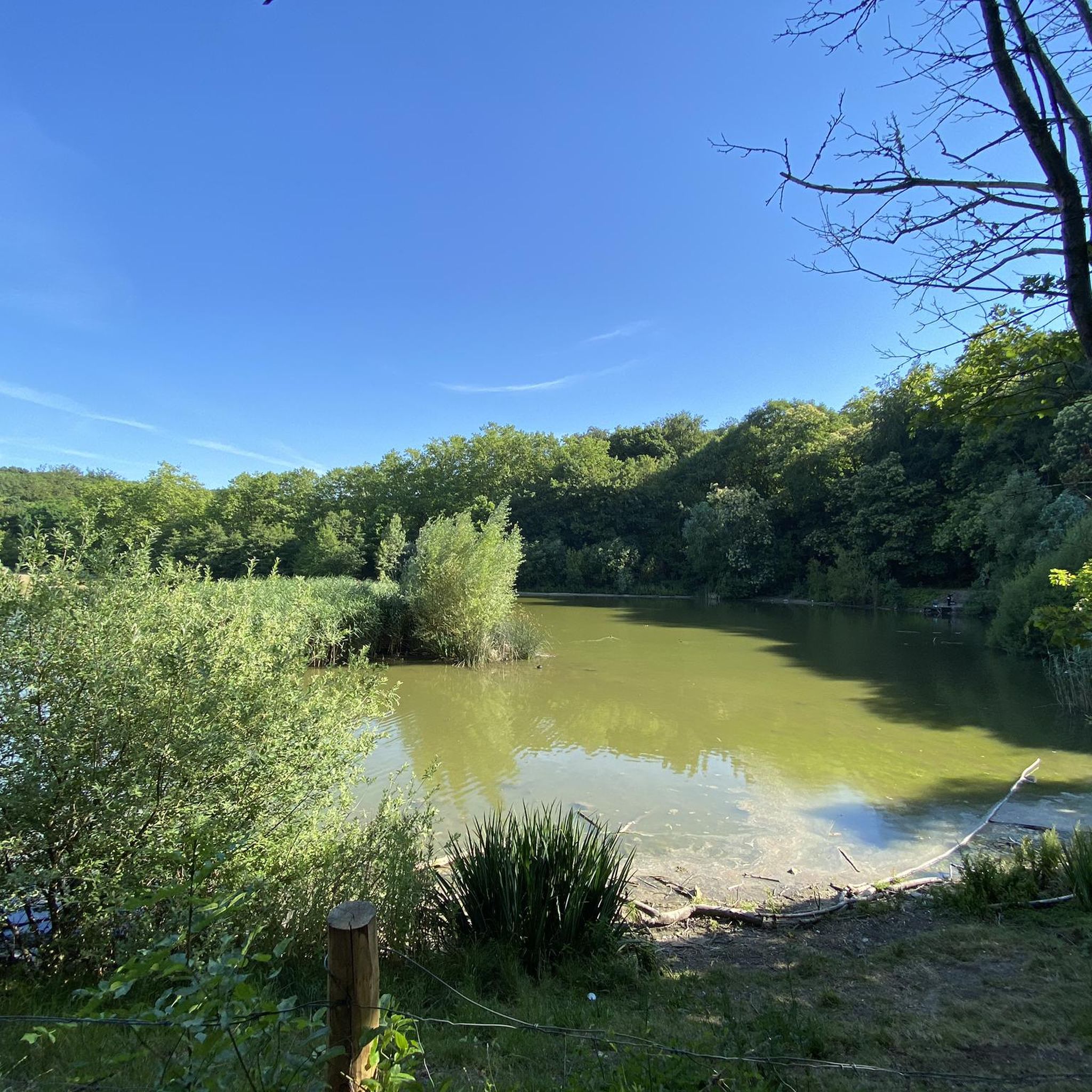
Yes, some routes will take you near water features. For instance, the Fleury reservoir – Garenne Pond loop from Clamart is a moderate 40.5 km route that includes these natural water bodies. The Bois de Clamart itself contains the La Garenne pond, and other nearby highlights include Geneste Pond and Saint-Cucufa Pond.
What is the best time of year to go touring cycling in Clamart?
Clamart offers enjoyable cycling experiences throughout much of the year. Spring is beautiful with wild hyacinths blooming in the Bois de Clamart, while autumn brings vibrant red and ochre foliage. Summer is also popular, but checking local weather conditions is always recommended for the most comfortable ride.
Are there more challenging routes for experienced touring cyclists?
Absolutely. For those seeking a greater challenge, Clamart offers several difficult routes. An example is the Path Along the Bièvre – View of the Château de Sceaux loop from Clamart, a 25.1-mile (40.4 km) trail with significant elevation gain, requiring good physical condition.
Are there any specific natural areas worth exploring by bike?
The Bois de Clamart is a fantastic natural area for cycling, offering a rich variety of trees and numerous trails. It's an integral part of the larger Meudon national forest, providing extensive green spaces and varied landscapes for an immersive outdoor experience. You can find more information about this area on visitparisregion.com.
Most popular attractions around Clamart

Get inspired with the komoot mobile app


Explore more
Browse the best Cycling routes in other regions.
