Attractions and Places To See around Wargnies-Le-Petit - Top 20
Attractions and places to see around Wargnies-Le-Petit, a rural commune in the Nord department of France, offers a mix of historical sites and natural landscapes. The area features an undulating terrain on the Quercitain plateau, with woodlands and the Aunelle river. Visitors can explore cultural heritage alongside natural beauty, including various religious structures and remnants of historical mills.
Best attractions and places to see around Wargnies-Le-Petit
- The most popular attractions is Le Caillou-qui-Bique, a natural monument that is a…
Last updated: May 21, 2026
Le Caillou-qui-Bique
Highlight • Natural Monument
A little step back in time... …
Translated by Google •
Tip by

Le Chalet Du Garde
Highlight • Cafe
A growing number of tourists encouraged Léon Laurent to build a café restaurant in 1892 with a billiard room and bedrooms. It was the time of …
Translated by Google •
Tip by

Sign up now to discover places like this
Get recommendations on the best single tracks, peaks, & plenty of other exciting outdoor places.
Sign up for free
Bois d'Angre
Highlight • Forest
Translated by Google •
Tip by

Le Quesnoy Ramparts
Highlight • Other
Translated by Google •
Tip by
Emile Verhaeren Stone
Highlight • Monument
"Admire man and admire the earth, and you will live fervently and …
Translated by Google •
Tip by
Sign up for free to discover even more attractions around Wargnies-Le-Petit.
Sign up for free
Already have an account?
Start today with a free account
Your next adventure awaits.
Login or Signup
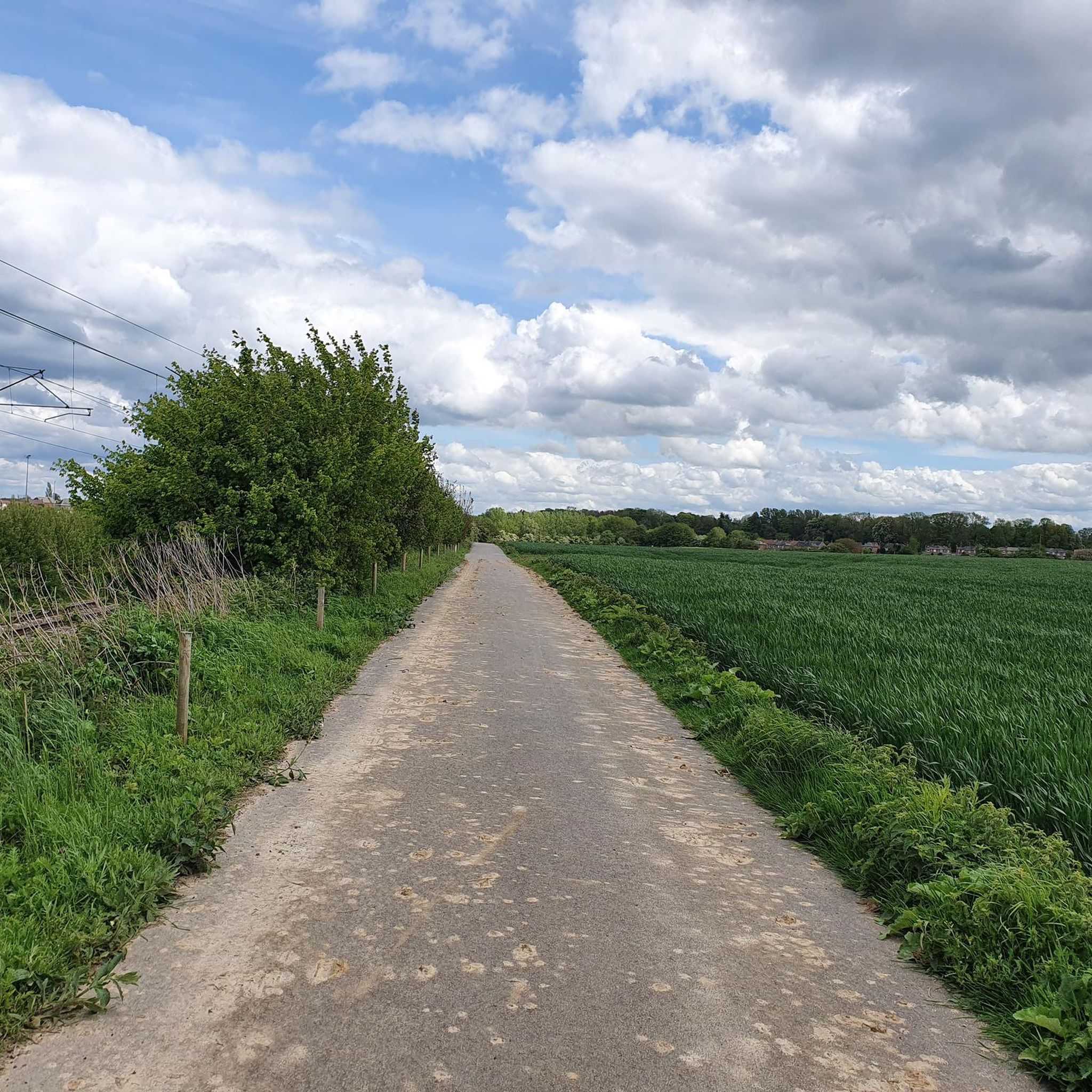
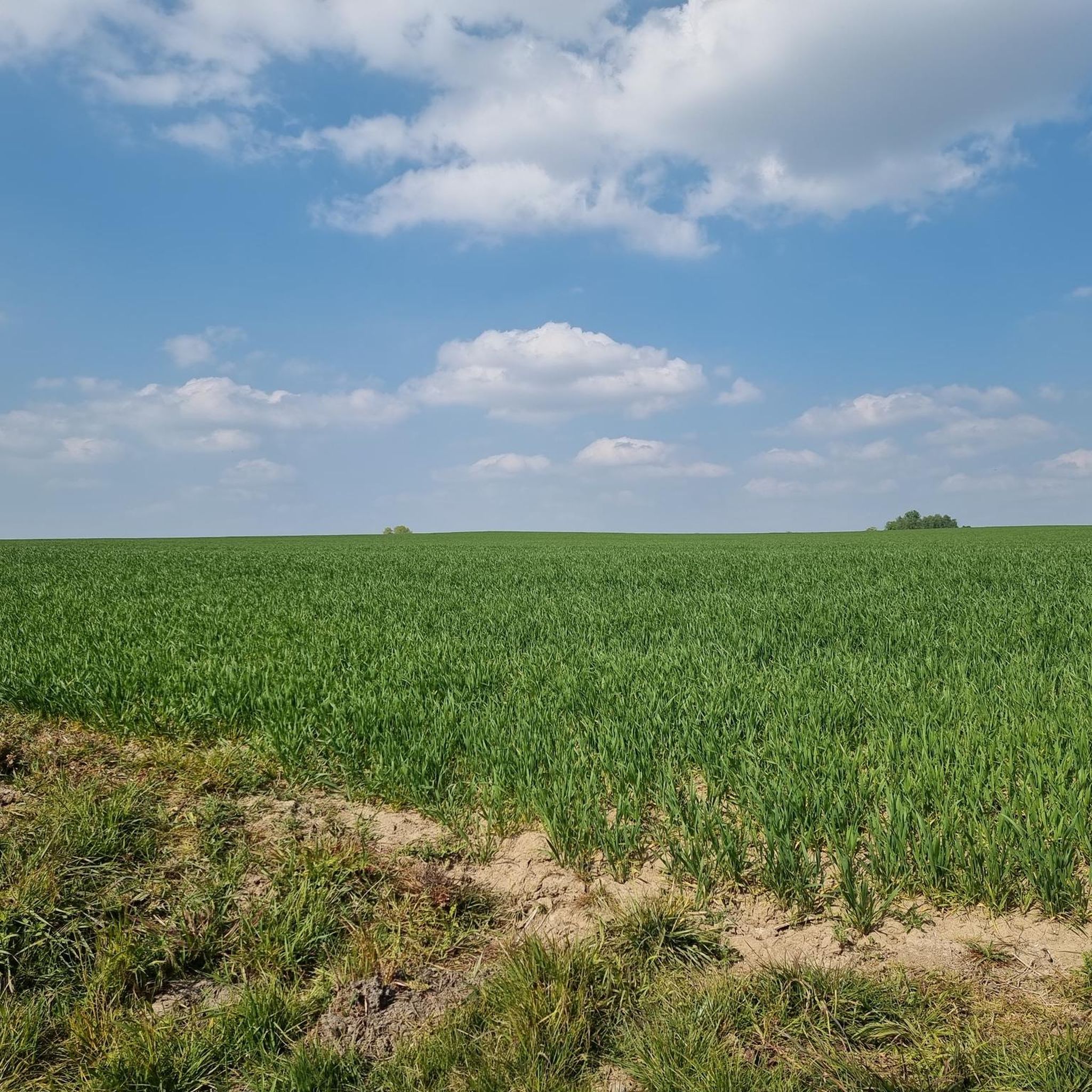
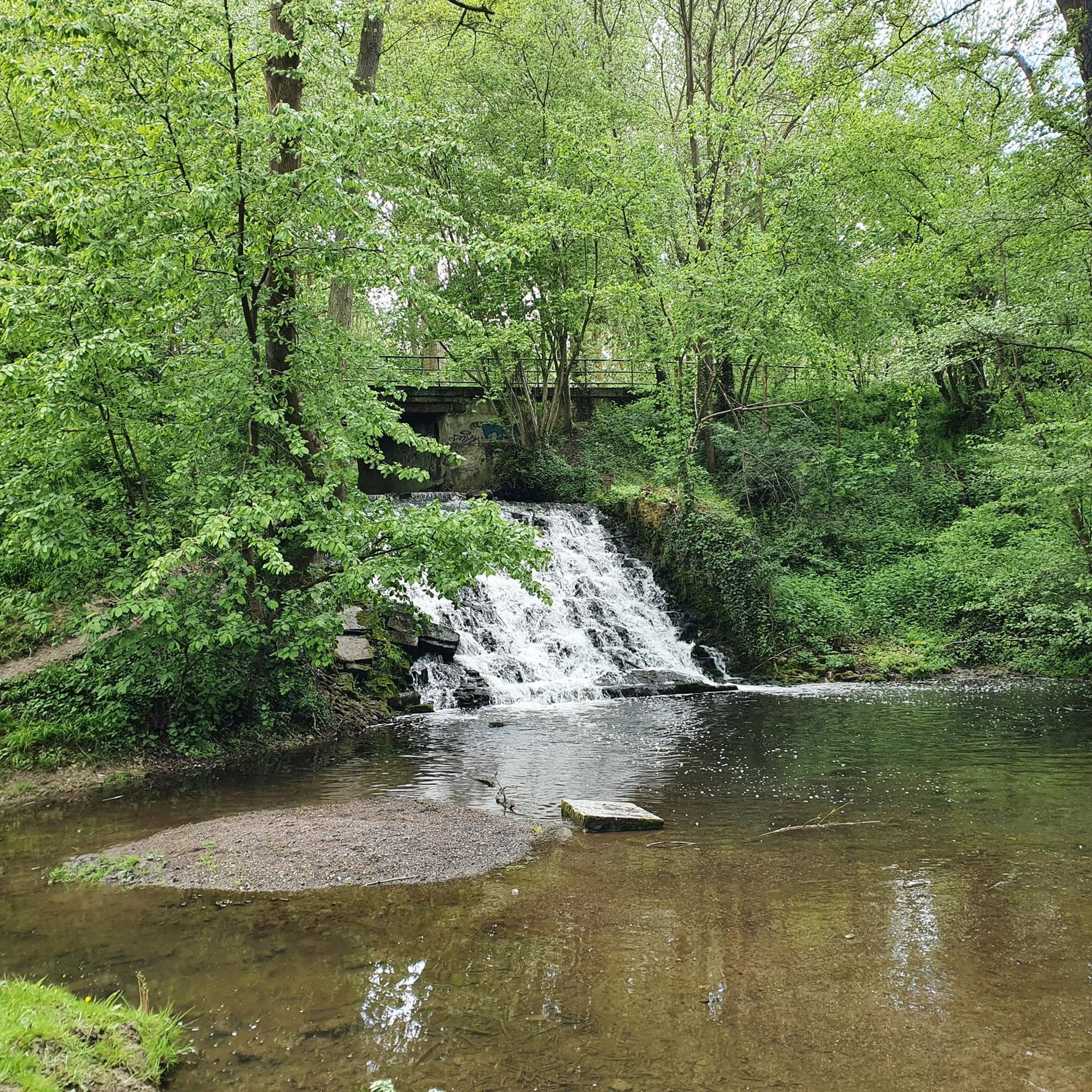
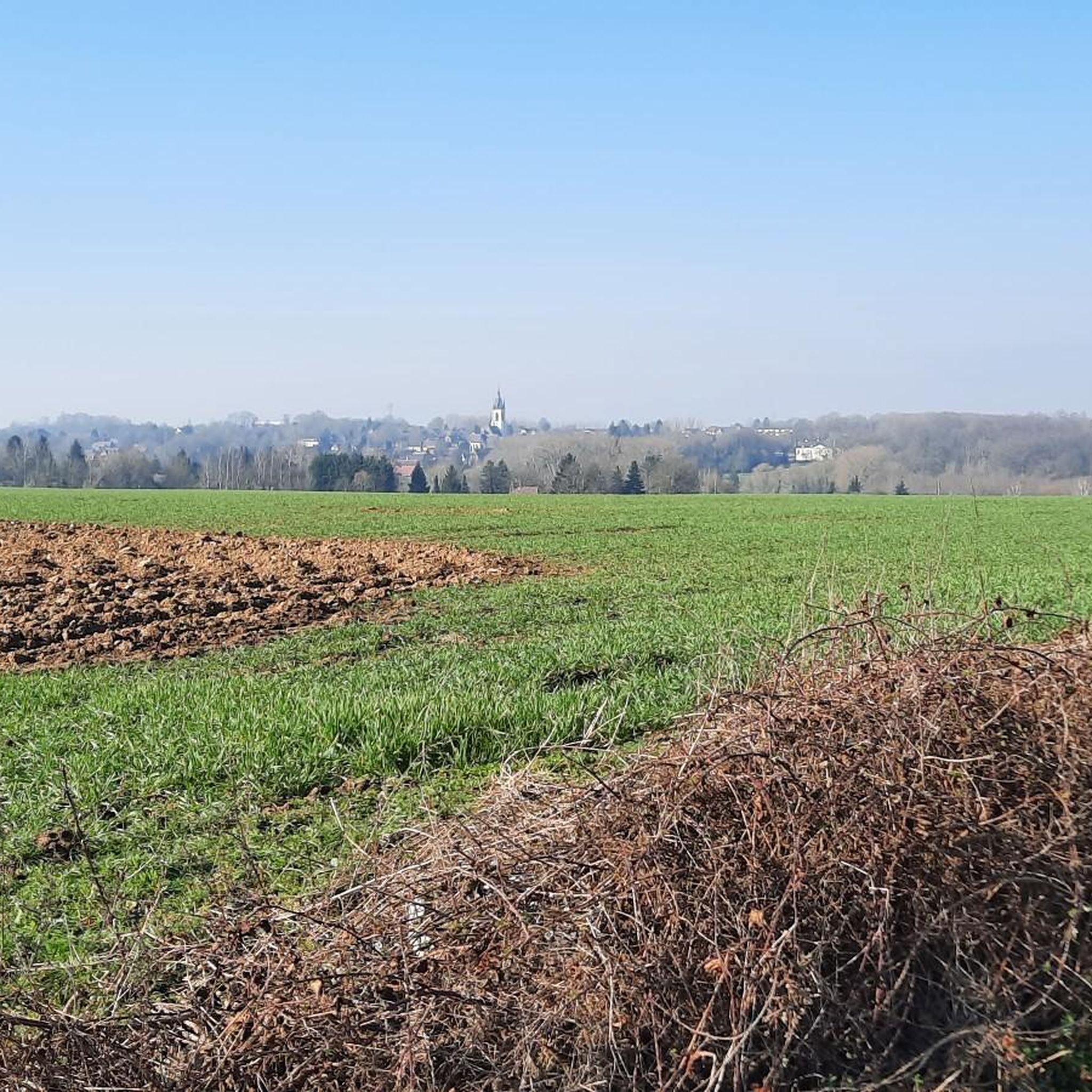

Tips from the Community

cafe in the middle of the woods, very friendly owner with cozy terrace. definitely recommended.
1
0

The fortifications of Le Quesnoy date back to the Middle Ages and were further strengthened in the 17th century under the direction of the famous military engineer Vauban. These fortifications were necessary to protect the city from attacks and sieges. The fortifications have been declassified since 1901, but they are still well maintained. The remparts are designed in a Renaissance style with heavily fortified walls and gateways. They are built of brick and stone, which is typical of the military architecture of that period. The fortifications include several bastions, such as the Porte Faurœulx and the Bastion Vert, which are strategically placed to protect the city.
12
0
The Jardin de la Paix Belge was created in 2018 by the collective artist group Plan B, consisting of Thomas Van Eeckhout and Mathieu Allain. The park is located in the fortifications of Le Quesnoy and is a symbol of peace and memory. The park was designed with a concept in which part of the city walls of Le Quesnoy is projected horizontally onto a lawn. The walls, originally 12 meters high, are now terraces that offer a peaceful place for walks and reflection. The use of brick and natural materials, such as engraved stones, emphasizes the historical and cultural ties between the regions.
14
0

Very friendly welcome! Ideal place during a hike or a stroll in the surrounding area to drink a local beer, Daffodil.
1
0

The Bois d'Angre, located in Honnelles, is a forest renowned for the Caillou-qui-Bique, a 370 million year old pudding rock. This forest is home to rich biodiversity with oaks, ash trees and various rare species. A place of legends and hikes, the Angre woods is a precious natural site in Wallonia, managed by Natagora and other organizations to preserve its unique fauna and flora.
2
0

This rock formation is very special in the forest!
2
0
A legend has been perpetuated for generations on this 25 meter high stone planted on a ridge (in patois we say that it rocks). A little step back in time... Saint-Ghislain completes the construction of its abbey. The devil decides that he will take advantage of the inauguration day to destroy the abbey and its occupants, by throwing an enormous stone found in the Pyrenees at the community. An angel warns Saint-Ghislain of the imminent danger weighing on the abbey. He gathers as many pairs of worn shoes as possible, which he slips into a huge bag and takes to the road to meet the evil one. Coming across a poor fellow in rags with holes in his shoes at this place, the devil, quite exhausted by the heavy load, questions him: “Is the abbey of Saint-Ghislain still far away? ". - “I’m coming from there, if it’s far!” » replies the old man while emptying his bag, filled with threadbare shoes, in front of the devil. Discouraged and disappointed, Satan preferred to give up, dropping his heavy stone on the ground and walking away blaspheming, fooled by the subterfuge. An hour and a half. N.B.: some historians say that this is the legend of Saint Remacle, during the construction of Stavelot Abbey. You are therefore free to substitute Remacle for Saint-Ghislain since this substitution does not modify the spirit of the story. In both cases, the devil is defeated. Cfr de informatiesteen ter hoogte van Le Chalet de Garde.
10
1
Friendly welcome and low prices!
7
0
Frequently Asked Questions
What natural attractions can I explore around Wargnies-le-Petit?
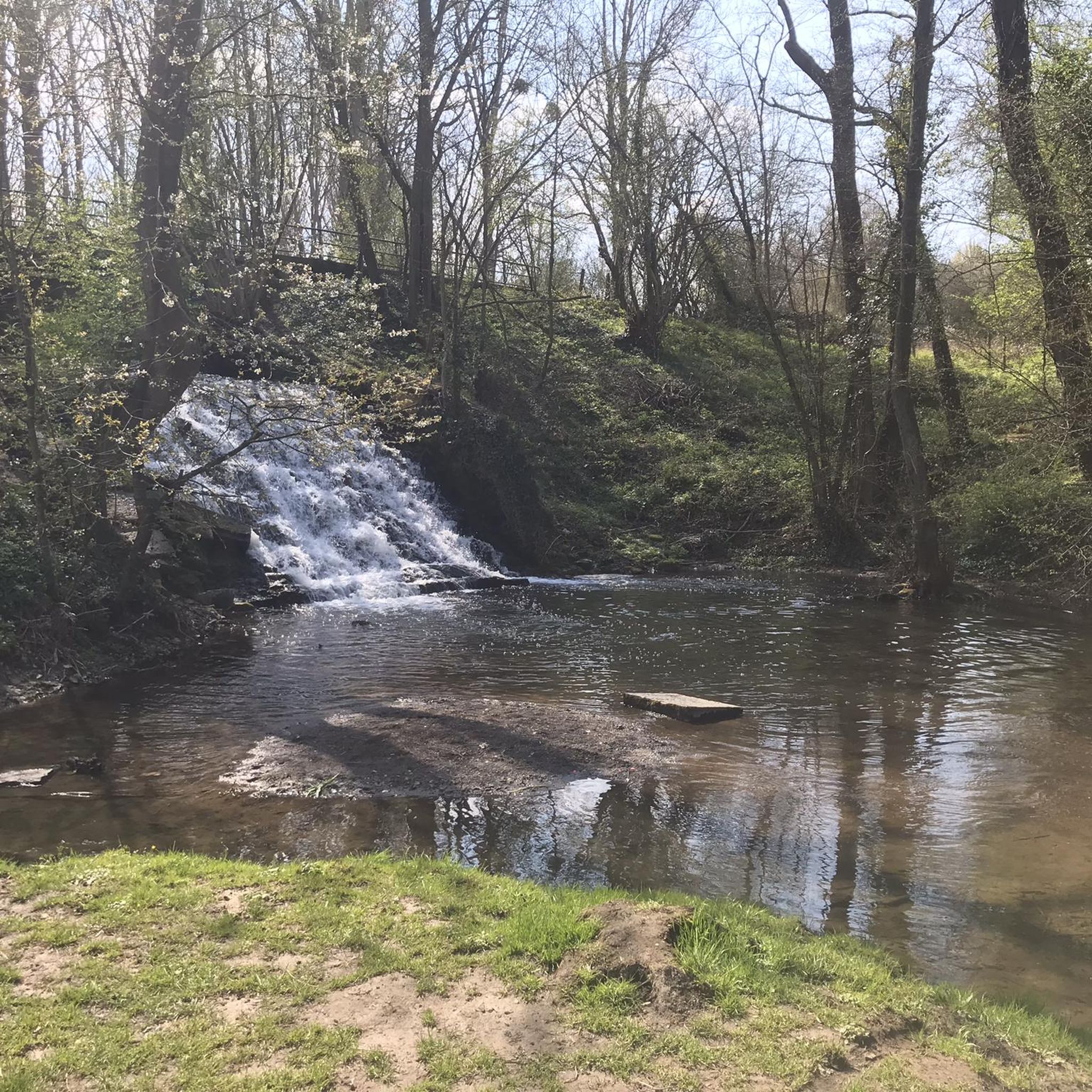
The region offers several natural highlights. You can visit Le Caillou-qui-Bique, a striking 25-meter-high natural rock formation with a local legend, located in the nearby Bois d'Angre. The Bois d'Angre itself is a forest known for its diverse ecosystem and opportunities for exploration. Additionally, the picturesque Cascade de Quélipont (Wargnies-le-Petit waterfall) on the Aunelle river is a scenic spot and a great starting point for walks.
Are there historical sites to visit in Wargnies-le-Petit?
Yes, Wargnies-le-Petit is rich in history. You can explore the 18th-century Église Saint Pierre, known for its sandstone and brick architecture, and its interior housing a Jansenist Christ and tombs of the de l'Epine family. The Château de l'Épine, originally a hunting lodge and later a monastery, also offers a glimpse into the area's past. Remnants of a 13th-century mill near the Quélipont waterfall speak to the region's industrial heritage.
What kind of outdoor activities are available near Wargnies-le-Petit?
The area is ideal for outdoor enthusiasts. You can find numerous trails for hiking and cycling. For specific routes, explore options for gravel biking, road cycling, and mountain biking. The Quélipont waterfall and the Bois d'Angre are excellent starting points for various walking routes.
Where can I find a place to rest or eat during my outdoor adventures?
During your hikes or walks, you can stop at Le Chalet Du Garde. This cafe has been operating since 1892 and is known for its friendly welcome and local beers, making it an ideal spot to refuel.
Are there any unique cultural monuments or memorials in the area?
Beyond the main historical buildings, you can find the Monument aux Morts, dedicated to fallen soldiers. There are also several calvaries, such as the restored Calvaire de 1872 near the church and the Calvaire du Bon Dieu Noir in the Bois de la Ferrière. Additionally, the Emile Verhaeren Stone, engraved with verses by the famous poet, offers a unique cultural touch.
What is the Bois d'Angre known for?
The Bois d'Angre is a significant forest in the vicinity, recognized for its diverse ecosystem and as the location of Le Caillou-qui-Bique. It's a place of natural beauty, rich biodiversity, and local legends, offering numerous trails for exploration.
Can I visit any historical fortifications nearby?
Yes, a notable historical fortification in the wider region is Le Quesnoy Ramparts. These date back to the Middle Ages and were strengthened by Vauban in the 17th century. They feature a Renaissance style with heavily fortified walls and bastions, and now include the Jardin de la Paix Belge.
What is the significance of the Aunelle River in Wargnies-le-Petit?
The Aunelle River is a central natural feature of Wargnies-le-Petit, flowing through the commune and contributing significantly to its rural charm and landscape. It is also home to the picturesque Cascade de Quélipont, marking a natural boundary and providing a scenic spot.
Are there many religious structures in Wargnies-le-Petit?
Wargnies-le-Petit is dotted with several religious structures. Besides the main Église Saint Pierre, you can find various smaller chapels and oratories, including the Oratoire Sainte Appoline (Chapelle de Quélipont), Chapelle Notre-Dame de l'Enfant Jésus, Chapelle Sainte Philomène, Chapelle Notre-Dame de Lourdes, and Chapelle Notre-Dame de Tongre.
What makes the landscape around Wargnies-le-Petit unique?
The landscape around Wargnies-le-Petit is characterized by its undulating terrain on the Quercitain plateau, featuring scattered woodlands and the presence of the Aunelle river. It maintains a distinctly rural character, nestled within the Avesnois Regional Natural Park, offering a blend of natural beauty and traditional village life.
What do visitors particularly enjoy about the attractions near Wargnies-le-Petit?
Visitors appreciate the blend of historical sites and natural landscapes. Highlights like Le Caillou-qui-Bique and the Bois d'Angre are popular for their unique natural beauty and the legends surrounding them. The friendly atmosphere and local offerings at places like Le Chalet Du Garde are also frequently praised by the komoot community.
Most popular routes around Wargnies-Le-Petit
Most popular attractions around Wargnies-Le-Petit

Get inspired with the komoot mobile app


Explore more
Still not found the Highlight you’re looking for? See guides of the top attractions in other regions:
