Attractions and Places To See around Jeumont - Top 20
Attractions and places to see around Jeumont, a commune in the Nord department of France, offer a mix of historical landmarks, architectural interest, and natural surroundings. Situated on the Belgian border and along the Sambre River, the area provides diverse points of interest. Its industrial heritage and Art Deco architecture reflect a period of significant urban development.
Best attractions and places to see around Jeumont
- The most popular attractions is Sambre Valley, a river that flows through the south…
Last updated: May 25, 2026
Solre-sur-Sambre Castle
Highlight • Castle
Fort de Leveau
Highlight • Historical Site
Sign up now to discover places like this
Get recommendations on the best single tracks, peaks, & plenty of other exciting outdoor places.
Sign up for free
Abbey of Bonne-Espérance
Highlight • Religious Site
Translated by Google •
Tip by

Ruffus – Agaises Vineyard
Highlight • Structure
Sambre Valley
Highlight • River
Translated by Google •
Tip by

Sign up for free to discover even more attractions around Jeumont.
Sign up for free
Already have an account?
Start today with a free account
Your next adventure awaits.
Login or Signup

Other adventures around Jeumont

Tips from the Community

Located in the heart of the Hainaut countryside, the Abbey of Our Lady of Good Hope is steeped in history. Nine centuries old, the monument was occupied from the very beginning by religious leaders living in complete self-sufficiency. Listed as an exceptional heritage site in Wallonia, the primary and secondary education establishment is also a diocesan reception and retreat center for families, young people, and pilgrims. It is also a must-see for tourists and families who enjoy discovering the history of this abbey.
0
0

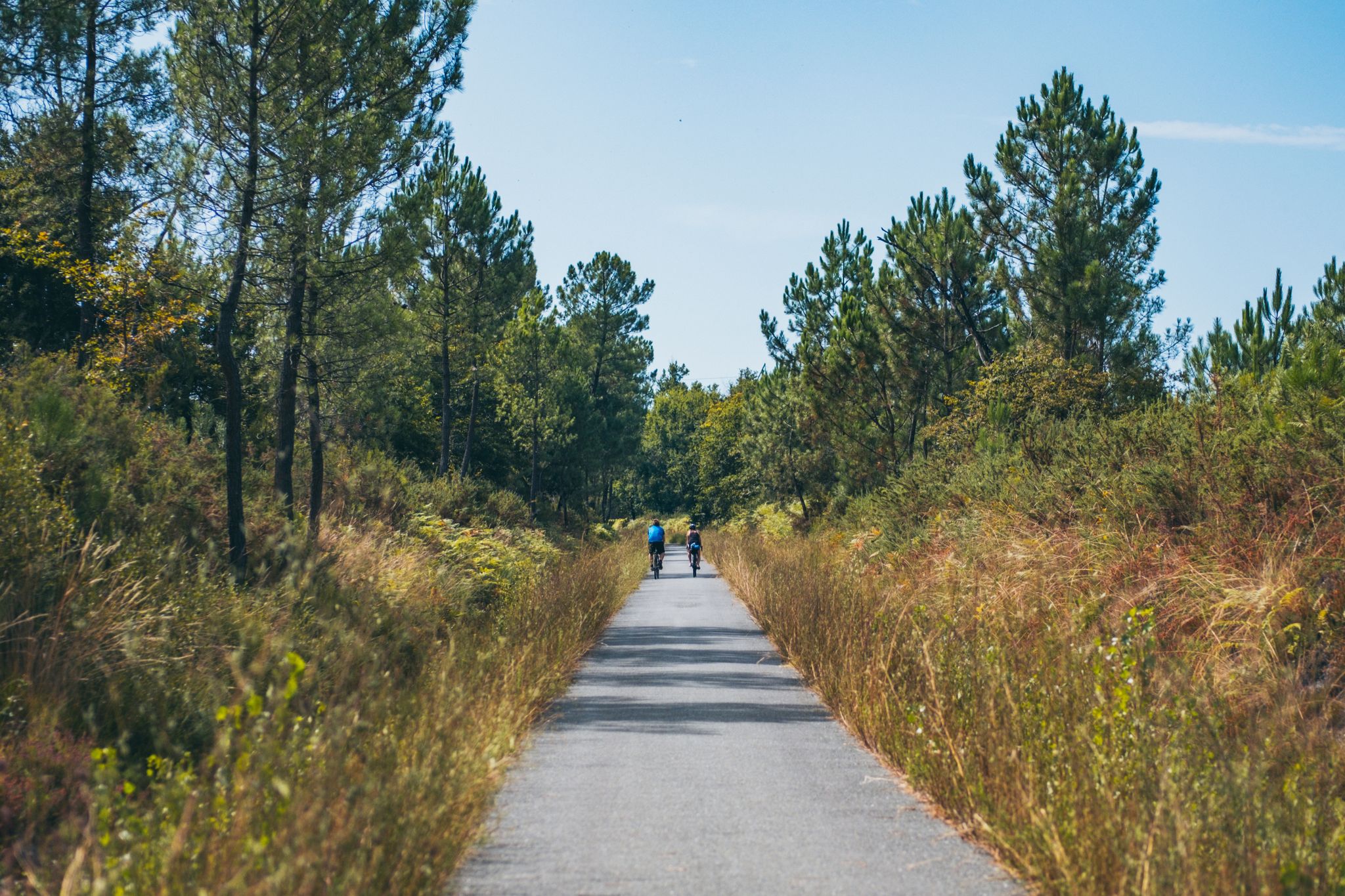
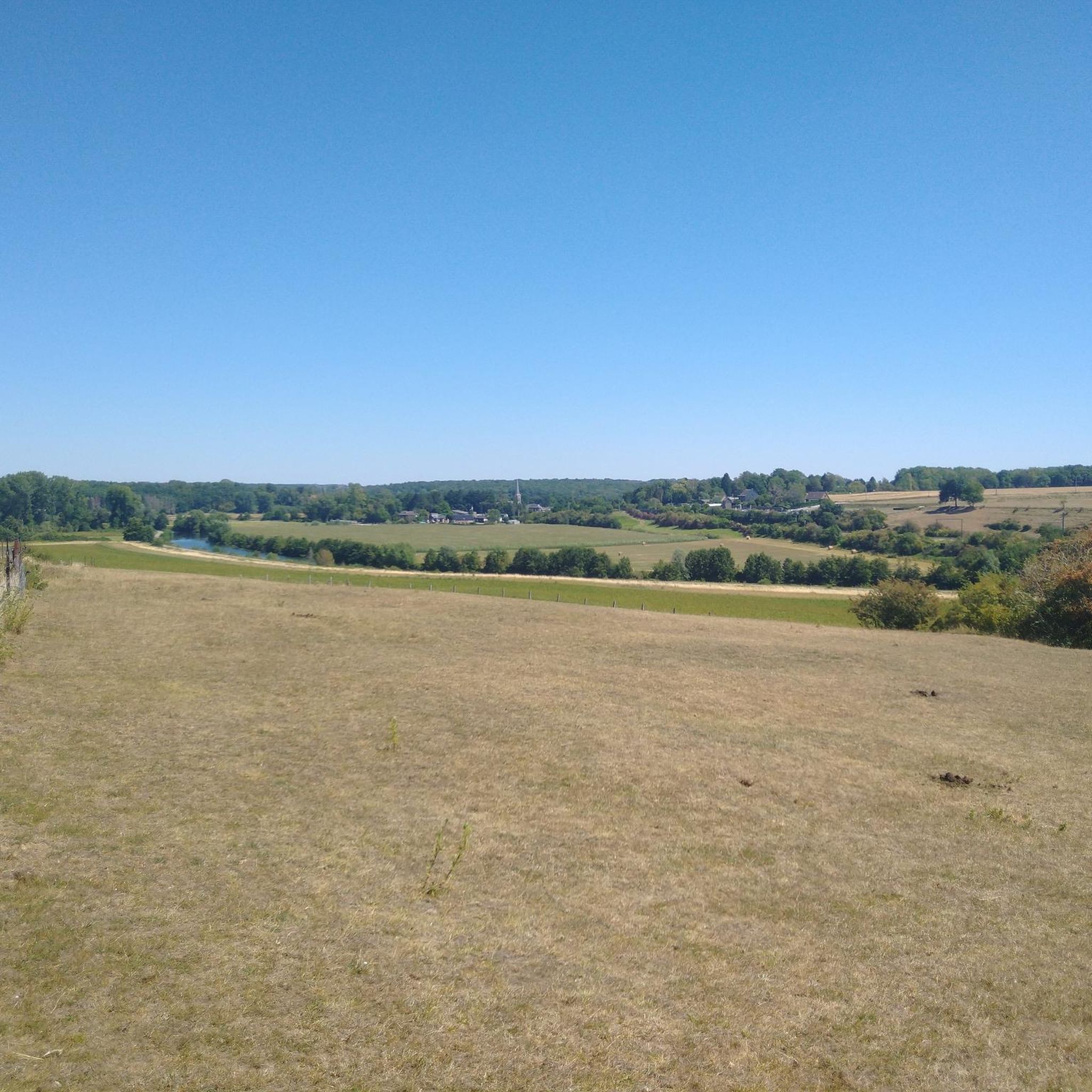
You cycle along the picturesque river Sambre. This is a quiet and picturesque river that flows through the south of Belgium and plays an important role in the Wallonia region. It rises in the French Ardennes and winds through cities such as Charleroi, Namur and Philippeville, before flowing into the Meuse.
0
1


Built towards the end of the 13th century, located near an enclave of the principality of Liège, the castle defended the border. Important witness to the medieval military architecture of Hainaut.
0
0

The current castle was built around 1400 and is an example of Hainaut military architecture, although modifications were made in later years. It is located at the confluence of the Sambre and Thure. The moat is fed by the last river. The castle had to protect the County of Hainaut against both France and the Prince-Bishopric of Liège. The square plan with the central heavy square keep on the north side, which also houses the entrance gate, is striking. This keep is older, dating from the 13th century. It has a Gothic archway and a 13th-century carved stone fireplace. The tower is symmetrically flanked by two wings, each closed by an identical round tower. There are also two such towers at the rear, but these have become a ruin. All this encloses a square square. In 1593 a house and a barn were added. The castle is still privately owned today, currently in the hands of the Merode family and not open to the public. It does not contain any period rooms or anything like that.
1
0
The current castle was built around 1400 and is an example of Hainaut military architecture, although modifications were made in later years. It is located at the confluence of the Sambre and Thure. The moat is fed by the last river. The castle had to protect the County of Hainaut against both France and the Prince-Bishopric of Liège. The square plan with the central heavy square keep on the north side, which also houses the entrance gate, is striking. This keep is older, dating from the 13th century. It has a Gothic archway and a 13th-century carved stone fireplace. The tower is symmetrically flanked by two wings, each closed by an identical round tower. There are also two such towers at the rear, but these have become a ruin. All this encloses a square square. In 1593 a house and a barn were added. The castle is still privately owned today, currently in the hands of the Merode family and not open to the public. It does not contain any period rooms or anything like that.
1
0

Abbey mill, ideal point for a departure / arrival or ravito
2
0

A beautiful (private) water castle only a few 100m away from the Sambre
1
0
Frequently Asked Questions
What historical landmarks can I explore around Jeumont?
Jeumont and its surroundings offer several historical sites. You can visit the impressive Solre-sur-Sambre Castle, a 14th-century example of Hainaut military architecture. Another significant site is Fort de Leveau, one of the forts built to protect Maubeuge, now housing a museum dedicated to World War I. The Abbey of Bonne-Espérance, with its nine centuries of history, is also a notable religious building listed as an exceptional heritage site in Wallonia. Within Jeumont itself, you can find the ruins of Jeumont Castle, Eglise Saint-Martin, and the architecturally noteworthy Art Deco Institution Albert-Riche.
Are there any natural attractions or features to see in the Jeumont area?
Yes, the region is characterized by the Sambre Valley, where the picturesque Sambre River flows. This river is a central natural point of interest, offering peaceful settings and opportunities to observe pleasure boats from its harbor basin. The Site du Watissart is also noted as a natural place to visit within Jeumont.
What kind of outdoor activities can I do near Jeumont's attractions?
The area around Jeumont is excellent for outdoor activities, especially along the Sambre River. You can find numerous routes for hiking, cycling, and running. For instance, there are easy hiking loops like the "Beautiful Forest Path loop from Bois Communal de Solre" or the "Sambre Valley – The Sambre at Solre-sur-Sambre loop from Erquelinnes." Cyclists can enjoy routes such as the "Towpath along the Sambre" or the "Sambre Cycle Path." Runners have options like "The Sambre at Solre-sur-Sambre loop from Jeumont." You can find more details on these activities in the Hiking around Jeumont, Cycling around Jeumont, and Running Trails around Jeumont guides.
Are there family-friendly attractions around Jeumont?
Several attractions in the area are suitable for families. The Solre-sur-Sambre Castle, while privately owned, is a fascinating sight from the outside. The Fort de Leveau offers an educational experience with its WWI museum. The Abbey of Bonne-Espérance is also listed as family-friendly, offering a glimpse into centuries of history. Additionally, exploring the Sambre Valley provides pleasant walks and cycling opportunities for all ages.
What is the architectural style prevalent in Jeumont?
Jeumont features significant Art Deco architecture, reflecting its industrial growth in the late 19th and early 20th centuries. Notable examples include the Institution Albert-Riche, a former hospital built in 1931, and the Centre Culturel André Malraux, which boasts distinctive Art Deco decor at its entrance. You can find other examples of this style throughout the town.
Where can I find cultural activities or venues in Jeumont?
The primary cultural venue in Jeumont is the Centre Culturel André Malraux. It hosts various performances, theater productions, and cinema screenings. Its Art Deco entrance is also a point of interest.
Can I visit a vineyard near Jeumont?
Yes, you can visit the Ruffus – Agaises Vineyard. Located in Haulchin, this vineyard is known for producing local sparkling wine. It was one of the first estates in Wallonia dedicated exclusively to sparkling wine production and has expanded significantly since its first planting in 2002.
What do visitors enjoy most about the attractions around Jeumont?
Visitors appreciate the blend of historical depth and natural beauty. The picturesque Sambre Valley is frequently highlighted for its serene cycling and walking paths. Historical sites like the Solre-sur-Sambre Castle and the Abbey of Bonne-Espérance are valued for their rich history and architectural significance. The area's industrial heritage and unique Art Deco architecture also draw interest from those exploring the town itself.
Are there any markets in Jeumont?
Yes, Jeumont hosts a weekly market every Thursday, offering a chance to experience local life and find various goods.
What is the significance of the Gare de Jeumont (Train Station)?
The Gare de Jeumont, originally built in 1881 and rebuilt after World War I, holds historical significance. Parts of the station were repurposed in 2007 to become a "digital art and technology platform," showcasing the town's evolution and adaptation.
Are there easy walking trails suitable for a leisurely stroll around Jeumont?
Yes, there are several easy walking options. The Sambre Valley offers flat towpaths perfect for leisurely strolls. You can find easy hiking routes like the "Beautiful Forest Path loop from Bois Communal de Solre" or the "Sambre Valley – The Sambre at Solre-sur-Sambre loop from Erquelinnes" which are suitable for a relaxed pace. More details are available in the Hiking around Jeumont guide.
What is the best time of year to visit Jeumont for outdoor activities?
While specific seasonal events vary, spring, summer, and early autumn generally offer the most pleasant weather for outdoor activities like hiking, cycling, and exploring the natural features of the Sambre Valley. These seasons provide comfortable temperatures for enjoying the trails and visiting historical sites.
Most popular routes around Jeumont

Get inspired with the komoot mobile app


Explore more
Still not found the Highlight you’re looking for? See guides of the top attractions in other regions:
