The best walks and hikes around Noyelles-Sur-Selle
4.6
(594)
1,042
hikers
92
hikes
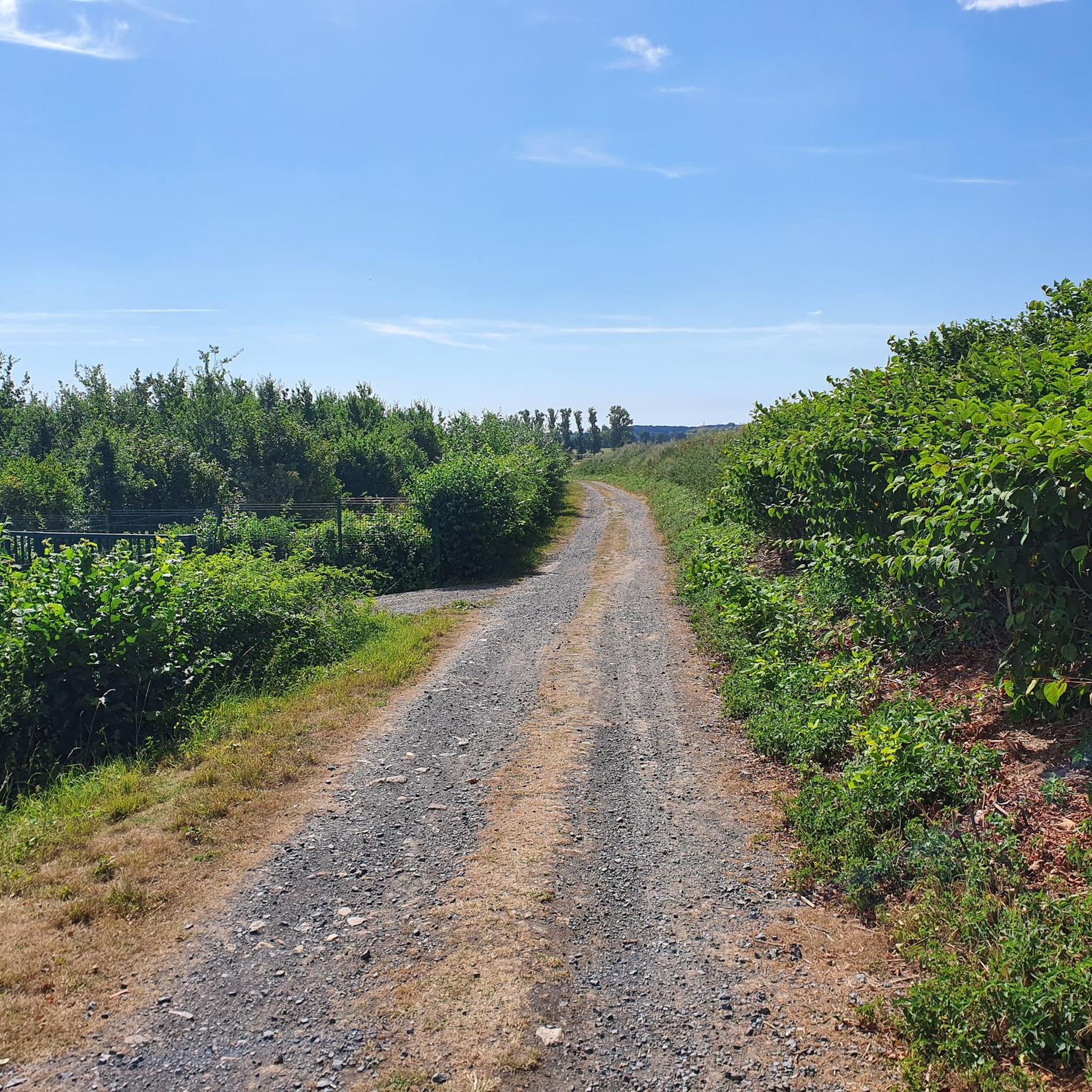
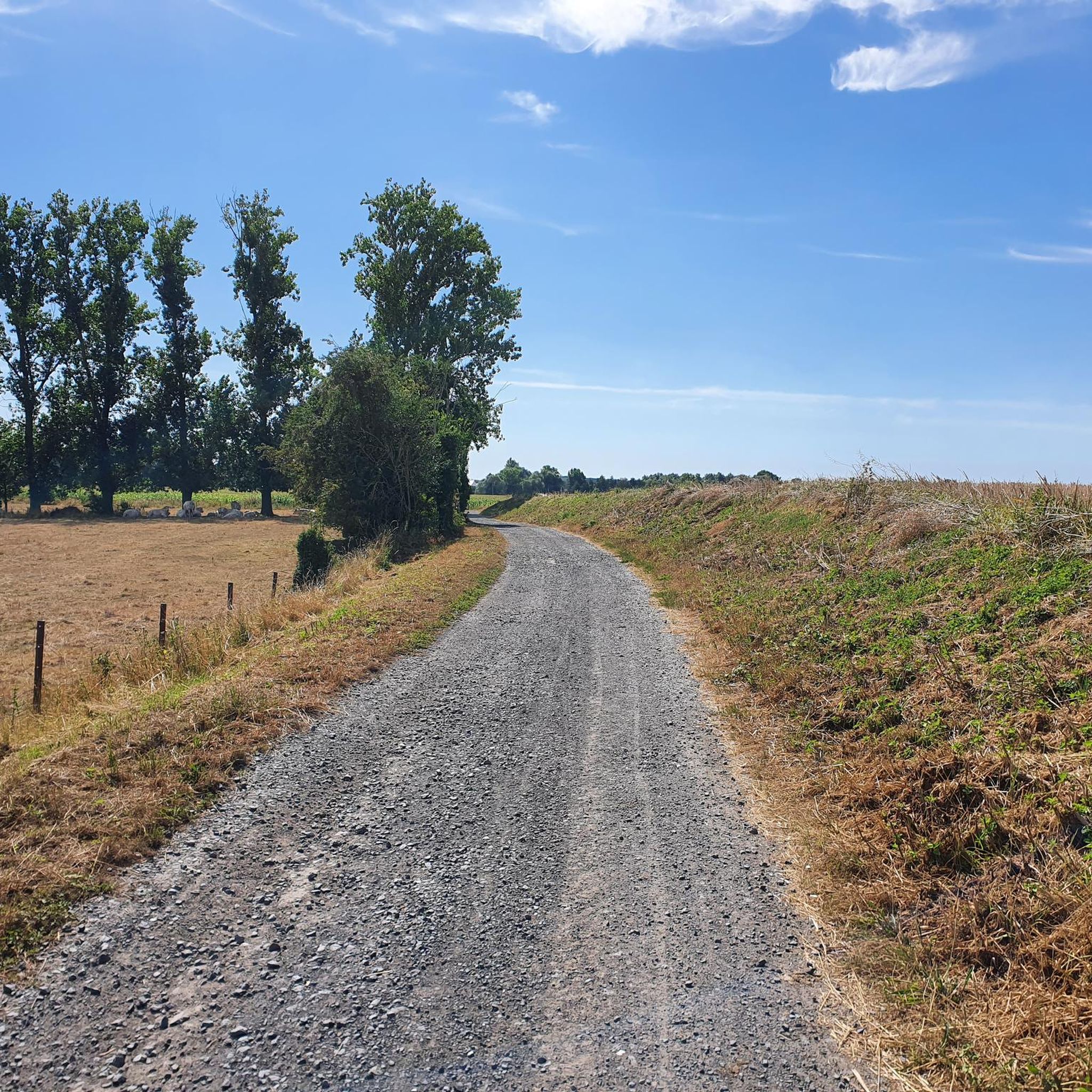
Hiking around Noyelles-Sur-Selle offers diverse landscapes in the Nord department of northern France. The region features a tranquil rural environment with varied terrain, including country paths, verdant meadows, and hedgerows. The Selle River is a significant natural feature, contributing to the area's hydrographic network, with riverbanks providing scenic routes. The commune's elevation ranges from 33 to 73 meters, providing gentle inclines for hikers.
Best hiking trails around Noyelles-Sur-Selle
- The most popular hiking route is Bassin Rond and the Scheldt –…
Last updated: May 13, 2026
4.8
(13)
19
hikers
21.8km
05:31
40m
40m
Hard hike. Very good fitness required. Easily-accessible paths. Suitable for all skill levels.
4.0
(1)
9
hikers
4.78km
01:14
20m
20m
Easy hike. Great for any fitness level. Easily-accessible paths. Suitable for all skill levels.

Sign up for free
5.0
(1)
2
hikers
15.6km
04:00
70m
70m
Moderate hike. Good fitness required. Easily-accessible paths. Suitable for all skill levels.
7
hikers
9.78km
02:30
30m
30m
Moderate hike. Good fitness required. Easily-accessible paths. Suitable for all skill levels.
5.0
(2)
3
hikers
10.3km
02:42
80m
80m
Moderate hike. Good fitness required. Easily-accessible paths. Suitable for all skill levels.
Get access to more routes and recommendations from other explorers.
Sign up for free
Already have an account?
Our route recommendations are based on thousands of hikes, rides, and runs completed by other people on komoot.
Start today with a free account
Your next adventure awaits.
Login or Signup

Tips from the Community


Many centuries ago, our ancestors discovered the possibility of harnessing the power of the elements - which on the one hand were helpful and useful, but on the other hand could also be a threat as untamed forces of nature - for different purposes and thus did without human or animal muscle power can. Such mills are a good example of the human engineering skills of earlier generations: the heavy millstones with which, for example, grain was ground into grain or oil was pressed, could be powered with the help of the wind or - as here - water.
0
0
The church in Verchain-Maugré was dedicated to the two Saints Peter and Paul (SAINTS PIERRE et PAUL), also known as the “Prince of the Apostles”. Their common feast day in the saints' calendar is June 29th. * Simon, nicknamed Peter (Rock), was a fisherman on the Sea of Galilee when he - together with his brother Andrew - was called by Jesus Christ to be "fishers of men". According to Catholic understanding, he is the supreme apostle, and the two millennia-long line of popes - currently Francis - are his successors. On statues and paintings, Peter is almost always depicted with two keys in his hand; this attribute refers to the biblical saying in Matthew: “I will give you the keys of the kingdom of heaven; Whatever you bind on earth will be bound in heaven, and whatever you loose on earth will be loosed in heaven” (Chapter 16, verse 19). * Paul was initially an opponent of the Christian movement and was not called to the apostleship by Jesus Christ during his lifetime like the other apostles, but was only converted later with the famous "Damascus experience". His attribute is the sword with which he was executed. According to Roman law at the time, such a sentence was a “privilege” (quick death and not associated with a long, painful agony like other types of execution) that the citizens of Rome were entitled to.
1
0

This memorial commemorates the residents of Haspres who were killed or missing in the Franco-Prussian War (1870-1871) and the First and Second World Wars and the war in Algeria (1954-1962). A separate memorial commemorates the French soldiers (AFN, Afrique Française du Nord) who died in the war in Algeria and the battles in Morocco and Tunisia, from 1952 to 1962.
6
0
Haspres is a municipality and has 2,650 inhabitants. The place is part of the Valenciennes district. On the territory of the municipality are the British military cemeteries Haspres Coppice Cemetery and York Cemetery (Haspres), both with fallen soldiers from the First World War.
2
0
The Canal de la Sensée is a canal in northern France. The project was developed under Napoleon. In March 1806, the Imperial government ordered the construction of a canal connecting the Scarpe and the Scheldt. Work began under the direction of Augustin Honnorez in June 1819 and the Canal de la Sensée was opened to navigation in November 1820. Back then, the boats were pulled by men or horses who worked for ship owners. Shortly after World War I 1914-1918, horses were replaced by tractors. The Canal de la Sensée is part of the Dunkirk - Scheldt Canal.
3
0
The village of Haspres was taken after severe fighting, with the help of tanks, on 20 October 1918. York Cemetery was made at the end of October 1918 by the 1st/5th York and Lancaster Regiment and other units of the 49th (West Riding) Division. The cemetery contains 137 Commonwealth burials of the First World War and ten German graves
5
0
The castle was built in the 17th century and was completed in the 19th century. Originally owned by the Abbaye Saint-Aubert de Cambrai, the castle was built on land owned by the abbey. The plans are said to have belonged to Ange-Jacques Gabriel or Alexandre-Théodore Brongniart. The castle was sold as national property during the Revolution. With the help of a stooge, Count François Marie Joseph de Frahan became the owner. It was sold by his descendants to Pierre Joseph Danjou in 1853 and then to Nicolas Meriaux in 1884. In 1887, Marie-Adélaide Verkinder, wife of deputy Ernest Déjardin, acquired the château. It passed to her daughter and son-in-law, Ambassador Pierre Lefèvre-Pontalis. During the First World War, the castle became the headquarters of Jagdgeschwader and Baron Manfred von Richthofen lived there. The castle, its moats and bridges have been classified as a historical monument since September 21, 1983, while the outbuildings, the old building on the edge of road number 4, the facades and roofs of the pigeon tower and the pavilion in the park and the perimeter wall with its gates since the same date have been registered as a historical monument.
5
0
Frequently Asked Questions
What kind of terrain can I expect on hiking trails around Noyelles-Sur-Selle?
The region offers a tranquil rural environment with diverse terrain. You'll primarily find country paths, verdant meadows, and hedgerows. Many routes follow the scenic banks of the Selle river, providing varied views and gentle inclines, as the commune's elevation ranges from 33 to 73 meters.
Are there many hiking options available in Noyelles-Sur-Selle?
Yes, there are nearly 100 hiking routes around Noyelles-Sur-Selle. These include options for various skill levels, with 37 easy, 54 moderate, and 1 difficult trail, ensuring there's something for everyone.
What kind of natural features or landmarks can I see while hiking here?
Hikers can enjoy the tranquil Selle river and its banks, as well as picturesque meadows and hedgerows. Some trails, like the one leading towards Douchy-lès-Mines, pass by vegetated slag heaps, reminders of the region's mining history. You might also encounter medieval ramparts in Bouchain or historical structures like the Église Saint-Martin and Chapelle Notre-Dame De Consolation in the village itself. For specific points of interest, consider exploring highlights such as Pont Gibus or the Country house of the Abbey of Saint-Aubert in Cambrai.
Are there any circular hiking routes in the area?
Yes, many of the trails around Noyelles-Sur-Selle are designed as loops. For example, you can try the easy Bassin Rond and the Scheldt – Bassin Rond Trailhead loop from Bouchain, or the moderate Bassin Rond loop from Hordain.
What do other hikers say about the trails in Noyelles-Sur-Selle?
The hiking routes in Noyelles-Sur-Selle are highly regarded by the komoot community, holding an average rating of 4.6 stars from over 470 reviews. Hikers often praise the tranquil rural environments, well-maintained country paths, and scenic riverbanks.
Are there any easy routes suitable for beginners or a relaxed walk?
Absolutely. There are 37 easy trails available. A good option for a relaxed walk is the Hiking loop from Avesnes-le-Sec, which is just under 5 km long.
Can I find longer, more challenging hikes around Noyelles-Sur-Selle?
While most trails are easy to moderate, there are longer options for those seeking more distance. The moderate La Layette Mill loop from Monchaux-sur-Écaillon covers over 13 km, offering a more extended experience through varied landscapes.
What is the best time of year to go hiking in Noyelles-Sur-Selle?
The region's diverse landscapes, with meadows and riverbanks, are enjoyable throughout much of the year. Spring and autumn offer pleasant temperatures and beautiful scenery with blooming flowers or changing foliage. Summer is also suitable, though it's always wise to check local weather forecasts.
Are there any historical sites or cultural attractions near the hiking trails?
Beyond the natural beauty, the area has historical elements. You might encounter medieval ramparts in Bouchain along some trails. The village of Noyelles-Sur-Selle itself features the Église Saint-Martin and the Chapelle Notre-Dame De Consolation. Nearby villages like Verchain-Maugré also boast scenic stone farms and old ivy-covered walls.
Is there public transport access to the hiking areas around Noyelles-Sur-Selle?
While specific public transport details for trailheads are not provided, Noyelles-Sur-Selle is a commune in the Nord department of northern France. For detailed information on local public transport options to reach specific starting points, it's recommended to consult local transport authorities or the Noyelles-Sur-Selle tourist office.
What are some of the key natural features that define the hiking experience in this region?
The hiking experience is largely defined by the tranquil rural environment, the meandering Selle river with its scenic banks, and the expansive verdant meadows and hedgerows characteristic of northern France. The gentle elevation changes also contribute to a pleasant and accessible hiking experience.
Are there any trails that pass through or near other towns or villages?
Yes, some trails connect Noyelles-Sur-Selle to neighboring areas. For instance, a notable route leads along rural paths and riverbanks to Douchy-lès-Mines, and continues along the restored canals of Denain and the Escaut river at Neuville-sur-Escaut, eventually reaching Bouchain and Lieu-Saint-Amand.
Most popular routes around Noyelles-Sur-Selle
Most popular attractions around Noyelles-Sur-Selle

Get inspired with the komoot mobile app


Explore more
Browse the best Hikes in other regions.
