Attractions and Places To See around Villers-Plouich - Top 20
Best attractions and places to see around Villers-Plouich, a small commune in the Nord department of France, offer a glimpse into its rich history, particularly its significant role in World War I. The area features several historical and cultural sites, including churches and war memorials. Its hilly terrain, especially around the hamlet of Vacquerie, holds historical significance. While Villers-Plouich primarily appeals to those interested in World War I history, its proximity to other historically and naturally significant sites in the Nord department makes it a potential base for wider exploration.
Best attractions and places to see around Villers-Plouich
- The most popular attractions is Canadian Bourlon Wood Memorial, a man-made monument that serves as a memorial to discover. It is also a magnificent place for walking, mountain biking, or gravel cycling.
- Another must-see spot is Vaucelles Abbey, a religious building with restored parts such as the abbot's palace and monks' halls. This Cistercian abbey, founded in 1132, grew into a large and influential community.
- Visitors also love Esnes Castle, a beautiful medieval castle dating back to the 18th century. This private castle can be visited on specific days from April to October.
- Villers-Plouich is known for its historical sites, religious buildings, and war memorials. The area offers a variety of attractions to see and explore, from ancient abbeys to significant World War I landmarks.
- The attractions around Villers-Plouich are appreciated by the komoot community. With 51 upvotes and 11 photos, these spots offer diverse experiences for visitors.
Last updated: May 11, 2026
Vaucelles Abbey
Highlight • Religious Site
Translated by Google •
Tip by

Vaucelles watering trough
Highlight • Structure
Hence the name of the bicycle trail "des sources" 😎.
Translated by Google •
Tip by

Sign up now to discover places like this
Get recommendations on the best single tracks, peaks, & plenty of other exciting outdoor places.
Sign up for free
Esnes Castle
Highlight • Castle
It can be visited: chateau-esnes.fr
Translated by Google •
Tip by

Canadian Bourlon Wood Memorial
Highlight • Monument
Translated by Google •
Tip by

Folly Park
Highlight • Other
Translated by Google •
Tip by

Sign up for free to discover even more attractions around Villers-Plouich.
Sign up for free
Already have an account?
Start today with a free account
Your next adventure awaits.
Login or Signup





Tips from the Community

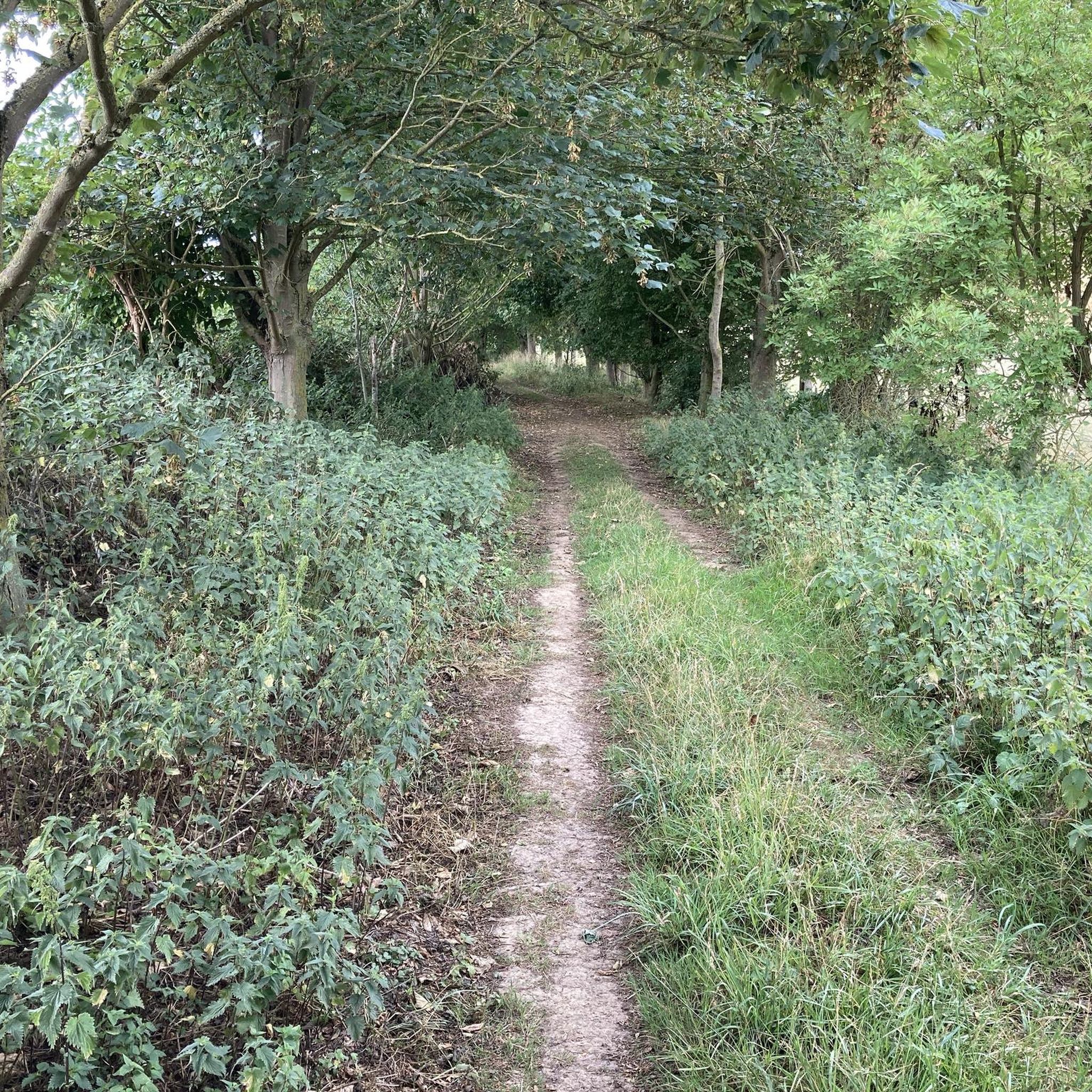
For bikepacking trips, A magnificent base for cycle touring. It's a place steeped in history, peaceful, and surrounded by lush greenery. Don't miss the hamlet of Revelon or a visit to the source of the Scheldt River in Gouy (right next door). Happy riding! 🚴♀️ Franck
1
0

Some very beautiful remains to discover during a hike 😉.
1
0
This watering trough is probably a distant legacy of the Cistercian monks of Vaucelles. Nestled in the pastures surrounding the farm, it is fed by the nearby fountain, which filters the water and is itself fed by water from the Saint-Bernard spring, via an aqueduct. Hence the name of the bicycle trail "des sources" 😎.
3
0

The Château d'Esnes is a historic castle located in the picturesque French village of Esnes. Dating back to the 18th century, the castle is surrounded by lush gardens and a charming park, giving it a picturesque and peaceful feel. The Château d'Esnes is known for its classical architecture, with impressive facades and elegant interiors that reflect the grandeur of that time.
1
0
This Cistercian abbey was founded in 1132 by Bernard of Clairvaux and grew into a large and influential community within a century. Royal armies camped there as in a fortress and Charles V signed peace with Henry II in 1556. In addition to the sick and outcasts, travellers and pilgrims also found shelter in the hospital. The largest abbey church in Europe stood here with an extraordinary length of 135 metres. On feast days, 3000 meals were provided to the needy in the wide area. After the French Revolution, it was declared national property and an inglorious end followed as an open-air quarry. Now, restored parts remain, such as the abbot's palace with the dormitories and monks' halls with the chapter house next to it. The 7-hectare abbey park is being restored to its former glory. Open March to November (Tue-Sat 10am-12pm and 2pm-5.30pm, Sun 3pm-6.30pm, closed Mondays).
1
0

Parts of this gigantic abbey are interesting to visit. The church has disappeared but must have been enormous. Beautiful garden and shop with, among other things, abbey beer.
1
0

Vaucelles Abbey is a former monastery of Cistercian monks. Founded in 1131 by Saint Bernard himself.
0
0
The castle of Esnes is a private castle (which belongs to the Landas family for 900 years) can be visited on the last Sunday, from April to October.
0
0
Frequently Asked Questions
What historical sites related to World War I can I visit around Villers-Plouich?
Villers-Plouich played a significant role in World War I. You can visit several war-related sites, including the prominent war memorial in the village center. Additionally, there are three cemeteries with British military graves: the Fifteen Ravine Cemetery, the Communal Cemetery, and the Sunken Road Cemetery. The area, particularly the hamlet of La Vacquerie, was a scene of intense trench warfare. Further afield, the Canadian Bourlon Wood Memorial is a significant monument to discover.
Are there any family-friendly attractions in the Villers-Plouich area?
Yes, several attractions are suitable for families. The Vaucelles Abbey, with its restored parts and beautiful gardens, offers an engaging historical experience. Esnes Castle, a picturesque medieval castle, can also be visited on specific days. The Canadian Bourlon Wood Memorial is also considered family-friendly and offers opportunities for walking.
What kind of outdoor activities can I do near Villers-Plouich?
The region around Villers-Plouich is excellent for various outdoor activities. You can find numerous routes for hiking, gravel biking, and road cycling. For hiking, explore trails like the Vaucelles Abbey loops or routes around Bois de Talma. Gravel biking options include paths along the Escaut River, while road cyclists can enjoy routes passing by the Canadian Bourlon Wood Memorial. You can find more details on these activities in the dedicated guides for Hiking around Villers-Plouich, Gravel biking around Villers-Plouich, and Road Cycling Routes around Villers-Plouich.
Are there any notable religious buildings or abbeys to visit?
Yes, the Vaucelles Abbey is a significant religious and historical site. Founded in 1132, this Cistercian abbey grew into a large and influential community. While the original church is gone, restored parts like the abbot's palace and monks' halls remain. Within Villers-Plouich itself, you can also see the Church of Saint-Quentin and the Church of Saint Joseph, both rebuilt after World War I.
What unique cultural landmarks are there in Villers-Plouich?
A distinctive cultural landmark in Villers-Plouich is the British red telephone box located outside the 'Mairie' (municipal hall) on 'Place de Wandsworth'. This symbolizes the century-old friendship between the commune and the London borough of Wandsworth, which aided in the village's reconstruction after its destruction in 1917.
What natural features or areas can be explored in the vicinity?
While Villers-Plouich itself is not known for extensive natural features, its hilly terrain, particularly around the hamlet of Vacquerie, is notable. For more significant natural exploration, the surrounding region offers the Réserve naturelle des Marais d'Isle (about 28 km away) and the Forest of Mormal (about 45 km away), which provides hundreds of kilometers of paths for outdoor activities. You can also visit the Vaucelles watering trough, a historical natural monument fed by a spring.
What are some interesting towns or cities to visit near Villers-Plouich?
Several historically rich towns are within a short drive. Cambrai (11 km) is known for the world's first tank battle. Péronne (21 km) features an impressive WWI museum. Arras (35 km) boasts a belfry, Baroque houses, and the Carrière Wellington museum. Douai (33 km) offers a pleasant old town and another impressive belfry.
Can I visit a castle in the area?
Yes, you can visit Esnes Castle, a beautiful medieval castle dating back to the 18th century. This private castle is open to visitors on specific days from April to October. It is known for its classical architecture and picturesque setting.
What do visitors enjoy most about the attractions around Villers-Plouich?
Visitors particularly appreciate the rich historical context, especially the World War I sites, and the serene beauty of places like Vaucelles Abbey. The Canadian Bourlon Wood Memorial is often highlighted as a significant memorial and a great spot for walking or cycling. The blend of history, culture, and opportunities for outdoor activities makes the area appealing.
Are there any Roman ruins or ancient sites nearby?
Yes, if you're interested in Roman history, you can travel to Bavay (about 53 km away). Bavay is known for its important Roman forum and other Roman ruins, offering a glimpse into the region's ancient past.
What is the best time to visit Villers-Plouich for outdoor activities?
The region is generally pleasant for outdoor activities from spring through autumn. These seasons offer milder weather, which is ideal for hiking, cycling, and exploring historical sites. While specific weather conditions can vary, avoiding the colder winter months typically provides the most comfortable experience for outdoor pursuits.
Are there any spa centers or wellness destinations in the wider area?
Yes, Saint-Amand-les-Eaux, located about 46 km from Villers-Plouich, is an established spa center. It offers opportunities for relaxation and wellness treatments, making it a potential destination if you're looking to combine historical exploration with a spa experience.
Most popular routes around Villers-Plouich

Get inspired with the komoot mobile app


Explore more
Still not found the Highlight you’re looking for? See guides of the top attractions in other regions:
