Attractions and Places To See around Salomé - Top 20
Best attractions and places to see around Salomé include a diverse range of historical sites, natural areas, and cultural points of interest. The region offers opportunities to explore significant memorials and serene natural landscapes. Visitors can discover both man-made monuments and extensive waterways. The area provides a blend of historical reflection and outdoor exploration.
Best attractions and places to see around Salomé
- The most popular attractions is Relais Nature of the Parc de la Deûle, a nature interpretation center…
Last updated: May 9, 2026
Australian Memorial Park Fromelles
Highlight • Monument
Translated by Google •
Tip by

Le Trou Aid Post Cemetery
Highlight • Other
Translated by Google •
Tip by
Sign up now to discover places like this
Get recommendations on the best single tracks, peaks, & plenty of other exciting outdoor places.
Sign up for free
Relais Nature of the Parc de la Deûle
Highlight • Other
Translated by Google •
Tip by
Canal de la Deûle
Highlight • River
Translated by Google •
Tip by
Chartreuse Notre-Dame-des-Sept-Douleurs de la Boutillerie
Highlight • Historical Site
Translated by Google •
Tip by

Sign up for free to discover even more attractions around Salomé.
Sign up for free
Already have an account?
Start today with a free account
Your next adventure awaits.
Login or Signup

Tips from the Community

The battle of Fromelles on 19 July 1916 was a bloody initiation for Australian soldiers to warfare on the Western Front. Soldiers of the newly arrived 5th Australian Division, together with the British 61st Division, were ordered to attack strongly fortified German front line positions near the Aubers Ridge in French Flanders. The attack was intended as a feint to hold German reserves from moving south to the Somme where a large Allied offensive had begun on 1 July. The feint was a disastrous failure. Australian and British soldiers assaulted over open ground in broad daylight and under direct observation and heavy fire from the German lines. Over 5,500 Australians became casualties. Almost 2,000 of them were killed in action or died of wounds and some 400 were captured. This is believed to be the greatest loss by a single division in 24 hours during the entire First World War. Some consider Fromelles the most tragic event in Australia’s history. https://www.awm.gov.au/articles/encyclopedia/fromelles
0
0

Near the front line in 1916, a fierce battle was fought between the British (Australians) and the Germans. To commemorate 'la bataille' and the wounded who were brought back from the battlefield, a monument/statue was erected here.
1
0

Anecdote: During the battle, Sergeant Simon Fraser heard a wounded soldier cry out, "Don't forget me, cobber!" Despite the danger, Fraser returned to the battlefield to save the man, an act of bravery that was later immortalized in the statue. This event emphasizes the sacrifice and strong bond between soldiers during the horrors of war.
7
0
The Cobbers Australian Memorial is located in the Australian Memorial Park near Fromelles. This memorial commemorates the Australian soldiers who died during the Battle of Fromelles on 19-20 July 1916. The statue, designed by Peter Corlett, shows Sergeant Simon Fraser carrying a wounded comrade out of no man's land. The name "Cobbers" comes from a letter Fraser wrote, describing the bravery and camaraderie of the soldiers.
7
0
Le Trou Aid Post Cemetery was established in October 1914 by British soldiers of the 19th Infantry Brigade during the First Battle of Ypres. The cemetery initially contained 123 graves, but was expanded after the war. It now contains over 350 graves, of which over 200 are unknown. The cemetery commemorates soldiers who died in a number of battles, including Le Maisnil (October 1914), Aubers Ridge (May 1915), Loos (September–October 1915), and Fromelles (July 1916). A special feature of the cemetery is its rural setting, surrounded by a narrow moat and sheltered by a grove of weeping willows. Visitors reach the cemetery via a footbridge and enter through a delicate cottage-style gate.
7
0

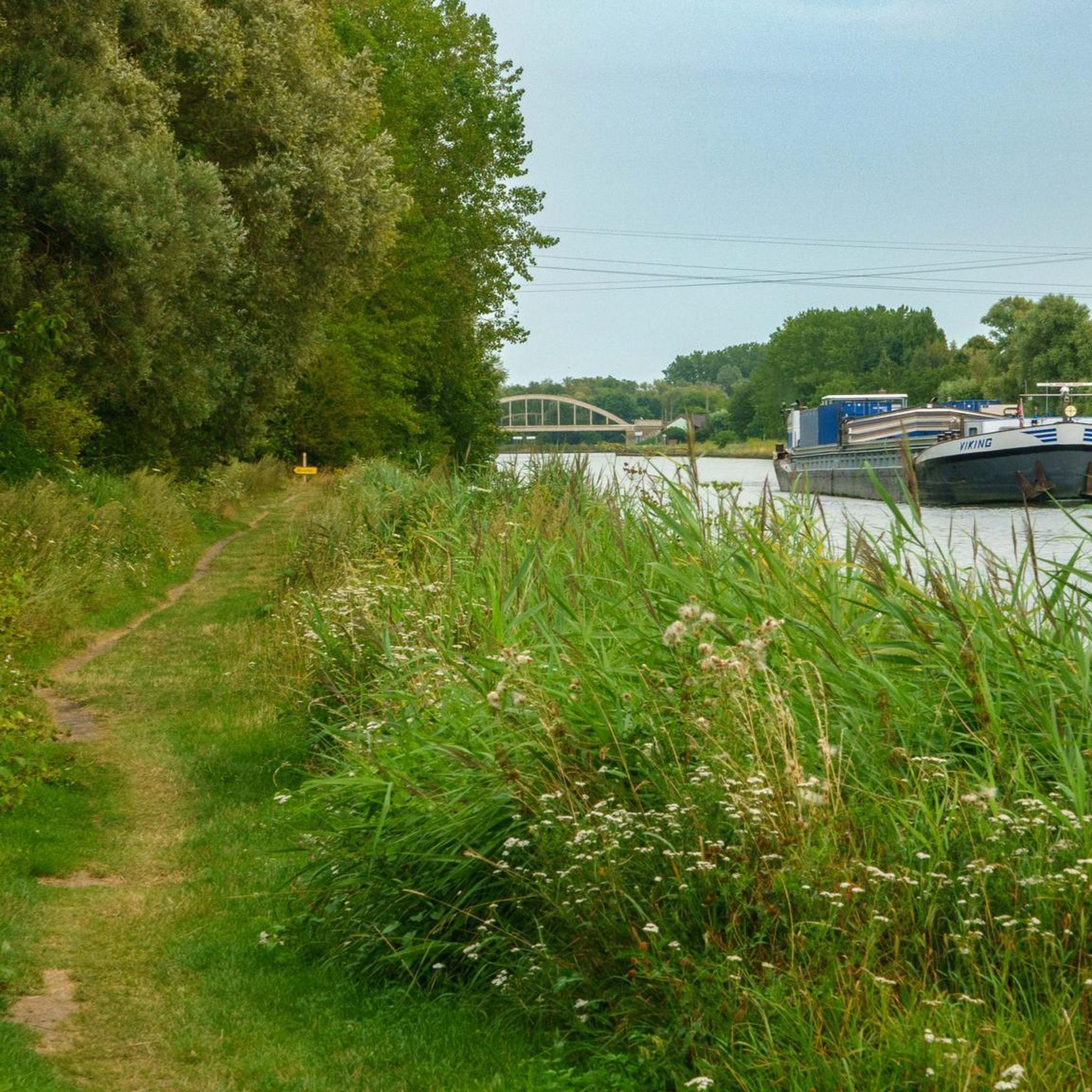
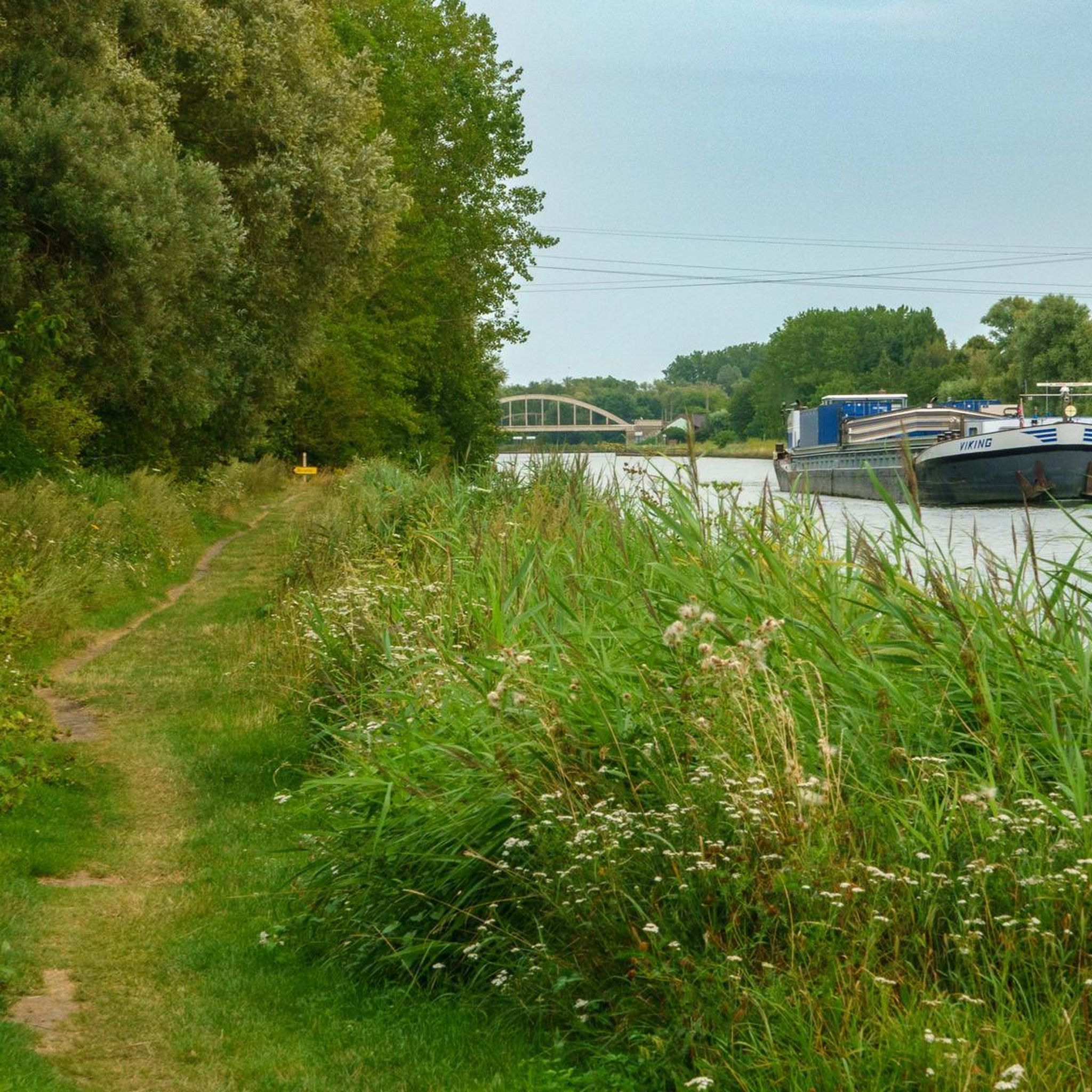
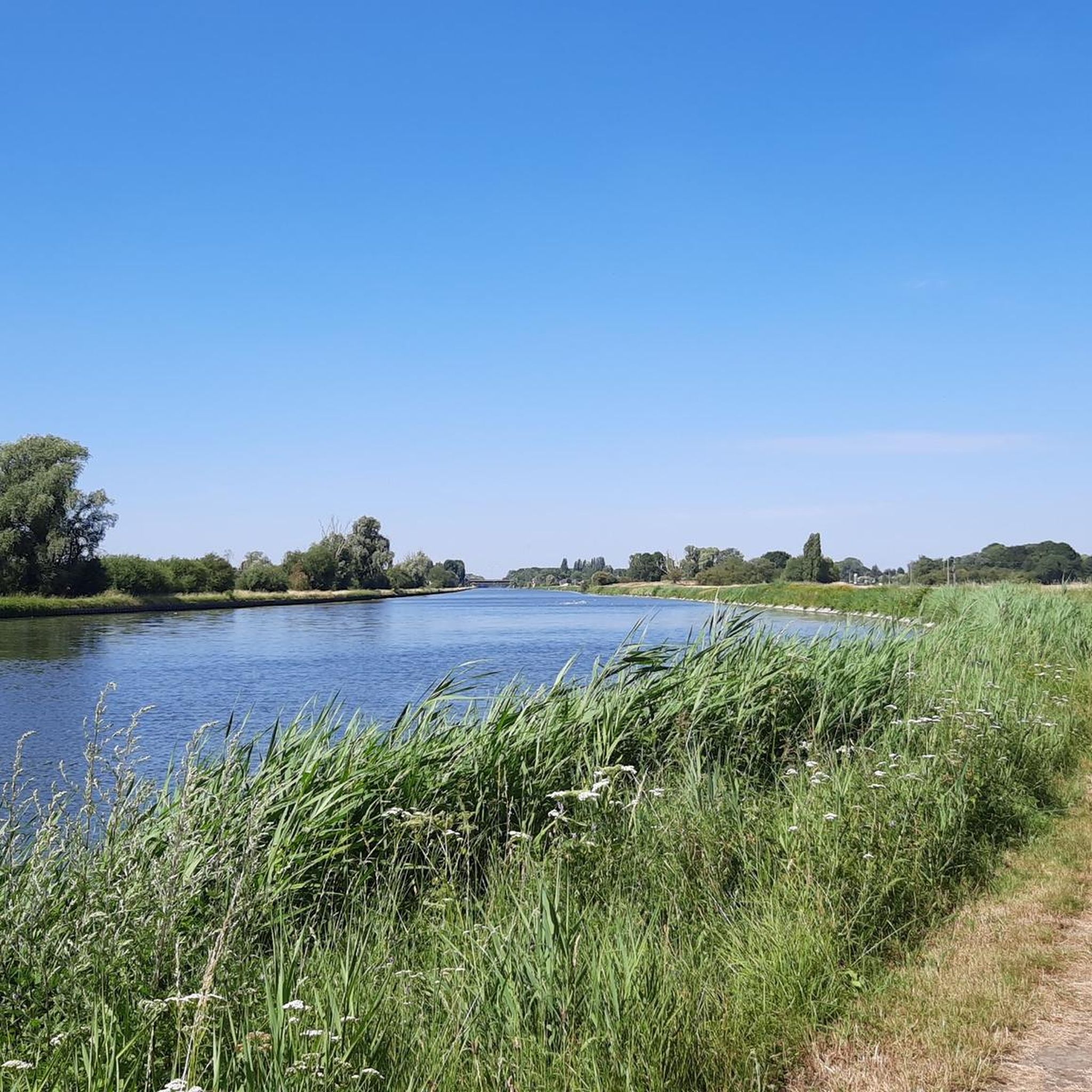
Most of the path is very smooth and you can enjoy the few birds and (rarely) the sun reflecting in the water. Unfortunately it is very often spoiled by the discharges from factories or sewers which often bring a foul smell, especially when the water is stirred up by the few barges that pass by.
0
0

Amidst the quiet roads of western Lille lies this listed cemetery, which is the final resting place of hundreds of Commonwealth soldiers from the First World War.
0
0
The Canal de la Deûle is one of the oldest canals in northern France and connects the river Scarpe at Douai with the river Lys at Deûlémont, near the Belgian border. The canal is approximately 34.8 km long and has 3 locks. Most of the canal is included in the high-quality Dunkerque-Escaut waterway, and the remaining section through the port of Lille is often considered a branch of the main route, hence the alternative names Liaison or Antenne Bauvin-Lys.
7
0
Frequently Asked Questions
What historical sites can I explore around Salomé?
Salomé offers several historical sites. You can visit the Australian Memorial Park Fromelles, which commemorates Australian soldiers from WWI and features the poignant "Cobbers" statue. Another significant site is Le Trou Aid Post Cemetery, a WWI cemetery set in a rural landscape. Additionally, you can explore the vestiges of the Chartreuse Notre-Dame-des-Sept-Douleurs de la Boutillerie, a former monastery with a rich history dating back to 1618.
Are there any nature-focused attractions near Salomé?
Yes, for nature lovers, the Relais Nature of the Parc de la Deûle is a must-visit. This interpretation center offers interactive installations to introduce visitors to local flora and fauna, along with a garden for experiencing living nature. You can also enjoy the serene environment of the Canal de la Deûle, one of the oldest canals in northern France, which provides smooth paths for enjoying the water and local birds.
What outdoor activities can I do near Salomé?
The area around Salomé is great for various outdoor activities. You can find numerous routes for hiking, running, and mountain biking. For hiking, consider trails like the 'Pont des Crêtes – The new bridge loop from La Bassée' or the 'Chemin de Halage loop from Salomé'. Runners can explore routes such as 'The Haute Deûle islet loop from Billy-Berclau'. Mountain bikers have options like the 'Cabiddu Park MTB Base – In the open fields loop from La Bassée'. You can find more details on these activities in the dedicated guides for hiking, running, and MTB trails around Salomé.
Are there family-friendly attractions in the Salomé area?
Absolutely. The Relais Nature of the Parc de la Deûle is designed for all ages, offering interactive exhibits and a discovery garden perfect for families. The Canal de la Deûle also provides smooth paths ideal for family walks or bike rides, allowing everyone to enjoy the natural surroundings and observe local birds.
What kind of monuments can I visit around Salomé?
The region is home to significant monuments, notably the Australian Memorial Park Fromelles. This powerful man-made monument commemorates the Australian soldiers who fell during the Battle of Fromelles in July 1916, featuring the iconic "Cobbers" statue.
What is the best way to experience the Canal de la Deûle?
The Canal de la Deûle offers smooth paths along its banks, making it ideal for walking, cycling, or running. It's a great way to enjoy the tranquil water, observe local birds, and take in the scenery of one of northern France's oldest canals.
What is the significance of the Australian Memorial Park Fromelles?
The Australian Memorial Park Fromelles is a deeply moving site commemorating the Australian soldiers who died during the Battle of Fromelles in July 1916. Its centerpiece, the "Cobbers" statue, depicts a soldier carrying a wounded comrade, symbolizing the bravery and camaraderie displayed during the horrors of war.
Are there any easy hiking trails suitable for beginners near Salomé?
Yes, there are several easy hiking trails. For instance, the 'Pont des Crêtes – The new bridge loop from La Bassée' is an easy 7.2 km route. Another easy option is the 'Towpath – Chemin de Halage loop from Salomé', which is about 5.5 km. You can find more easy routes in the Hiking around Salomé guide.
What do visitors enjoy most about the attractions around Salomé?
Visitors frequently appreciate the blend of historical reflection and natural beauty. The poignant memorials and cemeteries offer a moving experience, while the nature interpretation center and canal provide opportunities for peaceful outdoor enjoyment and discovery of local flora and fauna. The community has shared over 61 photos and given more than 230 upvotes to the attractions in the area.
Can I find places for a quiet walk or reflection near Salomé?
Certainly. Le Trou Aid Post Cemetery offers a very beautiful and moving military cemetery amidst a quiet, rural setting, perfect for reflection. The paths along the Canal de la Deûle also provide a serene environment for a peaceful walk, away from the hustle and bustle.
Are there any historical religious sites in the area?
Yes, the remains of the Chartreuse Notre-Dame-des-Sept-Douleurs de la Boutillerie offer a glimpse into the region's religious history. This former monastery, founded in 1618, was once a grand structure with a vast library and impressive architecture, though largely destroyed during WWI, its vestiges still tell a compelling story.
Most popular attractions around Salomé

Get inspired with the komoot mobile app


Explore more
Still not found the Highlight you’re looking for? See guides of the top attractions in other regions:
