Attractions and Places To See around Radinghem-En-Weppes - Top 20
Best attractions and places to see around Radinghem-En-Weppes include historical sites, natural parks, and monuments. This commune in the Nord department of France is characterized by its village setting, historical roots dating back to the 12th century, and varied terrain. The area offers scenic views from its higher elevations and provides opportunities for outdoor activities like hiking and cycling, often connecting to larger natural areas.
Best attractions and places to see around Radinghem-En-Weppes
- The most popular attractions is Canteraine Park…
Last updated: May 26, 2026
Canteraine Park
Highlight • Other
Translated by Google •
Tip by

Australian Memorial Park Fromelles
Highlight • Monument
Translated by Google •
Tip by
Sign up now to discover places like this
Get recommendations on the best single tracks, peaks, & plenty of other exciting outdoor places.
Sign up for free
Napoleon Bridge
Highlight • Bridge
Translated by Google •
Tip by

Le Trou Aid Post Cemetery
Highlight • Other
Translated by Google •
Tip by
Citadel Pasture
Highlight • Historical Site
Translated by Google •
Tip by

Sign up for free to discover even more attractions around Radinghem-En-Weppes.
Sign up for free
Already have an account?
Start today with a free account
Your next adventure awaits.
Login or Signup


Tips from the Community

Although the Napoleon Bridge has a long history, the current bridge only dates from 2014! That year, as part of the overall redevelopment of the Citadel Park, the Napoleon Bridge was rebuilt. This was based on the design created by Philippe Canissié in 1849, after the original bridge had become significantly outdated (including the roof's need for renovation). During the 2014 project, new sphinxes and concrete abutments covered with the original stones and sculptures were added. The first version of the bridge was built in 1809, and inscribed with the names of French victories in the Napoleonic battles. The bridge was destroyed in both the First and Second World Wars.
4
0

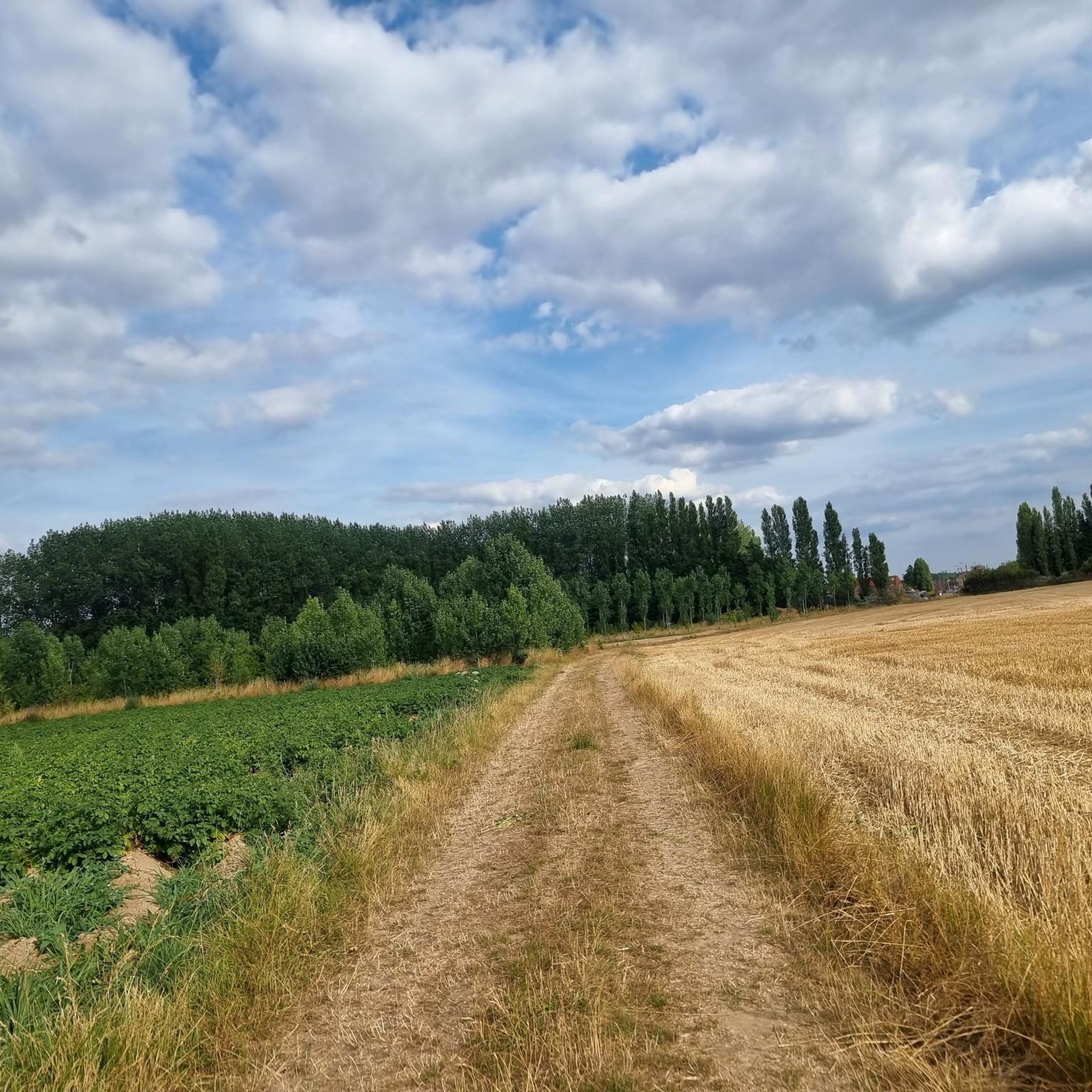
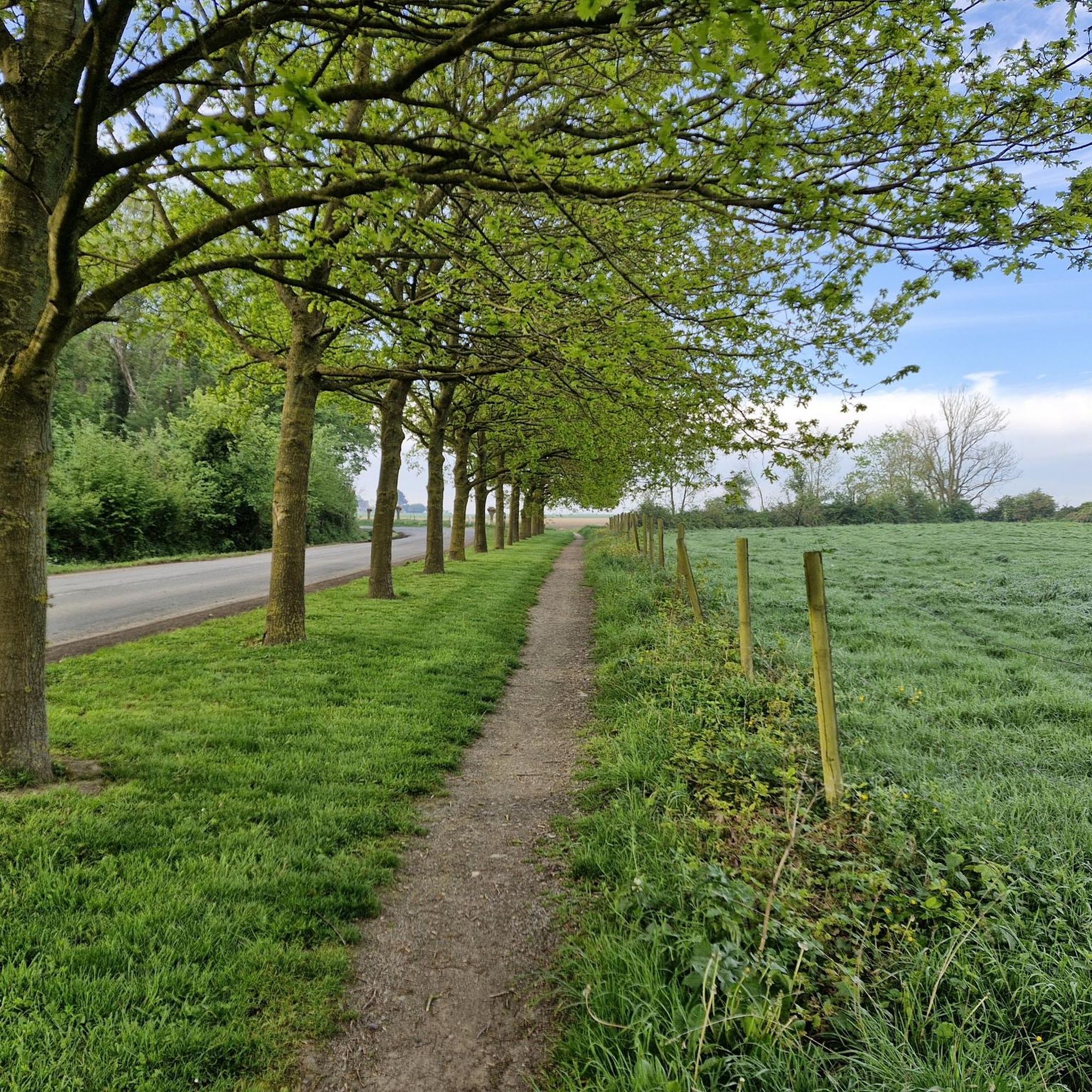
Very rolling, doable by mountain bike.
3
0

Near the front line in 1916, a fierce battle was fought between the British (Australians) and the Germans. To commemorate 'la bataille' and the wounded who were brought back from the battlefield, a monument/statue was erected here.
1
0

Anecdote: During the battle, Sergeant Simon Fraser heard a wounded soldier cry out, "Don't forget me, cobber!" Despite the danger, Fraser returned to the battlefield to save the man, an act of bravery that was later immortalized in the statue. This event emphasizes the sacrifice and strong bond between soldiers during the horrors of war.
7
0
The Cobbers Australian Memorial is located in the Australian Memorial Park near Fromelles. This memorial commemorates the Australian soldiers who died during the Battle of Fromelles on 19-20 July 1916. The statue, designed by Peter Corlett, shows Sergeant Simon Fraser carrying a wounded comrade out of no man's land. The name "Cobbers" comes from a letter Fraser wrote, describing the bravery and camaraderie of the soldiers.
7
0
Le Trou Aid Post Cemetery was established in October 1914 by British soldiers of the 19th Infantry Brigade during the First Battle of Ypres. The cemetery initially contained 123 graves, but was expanded after the war. It now contains over 350 graves, of which over 200 are unknown. The cemetery commemorates soldiers who died in a number of battles, including Le Maisnil (October 1914), Aubers Ridge (May 1915), Loos (September–October 1915), and Fromelles (July 1916). A special feature of the cemetery is its rural setting, surrounded by a narrow moat and sheltered by a grove of weeping willows. Visitors reach the cemetery via a footbridge and enter through a delicate cottage-style gate.
7
0

Amidst the quiet roads of western Lille lies this listed cemetery, which is the final resting place of hundreds of Commonwealth soldiers from the First World War.
0
0

This historical monument, under the control of the Ministry of Defense, is the Citadel of Lille and the Museum of the Sedentary Artillerymen. It is called the Queen of Citadels, built by Vauban in 1670. The building is in the shape of a regular pentagon, reinforced by powerful bastions, within which the buildings are arranged in a star shape to form a large central courtyard. Around it and open to the public at all times is a beautiful park (with a zoo and a playground), but if you stay on the path, you walk along this star.
6
0
Frequently Asked Questions
What historical sites can I visit around Radinghem-en-Weppes?
The region is rich in history, particularly related to World War I. You can visit the Australian Memorial Park Fromelles, which commemorates Australian soldiers who died during the Battle of Fromelles in 1916. Another significant site is Le Trou Aid Post Cemetery, a moving military cemetery established in October 1914. Additionally, the Napoleon Bridge, a unique covered footbridge over the Moyenne-Deûle canal, offers a glimpse into 19th-century engineering.
Are there any natural parks or scenic viewpoints in the area?
Yes, Canteraine Park is a notable man-made park known for its preserved meadows and small forests, part of the larger Deûle Park. It's home to diverse flora and fauna, including various amphibian species. The village of Radinghem-en-Weppes itself, particularly around L'église Saint-Vaast, offers picturesque views, and on clear days, you might even see the distant Flanders mountains from its higher elevations.
What outdoor activities can I do near these attractions?
The area around Radinghem-en-Weppes is excellent for outdoor activities. You can find numerous routes for road cycling, gravel biking, and running. For example, there are several road cycling loops like the "VC Corner Cemetery and Memorial – Le Trou Aid Post Cemetery loop from Radinghem-en-Weppes" and gravel biking routes such as the "Canteraine Park – Deûle Canal loop from Wavrin." Running enthusiasts can explore trails like the "Heart of Maisnil loop from Radinghem-en-Weppes." You can find more details on these and other routes in the respective guides for Road Cycling, Gravel Biking, and Running Trails.
Are there family-friendly attractions around Radinghem-en-Weppes?
Several attractions are suitable for families. The Australian Memorial Park Fromelles and the Napoleon Bridge are both considered family-friendly historical sites. Additionally, the Citadel Pasture in Lille, surrounding the historic Citadel, offers a large park with a zoo and a playground, perfect for a family outing.
What is the best time of year to visit Radinghem-en-Weppes for outdoor activities?
The best time to visit for outdoor activities like hiking and cycling is generally during the spring (April to June) and autumn (September to October) when the weather is milder and the natural scenery is particularly beautiful. Summer (July to August) is also pleasant, though it can be warmer. Winter can be cold and potentially wet, making some trails less enjoyable.
What cultural sites are there in Radinghem-en-Weppes itself?
Within Radinghem-en-Weppes, you can find L'église Saint-Vaast, a church with foundations dating back to 1168, offering a glimpse into the village's long history. The Pôle culturel André Wacrenier, which includes a village hall and a media library, serves as a local hub for community activities and events.
Can I find easy walking trails near Radinghem-en-Weppes?
Yes, the region offers various walking opportunities. While specific 'easy' trails are not detailed in the guide data, the general landscape around Radinghem-en-Weppes and the nearby Parc de la Deûle are suitable for leisurely walks. Many of the cycling and running routes also have sections that are flat and accessible for walking, allowing you to explore the countryside and preserved rural heritage at a relaxed pace.
What do visitors enjoy most about the attractions around Radinghem-en-Weppes?
Visitors particularly appreciate the blend of historical significance and natural beauty. For instance, Canteraine Park is praised for being "very nice for walking there or riding a gravel/mountain bike." The military cemeteries, like Le Trou Aid Post Cemetery, are described as "very beautiful, very moving." The Citadel Pasture is enjoyed for its large park, perfect for walking and cycling.
Are there any attractions in nearby major cities that are easily accessible from Radinghem-en-Weppes?
Radinghem-en-Weppes serves as a convenient base for exploring larger cities. Lille, just 11 km away, offers a wide range of historical monuments, museums, and cultural sites. Other accessible cities include Roubaix (21 km), known for its town center; Douai (30 km) with its old town and belfry; and Arras (39 km), home to the Carrière Wellington museum and impressive Baroque architecture. Cassel (36 km) also provides unique views from the highest hill in the Flanders region.
Is the terrain around Radinghem-en-Weppes suitable for all fitness levels?
The terrain around Radinghem-en-Weppes is varied. The village itself has significant changes in elevation, offering scenic views. While some routes, particularly for cycling, can be moderate or difficult, there are also many easy options. For example, several road cycling routes from Radinghem-en-Weppes are rated as 'easy,' such as the "Le Mont Pindo – Y Farm Military Cemetery loop." This variety allows visitors of different fitness levels to find suitable activities.
Are there opportunities for dog-friendly activities in the area?
While specific dog-friendly trails are not explicitly listed, the numerous hiking and cycling routes through the surrounding countryside and parks like Canteraine Park are generally suitable for walks with dogs, provided they are kept on a leash and local regulations are followed. The large park surrounding the Citadel Pasture in Lille is also a popular spot for dog walking.
What is the significance of the military cemeteries in the region?
The military cemeteries, such as Le Trou Aid Post Cemetery and those near the Australian Memorial Park Fromelles, are poignant reminders of the First World War. They commemorate soldiers who died in significant battles like Fromelles, Aubers Ridge, and Loos. These sites offer a solemn and moving experience, preserving the memory and sacrifice of those who served, often in beautifully maintained rural settings.
Most popular routes around Radinghem-En-Weppes
Most popular attractions around Radinghem-En-Weppes

Get inspired with the komoot mobile app


Explore more
Still not found the Highlight you’re looking for? See guides of the top attractions in other regions:
