The best road cycling routes around Marquette-Lez-Lille
4.4
(1769)
30,915
riders
870
rides
Road cycling routes around Marquette-Lez-Lille are characterized by accessible green spaces and well-maintained paths, particularly along the Deûle and Marque canals. The terrain generally features minimal elevation gain, making it suitable for various fitness levels. The area offers a network of routes that traverse urban areas, canal banks, and local parks, providing varied scenery for road cyclists.
Best road cycling routes around Marquette-Lez-Lille
- The most popular road cycling route is Gazebo at Place de Messines – Ponds of the Chemin…
Last updated: May 31, 2026
4.6
(65)
684
riders
Easy road ride. Great for any fitness level. Mostly well-paved surfaces and easy to ride.
4.6
(32)
213
riders
41.4km
01:43
110m
110m
Moderate road ride. Great for any fitness level. Some segments of this route may be unpaved and difficult to ride.

Sign up for free
4.7
(38)
286
riders
33.7km
01:26
120m
120m
Easy road ride. Great for any fitness level. Mostly well-paved surfaces and easy to ride.
4.5
(13)
157
riders
Easy road ride. Great for any fitness level. Mostly well-paved surfaces and easy to ride.
4.8
(6)
173
riders
38.8km
01:39
100m
100m
Moderate road ride. Great for any fitness level. Some segments of this route may be unpaved and difficult to ride.
Get access to more routes and recommendations from other explorers.
Sign up for free
Already have an account?
Our route recommendations are based on thousands of hikes, rides, and runs completed by other people on komoot.
Start today with a free account
Your next adventure awaits.
Login or Signup
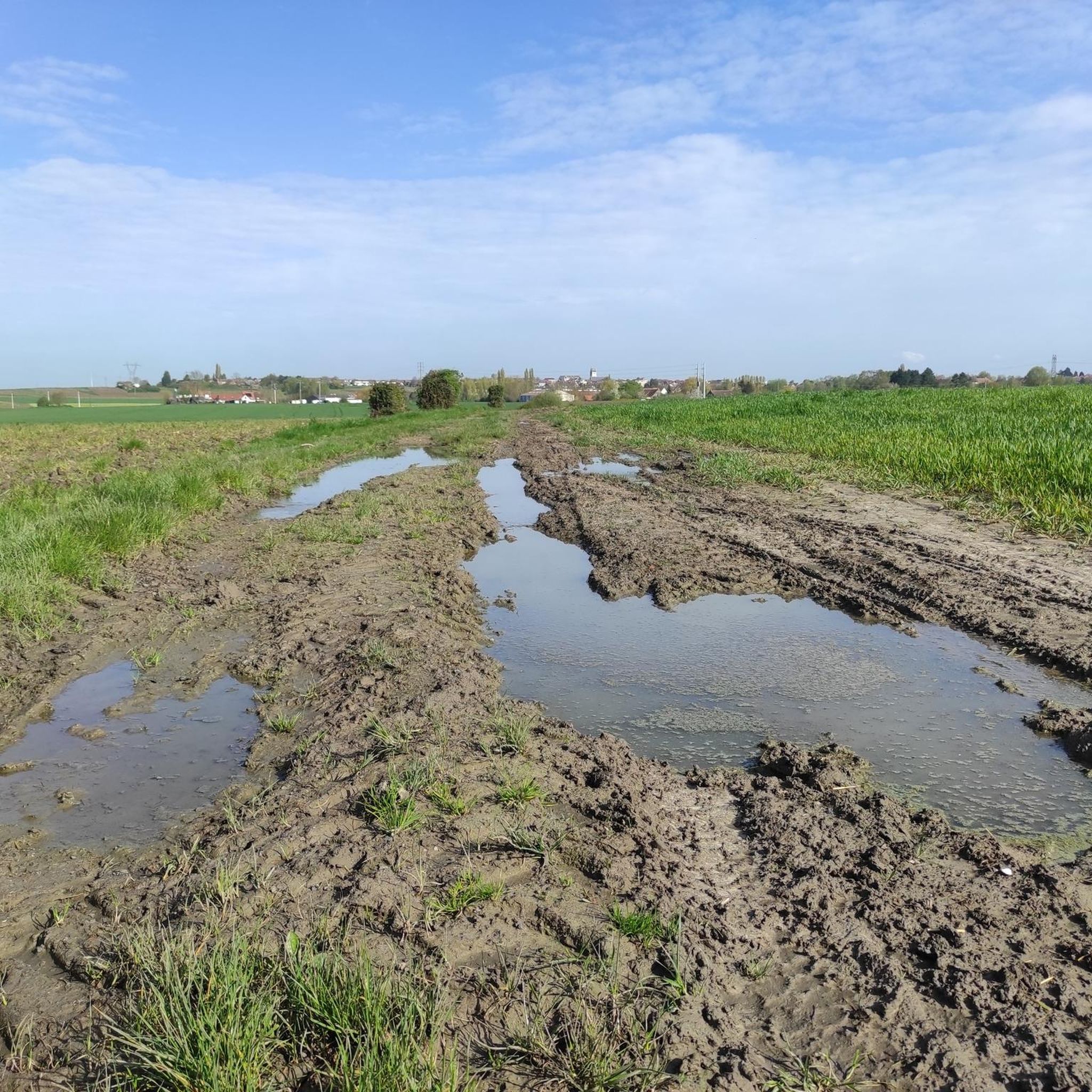

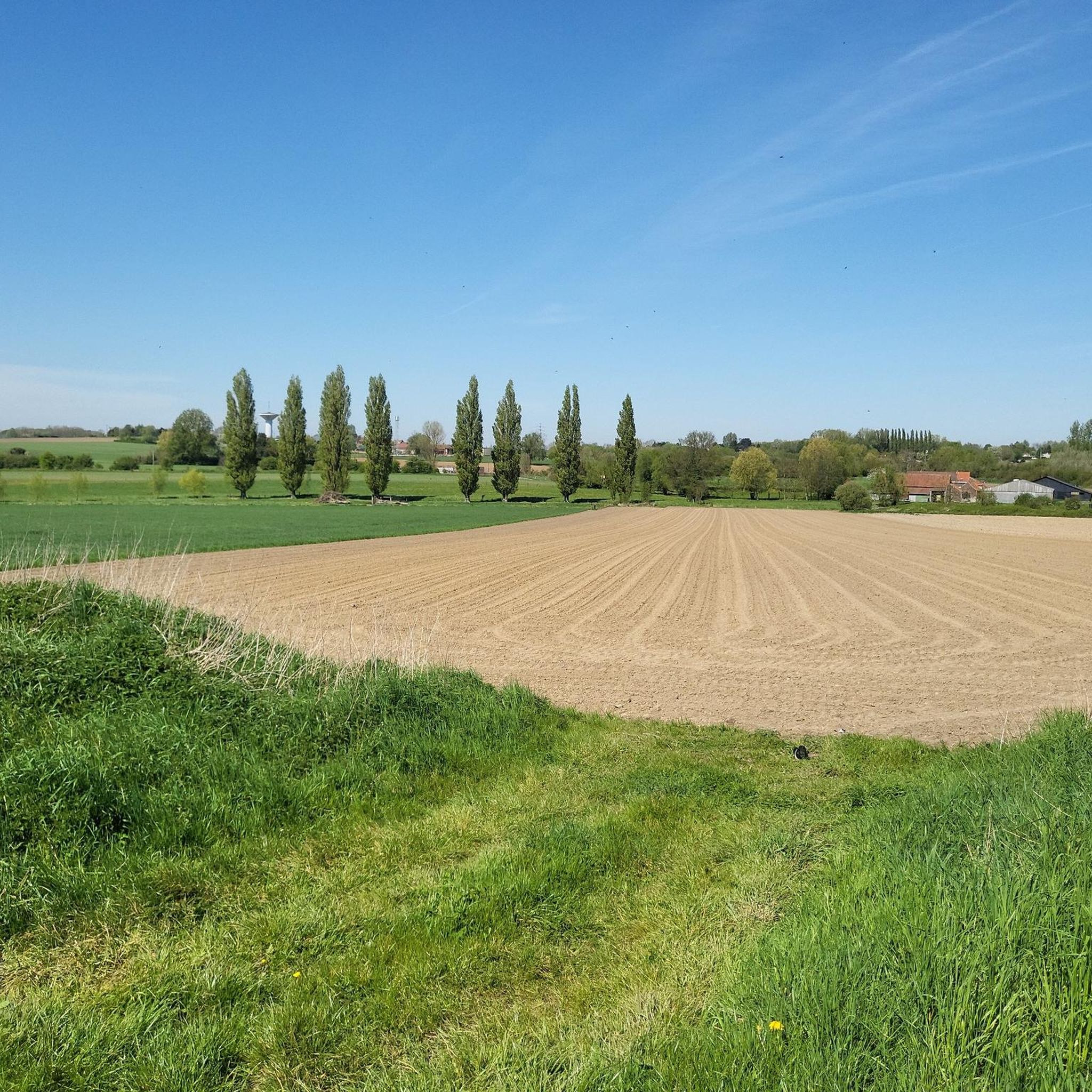

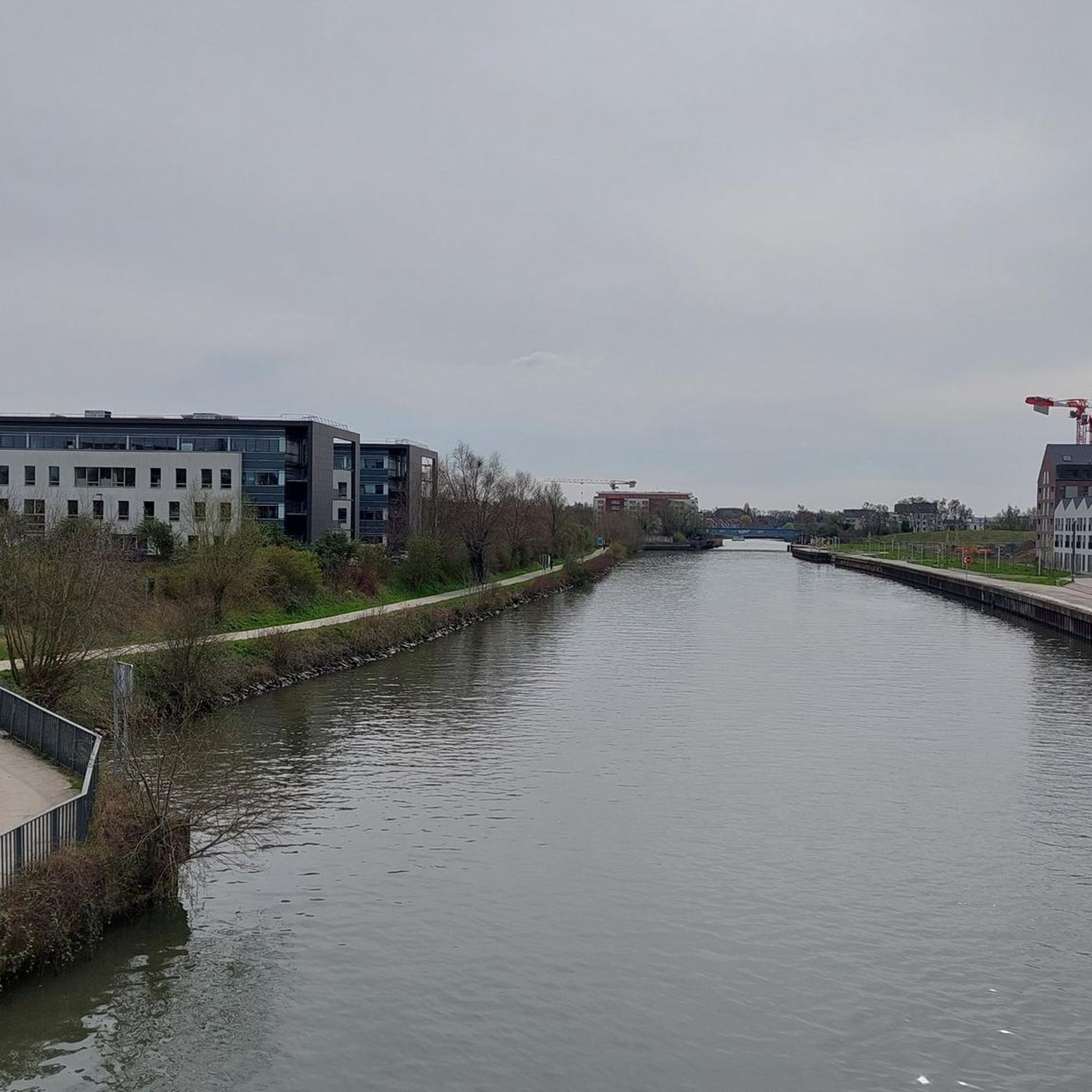
Tips from the Community

asphalt cycle path.
0
0

We also visited the cathedral and the Market Place, a very pleasant area with restaurants.
1
0

The Vauban Garden was created in the mid-19th century, in 1865. At that time, the city of Lille was expanding, and this was an opportunity for the city to create new green spaces, places for walking where the people of Lille could enjoy nature. In this garden, the bourgeoisie liked to show off, and the workers, from the industrial districts, enjoyed breathing the fresh air, far from the factories. First called the Empress Eugenie Park, the Vauban Garden took its current name in 1870. It became a listed site in 1991. By following the route opposite, take the garden's curving paths, cross its rolling lawns, and discover this romantic place inspired by English gardens. For the creation of this public garden, the City of Lille commissioned the Chief Gardener of Paris. He created and landscaped numerous gardens for the capital, such as the Luxembourg Gardens and the Buttes-Chaumont Park. This highly renowned landscape gardener has worked for other cities in France: Roubaix (Barbieux Park), Marseille, Cambrai, and abroad: Italy, Austria, and Egypt. At the bottom of the garden lies a cave from which a waterfall flows, feeding the ponds. Like the river, this cave is not natural: it was built of reinforced concrete and stone rubble. Over time, the accumulation of limestone dissolved in the water and trapped by plants (mosses) has revealed new rock, forming large blocks on the sides of the cave.
1
0
The Palais Rameau was built in 1878 thanks to the bequest of Charles Rameau, President of the Lille Horticultural Society. It was originally intended for flower and fruit exhibitions, as well as for music and the arts. The project was entrusted to Lille architects Auguste Mourcou and Henri Contamine. Its architecture, based on the principle of a horticultural greenhouse, blends regional and oriental influences. Over time, it had lost its original purpose, serving notably as an examination center from 1930 to 1960. The Palais Rameau underwent a major renovation to see the birth of an innovative project, combining science, education, and experimentation, focused on urban agriculture. This project is the result of a partnership between the City of Lille, which owns the building, and Junia, the engineering school, which wanted to develop a demonstration project for the "Agriculture and Food of Tomorrow" there. The goal is to offer students, as well as professors and researchers, and residents an ecosystem conducive to discovering and reinventing the agriculture and food of tomorrow. The ambition of this space is to make it the first European demonstration site for urban agriculture and food. Ultimately, 3,600m² of space dedicated to the agriculture of tomorrow will be open, as well as 5,500m² of outdoor spaces.
0
0
The Church of the Sacred Heart is a church located at the intersection of Rue Nationale and Rue Solférino, in the Lille-Centre district of Lille. Built during the last decades of the 19th century, it contains a set of eleven stained-glass windows, listed as a historic monument since 1983. The building was constructed following a vow made by the Ladies of the Association of the Children of Mary of the Sacred Heart (in the Chapel of the Ladies of the Sacred Heart, Rue Royale) on October 7, 1870, to protect Lille from Prussian invasion. About ten years later, when the parish church was already open for worship, a second vow was made by the town's ladies concerning the construction of a chapel dedicated to the Sacred Heart (the Vow Chapel, an apsidal chapel located behind the choir) and intended to become a special place of contemplation within the church itself. The church was built by the architect Jules Batigny between 1875 and 1878 and again between 1895 and 1898. The apsidal chapels were added during the second half of the 1880s. When the church was consecrated on June 20, 1902, the bell tower was not yet completed. On this occasion, Marie-Alphonse Sonnois, Archbishop of Cambrai (at that time, Lille did not yet have its own diocese and was therefore incorporated into that of Cambrai), consecrated the city of Lille to the Sacred Heart of Jesus. On June 12, 1910, a major congress of the Guard of Honor of the Sacred Heart was held, presided over by Monsignor François-Marie-Joseph Delamaire (coadjutor bishop). The 75-meter-high bell tower was not completed until 1928 by the architect Charles Sarazin. Built of reinforced concrete, it was unable to withstand the elements and had to be completely restored from 2005 to 2008. The bell tower houses a carillon of several bells that has been silent for several years... Only seven stained-glass windows have been restored. The building is still awaiting the restoration of the other five, which are in poor condition. In April 2018, the church was closed to worship by municipal decree for six months. The reason was the presence of dry rot.
1
0

In front of the tourist information office in the heart of Mesen stands an impressive bronze statue commemorating an exceptional moment of humanity during the First World War: the Christmas Truce of 1914. The statue, designed by British artist Andrew Edwards, depicts a British and a German soldier shaking hands, with a football at their feet. It symbolizes the spontaneous ceasefire on Christmas Day, when soldiers from both sides left their trenches, sang Christmas carols together, exchanged gifts, and even played a game of football in no man's land. After a tour through Europe – with stops at Wembley Stadium and Ypres, among others – the statue found its permanent home in Mesen in 2015, where the Christmas Truce actually took place. It is 3.7 meters long and 2.5 meters high, and radiates a powerful message of peace, unity, and hope.
7
0


Frequently Asked Questions
How many road cycling routes are available around Marquette-Lez-Lille?
There are nearly 900 road cycling routes around Marquette-Lez-Lille. This includes over 240 easy routes, more than 600 moderate routes, and a selection of challenging options for experienced riders.
What kind of terrain can I expect on road cycling routes in Marquette-Lez-Lille?
Road cycling routes in Marquette-Lez-Lille are generally characterized by well-maintained paths and accessible green spaces. You'll find mostly flat to gently rolling terrain, particularly along the Deûle and Marque canals, making it suitable for various fitness levels. Some routes, like the Godtschalckstraat – Nieuw Zeelandersstraat climb loop, offer more significant elevation for those seeking a challenge.
Are there any scenic canal-side routes for road cycling?
Yes, the banks of the Deûle and Marque canals are a significant draw for cyclists, offering pleasant, well-developed cycling paths. These routes provide adaptable distances and opportunities to observe local biodiversity, creating a feeling of being in nature even near urban areas.
What are some notable landmarks or attractions I can see along road cycling routes?
Many routes offer views of local attractions. You can cycle past historic sites like the Citadel of Lille, or enjoy the tranquility of natural areas such as Heron Lake and the Vert Digue Nature Reserve. The Gazebo at Place de Messines – Ponds of the Chemin du Bon Coin loop, for example, takes you through picturesque pond areas.
Are there any family-friendly road cycling routes in Marquette-Lez-Lille?
Yes, the region offers many easy routes with minimal elevation gain, perfect for families. The well-maintained canal paths and routes through local parks like Parc Wicar or Domaine du Vert-Bois are particularly suitable for a relaxed family ride. The Montagne de Wervicq – Bucolic Route is an easy option that provides varied local scenery.
What do other road cyclists say about the routes in Marquette-Lez-Lille?
The road cycling routes in Marquette-Lez-Lille are highly rated by the komoot community, with an average score of 4.4 stars from over 1,600 reviews. Cyclists often praise the well-maintained paths, the varied scenery from urban to natural landscapes, and the accessibility of green spaces.
Can I find circular road cycling routes in the area?
Yes, many road cycling routes around Marquette-Lez-Lille are designed as loops, offering convenient circular journeys. Examples include the Sacred Heart Church – Rameau Palace loop and the Beau chemin – Ponds of the Chemin du Bon Coin loop, allowing you to start and finish at the same point.
Are there any parks or green spaces accessible by road bike?
Marquette-Lez-Lille is rich in green spaces. You can easily access parks like Parc Ravel, Parc Wicar, and the expansive Domaine du Vert-Bois by road bike. These areas often feature picnic tables, sports facilities, and pleasant paths, making them great spots for a break during your ride.
What is the best time of year for road cycling in Marquette-Lez-Lille?
While road cycling is enjoyable year-round, the spring and autumn months typically offer the most pleasant conditions with mild temperatures and beautiful scenery. Summer is also popular, especially along the shaded canal paths. Winter rides are possible, but be prepared for cooler temperatures.
Are there options for more challenging road cycling routes?
While much of the terrain is flat, there are routes that offer more challenge. For instance, the Godtschalckstraat – Nieuw Zeelandersstraat climb loop features over 320 meters of elevation gain over its 61-kilometer distance, providing a more demanding ride for experienced cyclists.
Are there any historical sites or castles reachable by road bike?
Absolutely. The region is dotted with historical sites. You can cycle to the Citadel of Lille, which is an easy bike ride away, or explore areas near Château de La Fontaine and Robersart Castle, offering a blend of history and scenic routes.
Most popular routes around Marquette-Lez-Lille
Most popular attractions around Marquette-Lez-Lille

Get inspired with the komoot mobile app


Explore more
Browse the best Road cycling routes in other regions.
