Top 20 Natural Monuments around Saint-Agnan-En-Vercors
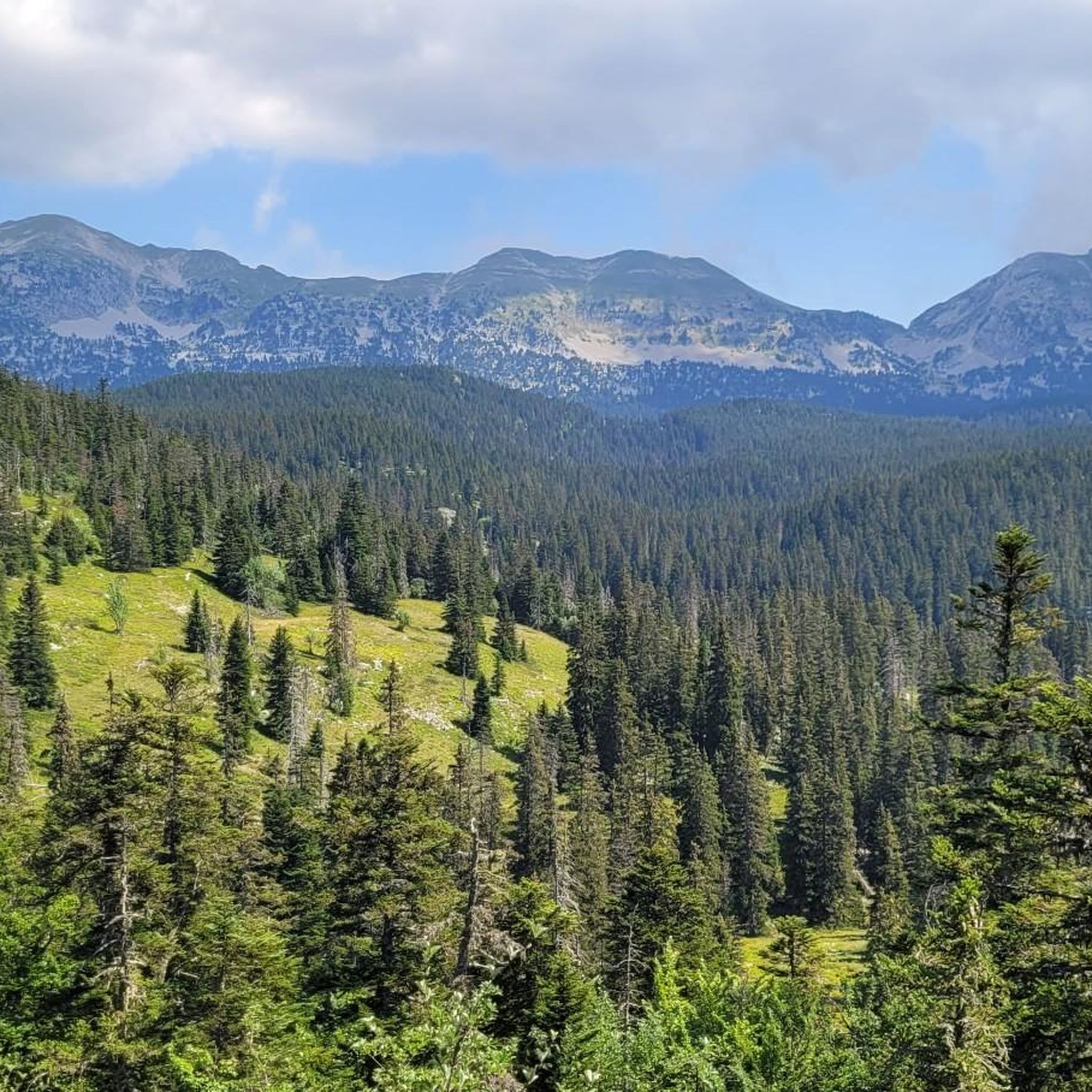
Natural monuments around Saint-Agnan-En-Vercors are located within the Vercors Regional Natural Park, an area characterized by diverse and rugged landscapes. This region features a natural citadel of limestone, deep gorges, and high plateaus. The park offers an extensive network of marked trails, inviting exploration of its natural heritage.
Best natural monuments around Saint-Agnan-En-Vercors
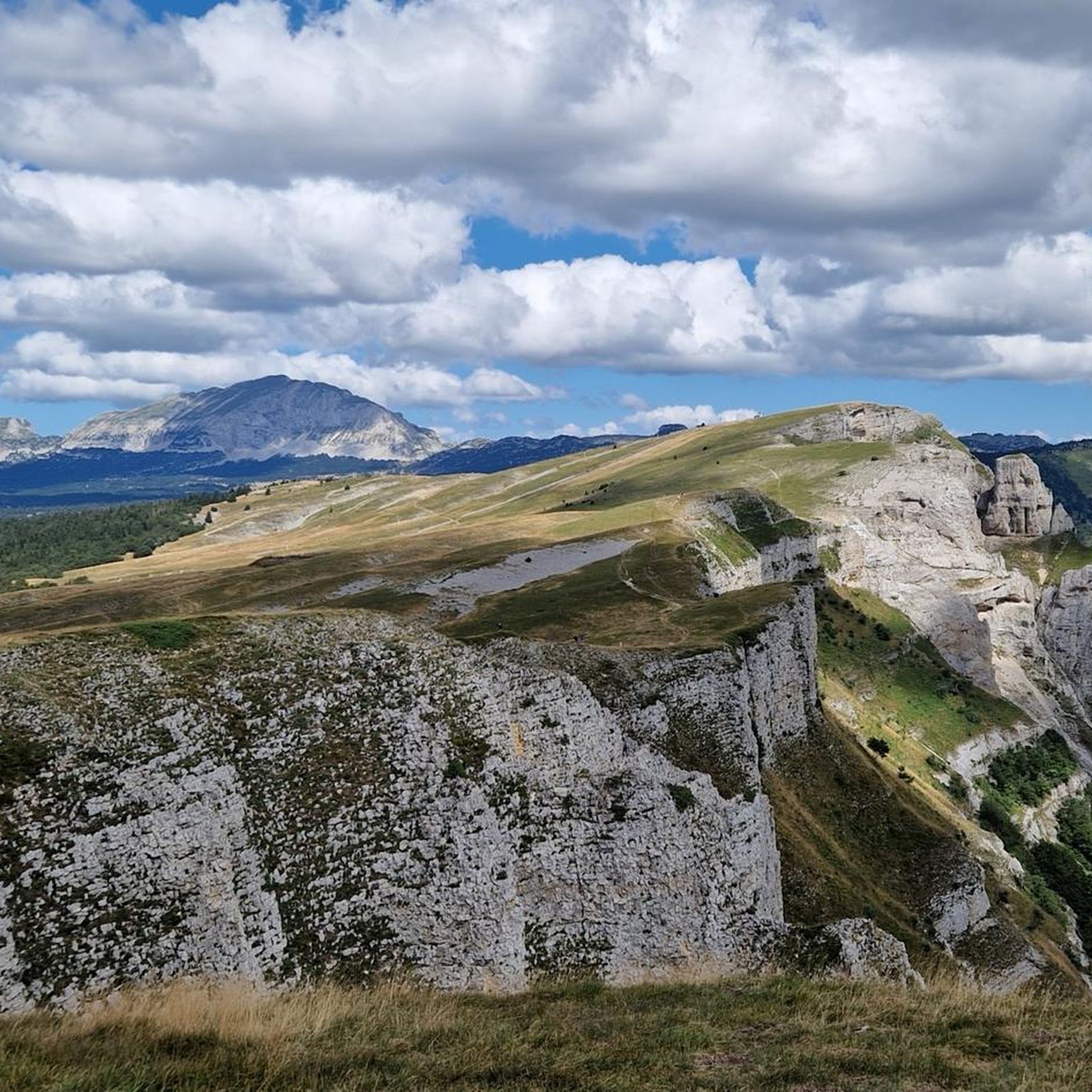
- The most popular natural monument is Grand Veymont, a summit that is the highest point of the Vercors massif. It offers views of the Alps and…
Last updated: November 9, 2026
Cirque of Combe Laval
Highlight (Segment) • Gorge
Showing Translation
Tip by

Grand Veymont
Highlight • Summit
Translated by Google •
Tip by

Sign up now to discover places like this
Get recommendations on the best single tracks, peaks, & plenty of other exciting outdoor places.
Col de Rousset Pass and Tunnel
Highlight • Mountain Pass
Translated by Google •
Tip by

Col d'Herbouilly
Highlight • Mountain Pass
Translated by Google •
Tip by

Font d'Urle Ice Cave
Highlight • Cave
Translated by Google •
Tip by

Sign up for free to discover even more natural monuments around Saint-Agnan-En-Vercors.
Already have an account?
Start today with a free account
Your next adventure awaits.
Popular around Saint-Agnan-En-Vercors

Tips from the Community

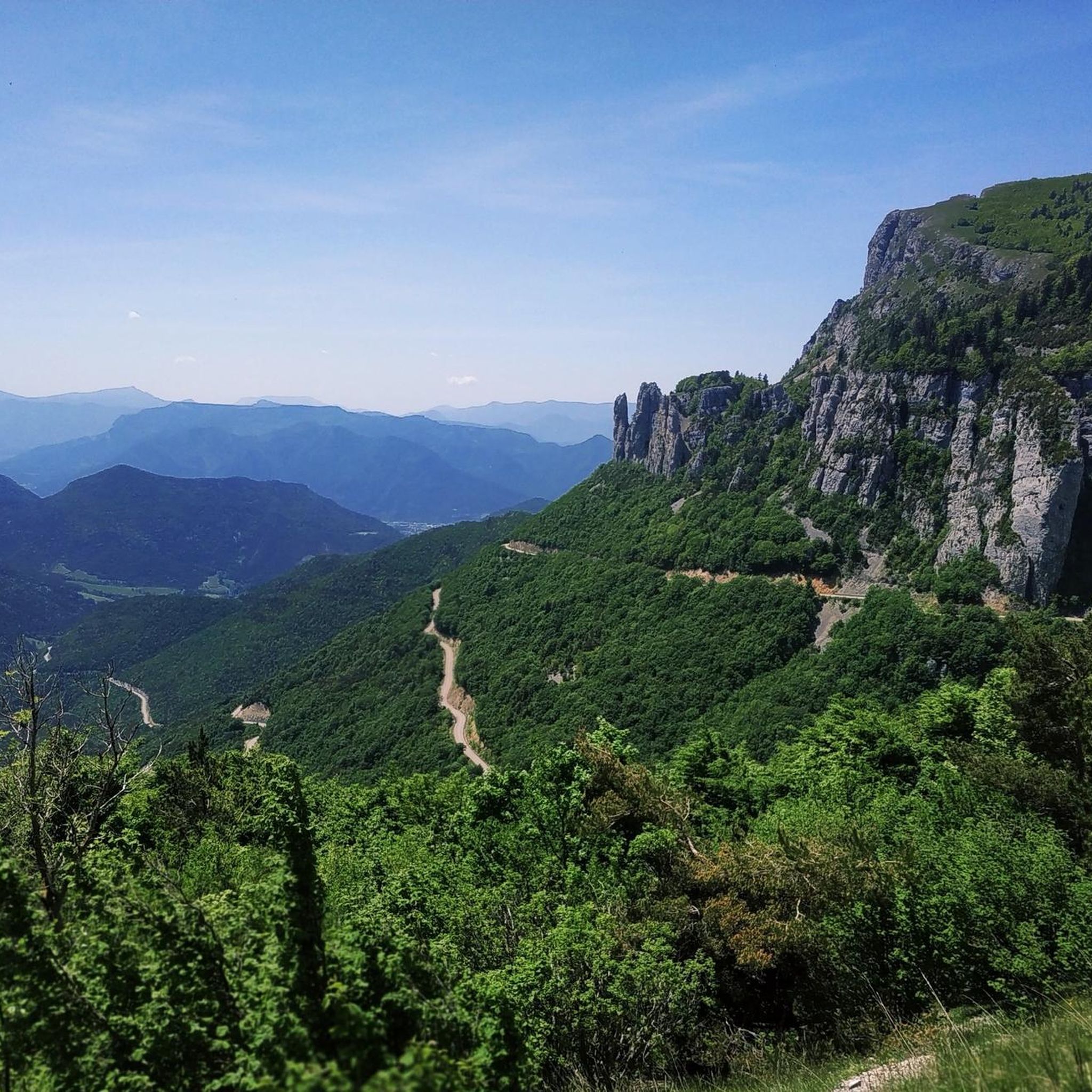
Prepare to experience one of the most spectacular and exciting road routes in Europe! The Combe Laval road, nestled in the Vercors massif, is a true engineering masterpiece of the 19th century. Also known as the "road of dizziness," it winds for about 4 kilometers literally carved into the limestone rock, offering passages through suggestive tunnels and natural balconies with breathtaking drops that will take your breath away.
14
0
La Combe Laval is one of the most spectacular scenic roads in the Vercors massif. The D76 was carved into the rock face between the 19th and 20th centuries and passes through a succession of tunnels, ledges, and sections suspended over the valley.
12
0
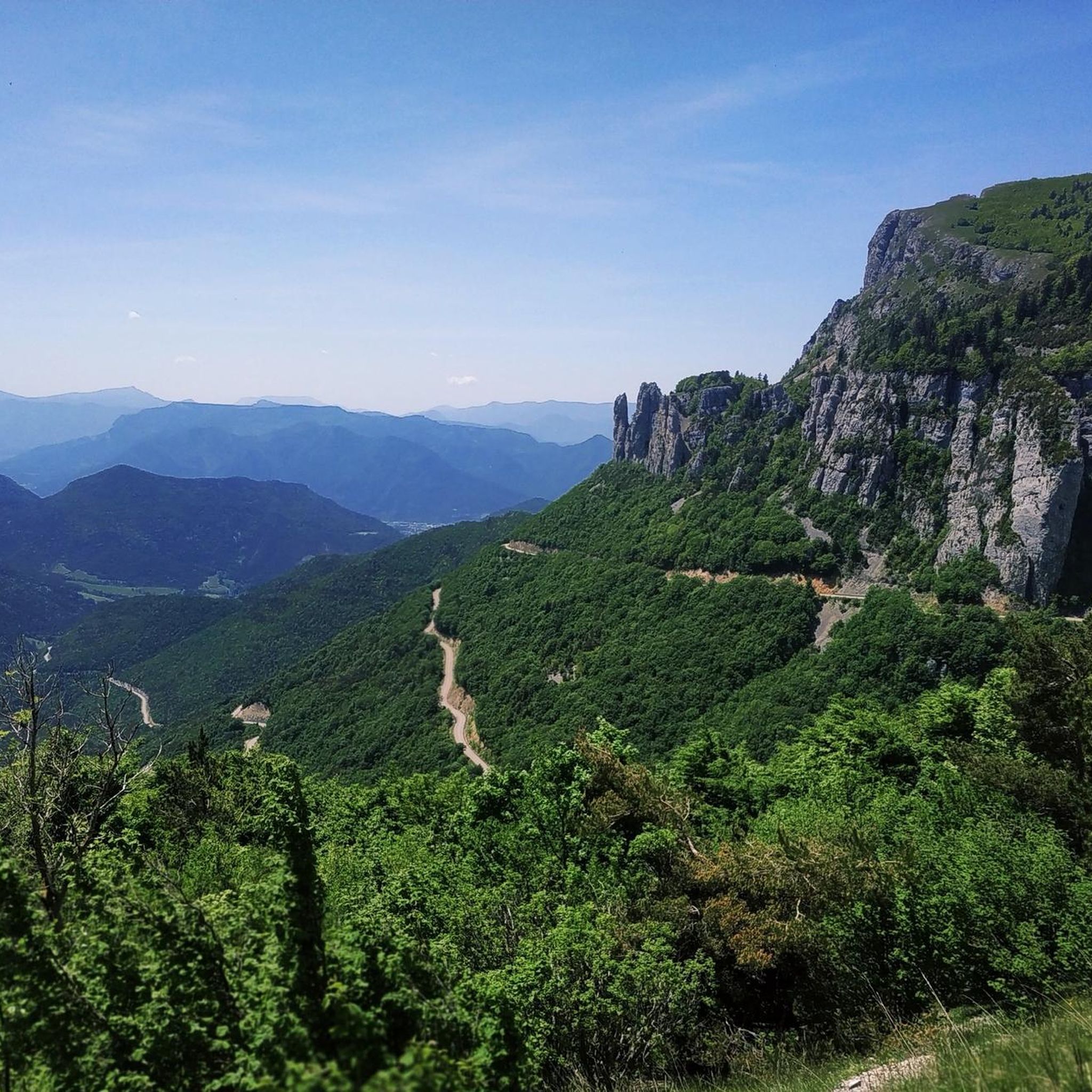
One of the symbolic climbs of the Vercors. The road climbs through forests and rocky walls up to the pass, offering spectacular views of the Drôme valley. A very evocative climb, popular with cyclists, ideal for immersing yourself completely in the wild landscape of the Vercors.
11
0
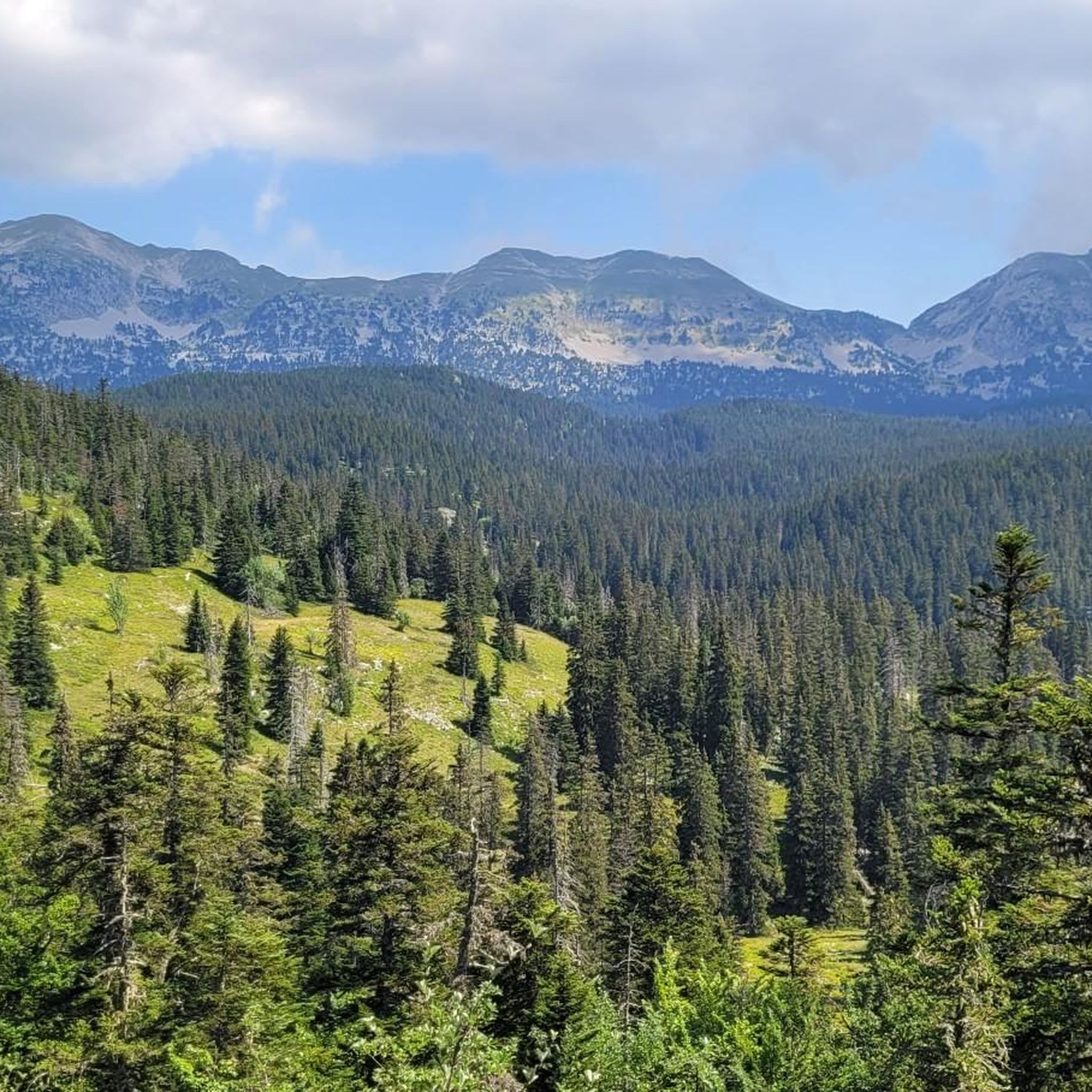
One of the most striking passes in the Vercors, nestled between dense forests and wide mountain landscapes. The climb offers a wild and tranquil environment, with the road winding through woods and plateaus. An ideal place to savor the most authentic and spectacular side of the Vercors by bike.
8
0
The climb starts quite gently from Chamaloc and becomes progressively more challenging as you enter the spectacular valley. The most scenic part is the final section, with hairpin bends set into the rock faces and the impressive crossing of the Col du Rousset tunnel.
12
0
For fat bikes only
10
0
🚴 Col du Rousset – Chamaloc side * Start: Chamaloc * Finish: Col du Rousset * Altitude: approx. 1,254 m * Length: approx. 11 km * Elevation gain: approx. 650 m * Average gradient: ~6% * Maximum gradients: around 9–10% * Surface: asphalted and generally in good condition
11
0
Splendid panoramic viewpoint immersed in nature, ideal for a short break during the route
11
0
Frequently Asked Questions
What are some unique natural monuments to explore in the Vercors near Saint-Agnan-en-Vercors?
The region offers several unique natural monuments. You can visit Grand Veymont, the highest point of the Vercors massif, offering stunning views and a chance to spot ibexes. Another must-see is the Combe Laval Cirque, a spectacular road carved into limestone escarpments with breathtaking panoramic views. For a different experience, explore the Font d'Urle Ice Cave, a natural cavity with ice formations even in summer.
Are there any historical natural monuments in the area?
Yes, the Grotte de la Luire (Cave of La Luire) is a significant historical site. Beyond its natural beauty, it played a crucial role during World War II and has been classified as a National Heritage site since 1946. Guided tours offer insight into its history and geological formations.
What kind of wildlife can I expect to see around the natural monuments?
The Vercors Regional Natural Park is rich in biodiversity. When exploring areas like the Hauts-Plateaux du Vercors National Nature Reserve or hiking near Grand Veymont, you might encounter wildlife such as ibexes, marmots, and various bird species, including vultures. The reserve alone is home to 72 mammal species and 1800 plant species.
Are there family-friendly natural monuments suitable for children?
Many natural monuments in the Vercors can be enjoyed by families. The Font d'Urle Ice Cave offers an exciting exploration for children, just remember to bring flashlights and appropriate footwear. Additionally, the 45th Parallel North Monument is a symbolic and educational spot that can be interesting for families.
What outdoor activities can I do near these natural monuments?
The Vercors Regional Natural Park is an ideal destination for outdoor enthusiasts. You can enjoy extensive hiking on over 4,000 km of marked trails, cycling along scenic routes like the Combe Laval Cirque, or even caving and climbing. In winter, the Col de Rousset offers various winter sports. For more detailed route information, check out the nearby hiking and cycling guides.
Are there specific hiking trails to explore the natural monuments?
Yes, the Vercors offers numerous hiking opportunities. You can find trails that lead to the summit of Grand Veymont, offering panoramic views. The Hauts-Plateaux du Vercors National Nature Reserve also has a wide network of trails for a true wilderness experience. For specific routes, refer to the Hiking around Saint-Agnan-En-Vercors guide.
Can I go cycling to see the natural monuments?
Absolutely! The Vercors is very popular with cyclists. The Combe Laval Cirque is a famous route known for its exceptional panorama and challenging sections. The Col de Rousset is another popular spot for cycling, featuring an automatic timing system. You can find more cycling routes in the Cycling around Saint-Agnan-En-Vercors guide.
What are some notable viewpoints to experience the Vercors landscape?
For breathtaking vistas, the summit of Grand Veymont provides 360-degree views of the Alps and the Vercors plateaus. The Combe Laval Cirque road offers continuous panoramic views of the valley below. Additionally, the Col de Rousset, at 1250 meters, provides sweeping views of the Vercors massif, and the Col de l'Allimas offers one of the most beautiful views of the massif, including Grand Veymont and Mont Aiguille.
What is the best time of year to visit the natural monuments around Saint-Agnan-en-Vercors?
The Vercors region is beautiful year-round, but the best time depends on your preferred activities. Spring and summer (May to September) are ideal for hiking, cycling, and exploring caves, with pleasant weather. Autumn offers stunning foliage. Winter transforms the landscape into a snowy wonderland, perfect for winter sports at places like Col de Rousset, though some higher-altitude trails may be inaccessible.
What makes the Vercors Regional Natural Park a significant natural monument itself?
The Vercors Regional Natural Park is often described as a 'natural citadel' due to its unique geological features. It encompasses a vast area characterized by dramatic limestone formations, deep gorges, chasms, high plateaus, and verdant valleys. Its commitment to preserving its diverse environments, flora, and fauna, along with its extensive network of trails, makes the entire park an exceptional natural heritage site.
What should I wear when visiting the natural monuments in the Vercors?
Given the diverse and often rugged terrain, it's advisable to wear sturdy hiking boots or appropriate outdoor footwear. Layers of clothing are recommended as weather conditions can change quickly, especially at higher elevations. For cave explorations, like the Font d'Urle Ice Cave, bring a warm jacket and a flashlight, even in summer, as temperatures inside remain cold.
Are there any natural monuments that are particularly challenging to reach?
Some of the higher summits and more remote areas within the Hauts-Plateaux du Vercors National Nature Reserve can be challenging. For instance, reaching the summit of Grand Veymont involves a difficult hike. These areas often require good physical condition, proper gear, and experience with mountain terrain. Always check trail conditions and difficulty ratings before embarking on a challenging route.
What do visitors enjoy most about the natural monuments in this region?
Visitors consistently praise the stunning panoramic views, especially from summits like Grand Veymont and passes like Col de Rousset and Col de l'Allimas. The unique geological formations, such as the carved road of Combe Laval Cirque and the ice formations in the Font d'Urle Ice Cave, are also highly appreciated. The chance to encounter wildlife like ibexes adds to the memorable experience.
Most popular routes around Saint-Agnan-En-Vercors
Most popular attractions around Saint-Agnan-En-Vercors

Get inspired with the komoot mobile app


Explore more
Extend your search for the best caves by checking out these guides of the top ones around Saint-Agnan-En-Vercors:
