The best cycling routes around Tersanne
4.0
(83)
810
riders
127
rides
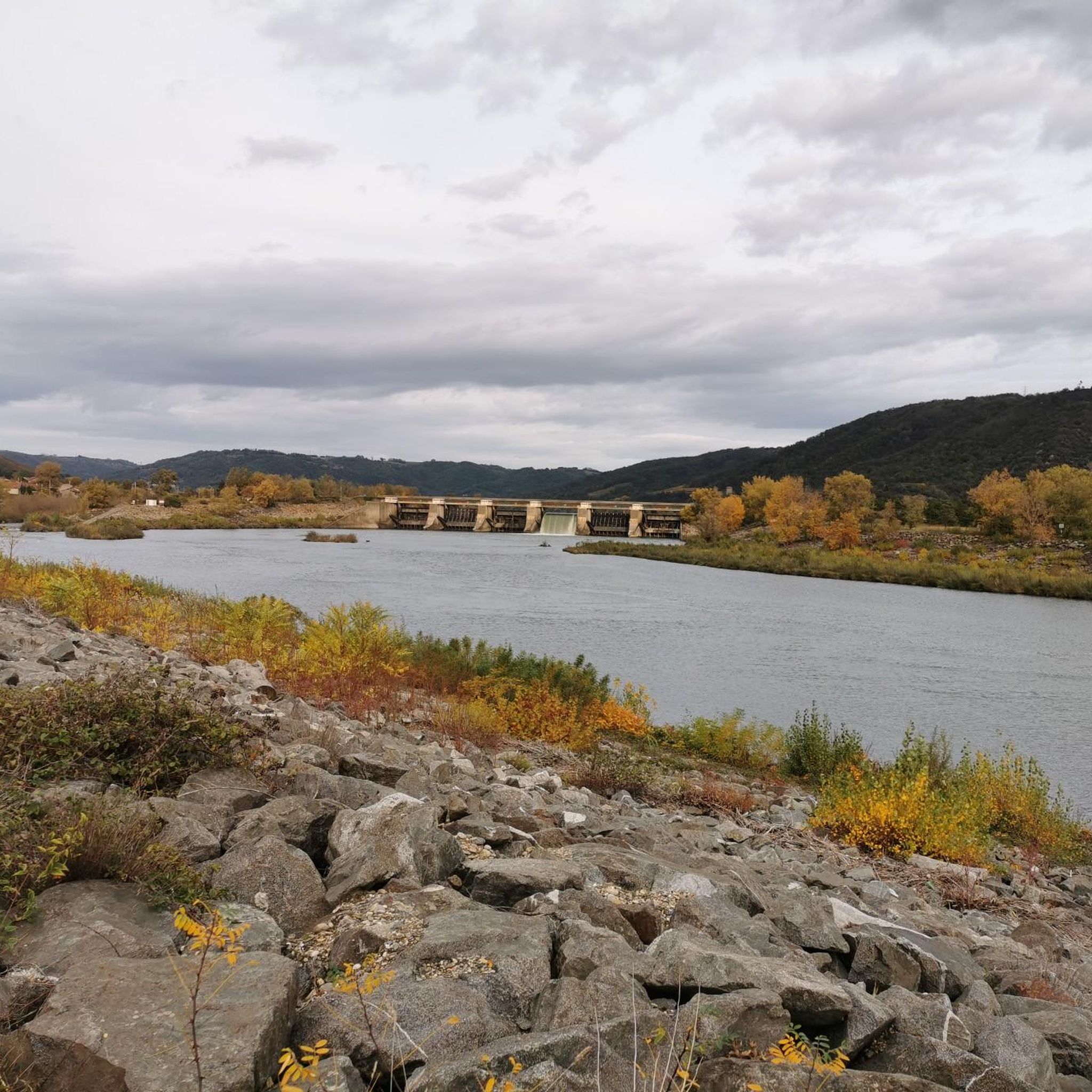
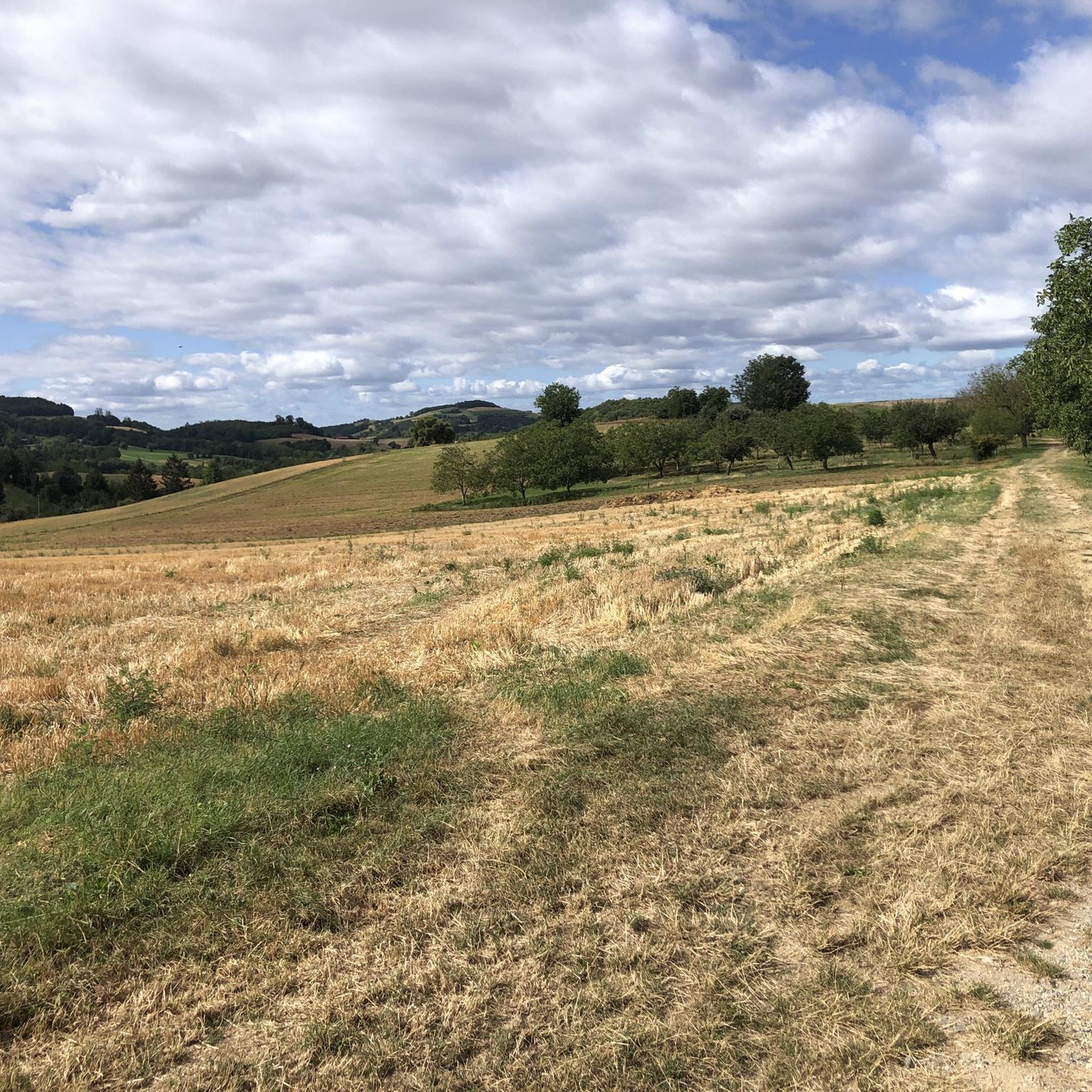
Tersanne cycling routes traverse the picturesque Drôme des Collines region, characterized by rolling hills and plateaus that offer varied terrain for cyclists. The area features extensive farming fields, vineyards, and orchards, providing a tranquil experience of rural France. River valleys and greenways offer flatter, often traffic-free options, while distant vistas of the Vercors mountains and Rhône Valley add to the scenic backdrop.
Best touring cycling routes around Tersanne
- The most popular touring cycling route is Naturlehrpfad – Passerelle Marc-Seguin loop…
Last updated: October 4, 2026
3.0
(1)
27
riders
24.1km
02:08
440m
440m
Moderate bike ride. Good fitness required. Mostly paved surfaces. Suitable for all skill levels.
4.0
(1)
12
riders
57.5km
03:34
510m
510m
Hard bike ride. Very good fitness required. Mostly paved surfaces. Suitable for all skill levels.

10
riders
23.1km
02:00
370m
380m
Moderate bike ride. Good fitness required. Mostly paved surfaces. Suitable for all skill levels.
4.8
(4)
11
riders
26.3km
01:43
380m
380m
Moderate bike ride. Good fitness required. Mostly paved surfaces. Suitable for all skill levels.
3.3
(4)
16
riders
15.2km
00:54
100m
100m
Easy bike ride. Great for any fitness level. Mostly paved surfaces. Suitable for all skill levels.
Get access to more routes and recommendations from other explorers.
Already have an account?
Our route recommendations are based on thousands of hikes, rides, and runs completed by other people on komoot.
Start today with a free account
Your next adventure awaits.


Tips from the Community

The first footbridge built by Marc Seguin between Tournon and Tain in 1825 was revolutionary for its time. It was the world's first iron cable suspension bridge, a true technical feat for the era. This footbridge helped facilitate trade and strengthen ties between the two towns. However, the original footbridge underwent several transformations over time. It was first raised to allow the passage of steamships, then a second footbridge was built by Marc Seguin in 1847, still based on the iron cable suspension principle. The two footbridges coexisted for a time, the first being used for pedestrian traffic and the second for road traffic. As road traffic intensified over time, it became necessary to build a new bridge to facilitate circulation. This is how the Gustave Toursier bridge was built in 1958. Located about 350 meters downstream from the Marc Seguin footbridge, this suspension bridge over 240 meters long comprises three spans. It is designed to support road traffic, thus facilitating exchanges between the two municipalities. The current footbridge, inaugurated in 1972, is therefore the fourth of its name. It was designed to resemble the 1847 footbridge, while meeting current safety standards and needs. https://www.ardeche-hermitage.com/fr/zoom-sur/la-passerelle-marc-seguin-celebre-son-bicentenaire/
1
0

A truly beautiful stretch of the route! The stunning scenery and excellent cycle paths make cycling on the ViaRhôna a very special experience! :-)
0
0

Hello everyone, Please note that the footbridge crossing the Rhône between Tournon and Tain is closed until November 28th due to ongoing construction. You must use the motorway bridge 500m away… it's much less pleasant.
1
0
The Marc Seguin Suspension Bridge in Tournon-sur-Rhône is a 19th-century engineering masterpiece and one of the oldest suspension bridges in Europe. A stroll over the Rhône offers impressive views of the river and the surrounding vineyards. Tournon's old town boasts charming alleyways, historic buildings, and a Renaissance palace. Wine lovers can sample local wines from the Cornas and Saint-Joseph regions. The combination of engineering, nature, and history makes this place an unforgettable experience. By the way, cycling is prohibited and police patrol the area!
1
0
The Tournon-sur-Rhône War Memorial impressively commemorates the fallen of both World Wars. It is centrally located in the old town, near the Rhône River and the castle. The bronze figure and delicate reliefs convey quiet dignity and gratitude. A brief stop is worthwhile for history buffs and strollers alike.
0
0

This pleasant stretch of cycle path on the ViaRhôna offers beautiful views of Saint-Vallier. A nearby bridge provides access to the town if you wish to take a break.
0
0


I have seen it several times and it is truly a unique monument 🙂
4
0
Frequently Asked Questions
How many touring cycling routes are available around Tersanne?
There are over 120 touring cycling routes around Tersanne, offering a wide variety of options for different skill levels. These routes are highly rated by the komoot community, with an average score of 4.1 stars from over 70 reviews.
What kind of terrain can I expect when cycling in the Drôme des Collines region?
The Drôme des Collines region is characterized by rolling hills and plateaus, providing varied terrain with satisfying climbs and descents. You'll also find routes winding through pleasant countryside, extensive farming fields, vineyards, and orchards. For flatter options, river valleys and greenways offer more relaxed rides, often traffic-free.
Are there easy touring cycling routes suitable for beginners or families?
Yes, among the routes around Tersanne, 17 are classified as easy. An example is the Charrière Priory loop from Hauterives, which is a relatively flat 15.5 km (9.6 miles) route with minimal elevation gain, ideal for a relaxed ride.
What are some notable landmarks or attractions I can visit along the cycling routes?
Cycling routes in the Drôme des Collines often lead through charming villages and past historical sites. A significant cultural attraction within reasonable cycling distance is the Palais Idéal du Facteur Cheval in Hauterives. Other points of interest include the Collegiate Church of Saint Peter and Saint Paul and the scenic Barbe Bleue Pass - 352 m.
When is the best time of year to go touring cycling around Tersanne?
The region is enjoyable for cycling throughout much of the year. Spring offers vibrant blossoms in the orchards and vineyards, while late summer and autumn provide abundant harvests. The rolling hills and varied landscapes are beautiful in milder weather, making spring and autumn particularly pleasant for touring cyclists.
Are there any long-distance or challenging routes for experienced touring cyclists?
Absolutely. For experienced cyclists seeking a challenge, there are 55 difficult routes available. The Naturlehrpfad – Passerelle Marc-Seguin loop from Châteauneuf-de-Galaure is a demanding 184.2 km (114.4 miles) route with significant elevation changes, offering extensive exploration through varied landscapes. Another challenging option is the Passerelle Marc-Seguin – Rhône Dam loop from Châteauneuf-de-Galaure, a 58.0 km (36.0 miles) path featuring notable elevation and views of the Rhône.
Can I find circular touring cycling routes in the Tersanne area?
Yes, many of the touring cycling routes around Tersanne are circular, allowing you to start and end your ride in the same location. For example, the Castle Full of Charms loop from Bathernay is a 22.4 km (13.9 miles) route that takes you through charming countryside, returning to your starting point.
What are the options for parking and public transport access for cyclists?
While specific parking details for every route vary, Tersanne serves as a strategic base within the Drôme des Collines. Many villages along the routes offer public parking. For broader public transport access to the region, you can consult local transport services, though cycling is often the best way to explore the rural areas directly from your accommodation.
Are there places to eat or stay along the touring cycling routes?
The Drôme des Collines region is known for its charming villages and local gastronomy. You'll find opportunities to sample local delicacies, including wines from the Côtes du Rhône, and discover cafes, restaurants, and accommodation options in towns and villages scattered throughout the area, enhancing your touring experience.
Is it possible to cycle with a dog in the Tersanne region?
Cycling with a dog is generally possible in France, provided your dog is well-behaved and accustomed to cycling. Always ensure your dog is on a leash or safely secured in a trailer or basket, especially on roads or in populated areas. Be mindful of local regulations and ensure your dog has access to water and rest, particularly during warmer months.
What makes the Drôme des Collines region unique for touring cyclists?
The Drôme des Collines stands out for its diverse and engaging environment. Cyclists can enjoy a mix of rolling hills, tranquil countryside, vineyards, and orchards. The region also offers access to river routes like the V63 green route, providing refreshing bathing opportunities and showcasing natural reserves, all framed by distant views of the Vercors mountains and the Rhône Valley.
Can I find routes that offer panoramic viewpoints?
Yes, the undulating terrain of the Drôme des Collines provides numerous opportunities for splendid panoramic viewpoints. Routes often ascend to plateaus or hills, rewarding cyclists with expansive views of the surrounding countryside, vineyards, and distant mountains. The Mont Brofard loop from Hauterives, for instance, offers scenic vistas as it traverses the local landscape.
Most popular attractions around Tersanne

Get inspired with the komoot mobile app


Explore more
Browse the best Cycling routes in other regions.
