Attractions and Places To See around Vernègues - Top 20
Best attractions and places to see around Vernègues include historical landmarks, cultural sites, and natural features within the Bouches-du-Rhône department of southern France. The village's history is marked by a 1909 earthquake, leading to its rebuilding at a lower altitude. Situated in the Rhône Valley and the Massif des Costes, the area retains traces of various historical periods, from Neolithic to Gallo-Roman settlements.
Best attractions and places to see around Vernègues
- The most popular attractions is Suspension Bridge of Mallemort…
Last updated: May 9, 2026
Suspension Bridge of Mallemort
Highlight • Bridge
structurae.de/bauwerke/pont-suspendu-de-mallemort
Translated by Google •
Tip by

Mérindol
Highlight • Settlement
This movement was born from the preaching of a simple layman named Vaudès. This religious dissidence was first tolerated …
Translated by Google •
Tip by

Sign up now to discover places like this
Get recommendations on the best single tracks, peaks, & plenty of other exciting outdoor places.
Sign up for free
Mayorques Farm
Highlight • Rest Area
Translated by Google •
Tip by

Saint-Denis Chapel of Calès
Highlight • Religious Site
Translated by Google •
Tip by

Col de Sainte-Anne
Highlight (Segment) • Other
Translated by Google •
Tip by

Sign up for free to discover even more attractions around Vernègues.
Sign up for free
Already have an account?
Start today with a free account
Your next adventure awaits.
Login or Signup

Tips from the Community

A rather pretty ruined bridge. A majestic suspension bridge that must have been truly magnificent in its heyday! On the other side of the current bridge, there's a view of a small village on a lovely little hill, with marshy areas in front; it reminded me (just a little) of a Wish-like Mont Saint-Michel!
0
0

beautiful outing with wonderful weather
0
0

The devil is in the tail! The last 1km sections between 16-20%. On the other side, be careful and don't go too fast. The ambulance that came towards me almost took me away...
0
0

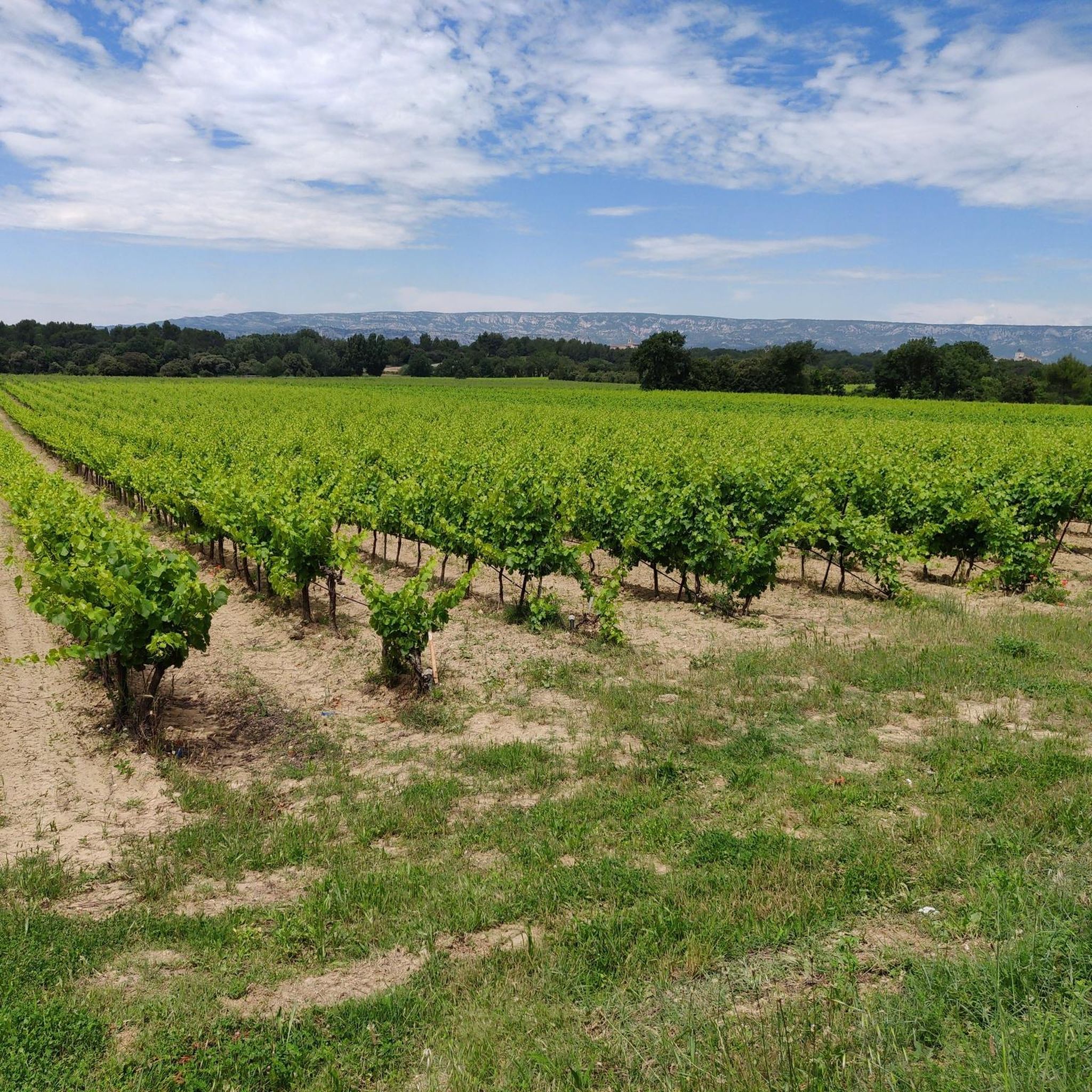
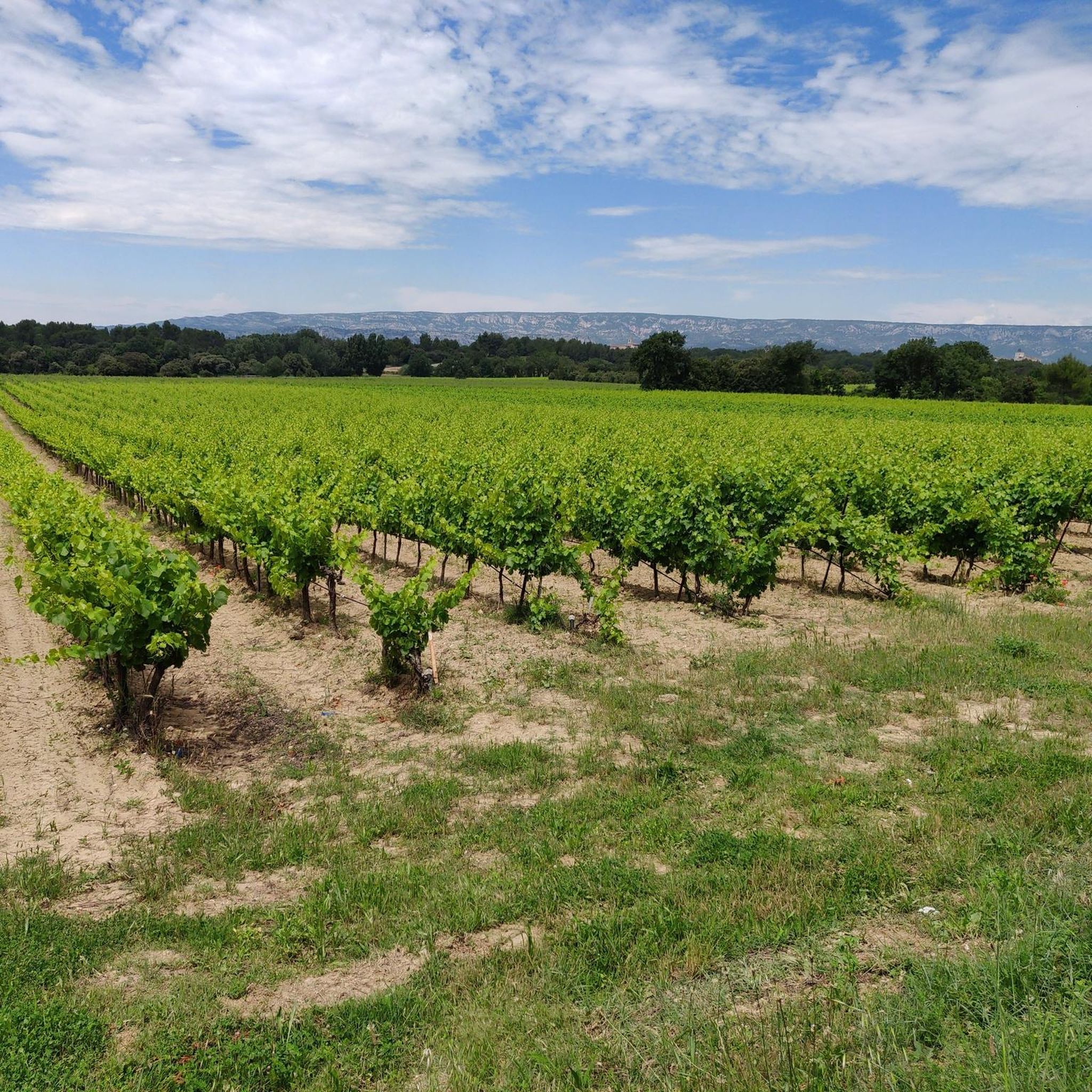
The Luberon, famous for its mountain pastures exploited since Antiquity, is home to an old farm, restored by the Luberon Regional Natural Park, which today serves as a sheepfold and reception center. An apricot orchard, dedicated to the conservation of old varieties, resists despite difficult terrain and recurring droughts. Roger Jouve, a former breeder who grew up on this site, brings his expertise in management and local biodiversity to the park, thanks to his ancestral knowledge.
1
0

The village of Mérindol is directly linked to the Vaudois movement. This movement was born from the preaching of a simple layman named Vaudès. This religious dissidence was first tolerated by the Roman Church. It was then rejected, the name "Vaudois" even becoming synonymous with sorcerer or heretic. The movement of the poor of Lyon (another name given to the Waldensians) was born around the year 1170 from a rich bourgeois from Lyon named Valdès who was keen to return to the humility of the early times of Christianity. Driven out of Lyon, the movement spread where Vaudois preachers could still preach publicly. He settled in Provence and especially in the county of Toulouse, as well as in northern Italy. It is in Mérindol that the bloody massacre of the Vaudois began in 1545. A path of memory remains from this terrible past with some vestiges of these bygone times at the height of the current village.
0
0

The Saint-Denis chapel is located on the north side of the Calès site. It is accessed by a steep path beginning above the Saint-Denis fountain. It was built around 1150 and was the first parish church of the community of Calès and later of the village of Lamanon. It was restored several times between 1989 and 1999. Thanks to these restorations, the church remains the only intact element of the medieval occupation of Calès.
1
0

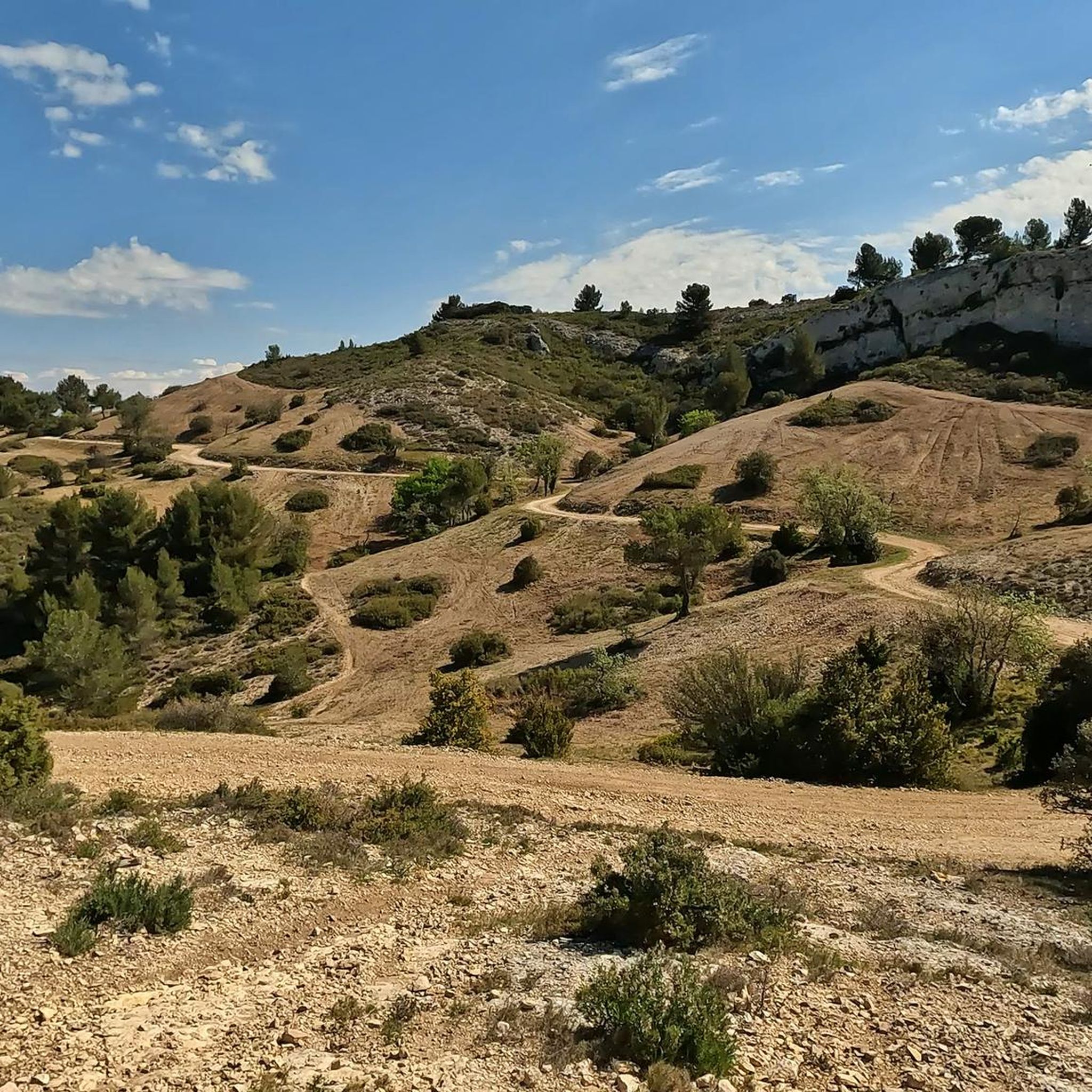
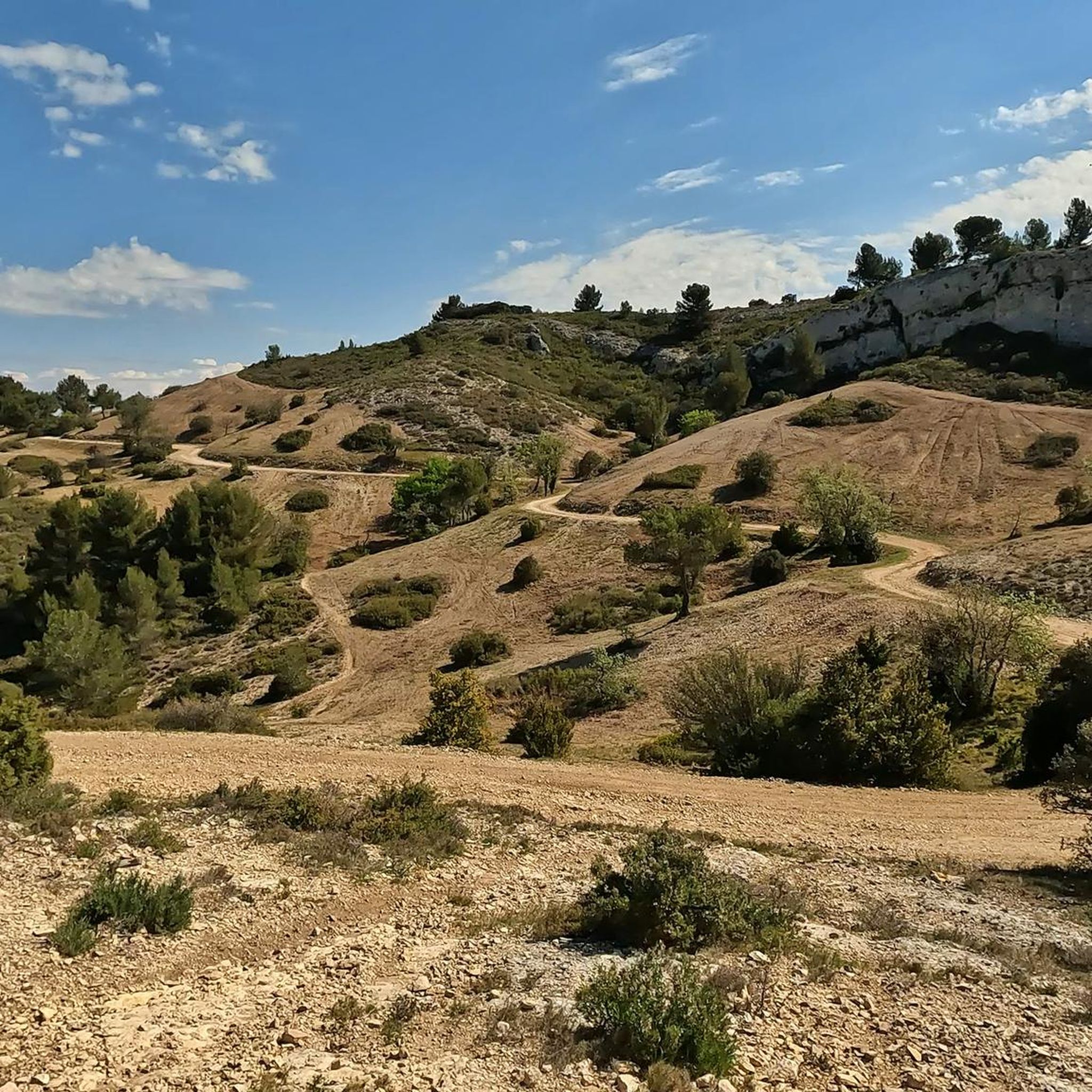
The Col de Sainte Anne de Lambesc is 3.9 km long with a total drop of 228 m. The average gradient is 5.8% with maximum gradients of 13.7%. The steepest slopes arrive in the last 900 meters.
1
0

Steep climb with the venom in the tail, the last 500m you drive past some switchbacks and from then on it gets progressively steeper than 14%. Steepest 100m at 20%. Once at the top it goes down steeply again
5
0
Frequently Asked Questions
What historical sites can I explore around Vernègues?
Vernègues is rich in history. You can visit the ruins of Old Vernègues on the Plateau du Grand Puech, a poignant reminder of the 1909 earthquake, offering vestiges of the seigneurial castle and old houses. Another significant site is the 1st-century BC Gallo-Roman Temple of Château-Bas, believed to be dedicated to a water deity, featuring a tall Corinthian column. Nearby, the medieval Chapelle Saint-Césaire is built against the temple's eastern wall, showcasing the area's layered history. Don't miss Mérindol, a settlement with a path of memory linked to the Vaudois movement and the 1545 massacre.
Are there any natural viewpoints or scenic spots in the Vernègues area?
Yes, the Plateau du Grand Puech, where Old Vernègues is located, offers breathtaking panoramic views. From here, you can see the Luberon, the Durance plain, Sainte-Victoire mountain, the Alpilles, and even the Etang de Berre on a clear day. An orientation table helps identify points of interest. The entire Massif des Costes region provides charming roads and trails with subtle perfumes of wild aromatic plants, perfect for scenic walks.
What outdoor activities are available near Vernègues?
The region around Vernègues, particularly the Massif des Costes, is ideal for various outdoor activities. You can enjoy superb walks and hikes on numerous trails. For more structured outdoor adventures, explore the many hiking routes, road cycling routes, and MTB trails available in the area.
Are there any family-friendly attractions or activities around Vernègues?
Yes, families can enjoy exploring the natural landscapes and easy trails around the Plateau du Grand Puech. The Mayorques Farm is a family-friendly historical site, restored by the Luberon Regional Natural Park, serving as a sheepfold and reception center, with an apricot orchard. It offers a glimpse into local heritage and nature.
Where can I find unique religious buildings or chapels in Vernègues?
Vernègues is home to several notable religious structures. The Chapelle Saint-Césaire, dating back to the 11th century, is uniquely built against the Gallo-Roman Temple of Château-Bas. The Chapelle Saint-Symphorien is a historic pilgrimage site, with parts also from the 11th century, known for its annual pilgrimage on August 22nd. Additionally, the 12th-century Saint-Denis Chapel of Calès was the first parish church of the community of Calès and later Lamanon.
What is the significance of Vernègues le Jeune (New Vernègues)?
Vernègues le Jeune, or 'New Vernègues,' was built after the devastating 1909 earthquake destroyed the old village. It stands out with its orthogonal street plan, which is quite unusual for Provence. This unique layout earned the village a bronze medal in a modern village competition in 1911, showcasing a distinct architectural approach to rebuilding.
Can I find any unique artisanal products or local crafts in the Vernègues area?
Yes, the region around Vernègues is known for its local artisans. You can find various craft workshops, including Santon makers, sculptors, potters, and goatherds. Many of these artisans often open their workshops to visitors, offering a chance to see traditional crafts and local specialties, including olive oil and wines from the Massif des Costes.
What is the Suspension Bridge of Mallemort and is it accessible?
The Suspension Bridge of Mallemort is an impressive historical structure that operated from 1848 to 1980. It is currently under renovation and unfortunately not accessible for crossing. However, it remains an interesting landmark to view, offering a glimpse into the region's engineering heritage.
Are there challenging cycling routes near Vernègues?
Yes, for cyclists seeking a challenge, the Col de Sainte-Anne offers a steep climb with sections reaching over 14% gradient, and even 20% in the steepest 100 meters. It's a popular spot for road cyclists looking for demanding ascents. You can find more details on road cycling routes in the area.
What kind of hiking trails are available around Vernègues?
The Vernègues area offers a variety of hiking trails suitable for different levels. You can explore moderate trails like 'The Puech Vernegues plateau – Vernègues Castle loop' or 'Vernègues Castle – Saint James Church loop'. For an easier option, consider the 'Vernègues Castle – Windmill Ruins on the Plateau loop'. These trails allow you to discover the historical ruins and natural beauty of the region. Find more options on the hiking around Vernègues guide.
What is the historical significance of the Gallo-Roman Temple of Château-Bas?
The Gallo-Roman Temple of Château-Bas, located in the area of Cazan, is a significant archaeological ruin from the 1st century BC. It is believed to have been dedicated to a water deity and features a distinctive tall Corinthian column. The site also includes a stele with serpent motifs and an altar decorated with pagan gods, offering a fascinating insight into ancient Roman religious practices in the region.
Most popular routes around Vernègues
Most popular attractions around Vernègues

Get inspired with the komoot mobile app


Explore more
Still not found the Highlight you’re looking for? See guides of the top attractions in other regions:
