Attractions and Places To See around Laffaux - Top 20
Best attractions and places to see around Laffaux are primarily centered on its profound historical significance, particularly concerning World War I. The area features poignant commemorative sites that reflect its past. The surrounding region in the Aisne department also offers a variety of historical, cultural, and natural attractions. Visitors can explore significant landmarks, medieval architecture, and natural reserves.
Best attractions and places to see around Laffaux
- The most popular attractions is Fort of Condé, a 19th-century fort that is…
Last updated: May 21, 2026
Saint-Jean-des-Vignes Abbey, Soissons
Highlight • Other
Translated by Google •
Tip by

Laon Gate (Coucy-le-Château-Auffrique)
Highlight • Other
Translated by Google •
Tip by

Sign up now to discover places like this
Get recommendations on the best single tracks, peaks, & plenty of other exciting outdoor places.
Sign up for free
Saint-Sauveur Church of Coucy-le-Château-Auffrique
Highlight • Religious Site
Tip by
Fort of Condé
Highlight • Other
Translated by Google •
Tip by

Soissons Cathedral
Highlight • Other
Translated by Google •
Tip by
Sign up for free to discover even more attractions around Laffaux.
Sign up for free
Already have an account?
Start today with a free account
Your next adventure awaits.
Login or Signup

Tips from the Community


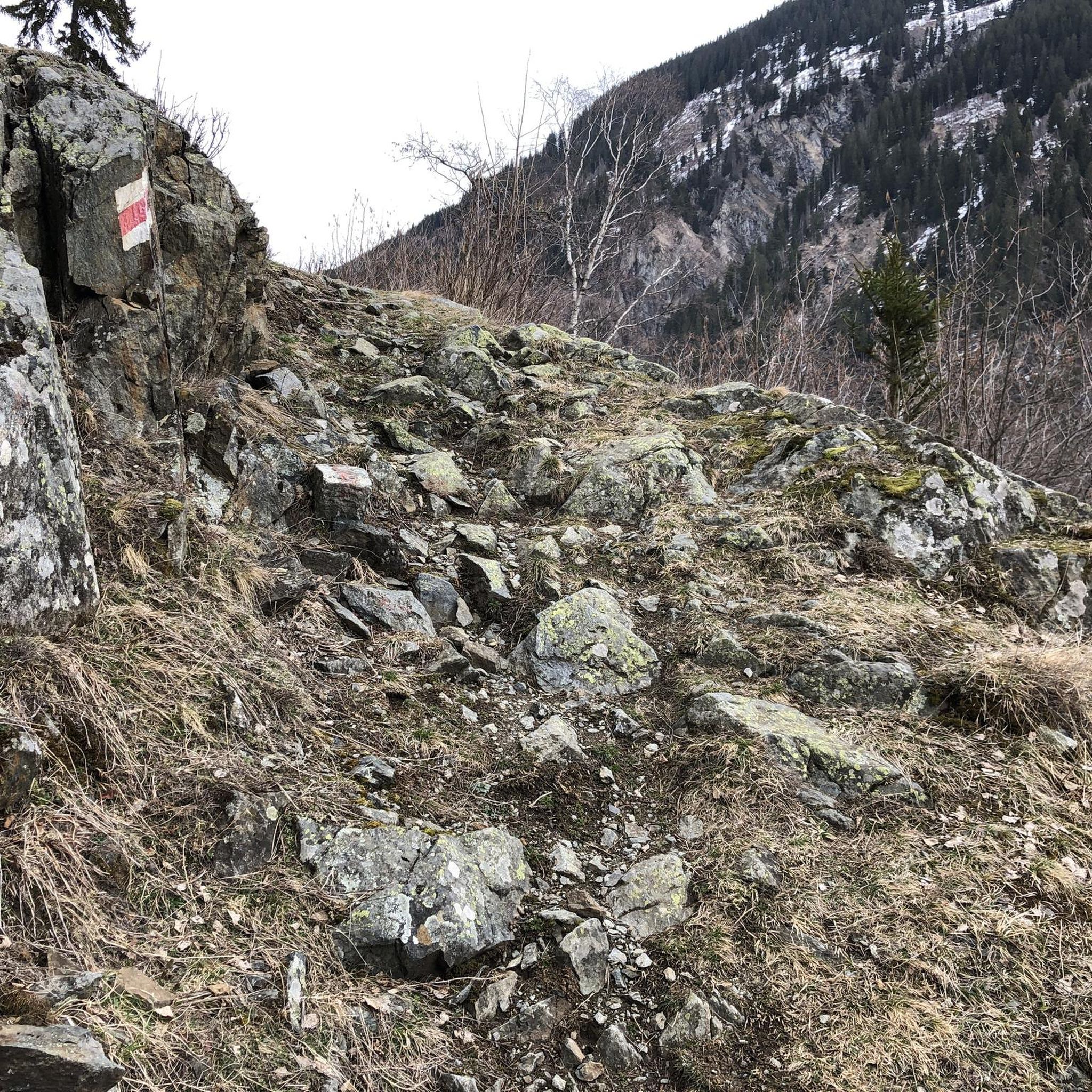
great hike on foot and by mountain bike. see hiking the mountains of Missy see you in 2025. To discover .
0
0

The Abbaye Saint-Jean-des-Vignes is a former abbey of Augustinian canons in Soissons, France. It was founded in 1076 by Hugues le Blanc, lord of the region, and was one of the richest abbeys in the Middle Ages at the time. The abbey is located on the Saint-Jean hill, southwest of the city center of Soissons and has a Gothic architecture. It is currently a historical monument and is open to visitors. It includes a beautiful facade, a refectory, a cloister and outbuildings. The former abbot's house houses the Center for the Interpretation of Architecture and Heritage.
9
0
This early Gothic cathedral, located in the heart of Soissons, was built from 1176 and continued to develop until the 14th century. Dedicated to the martyrs Gervasius and Protasius, it serves as the seat of the Bishop of Soissons. The oldest part is the southern transept, with a striking quadripartite structure and a rounded apse. The choir, completed around 1212, is light and spacious, surrounded by an ambulatory with five chapels. The stained glass windows date largely from the 13th and 14th centuries. A 15th-century tapestry depicts the lives of the patron saints. The west façade is simple but impressive, with three portals and a large rose window. Only one of the two planned towers was built; this southern tower, 66 metres high, was inspired by Notre-Dame de Paris . Inside, you will also find works of art by Rubens and Philippe de Champaigne. Despite damage during the First World War, the cathedral remained a powerful symbol of Gothic architecture and religious history in northern France.
9
0

This medieval gate, built in the 13th century, was part of the impressive fortifications of Coucy-le-Château, a town once famous for its castle and its motto: "I am neither king, nor prince, nor count, I am the lord of Coucy ". The Porte de Laon is a massive structure with two round towers and an arched passage, defended by a drawbridge, a double portcullis and a barbican. You can admire the architecture and military devices of this ancient bastion, as well as the panoramic view of the city and the surrounding countryside.
3
0

The Cathedrale was badly damaged in WWI and bullet holes can still be found on the outside facade. Overall it appears to have been less restored than other structures of this magnitude and somewhat lacks refined architectural splendor, although its size is imposing.
2
0
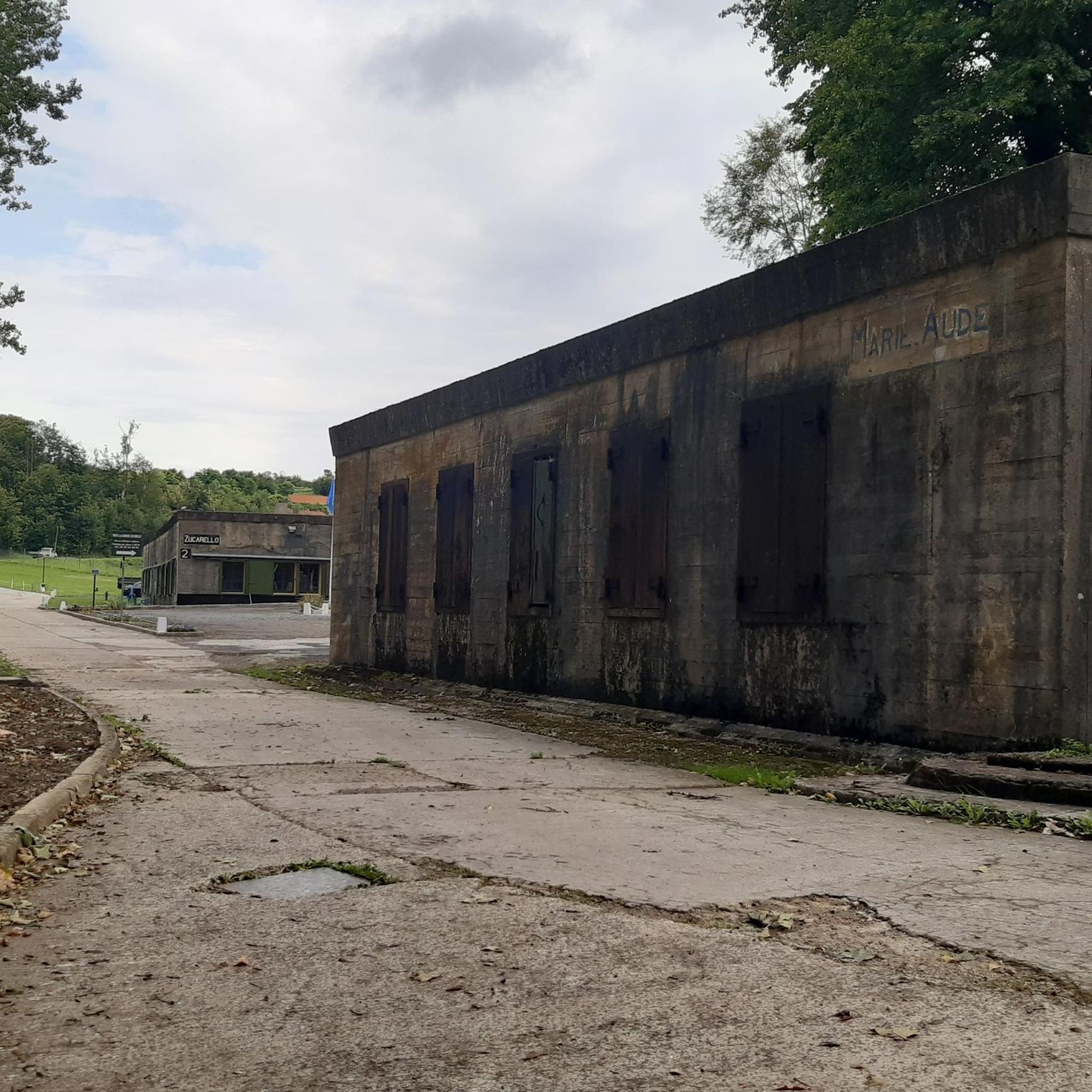
These 19th-century forts had already lost their invincibility in the second half of the century and were more of a "belt of remnants" that no longer played a major strategic role. It was only when the Chemin des Dames became a deadlock as a front area that they became relevant again for a short time. Here you can feel this survived history well, the cellar-like bunkering on the mountain. Almost a small green overgrown labyrinth today....
0
0

The fortress is well preserved and can also be visited with a guide. The area around it is beautiful, green, with benches and tables. The parking lot is large and free.
1
0
Frequently Asked Questions
What historical sites related to World War I can I visit near Laffaux?
Laffaux is deeply significant for its World War I history. You can visit the Moulin de Laffaux, a crucial point on the front line, which now hosts several poignant memorials. These include the Monument des Crapouillots, honoring French trench artillery soldiers, the Monument des Cuirassiers, and the Monument des Fusiliers Marins. The site also features a Jardin de Mémoire for reflection. Additionally, the Fort of Condé, a 19th-century fort, offers a well-preserved glimpse into military history and played a role in the conflict.
Are there any impressive medieval castles or gates to explore in the area?
Yes, the region boasts remarkable medieval architecture. You can explore the Laon Gate (Coucy-le-Château-Auffrique), a massive 13th-century structure that was part of the fortifications of Coucy-le-Château, offering panoramic views. The impressive Château de Coucy, listed as a National Monument, is also nearby and worth a visit.
What cultural and religious sites are available for visitors near Laffaux?
Beyond the immediate vicinity of Laffaux, you can visit the Saint-Jean-des-Vignes Abbey, Soissons, a former Augustinian abbey with stunning Gothic architecture. Soissons also features the Soissons Cathedral, an early Gothic masterpiece. In Coucy-le-Château-Auffrique, the Saint-Sauveur Church, with its Romanesque origins and modern stained glass, is another significant religious site.
What natural features or reserves can I visit around Laffaux?
The region offers several natural escapes. You can explore the vast Forêt de Retz or the Forêt de Compiègne for beautiful woodland scenery. For a more focused nature experience, the Réserve naturelle des Landes de Versigny provides opportunities to observe local flora and fauna. Additionally, the Jardin du château de la Muette and Parc du château de Compiègne offer remarkable landscaped gardens.
Are there hiking trails available near the attractions around Laffaux?
Absolutely! The area around Laffaux offers a variety of hiking opportunities. You can find trails ranging from easy to moderate, such as the 'Fort de Condé – Fort of Condé loop from Celles-sur-Aisne' (easy) or 'Leuilly sous coucy loop from Terny-Sorny' (moderate). For more options and detailed routes, check out the dedicated guide for Hiking around Laffaux.
Can I go cycling or mountain biking near Laffaux's attractions?
Yes, the rolling countryside around Laffaux is excellent for cycling. For gravel biking, you can explore routes like the 'View of Lake Ailette – Vauclair Abbey loop from Pargny-et-Filain' or the 'Lake Monampteuil – Cycleway - Gravel Section loop'. Mountain bikers have challenging options such as the 'Nice climb😩 – ⚠️ Rolling stones... loop from Condé-sur-Aisne'. Discover more routes in the guides for Gravel biking around Laffaux and MTB Trails around Laffaux.
What do visitors enjoy most about the attractions around Laffaux?
Visitors particularly appreciate the profound historical significance of the sites, especially those related to WWI, finding them impactful and contemplative. The well-preserved nature of places like the Fort of Condé allows for an immersive historical experience. The architectural beauty of sites like Saint-Jean-des-Vignes Abbey and the panoramic views from the Laon Gate are also highly praised.
Are there any family-friendly activities or attractions near Laffaux?
While Laffaux itself is primarily focused on historical memorials, the broader region offers family-friendly options. Exploring the grounds of the Fort of Condé can be an engaging experience for older children interested in history. The nearby forests and nature reserves provide opportunities for easy walks and picnics, suitable for families looking for outdoor activities.
What are some notable towns of art and history near Laffaux?
Several 'Towns of Art and History' are within easy reach. Soissons, approximately 10 km away, is home to its famous abbey and cathedral. Laon, about 19 km away, also offers a rich historical center and market. Further afield, Reims (49 km) boasts three UNESCO-listed sites, including its cathedral, and Compiègne (44 km) features a palace, museums, and other historic monuments.
What is the best time of year to visit Laffaux and its surrounding attractions?
The spring and autumn months generally offer pleasant weather for exploring the historical sites and engaging in outdoor activities like hiking and cycling. The natural landscapes, such as the forests and gardens, are particularly beautiful during these seasons. Summer is also suitable, though it can be warmer, while winter might be less ideal for extensive outdoor exploration due to colder temperatures.
Is there parking available at the main attractions in Laffaux?
For the significant historical sites like the Moulin de Laffaux, parking is generally available. For instance, the Fort of Condé has a large and free parking lot, making it convenient for visitors arriving by car.
Most popular routes around Laffaux

Get inspired with the komoot mobile app


Explore more
Still not found the Highlight you’re looking for? See guides of the top attractions in other regions:
