The best running trails around Fréchou
4.0
(11)
398
runners
72
runs
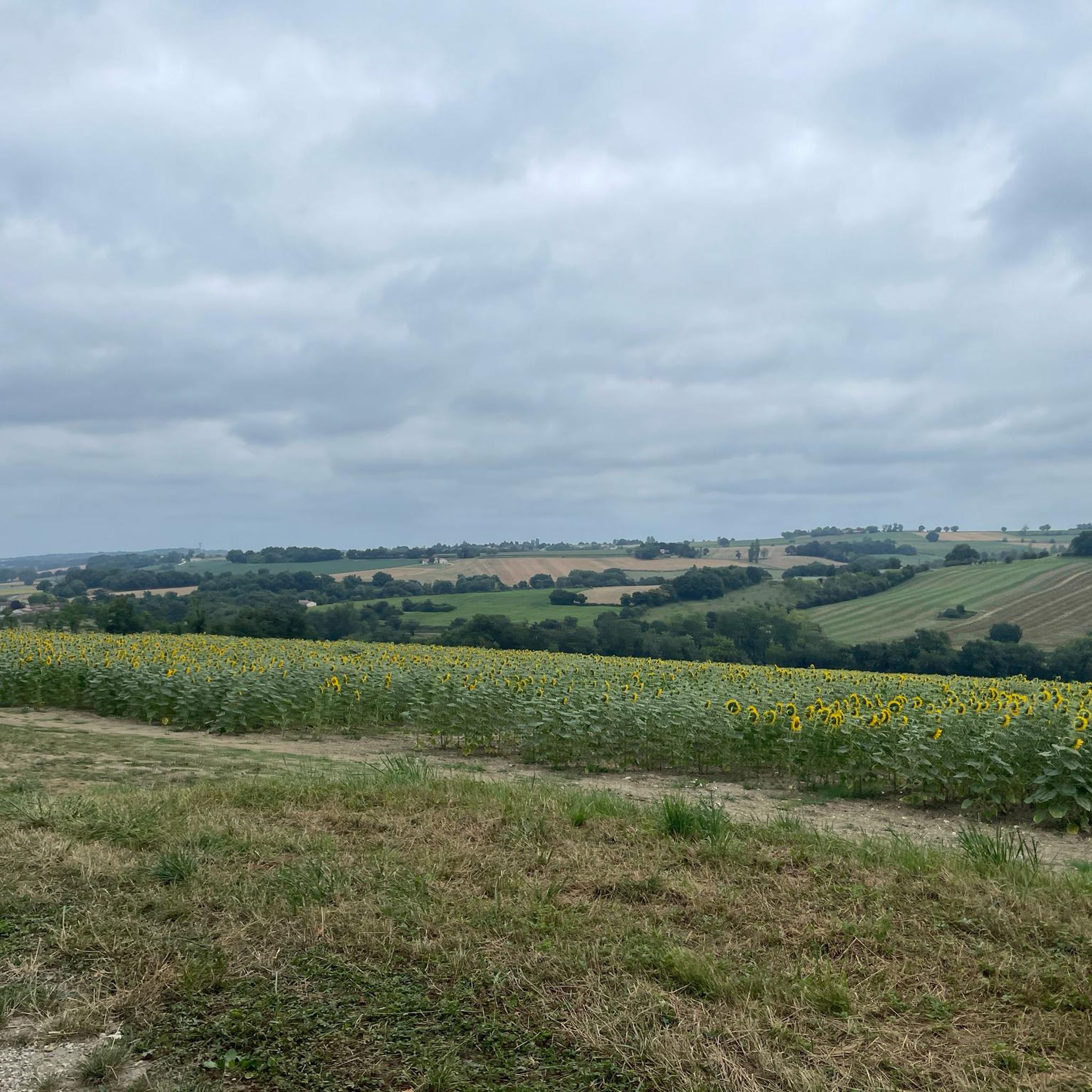
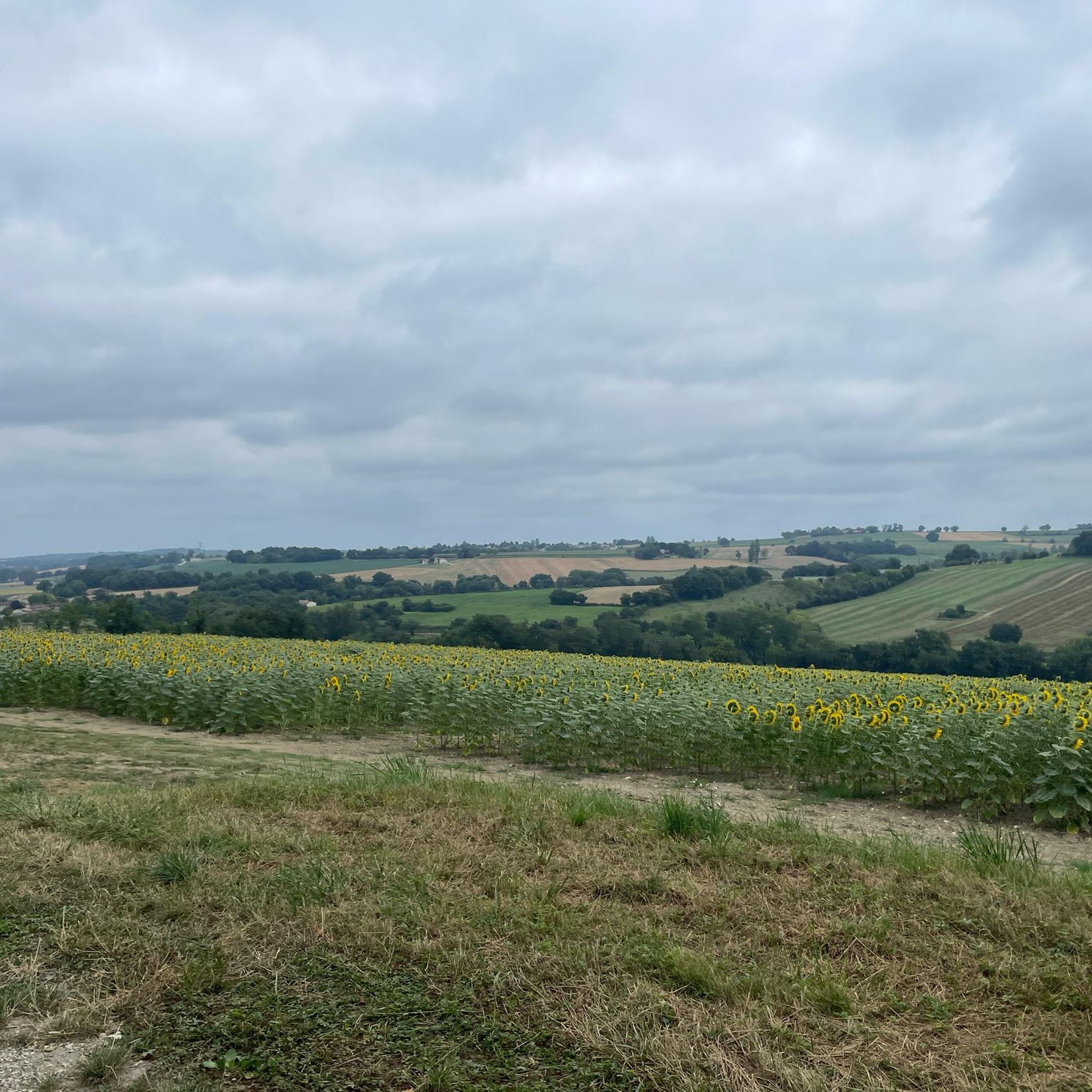
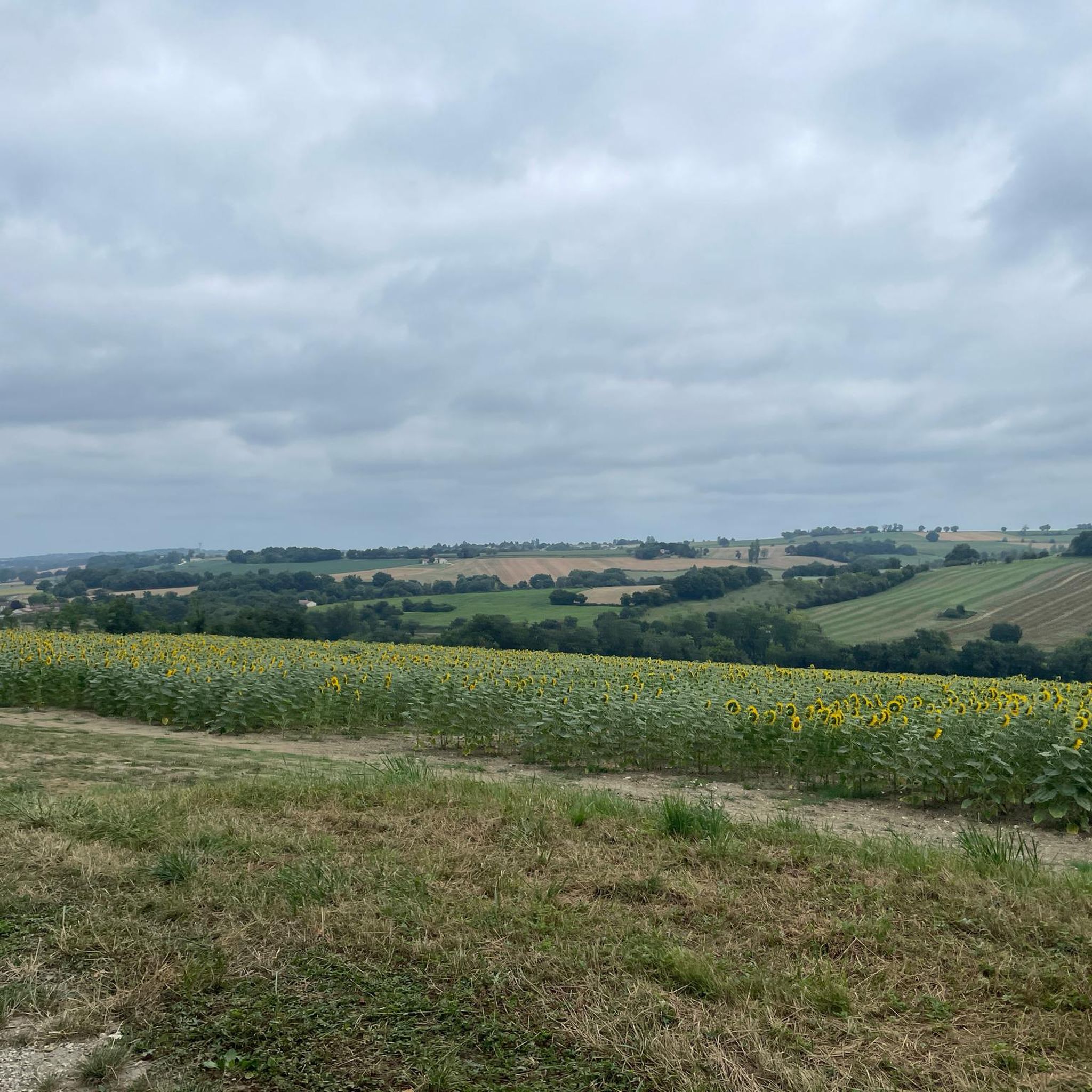
Jogging routes around Fréchou offer varied terrain in France's Pays d'Albret. The village is situated on a natural spur, providing panoramic views of the surrounding hillsides. Located between the Baïse and Osse rivers, the area features riverine scenery and ash trees, contributing to the natural ambiance. Dedicated trails are available for exploring the natural beauty and historical elements of the region.
Best jogging routes around Fréchou
- The most popular jogging route is View of Nérac – Nérac loop from Nérac…
Last updated: May 13, 2026
5.0
(1)
35
runners
9.86km
01:05
60m
60m
Moderate run. Good fitness required. Mostly paved surfaces. Suitable for all skill levels.
21
runners
4.70km
00:31
30m
30m
Easy run. Great for any fitness level. Mostly paved surfaces. Suitable for all skill levels.

Sign up for free
16
runners
12.8km
01:24
70m
70m
Moderate run. Good fitness required. Mostly paved surfaces. Suitable for all skill levels.
4.0
(2)
12
runners
16.1km
01:50
230m
230m
Hard run. Very good fitness required. Mostly paved surfaces. Suitable for all skill levels.
14
runners
6.45km
00:42
30m
30m
Moderate run. Good fitness required. Mostly paved surfaces. Suitable for all skill levels.
Get access to more routes and recommendations from other explorers.
Sign up for free
Already have an account?
Our route recommendations are based on thousands of hikes, rides, and runs completed by other people on komoot.
Start today with a free account
Your next adventure awaits.
Login or Signup
Tips from the Community

The Château Henri IV of Nérac, former residence of the lords of Albret, bears witness to the city's rich Renaissance past. Overlooking the Baïse, it was one of the living places of the future King Henri IV and remains today a must-see to discover the history of Albret.
0
0

Nérac Castle was founded in the 14th century, within a medieval town surrounded by walls and backing onto the Baïse River. Beginning in 1491, Alain d'Albret modernized this first tower and had three wings built. The west wing included the drawbridge and service rooms, the north wing housed Jeanne d'Albret's apartments, and the east wing constituted the main building of the castle. It was in this castle that Marguerite de Navarre, sister of Francis I and author of the Heptaméron, lived. A committed humanist, she brought Jacques Lefèvre d'Étaples, nicknamed the French Erasmus, to Nérac. Jeanne d'Albret, her daughter, was also sensitive to the ideas of her time and brought Théodore de Bèze to her court, before converting to Protestantism. It was in this context that Henry III of Navarre, the future King Henry IV, lived. He lived in this château for about ten years with Queen Marguerite de Valois, known as Queen Margot. The latter was responsible for the creation of the 3000-Step Avenue in the Parc de la Garenne, along the Baïse. This avenue, punctuated over the years with new fountains, was then surrounded by walls and accessible from the château by a bridge. The years following the assassination of Henri IV by Ravaillac in 1610 marked the decline of the château, first due to royal reprisals against Protestants and then due to the destruction caused by the French Revolution in 1793, when the château was declared national property. After the revolutionary destruction, only the north wing of the château remained, with its twisted columns so characteristic of the Renaissance style. The château was divided into lots and inhabited by several owners. Gradually, the municipality became interested in restoring the château, and a restoration project was drawn up by Eugène Viollet-le-Duc, whose sketches are on display in the museum. However, it wasn't until 1925 that the city became the owner of the entire building and began a restoration project to house the municipal museum. Since then, the royal residence and writer's home, the Château-Musée Henri IV, has offered visitors a permanent exhibition dedicated to Henri IV and the d'Albret family on the first floor, and the art of living during the Renaissance on the ground floor through various themes.
0
0

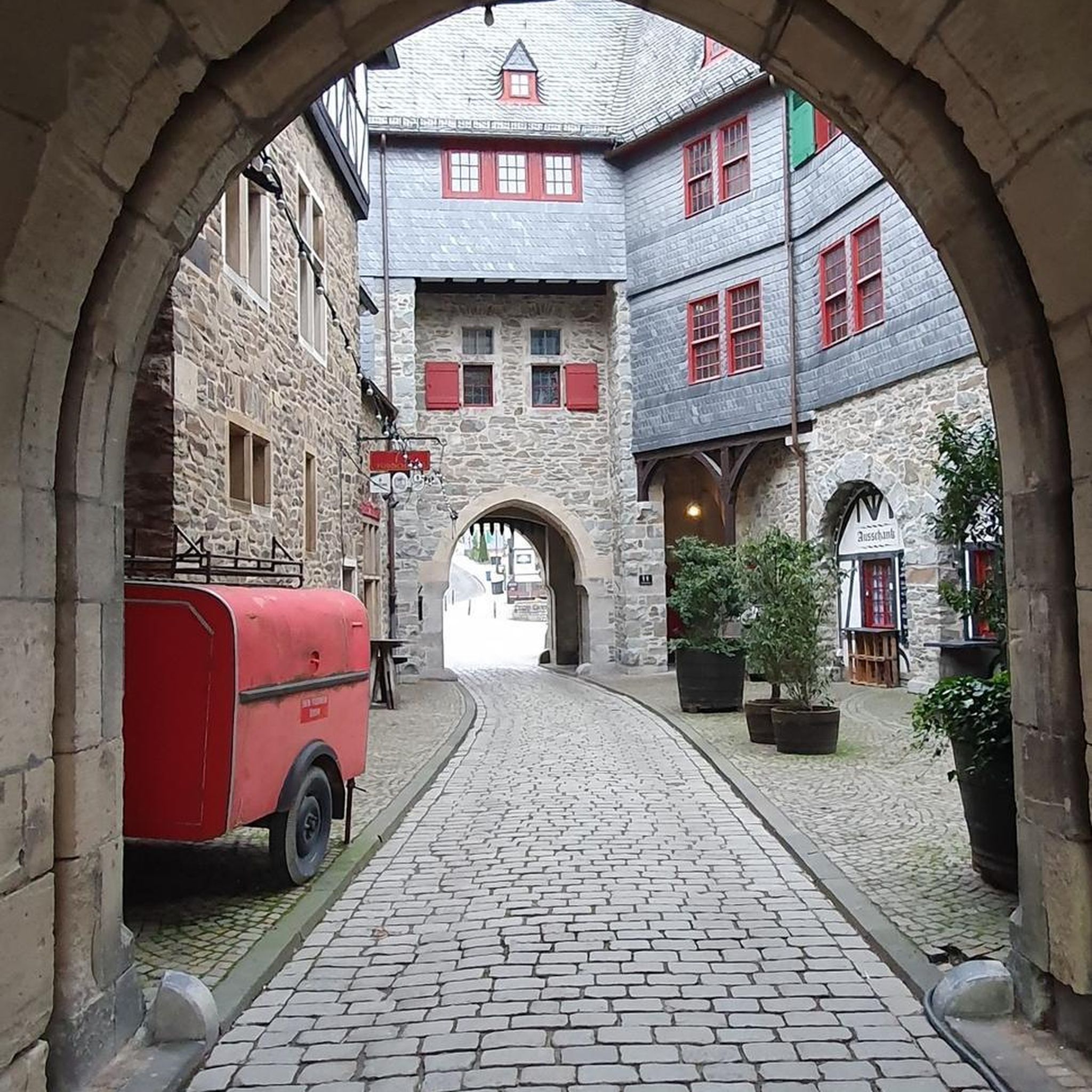
Nestled on the banks of the Baïse River, Nérac offers a peaceful atmosphere. Formerly the residence of Henry of Navarre, the future Henry IV, the town preserves a rich heritage with its castle, cobbled streets, and half-timbered houses.
0
0

Nérac is, like Amboise, a royal city insofar as the commune is the fief of the lords of Albret who became king of Navarre in the 15th century. It is also the epicentre of Protestantism. After the massacre of Saint Bartholomew, a treaty between the two religions was born in this city. This is the Edict of Nérac which restored rights for Protestants. It was signed on 28 February 1579 between King Henry III and the religionists. After the death of Henry III in 1589, the city lost its influence, because having no descendants, it was Henri de Navarre-Bourbon-Albret who became king of France under the name of Henri IV. It is then said that when the doors of Paris opened to Henry, those of fame closed for Nérac.
3
0

The visit to Nérac revolves around its navigable river, the Baïse. From the Saint-Nicolas church or the Petit Nérac viewpoint, you can see the port, the Old Bridge and the tanneries which today house an art gallery and restaurants. The walk takes place along the streets (Maison des Conferences, Château d'Henri IV and its museum) and in the Royal Park of La Garenne redesigned by Queen Margot, wife of Henri IV.
1
0

Route consists of both gravel and asphalt as a concrete track, it is best to take into account the choice of tires there if you go out by bike!
1
0

The quays of the Baïse still have the descents used for loading and unloading barges.
3
0
Frequently Asked Questions
How many running routes can I find around Fréchou?
There are over 70 running routes available around Fréchou, offering a wide variety of options for exploring the region's natural beauty and historical sites.
Are there easy jogging routes suitable for beginners or families in Fréchou?
Yes, Fréchou offers several easy jogging routes perfect for beginners or families. There are 6 routes classified as easy, such as the Château de Nérac – Nérac loop from Nérac, which is a gentle 2.9-mile (4.7 km) path winding through historical areas and natural landscapes.
What kind of scenery can I expect on the running trails in Fréchou?
Jogging routes in Fréchou offer diverse and scenic landscapes. You'll experience panoramic views from the village's natural spur, picturesque riverine scenery along the Baïse and Osse rivers, and trails shaded by ash trees. Many routes also incorporate historical landmarks, adding to the visual interest.
Are there any historical landmarks or points of interest to see while jogging in Fréchou?
Absolutely! Fréchou is rich in history. Joggers can encounter the XII century Saint Christophe Church and the XIII century Château du Fréchou. The mysterious Pont Romieu (Roman bridge) near the Osse river is another intriguing sight. You might also pass by historic fountains and lavoirs, or even sections of the ancient Chemin d'Henri IV. For more details, you can explore highlights like Nérac Old Town and Château d'Henri IV or Henry IV's Mill.
What do other runners think about the trails in Fréchou?
The running routes in Fréchou are highly regarded by the komoot community, with an average rating of 4.1 stars from more than 9 reviews. Over 400 runners have used komoot to explore the varied terrain, often praising the scenic beauty and the mix of natural and historical elements.
Are there any longer or more challenging running routes in the area?
Yes, for those seeking a greater challenge, Fréchou offers several moderate and difficult routes. For example, the Nérac – View of Nérac loop from Nérac is a difficult 10-mile (16.1 km) trail with significant elevation changes, providing a more strenuous workout.
Can I find circular running routes around Fréchou?
Many of the running routes around Fréchou are designed as loops, allowing you to start and finish at the same point. An example is the View of Nérac loop from Albret Communauté, a moderate 4-mile (6.4 km) circular trail.
Are there specific local trails mentioned in the region that are good for jogging?
Beyond the komoot routes, the region features dedicated 'sentiers de randonnées' (hiking trails) that are also suitable for jogging. Two notable local itineraries are 'Le Fréchou, le pays des frênes' (The Fréchou, land of ash trees), a 4.6 km route, and 'Le Fréchou, balade panoramique sur la vallée de l'Osse' (The Fréchou, panoramic stroll along the Osse valley), which spans 3.7 km. You can find more information about these local trails on the Tourisme Lot-et-Garonne website.
What are the typical distances of running routes in Fréchou?
The running routes in Fréchou vary in length to suit different preferences. You can find shorter paths like the 2.9-mile (4.7 km) Château de Nérac – Nérac loop from Nérac, up to longer trails such as the 8.0-mile (12.8 km) View of Nérac – Nérac loop from Albret Communauté, which leads through scenic river valleys.
Is Fréchou a good place for scenic running?
Fréchou is an excellent destination for scenic running. Its location on a natural spur provides unobstructed views of the hillsides, and routes often follow the valleys of the Baïse and Osse rivers, offering picturesque waterside views. The presence of ash trees and historical elements further enhances the natural beauty of the trails.
What is the terrain like on the jogging routes around Fréchou?
The terrain around Fréchou is varied, offering a mix of experiences for runners. You'll encounter gentle elevation changes, particularly on routes that traverse the natural spurs, as well as flatter sections along river valleys. The trails are generally well-suited for jogging, providing a dynamic and engaging run.
Most popular attractions around Fréchou

Get inspired with the komoot mobile app


Explore more
Browse the best Running Trails & Routes in other regions.
