The best road cycling routes around Moncrabeau
4.2
(28)
1,093
riders
20
rides
Road cycling around Moncrabeau features a landscape of fertile valleys, gentle hills, and tranquil country roads. The region is characterized by diverse agricultural areas, including orchards, vineyards, grain fields, and forests. Cyclists navigate rolling terrain shaped by the Baïse River, providing varied topography for different skill levels. This area offers a network of routes through the Gascon countryside.
Best road cycling routes around Moncrabeau
- The most popular road cycling route is Moulin des Tours de Barbaste – Barbaste Roman Bridge loop from Moncrabeau, a 29.6 miles (47.7 km) trail that takes 2 hours 8 minutes to complete, featuring varied terrain and historical points of interest.
- Another top favourite among local road cyclists is Moncrabeau – View of Nérac loop from Moncrabeau, an easy 21.0 miles (33.9 km) path, offering scenic views of the surrounding Gascon countryside.
- Local road cyclists also love the View of La Romieu – La Romieu loop from Moncrabeau, a 32.3 miles (52.0 km) trail leading through rolling hills and agricultural landscapes, often completed in about 2 hours 22 minutes.
- Road cycling around Moncrabeau is defined by fertile valleys, gentle hills, and tranquil country roads, with routes traversing vineyards and forests. The network offers options for easy, moderate, and difficult ability levels.
- The routes in Moncrabeau are highly rated by the komoot community with an average score of 4.3 stars from over 11 reviews. More than 450 road cyclists have used komoot to explore Moncrabeau's varied terrain.
Last updated: July 12, 2026
15
riders
Easy road ride. Great for any fitness level. Mostly well-paved surfaces and easy to ride.
4.0
(1)
9
riders
47.5km
02:04
410m
410m
Moderate road ride. Good fitness required. Mostly well-paved surfaces and easy to ride.

Sign up for free
10
riders
33.0km
01:25
210m
210m
Easy road ride. Great for any fitness level. Mostly well-paved surfaces and easy to ride.
5
riders
82.1km
03:35
630m
620m
Moderate road ride. Good fitness required. Mostly well-paved surfaces and easy to ride.
8
riders
27.9km
01:10
160m
160m
Easy road ride. Great for any fitness level. Mostly well-paved surfaces and easy to ride.
Get access to more routes and recommendations from other explorers.
Sign up for free
Already have an account?
Our route recommendations are based on thousands of hikes, rides, and runs completed by other people on komoot.
Start today with a free account
Your next adventure awaits.
Login or Signup
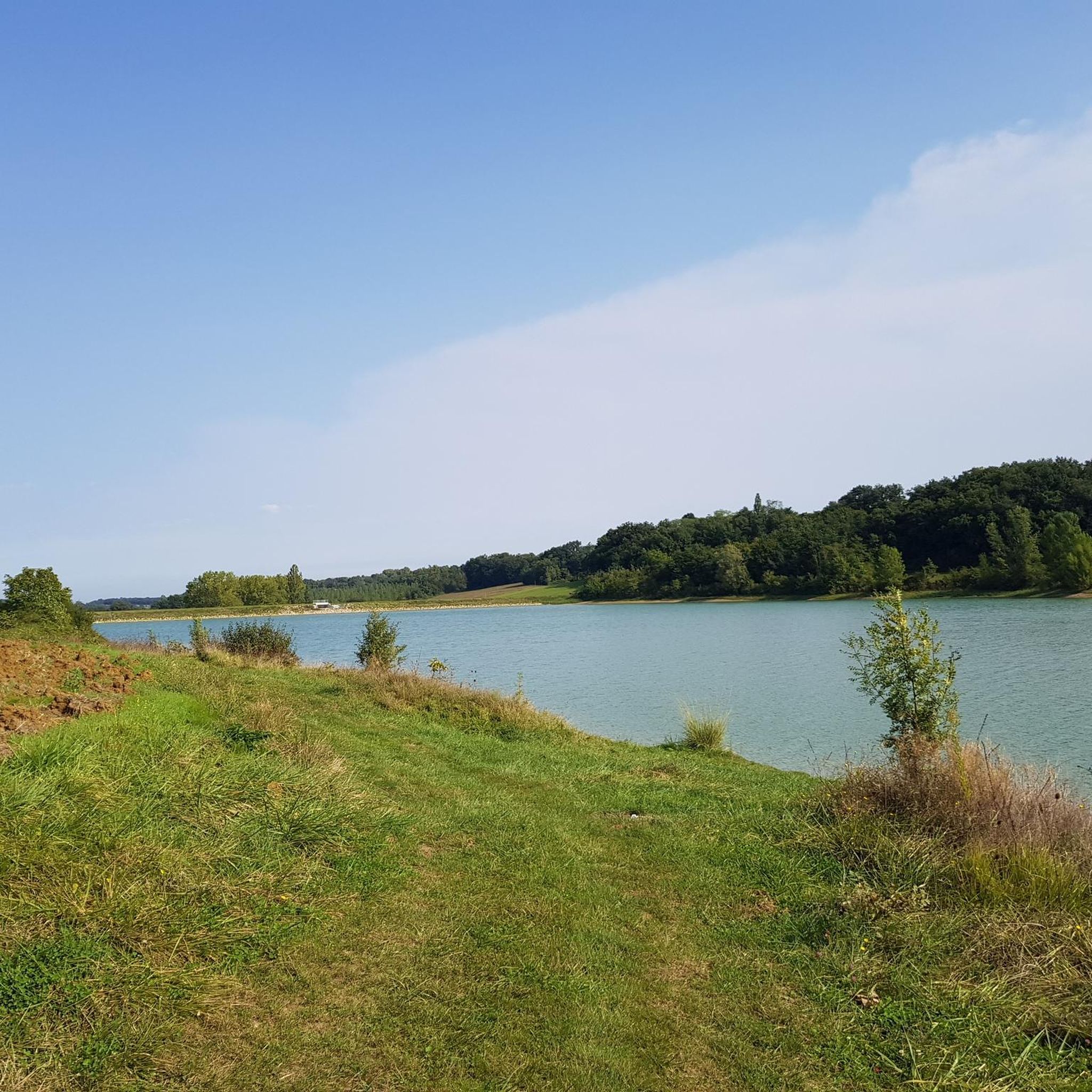
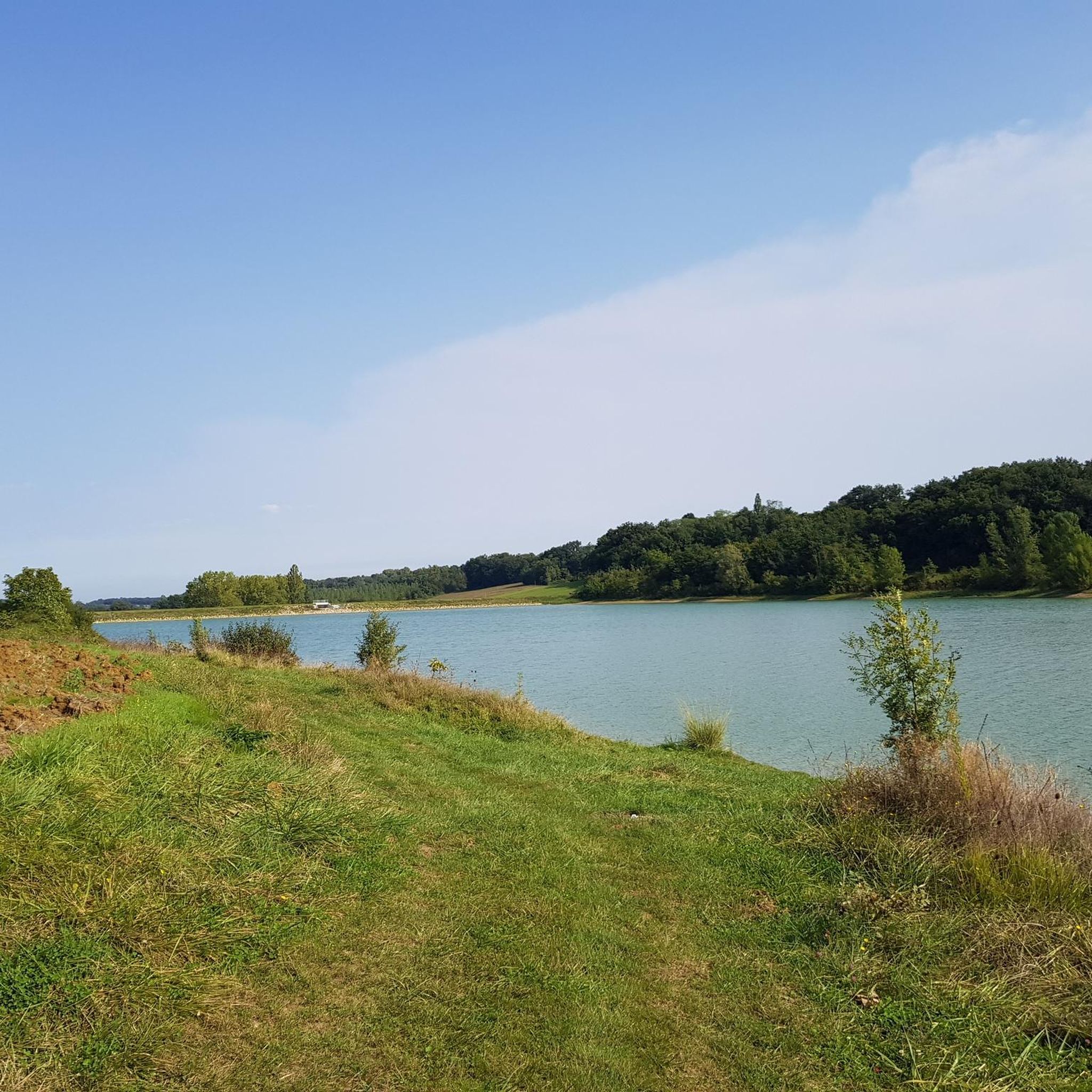
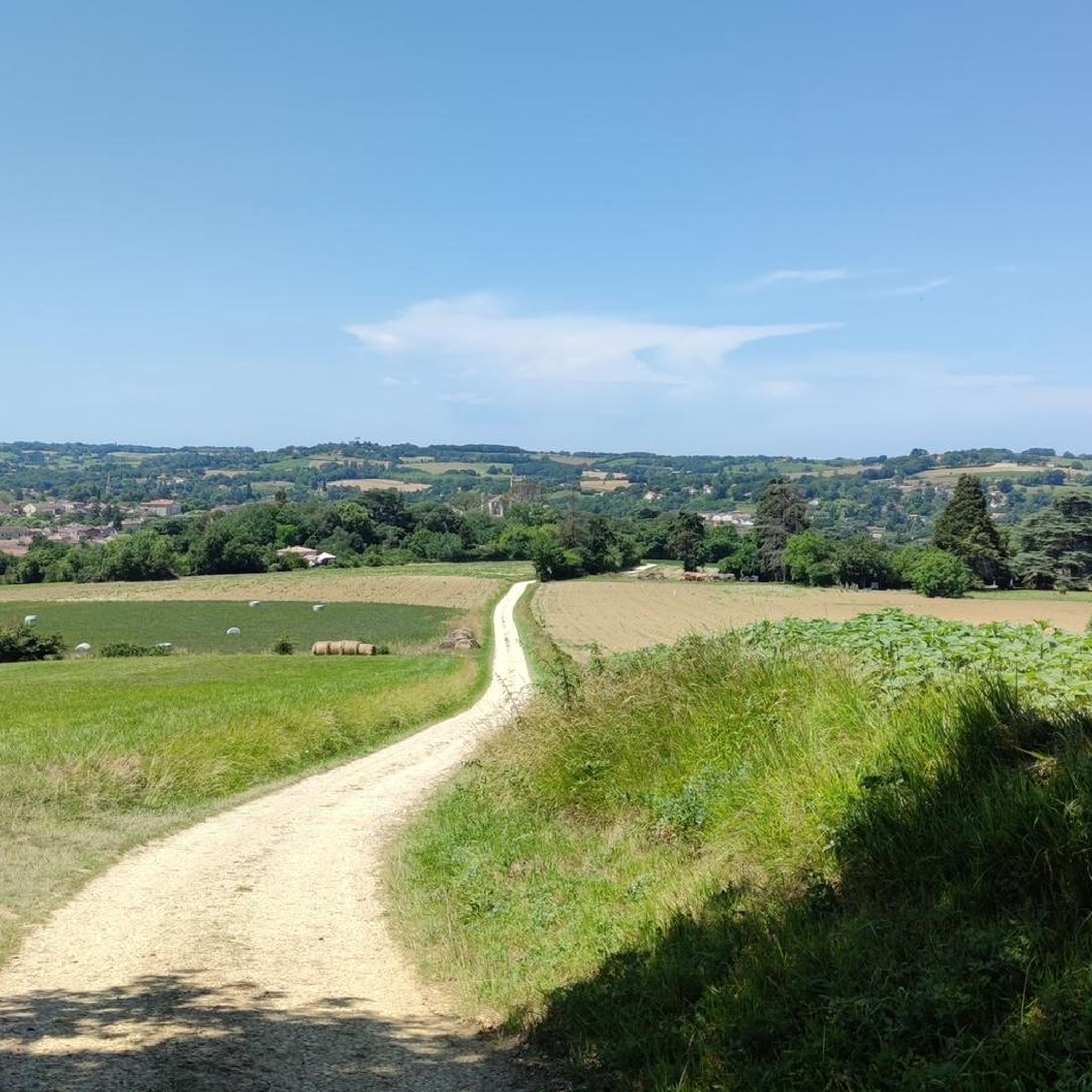

Tips from the Community

🎭 The Le circuit des Menteurs de Moncrabeau invites you to discover an original and humorous route in the heart of the village. Through alleys and squares, this circuit showcases the Gascon spirit and the famous tradition of "liars". A fun and surprising walk, where history and derision mix to offer a moment that is as cultural as it is unusual.
0
0
🚦 On the Voie Verte, this former level crossing recalls the time when trains set the rhythm of life in the valley. Today, bikes have replaced the rails, but the story continues to be read in the landscape. 🚲🌿
0
0
In Nérac, the Château Henri IV peacefully overlooks the Baïse and tells the story of a king who became a legend. Former residence of the lords of Albret, it was the beating heart of the court of Navarre during the Renaissance. It was here that Henri de Navarre, the future Henri IV, grew up and affirmed his destiny. Today, the château-museum invites you on a journey between great History and the Gascon art of living. A stroll along the river, elegant galleries, and royal memories echo each other. A must-see to understand the soul of Nérac and Albret.
0
0
Since the time of Henri IV and the court of Nérac, Moncrabeau has been located at the heart of the main routes connecting Nérac, Condom, Mézin, La Romieu, and Larressingle. The old merchant and agricultural paths, structured by the Baïse valley and the Gascon hillsides, today form an ideal network for touring cycling. Here, every pedal stroke extends the history of the old paths, at the gentle pace of Albret.
0
0
Once the arrival and departure point for the train, Nérac station is now a prime passage point on the Voie Verte de l’Albret, developed on the former railway line. Where wagons once ran, pedestrians and cyclists now advance in complete serenity, along a gentle route connecting the villages of Albret. A testament to the valley's industrial and railway past, the station marks a successful transition between the memory of the rail and today's soft mobility, in the heart of the Baïse landscapes.
0
0
The Château Henri IV of Nérac, former residence of the lords of Albret, bears witness to the city's rich Renaissance past. Overlooking the Baïse, it was one of the living places of the future King Henri IV and remains today a must-see to discover the history of Albret.
0
0
The drone flies over the field with precision, intervening only where necessary, for targeted and controlled work. Between landscape tradition and agricultural innovation, this technology makes it possible to reduce inputs and limit environmental impact, while respecting crops. A finer, more responsible agriculture, serving the fields… and life itself. 🌱🚁
0
0
A stone's throw from Moncrabeau, the Baïse picnic area is the perfect spot for an outdoor lunch break. Nestled by the water, in a green and peaceful setting, it offers an easily accessible and friendly solution for a picnic, to relax and enjoy the coolness of the river. An ideal stop for families, cyclists and walkers.
0
0
Frequently Asked Questions
How many road cycling routes are available around Moncrabeau?
There are over 19 road cycling routes around Moncrabeau, offering a variety of experiences. These routes are categorized by difficulty, with 4 easy, 13 moderate, and 2 difficult options to choose from.
What kind of terrain can I expect on road cycling routes in Moncrabeau?
The Moncrabeau region features a diverse landscape ideal for road cycling. You'll encounter fertile valleys, gentle rolling hills, and tranquil country roads. The routes traverse varied agricultural areas, including orchards, vineyards, grain fields, and forests, shaped by the Baïse River.
Are there routes suitable for beginners or families in Moncrabeau?
Yes, Moncrabeau offers several easy road cycling routes perfect for beginners or families. An excellent option is the Moncrabeau – View of Nérac loop from Moncrabeau, an easy 21.0-mile (33.9 km) path offering scenic views of the Gascon countryside. Additionally, the Albret Greenway provides a safe, dedicated path for all ages.
What are the options for experienced road cyclists seeking a challenge?
For experienced road cyclists looking for a challenge, Moncrabeau offers routes with significant elevation changes. While specific 'difficult' routes are available, many moderate routes, like the Moulin des Tours de Barbaste – Barbaste loop from Moncrabeau, cover longer distances and feature substantial climbs, providing a rewarding experience.
Are there any long-distance road cycling options from Moncrabeau?
Yes, Moncrabeau is a key point on the 170 km Baïse Valley Cycle Route (V82), which follows the canalized Baïse River. This route connects to major European cycling networks like EuroVelo 3 (Scandibérique) and the Canal des Deux Mers, allowing for extensive cycling adventures. You can find more information on the V82 via France Vélo Tourisme or Auch Tourisme.
What historical or cultural sites can I visit while road cycling near Moncrabeau?
Many road cycling routes near Moncrabeau pass by fascinating historical and cultural sites. You can explore the perfectly preserved medieval fortified village of Larressingle Fortified Village, or visit the Cloister of the Collegiate Church of Saint-Pierre in La Romieu. The View of La Romieu – La Romieu loop from Moncrabeau is a great route to discover the area's heritage.
What do other cyclists say about road cycling in Moncrabeau?
The road cycling routes in Moncrabeau are highly rated by the komoot community, with an average score of 4.3 stars from over 11 reviews. Cyclists often praise the tranquil country roads, diverse landscapes, and the opportunity to explore charming villages and historical sites.
Are there any specific greenways or dedicated cycle routes in the Moncrabeau region?
Yes, a significant draw for cyclists is the Albret Greenway, a 27 km safe route built on a former railway line that connects Feugarolles to Moncrabeau. This greenway is ideal for cyclists, pedestrians, and rollerbladers, offering an eco-friendly way to explore the region. More details can be found on Albret Tourisme.
When is the best time of year for road cycling in Moncrabeau?
The region's climate makes spring and autumn particularly pleasant for road cycling, with milder temperatures and beautiful scenery as the orchards and vineyards change. Summer can be warm, but early mornings or late afternoons offer comfortable riding conditions. Winter is generally mild, though some days may be cooler.
Are there scenic road cycling routes with viewpoints in the Moncrabeau area?
Absolutely. The region is known for its picturesque views. A viewpoint in Moncrabeau's public garden offers a wonderful panorama of the river valley. Some routes, especially those on higher ground, can even offer distant views of the snow-capped Pyrenees on clear days, adding to the scenic appeal.
Can I find paved cycling routes around Moncrabeau?
Yes, many of the road cycling routes around Moncrabeau utilize small country roads that are paved, offering a smooth riding surface. The Albret Greenway is also a fully paved and dedicated path, perfect for a relaxed ride away from traffic.
Are there any road cycling routes that pass by the Baïse River?
Yes, the Baïse River is a central feature of the region, and many routes follow its course or offer views of its valley. The Baïse Valley Cycle Route (V82) specifically traces the river, immersing cyclists in its bucolic landscapes and rich heritage.
Most popular attractions around Moncrabeau

Get inspired with the komoot mobile app


Explore more
Browse the best Road cycling routes in other regions.
