Attractions and Places To See around Gressey - Top 20
Best attractions and places to see around Gressey include historical landmarks and serene natural landscapes. This rural commune in the Yvelines department of France is characterized by vast agricultural plains, wooded areas, and the flowing Vesgre river. Its historical sites, such as the 12th-century Église Saint-Pierre and the 1881 communal lavoir, reflect a rich past. Many older houses in Gressey are built upon large sandstone blocks, contributing to the village's unique charm.
Best attractions and places to see around Gressey
- The most popular attractions is Château de Tilly, a castle that is an estate built in the 17th century, preserving its park and outbuildings. It is a Louis XIII-style residence with two towers and a domed roof.
- Another must-see spot is Donjon and Fortified Site of Montchauvet, a historical site within one of the most notable villages in Île de France. Visitors can explore the 12th and 13th-century church, the ruins of the keep, and the arch of the gateway to Brittany.
- Visitors also love The Donjon of Houdan, a castle dating from the end of the 12th century. This tower, built under the Counts of Montfort, served to watch for enemies and defend the territory.
- Gressey is known for its historical sites, castles, and rural landscapes. The area offers a variety of attractions to see and explore, from medieval architecture to tranquil natural settings.
- The attractions around Gressey are appreciated by the komoot community, with 20 upvotes and 9 photos shared.
Last updated: May 9, 2026
The Donjon of Houdan
Highlight • Castle
Translated by Google •
Tip by

Villa Landru
Highlight • Historical Site
The choice of the Gambais villa was motivated by its isolation, as it was 300 m from the nearest house (this is obviously no longer the case now), and by its outbuildings and the basement. Here were found supposedly human remains in a heap of ashes discovered in a shed, in the fireplace, and in the stove; one will also find clasps, pins, pieces of corset, partly burnt buttons. In all, the police found 4.176 kg of charred bone debris, including 1.5 kg undoubtedly coming from human bodies, as well as 47 teeth or tooth fragments. The medical examiner will announce to the press that these bones correspond to three heads, five feet and six hands.
Having become a famous place on the occasion of the resounding trial, Villa Tric de Gambais was looted by the crowd, then sold to a restorer who renamed it "Au Grillon du Foyer" and converted part of the building into a museum. It even seems that the "Landru" rib steak was served there, grilled over a wood fire... The restaurant closed its doors in 1940 and the house was then sold to private individuals. The famous villa also gave rise to a series of postcards. Somewhat forgotten after several decades, the house came back into the news in 2018 when it was put up for sale with an announcement very discreetly stating "very beautiful house steeped in history"...
The cook of the villa after a succession of transactions ended up being bought by Laurent Ruquier. Passionate about the character, he wrote a play on the subject, in 2005, with Régis Laspalès in the main role.
No sign, no sign comes to announce the history of this house which undoubtedly wishes to fall back into oblivion.
Translated by Google •
Tip by

Sign up now to discover places like this
Get recommendations on the best single tracks, peaks, & plenty of other exciting outdoor places.
Sign up for free
Donjon and Fortified Site of Montchauvet
Highlight • Historical Site
Translated by Google •
Tip by
Château de Tilly
Highlight • Castle
Translated by Google •
Tip by

Church of Saints Peter and Paul
Highlight • Other
The construction of the church would have been the initiative of Don Roger, abbot of the very powerful Benedictine abbey of Coulombs from 1115 to 1174. At this period, the abbey stood near Nogent-le-Roi, former fortified town located twelve kilometers on the banks of the Eure. Extended over more than 80 parishes, it had a considerable influence in the region, until the Revolution, whether from a religious, economic or social point of view.
The Romanesque style that it had adopted since its original construction was remodeled in the 16th century. by the opening of high Gothic windows, around the edge of the choir. Finally, in the following century, during the wars of religion, the church suffered serious damage. When peace returned, the entrance porch was finally rebuilt in the elegant manner of the Renaissance style. In 1950, a fire destroyed the church and all its furniture; it was restored at the end of the 20th century.
Translated by Google •
Tip by

Sign up for free to discover even more attractions around Gressey.
Sign up for free
Already have an account?
Start today with a free account
Your next adventure awaits.
Login or Signup
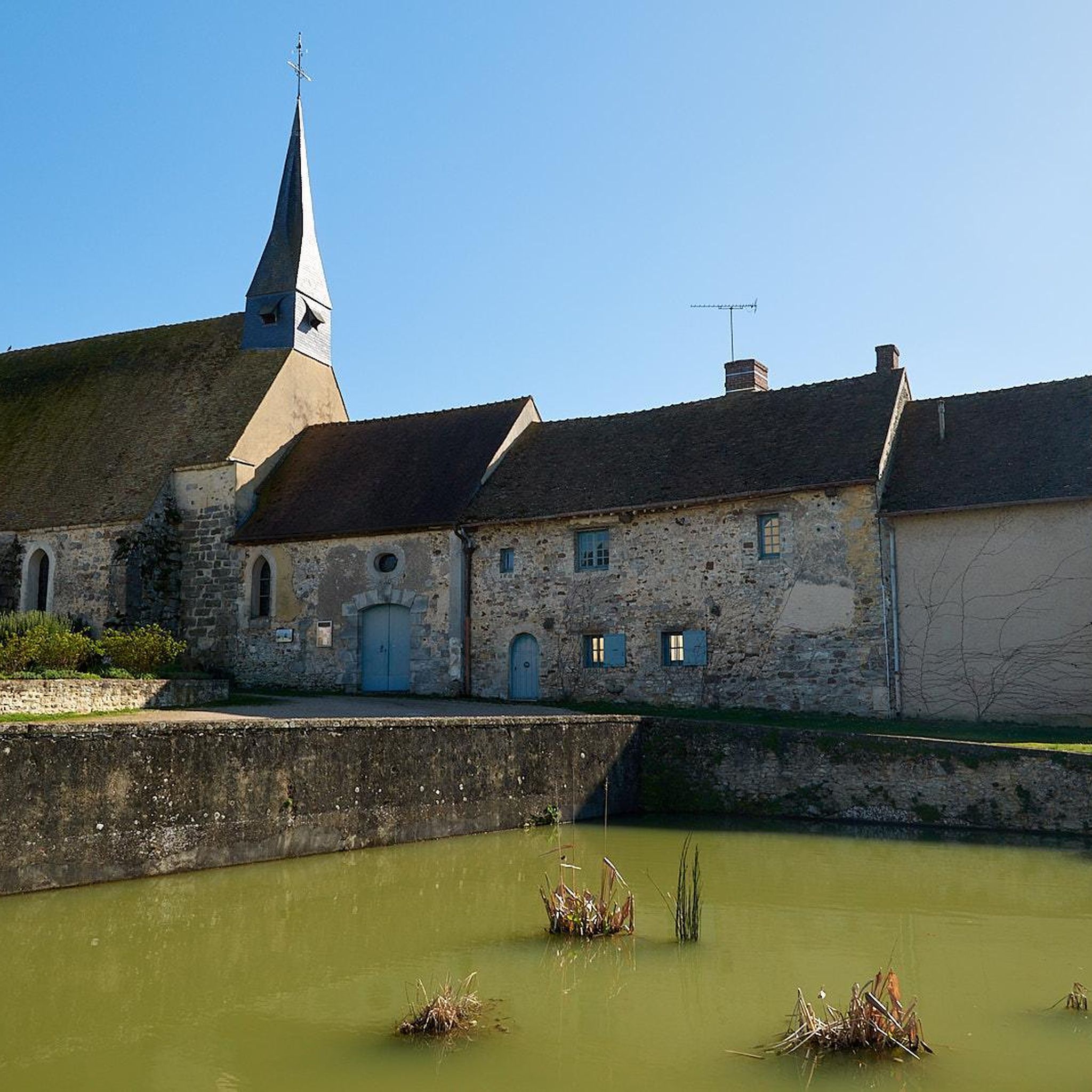
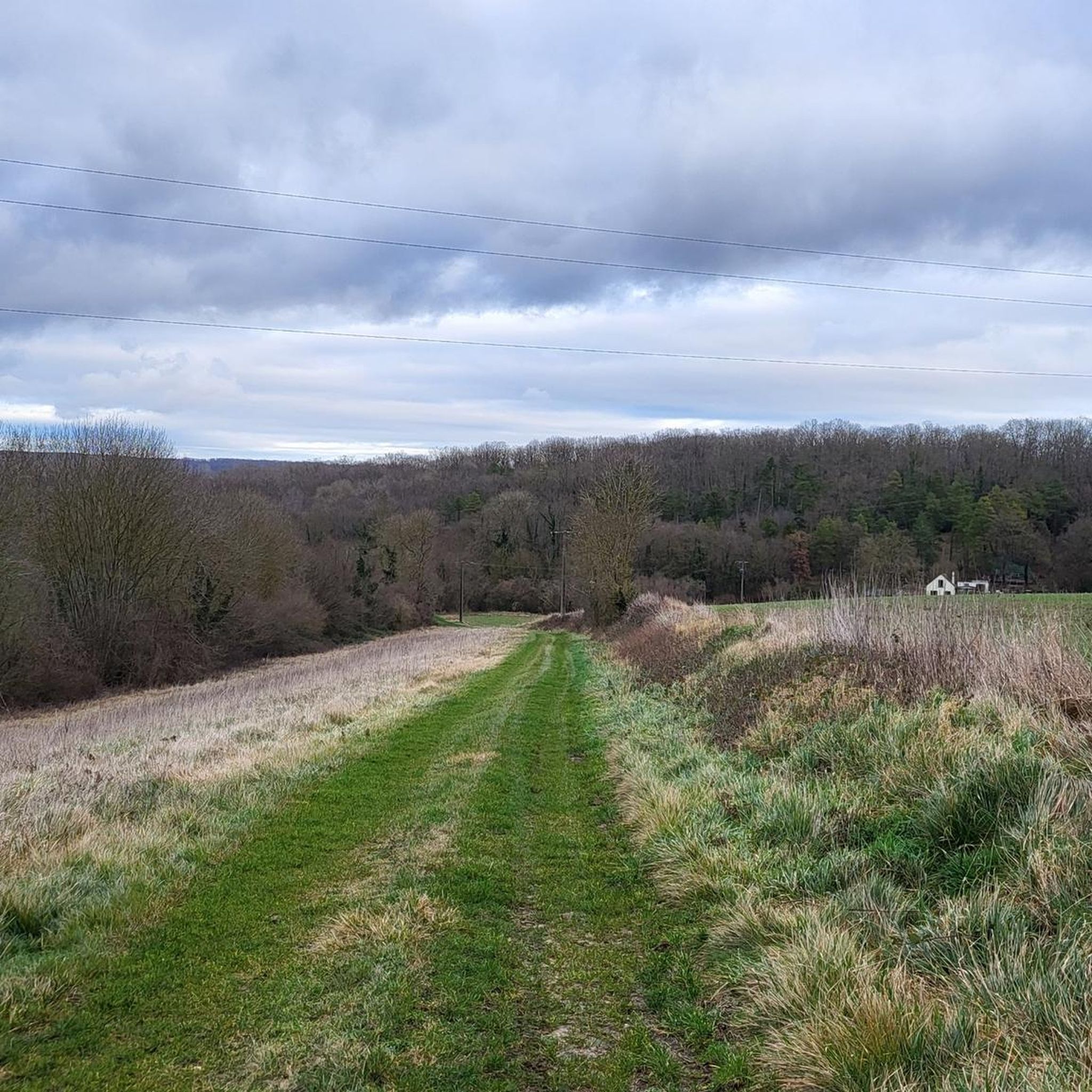


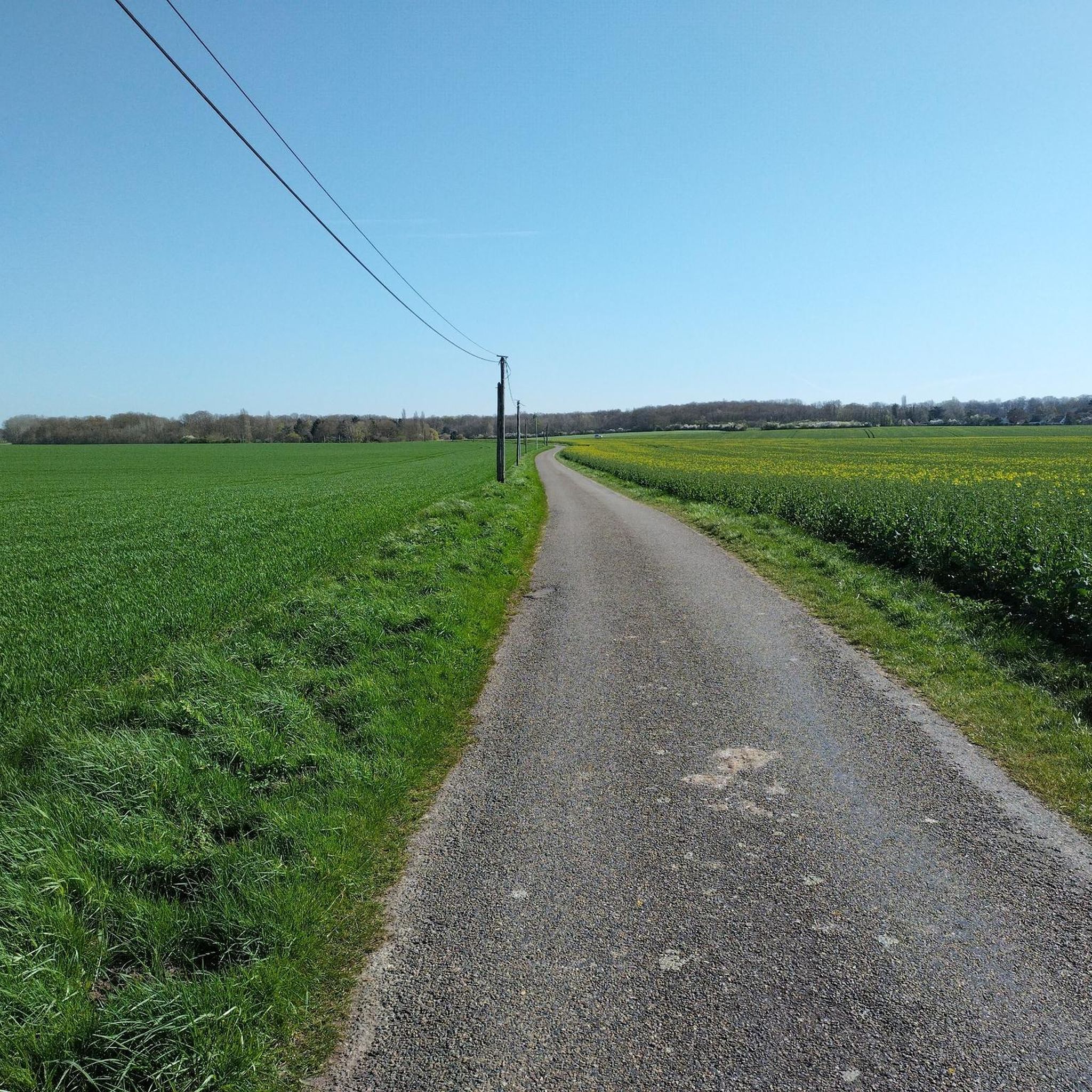

Tips from the Community

Built at the end of the 12th century by the Counts of Montfort and listed as a Historic Monument since 1889, the Houdan Tower was used to watch for enemies and defend the territory. The Keep consists of a 15 m diameter and 21 m high tower, flanked by four turrets of the same height located at the four cardinal points. From the 16th century until the French Revolution, the Keep served as a prison, and executions took place at the foot of the Tower. The first water reservoir was installed in the tower in 1880. The second, built in 1952, is still visible. Tours are available on certain days.
0
0


Oriented east, the building follows a rectangular plan, extended by a choir. With a length of 35 meters, the building is constructed of masonry and consolidated by sandstone buttresses. The pointed vault is 13 meters high, the adjoining bell tower is around twenty meters high. The construction of the church would have been the initiative of Don Roger, abbot of the very powerful Benedictine abbey of Coulombs from 1115 to 1174. At this period, the abbey stood near Nogent-le-Roi, former fortified town located twelve kilometers on the banks of the Eure. Extended over more than 80 parishes, it had a considerable influence in the region, until the Revolution, whether from a religious, economic or social point of view. The Romanesque style that it had adopted since its original construction was remodeled in the 16th century. by the opening of high Gothic windows, around the edge of the choir. Finally, in the following century, during the wars of religion, the church suffered serious damage. When peace returned, the entrance porch was finally rebuilt in the elegant manner of the Renaissance style. In 1950, a fire destroyed the church and all its furniture; it was restored at the end of the 20th century.
0
0

Monument dating from the end of the 12th century
1
0

Here at 36 rue de l'église, an old house different from the neighboring buildings. This is the "Tric" villa acquired in 1915 by Henri Désiré Landru to commit his macabre crimes. Within these walls, 7 women were murdered between 1915 and 1919 among the 11 officially recorded victims. The choice of the Gambais villa was motivated by its isolation, as it was 300 m from the nearest house (this is obviously no longer the case now), and by its outbuildings and the basement. Here were found supposedly human remains in a heap of ashes discovered in a shed, in the fireplace, and in the stove; one will also find clasps, pins, pieces of corset, partly burnt buttons. In all, the police found 4.176 kg of charred bone debris, including 1.5 kg undoubtedly coming from human bodies, as well as 47 teeth or tooth fragments. The medical examiner will announce to the press that these bones correspond to three heads, five feet and six hands. Having become a famous place on the occasion of the resounding trial, Villa Tric de Gambais was looted by the crowd, then sold to a restorer who renamed it "Au Grillon du Foyer" and converted part of the building into a museum. It even seems that the "Landru" rib steak was served there, grilled over a wood fire... The restaurant closed its doors in 1940 and the house was then sold to private individuals. The famous villa also gave rise to a series of postcards. Somewhat forgotten after several decades, the house came back into the news in 2018 when it was put up for sale with an announcement very discreetly stating "very beautiful house steeped in history"... The cook of the villa after a succession of transactions ended up being bought by Laurent Ruquier. Passionate about the character, he wrote a play on the subject, in 2005, with Régis Laspalès in the main role. No sign, no sign comes to announce the history of this house which undoubtedly wishes to fall back into oblivion.
3
0

Estate built in the first third of the 17th century, having preserved its park, its outbuildings and its alley of lime trees from the end of the 18th century. The castle stands opposite the church of Tilly, it was bought and saved from ruin in 1936 by François Delalande, his daughter still occupies it today. It is a beautiful Louis XIII-style residence, flanked by its two towers with an original domed roof, in a six-hectare park entirely surrounded by walls.
1
0
The Tower (commonly called "The Dungeon"), built in the 12th century under the reign of the Counts of Montfort, and classified as a Historic Monument since 1840, had the function of watching out for enemies and defending the territory. But in reality, it mainly had a dissuasive role since it was reputed to be impregnable. Built on the site of an old Merovingian necropolis, it originally consisted of an enclosure and a main tower. The enclosure, which has now disappeared, had a circular turret intended for the defense of the gate. The access door, located 4 meters from the ground then raised in the 15th century to 6 meters, was the only access to the large room on the 1st floor reserved for the military chief. It was accessed via a drawbridge.
0
0

One of the most beautiful Ile de France villages with its many vestiges.
2
0
Frequently Asked Questions
What historical landmarks can I explore in Gressey itself?
Within Gressey, you can visit the Église Saint-Pierre, a Romanesque church with parts dating back to the 12th century, featuring a classified steeple and apse. Another historical structure is the Lavoir, built in 1881 with a unique double impluvium roof. The Monument aux Morts also commemorates a significant historical event in the commune.
Are there any notable castles or fortified sites near Gressey?
Yes, several historical castles and fortified sites are within easy reach. You can explore Château de Tilly, a 17th-century Louis XIII-style residence. Another significant site is the Donjon and Fortified Site of Montchauvet, offering ruins of a keep and a 12th-century church. Don't miss The Donjon of Houdan, a 12th-century tower that once served to defend the territory.
What natural features characterize the Gressey area?
Gressey is known for its tranquil rural landscapes, featuring vast agricultural plains and wooded areas. The Vesgre River flows through the village, adding a pastoral touch. You can also find the Mare au trou Saint-Pierre, a local pond, and enjoy picturesque views along the rural paths winding through the commune.
What kind of architecture can I expect to see in Gressey?
Gressey's architecture is deeply connected to its name, derived from 'gresiacum' (sandstone). Many older houses in the village are built upon large sandstone blocks as foundations and feature thick sandstone walls, contributing to the commune's unique charm and historical character.
Are there hiking opportunities around Gressey?
Absolutely! The rural paths and wooded areas around Gressey are ideal for hiking. You can find various routes, such as the 'Étang de la Pimardière loop from Bazainville' or the 'Porte de Bretagne loop from Montchauvet'. For more options, explore the dedicated guide for Hiking around Gressey.
Can I find mountain biking trails near Gressey?
Yes, the region offers several mountain biking trails. Popular routes include the 'Rompu Pond – Ponts Quentin Stream loop from Tacoignières - Richebourg' and the 'Pinardière Pond loop from Tacoignières - Richebourg'. Discover more trails in the MTB Trails around Gressey guide.
Are there running trails available in the Gressey area?
For runners, there are several pleasant routes, such as the 'Running loop from Saint-Lubin-de-la-Haye' or the 'Alley loop from Gressey'. You can find more detailed information and additional routes in the Running Trails around Gressey guide.
What is the Fortified Farm of la Troche?
The Fortified Farm of la Troche is a historical site near Gressey, with buildings mostly dating from the 16th century. Tradition suggests it was once a sickhouse founded by the Templars in the 13th century. While it's a private property and not open for visits, its proud silhouette can be admired from a distance.
Is there anything unique or unusual to see near Gressey?
An intriguing and unique site is Villa Landru in Gambais. This old house, once owned by Henri Désiré Landru, is infamous for being the location of his macabre crimes in the early 20th century. While now a private residence, its dark history makes it a point of interest for those fascinated by true crime.
What do visitors appreciate most about the attractions around Gressey?
Visitors particularly enjoy the blend of historical sites, such as medieval castles and churches, with the tranquil, authentic rural French character of the area. The serene natural settings, including agricultural plains and wooded paths, are also highly appreciated for outdoor activities and peaceful exploration.
What is the best time to visit Gressey for outdoor activities?
The rural paths and natural landscapes of Gressey are enjoyable throughout much of the year. Spring and autumn offer pleasant temperatures for hiking, cycling, and exploring historical sites without the peak summer heat. The lush greenery of spring and the vibrant colors of autumn enhance the scenic beauty of the region.
Most popular routes around Gressey
Most popular attractions around Gressey

Get inspired with the komoot mobile app


Explore more
Still not found the Highlight you’re looking for? See guides of the top attractions in other regions:
