The best road cycling routes around Saint-Izaire
4.3
(16)
654
riders
61
rides
Road cycling routes around Saint-Izaire traverse a landscape characterized by river valleys, notably the Tarn, and rolling hills. The region features a mix of open countryside and areas with historical markers like statue-menhirs. Road cyclists can expect varied terrain with significant elevation changes, including climbs and descents. The area offers routes that explore both agricultural lands and more rugged, forested sections.
Best road cycling routes around Saint-Izaire
- The most popular road cycling route is Saint-Affrique – Saint-Affrique loop from Saint-Izaire…
Last updated: November 8, 2026
33
riders
55.1km
02:52
990m
990m
Hard road ride. Very good fitness required. Mostly well-paved surfaces and easy to ride.
4.0
(1)
29
riders
66.3km
03:19
1,030m
1,030m
Hard road ride. Very good fitness required. Mostly well-paved surfaces and easy to ride.

4.0
(1)
42
riders
45.6km
02:11
480m
480m
Moderate road ride. Good fitness required. Some segments of this route may be unpaved and difficult to ride.
19
riders
61.0km
02:47
600m
600m
Moderate road ride. Good fitness required. Some segments of this route may be unpaved and difficult to ride.
13
riders
53.9km
02:50
990m
990m
Hard road ride. Very good fitness required. Mostly well-paved surfaces and easy to ride.
Get access to more routes and recommendations from other explorers.
Already have an account?
Our route recommendations are based on thousands of hikes, rides, and runs completed by other people on komoot.
Start today with a free account
Your next adventure awaits.

Tips from the Community

Commissioned in 1929, the Pinet dam is a 175-meter-long and 41-meter-high concrete gravity dam. Its reservoir of over 10 million m³ forms the Lac de Pinet, a narrow but spectacular body of water stretching for 12 kilometers at the bottom of deep gorges, while its power station produces around 105 GWh of electricity per year.
0
0
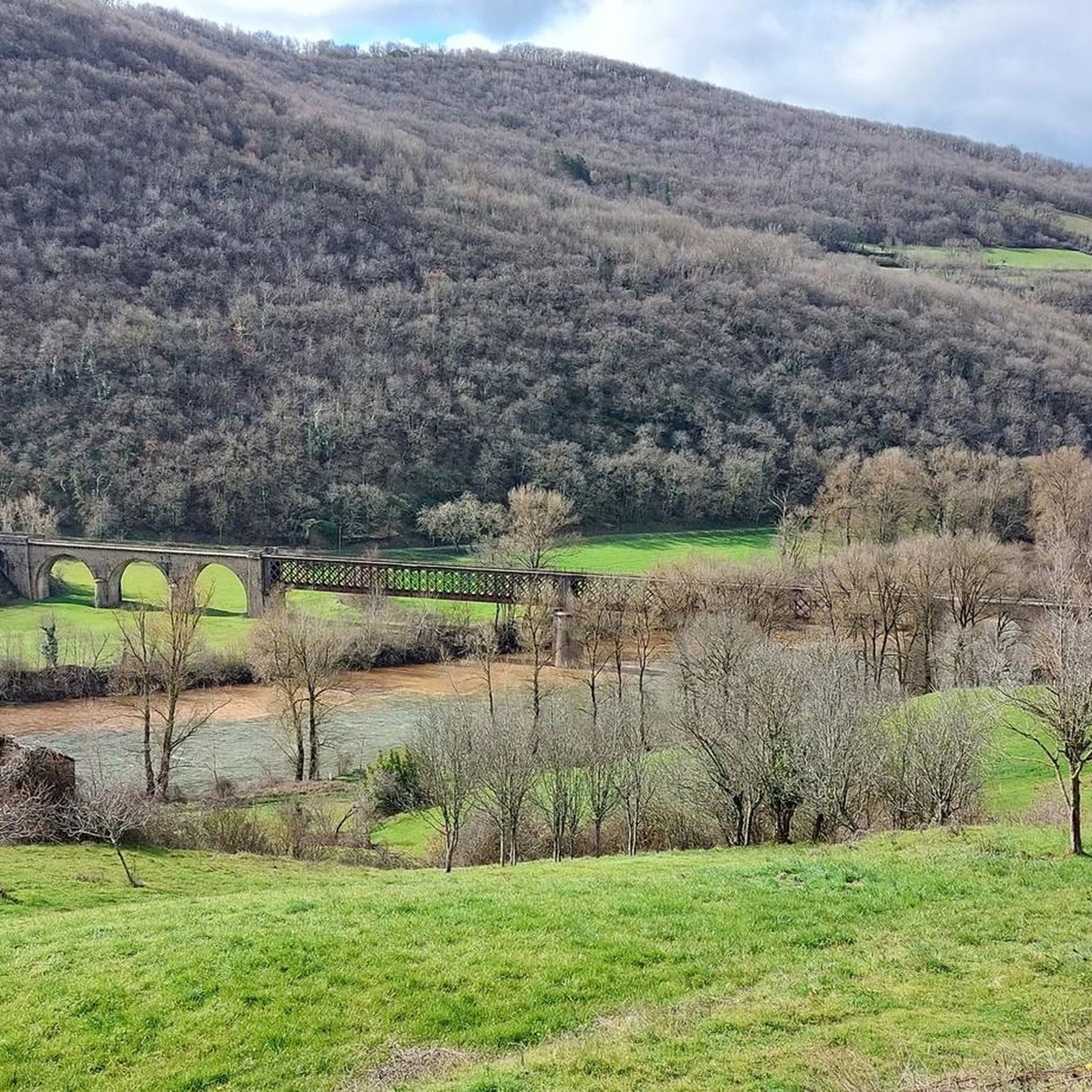
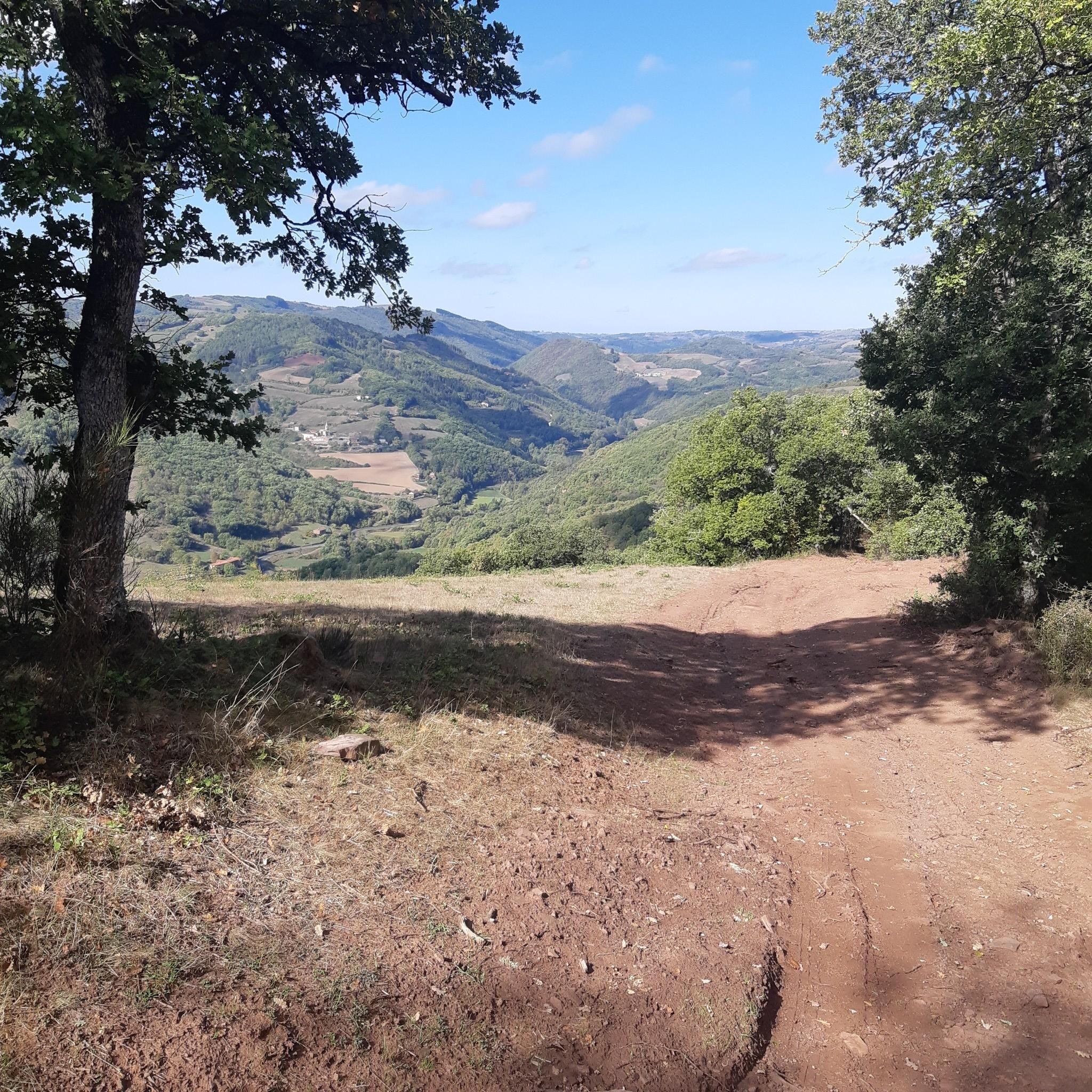
The Raspes du Tarn, from the Occitan "raspar" (grated), are gorges set in schist, covered with chestnut trees, white oaks, broom, and heather. Wild due to their relief but tamed by several hydroelectric dams, they offer an unusual landscape, dotted with waterfalls and old perched villages like Peyre or Saint-Rome-de-Tarn, which can be discovered by cruise, on foot, or from the roads overlooking the valley.
0
0

Dominated by its imposing medieval castle, Coupiac has preserved a remarkable heritage site. The fortress, rebuilt at the end of the 15th century, still impresses with its towers, machicolations, and defensive openings. A few steps away, the Notre-Dame-de-l'Assomption church completes this dive into history with its architecture blending Romanesque and Gothic styles, as well as a richly decorated choir. The castle and church alone summarize nearly a millennium of Coupiac's history, from the first medieval fortifications to the 19th-century embellishments.
2
0
The church of Saint-Izaire recalls the religious importance of the village over the centuries. The current building, consecrated in 1891, replaced the old medieval church which was integrated into the village fortifications. Today, along with the neighboring episcopal castle, it bears witness to the major role that Saint-Izaire played in the religious history of Rouergue.
3
0
Faveyrolles captivates with its balance between built heritage and rural landscape. Around the bell tower, the houses and agricultural lands tell the story of a territory shaped over generations by its inhabitants and their relationship with the land.
2
0
Saint-Izaire settled in the Dourdou valley, as close as possible to the water and agricultural land. The castle and the church still bear witness today to the historical importance of this village.
2
0
From this bridge, Saint-Izaire reveals all its history. The Dourdou in the foreground, the bishops' castle, the church and the village houses form a whole where each element recalls the past of the place. This location is not accidental: the river has shaped local life, while the castle bears witness to the major religious and political role this village played for several centuries.
2
0
Frequently Asked Questions
How many road cycling routes are available around Saint-Izaire?
There are over 60 road cycling routes available around Saint-Izaire, offering a wide range of options for different skill levels and preferences.
What kind of terrain can I expect when road cycling near Saint-Izaire?
The region around Saint-Izaire is characterized by river valleys, notably the Tarn, and rolling hills. Cyclists can expect varied terrain with significant elevation changes, including both climbs and descents, exploring agricultural lands and more rugged, forested sections.
Are there easy road cycling routes suitable for beginners in Saint-Izaire?
Yes, Saint-Izaire offers a few easier road cycling routes. For instance, there are 2 routes classified as easy, and many of the 37 moderate routes can also be suitable for those looking for a less strenuous ride. These routes often feature gentler gradients and shorter distances.
What are some challenging road cycling routes for experienced riders in Saint-Izaire?
Experienced riders will find plenty of challenging options, with 27 routes classified as difficult. A notable route is the Ayssènes Suspension Bridge – Saint-Rome-de-Tarn loop from Broquiès, which is 34.1 miles long and features challenging climbs through the Tarn valley.
Are there long-distance road cycling routes around Saint-Izaire?
Yes, you can find several long-distance routes. For example, the Lincou Valley – Bridge over the Tarn at Lincou loop from Broquiès covers 41.7 miles (67.1 km), offering a substantial ride through scenic landscapes.
Can I find circular road cycling routes in the Saint-Izaire area?
Most of the road cycling routes around Saint-Izaire are designed as loops, allowing you to start and finish at the same point. This includes popular options like the Saint-Affrique – Saint-Affrique loop from Saint-Izaire.
What historical or scenic attractions can I see along the road cycling routes?
Many routes pass by historical sites and scenic viewpoints. You might encounter ancient statue-menhirs, such as those on the Statue-menhir les Maurels loop from Broquiès. Other attractions include the impressive Brousse-le-Château, the historic Coupiac castle, or the Château de Saint-Izaire itself.
What do other road cyclists say about the routes in Saint-Izaire?
The road cycling routes in Saint-Izaire are highly rated by the komoot community, with an average score of 4.4 stars from over 16 reviews. Cyclists often praise the varied terrain and the beautiful river valley scenery.
Are there routes that feature river crossings or bridges?
Yes, several routes incorporate river features. The Ayssènes Suspension Bridge – Saint-Rome-de-Tarn loop from Broquiès specifically highlights river crossings. You can also find routes that pass by notable structures like the Bridge over the Tarn at Lincou or the Verdalle Bridge.
What is the typical elevation gain on road cycling routes in Saint-Izaire?
Given the rolling hills and river valleys, routes in Saint-Izaire often feature significant elevation changes. For example, the Lincou Valley – Bridge over the Tarn at Lincou loop from Broquiès has an elevation gain of over 1000 meters, providing a good workout for cyclists.
Are there routes that explore the area around Saint-Affrique?
Yes, the Saint-Affrique – Saint-Affrique loop from Saint-Izaire is a popular moderate route that specifically explores the diverse terrain around Saint-Affrique.
Most popular attractions around Saint-Izaire

Get inspired with the komoot mobile app


Explore more
Browse the best Road cycling routes in other regions.
