Top 5 Castles around Eaubonne
Best castles around Eaubonne offer a glimpse into the region's rich architectural heritage, featuring elegant country houses and mansions known as châteaux. Eaubonne, a commune in the Val-d'Oise department in France, is characterized by its historical buildings and surrounding natural landscapes, including the Montmorency forest. These sites provide opportunities for exploring French history and diverse architectural styles. Many châteaux are integrated into the town's historical and tourist routes, allowing for engaging exploration.
Best castles around Eaubonne
- The most popular castles…
Last updated: October 9, 2026
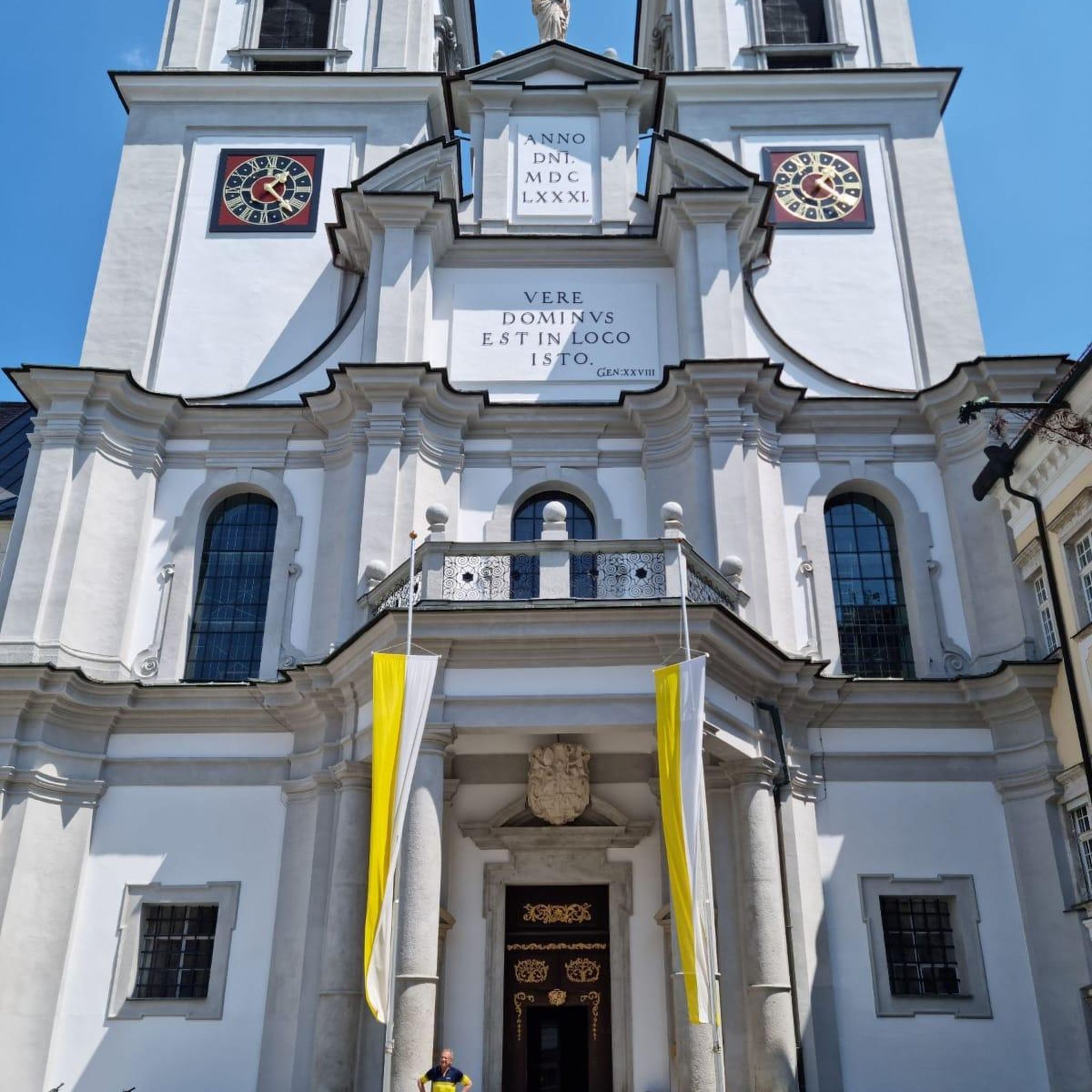
Maisons-Laffitte Castle
Highlight • Castle
Translated by Google •
Tip by

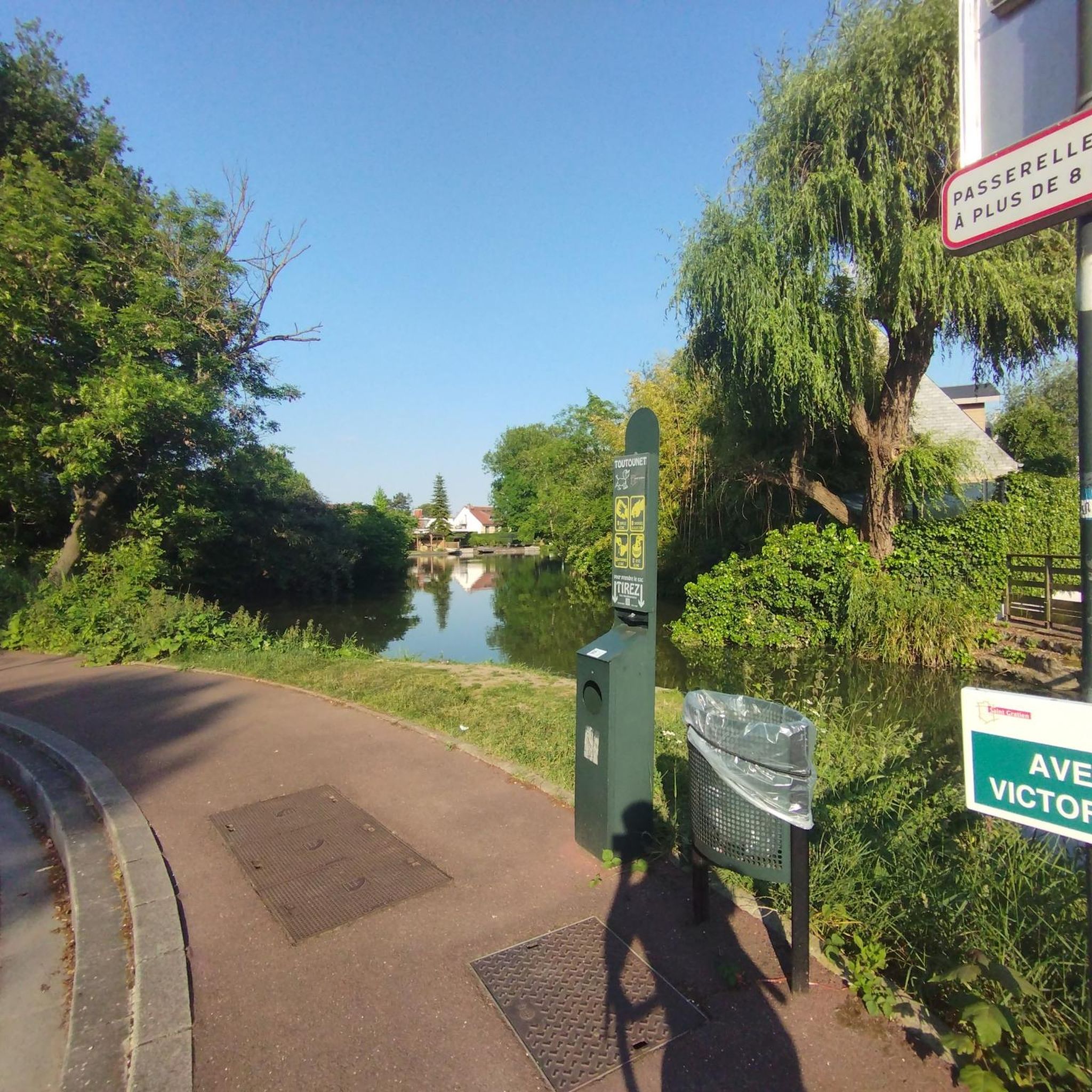
Pond and Château de la Chasse
Highlight • Castle
Translated by Google •
Tip by

Sign up now to discover places like this
Get recommendations on the best single tracks, peaks, & plenty of other exciting outdoor places.
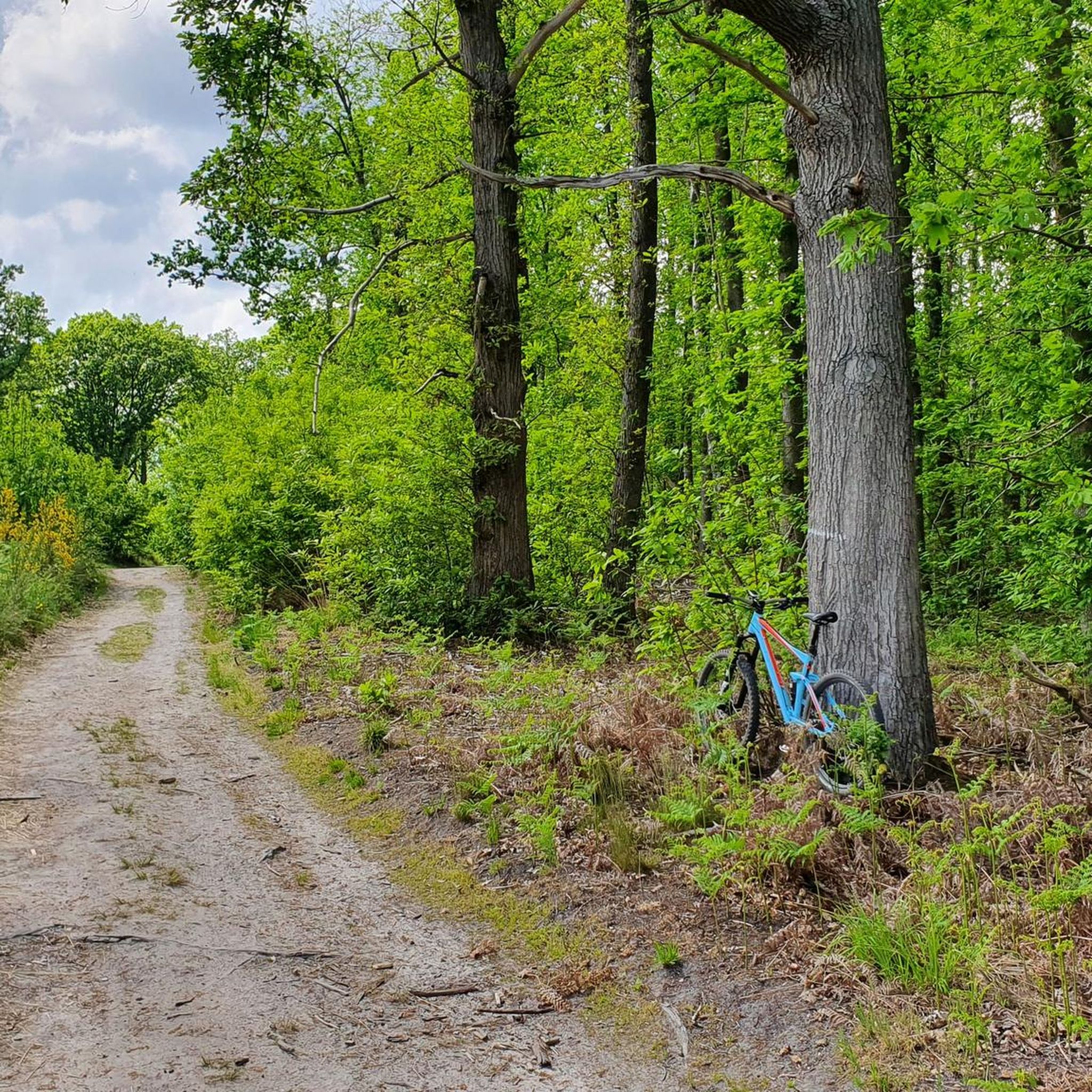
Hunting Castle
Highlight • Forest
Translated by Google •
Tip by

Château du Marais (Argenteuil)
Highlight • Castle
Remains of the Château de Marais from the 15th to 19th centuries - at the …
Translated by Google •
Tip by

Start today with a free account
Your next adventure awaits.
Tips from the Community


Very small but very cute castle in the middle of the forest
0
0

Magnificent place for walking, running at the foot of the hunting castle
0
0

An archway on the street, 'Rue Auguste Delaune', next to the stadium 'Stade du Marais'. Remains of the Château de Marais from the 15th to 19th centuries - at the time one of the most remarkable properties in the Paris area. (Sometimes called 'Le Château du Mirabeau'.) With the exception of the portal, the entire castle has disappeared - definitively destroyed in the Second World War. - https://www.argenteuil.fr/fr/les-sites-remarquables - https://fr.wikipedia.org/wiki/Ch%C3%A2teau_du_Marais_(Argenteuil) - https://www.facebook.com/groups/329838484635628
1
0

For the Cross, it's worth the detour and the hunting castle. 1, passage is obligatory
0
0

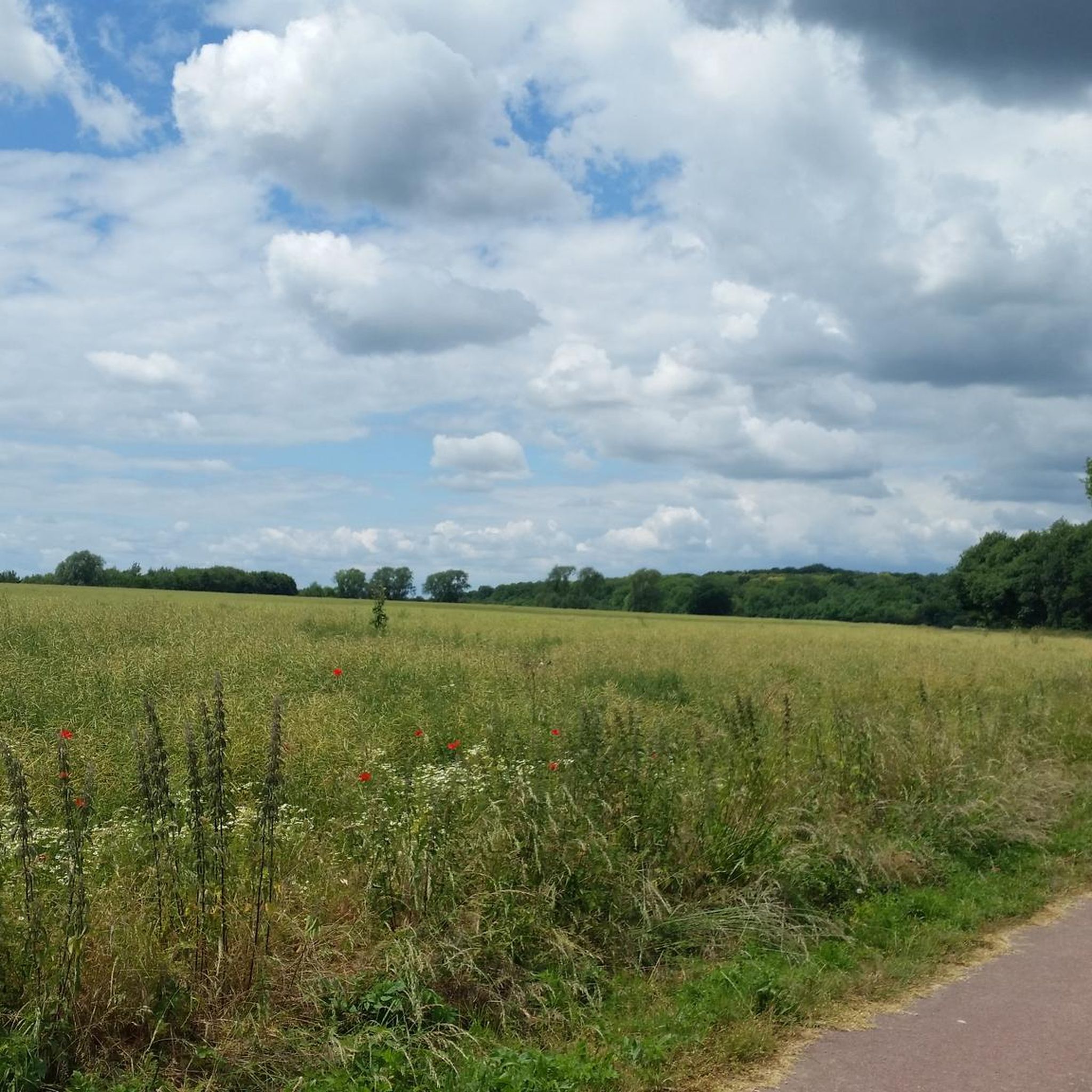
Superb for a picnic
0
0

Considered a masterpiece of 17th century civil architecture.
1
0

Magnificent Château that lives up to the quality of its wine.
1
0
Frequently Asked Questions
What types of castles can I expect to find around Eaubonne?
Eaubonne is home to elegant country houses and mansions, often referred to as châteaux, rather than medieval fortifications. These include 18th-century châteaux, traditional architectural heritage, and even "troubadour" style castles, offering a diverse glimpse into different periods of French history and architectural styles.
Are there any castles with significant historical or architectural importance?
Yes, several châteaux stand out. The Maisons-Laffitte Castle, built in the 17th century, is a stunning example of classical and baroque aesthetics, considered a model of classical art. In Eaubonne itself, the 18th-century Château de la Chesnaie is a classified historical monument known for its harmonious proportions and magnificent grounds. Le Petit Château, designed by the renowned architect Claude-Nicolas Ledoux, also holds significant architectural heritage.
Which castles are family-friendly?
Both Maisons-Laffitte Castle and the Hunting Castle are noted as family-friendly. The Pond and Château de la Chasse, located in the Montmorency forest, offers a peaceful setting where children might enjoy spotting Florida turtles among the ducks in the pond.
Can I find castles integrated with natural landscapes or parks?
Absolutely. The Pond and Château de la Chasse is nestled in the heart of the Montmorency forest, offering a pleasant break by a lake. The Château de la Chesnaie features magnificent grounds with an estimated 500 varieties of plants, trees, shrubs, and flowers. Château Philipson also boasts a park with many fine species of trees, perfect for a stroll.
What outdoor activities can I do near these castles?
The Montmorency forest, where the Pond and Château de la Chasse and Hunting Castle are located, offers various outdoor activities. You can find numerous cycling routes, including those that pass by the Château de la Chasse, ranging from easy to difficult. There are also challenging MTB trails and hiking routes available. For more details on routes, check out the Cycling around Eaubonne, MTB Trails around Eaubonne, and Hiking around Eaubonne guides.
Are there any castles associated with famous historical figures?
Yes, the Hunting Castle in the Montmorency forest is notable for having been frequented by Jean-Jacques Rousseau and Bernard de Jussieu, making it a place with literary and scientific connections.
What is the best time to visit the castles around Eaubonne?
While specific opening hours vary by château, visiting during spring or autumn allows for pleasant weather to explore the extensive parks and grounds, such as those at Château de la Chesnaie or Château Philipson. The Montmorency forest, surrounding the Pond and Château de la Chasse, is beautiful year-round, but particularly vibrant in these seasons.
Can I visit the interior of these châteaux?
Access varies by château. For example, Maisons-Laffitte Castle is open to visitors from 10 am to 12:30 pm and 2 pm to 6 pm, with tickets costing €8 for adults. Other châteaux, like Hôtel de Mézières, have served as town halls, or like Château Philipson and Le Petit Château, now house cultural associations or schools, which may offer limited public access or specific visiting hours. It's advisable to check individual château websites for current access information.
Are there any castles with unique architectural styles?
Definitely. The Château des Cèdres (also known as Château Lombard) stands out with its "troubadour" style, evoking the idealized atmosphere of the Middle Ages and Renaissance, featuring Gothic-decorated windows and Baroque-ornamented roof mansards. Le Petit Château, designed by Claude-Nicolas Ledoux, showcases Greco-Roman inspired architecture.
What do visitors enjoy most about the castles around Eaubonne?
Visitors appreciate the blend of historical architecture and natural beauty. Many enjoy the peaceful and relaxing settings, especially around the Pond and Château de la Chasse. The architectural details, such as those at Maisons-Laffitte Castle, are frequently praised, as are the opportunities for walks in the surrounding parks and forests.
Is there a castle that was designed by a famous architect?
Yes, Le Petit Château, constructed in 1773, was designed by the renowned architect Claude-Nicolas Ledoux. Its north facade, inspired by Greco-Roman architecture, was classified as a historical monument.
Are there any castles that are now used for public services or cultural activities?
Yes, Hôtel de Mézières notably served as Eaubonne's town hall for a period. Château Philipson currently houses the Collège du Temps Retrouvé (a local cultural and historical association), the Eaubonne Pensioners' Association, and a choir. Le Petit Château now houses a music school, and Château des Cèdres houses health services.
Most popular routes around Eaubonne
Most popular attractions around Eaubonne

Get inspired with the komoot mobile app


Explore more
Looking for the best castles somewhere else? Discover other guides around Eaubonne:
